Derek Abella got laid off on Valentine's Day – and it was the best thing that ever happened to him
The Miami-born, New York-based illustrator has turned personal vulnerability, Art Deco obsession and an eventful pandemic into a blossoming illustration career.
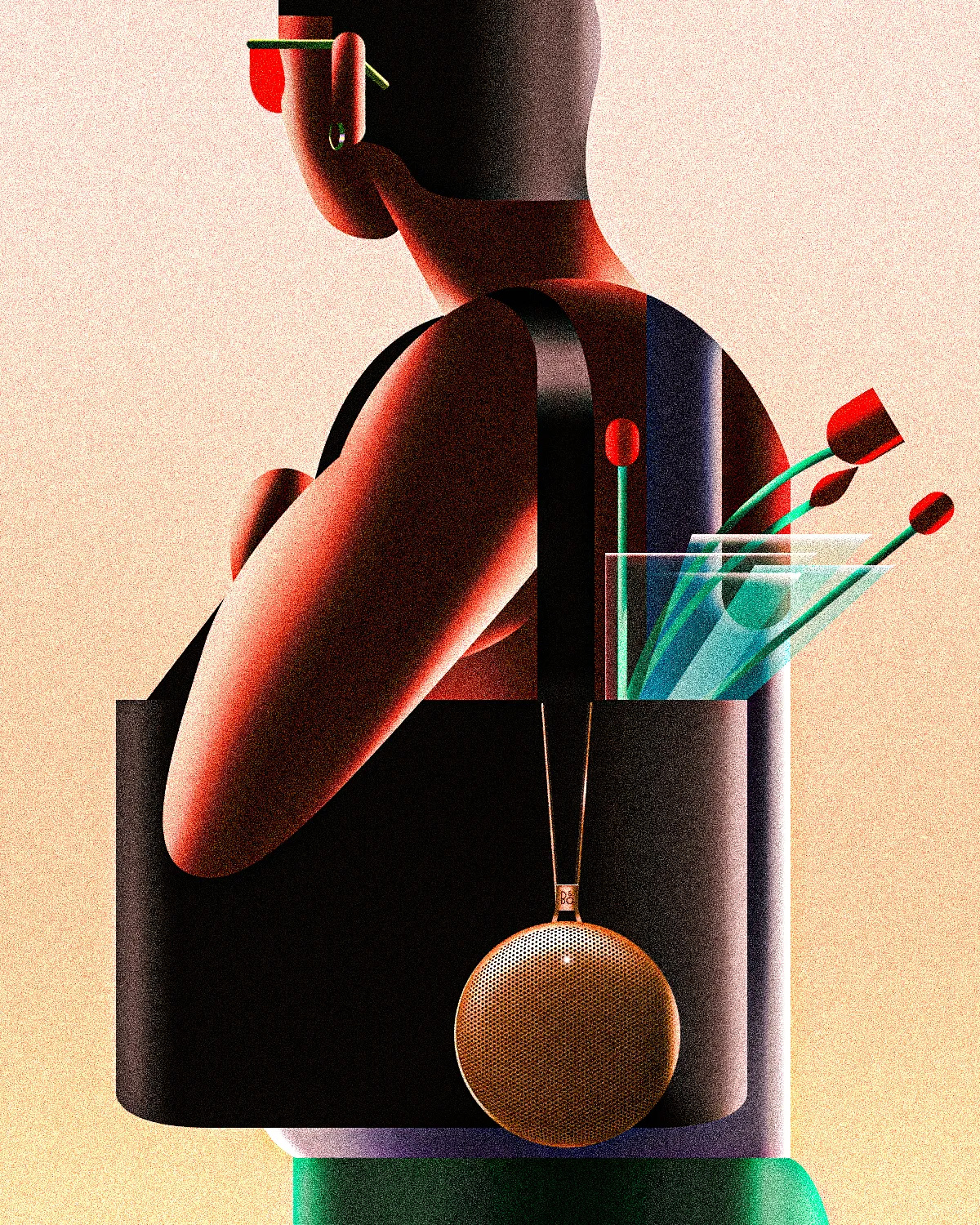
Bang & Olufsen, A1 Speaker
Some career origin stories are straightforward, but that's certainly not the case for Derek Abella. He graduated from Pratt Institute, landed an in-house illustration job at an online media company, and did the occasional freelance hustle on the side. Then, on Valentine's Day in 2020 – as if the universe had a flair for dark comedy – he was laid off. A global pandemic followed shortly afterwards. Most people would call that a rough stretch, but Derek's call is the foundation of everything.
"I feel extremely lucky that those often difficult, unstable times fostered the career I have now, six years later," he says. "The resiliency I had those first years taught me to carry confidence and hopefulness when it comes to my path." During lockdown, he began sharing personal and emotional work online, and it started to resonate with a rapidly growing audience. From there, a client list started growing; he also worked a stint at Pitchfork in 2021, and went on to work with the likes of the New York Times, The New Yorker, Bloomberg, the Washington Post, Nike, Bang & Olufsen, and on projects such as a halftime show for FIFA with Doja Cat.
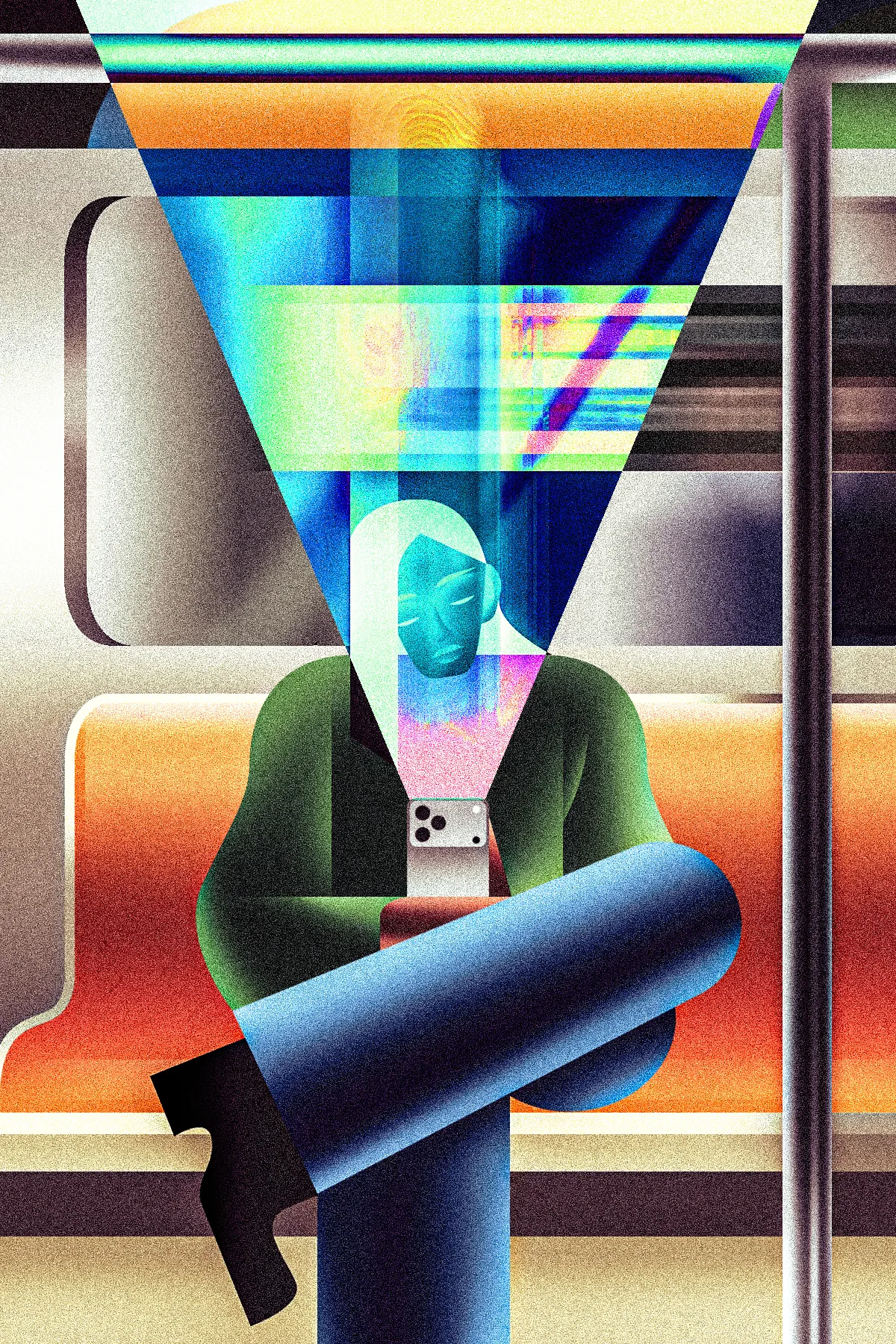
New York Times, Tech Fix
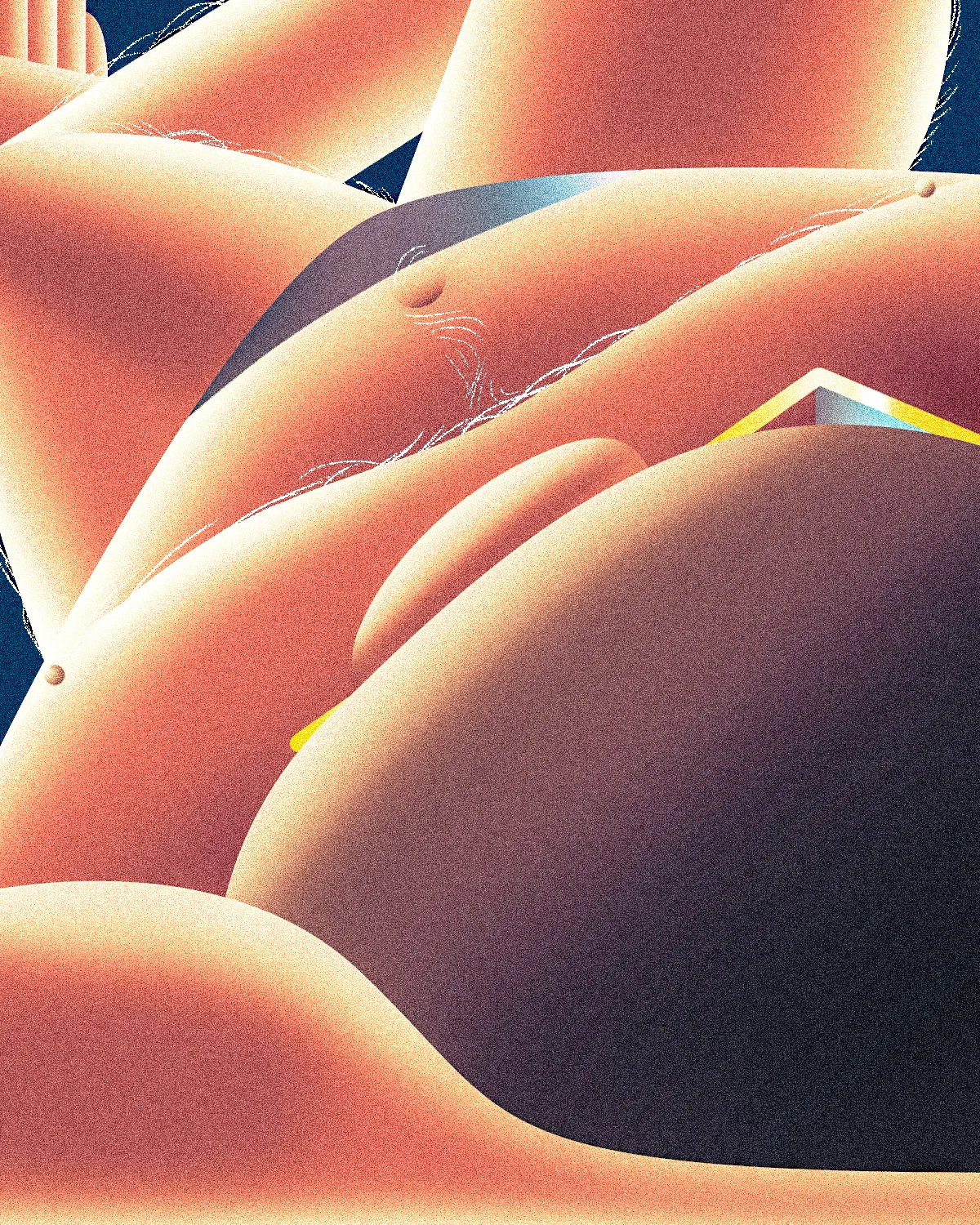
Tanning
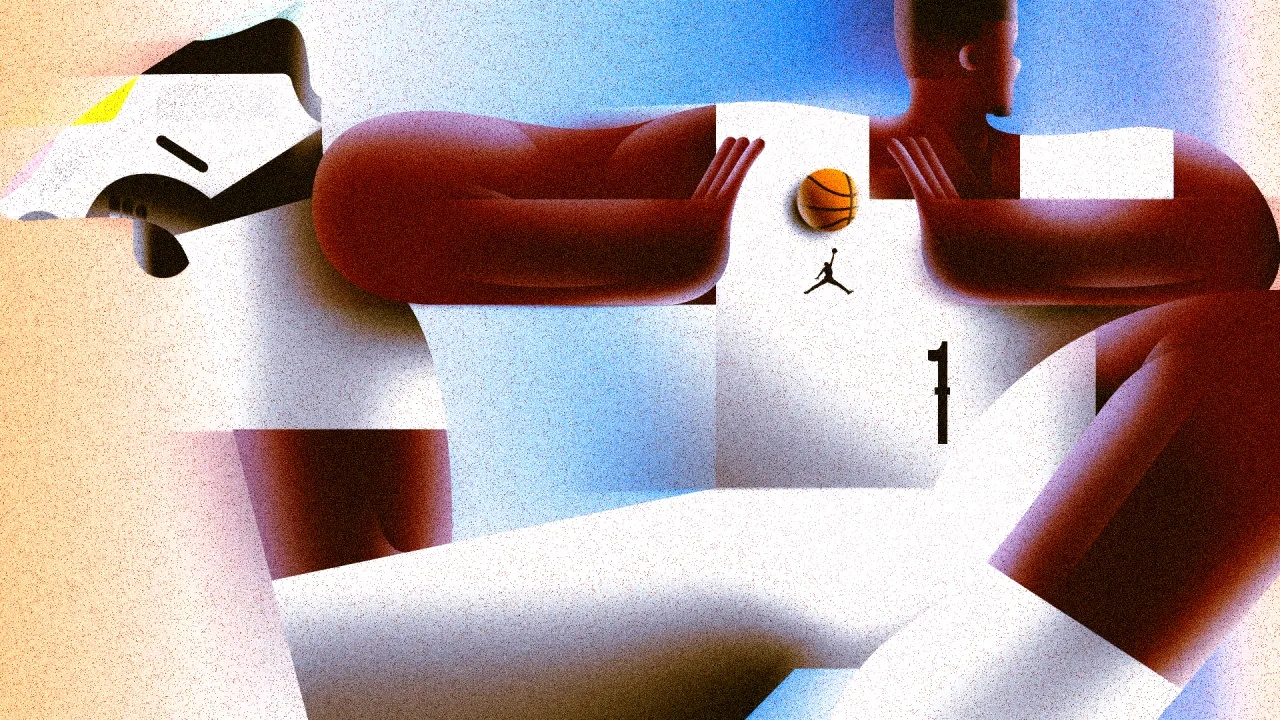
Air Jordan/Nike, Zion Williamson
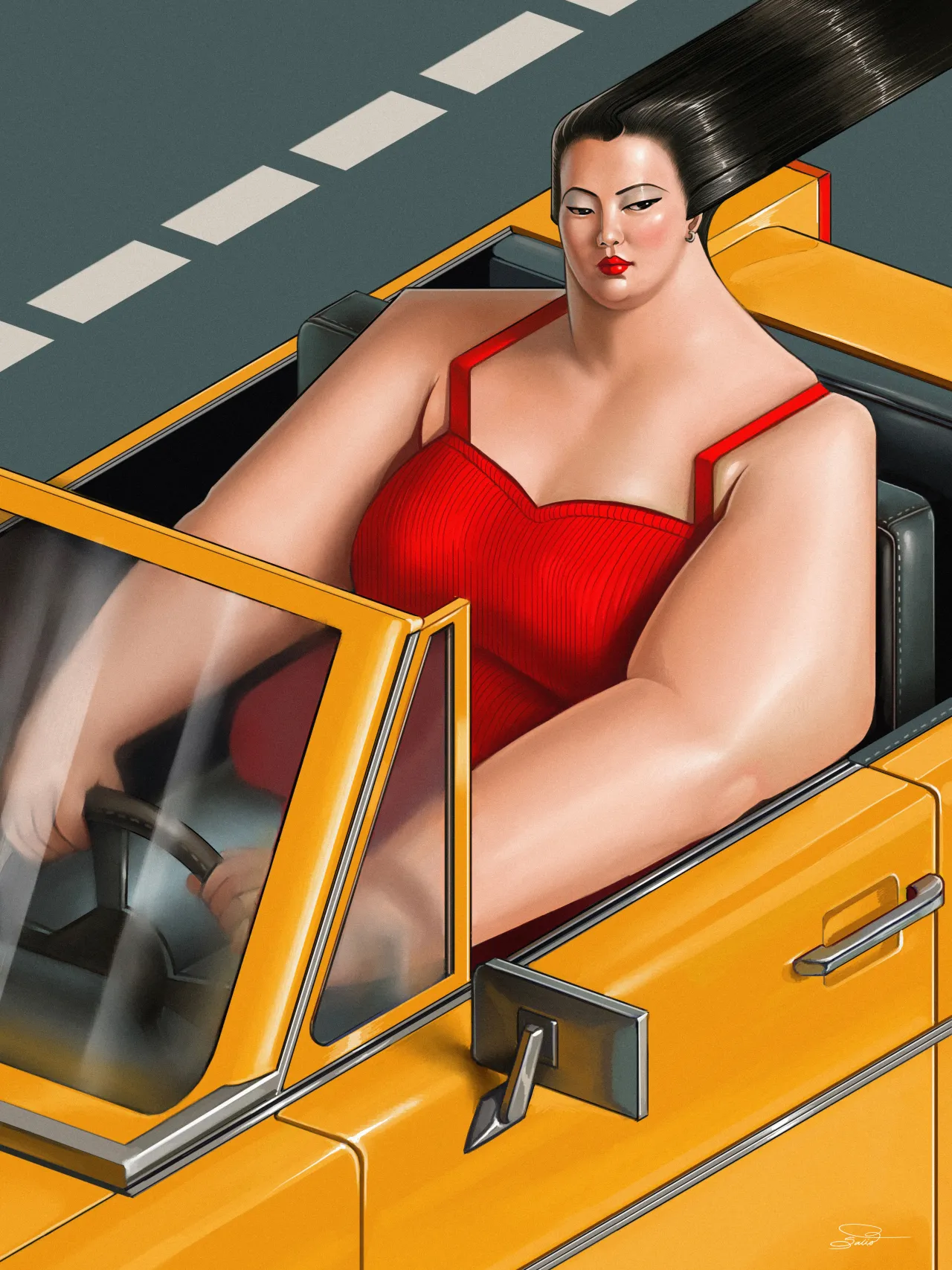
Growing up in a Cuban-American household in Miami gave Derek an early relationship with warmth, quite literally with the tropical weather, and also the more intangible kind that runs through all of his illustrations. Look at Tanning, for example, and you'll spot a close-cropped study of skin in afternoon light, soft and golden and almost sculptural, the grain of the image adding a tactile quality that makes you feel the heat. Or Kneeling Blue, with deep shadows and gradients, the body rendered with a kind of tenderness that's usually reserved for Old Master paintings. There's a voluptuousness to it, with forms that feel physical and colours that glow from within.
Art Deco is a constant undercurrent for Derek, as is the tropics, a feeling he describes as "yearning and nostalgia" – though he's deliberately stopped hunting for influences and started letting them arrive on their own terms. "A dinner party I throw with friends can be just as fruitful for me creatively as a solo afternoon wandering around The Met," he says.
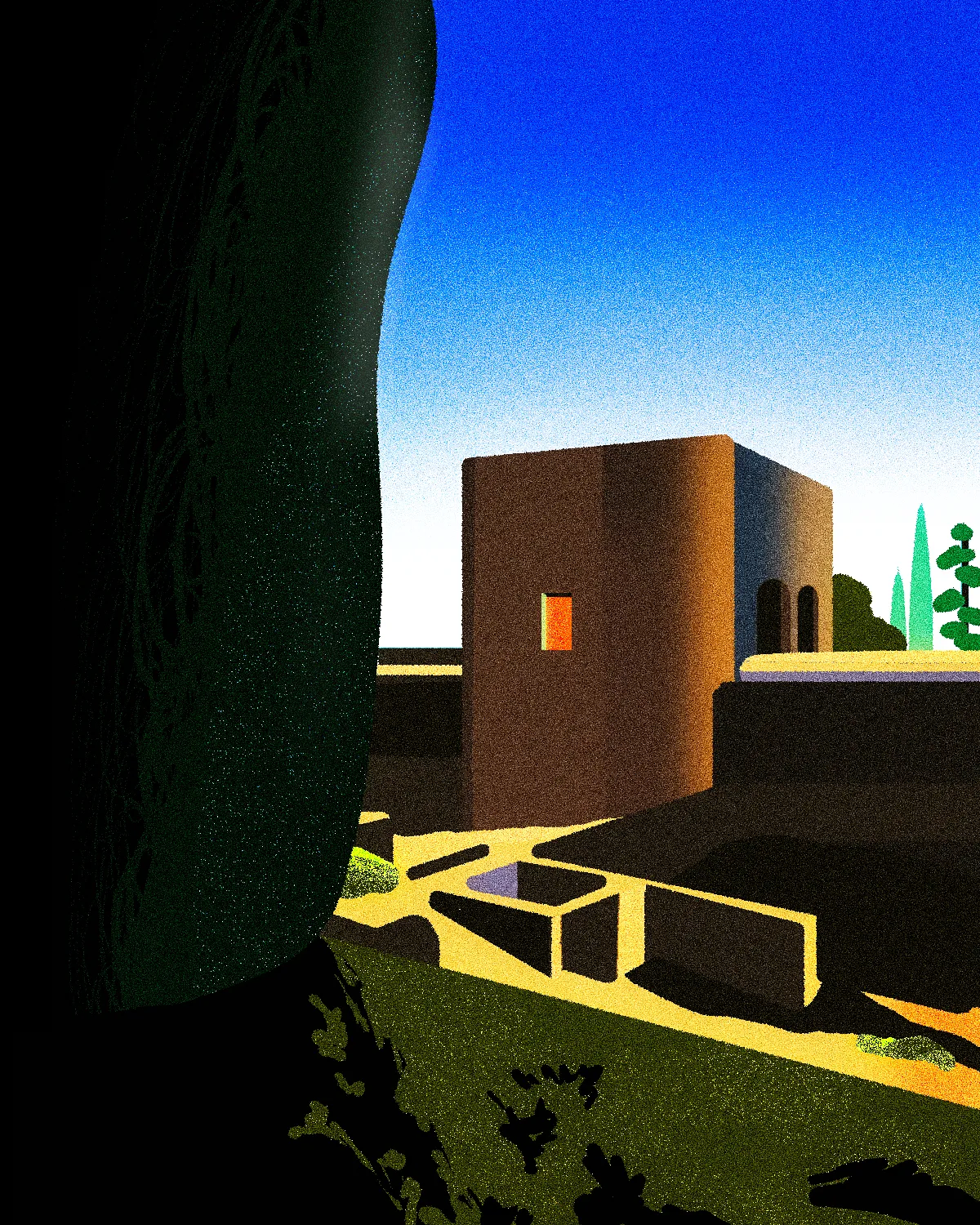
Alhambra
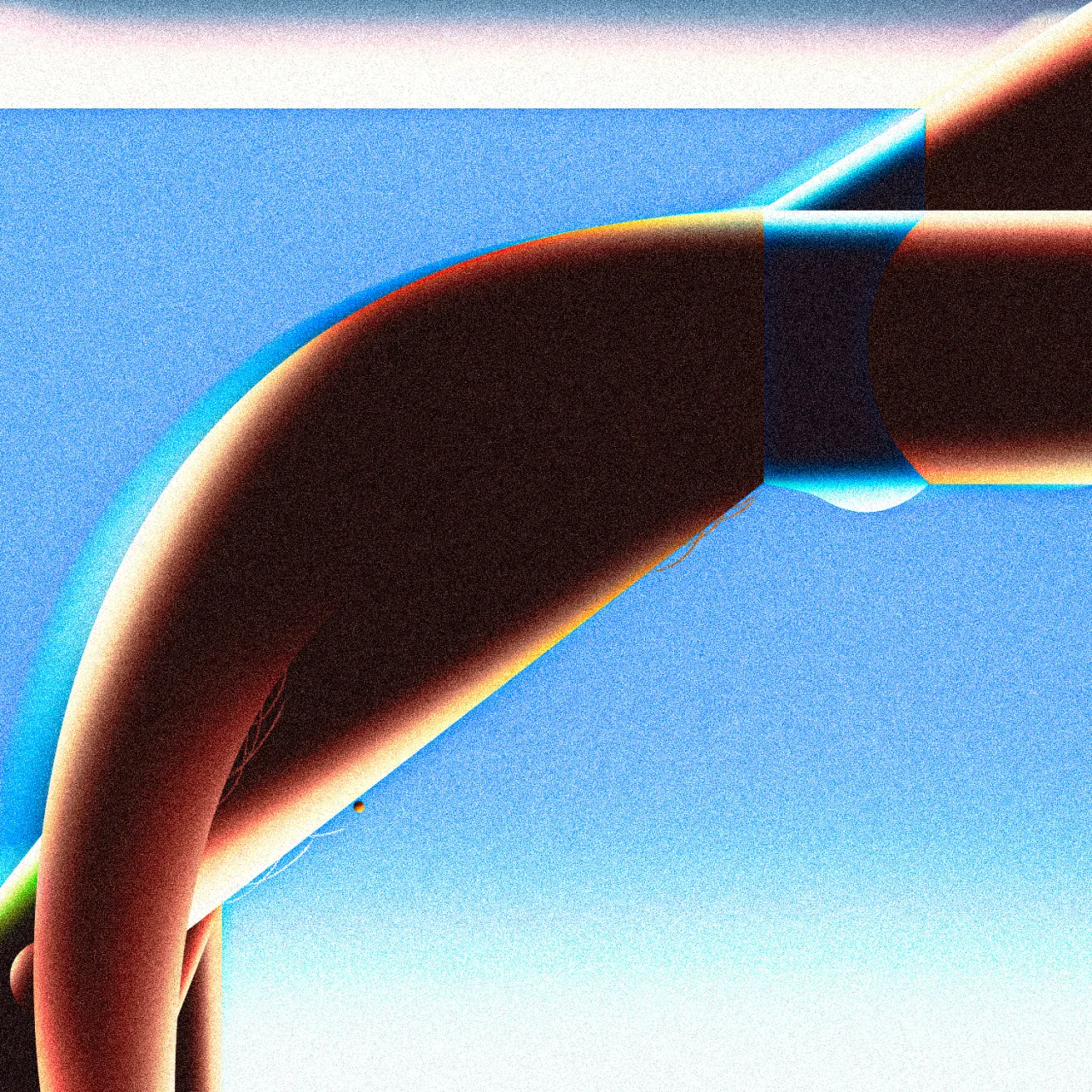
Divepg

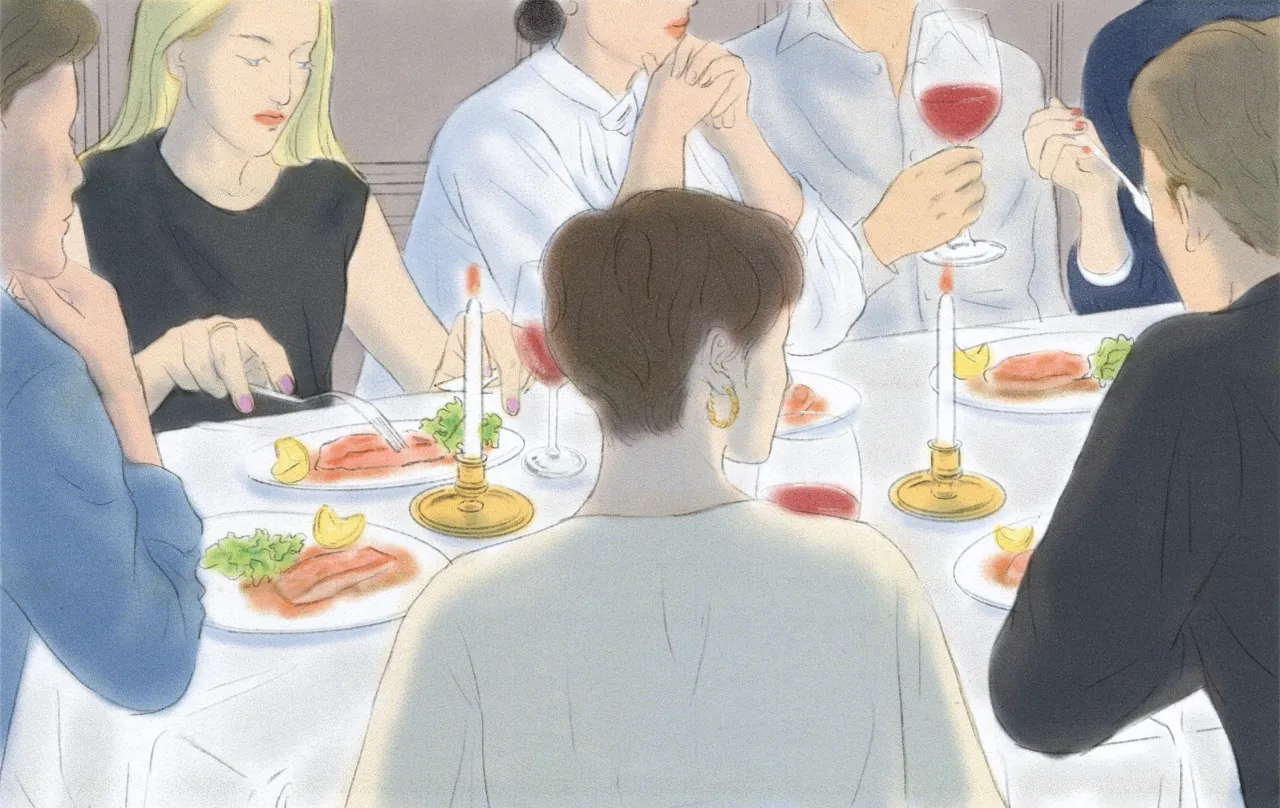
The New York Times, Family Meal
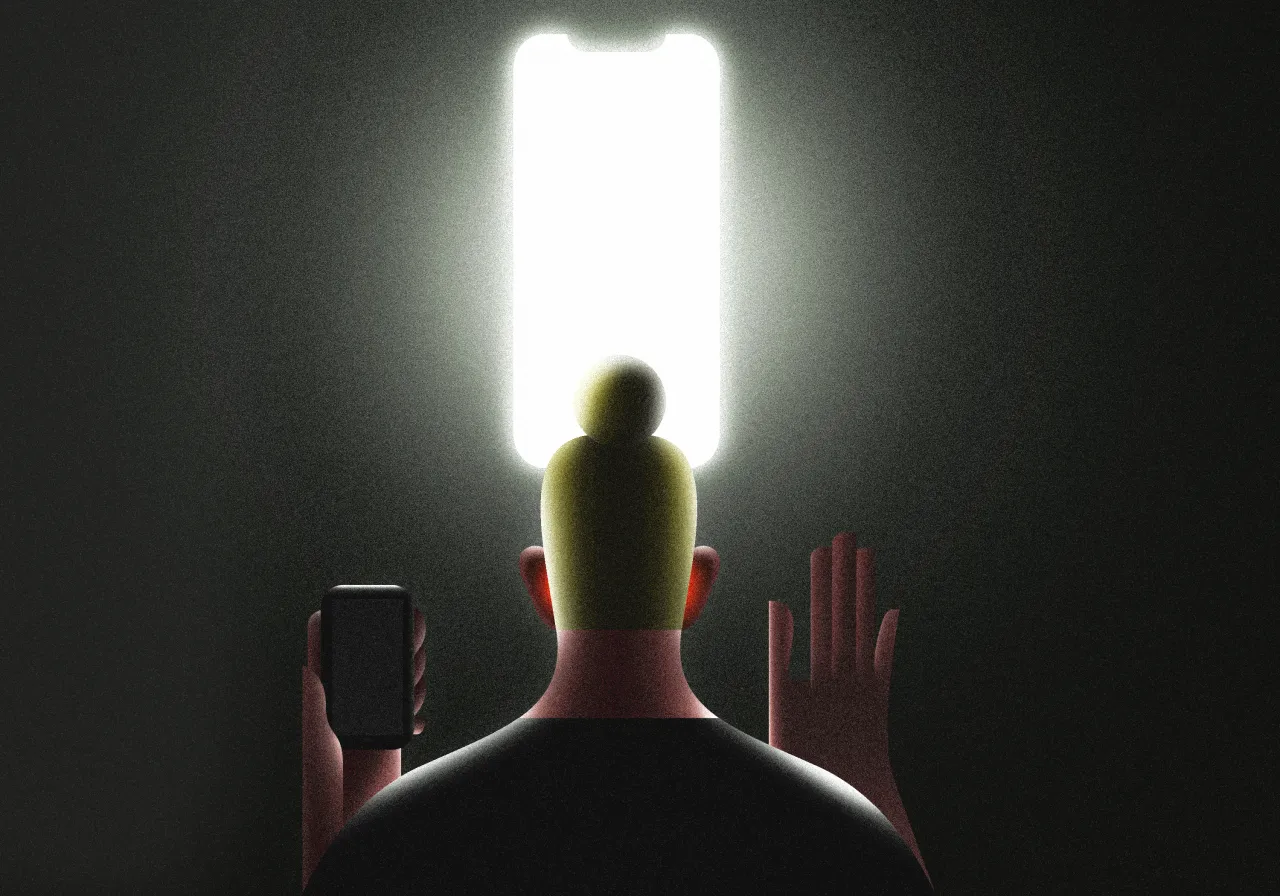
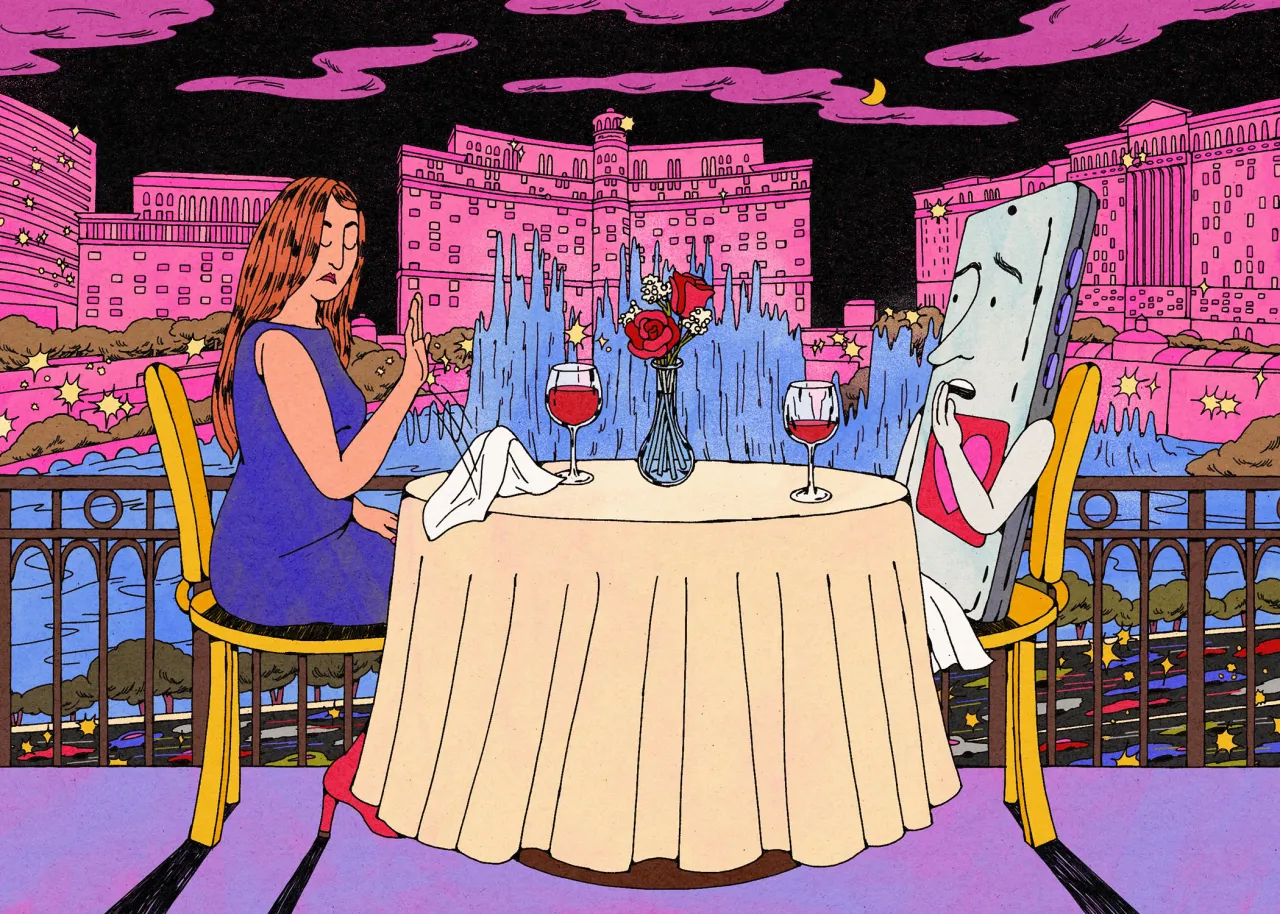
The New York Times, Phone Upgrades
For the New York Times Tech Fix column, Derek was asked to illustrate something about technology. His solution was to draw a woman on a subway, swallowed whole by her phone, the carriage rendered around her in precise and atmospheric detail. "I don't often flesh out settings in my pieces," he admits, "so it was fun to draw a subway car." Meanwhile, a personal study made from a photograph he took at the Alhambra in Granada – where there's not a person in sight – offered a chance to depart slightly from his own style and look at something architecturally beautiful.
What an art director named Zak Bickel once said about his work was that it was humanistic, which is a work Derek keeps running to. "Especially with the landscape of the arts being in constant negotiation with AI," he says. "I hope people see the deliberateness and emotion that I put into my work, regardless of subject matter or context. My work always centres on connection, and I want that to forever be apparent."
Derek is turning 30 this summer, and a mysterious new project is set to drop later this year. Art direction is also on the horizon, and he wants "a refreshing and nutritious relationship with art and design" in this next decade. After everything he's already built, starting from a Valentine's Day layoff and a global shutdown, that feels entirely within reach.
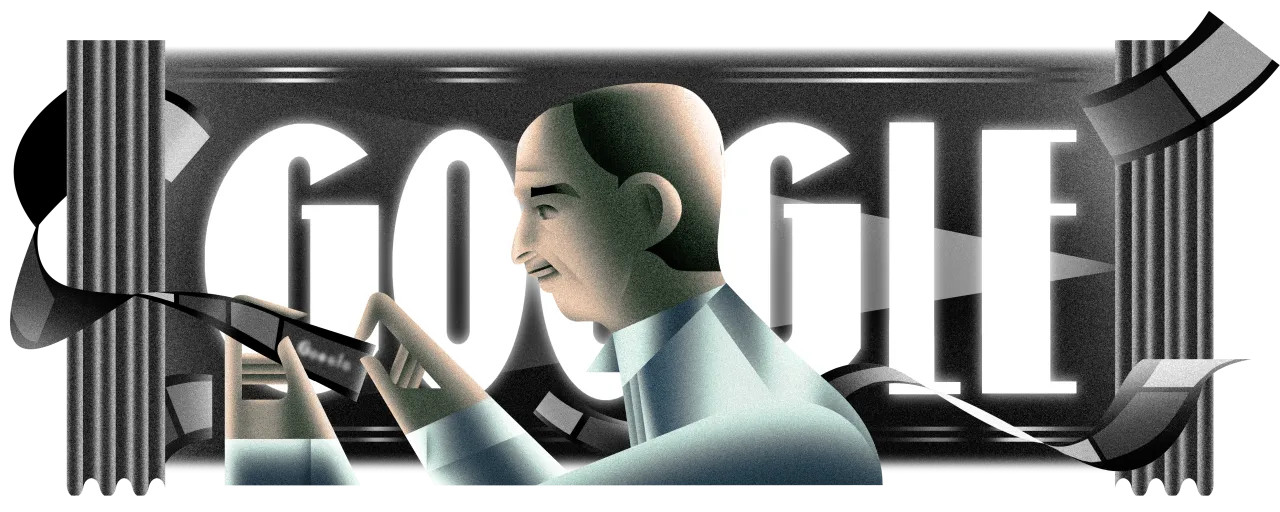
Google, Emerson Romero Doodle
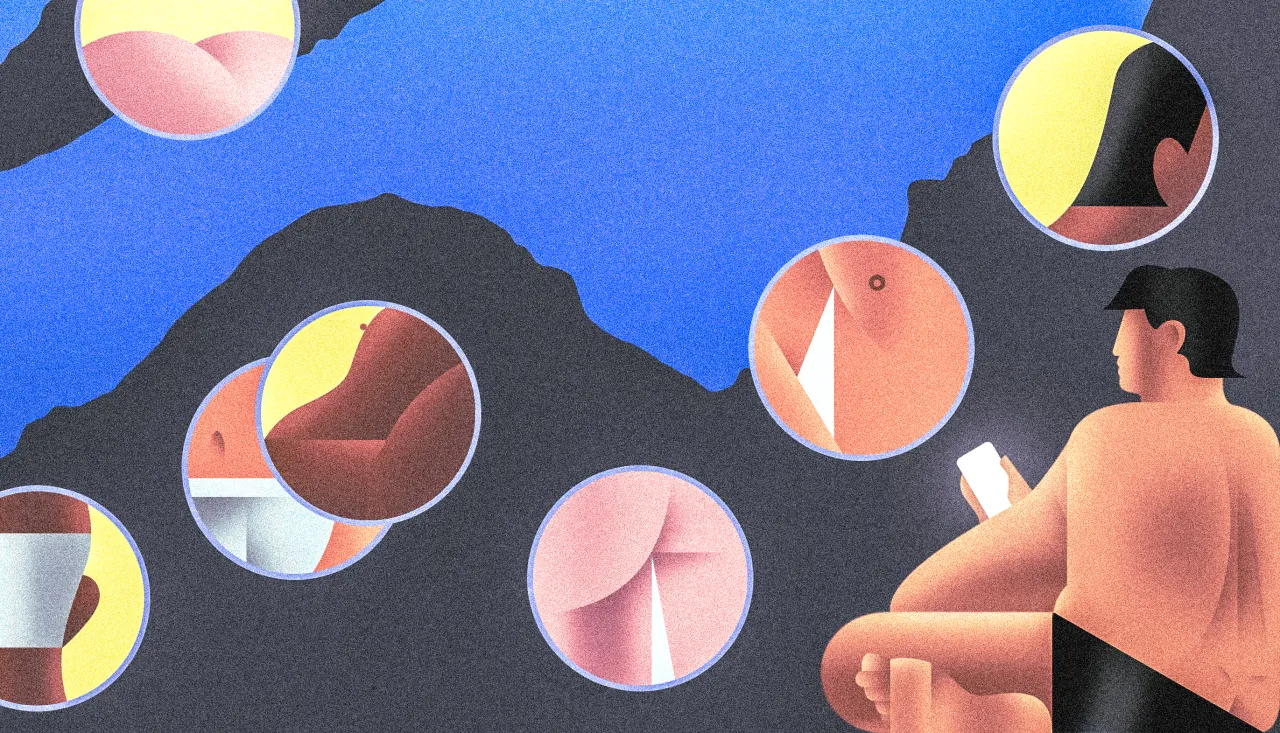
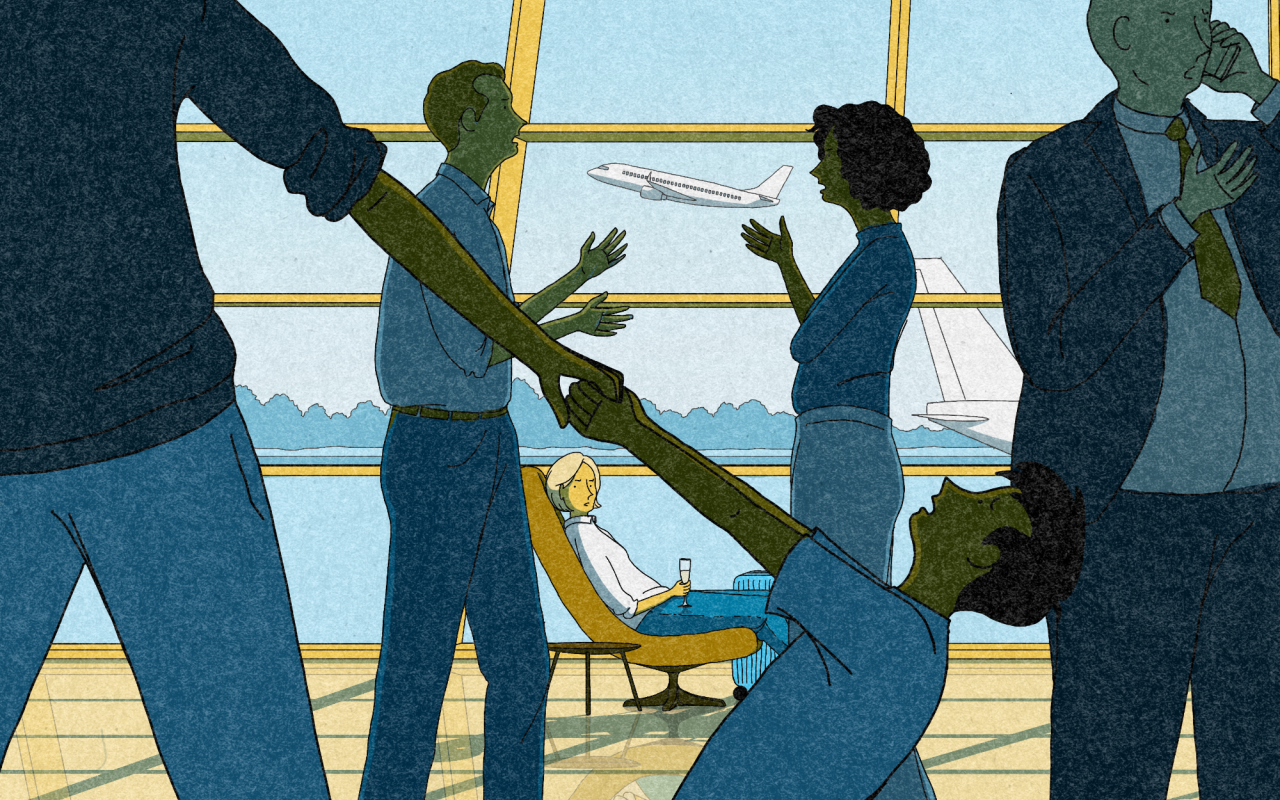
The New Yorker, Sniffies
Editor's Picks
Trending

Latest Jobs
Customs Publishing Project Designer at Dorling Kindersley Limited
Full-time·London·£38,000
Design Lead at Madeo
Full-time·New York City·$85k–$120k
Design Director at Koto
Full-time·London·£72k-£90k
Creative Director at Art&Graft
Full-time·London·£70k-£90k
Creative Director at Koto
Full-time·London·£95k-£130k
Senior 2D Motion Designer at Art&Graft
Full-time·London·£50k-£65k