Adam Lin's intimate series documents male family members in Taiwan and London
After moving from Taiwan to London at the age of 18, the photographer spent his formative years navigating two different environments while questioning his relationship to masculinity, home, and family.
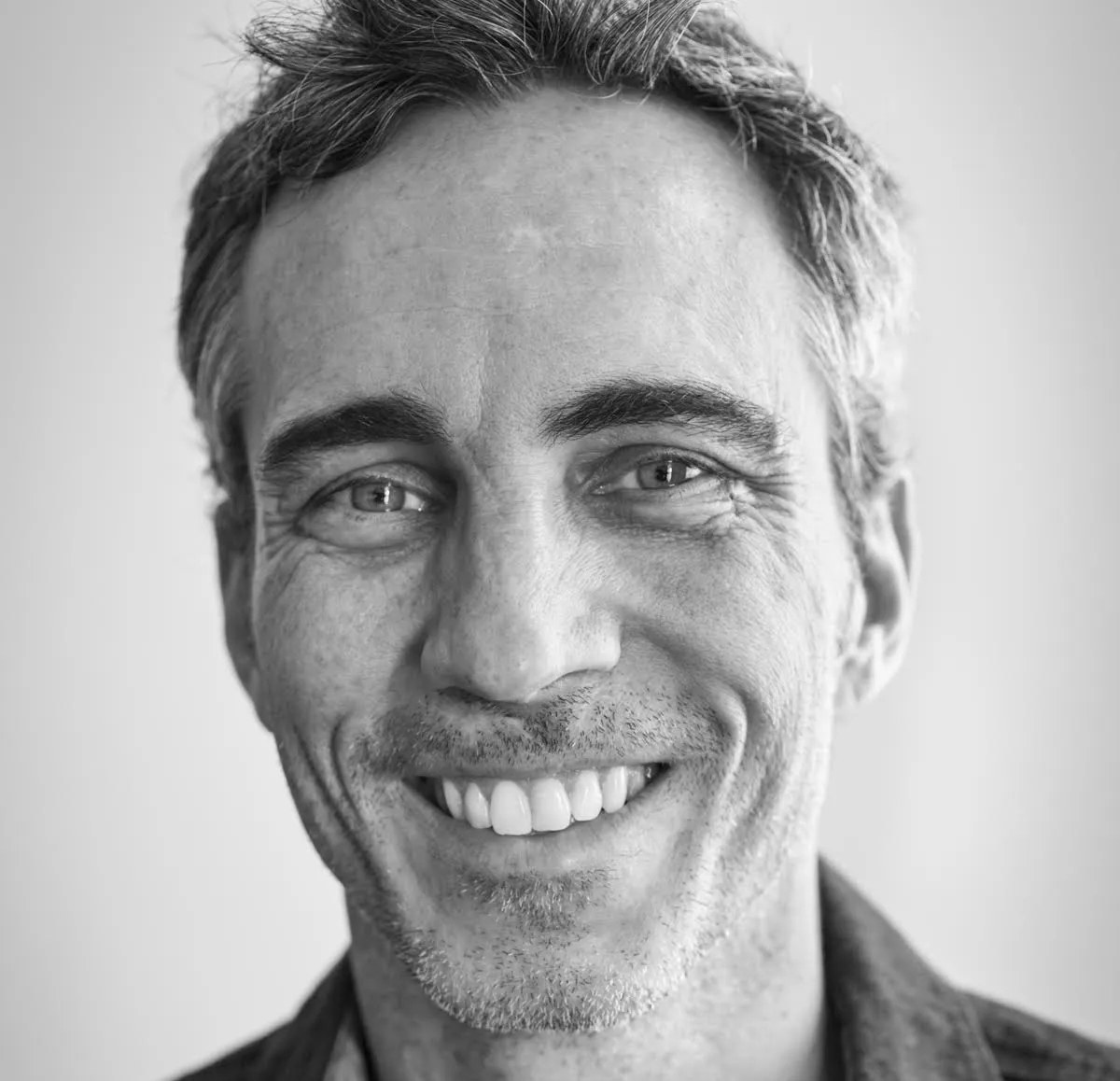
"My journey so far has been incredibly exciting," says Adam Lin, a Taiwan-born and London-based photographer and visual artist. In the beginning, Adam trained in painting, which allowed him to develop his tastes in colour palettes and compositions. Then, as soon as he got his hands on his first DSLR camera at the age of 15, he became hooked by photography and how immediate it felt compared to painting.
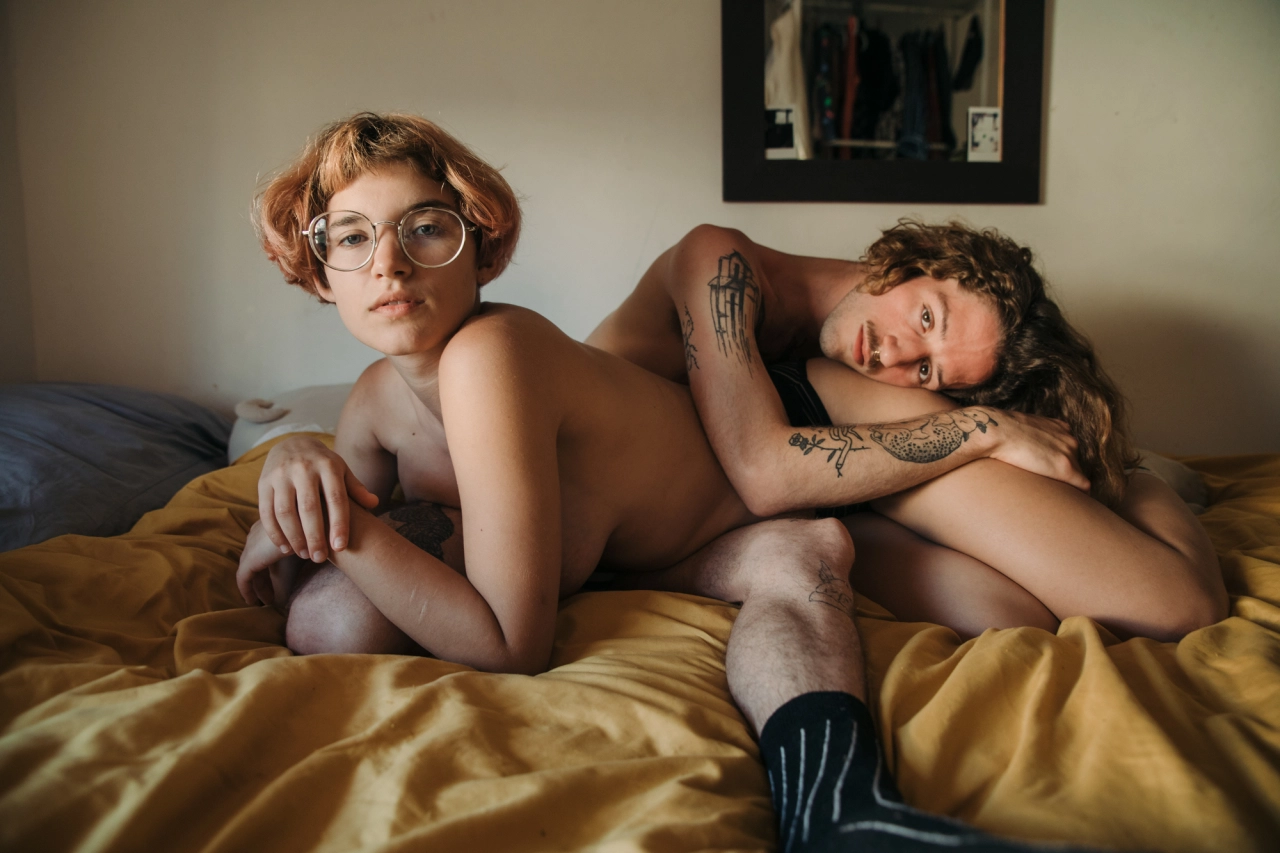
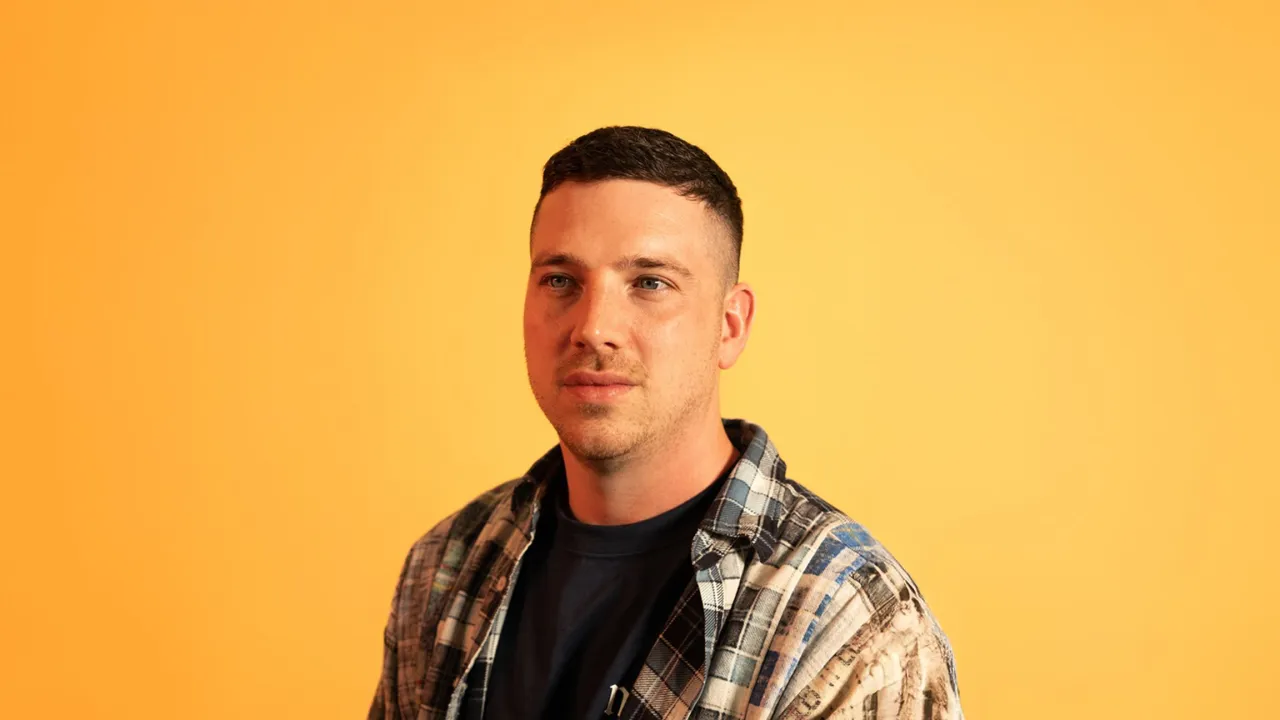
After this, Adam studied a BA in Graphics and an MA in Fashion Image at Central Saint Martins, which not only fueled an interest in fine art and the realism found in documentary aesthetics, but helped him develop his unique visual style – one that explores intimacy, family, queerness and cross-cultural identity, delivered in soft and painterly tones and with compositions so subtly gorgeous that his subjects look like they've been caught in a moment only someone close to them can capture.
Since graduating, his work has been recognised by the PhotoVogue Outstanding Vision Grant, the LensCulture Critics' Choice Top 10 Award, V&A East and Dazed 100, and he has also been named one of 10 finalists at the Hyères Festival, which is sponsored by Chanel and LVMH. He also works with clients such as Golden Goose, Lazy Oaf, AnOther Magazine, Hero and Tank. He is currently a facilitator and educator, having given guest lectures at Oxford University and LCC.
"At its core, human connection is the root of my work," he says. "Working fluidly across portraiture, fine art, fashion and documentary, I use image-imaging to amplify and humanise deeply personal stories. My work intimately investigates vulnerability and challenges rigid masculine norms, specifically exploring the dialogue between East and West."
Growing up, Adam was the only queer child among 14 boys, brothers and male cousins, which sparked an awareness about male relationships and identity. "I was always conscious of the disparity between how the men in my family showed intimacy versus how I imagined masculinity could be. That difference often felt isolating because my family did not necessarily share the vocabulary to engage with these ideas. Decades later, that feeling gave me the agency to create work around it."
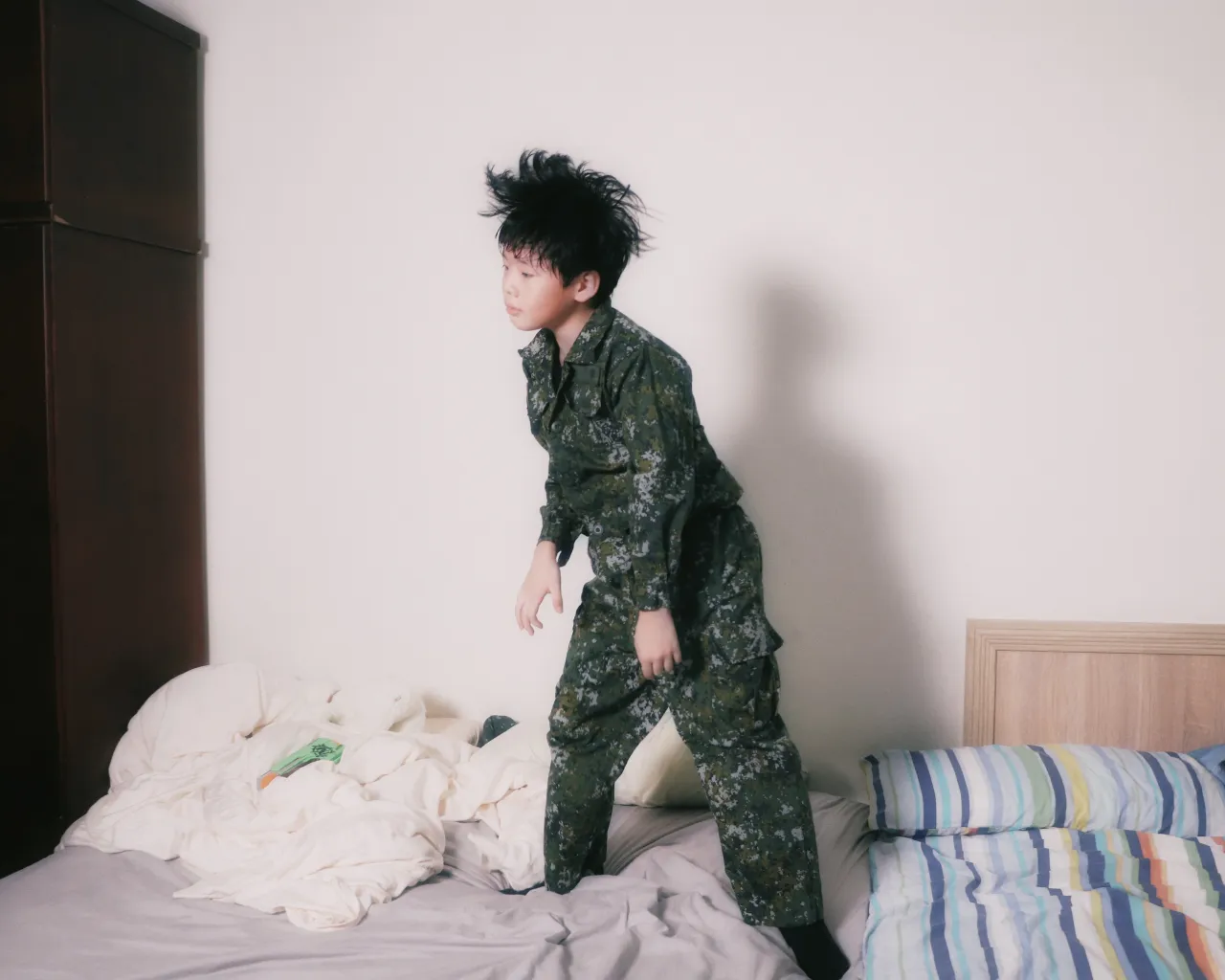
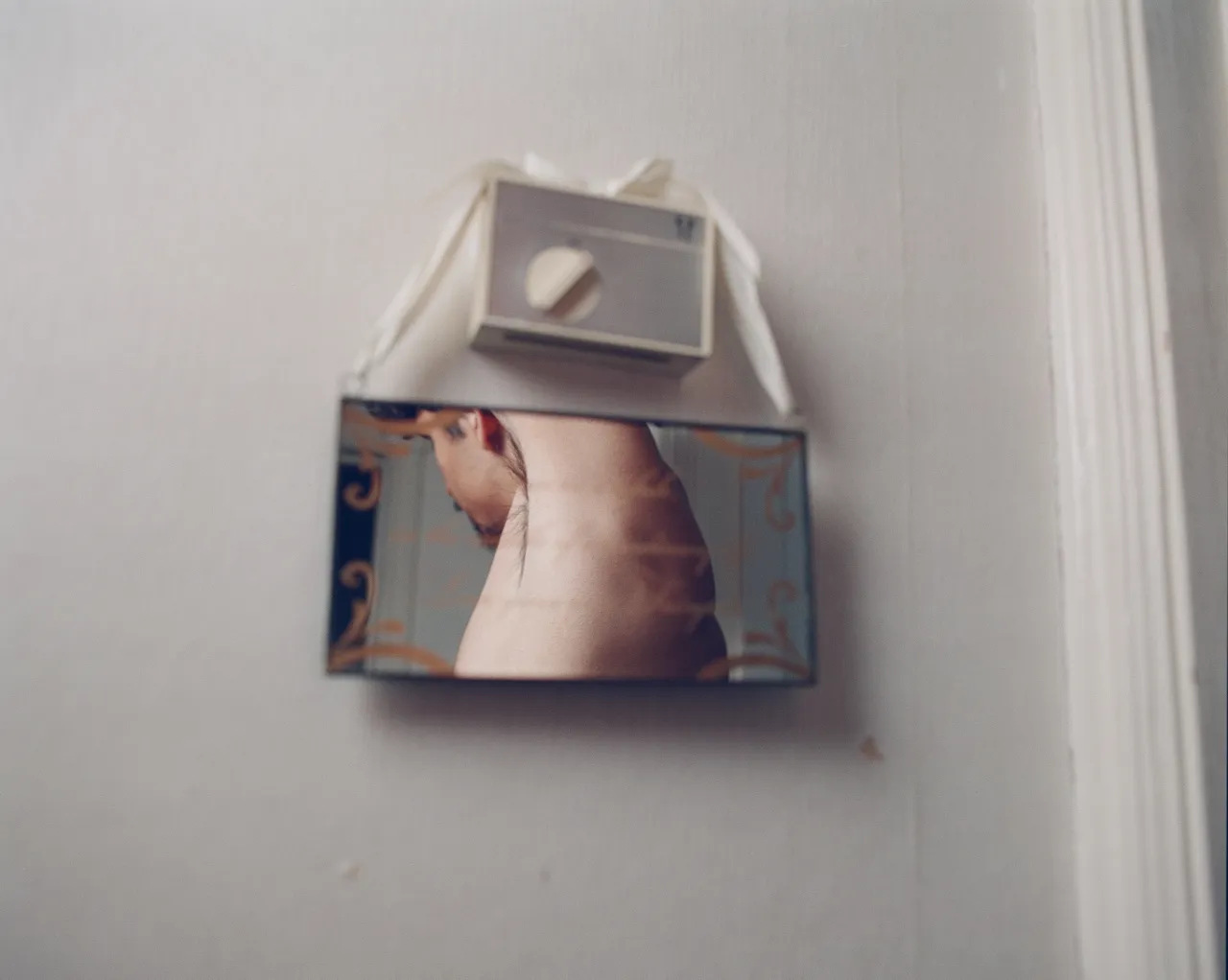
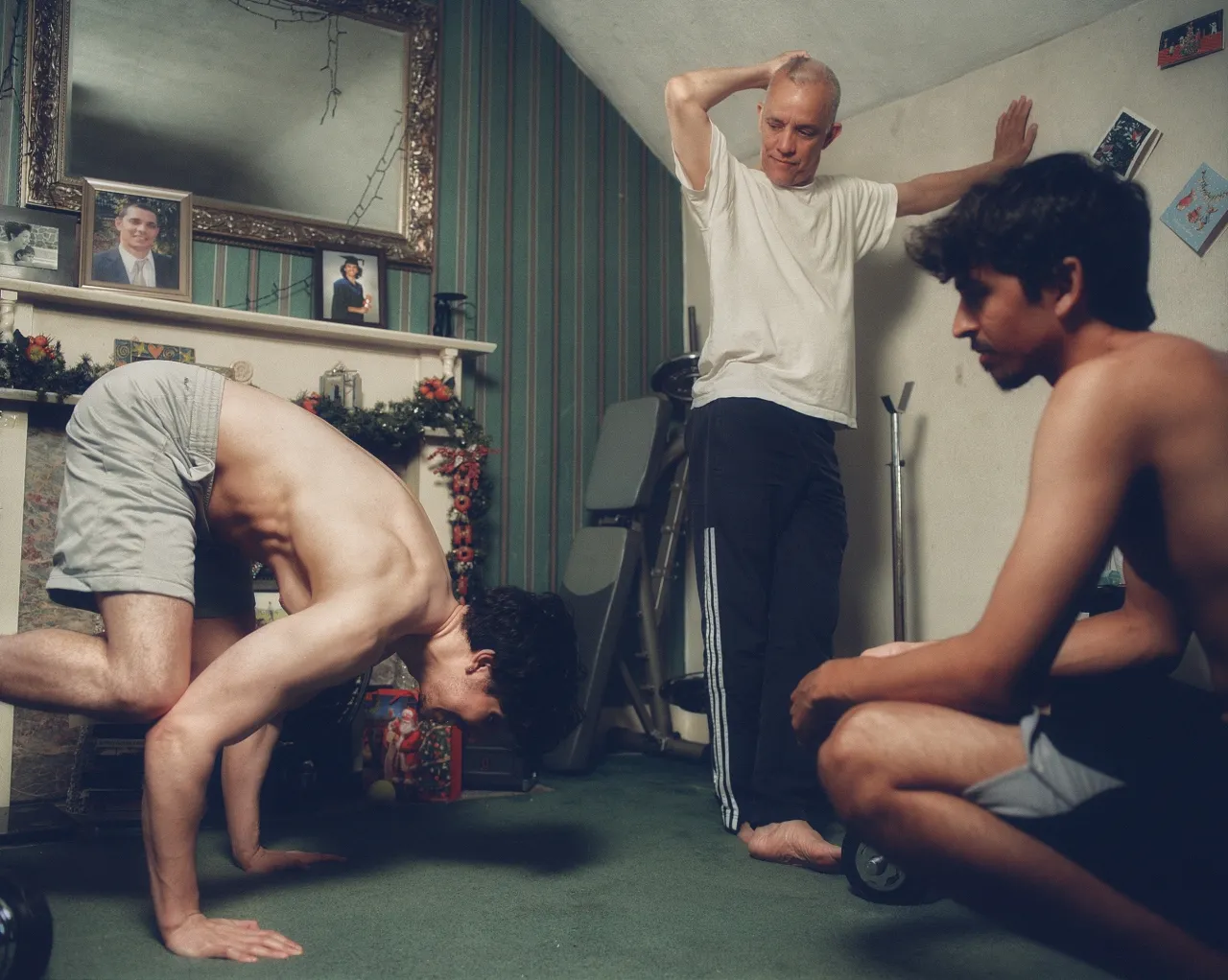
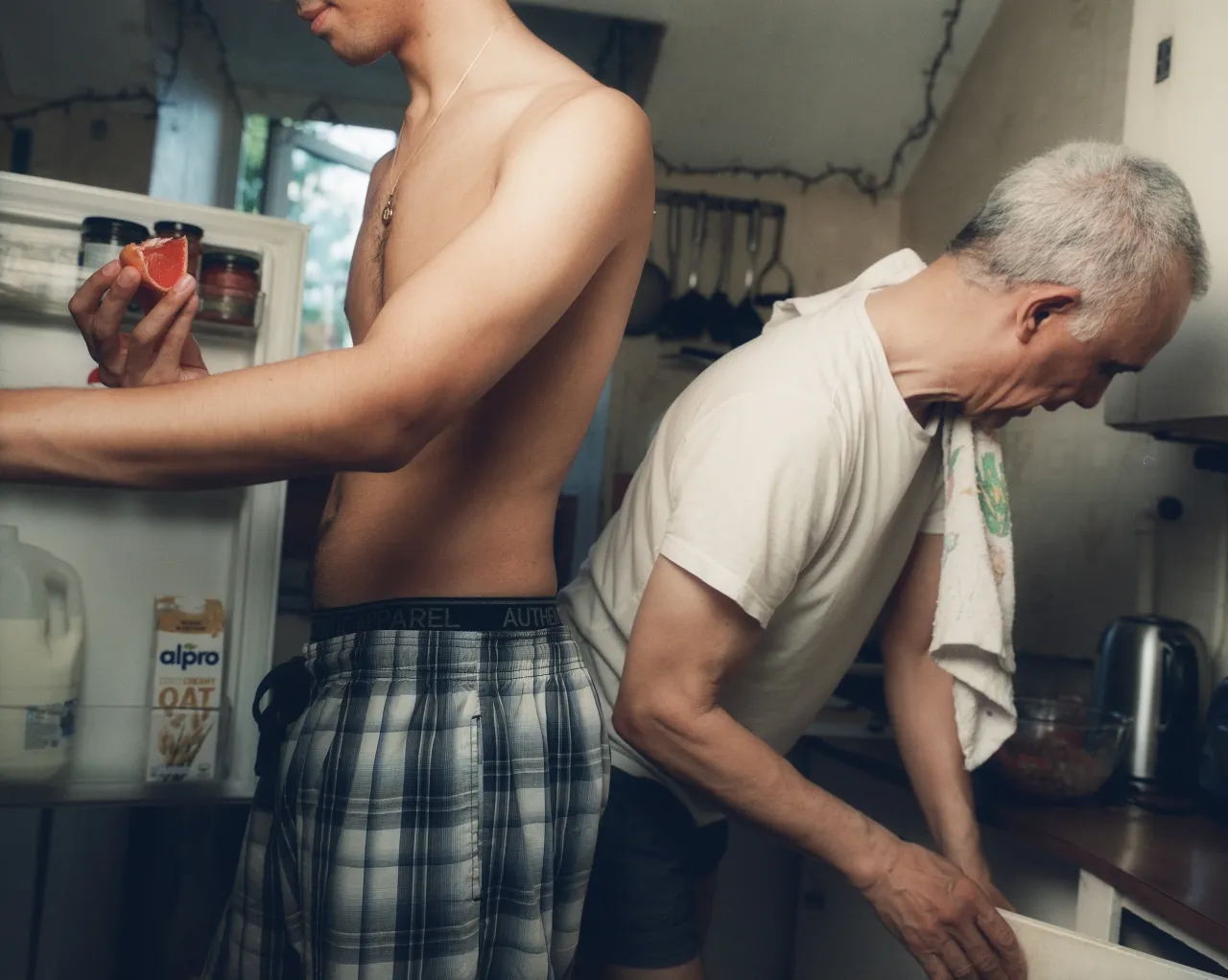
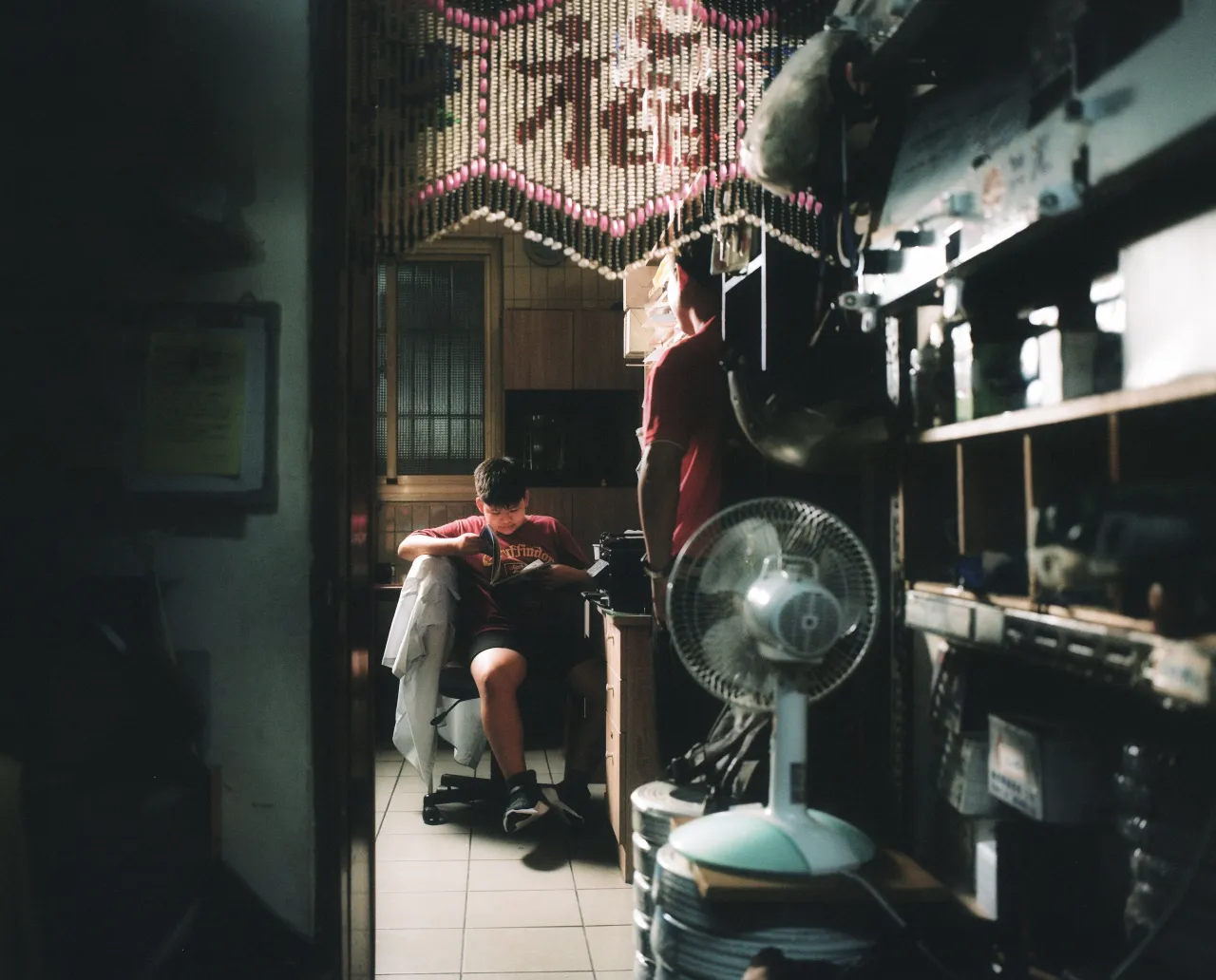
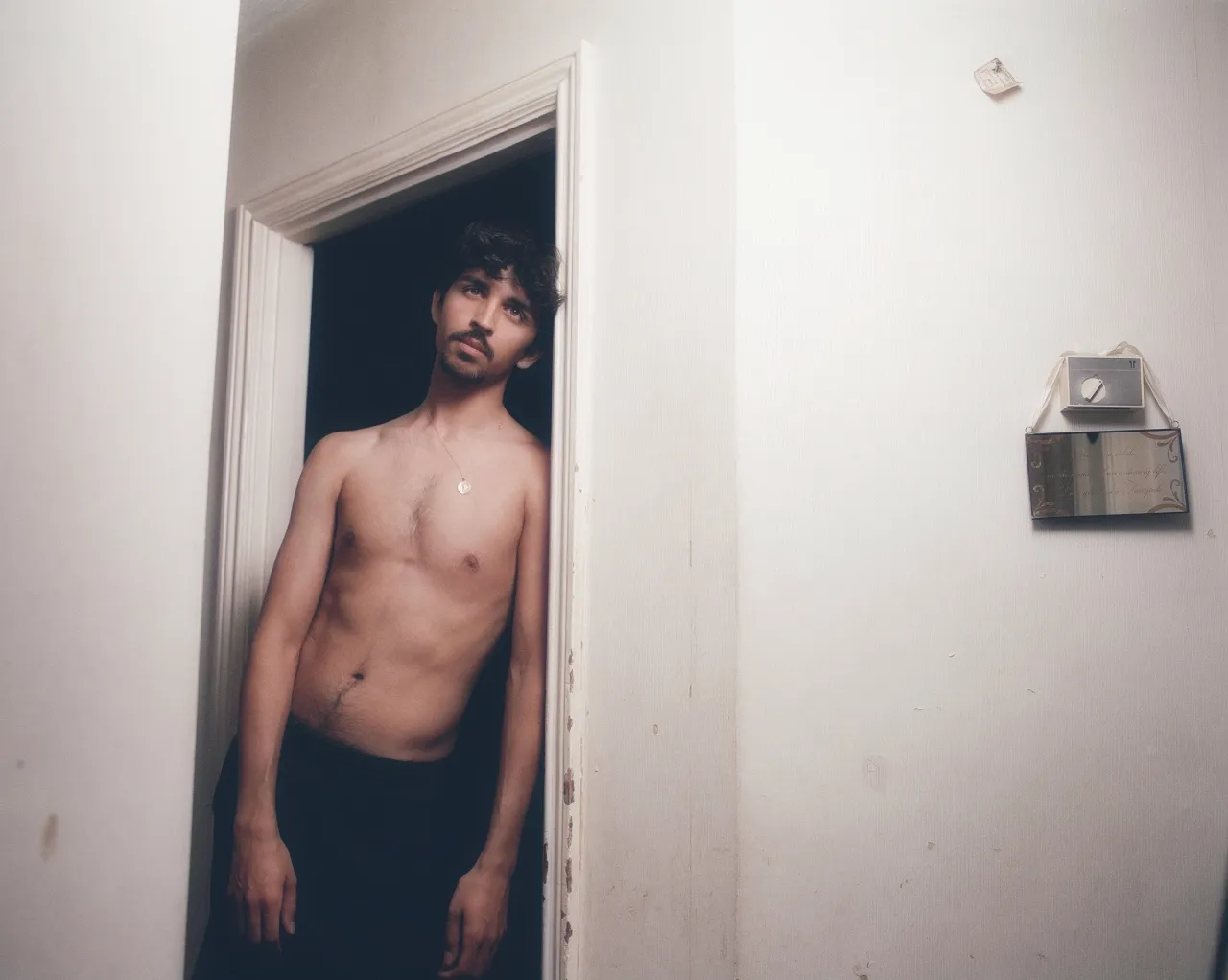
The result of which is Sonder, an ongoing project that documents male family members in Taiwan and London, which began when he moved from Taiwan to London at the age of 18. "I spent my formative years navigating two distinct environments while questioning my own relationship with masculinity, home and family. Sonder became my way of exploring these contradictions and the in-between nature of belonging."
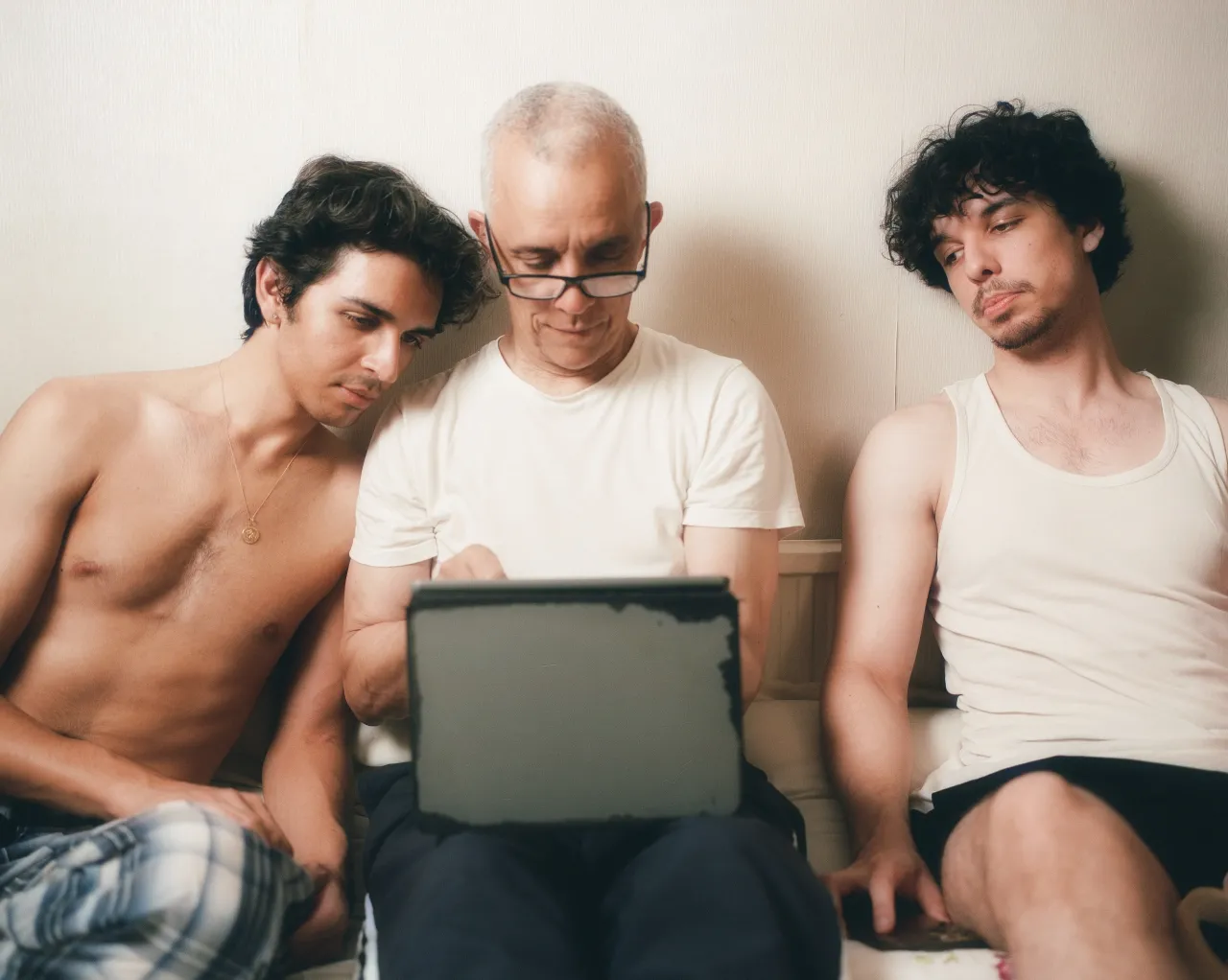
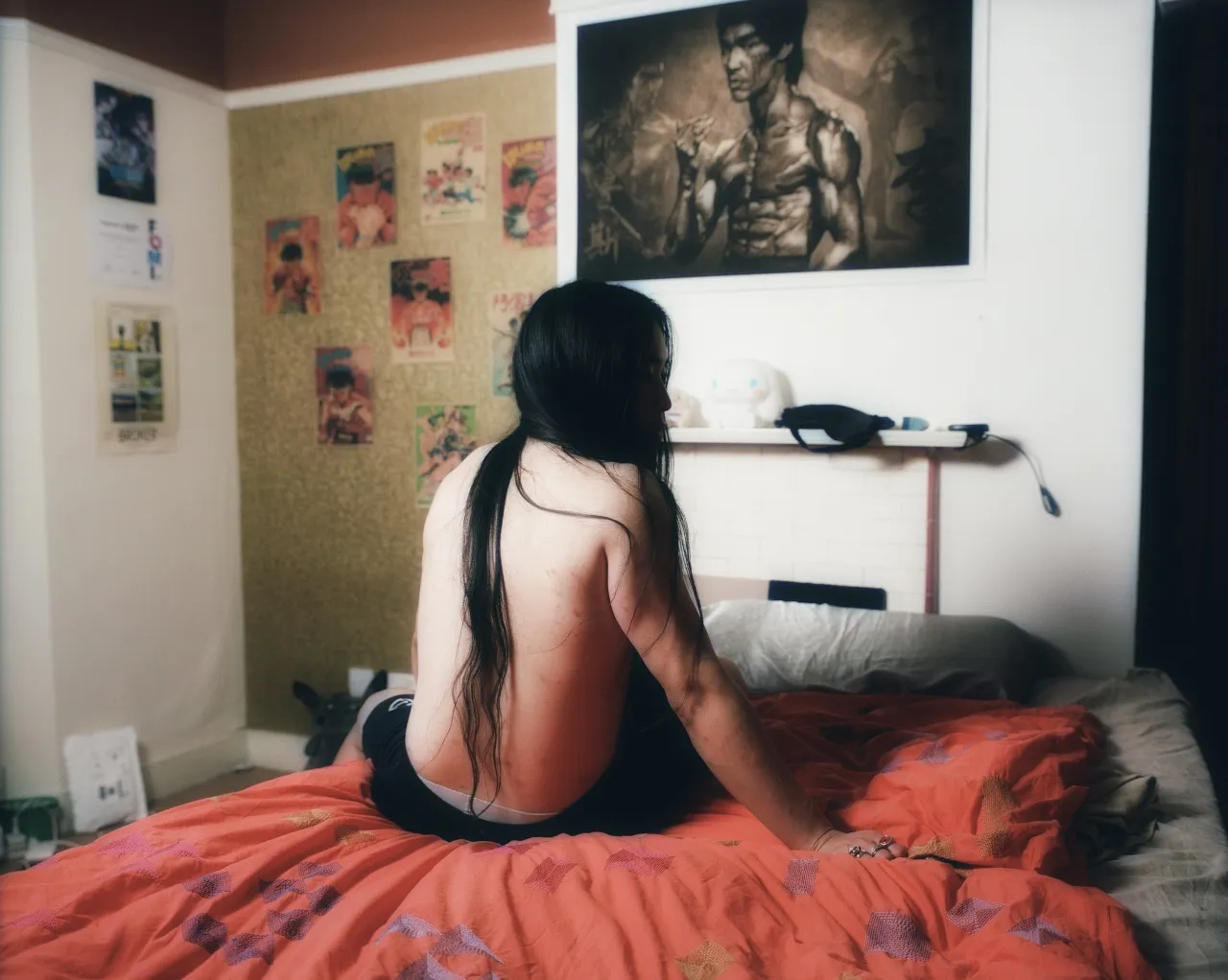
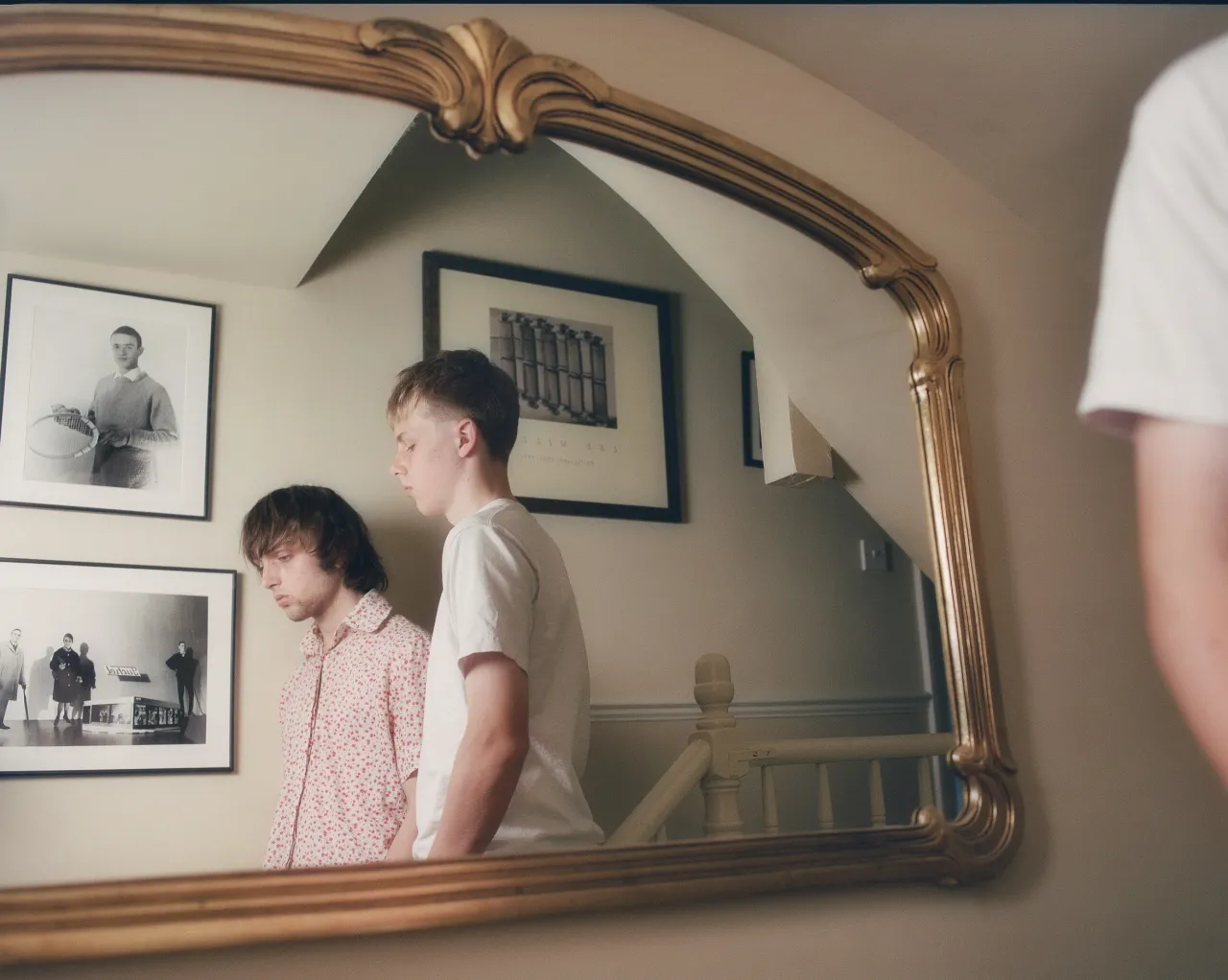
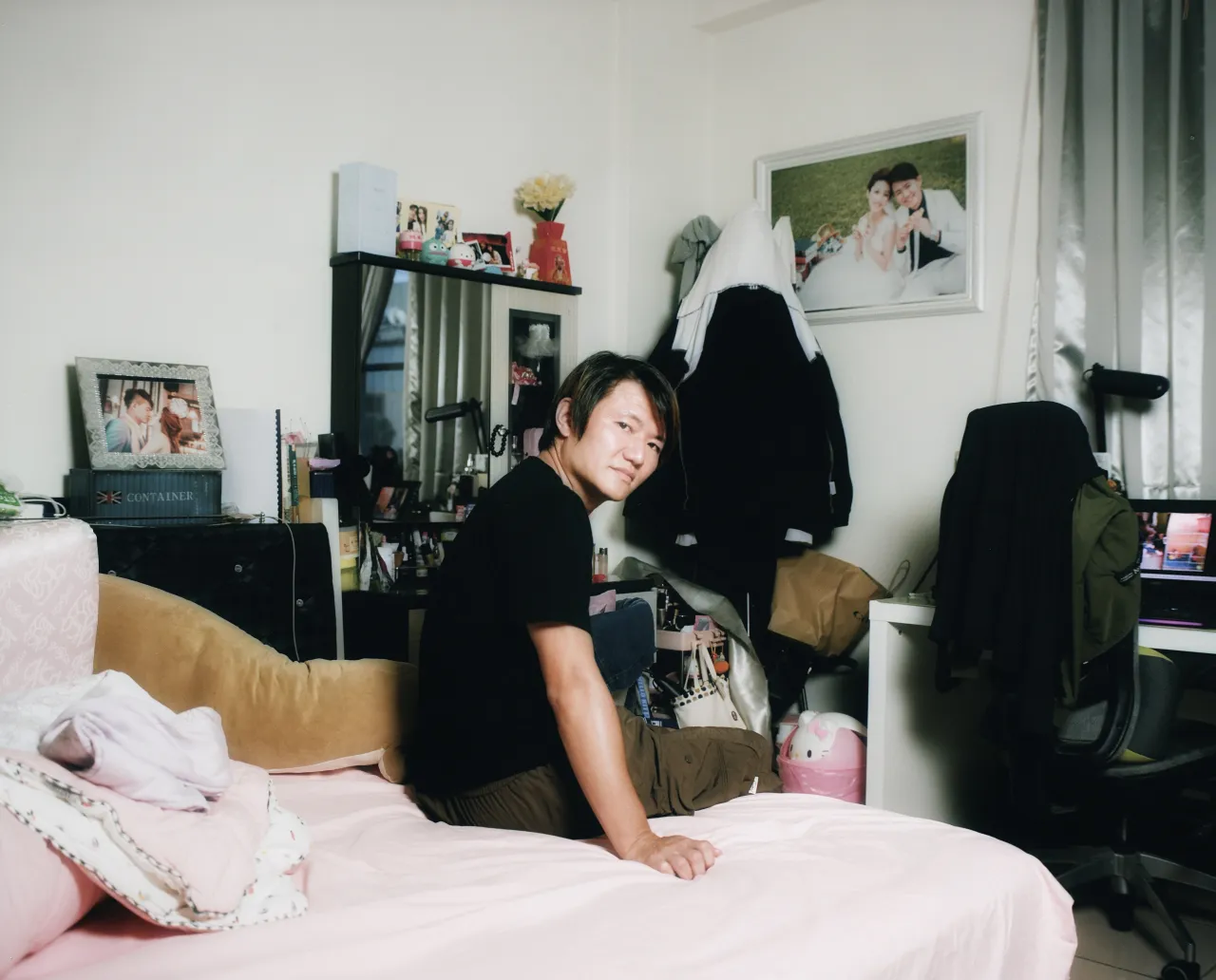
In the project, you'll see artfully snapped images of subjects sitting at the edge of their beds, their gaze averted to the side so their faces are hidden. You'll also spot multiple generations in one space, eating fruits in the kitchen, moving furniture, relaxing on the sofa or looking at something together on the iPad. The subjects are the central focus, and there's a delicate canotype, where a soft blue borders the edges of the image – nodding to Adam's painterly background and expertise in colour and composition.
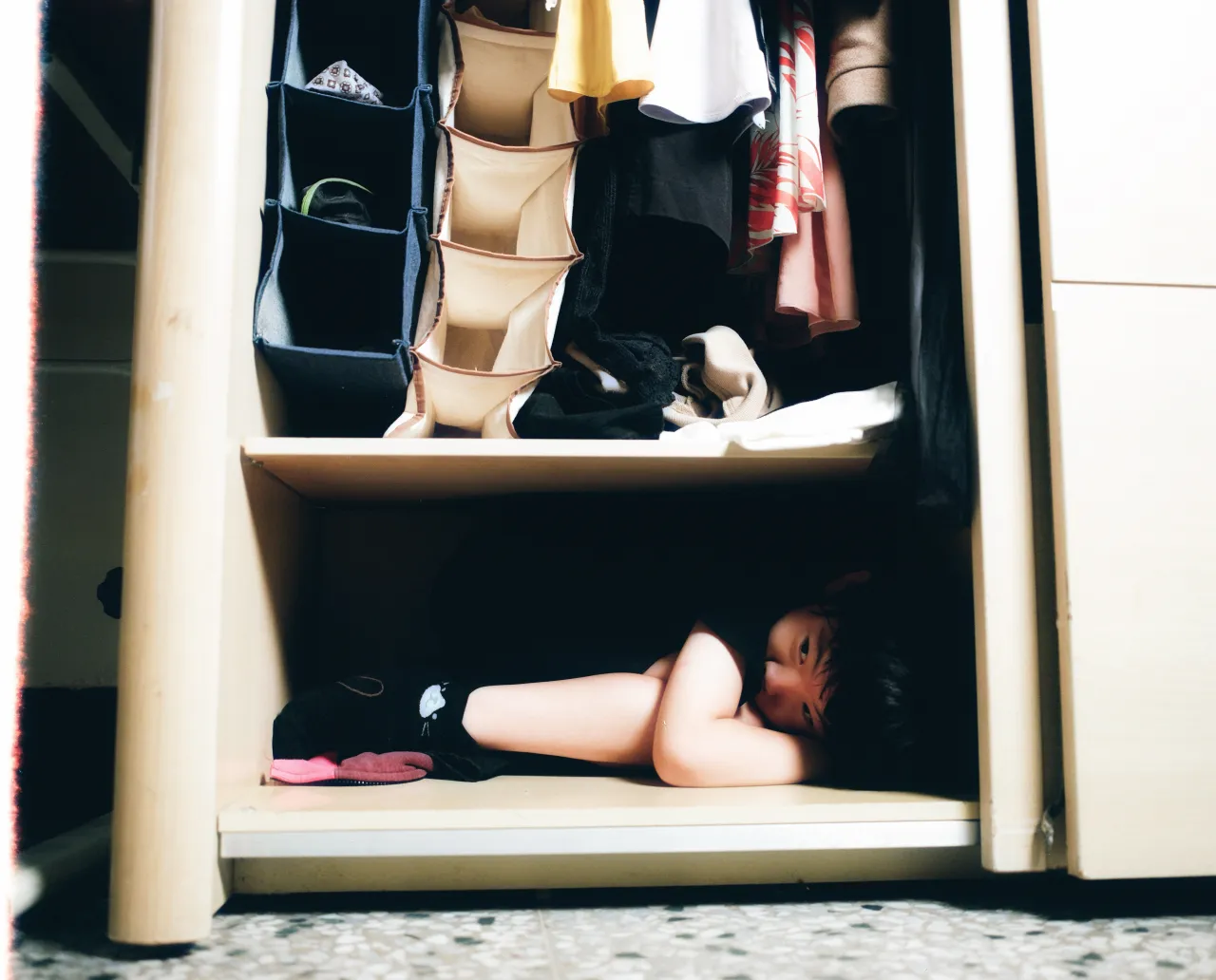
In one photo, there's a boy named Aaron, his mother's friend's child, whom Adam hadn't met before the photoshoot. "Aaron had this amazing, authentic energy and completely refused to listen to some of my instructions," he says. "One of my absolute favourite images is of him hiding in a closet." The shot sees Aaron curled up at the bottom of a wardrobe, a cheeky look in his eyes, a few clothes organisers hanging above him. It feels warm and joyful, with a closeness that can only be achieved by spending time together, trusting each other, and sharing stories. "I love every single detail in this image, especially his facial expression and his cat socks (so Taiwanese!). He was so passionate and could not wait to show me his favourite hiding spot in the house."
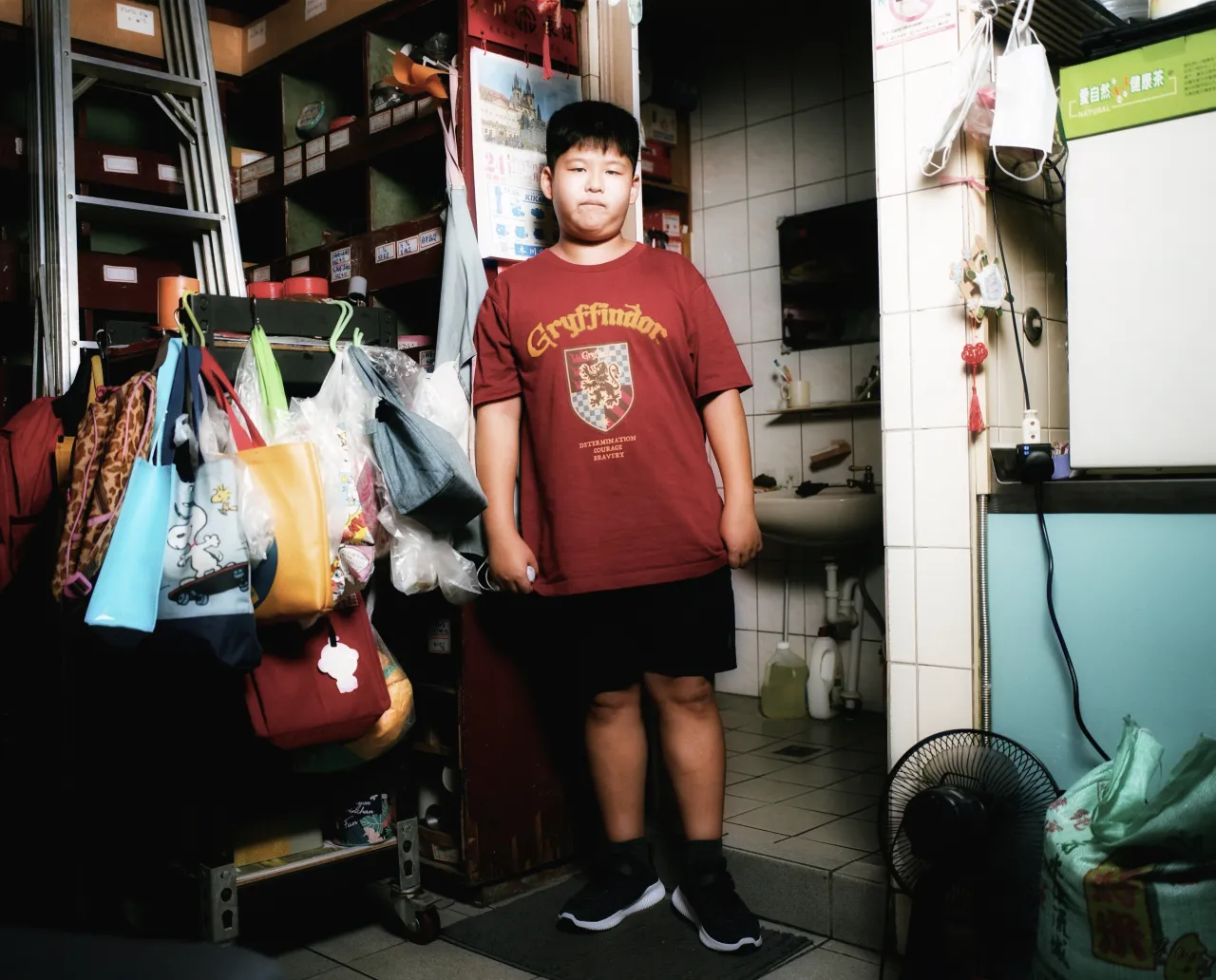
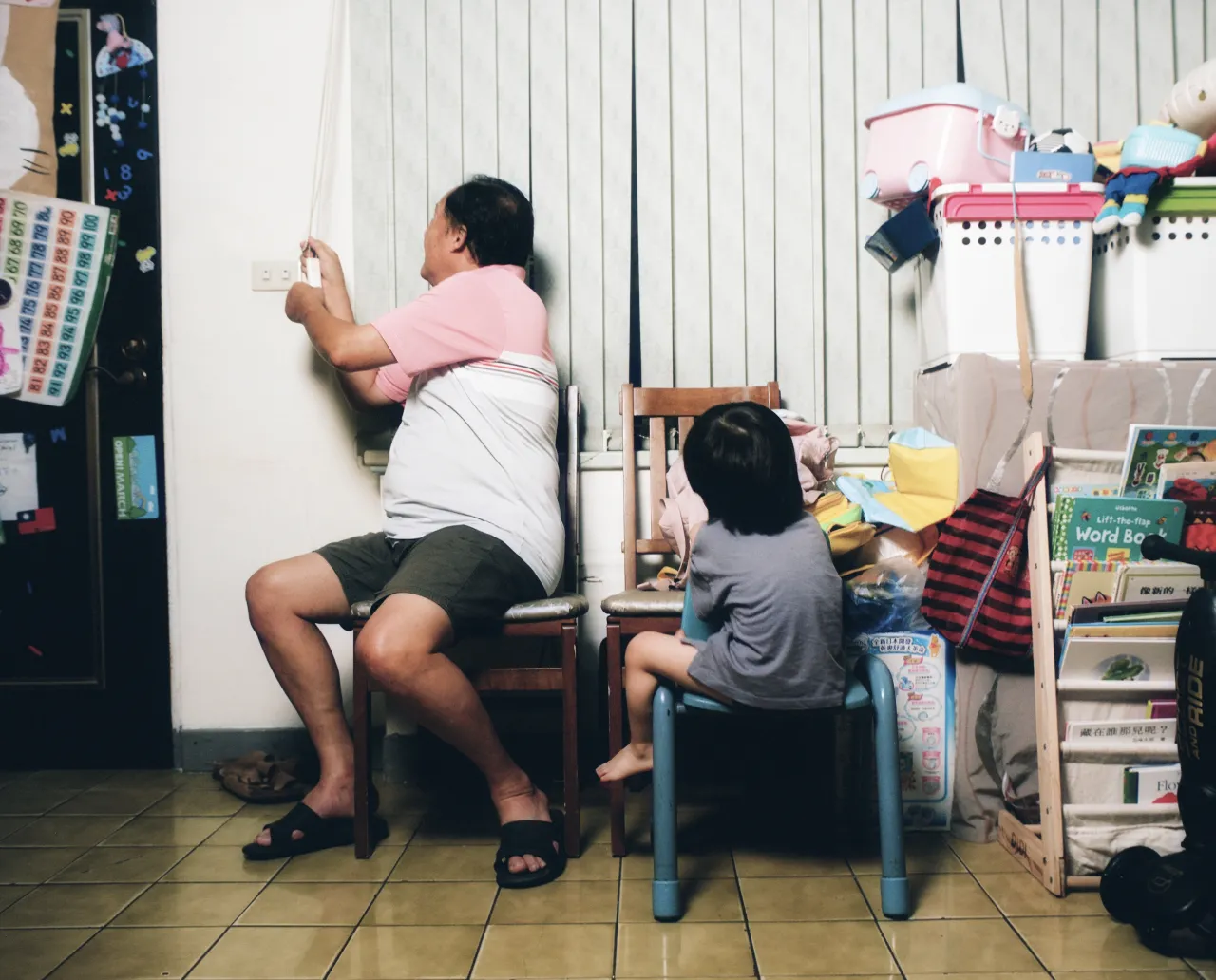
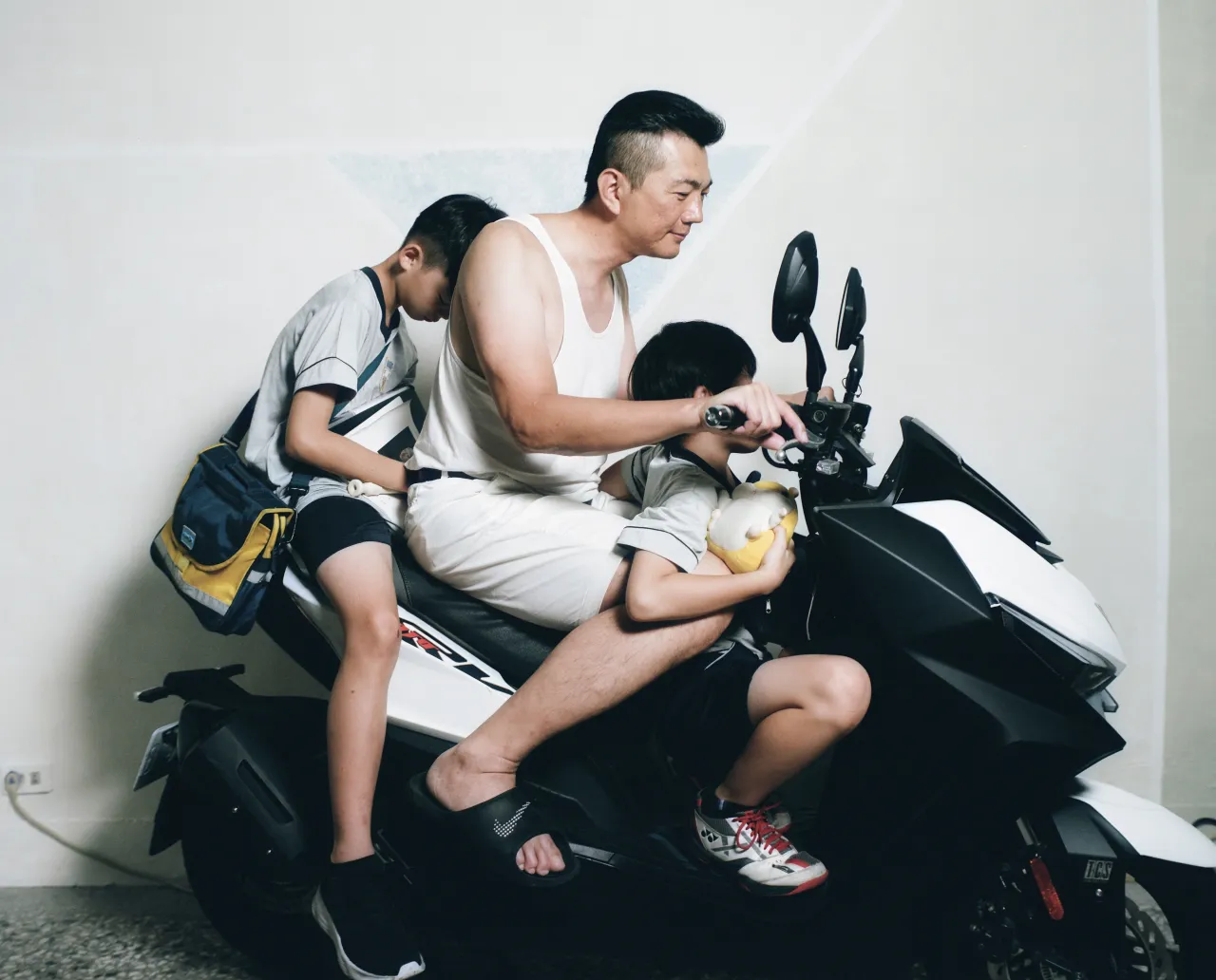
Adam also photographed Aaron's family – his brother and father – on a motorbike, a recreation of a memory in which Aaron's father picked him up from school. It was a spontaneous idea, and the kids decided to pretend to sleep. "It ended up making perfect sense and became this beautiful narrative of them being completely exhausted. I actually ended up photographing this family twice because they were just so full of life, and I am deeply grateful for their trust. This is exactly why I love working with kids; they are not afraid to express their authentic selves, and it always leads to the most wonderful surprises."
It's been eight years since Adam moved to London. Now, rather than feeling isolated, as he did growing up, the project has made him feel at home between cultures amid increasing globalisation and immigration – "cultural aesthetics are increasingly fluid; you can find homes in London that feel somehow Taiwanese and vice versa," he says. "As someone who did not grow up here, it could feel isolating at times when you realise your understanding of the city has an inherent gap from the locals. I once picked up the camera because something felt new, foreign, and perhaps confusing, but through trying to make sense of that difference, I have come to realise that the most authentic images are made when I see parts of myself in the people I photograph."
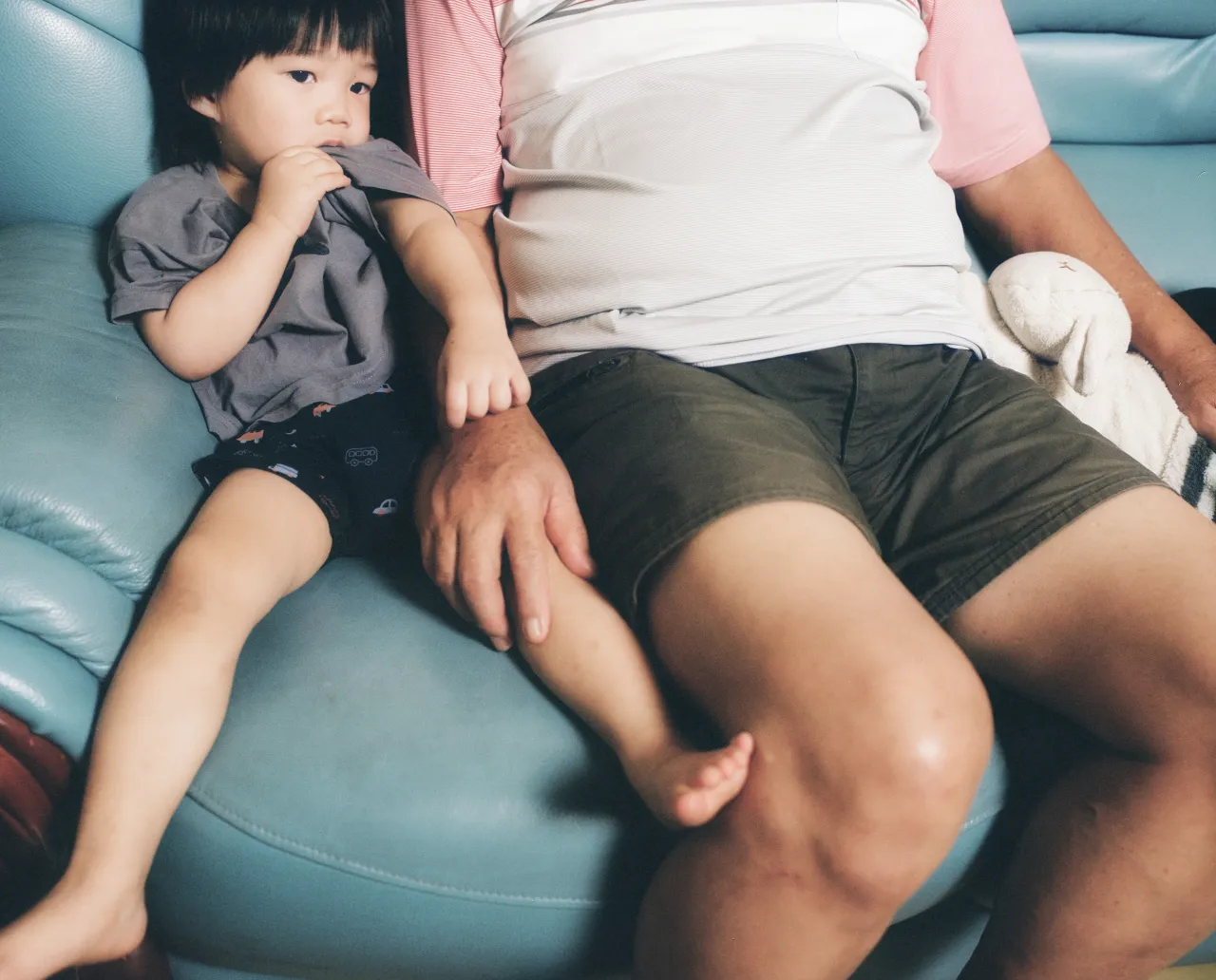
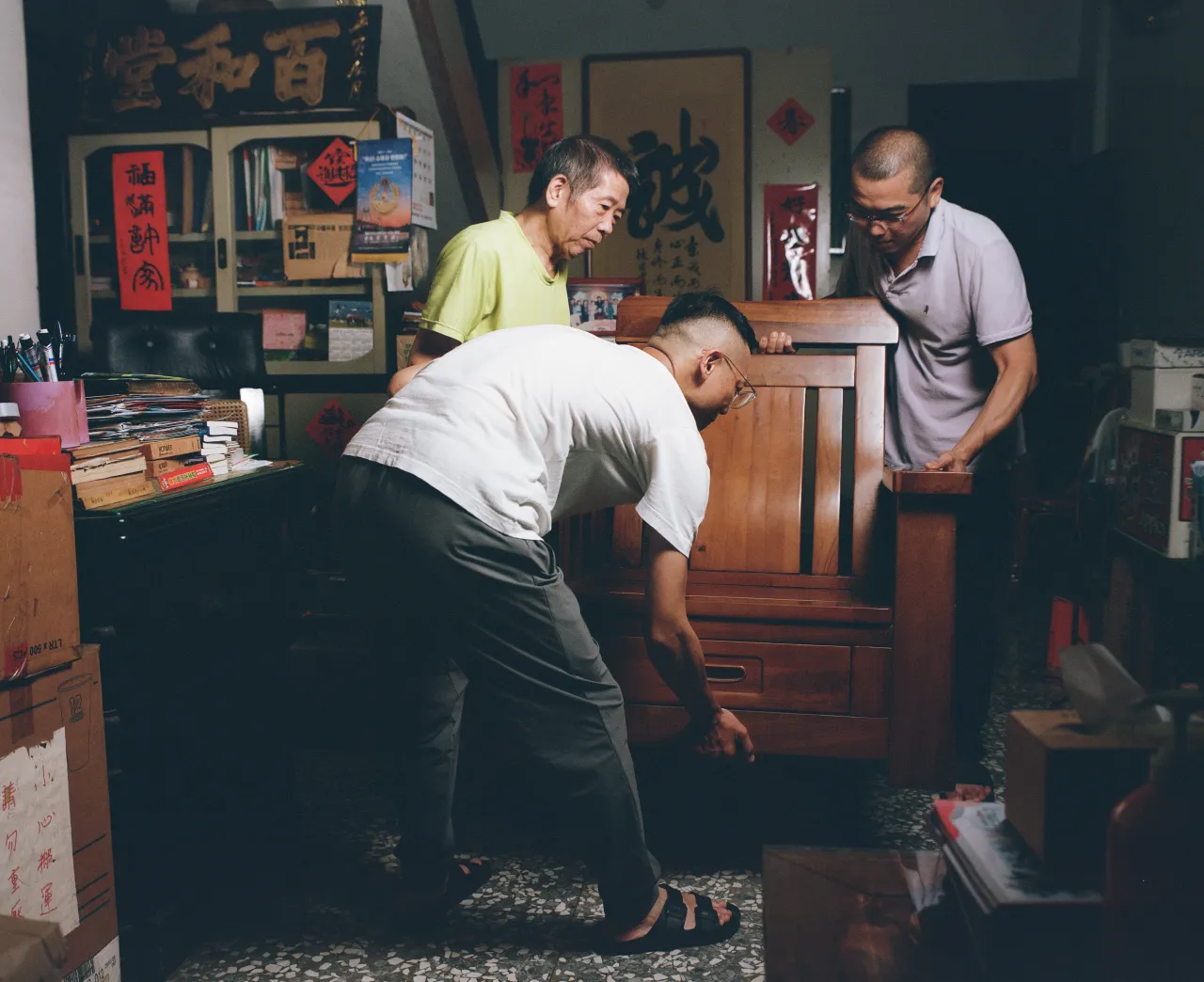
"More importantly, it broke down my own assumptions. I realised that whether I was speaking Mandarin in Taiwan or English in London, I was trying to express exactly the same thing. The emotions, dynamics and togetherness between men transcend language and cultural differences," Adam says.
"This realisation has given me a much more open-minded approach. When I am confronted with opposite views, I really try to understand where they are coming from, and a lot of my agency to create now comes from this understanding. Masculinity is intersectional, and I think we are moving toward an understanding that whatever men do or feel, whether tender or assertive, is inherently masculine."
Editor's Picks
Trending
Latest Jobs
Senior Designer at Jubba
Full-time·London·£50k-£60k
Growth Strategist (Ecommerce) at Tribe
Full-time·Exeter / London·£50k + Bonuses
Midweight Editor at Earworm
Full-time·Bristol·£28k-£32k
Talent Agent & Producer at The Jacky Winter Group
Full-time·Los Angeles·$70k-$85k
Brand Designer at Adfin
Full-time·London·£30k–£50k
Creative Project Manager at Analogue
Full-time·Leeds·£28k–£35k