Credit: Shi - stock.adobe.com
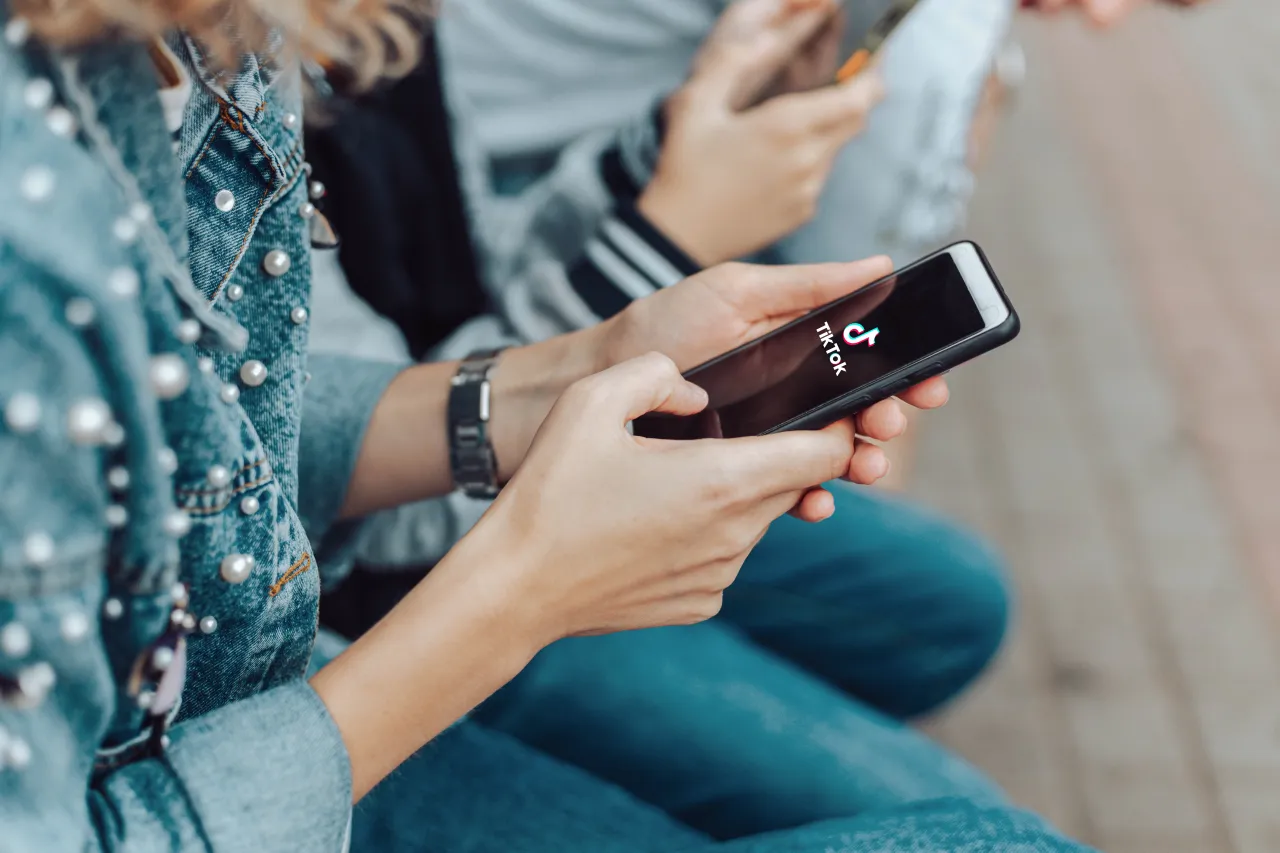
I got sent a press release this week explaining what the TikTok phrase "quiet on the creek" means (for the record: "keep it on the downlow"). Pitched at parents baffled by their kids' vocabulary, it was a well-researched and well-written bit of brand PR. But reading it also clarified something I've been trying to pin down in my own mind.
The exact moment a piece of slang becomes useless to marketing is the moment someone has to write a press release explaining it.
That's not a dig at the release, by the way, which does its job fine. It's a warning for the rest of us, especially those working with brands.
The lag problem
Fundamentally, slang exists to signal 'belonging'; to people who already get it, no glossary needed. The moment it needs a glossary, it stops working. Yet a lot of brands are right now building campaigns around phrases that hit the glossary stage weeks, even months ago. (I won't name names, because the ethos of Creative Boom has always been to build creatives up, not knock them down. But you know who you are.)
Of course, brands trying to sound young are nothing new. Ask anyone who remembers "how do you do, fellow kids"; the meme born from a 30 Rock sketch in 2012 where Steve Buscemi's character disguises himself as a teenager, cap backwards, skateboard in hand, only to give himself away the second he opens his mouth.
What's changed in the 2020s, though, is the speed the cringe now arrives, and how publicly it lands. Take "NPC": a term borrowed from gaming ("non-player character") to mean someone acting robotic or unoriginal. It's sharp when a teenager uses it on a classmate. It becomes something else on a corporate Instagram account. Indeed, using it to seem relatable is, frankly, the most NPC thing a brand can do.
Slang used to take months, sometimes years, to spread beyond its group, giving brands a decent window to catch it while it still felt current. TikTok shrinks that window to days. By the time it's cleared a brief, survived a client's fourth round of feedback and been signed off by legal, you're basically turning up after the venue's shut and the DJ's gone home.
Why "cooked" is the right word for it
The same press release I mentioned earlier defines "cooked" as a situation gone badly wrong, beyond saving. Ironically, this is a good word for what happens to a brand the moment it deploys slang. And let me be crystal-clear: the deployment is the failure, not some later misstep. You get cooked simply by trying, because trying announces you were watching from outside, hoping to be let in.
That's a harder truth for brands to accept than it sounds, because chasing relevance isn't unreasonable. Nobody wants their brand to feel stale, and there's real pressure from clients to prove a social team is switched on to da yoot.
But understanding a moment and performing fluency in it are different things, and slang is where that difference shows up fastest.
What actually works instead
The answer isn't to avoid youth culture altogether. That's its own kind of irrelevant, and audiences can smell a brand hiding behind safe copy just as easily as one trying too hard. A better move is to stop treating slang as a costume for a campaign, and start building a genuine tone of voice from the brand's own personality, updated constantly.
The brands that get this right— Duolingo's unhinged owl, Ryanair roasting its own customers, whoever runs Aldi's X account these days—aren't fluent in TikTok slang so much as fluent in not caring whether they sound cool. That's the real skill, and it's harder to fake than memorising a glossary. (I believe the kids call that "based". Or at least, I'm sure they did back in 2025. You see the problem here?)
In conclusion, here's my advice to any team tempted to slip "crash out" or "aura points" into next week's copy. Don't. Just don't. Not because the terms aren't funny or current: some still will be. But because using them on purpose, in a boardroom-approved caption, proves you weren't in on the joke to begin with.
By the time slang needs decoding for parents, it's not cool. It's cooked.

Editor's Picks



Trending


Latest Jobs
Brand Strategist at DNCO
Full-time·London·£45,000 – £60,000
Motion Designer at Costello Medical
Full-time·Bristol·£28,000 – £33,000
Designer, Marketing at The New York Times
Full-time·New York·$85,000 – $100,000
Communications Strategy Director at David&Goliath
Full-time·Los Angeles·$120,000 – $180,000
Creative Traffic Manager at Tony's Chocolonely
Full-time·Amsterdam·€58,000 – €73,000
Senior Director, Production, Marcom at Code and Theory
Full-time·New York·$190,000 – $230,000