Loneliness, 2am doubts & getting ghosted: indie agency founders share their experiences of year one
What actually happens when you leave your comfy job and start from scratch? We chat to agency founders to hear their stories.

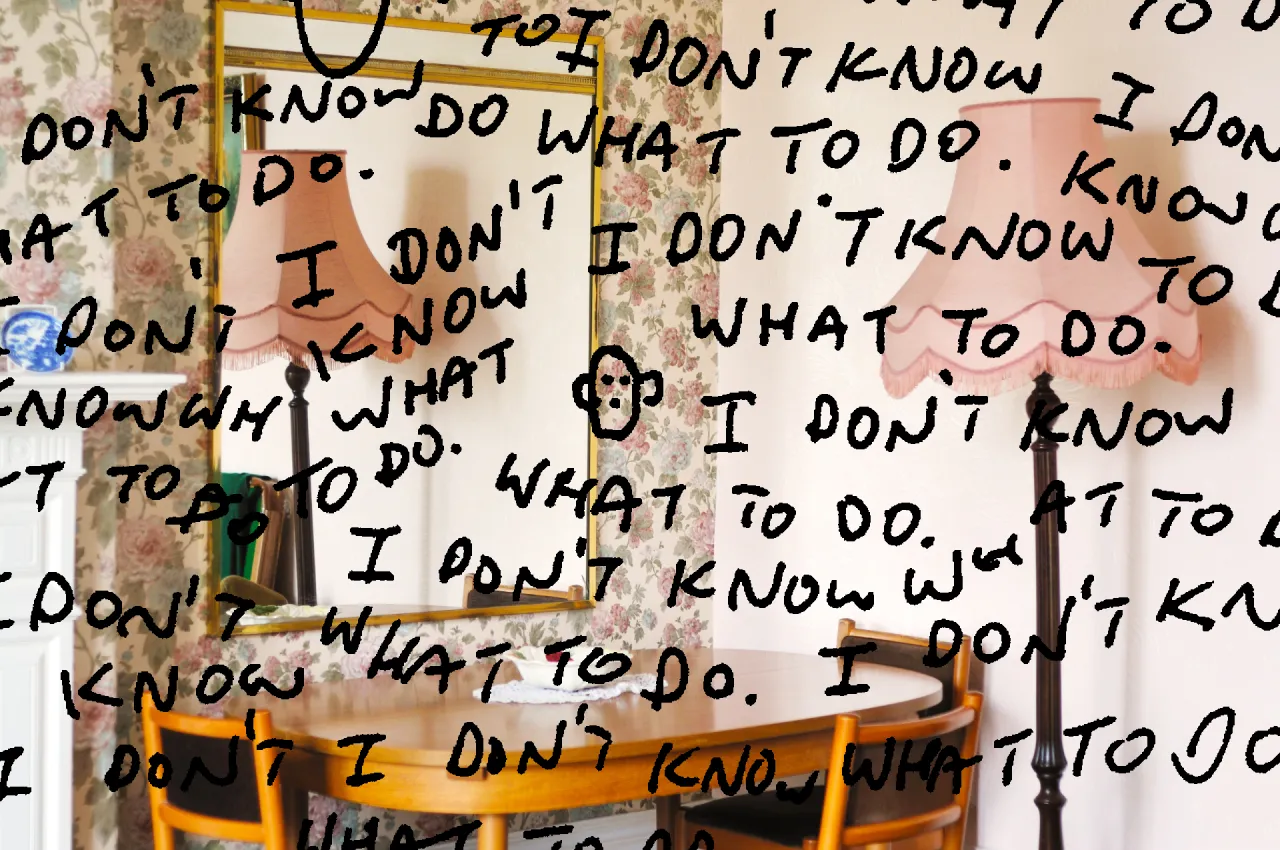
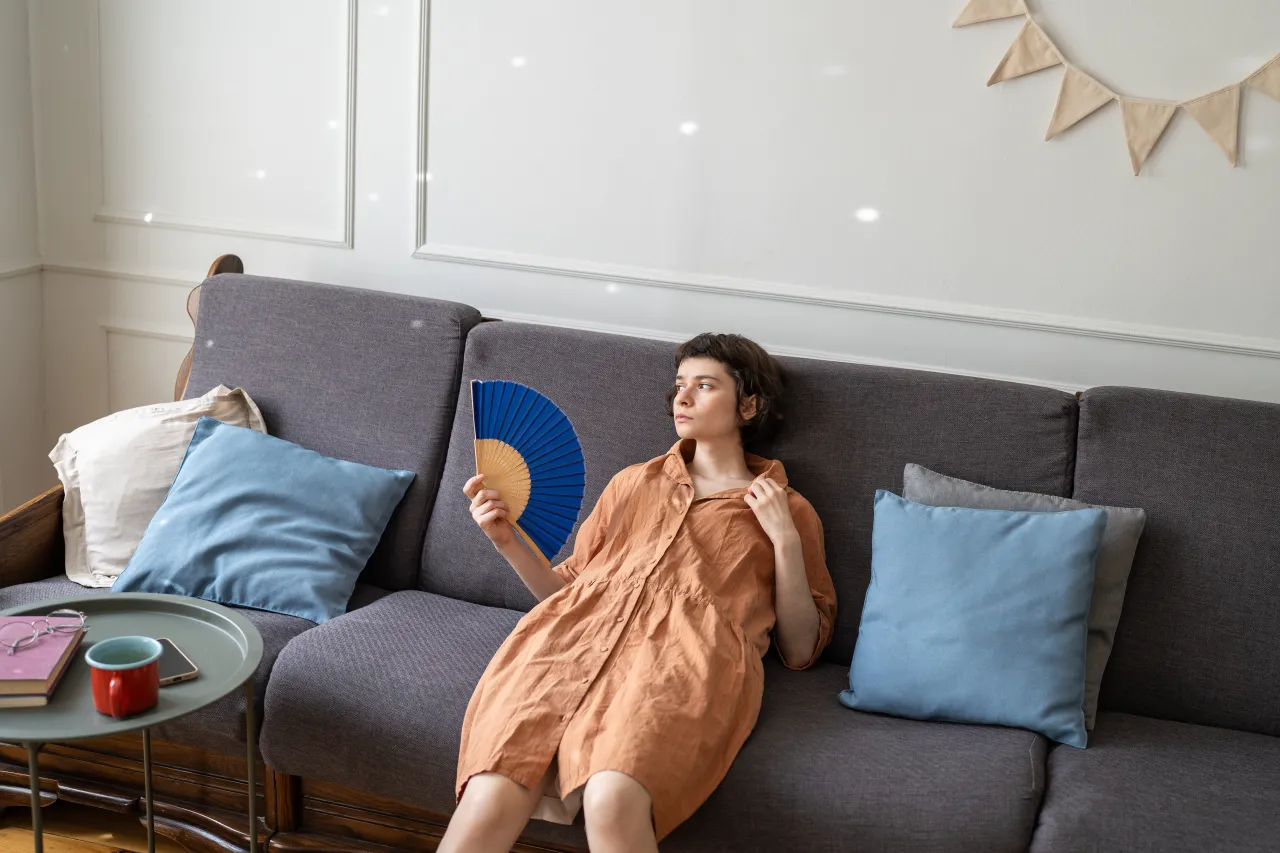
Image licensed via Alamy
Right now, something is shifting in the creative industry. Across the UK, senior creatives are leaving the relative safety of network agencies—some after decades of painstakingly climbing the ladder—to launch their own studios.
The Drum has called 2026 the "Year of the Indie". But what does going independent actually look like from the inside, beyond the tasteful brand identity and the optimism-laden "We're thrilled to announce…" post?
To find out, we set out to uncover the real stories. The first client. The months when the money doesn't come in. The moments of doubt that hit hardest.
Founders from Manchester, Leeds, Liverpool, London and beyond shared with us accounts that were funny, raw, occasionally terrifying… but also useful. What emerged isn't a simple call to "follow your dreams." It's something more complicated, and a lot more interesting, than that.
The moment the penny drops
What struck us most is how often the decision to leave a comfy job isn't driven by pure ambition, but disillusionment. These are typically people who were good at working within large structures, who rose to the top of them… then looked around at what they'd built, and found it wanting.
Take Steven Bennett-Day, founder of B Corp creative studio Ourselves, who launched his agency in 2019 alongside a partner, after both had reached board level in global networks. "Our leap came as we found out just how little of a client's budget went on actual creativity," he says. "We realised many of the business decisions made by those agencies were in support of an operating model that was struggling. Big ideas felt a bit like small print in that world."
This feeling—that the machine has grown too big, too expensive and too distracted to serve the actual work—comes up again and again.
For Steffan Cummins, who left Wolff Olins two years ago to start Lost Property (now a team of six), the shift is visible in client behaviour, too. "Clients are more interested in getting to know the specific people behind the work, versus the weight of a historic agency name," he says. "Add, of course, the cost difference."
Rich Pay, creative director and founder of MOKSi Creative in Liverpool, frames it in the simplest of terms. "People buy people," he explains. "Even at network agencies, there tend to be the faces that the client knows and trusts, then the rest of the team. With stretched budgets, the cost attached to that starts to sound unreasonable."
Year one: the reality
Here's where the bravado of those triumphant LinkedIn posts can start to ebb away. Almost every founder we talked to described year one as significantly harder than anticipated, and in ways they hadn't predicted.
Marianne Olaleye left ustwo three years ago to go freelance before founding Jaiku, a storytelling agency for purpose-led brands. "The hardest part of year one was overdelivering, but not pricing myself high enough," she recalls. By year two, a different problem had arrived. "It was the loneliness and relentless decision-making.
"When you go at it alone, every week brings a hundred decisions and no one to sense-check some of them with," Marianne reflects. "You learn to trust your own judgment in ways that are both revelatory and terrifying." What helped? "Therapy, trusted friends, and people who know you deeply beyond the business become incredibly important."
Mike Bryan, creative director of CGI and film studio And Seventy, describes his own departure with classic understatement. "I went into work one morning and handed in my notice, almost without realising what it actually meant. It quickly sank in." He'd left with two months' rent in the bank. "I've not had a good night's sleep since and have wondered many times what the hell I'm doing at 2am." And yet, he's still feeling positive. "We've seen great traction this year and are working on some landmark projects both here and in New York."
Steven from Ourselves captures the cruel issues of timing that seem to plague many founders. "We started in March 2019. Our first clients were Gail's Bakery, Blue Dragon and Vivobarefoot. Everything was starting to roll, but then COVID shut everything down." His advice to anyone starting out now is hard-won: "New business is really, really hard. After three years, you will run out of contacts. You won't be the new thing any more, so inbound work will slow down. Finding work at that stage takes time; make sure you develop the right way of doing it that is authentic to you."
Building something that lasts
Despite the challenges, there's joy in being your own boss. For instance, several founders describe consciously designing their studios around what they wanted their working lives to look like, not just what the market demanded.
Marianne, for her part, focused on longevity. "I built Jaiku with my 60-year-old self in mind. I deliberately built in the things I love, workshops, consultations, teaching, so that even in the hardest months, the work itself sustains me."
Alister Shapley, who founded type-led brand design studio Applied Systems in Manchester in late 2024 after leading the branding team at a commercial real estate firm, took a similarly structured approach, albeit one that brought its own complications. He built three revenue streams from the start: branding, a commercial type foundry, and lecturing.
"What sounds great in theory was, in reality, three independent revenue streams, each with its own demands," he admits. "The branding side has been a mixed bag, with some amazing clients, but also long periods of quiet." Still, he's playing a longer game: "The education side plays into a longer-term goal of creating more alternative routes into design."
For Joe Simons, co-founder of Leeds-based studio Edna, the 'anchor client' principle proved both a lifeline and a lesson. Edna's five founders were made redundant just before the second lockdown and negotiated the right to approach their former employer's clients. One was Primark. "From this perspective, we were very fortunate," Joe says, "but at the same time, none of us had run an agency before, so we had to go from zero to one hundred very quickly."
Joe's top piece of advice is specific. "Find your anchor client, one that you know will give you enough work to cover costs every month. Without this, things can get very stressful very quickly. Even with Primark on our books from the outset, it was six months before we had enough to pay ourselves a decent wage."
What's actually changing
Many of these lessons will be familiar to anyone who's run a business, but it's worth taking a step back to understand why this moment feels different from previous waves of studio launches. Richard Taylor, founder and CEO of Brandon Consultants, is blunt about the structural forces at play. "Clients need partners to be true partners: extensions of their diminished teams that come in like ninjas to solve business problems through creative brand marketing," he stresses. "Clients by-and-large aren't interested in big fancy offices on the Thames, or bloated teams. They want small smart teams dedicated to their business problems."
John Whalley, a creative director and brand designer who spent more than 20 years helping grow a Manchester agency from 25 to over 160 people before eventually going freelance, describes a widening structural divide. "On one side, the few 'big agencies' are doing battle for the 'big clients' on an ever-shrinking battlefield. On the other side, freelance creatives like myself work directly with a diverse range of founders and small businesses." His conclusion is characteristically honest: "Whilst budgets are most definitely smaller, working directly with business founders is far more rewarding in so many other ways."
Key takeaway
Ultimately, the 2026 wave of indie agency isn't just a mood or hype. It's a structural response to how client budgets have shrunk, how trust is built, and how talent now flows. The people we chatted to aren't romantic idealists; most of them are pragmatic professionals who ran the numbers, spotted the gap, and made a calculated leap.
Some nearly didn't make it through year one. Most are still standing. Long may that continue.
As Steven puts it: "Being here for seven years is a win with all of the worldly stuff that has happened, and is still happening."
Editor's Picks

Trending
Latest Jobs
Midweight Graphic Designer at We Are Your Friends
Full-time·London·£36k–£44k
Senior Front End Developer at Crown Creative
Full-time·Belfast·£50k–£60k
Senior 2D Motion Designer at Art&Graft
Full-time·London·£50k-£65k
Mid-Senior Designer at Something Familiar
Full-time·Bristol·£32k–£40k
Senior Brand Designer at Analogue
Full-time·Leeds·£38k-£45k
Design Director at Human After All
Full-time·London·£66k–£88k