Caroline Tremlett is bringing the Victorian jelly back, one wobble at a time
By day she advises international law firms. By night, the antique-mould collector shapes crowns, castles and sea serpents out of jelly.
There was a time when your jelly said more about you than your wallpaper. The Victorians were the first to work out how to clarify it, colour it and add flavour to it, and once they had, a wobbling tower of it on the dinner table meant you'd made it. "It was a status symbol as the house needed to have an expert cook to make jellies," says Caroline Tremlett. The moulds were made of copper, ceramic and glass, and were cast as stars, ovals and rectangles, and more decorative shapes like crowns, castles and pinecones. Hosts even competed to turn out the most spectacular one. "They really knew how to entertain their guests," says Caroline.
Then instant jelly cubes arrived in the 20th century. Anyone could make a jelly in minutes from a packet, so it became party food for children and the Victorian moulds ended up in the antique shops. "The art of jelly was simply lost!" says Caroline, who's been bringing it back by filling those old moulds with fresh jelly and documenting the results on Instagram.
Caroline is 56 and works in the City as a business development consultant for international law firms. She lives in west London and Wiltshire with her husband Guy, their 16-year-old son Arthur and a border terrier called Stanley. Asked how she became interested in jelly making, she says it all began with an excuse: "I love going into antique shops and then thought I needed a reason to go in!" Guy bought her a Shelley star-shaped jelly mould, and from there, she was locked in. "It's just so pretty – Shelley made 19 moulds, and I have collected them all. I've been hooked ever since."
That was 2005 and, for 15 years, the collection sat there being admired. Then came lockdown and she decided the moulds should earn their keep. So, she set up @adventuresinjelly, "to bring the history of jelly to life". She also took a jelly course with the food historian Ivan Day, and now her account has around 75,000 followers.
Her jelly-making rules are simple. "You can turn any liquid into a jelly. You just need to keep your proportions correct." She adds extra gelatine when she's unmoulding, because "recipes don't allow for this", and a bit more again if there's alcohol in the mix. Her copper moulds are lined with tin, since copper is poisonous, so she checks that the lining is intact before she buys one. Some moulds carry stamped initials, so they'd find their way back to the right house after being retinned. "DWL stands for Duke of Wellington London – that really adds value to the mould. Not found one yet!" Ceramic moulds behave a little differently, because they don't conduct heat like copper. She uses the Victorian trick that involves coating the mould in tallow, chilling it, pouring in a cold jelly mix and letting it set. "The jelly pops out perfectly, leaving the fat lining behind. It takes time to master this technique, and you have to keep everything cold." Her favourite job is layering the colours, which "takes time but is always worth it".
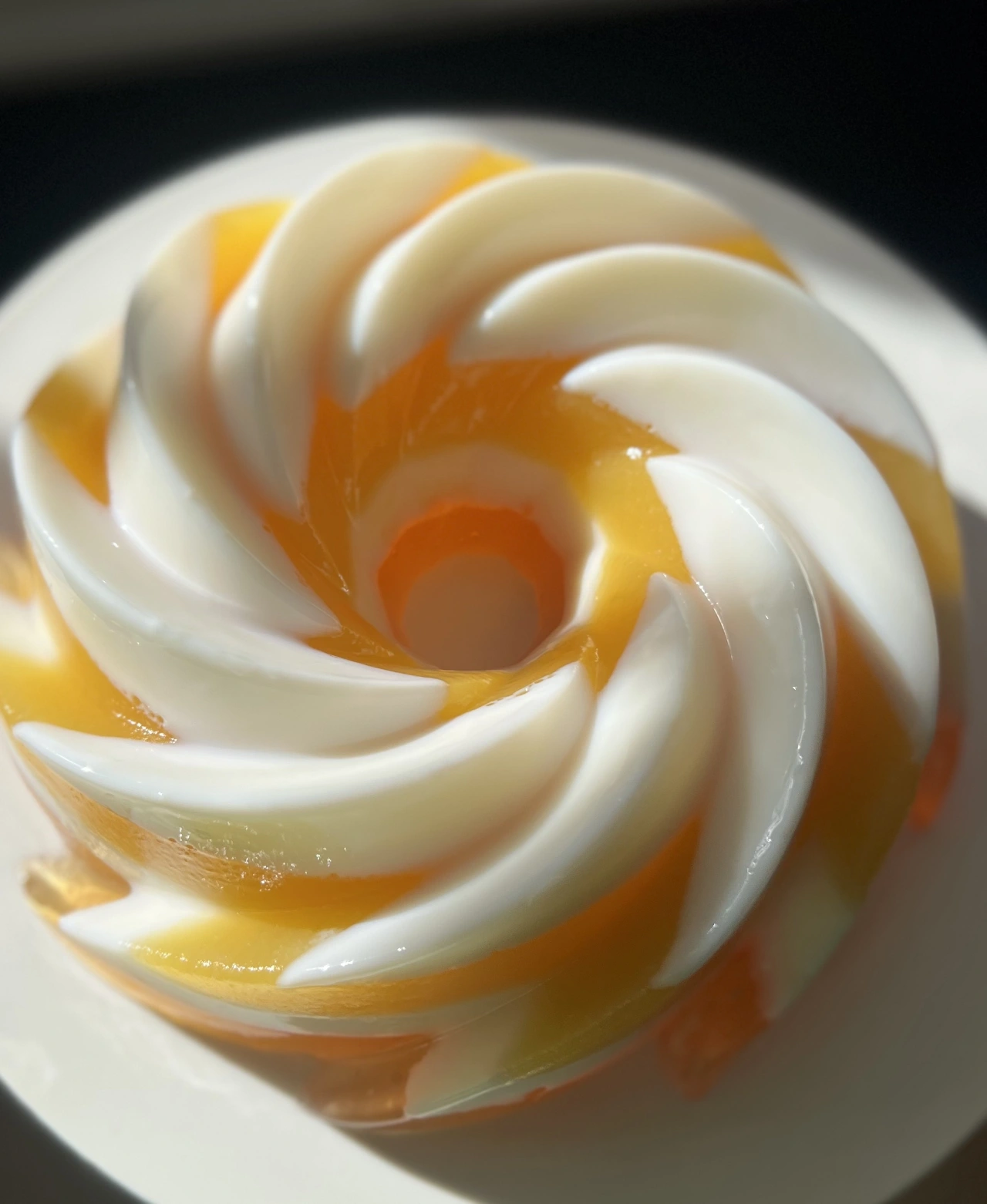
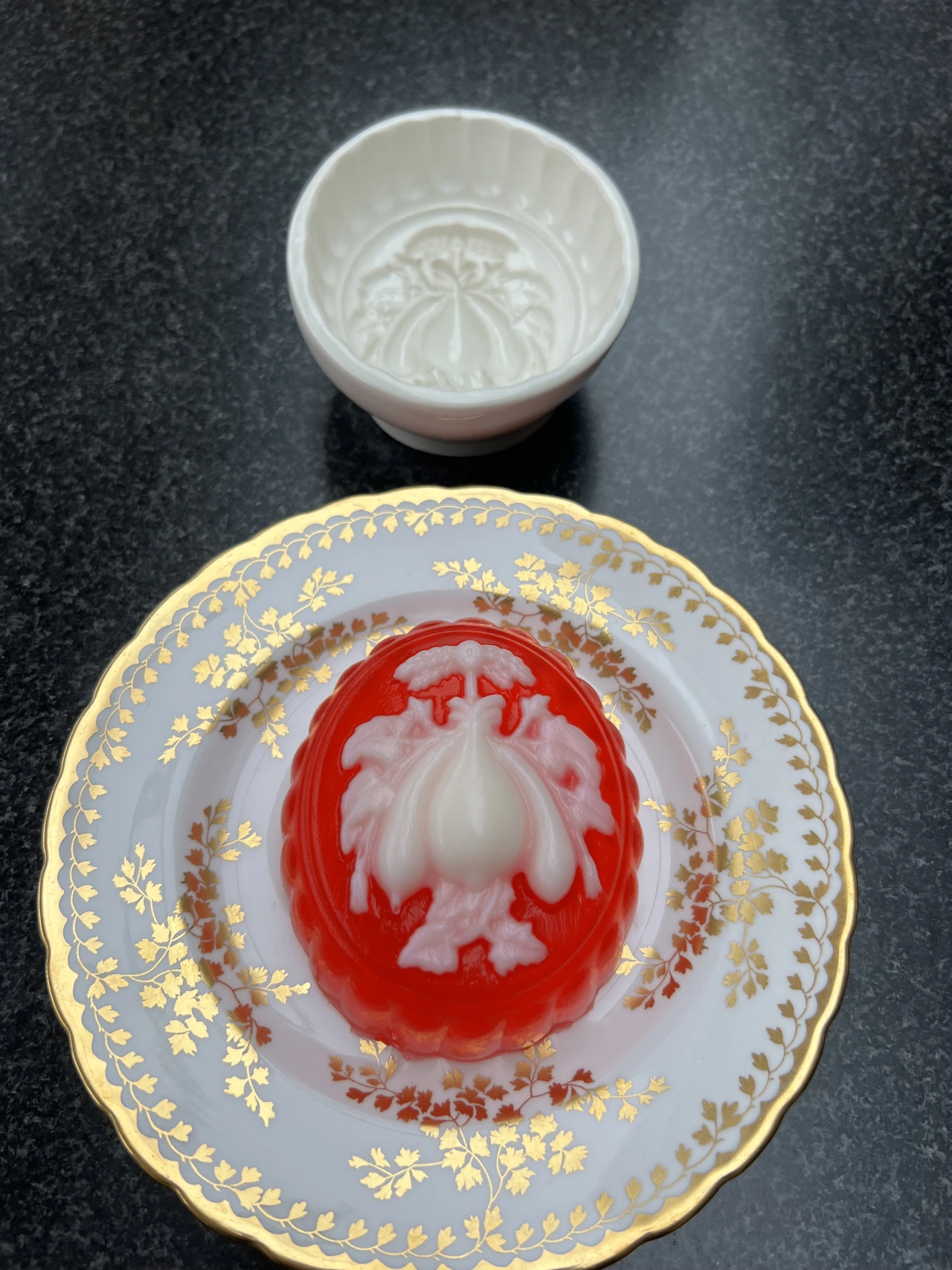
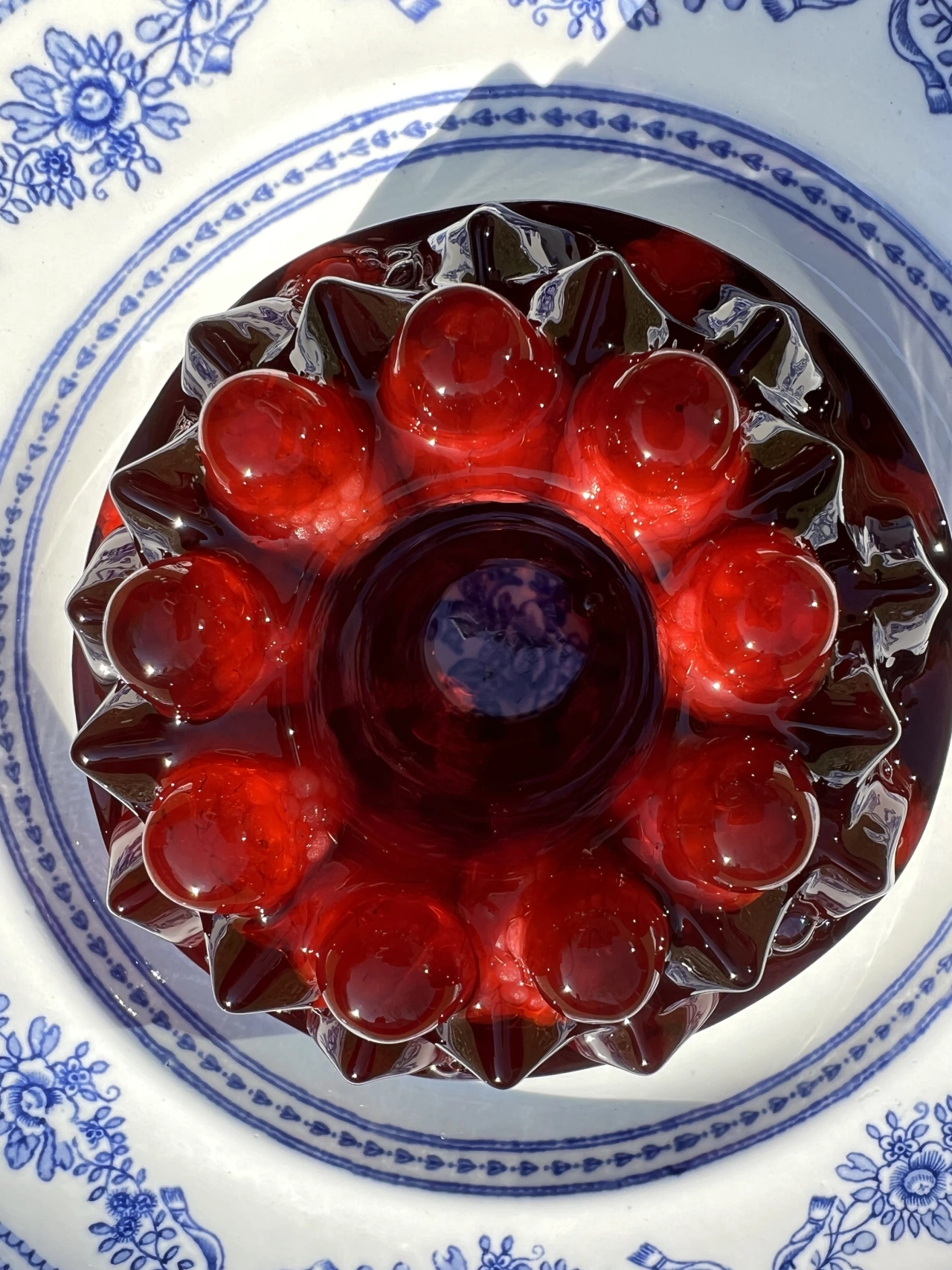
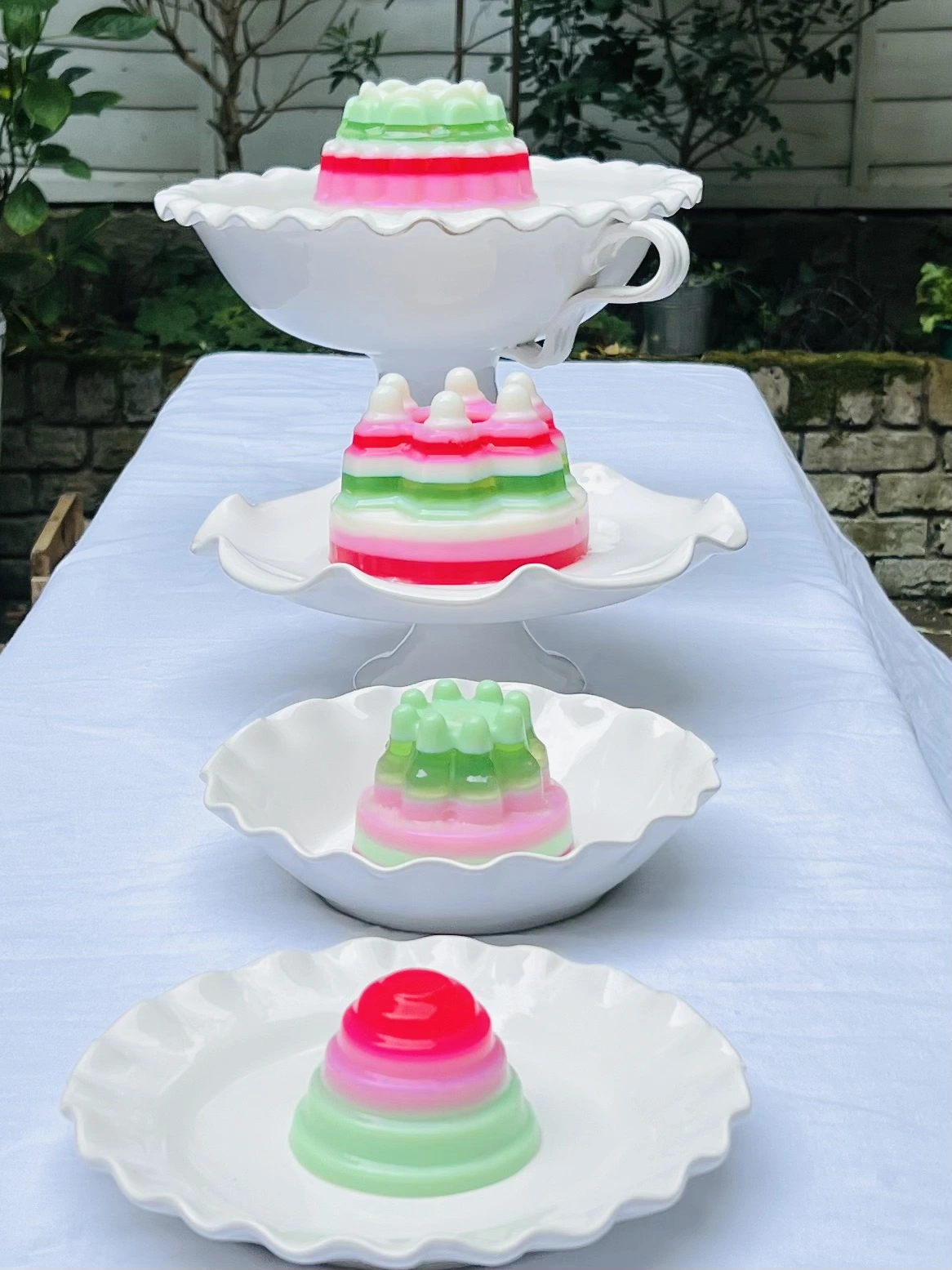
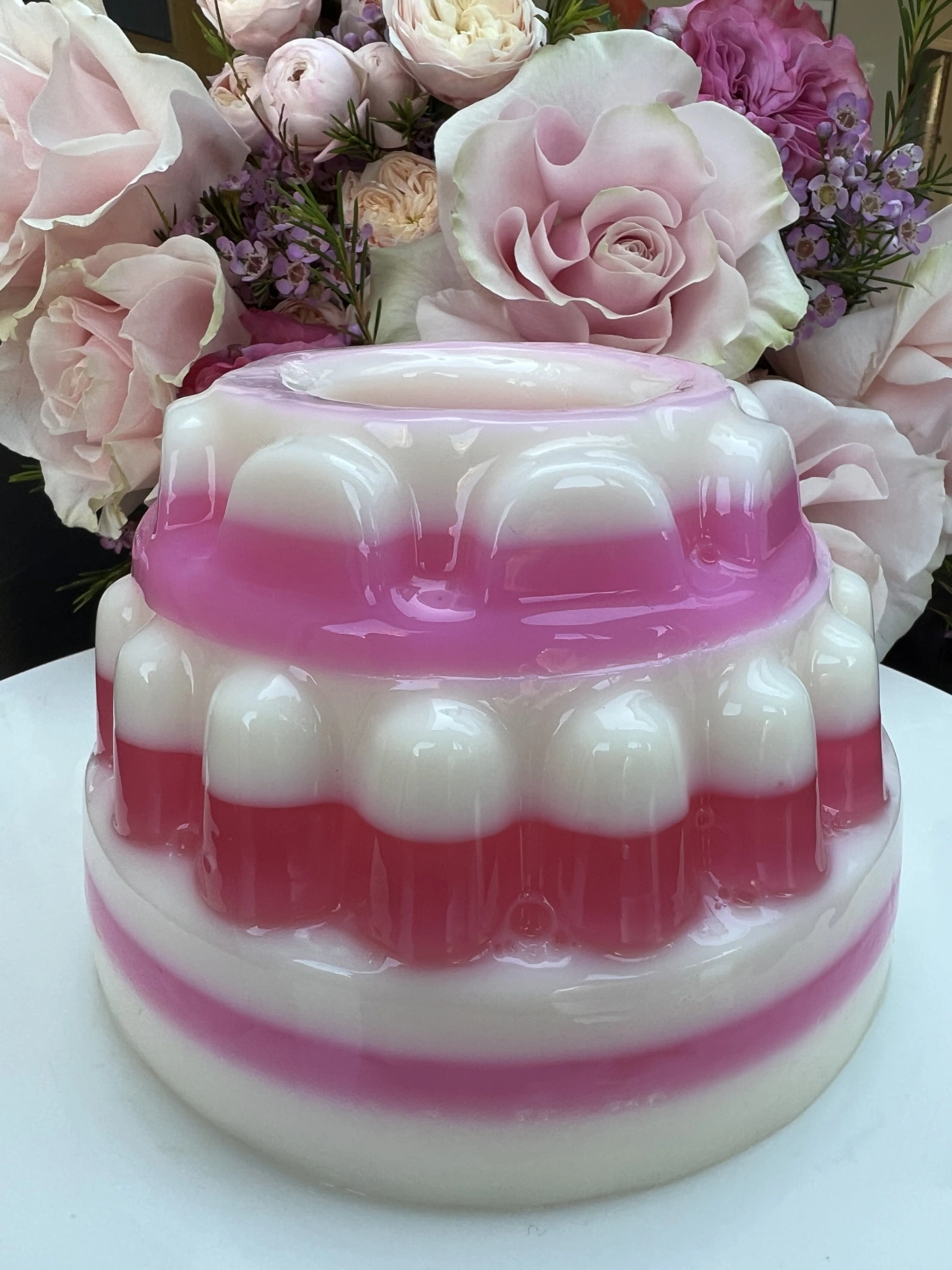
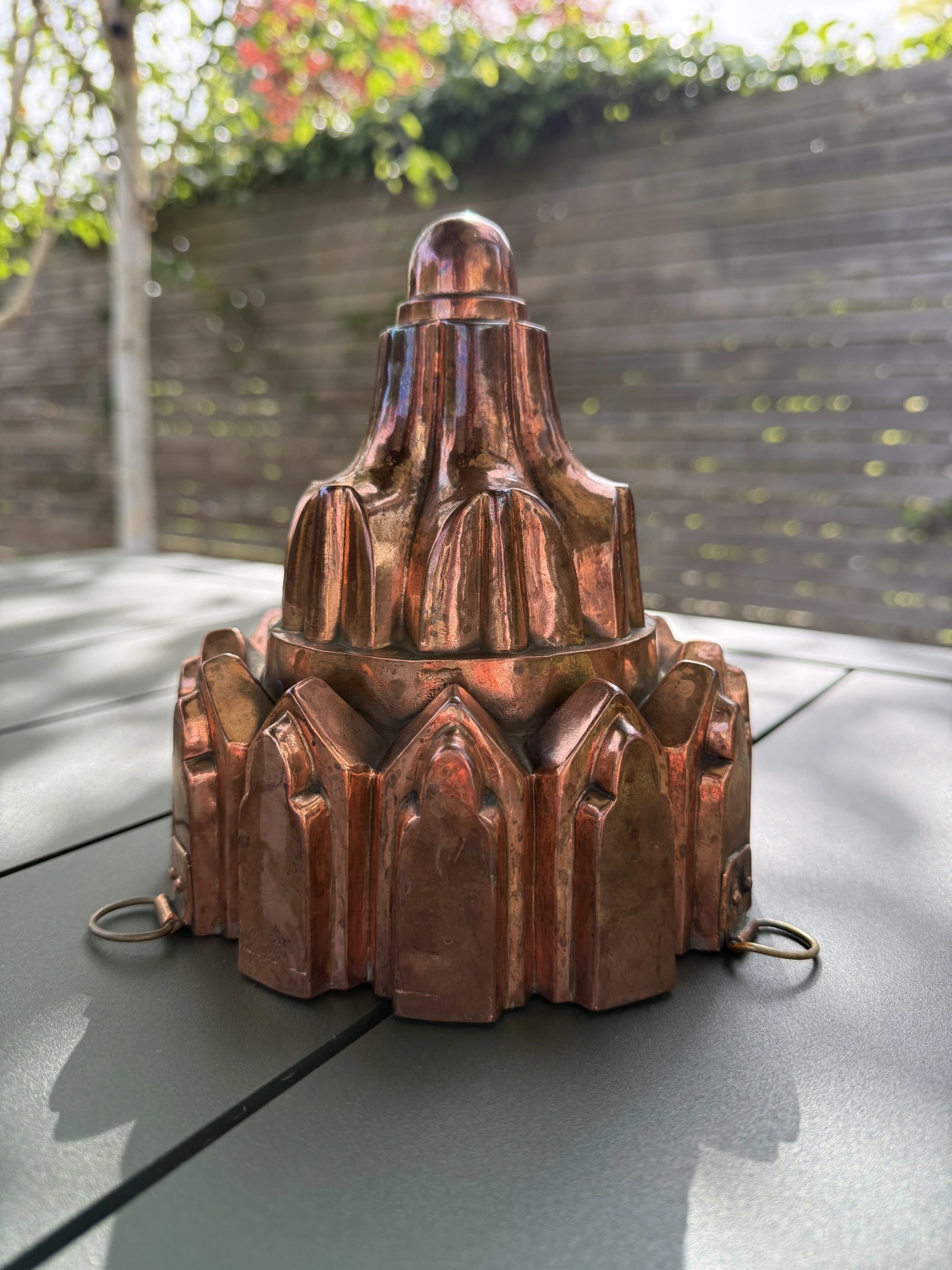
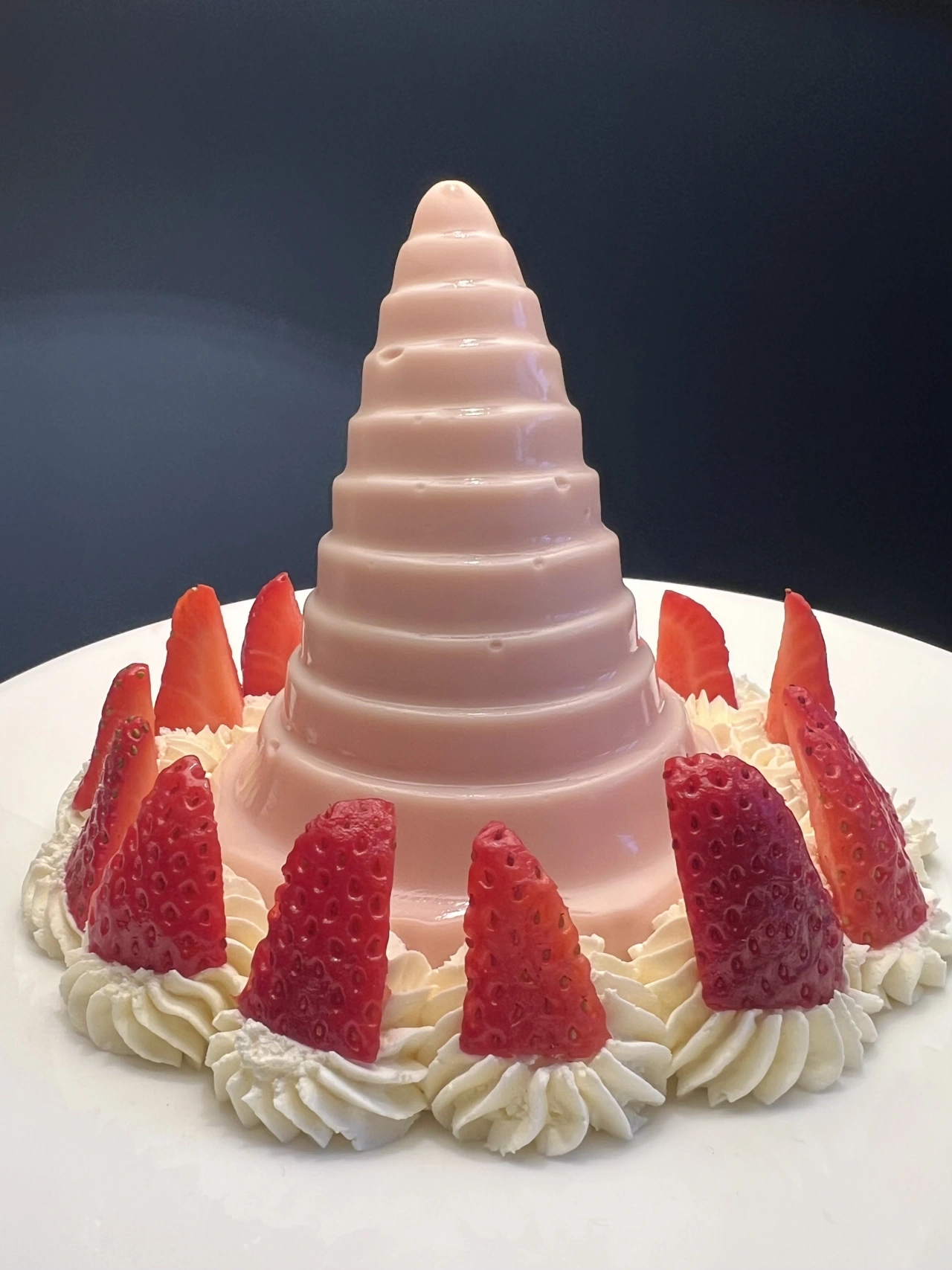
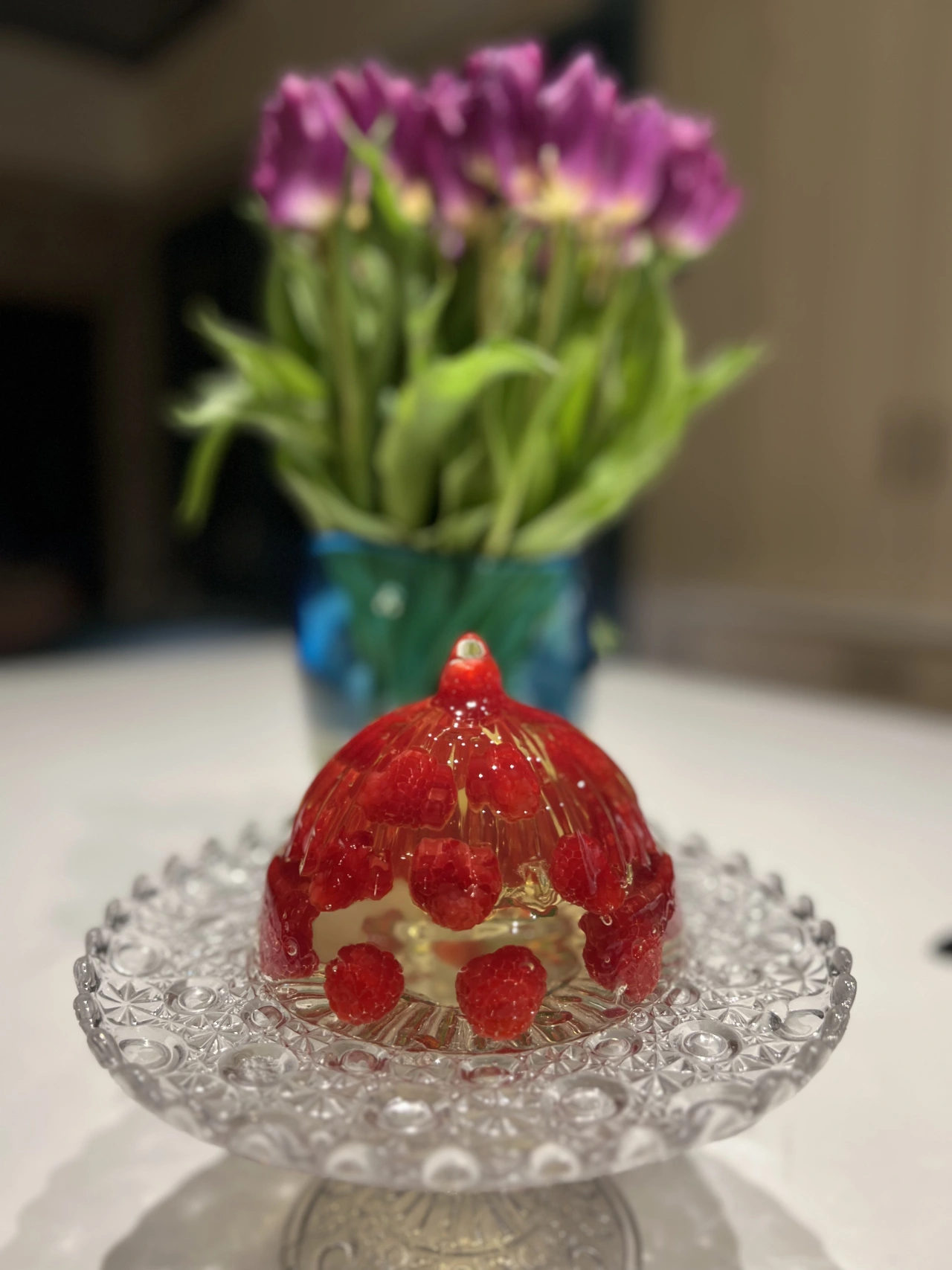
Her Instagram is full of the results. You'll see a copper mould with turrets like a miniature cathedral sitting on a garden table; an orange-and-white jelly swirling like a whirlpool; a striped pink-and-white tower that looks like a wedding cake; and a scarlet jelly with a white crown in the middle. At the centre of her videos, you'll see the jelly wobbling. "The slo-mo wobble got the most likes on Instagram," she says, so she often leans into that.
She has favourites, of course – and they're royal. The Alexandra Cross and the Brunswick Star were made for the 1863 wedding of Queen Victoria's eldest son Edward to Princess Alexandra of Denmark. "These are rare and expensive," she says, so she owns only the miniature Alexandra Cross, a 50th birthday present from Arthur. Her highlight is the Macedoine mould, which came with a liner that unusually got lost. "Many have gotten separated and lost over the years. I only know of two complete sets." She uses a cocktail shaker instead, which "works just as well" and lets her hang fruit in the middle of the jelly. Then there's the Wedgwood ceramic mould, whose pattern was too fine to see. When she turned the jelly out, "it actually made me gasp. It was the most beautiful double-headed sea serpent, with shells and birds. It's quite extraordinary."
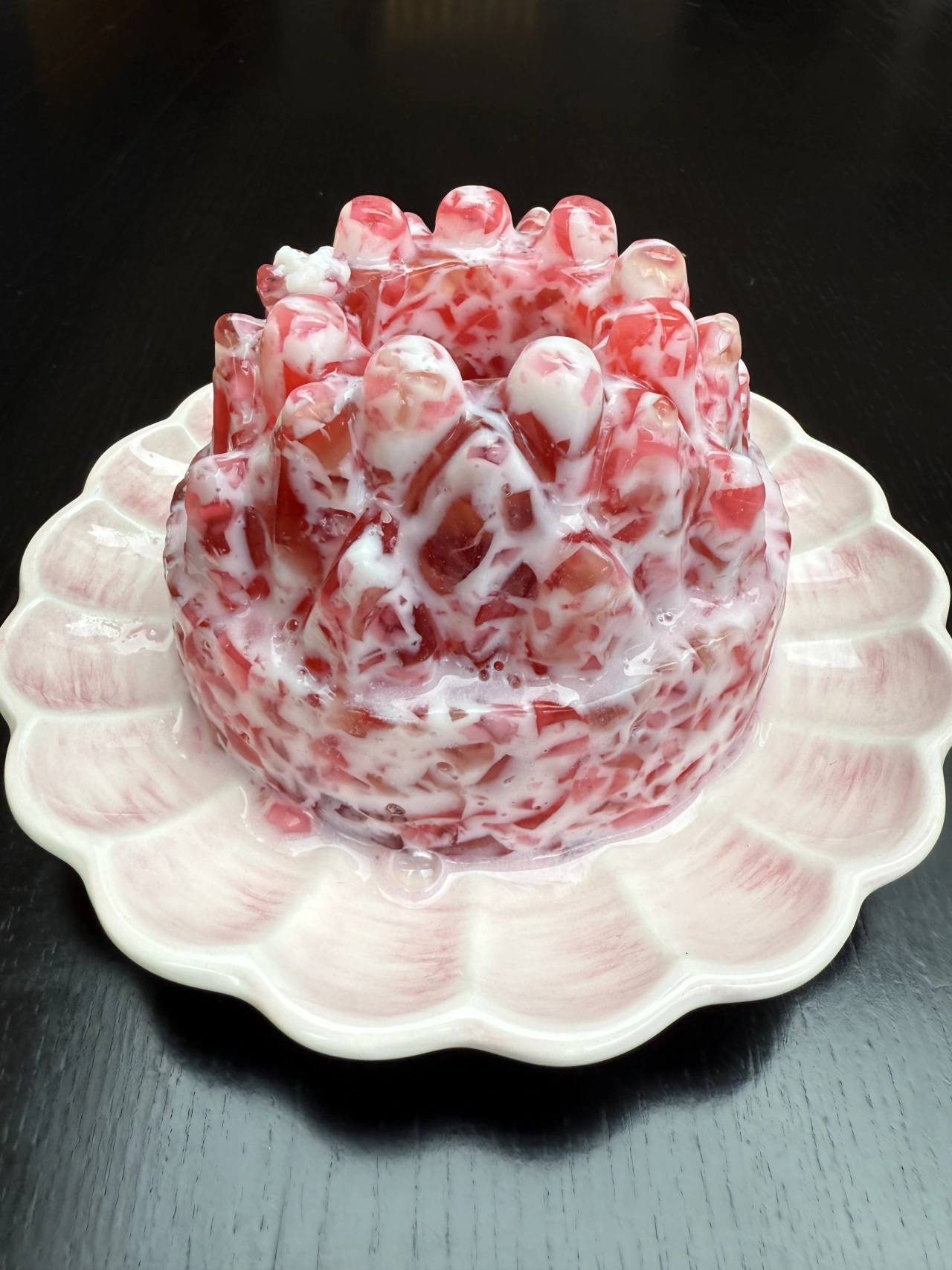
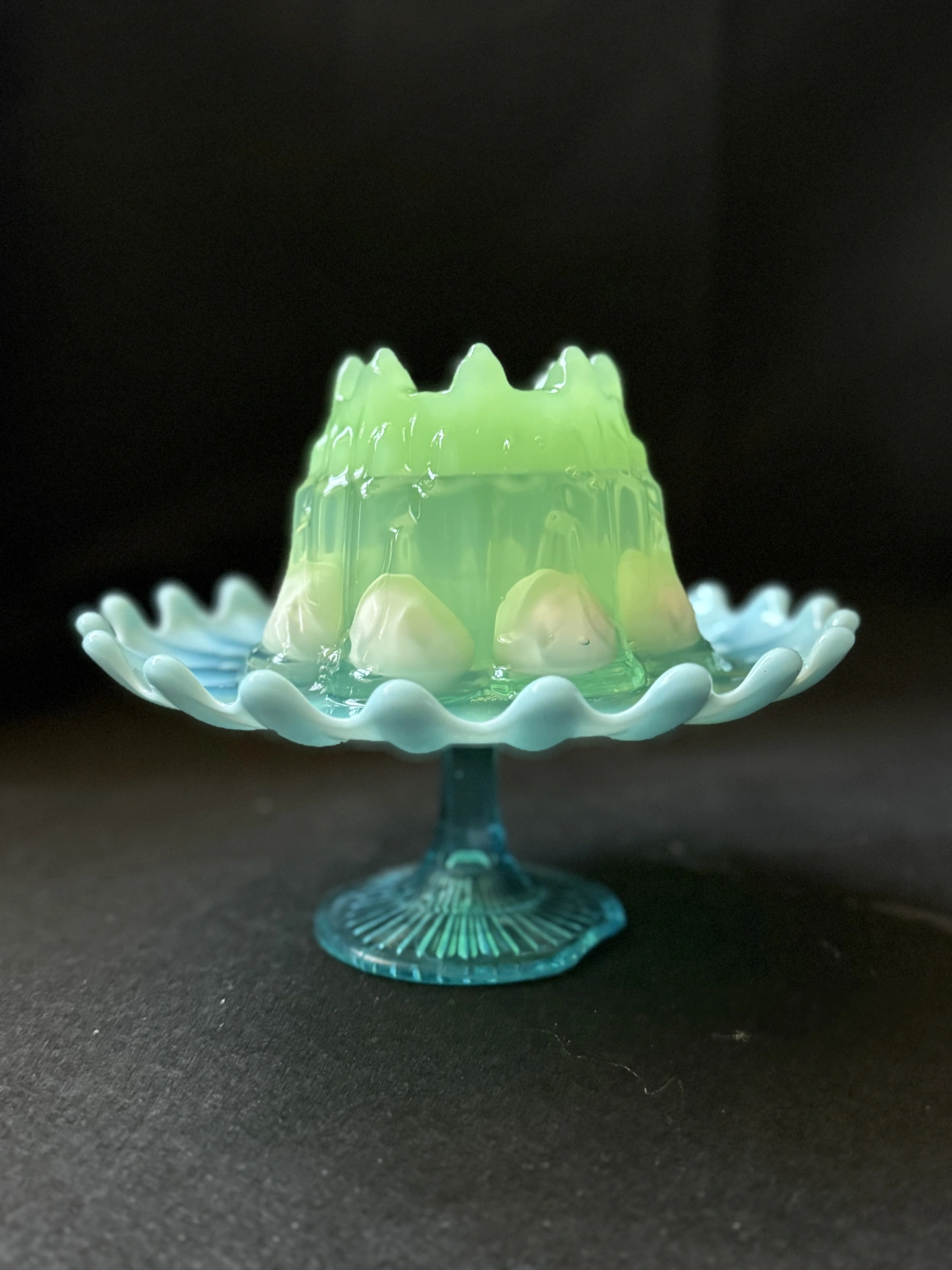
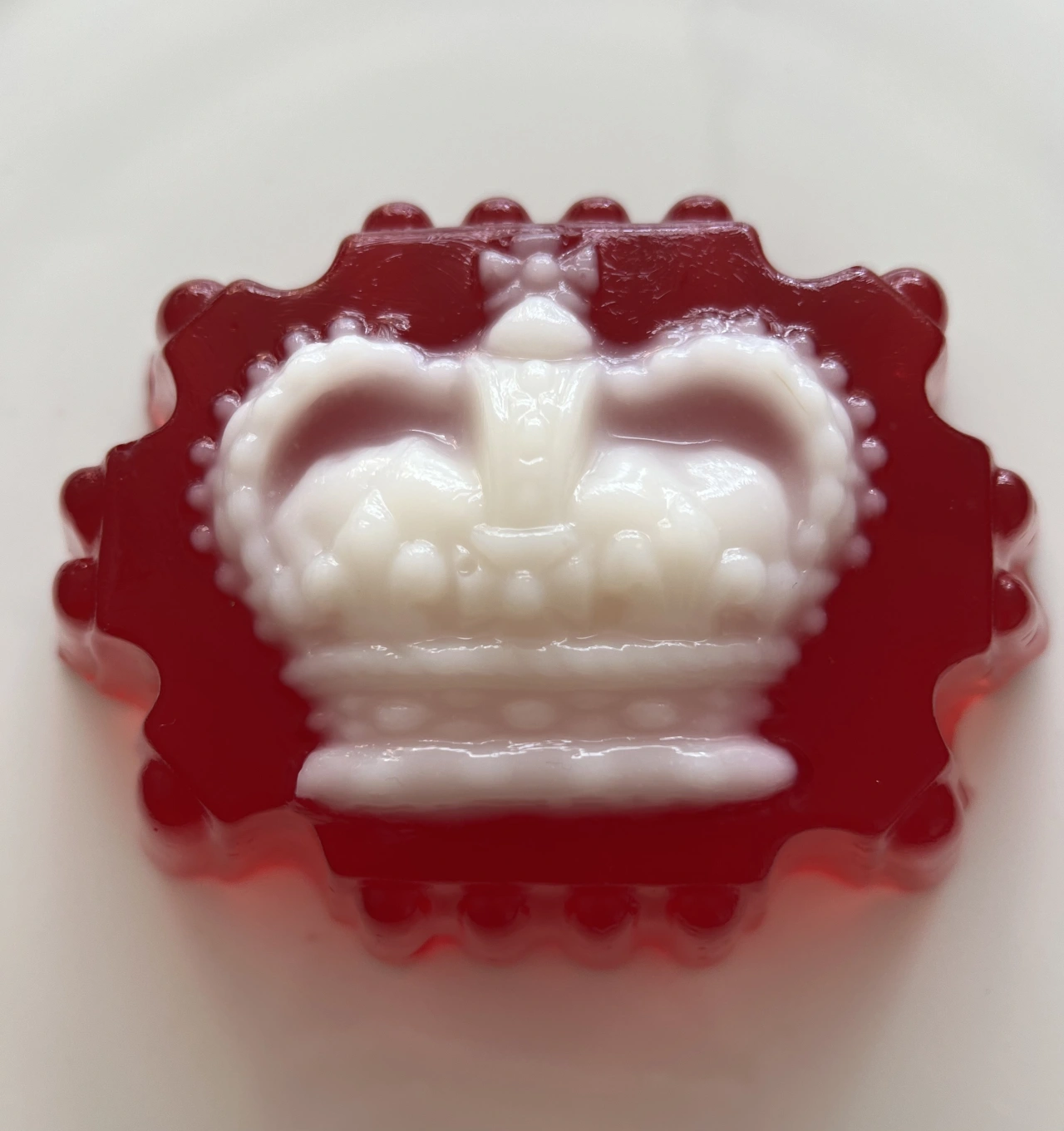
Six years in, she says she hasn't had a bad comment. "Jelly is a wonderfully nostalgic food, and it simply brings joy to lots of people. I couldn't ask for more, really. Chefs are now realising that jelly is a fantastic vehicle for flavour, and you'll now see jelly in the high-end restaurants."
Editor's Picks


Trending




Latest Jobs
Client Director at Koto
Full-time·Berlin·€70,000 – €85,000
Brand Strategist at DNCO
Full-time·London·£45,000 – £60,000
Senior Creative Artworker at Forward Associates
Full-time·London·£30,000 – £40,000
Art Director, Opinion at The New York Times
Full-time·New York·$124,980 – $141,000
Account Director at David&Goliath
Full-time·Los Angeles·Up to $160,000
Social Media Manager at Jam
Full-time·Manchester·Circa £35,000