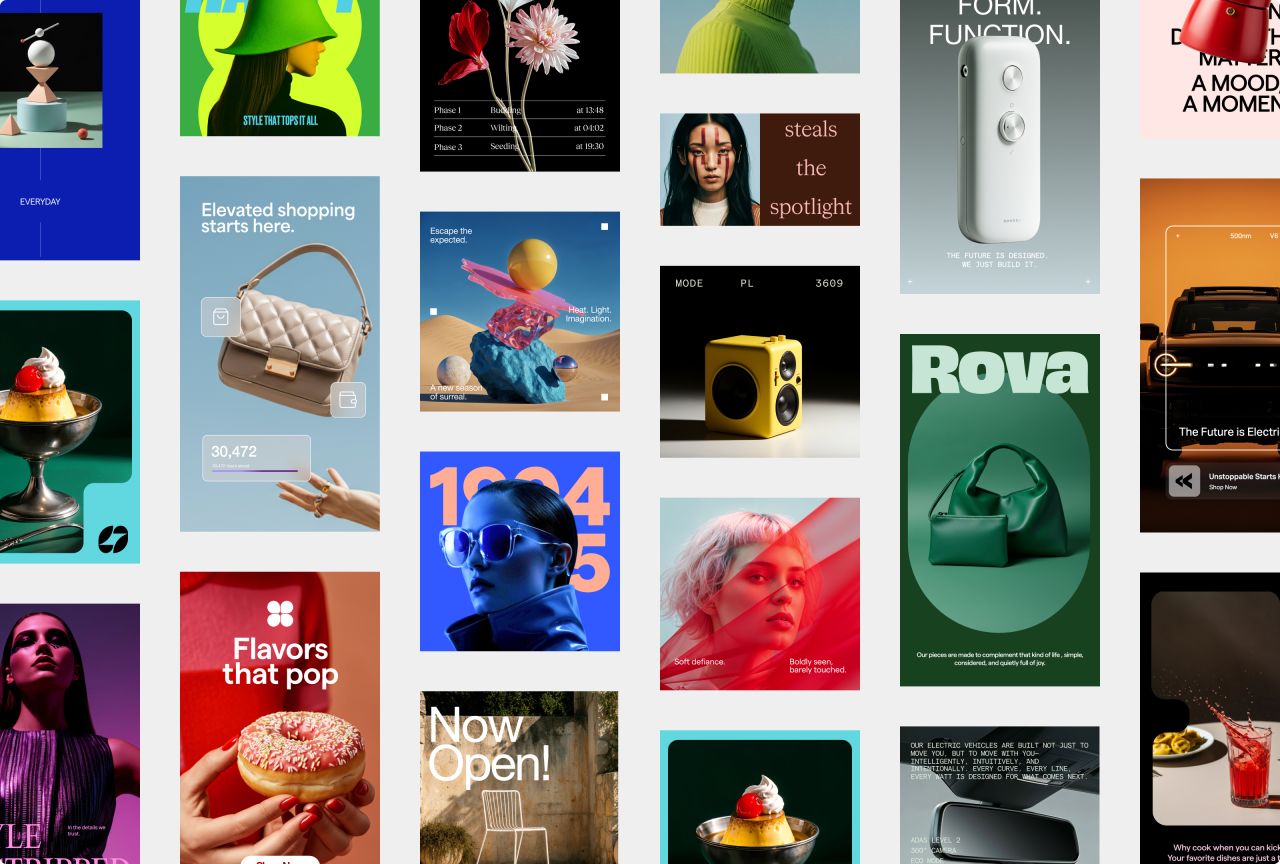
Modern brands need constant content across an endless array of channels. For agencies, the relentless volume and sheer scale of the task can become overwhelming. AI tools promise to help, but most of them simply sacrifice consistency and quality for speed. And who wants to get involved in a race to the bottom, really?
Ollie Ralph is co-founder of Obello, a new design platform aimed at solving this challenge. And he knows this pain intimately. Before founding Obello with Ben Pham in 2024, the pair ran Character, a brand and design agency with offices in San Francisco and New York. Over two decades, they shaped brand identities for companies including Apple, DoorDash, Nike, Netflix and Instagram. And the experience was instructive.
"We saw brands that had been meticulously crafted fall apart in execution," says Ben. "Design suffered, creativity was stifled, and companies failed to reach their full growth potential." Why? Because brand guidelines, however beautifully crafted, have an inherent weakness. As Ben points out: "You realise that nobody ever reads brand guidelines when they have to create content every single day."
The brand consistency challenge
Here's where Obello comes into play. But let's make one thing clear: this is not one of these AI tools promising to automate designers out of existence. Its fundamental premise is different. Designers remain essential, setting up the system and creating the templates, while AI handles the repetitive production work.
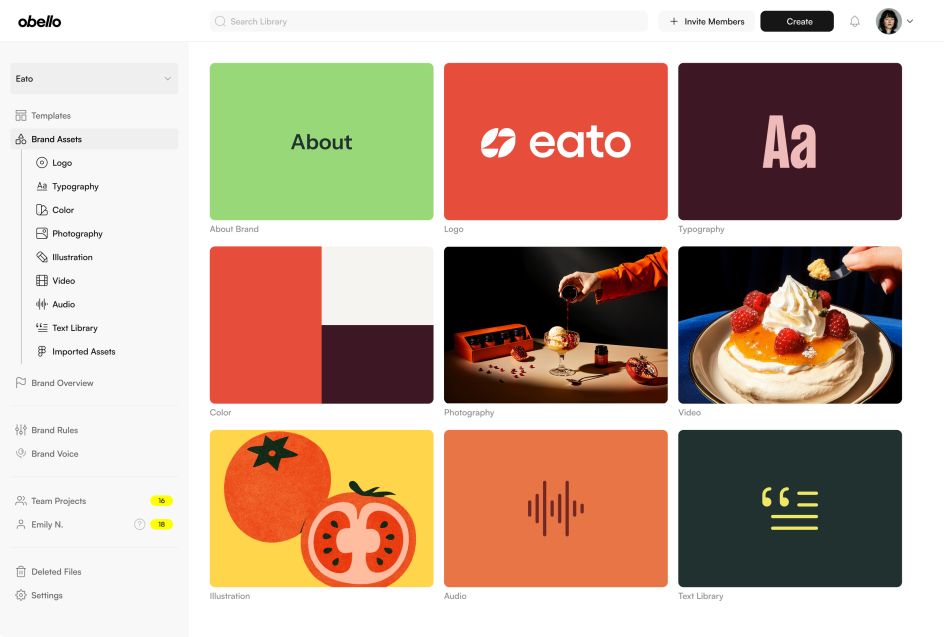
"Designers are our champions," Ollie stresses. "They want this, right? You still need the ingredients, which require craft, care and time to produce. But what Obello does is remove the production, the repetitive aspect of content creation, which is the piece that designers don't get terribly excited about."
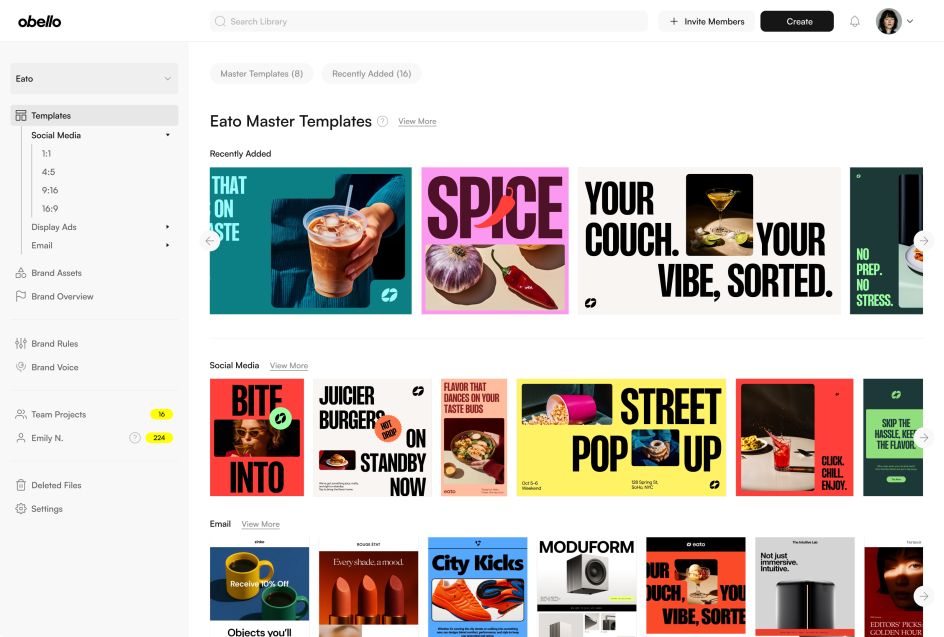
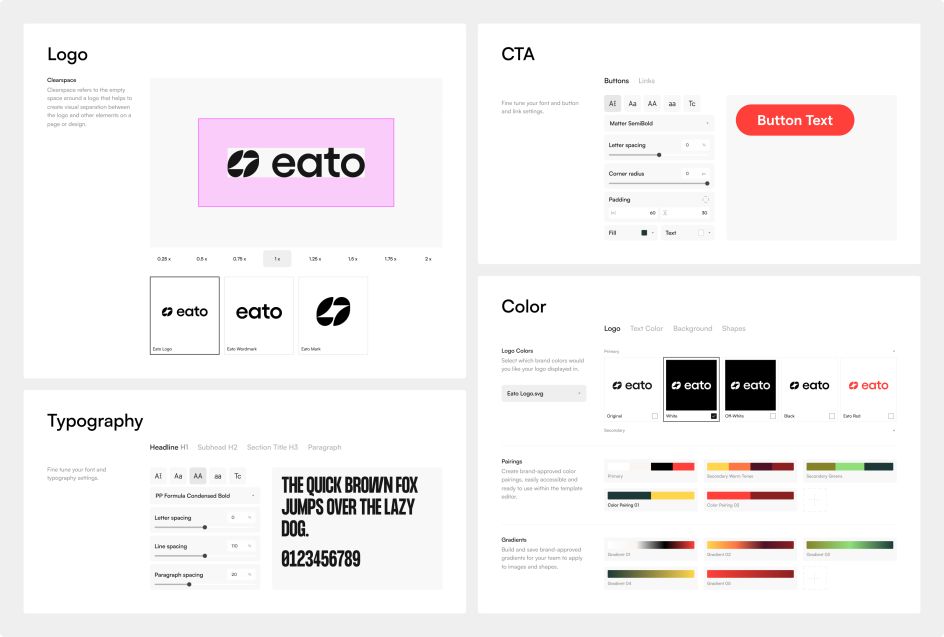
To get specific, the platform works by encoding brand rules directly into the design tools: logo clear space requirements, headline styles, colour palettes, typography rules, and so on. All of these elements, which are typically documented in brand guidelines, become active constraints within the system itself.
Design teams can then set a specific, clear space for every logo variation and define styles for every headline, teaching the platform to understand and maintain their unique brand aesthetic. That way, you're not relying on people to read hundreds of pages of brand guidelines and correctly interpret them. It's all baked in.
GLAM: resizing reimagined
Perhaps Obello's most technically ambitious feature is what the founders call GLAM (Generative Layout Assistant Model). This is where the platform moves beyond simple template systems into genuinely new territory. "We're not just grouping assets and then putting them onto a canvas of different aspect ratios," Ollie clarifies. "We're actually changing the layouts, which is much more difficult."
For instance, imagine you have a social media campaign and need to adapt it for a billboard. Traditionally, this would require a designer to manually rework the layout, adjusting not just sizes but the fundamental composition to work in the new format.
GLAM, however, automates this process because it understands design hierarchy and brand rules well enough to intelligently recompose layouts across different aspect ratios. Importantly, the model has learned to do this without infringing anyone's intellectual property. "One hundred per cent of the training data that went into this was generated by us," Ben explains.
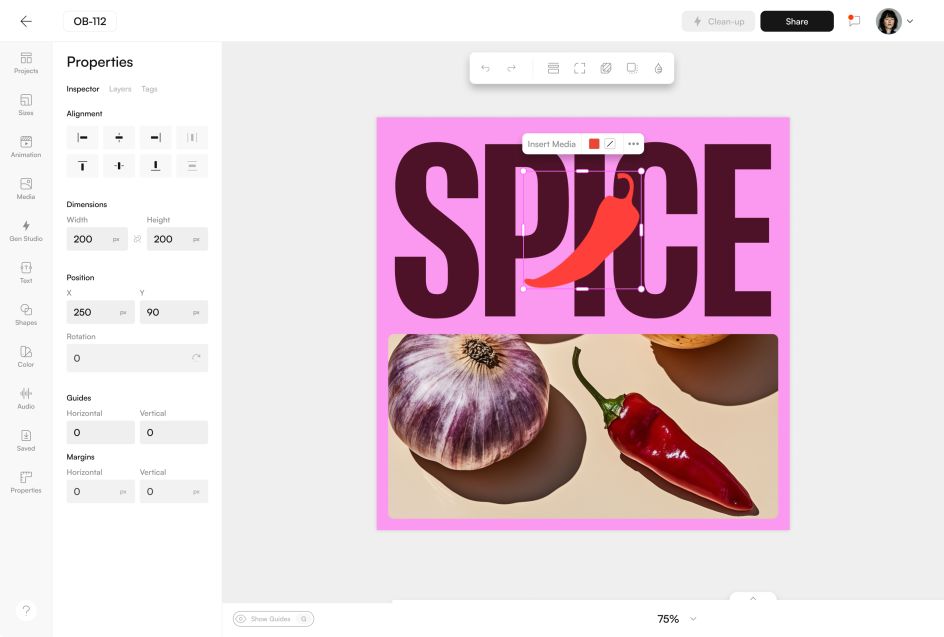
For the first year of the company's existence, the founders focused on creating graphic designs—of all shapes and sizes—to specifically train their model. An alternative approach would have been to scrape the internet, but aside from the ethical and legal issues, that simply wouldn't have worked as well.
"The quality of the data in, the design in, is absolutely correlated to what you get out the other side," Ollie emphasises. "If we fed into our database a bunch of bad design, then it would kind of poison the well and you'd start to get shitty design out the other side."
In contrast, Obello has been taught fundamental design principles: the timeless rules of Swiss typography, the work of designers like Paul Rand and Saul Bass. "We needed that level of control: to teach the machine how to make good design, and also teach it what bad design looks like," Ollie explains.
AI as collaborator, not replacement
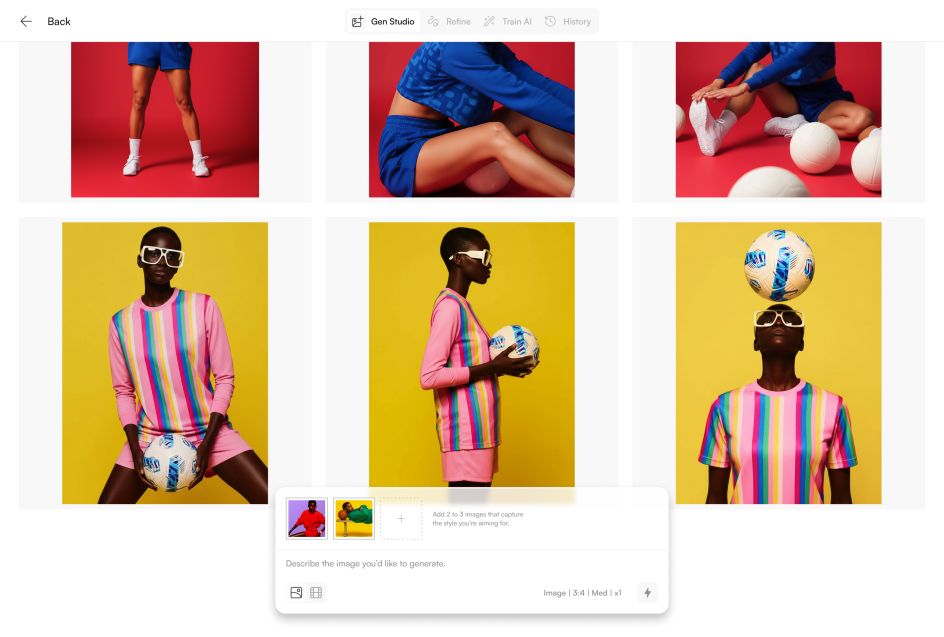
Built into Obello are various AI tools that work within these constraints. Colour pairing suggestions analyse existing designs to recommend on-brand options. Image editing tools handle tasks such as background removal without leaving the platform. A wordsmith feature can rewrite headlines in the brand's tone of voice, automatically fitted to the available space.
Crucially, though, human judgment remains central, and designers can easily override the AI suggestions. Even the image generation feature, Gen Studio, requires reference material. "You can't just give it a prompt," Ben explains. "You always need a point of reference."
This insistence on starting with existing creative work—whether we're talking about art direction, product photos, or approved brand imagery—keeps the output tethered to the brand's established visual identity, which, after all, is the whole purpose of Obello.
Who can use it?
Obello is positioning itself squarely in the mid-market and enterprise: organisations that have invested in developing a brand and care about consistency and compliance. "These are companies that are not going to let their brand team, their marketers just run wild in some kind of prompt-based design platform, go into Canva and pick from one of a trillion templates," Ollie notes.
The platform is also targeting creative agencies through a partnership program launching this month. Agencies can use Obello free of charge to set up client brands and create templates, and they even get 400 AI credits thrown in to generate images and videos. "Your client then goes in, they self-serve, they take those templates, they localise them," Ollie explains. "And you can then charge the clients a monthly retainer for generating content."
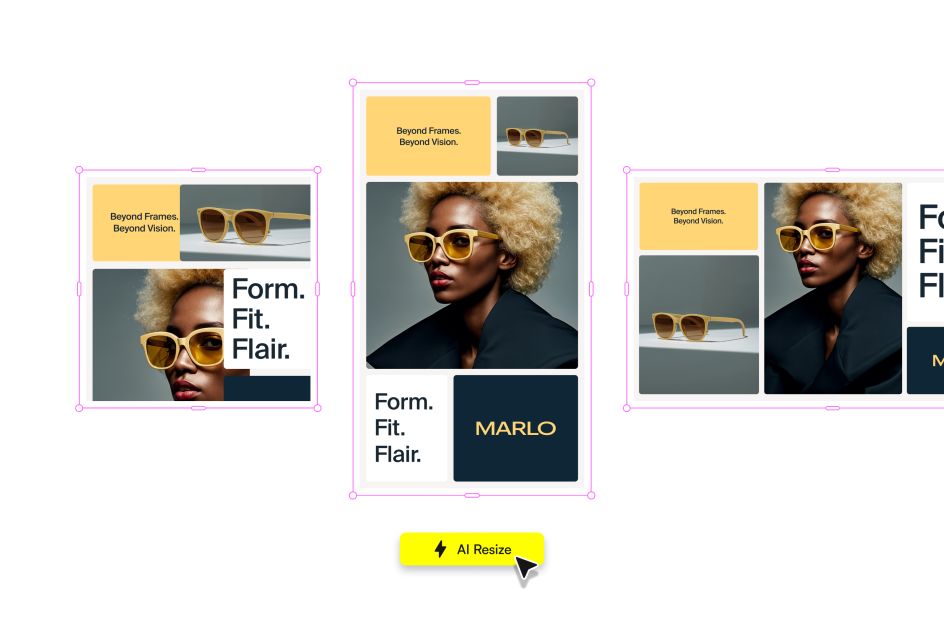
For in-house design teams, the promise is similar: spend time on creative work and strategic thinking, not endless production tasks. "Above all, it's maintaining the integrity of the brand system, which makes designers happy," Ollie says. "That's why designers are excited. They're pulling us into these organisations, and introducing us to their marketing teams."
The designer's perspective
The most telling aspect of Obello is how it frames the role of AI. Rather than being a replacement for designers, the platform is more of a production assistant; capable of handling mechanical tasks but fundamentally dependent on human creativity and judgment. "Obello always requires the craft, the origin of a designer," says Ben. "We never want to remove them from that process."
In conclusion, for design teams drowning in production requests, constantly firefighting to maintain brand consistency across an expanding universe of channels and formats, Obello offers genuine relief. In an age where brands need to be everywhere, all the time, Obello makes it possible to create more content, without losing sight of what made the brand distinctive in the first place.
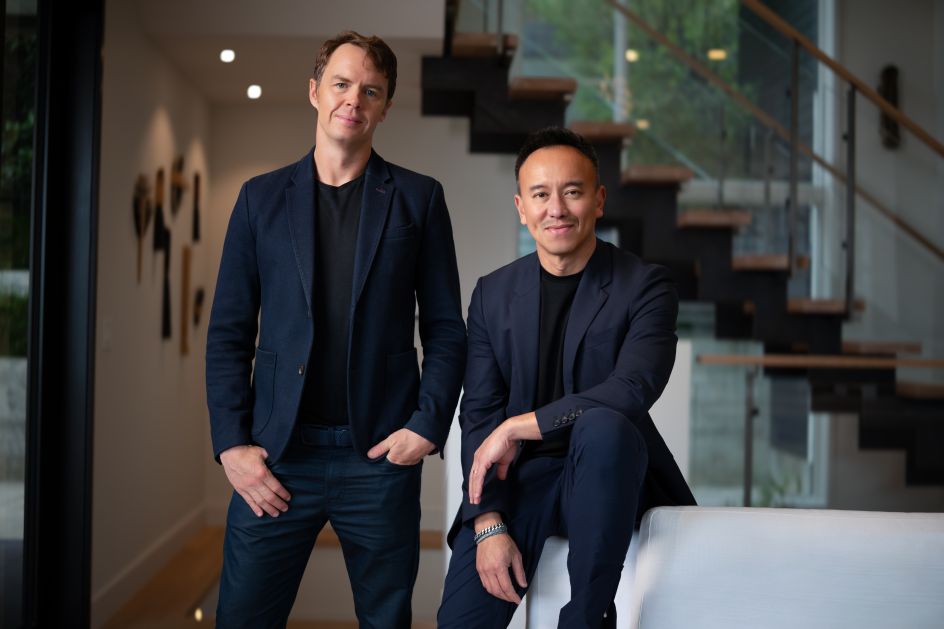
Ollie Ralph and Ben Pham
Further Information