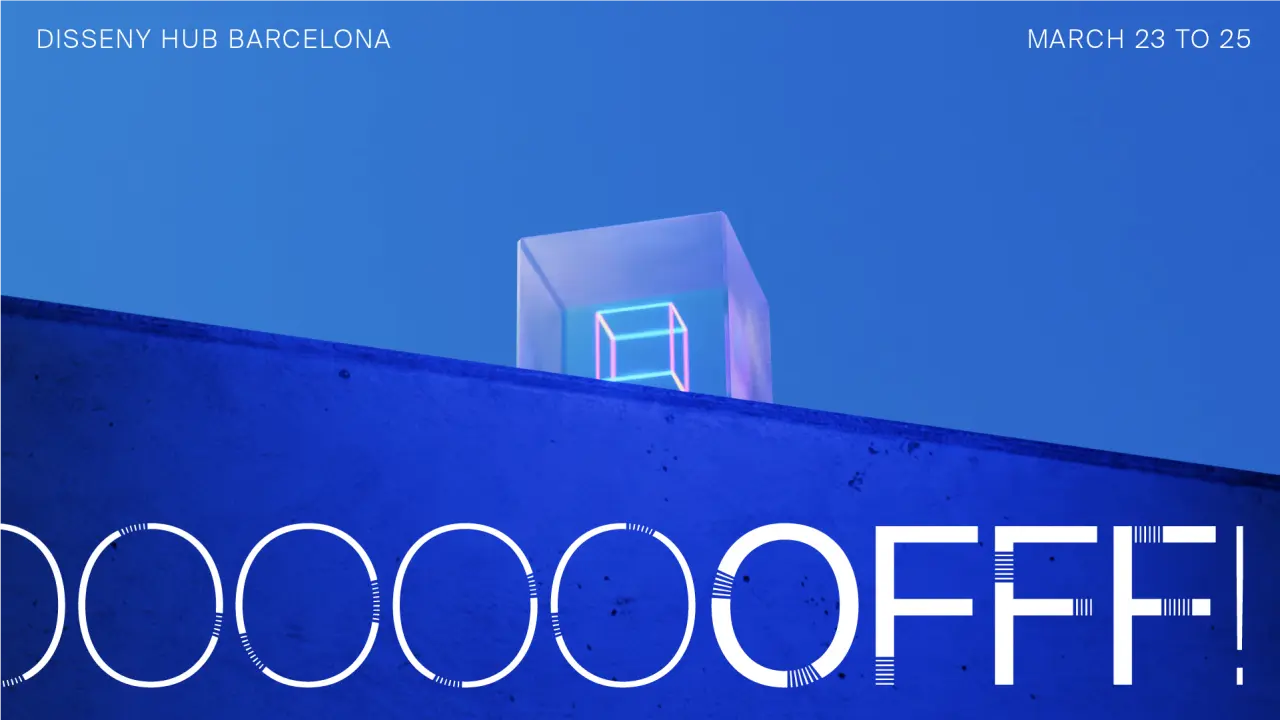
OFFF Barcelona returns for its 26th year with a stellar line-up celebrating creativity, art and design
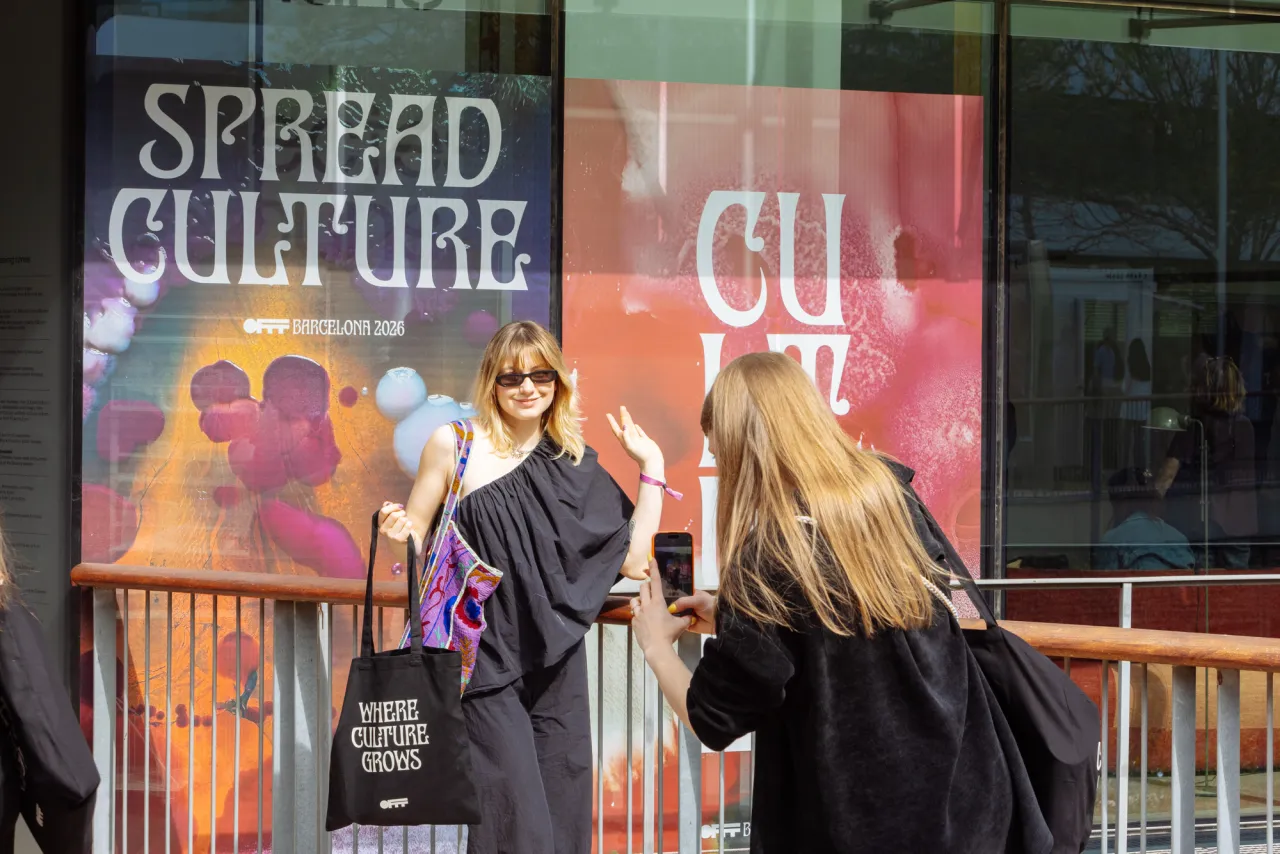
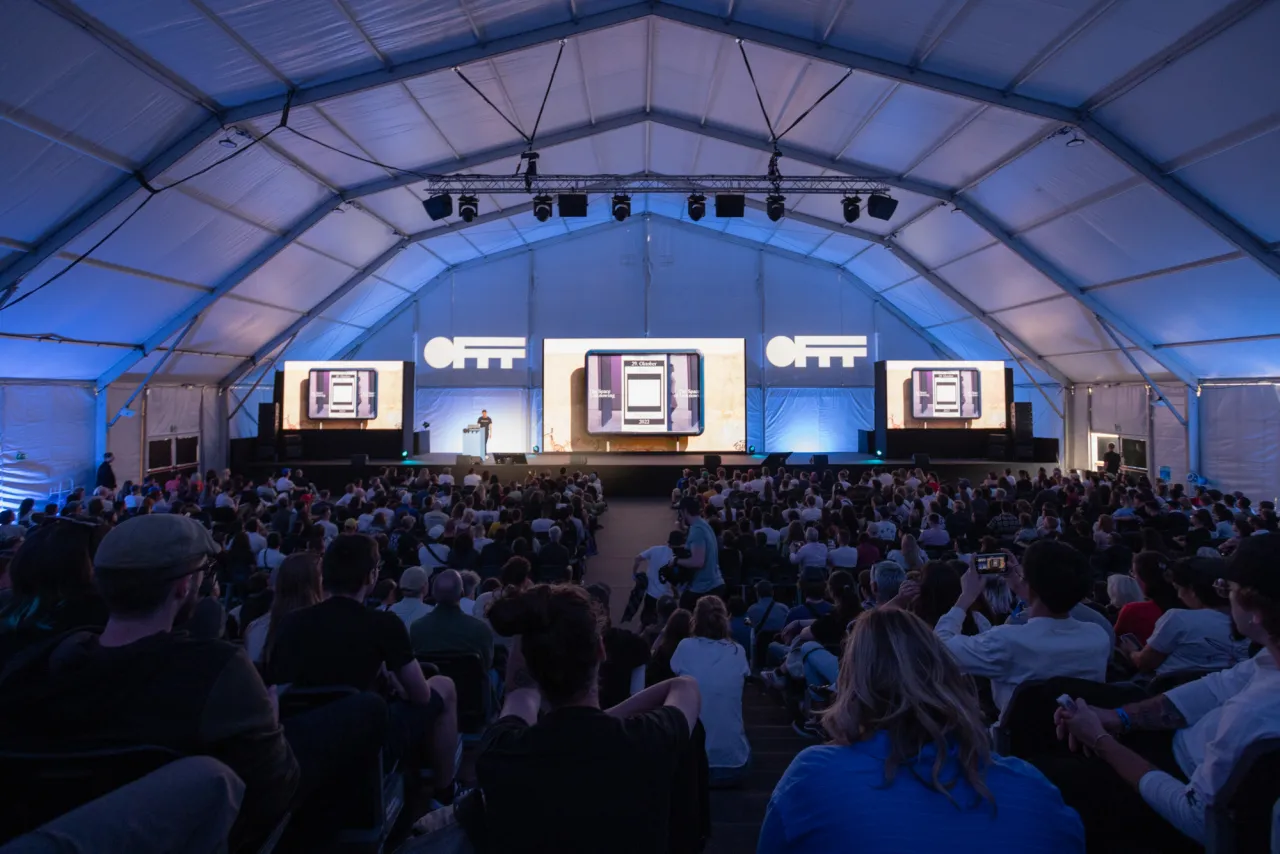
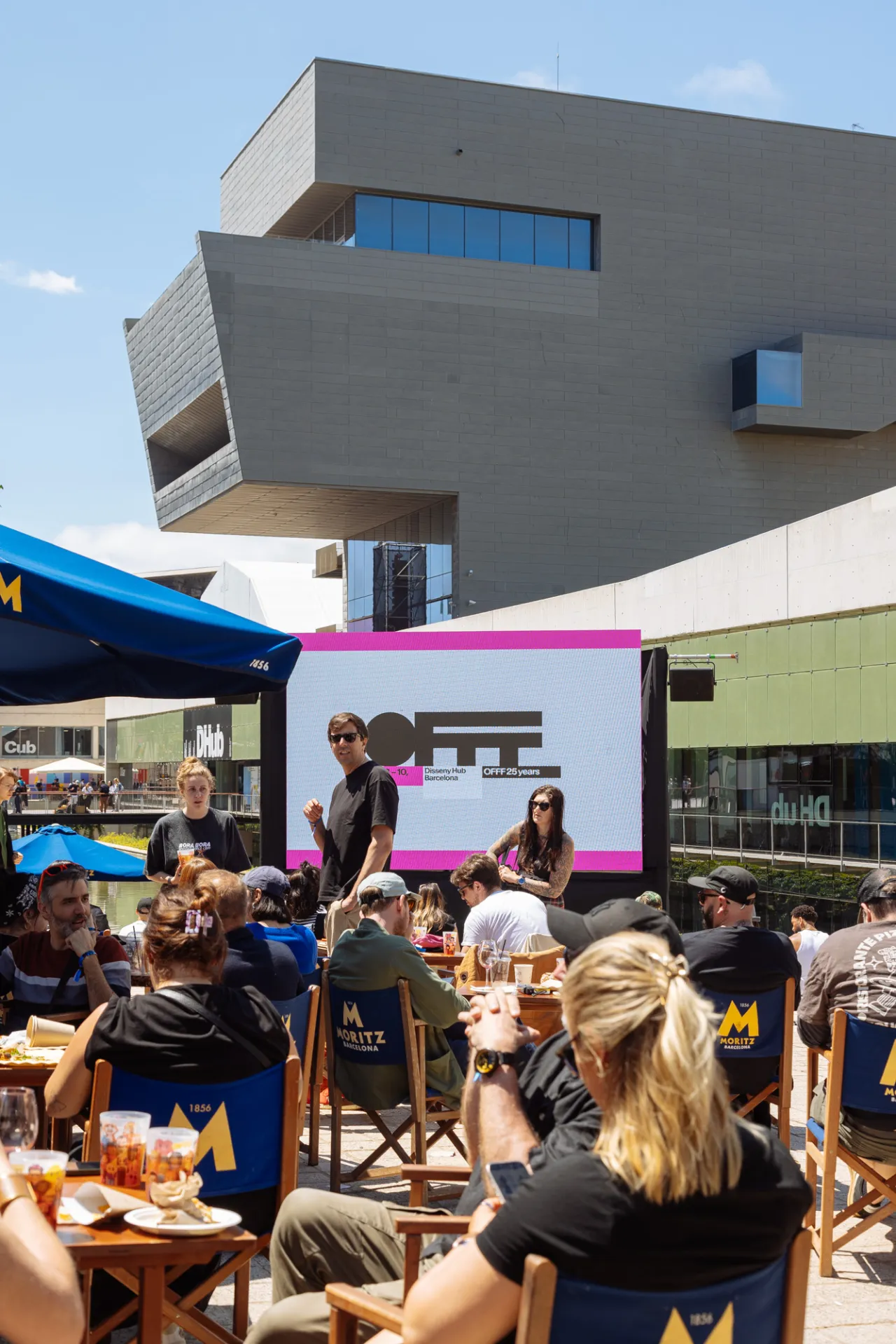
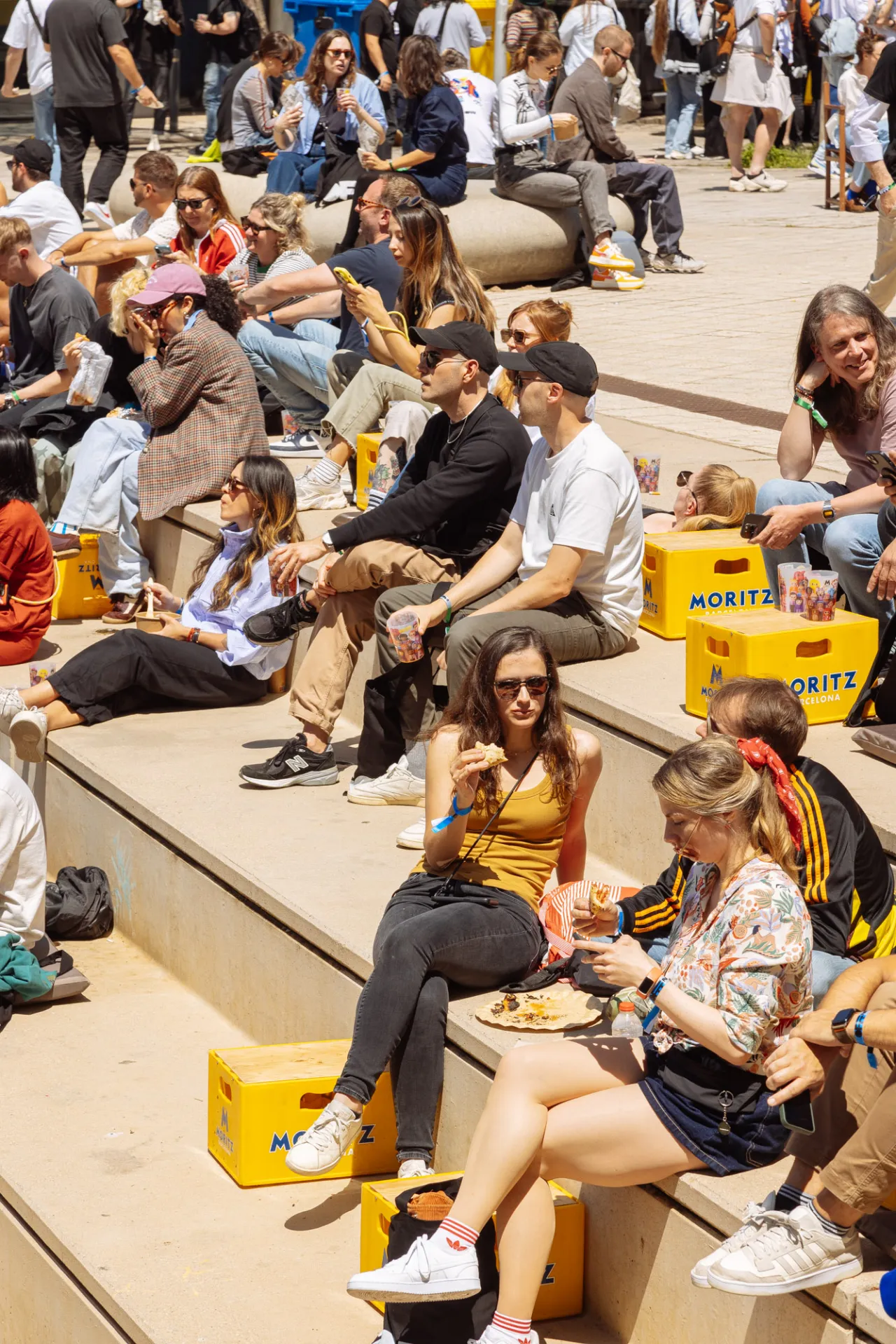
Returning to Disseny Hub Barcelona this April, OFFF 2026 once again positions itself as a global meeting point for creative leaders, emerging practices and new ideas shaping design, art and digital culture.
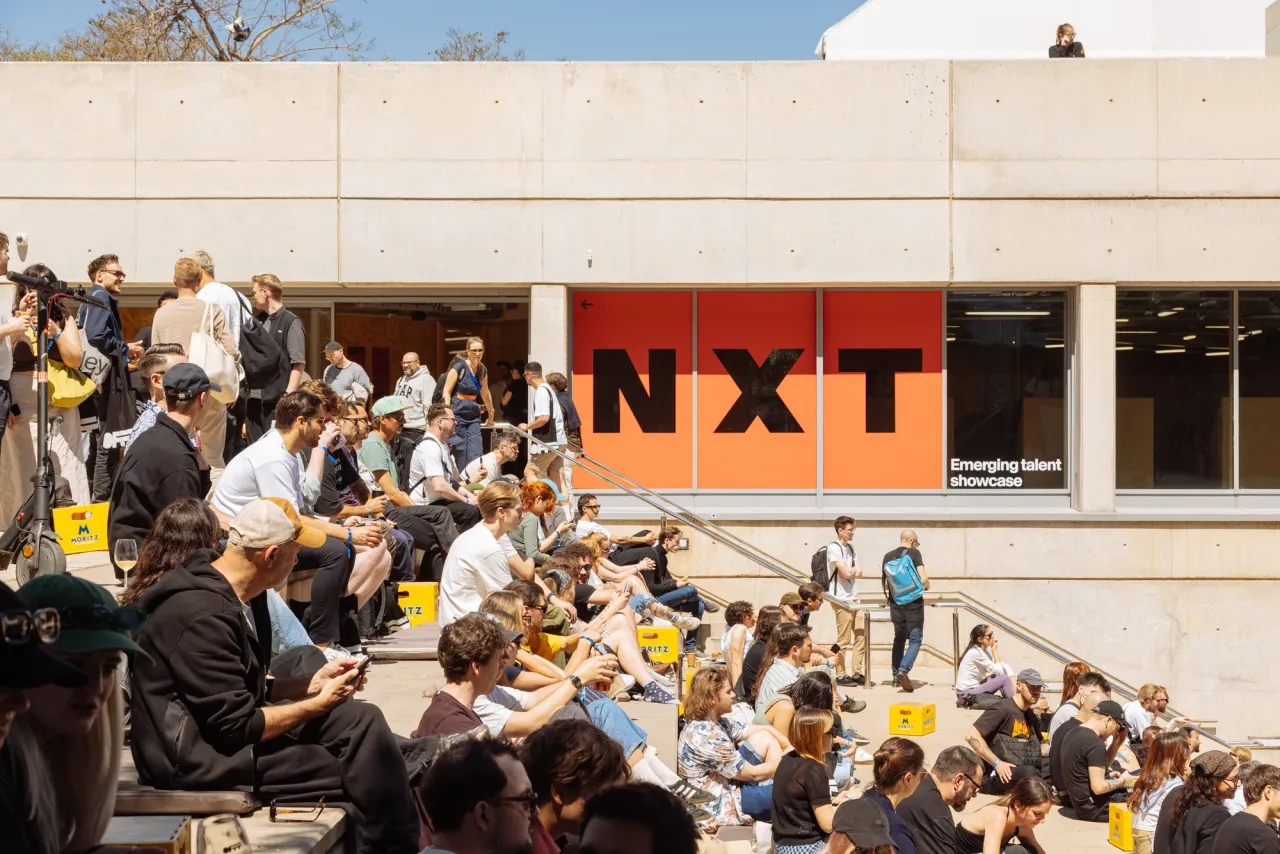
One of the most coveted events in the global design calendar, OFFF Barcelona returns this spring for its 26th edition, bringing together some of the most influential voices in creativity, art and digital design.
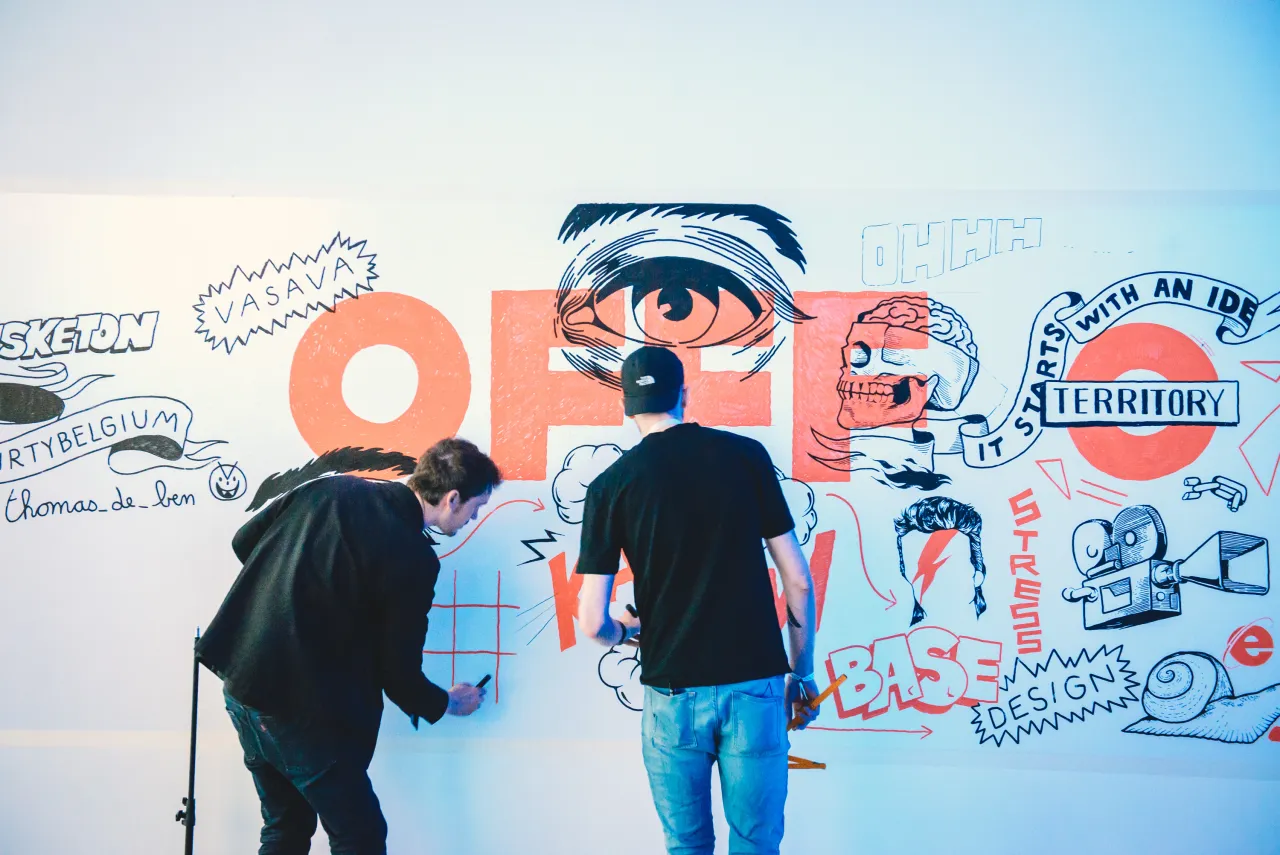
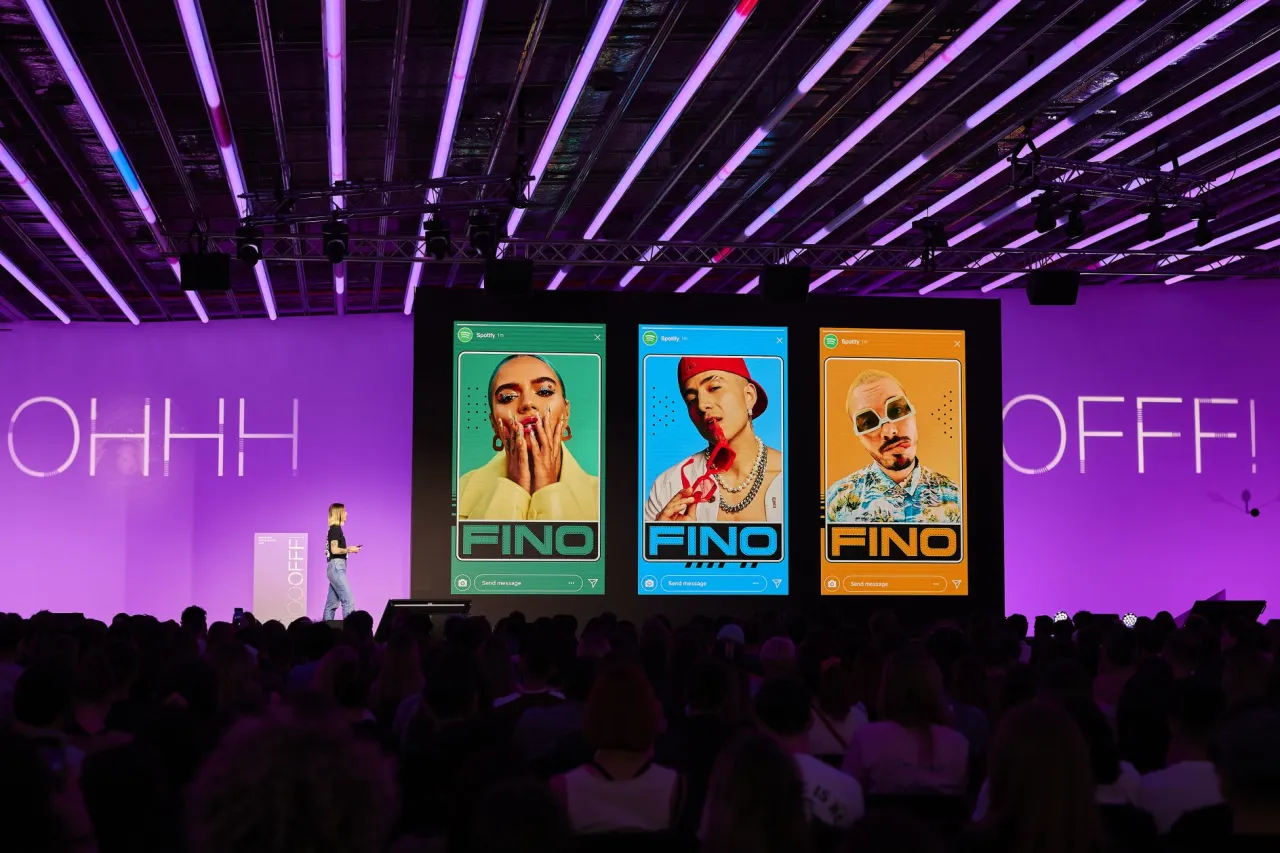
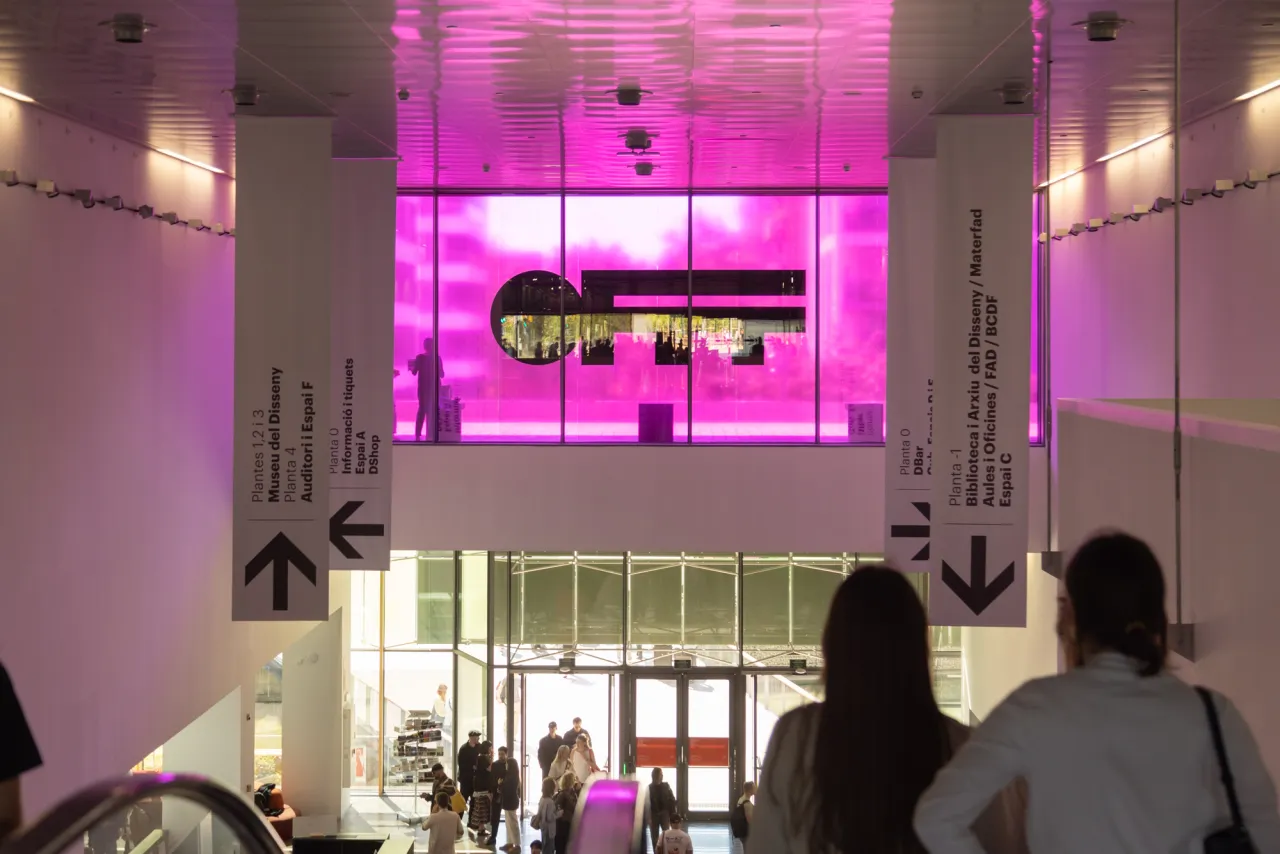
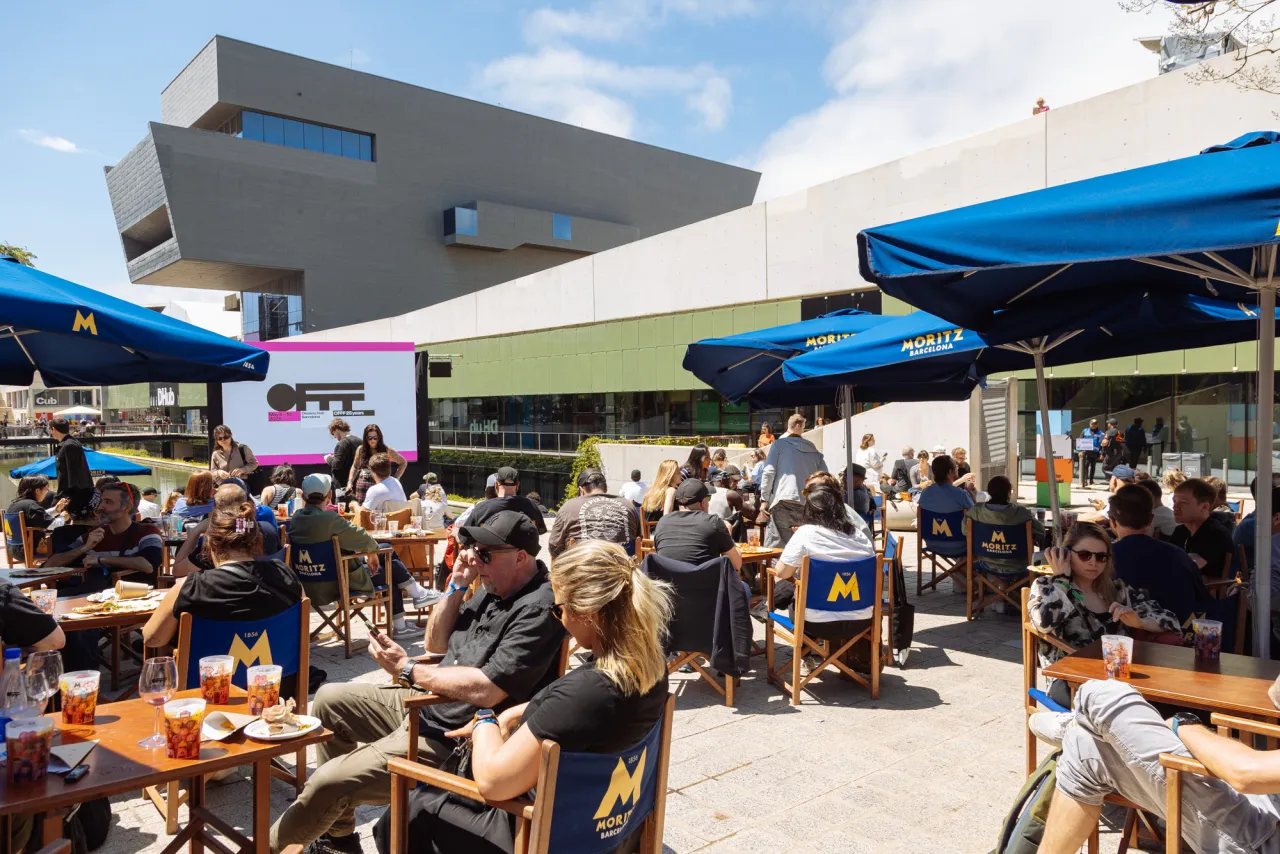
Taking place from 16–18 April 2026 at Disseny Hub Barcelona, OFFF continues its long-standing mission to act as a meeting point for the industry's most innovative thinkers, offering audiences a rare glimpse into the creative processes shaping contemporary visual culture.
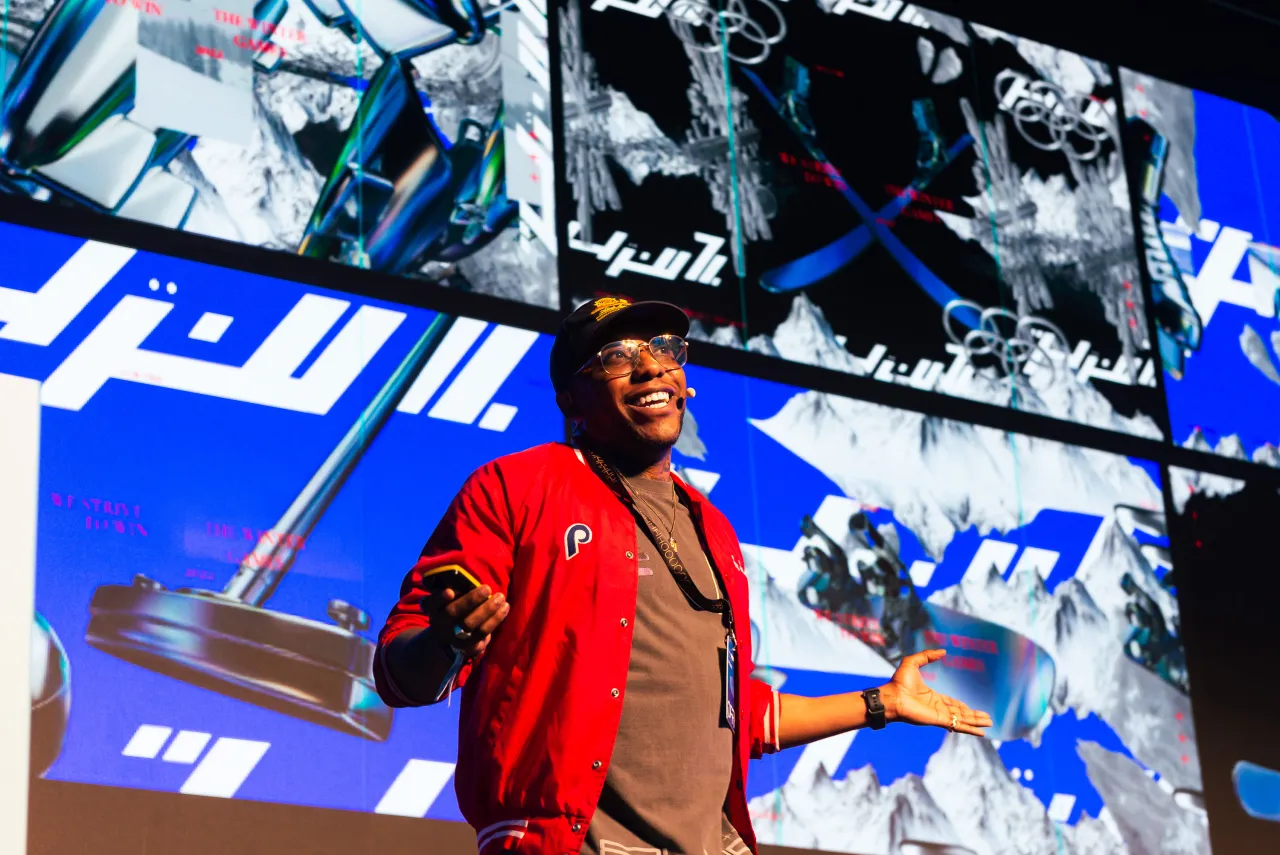
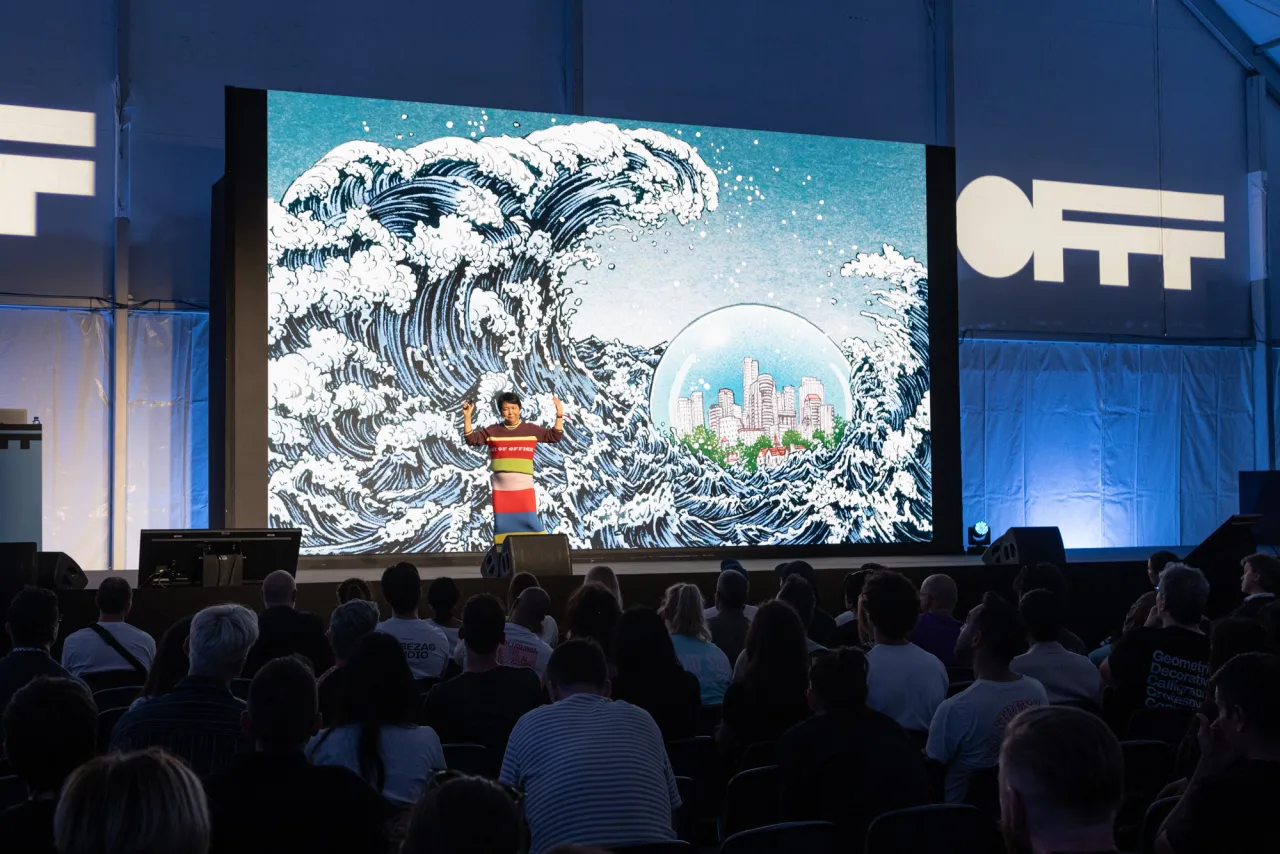
This year's programme reflects both OFFF's international reach and its roots in Barcelona as a creative capital. Industry leaders, including Emmy Award–winning director Seth Epstein (LOS YORK), Nils Leonard (Uncommon Creative Studio), Reuben Wu, Maggie West, Valtteri, Björn Kusoffsky (Stockholm Design Lab) and Noah Dillon form part of a diverse line-up spanning branding, motion, photography, architecture, art direction and experiential design.
Architecture plays a particularly prominent role in the 2026 programme, marking Barcelona's designation as UNESCO World Capital of Architecture. In response, OFFF has curated talks from leading architecture studios including Foster+Partners and CODA, reflecting the city's influence on the global built environment and its ongoing dialogue between design, culture and urban life.
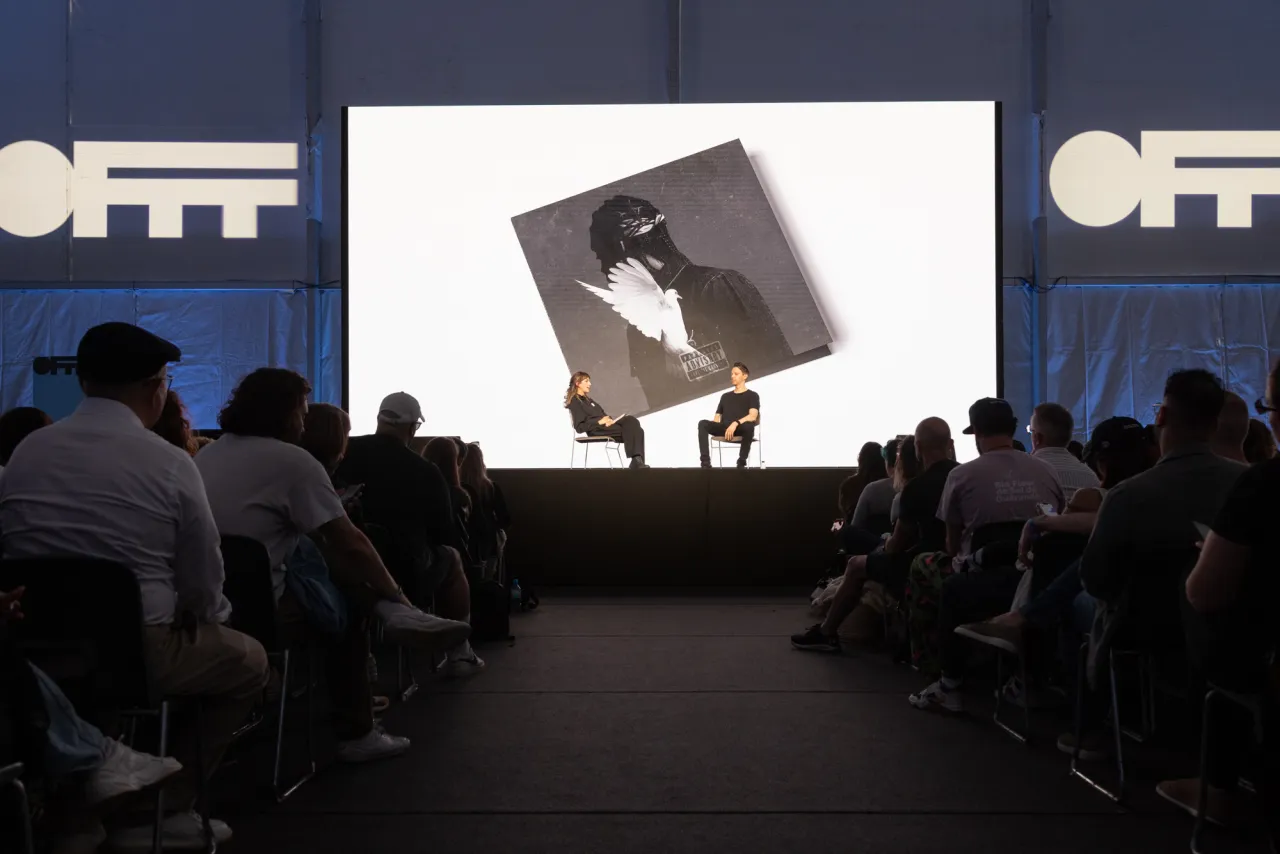
Photography and image-making also take centre stage this year. Artists such as Reuben Wu, known for his technologically driven reimaginings of landscapes, and Noah Dillon, the photographer behind the cover of Rosalía's LUX album, highlight the festival's continued interest in how new tools are reshaping visual storytelling.
A visual identity shaped by collaboration
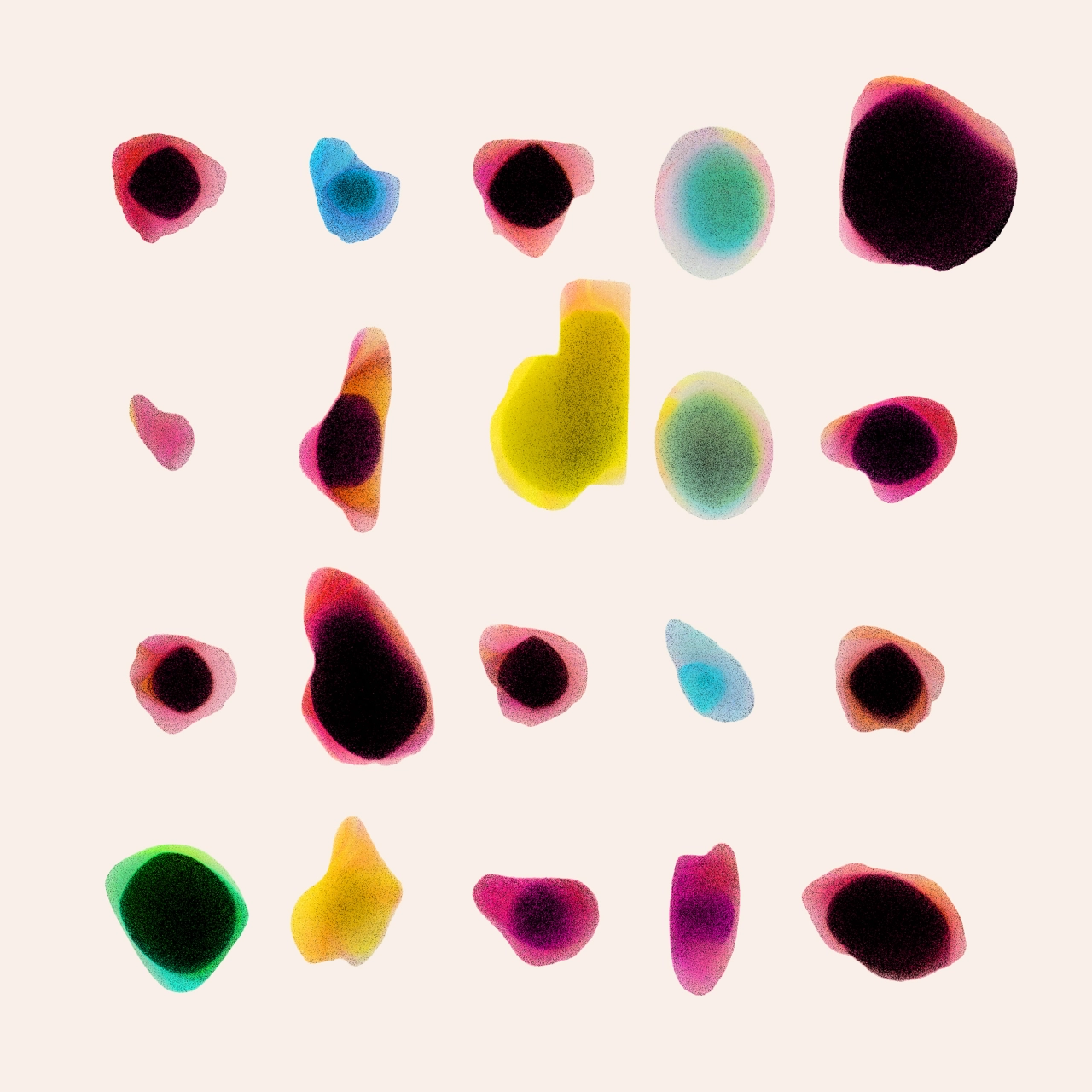
OFFF 2026's visual campaign has been developed in collaboration with Uncommon Creative Studio, with the festival's creative direction presented by co-founder Nils Leonard as part of the programme. Titled What We Make It, the campaign explores creativity as a collective act that's shaped through shared references, ideas and experimentation rather than individual authorship.
Framed as both a reflection and an invitation, the campaign positions creativity as something that emerges under the right conditions: collaboration, openness, and intentional growth. It also speaks to wider conversations within the creative industries around authorship, homogenisation and the role of community in shaping culture.
Bringing work into the public realm
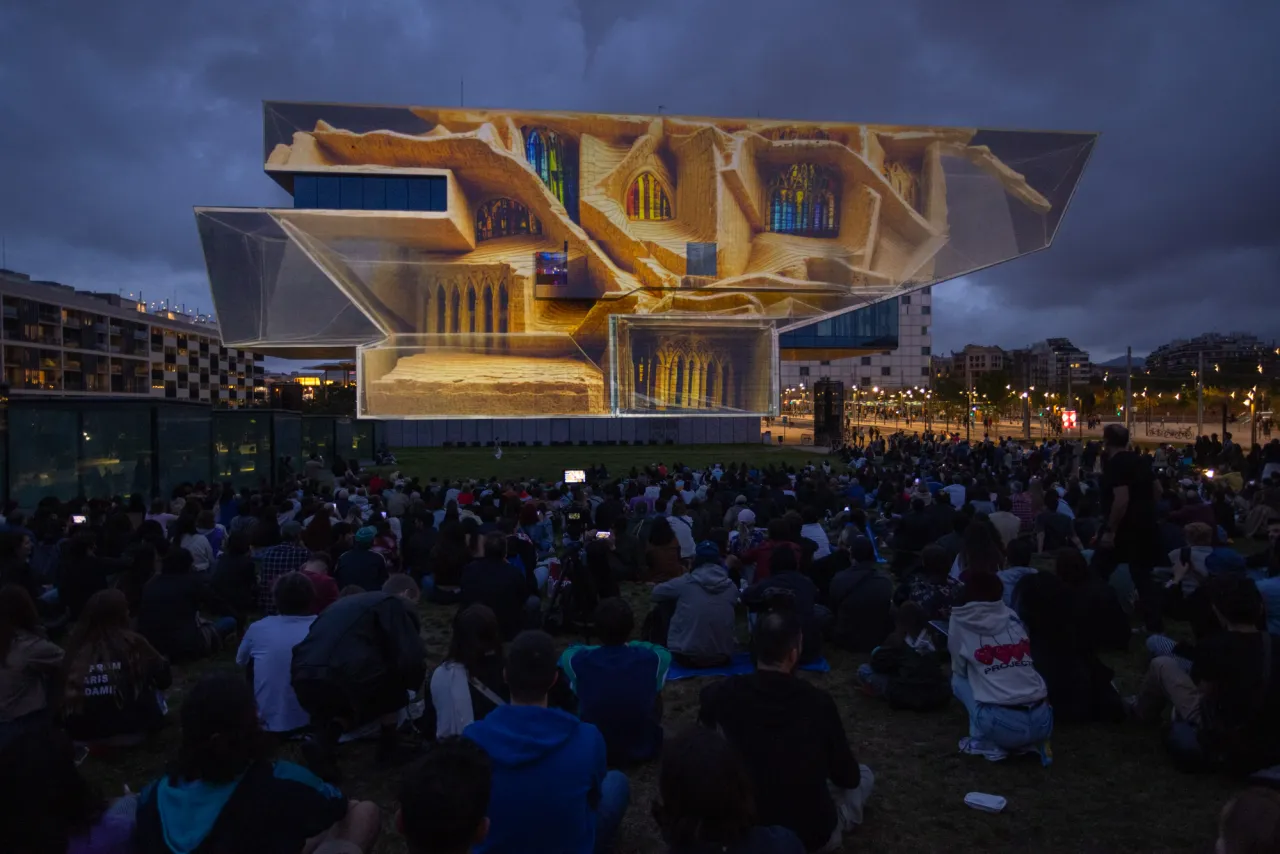
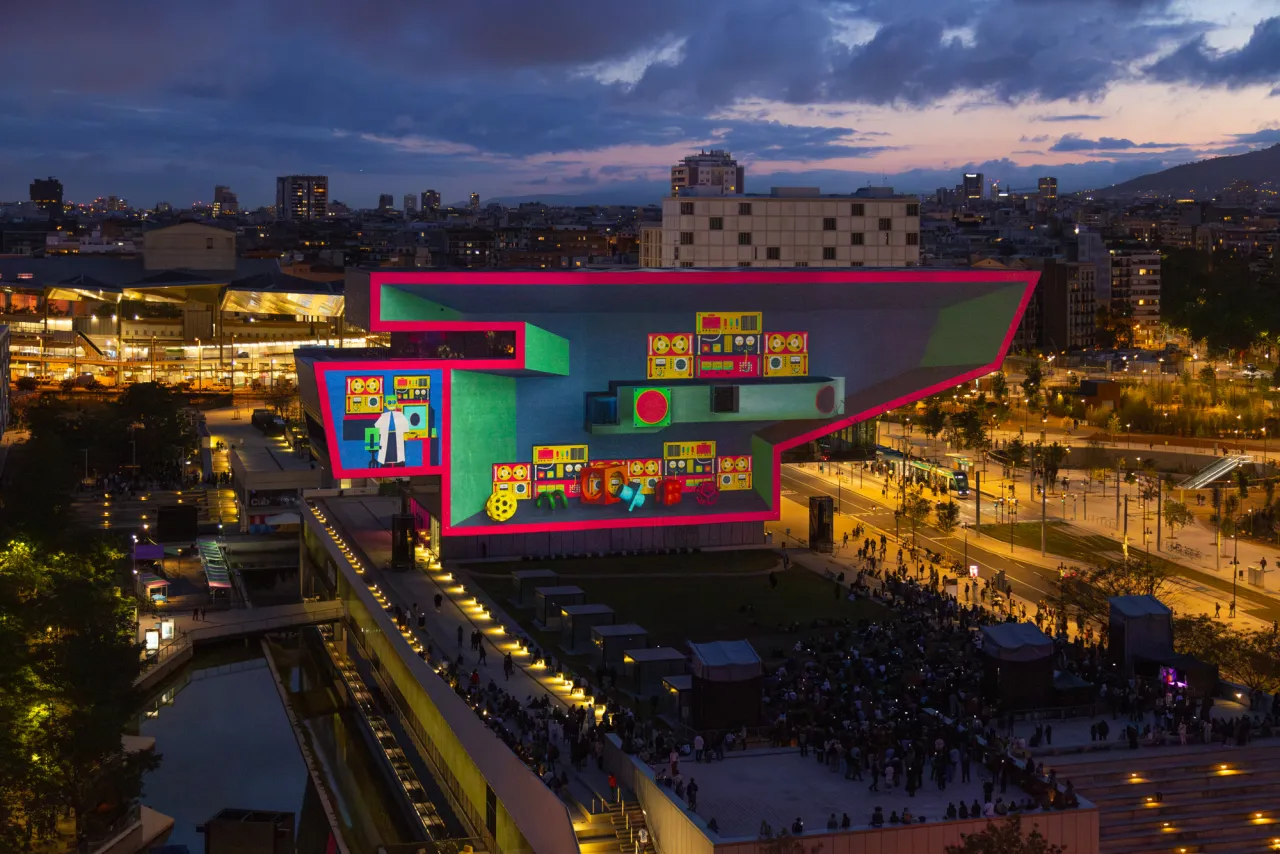
This year's Main Titles, designed by PJ Richardson, will be screened outdoors for the first time as part of The Screen programme, projected onto the façade of Disseny Hub Barcelona. The initiative, which is open to the public, underscores OFFF's ambition to move beyond the conference format and embed creative work directly into the city.
The Screen programme will run across all three nights of the festival and is divided into two parts: an open call showcasing work from the OFFF community, and a curated selection of site-specific pieces by invited studios and artists. Confirmed contributors include Burton Rast, Somnia Lab and OnionLab.
New formats for a changing industry
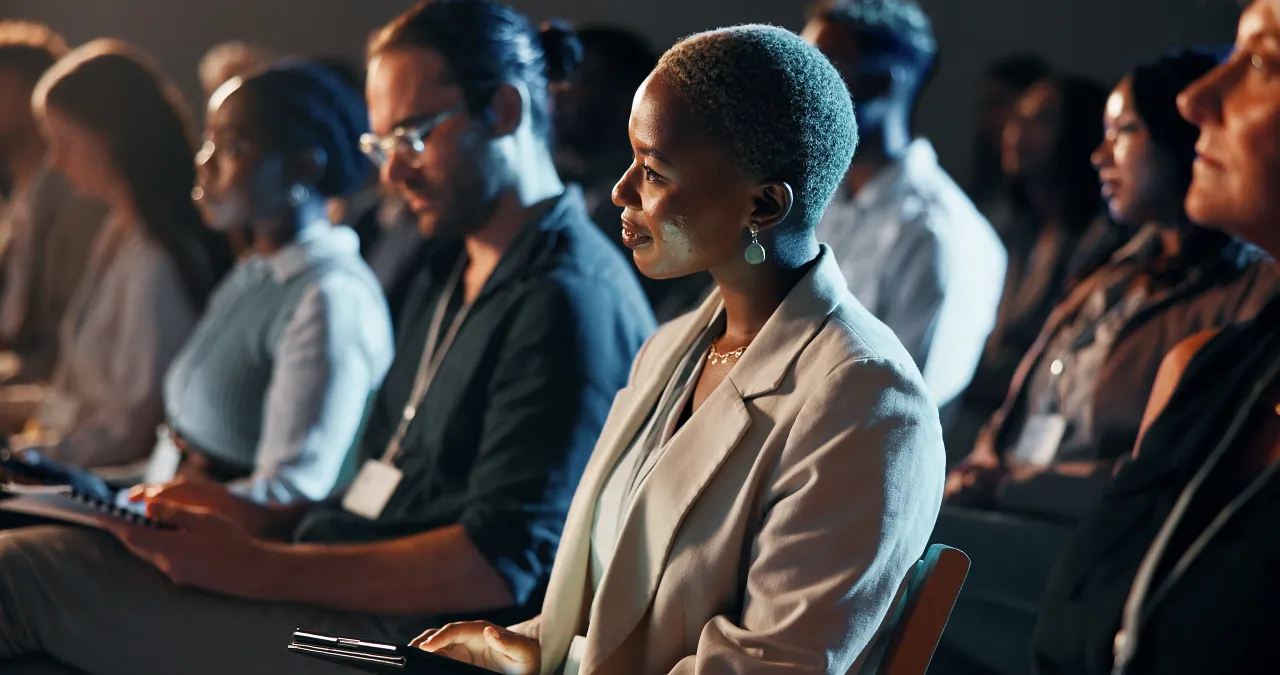
Alongside its headline talks, OFFF 2026 introduces Tips & Tricks, a new series of small-group sessions designed to foster more intimate, practical exchanges. These 25-minute sessions, combining short talks with audience Q&A, will cover topics ranging from career development and leadership to reinvention and creative resilience, reflecting the industry's evolving needs.
The addition signals OFFF's awareness of shifting professional realities, as creatives increasingly seek spaces that offer tangible insight, peer connection, and inspiration.
A global platform with local roots
Founded in Barcelona in 2001, OFFF has grown from a niche design gathering into a global creative platform, expanding through initiatives such as OFFF On Tour and OFFF Studio. Despite its growth, the festival has remained closely tied to its host city, drawing on Barcelona's cultural energy while attracting an international audience of designers, artists and technologists.
As OFFF enters its 26th year, it exemplifies a festival balancing scale with substance, bringing together high-profile names, emerging practices and new formats at a moment when the creative industries are actively reassessing how, why and for whom work is made.

Editor's Picks


Trending
Latest Jobs
Brand Designer at Langdock
Full-time·Berlin·€65,000 – €100,000
Senior Visual Designer at Scout Motors
Full-time·Remote·US$130,000 – US$160,000
Visual Development Artist - Feature at Sony Pictures Animation
Full-time·Los Angeles·$53.37 – $83.75 per hour
Strategy Director at Landor
Full-time·New York·$150,000 – $175,000
Senior Account Manager at Consider
Full-time·London·£42,500
Head of Design at Engage
Full-time·Leeds·£55,000 – £65,000