Since late 2021, the prices for essential goods have been rising dramatically around the world. And the UK has been just as affected as everybody else.
Some have seen their incomes rise accordingly due to government action (such as with pensioners), industrial action, or simply supply and demand in the jobs market driving up wages. But many have been left behind, and some are now struggling to survive day to day.
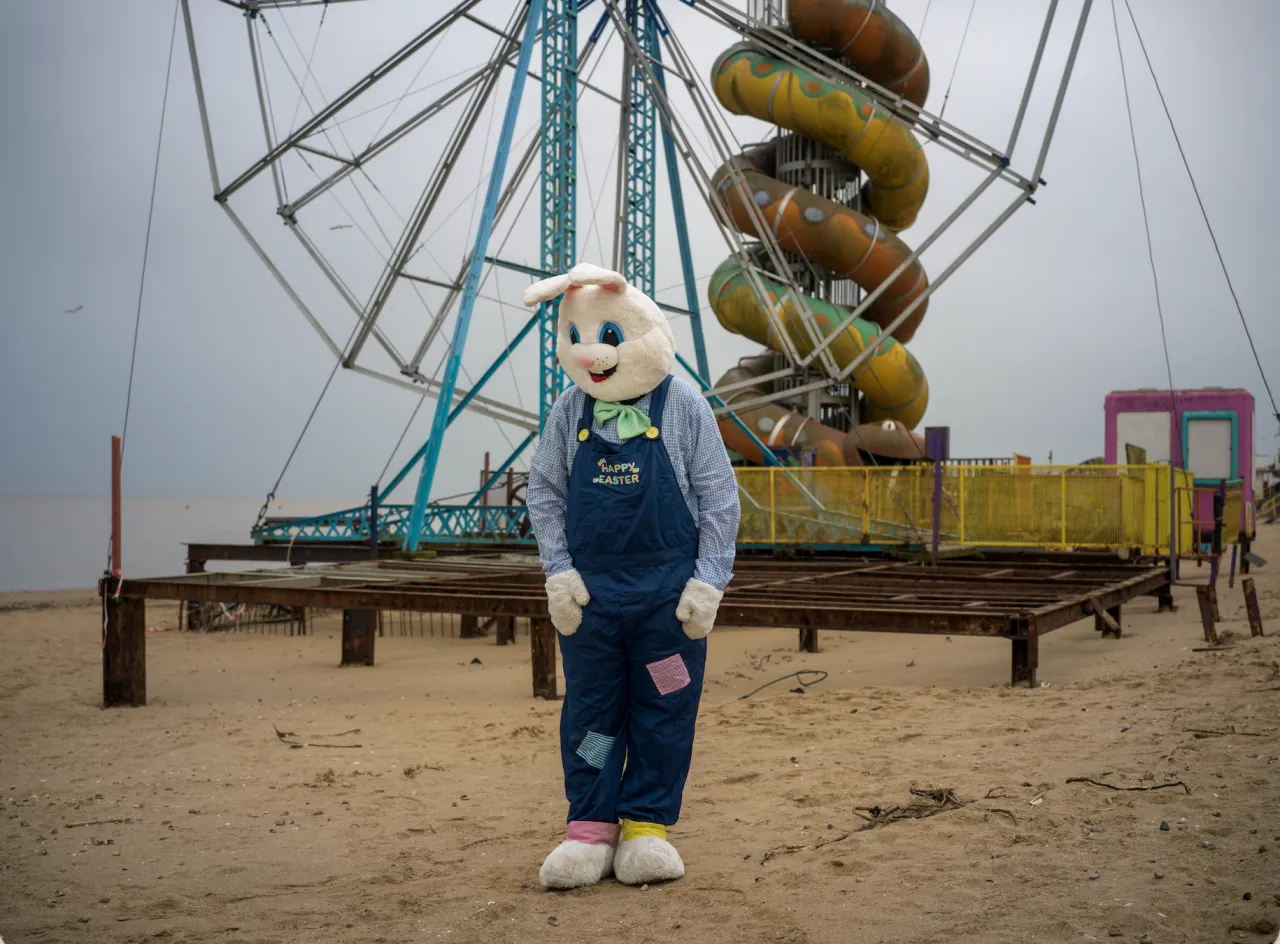
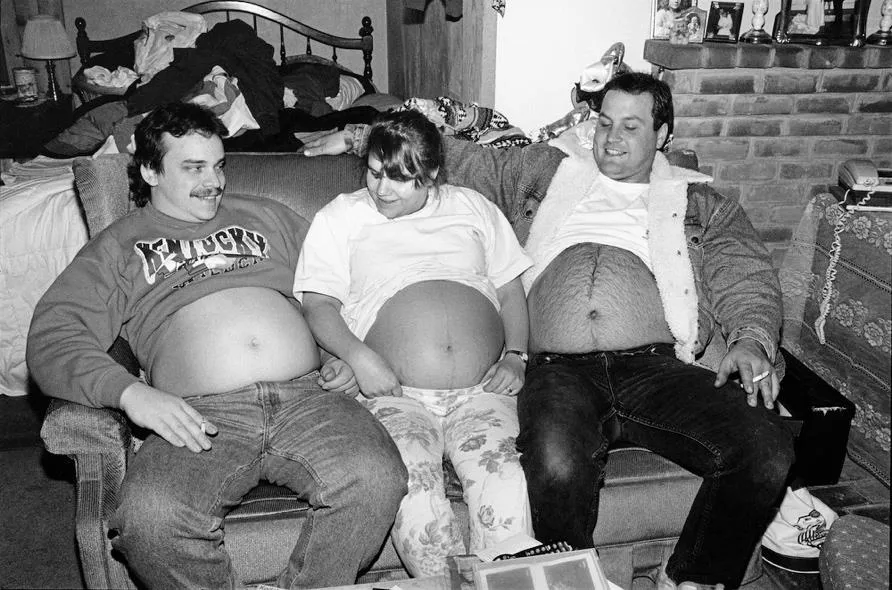
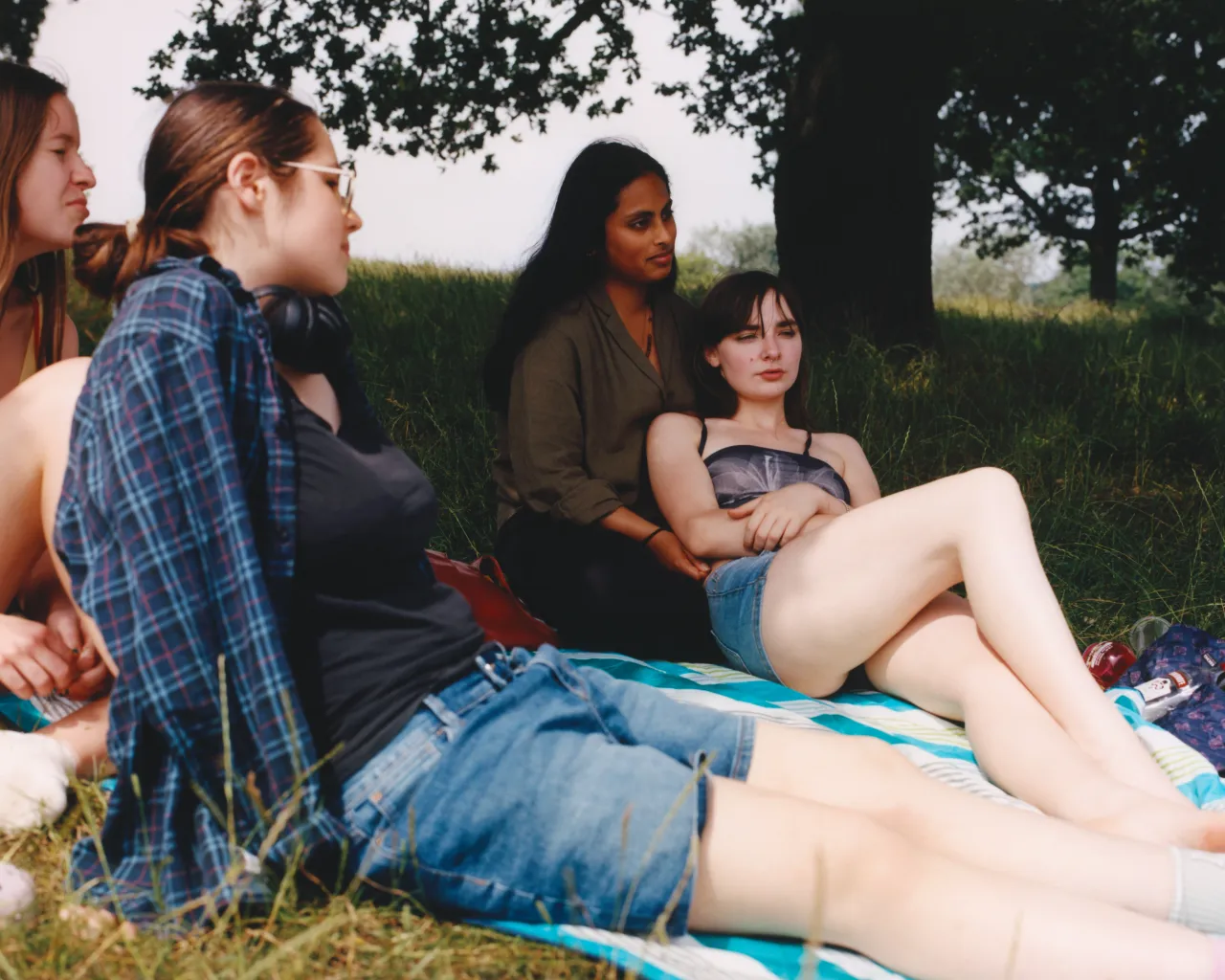
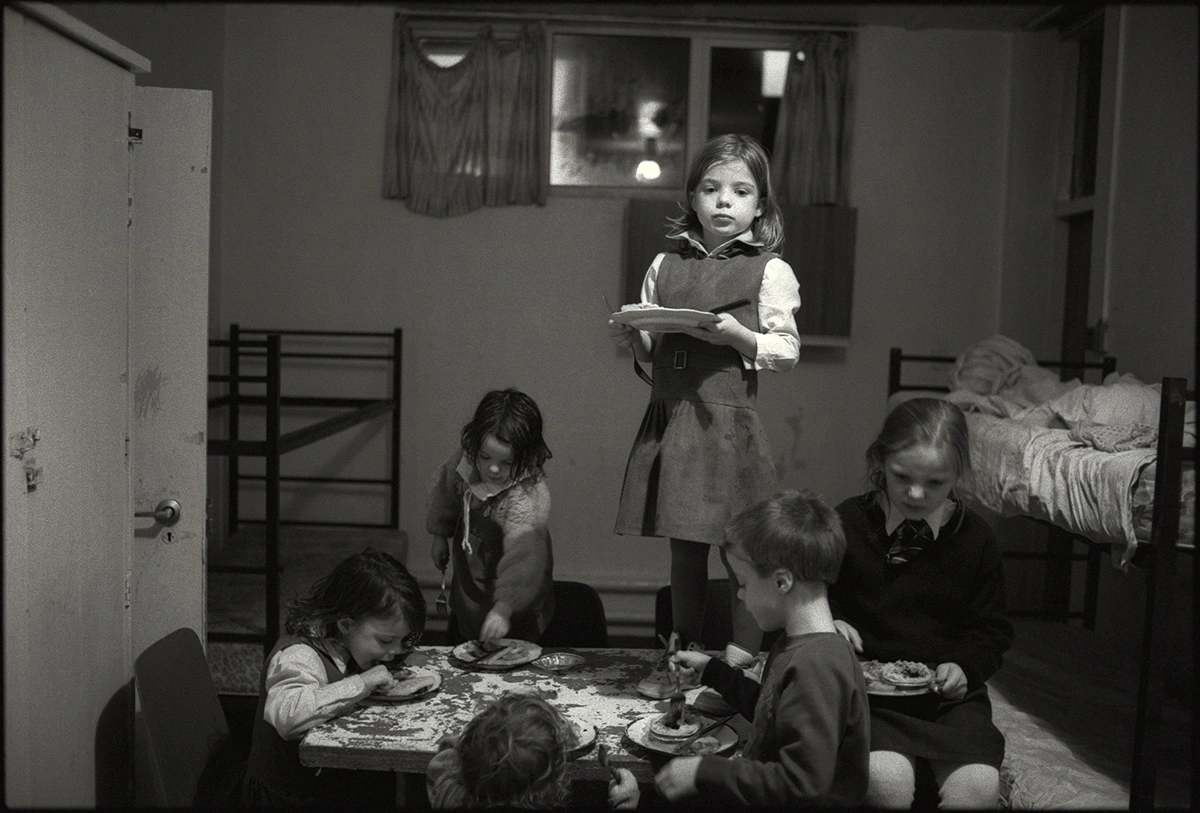
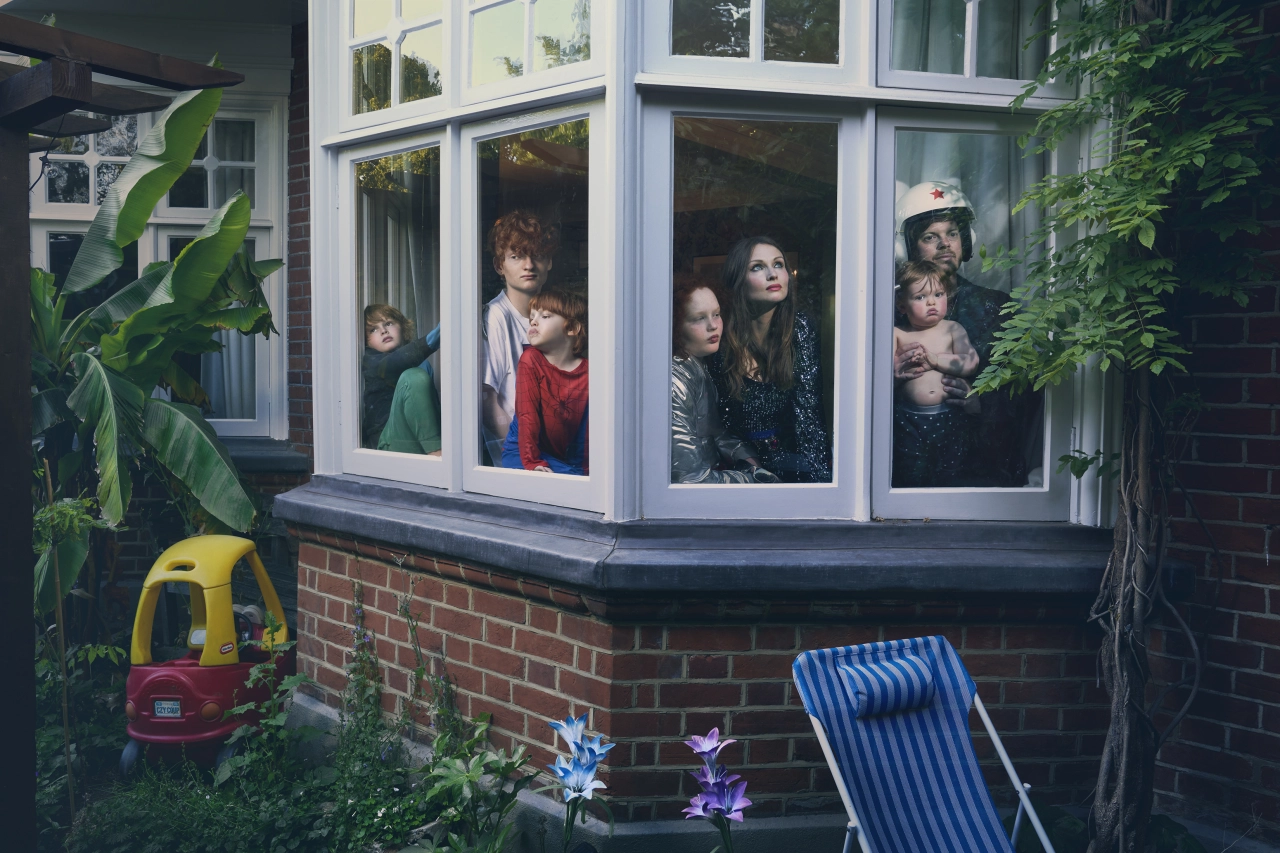
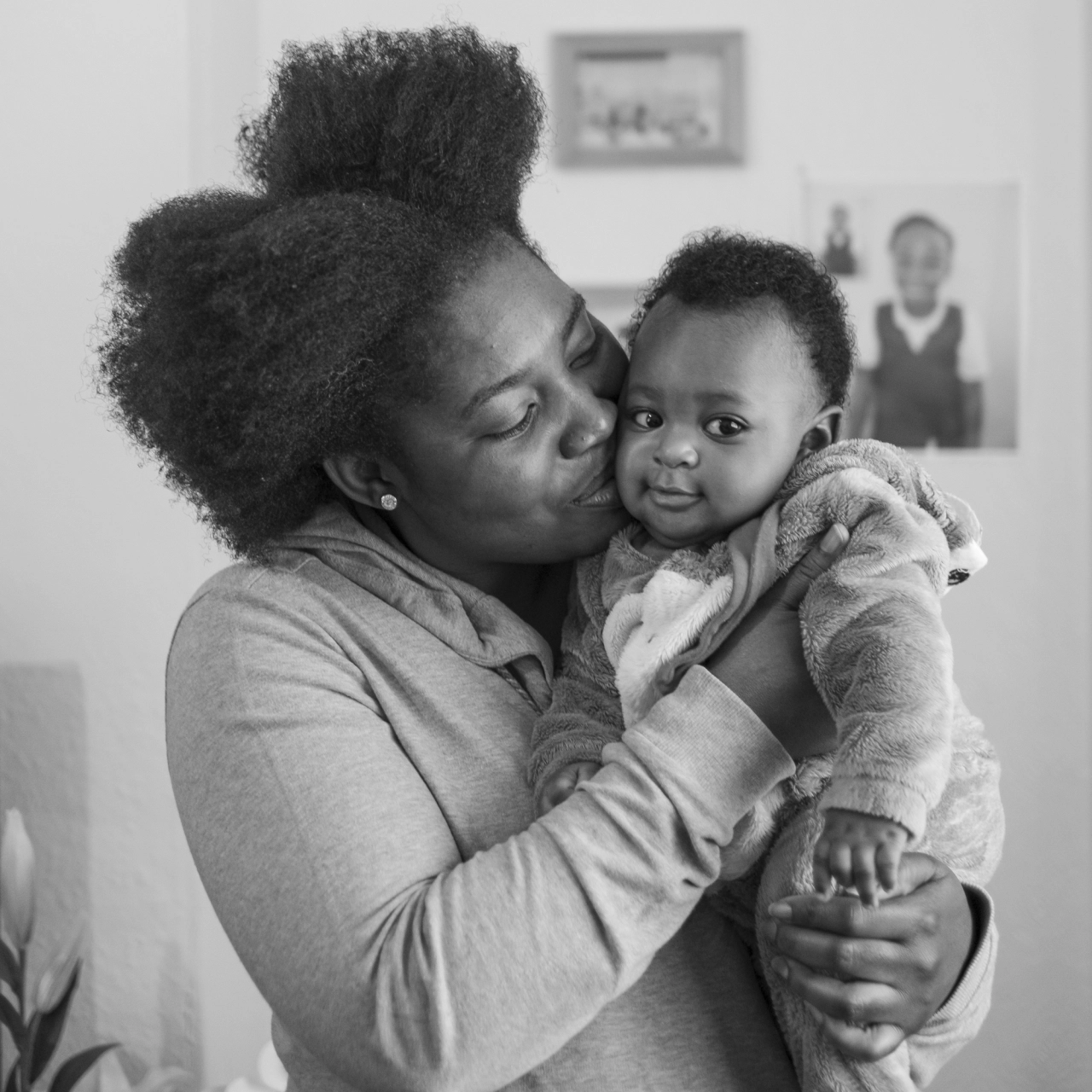
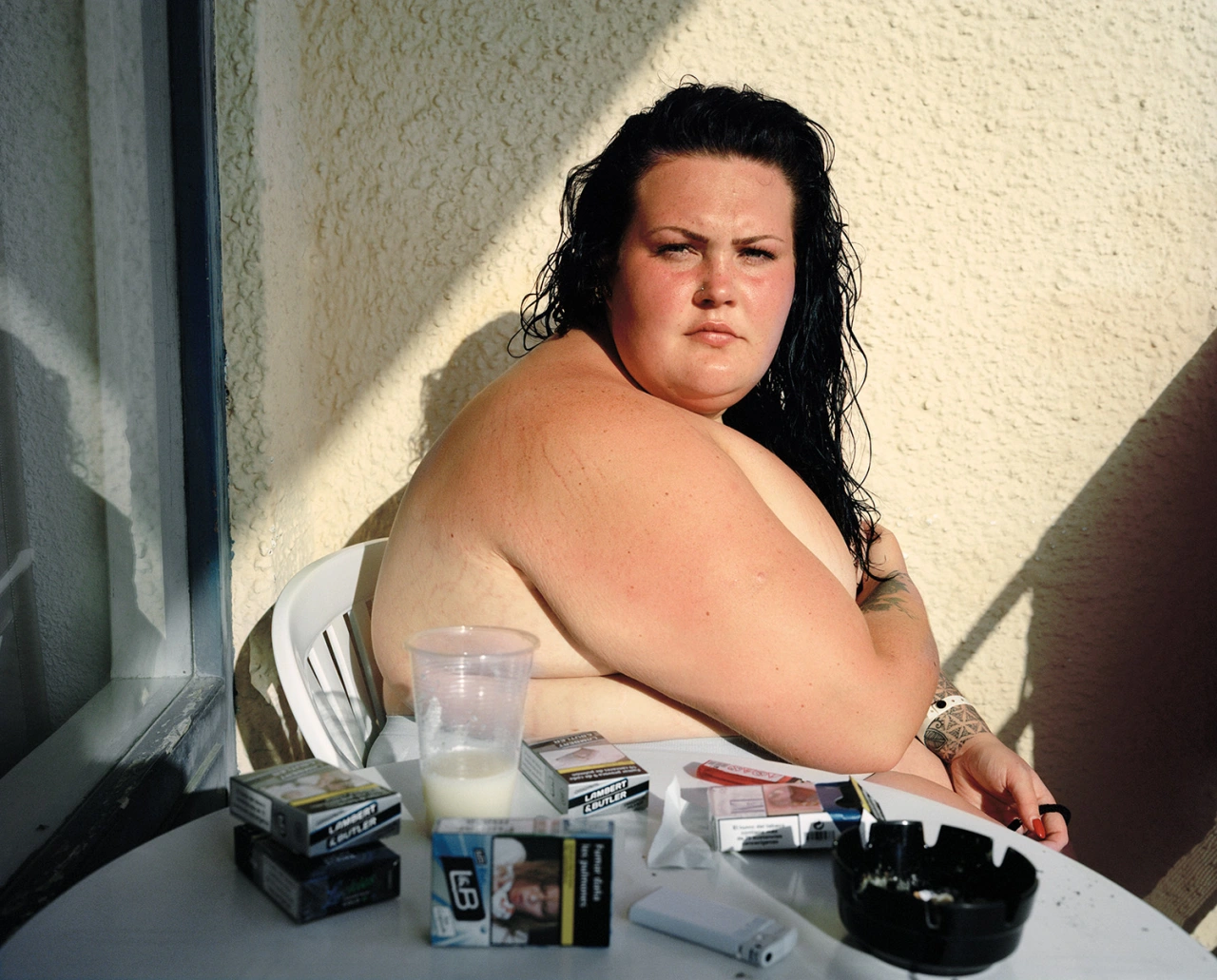
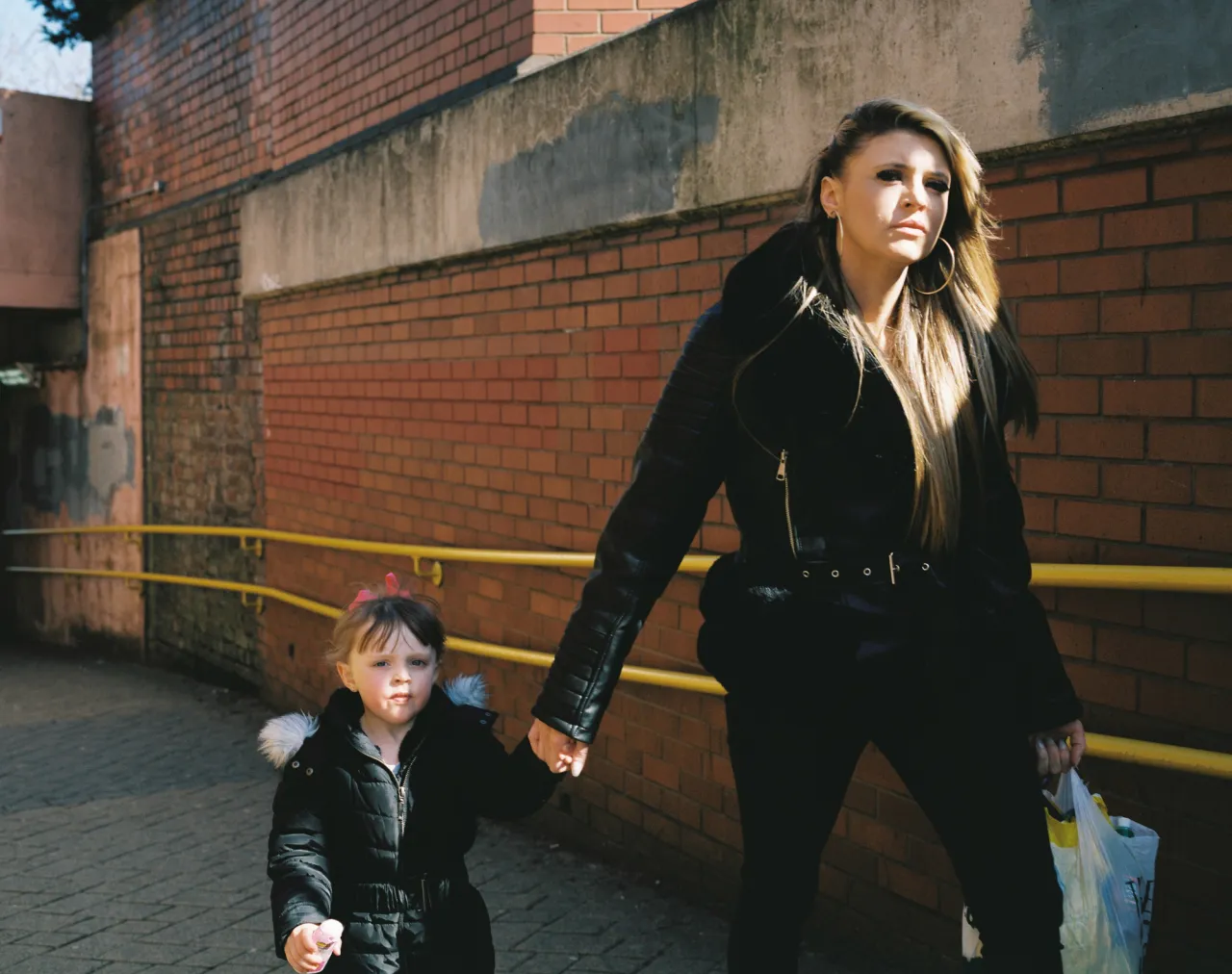
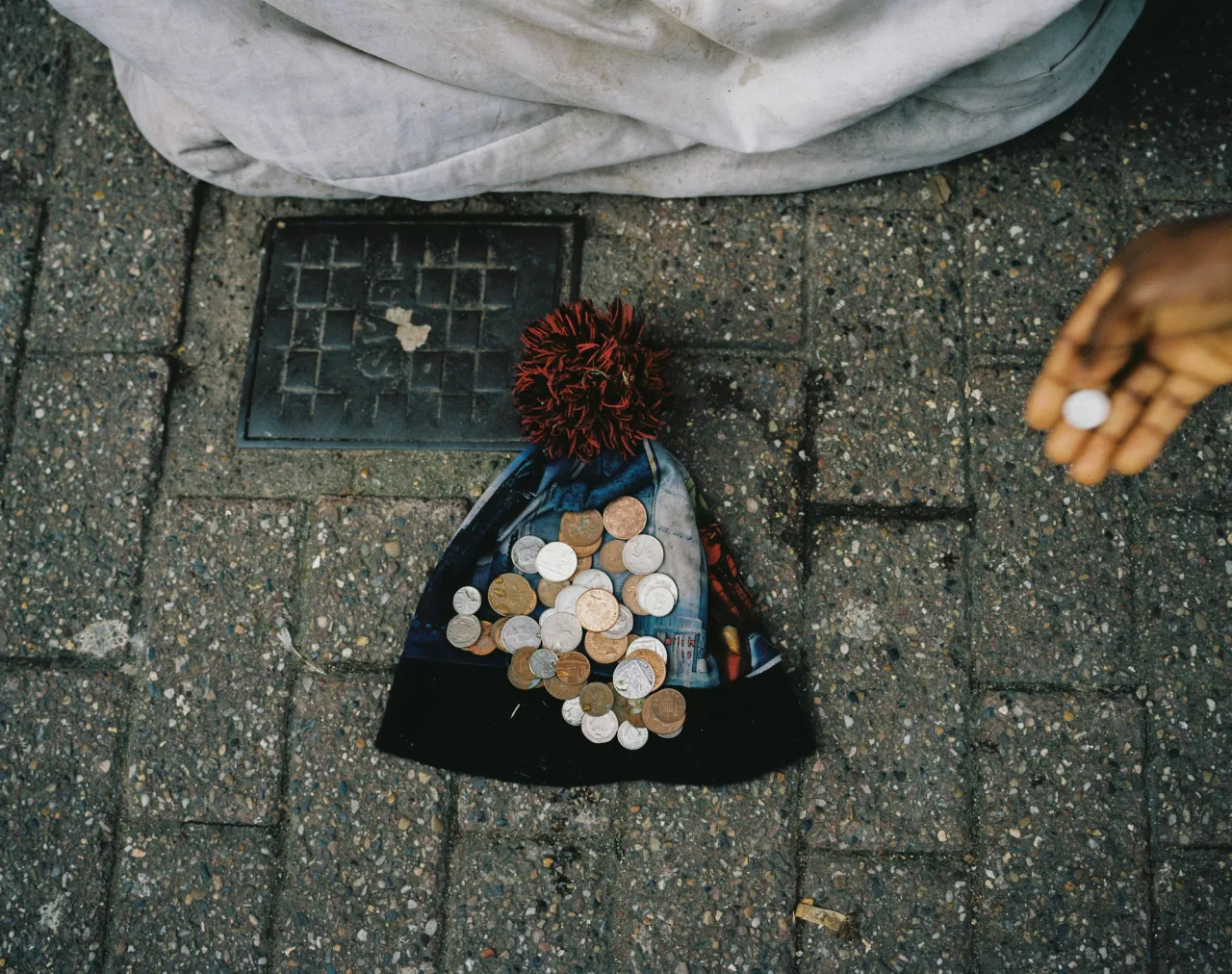
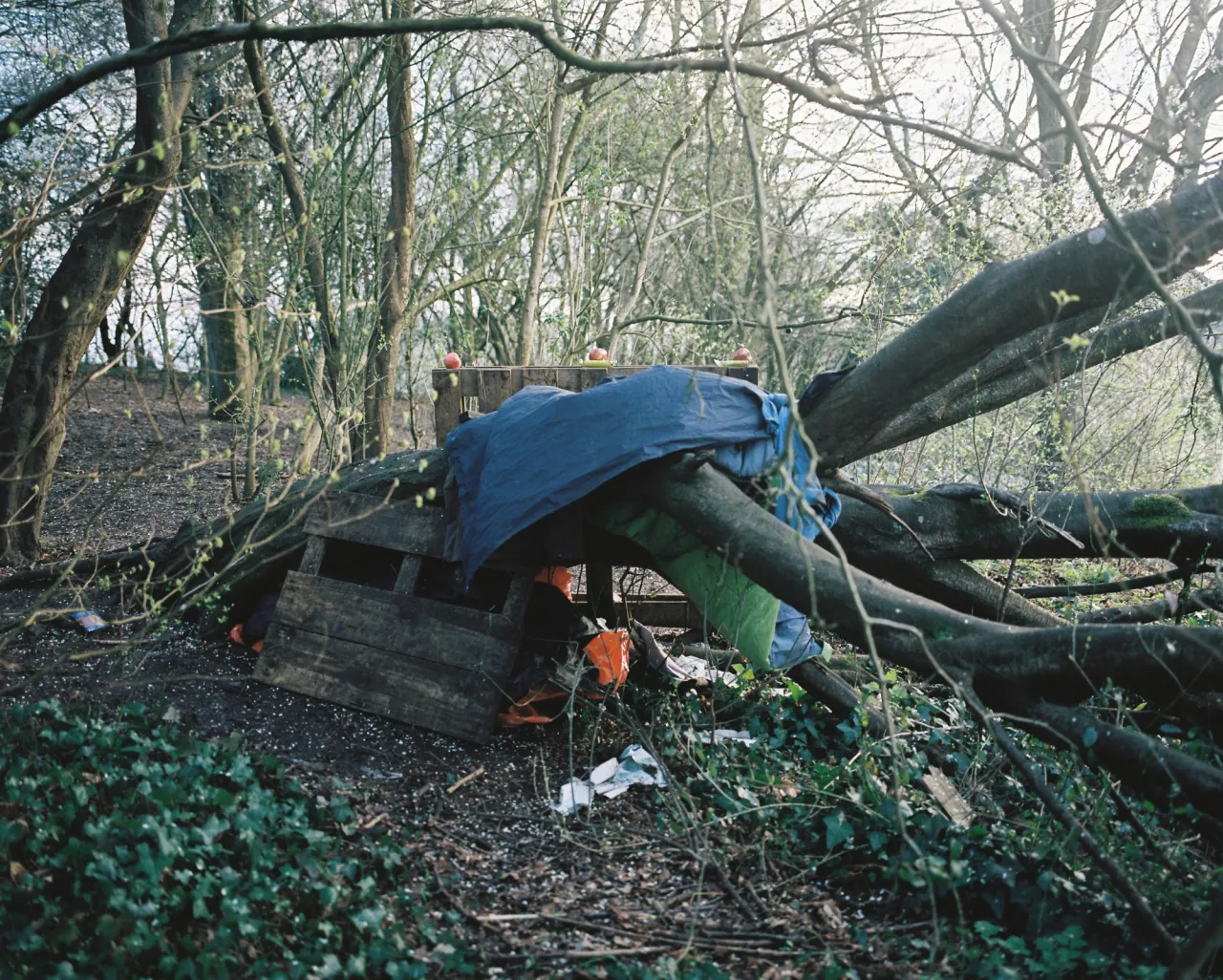
Acclaimed photographer Kirsty Mackay is set to release a powerful new book this October. It will tell the stories of some of these people and highlight the harsh realities of poverty in modern Britain.
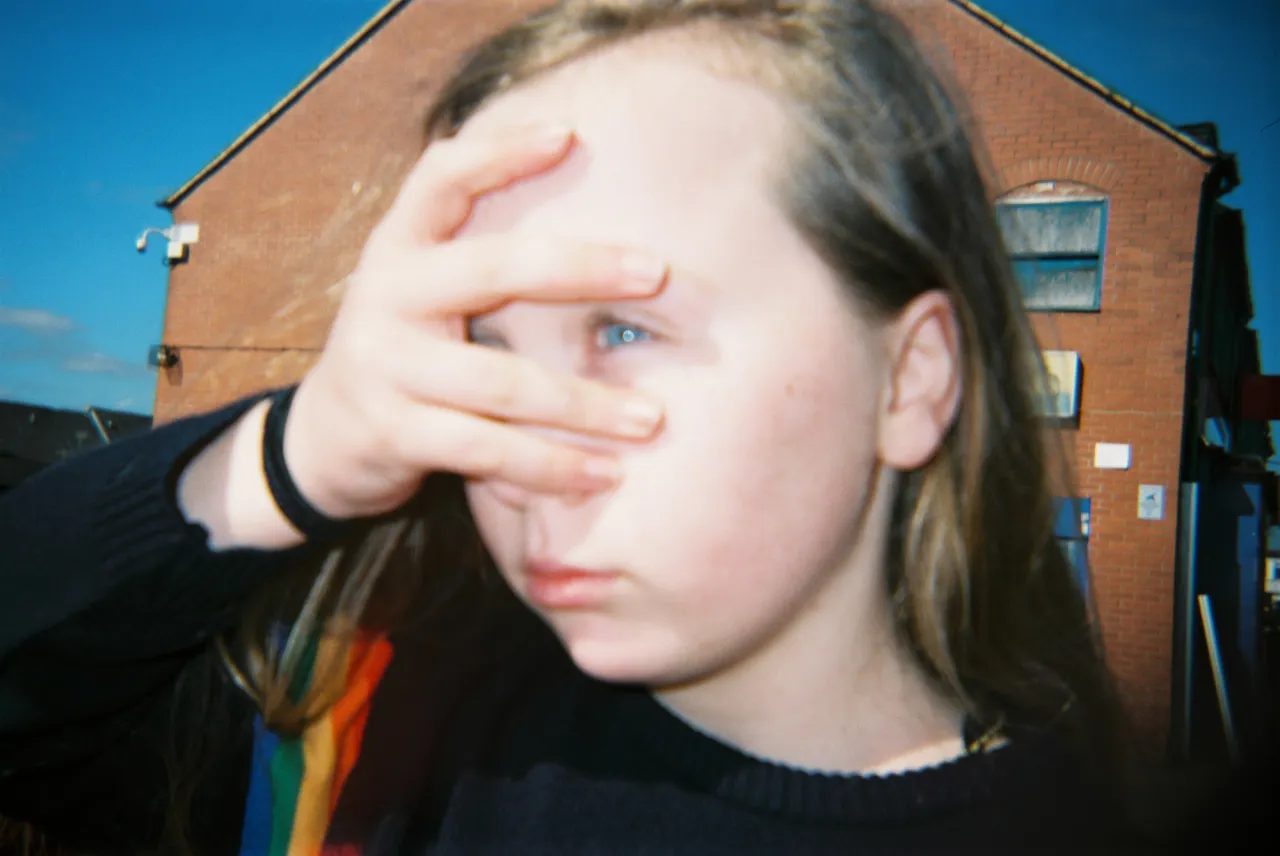
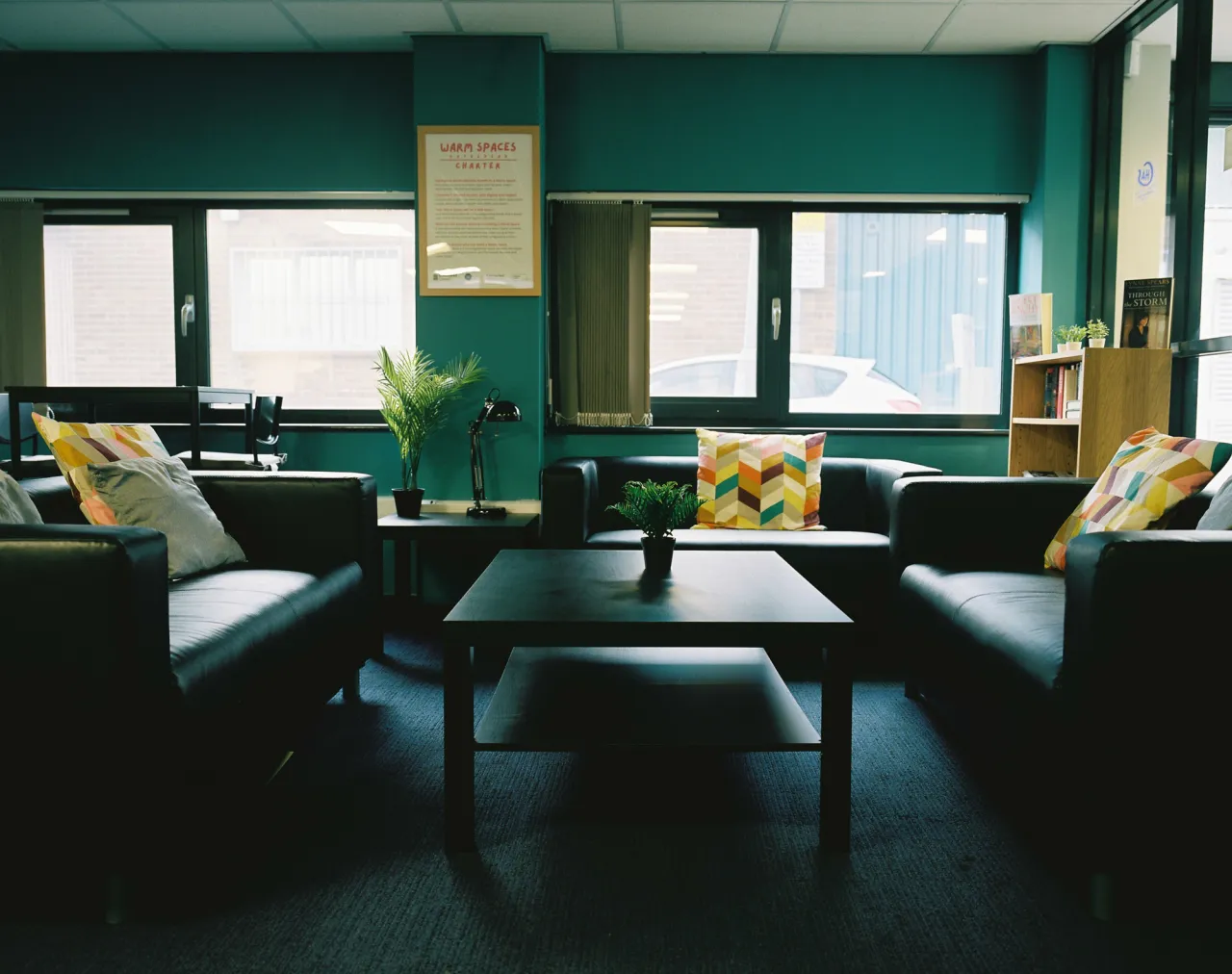
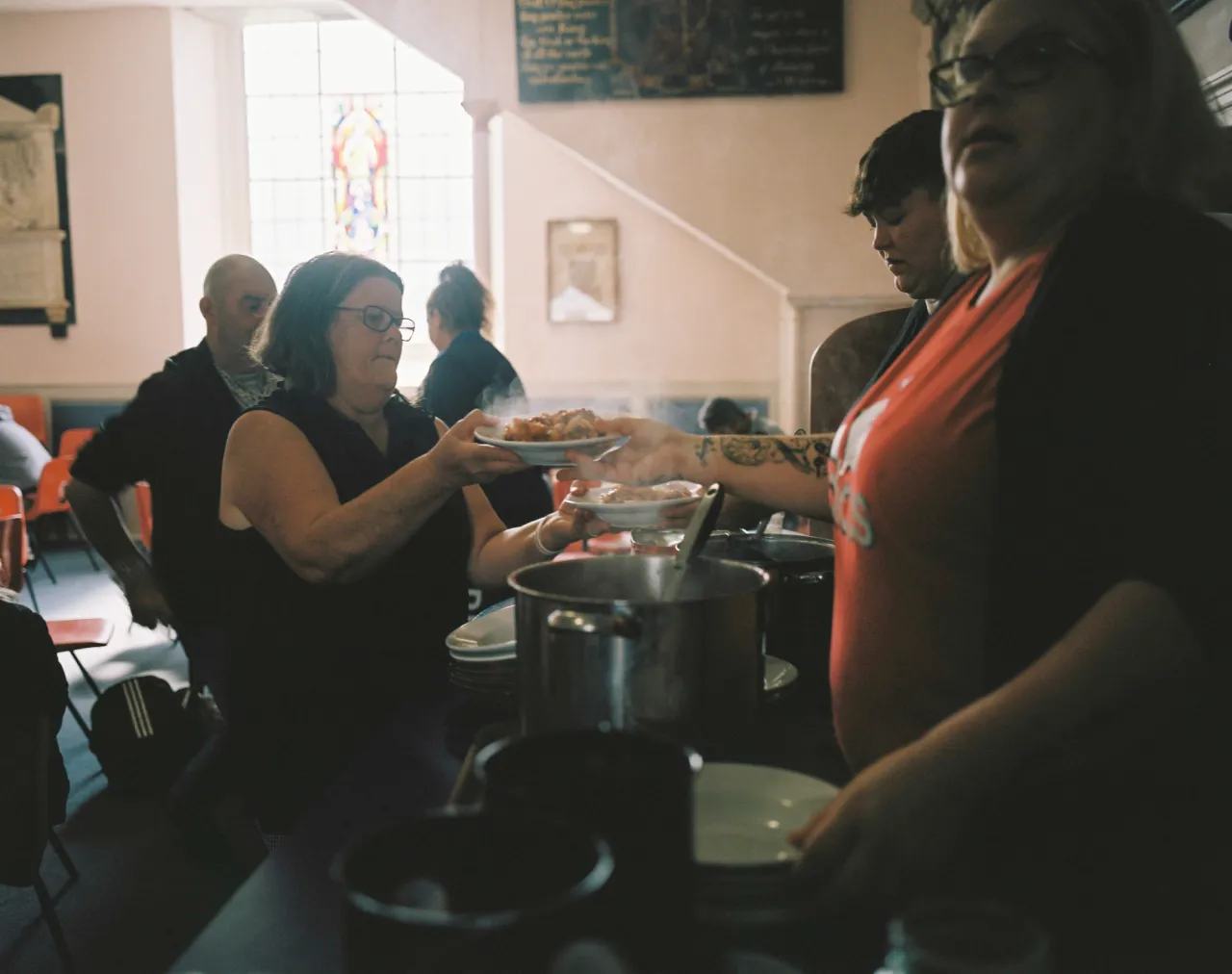
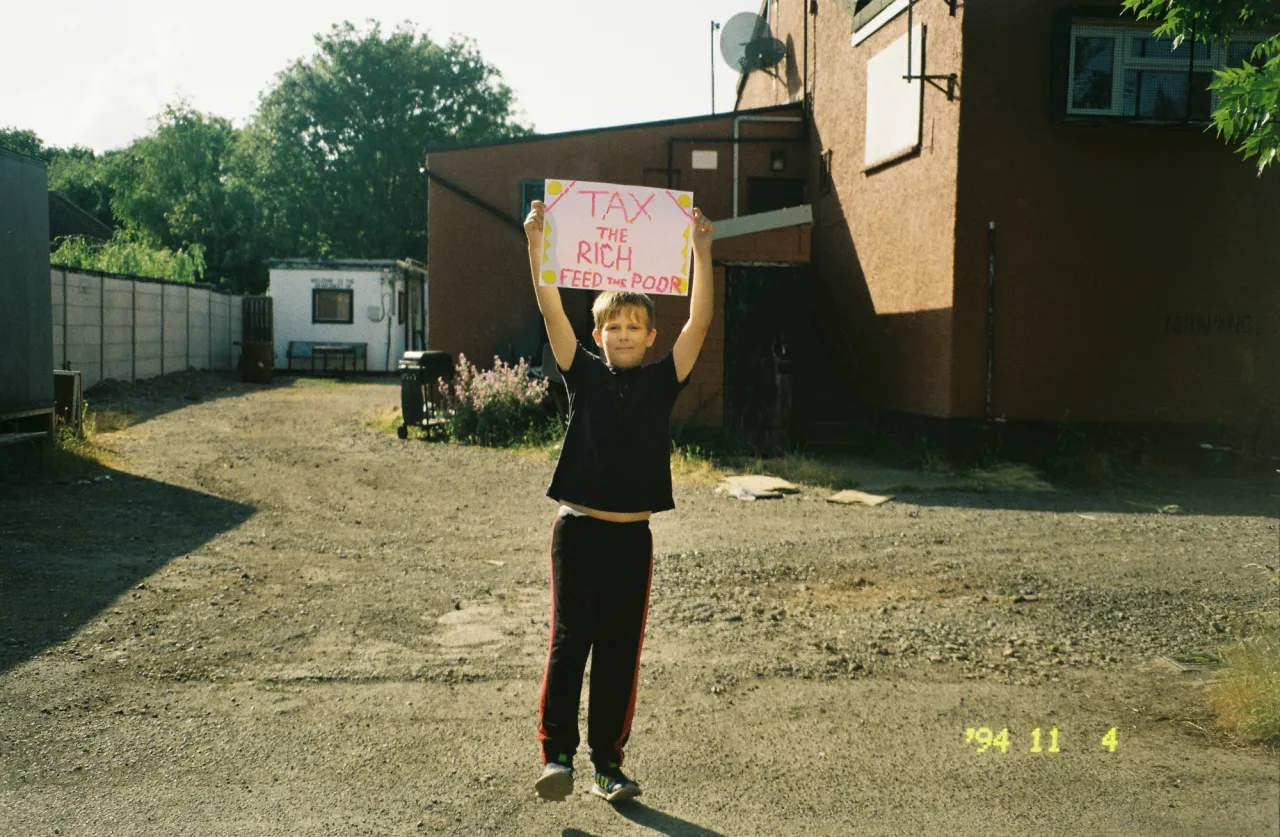
Titled The Magic Money Tree, it offers an unflinching look at the impact of the cost-of-living crisis on communities in the Black Country, South Shields, and Bristol.
But this is by no means 'poverty porn'. In fact, the way Kirsty went about making the book is more about helping the people involved rather than exploiting them.
How it was made
Known for her empathetic approach to social issues, Kirsty collaborated with children, families and youth groups to create a compelling narrative that puts those most affected by economic hardship at the forefront.
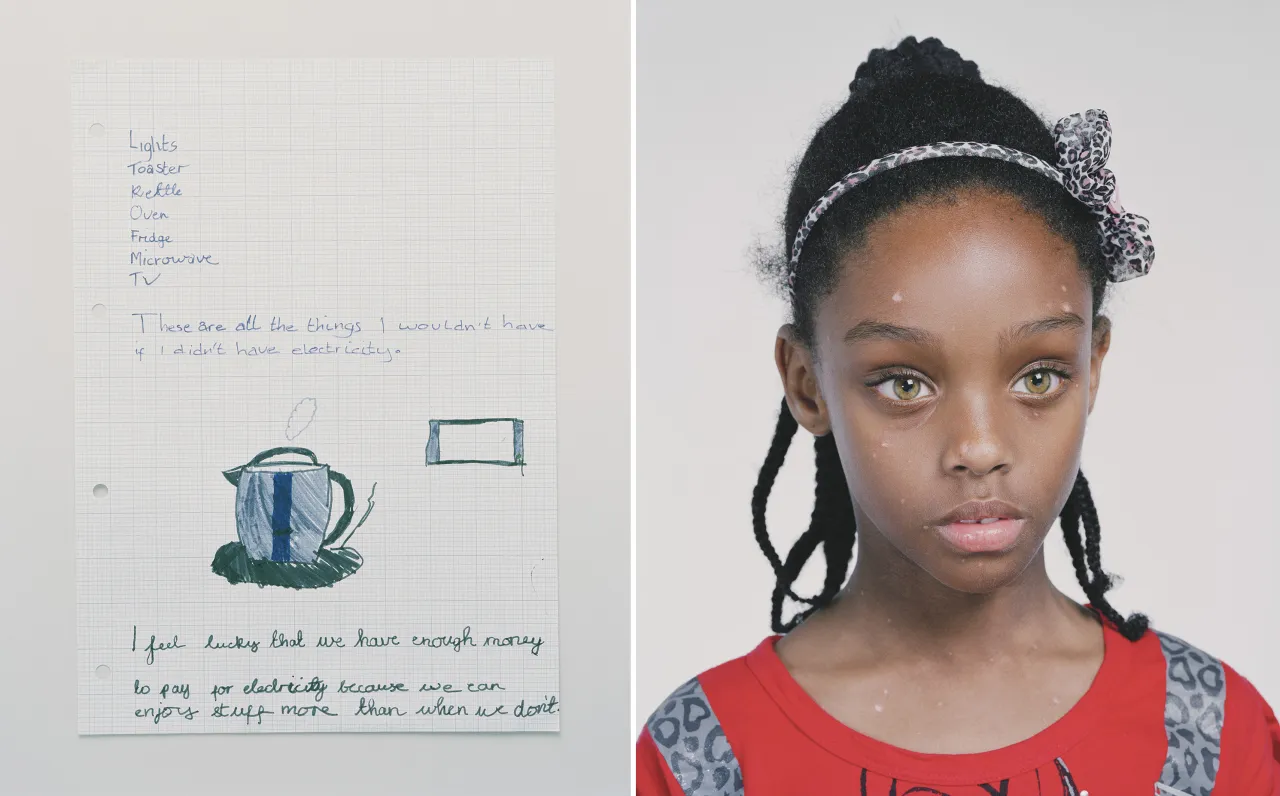
The project provided participants with compact film cameras and offered workshops to help them develop photography skills and express their experiences. Children's voices are at the forefront of a narrative told collectively through photography, drawing, painting, banners, and testimonies.
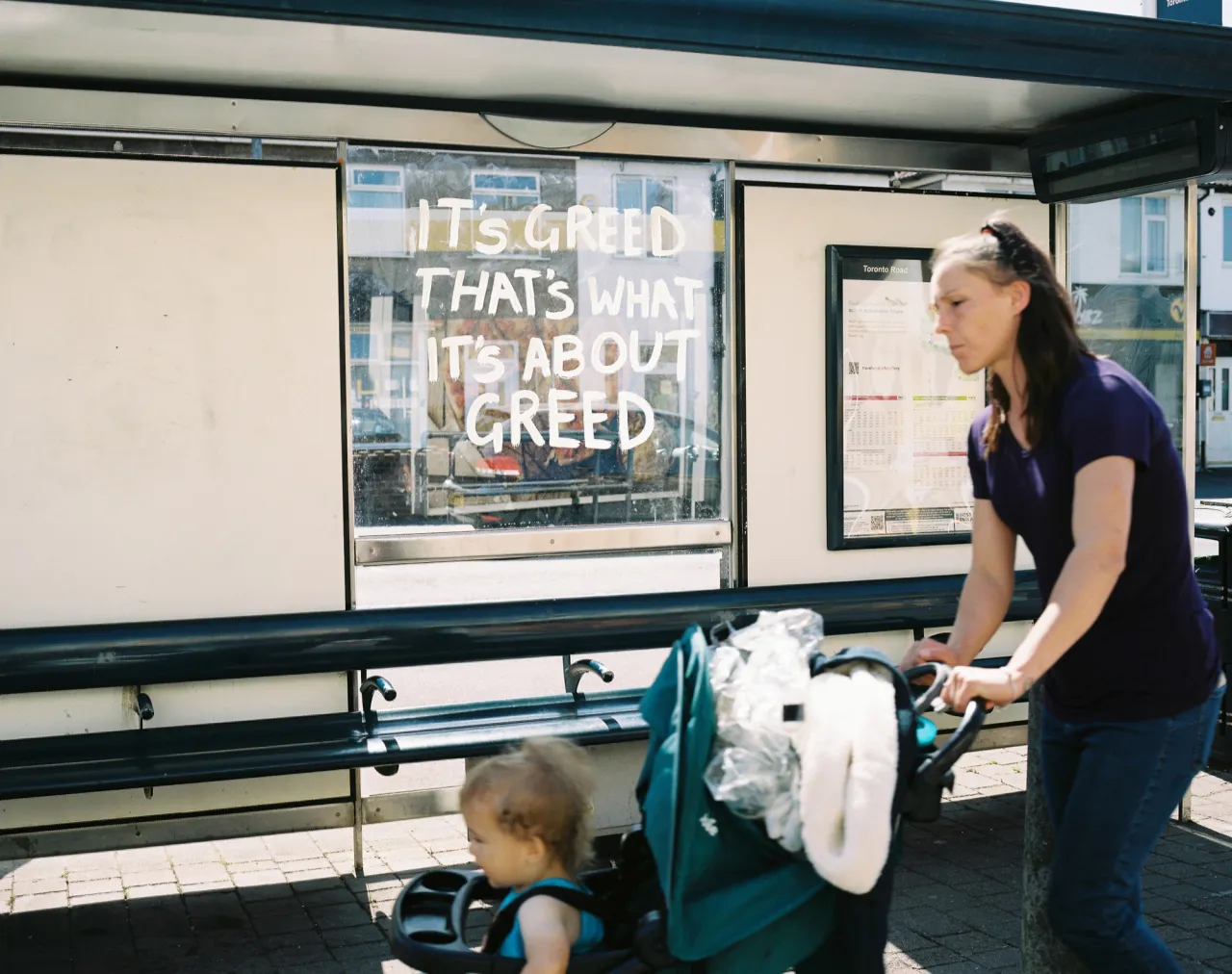
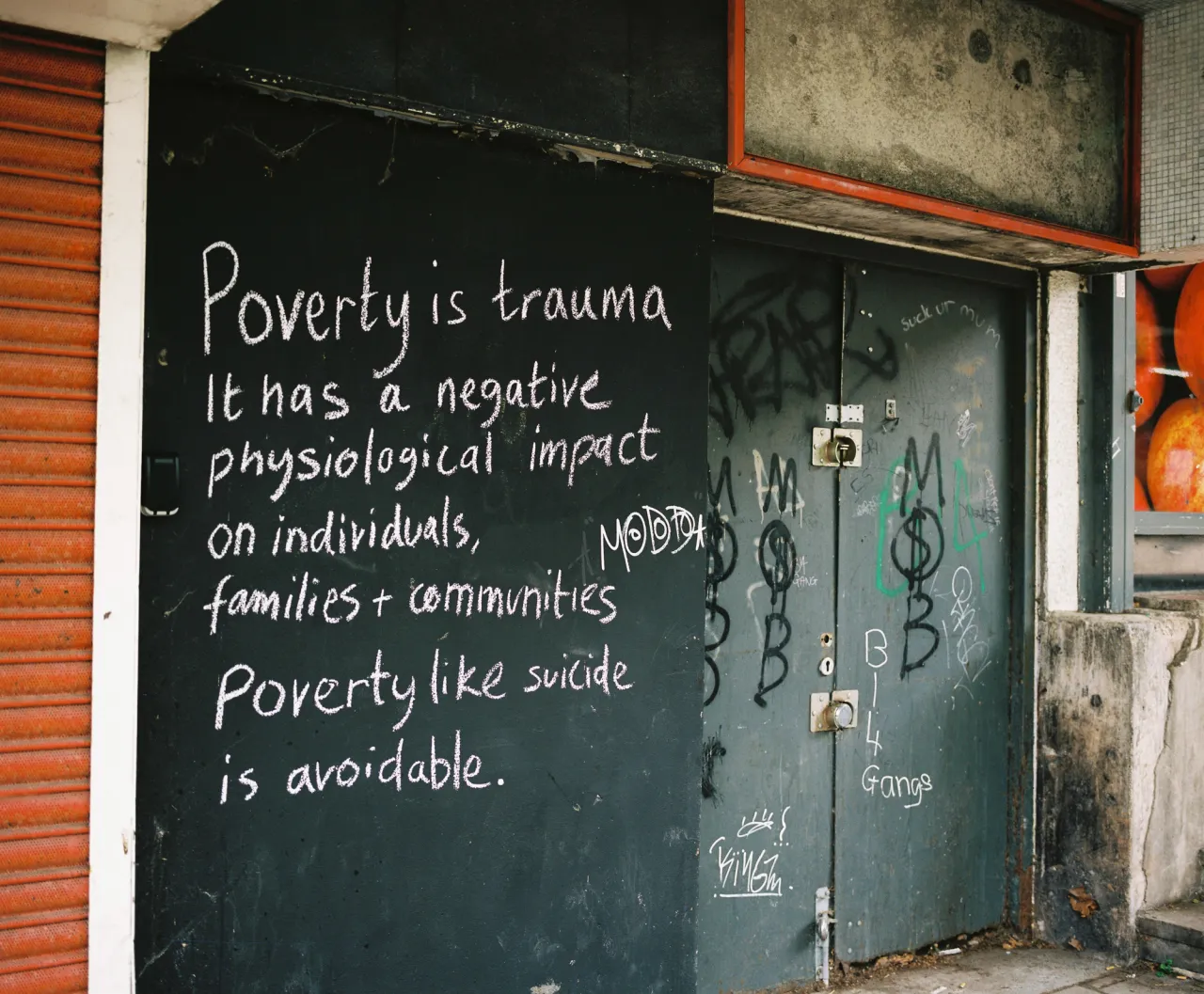
The result is a provocative juxtaposition of heartbreaking deprivation and the innocence and fun of childhood. "Their pictures give it more colour and life," says Kirsty. "My pictures are more serious." They are often more overtly political, too; encouraged to share paintings and topics that mattered to them, the children are also seen carrying homemade placards, articulating their anger and rage.
The book's title references former Prime Minister Theresa May's notorious 2017 quote about there being "no magic money tree" to fund public services. Using a combination of Mackay's own photographs and images taken by project participants, the book traces the impact of government policies on working-class communities across England.
Social inequality
It's a subject that is close to its creator's heart. Mackay grew up in a working-class tenement block in Glasgow, beside a more prosperous district, meaning she saw and experienced social inequality from a young age.
The experience stayed with her and informed her 2021 project, The Fish That Never Swam, which considered class, isolation, life expectancy, and discrimination in her native city. Meanwhile, several years before Barbie's big-screen reinvention, Mackay questioned how the colour pink is marketed to young girls in My Favourite Colour Was Yellow.
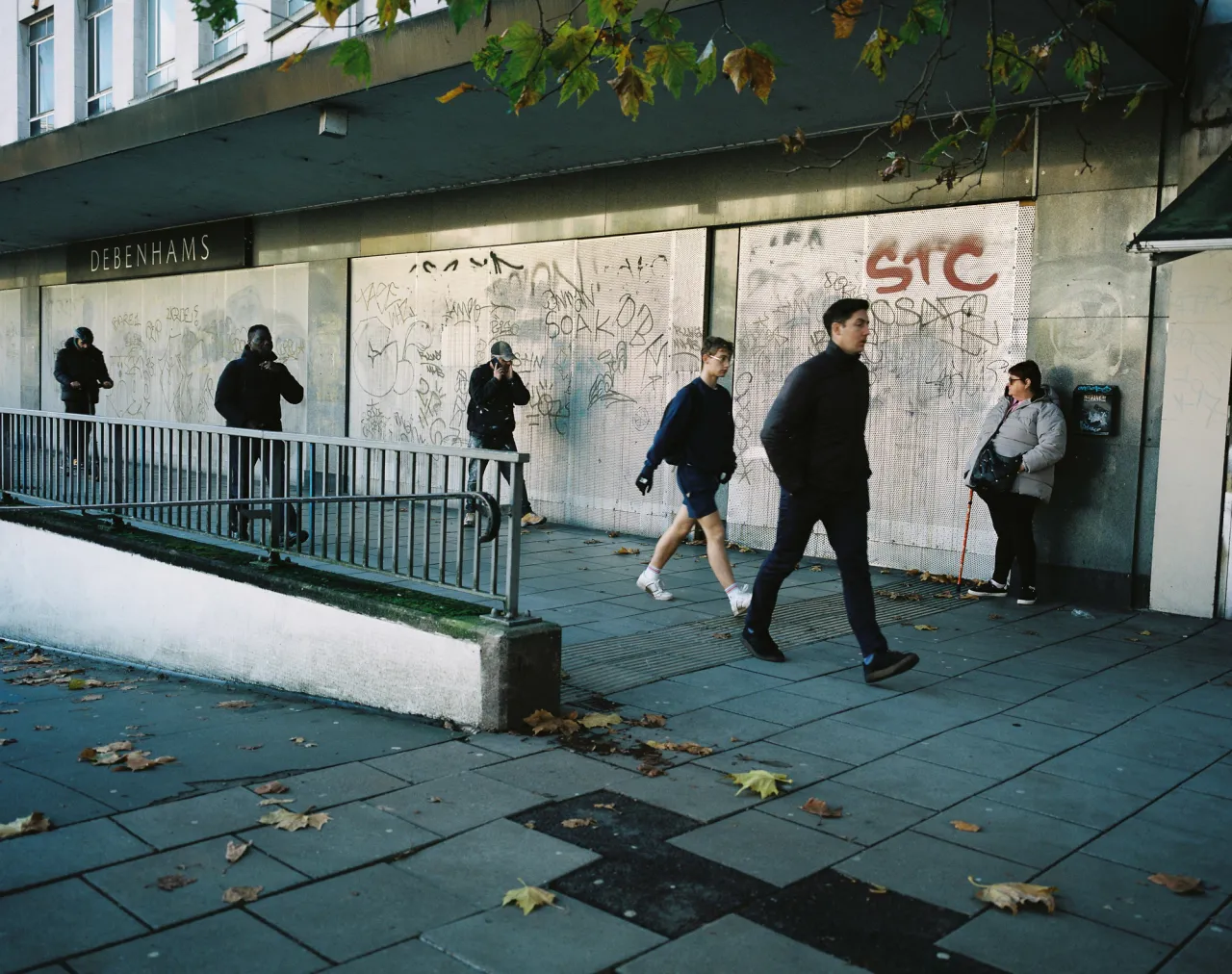
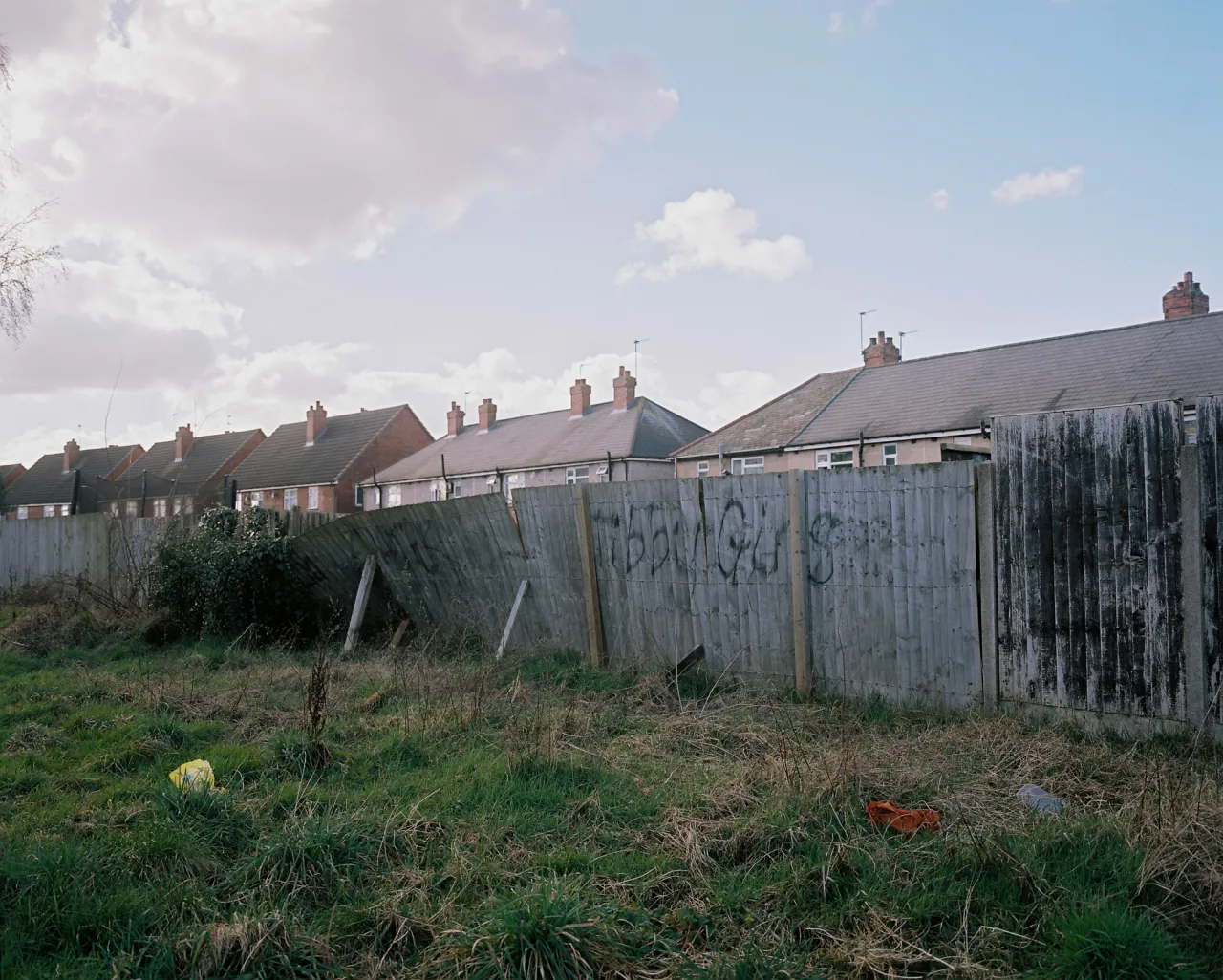
Acclaimed film director Ken Loach has praised her latest project, emphasising the importance of bearing "witness to the reality of living in times of hardship and poverty."
"To bring up a family in a way we would all wish, to live lives of dignity and security, and with future prospects assured is almost unimaginable for many," he says. "Look again at Kirsty's pictures: it is time we recognised our collective strength and made a few changes."
"Kirsty's work is real. It captures people's words, feelings and spirit," adds activist Victoria Heaney. "It's identifiable and connecting. The opposite of poverty porn and the fetishisation of working-class people."
Editor's Picks



Trending

Latest Jobs
Senior Operations Manager at BIG Partnership
Full-time·Glasgow·£45k–£50k
Brand Designer, Product Launches at Figma
Full-time·New York·$127k–$269k
Art Director at SPOKE
Full-time·London·£55k-65k
Senior Digital Designer at 3800
Full-time·Sheffield·£40k-60k
Project Manager at A Practice for Everyday Life
Full-time·London·£37k-£46k
Design Lead at Madeo
Full-time·New York City·$85k–$120k