Irina Werning on photographing the sacred power of long hair in Latin America
Across nearly two decades, the Buenos Aires-based photographer has travelled to remote mountain communities in Argentina and Ecuador, seeking out subjects whose hair carries centuries of spiritual meaning.
From Las Pelilargas © Irina Werning
Hair is, on the surface, a simple thing. It grows, we cut it, style it, tie it back. And yet, in many indigenous communities across Latin America, it is anything but simple. It carries ancestry and spirituality and centuries of cultural meaning – and for almost 20 years, it has been the subject that has consumed photographer Irina Werning.
Irina came to photography at the age of 30. After studying a BA in Economics and completing an MA in History in Buenos Aires, she went on to complete an MA in Photojournalism in London before discovering that the camera was, as she puts it, "the best tool to combine what I loved: research, storytelling and human connection."
That combination of the academic and the deeply human has shaped everything she has made since. In 2006, the year she won the Ian Parry Scholarship, she travelled to the northwest of Argentina to document rural schools in the Andes, where teachers sometimes walk up to 10 hours to reach a community of just six families. She fell in love with the community, and the way of life was rooted so completely in the land. And then, almost without realising it, she kept finding herself photographing the same thing: the extraordinarily long hair of the girls she encountered. It wasn't the project she had come to make, but the one that found her.
From Las Pelilargas © Irina Werning
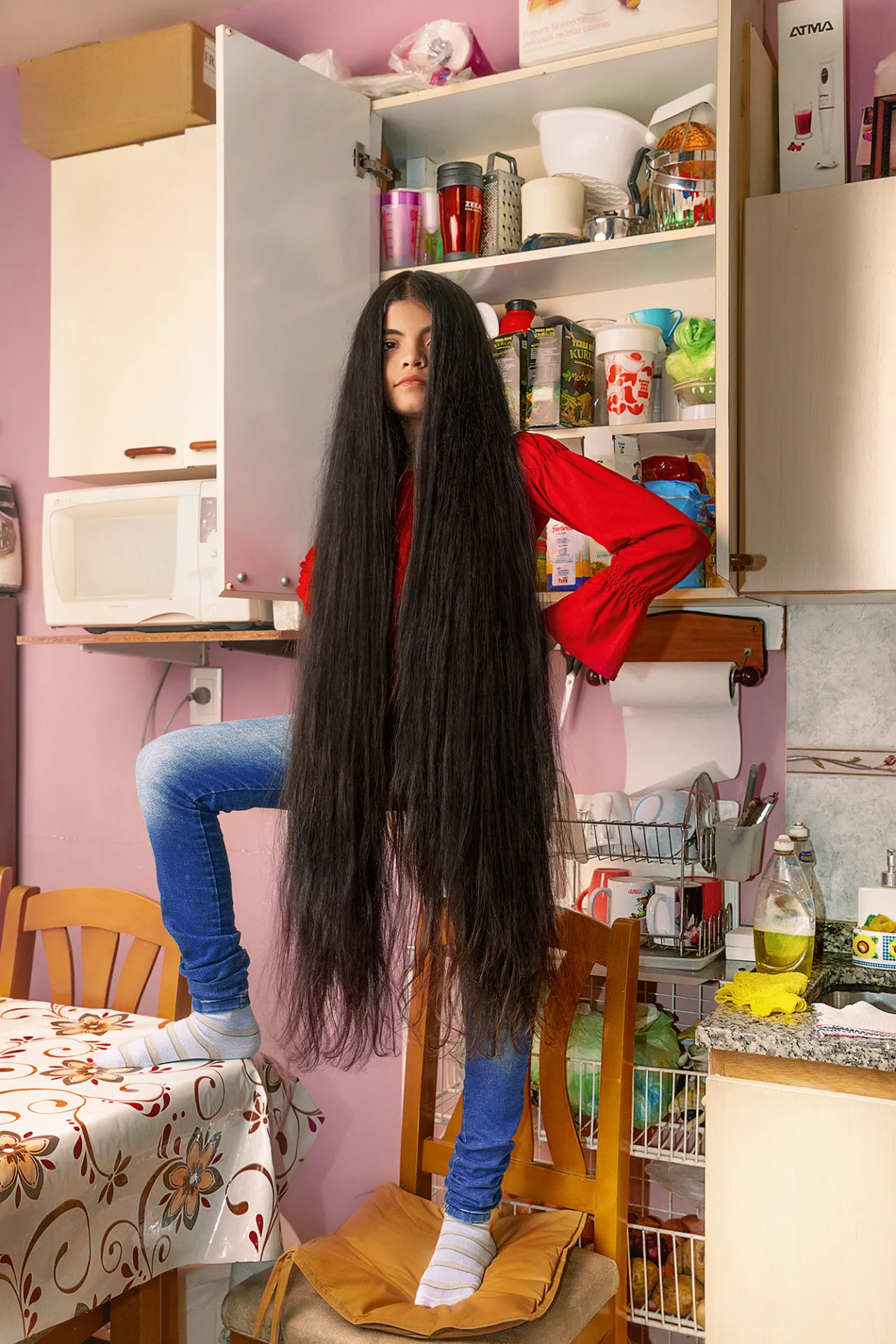
From Las Pelilargas © Irina Werning
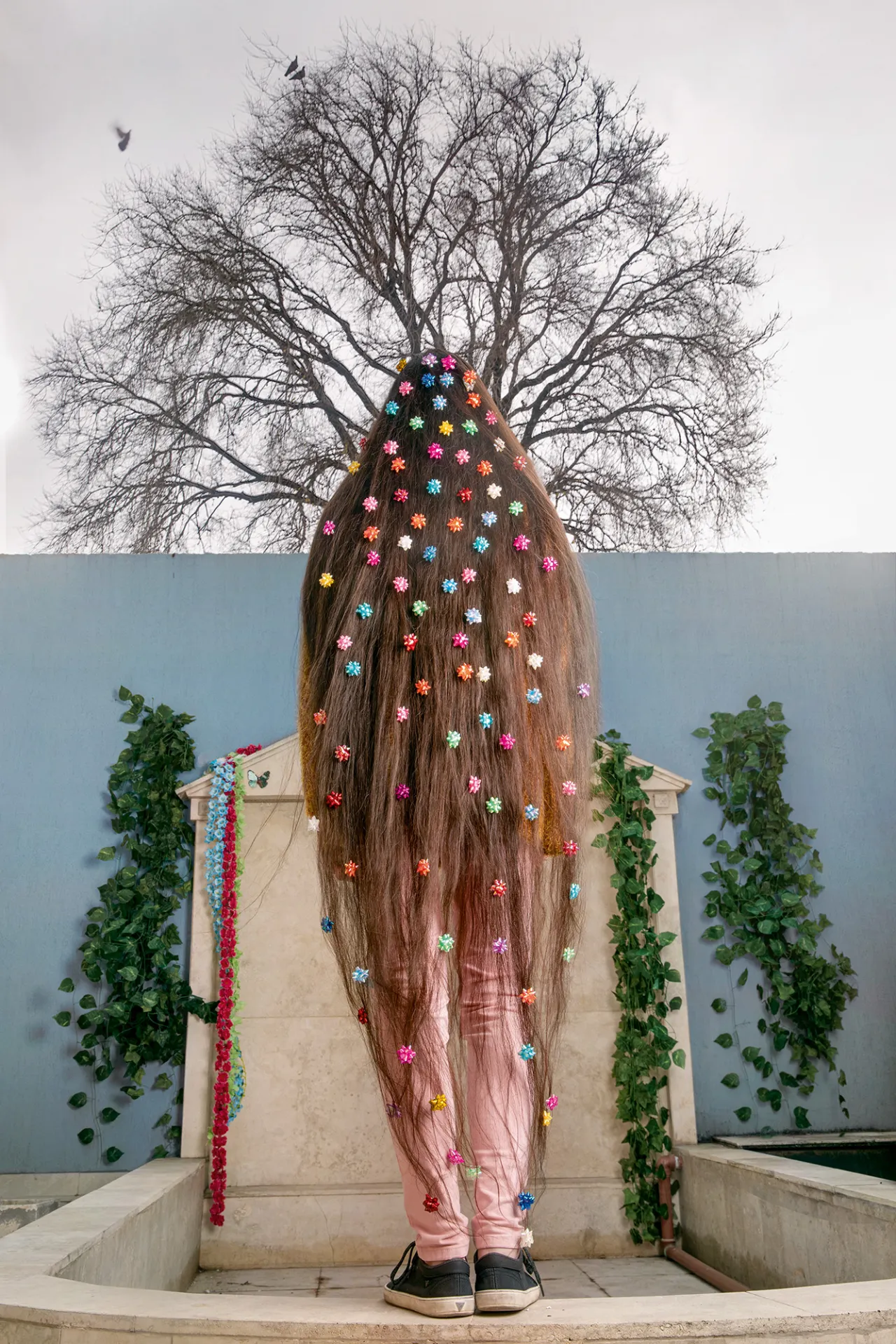
From Las Pelilargas © Irina Werning
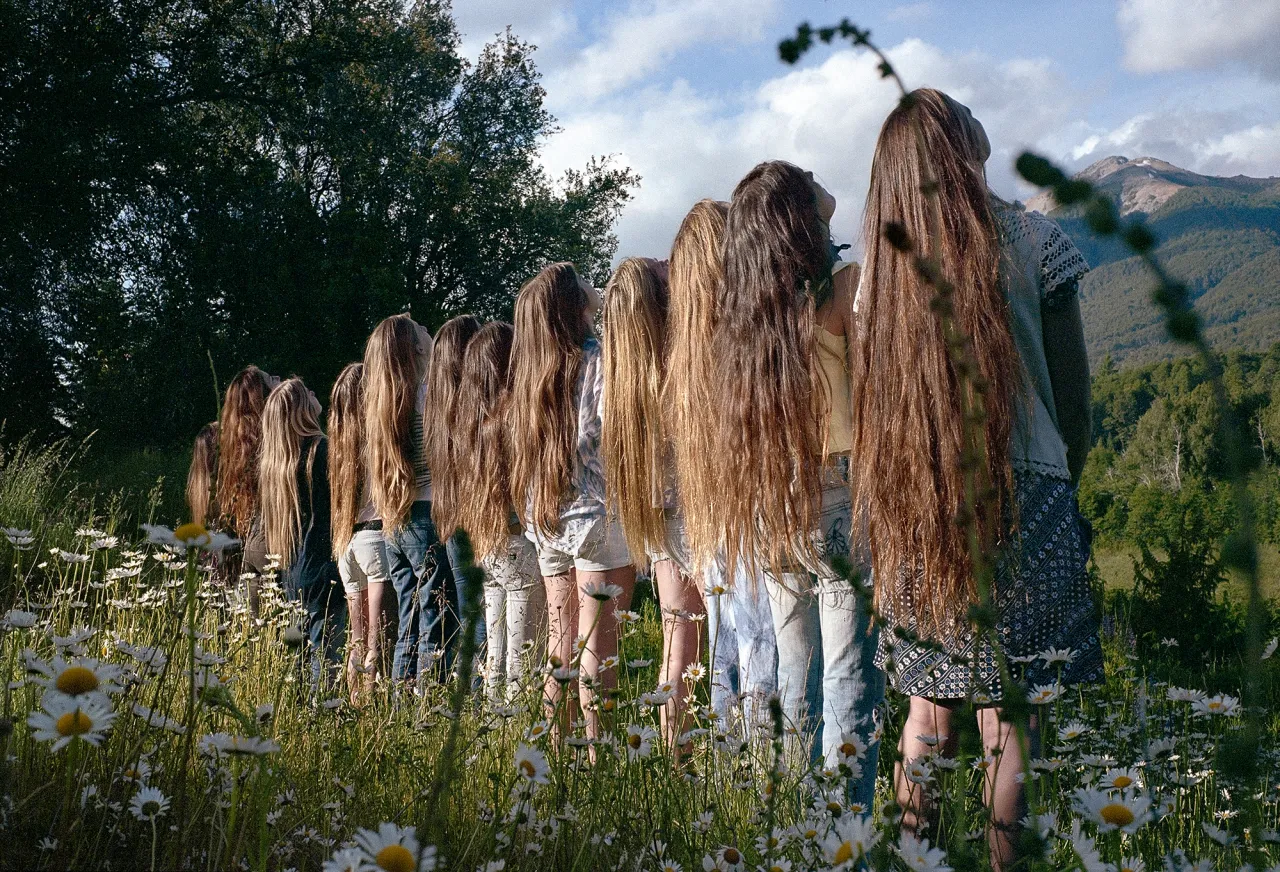
From Las Pelilargas © Irina Werning
By 2012, Irina had won both the Emerging Photographer Fund from Burn Magazine (supported by the Magnum Foundation) and a first-place Sony World Photography Award for portraiture. Her book Back to the Future – a project in which she photographed people recreating their childhood photos with meticulous precision, same clothes, same pose, same expression, decades on – was named one of the best photobooks of 2014 by Time Magazine, which also selected her as one of nine Argentinian photographers to follow in 2015. A National Geographic Covid Emergency Grant followed in 2020, a Pulitzer Reporting Grant in 2021, and a World Press Photo award in 2022. Most recently, she received the Eugene Smith Grant in 2023 and the Leica International Society Women Grant in 2025. She is, in short, not someone who does things by halves,
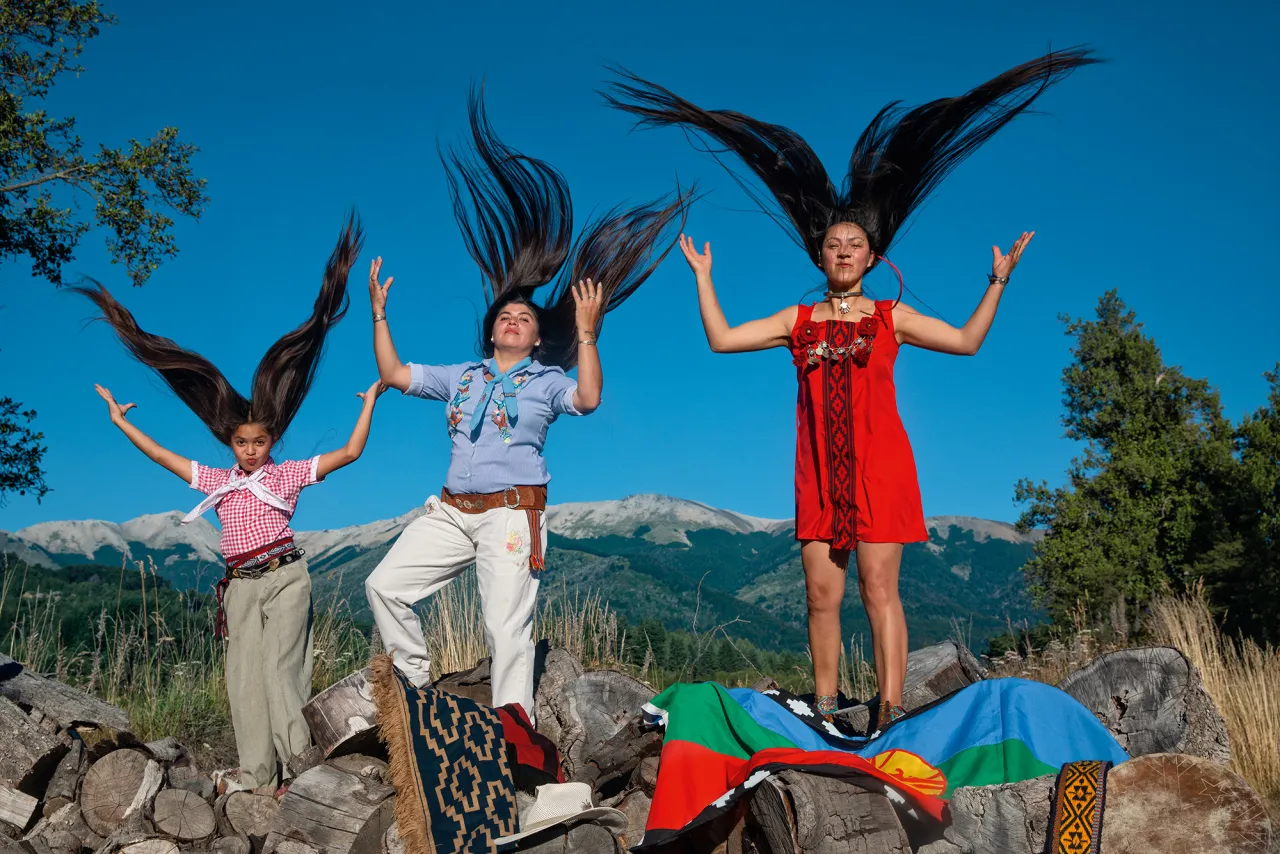
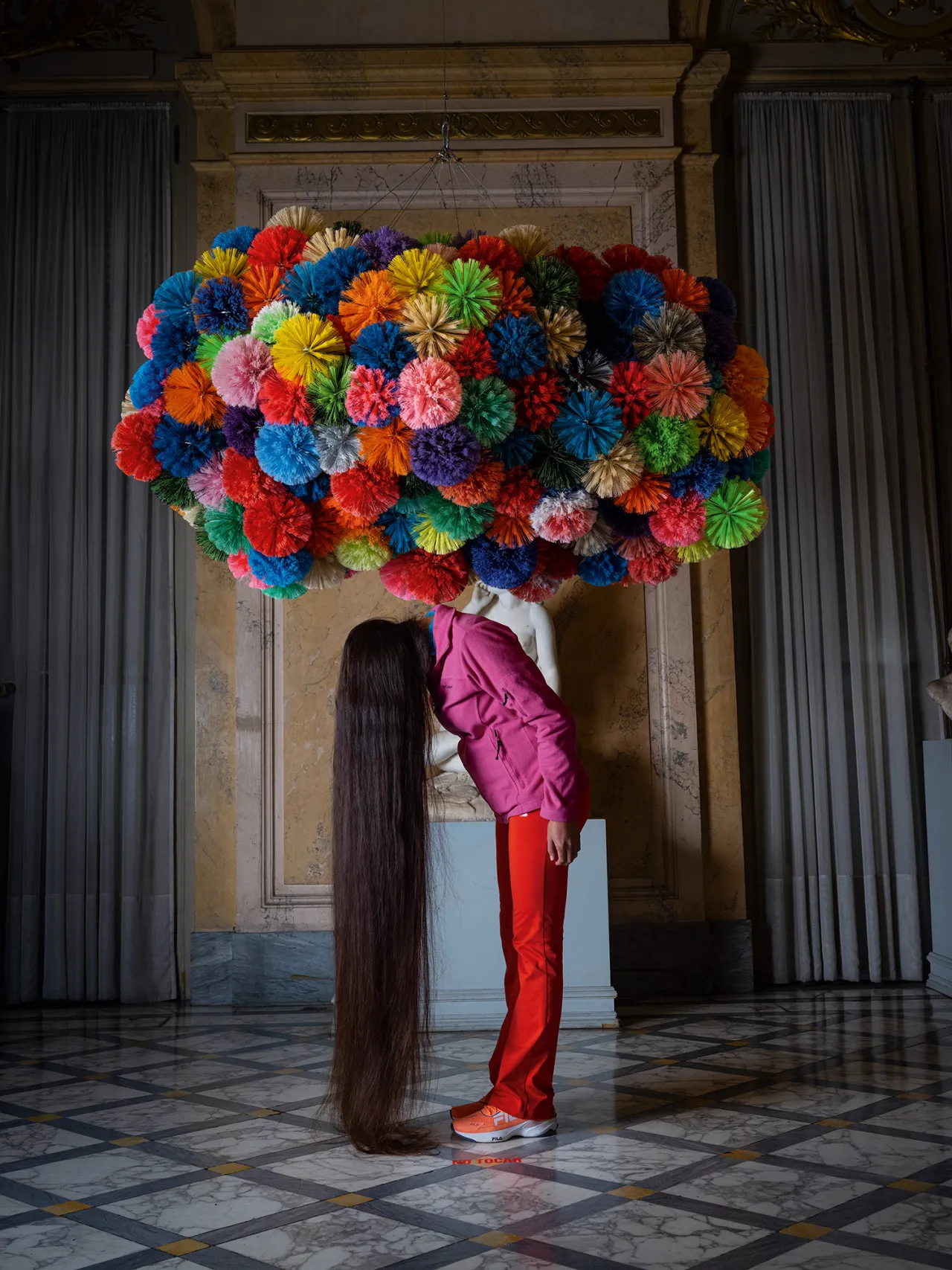
Through all of it, Les Pelilargas – the long-haired ones – was developing in the background. What she found over nearly two decades was that traditions were evolving, with long hair functioning as both a mark of continuity and, in some cases, a subtle act of rebellion. The book, published by GOST, contains 88 black-and-white and colour images. Subjects are pictured amongst cacti and rocky Andean landscapes, and others are arranged more playfully in domestic settings.
The colour photographs catch the variations in hair colour, revealing each subject's individuality – sometimes adorned with bright accessories, sometimes still and sculptural, and in others caught mid-movement. In recent years, Irina has also photographed Indigenous Kichwa men in Otavalo, Ecuador, who wear long, braided hair to reclaim a tradition violently disrupted during the Spanish colonial period.
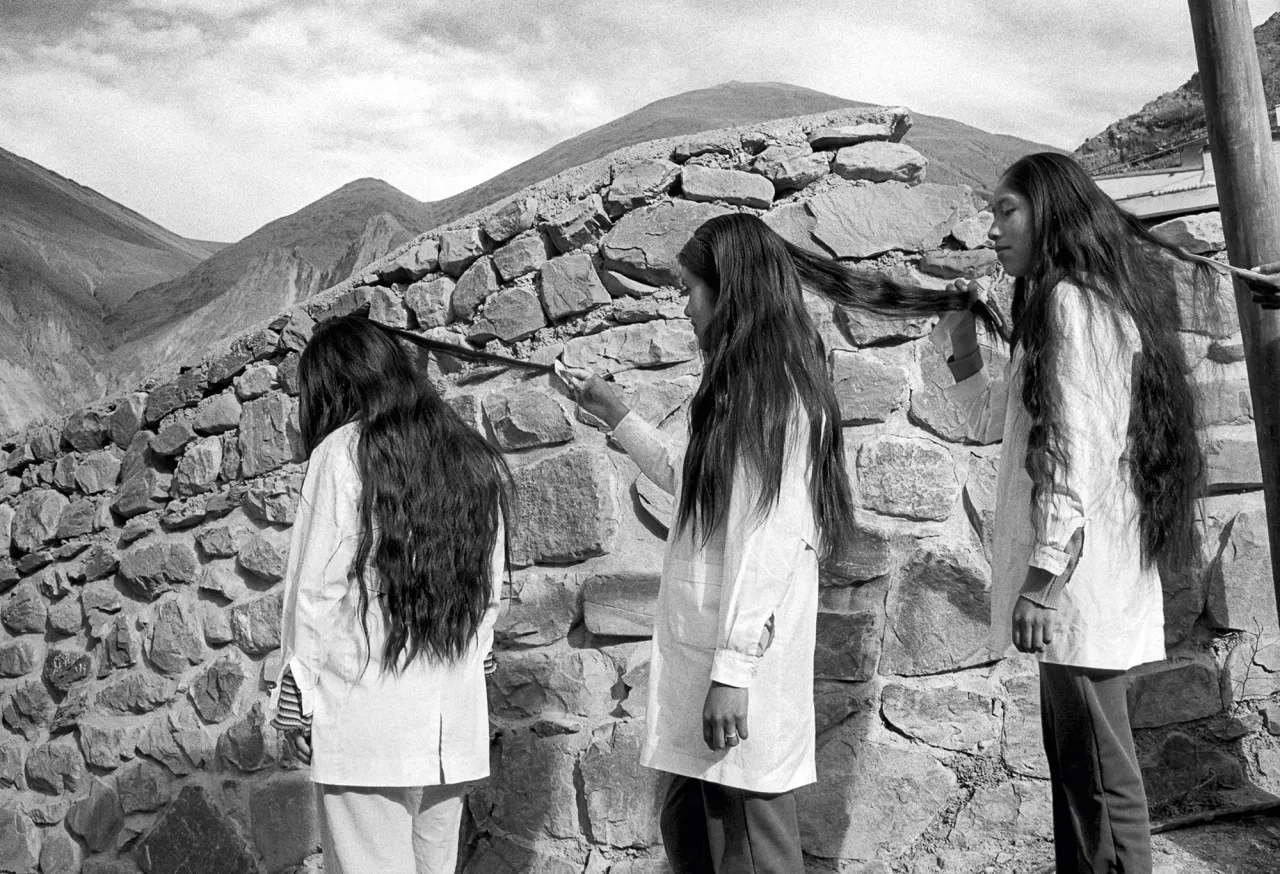
From Las Pelilargas © Irina Werning
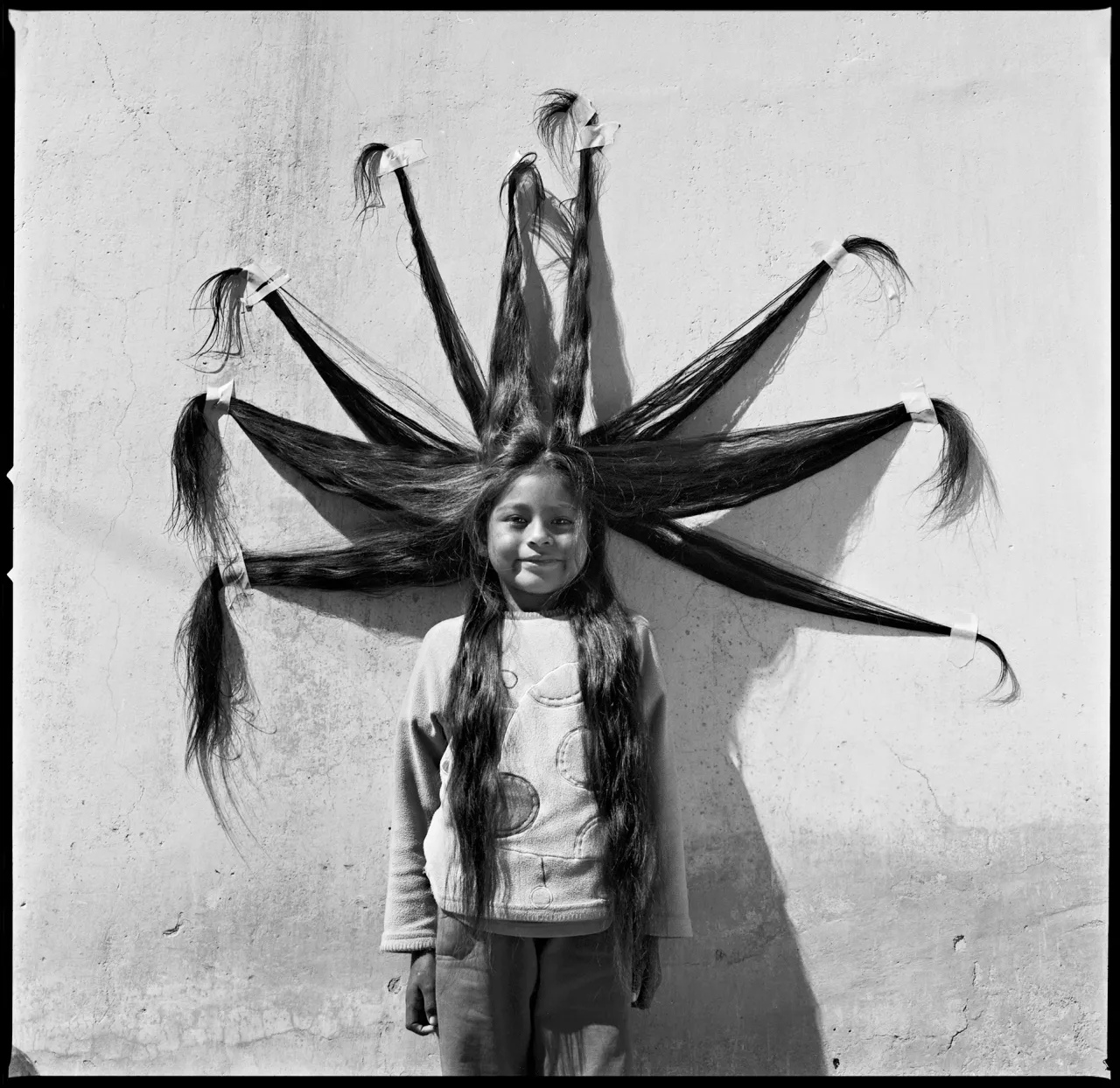
From Las Pelilargas © Irina Werning
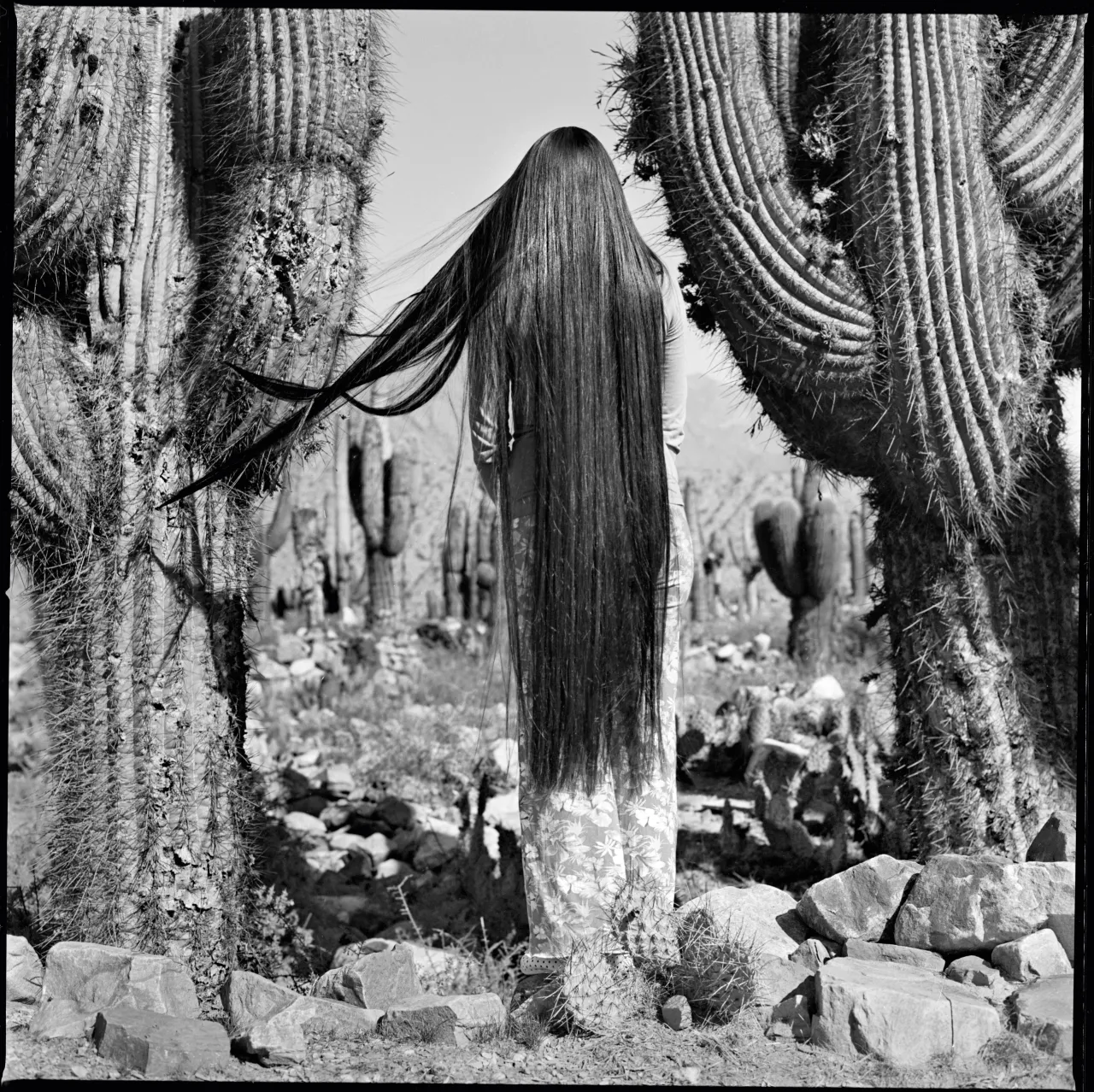
From Las Pelilargas © Irina Werning
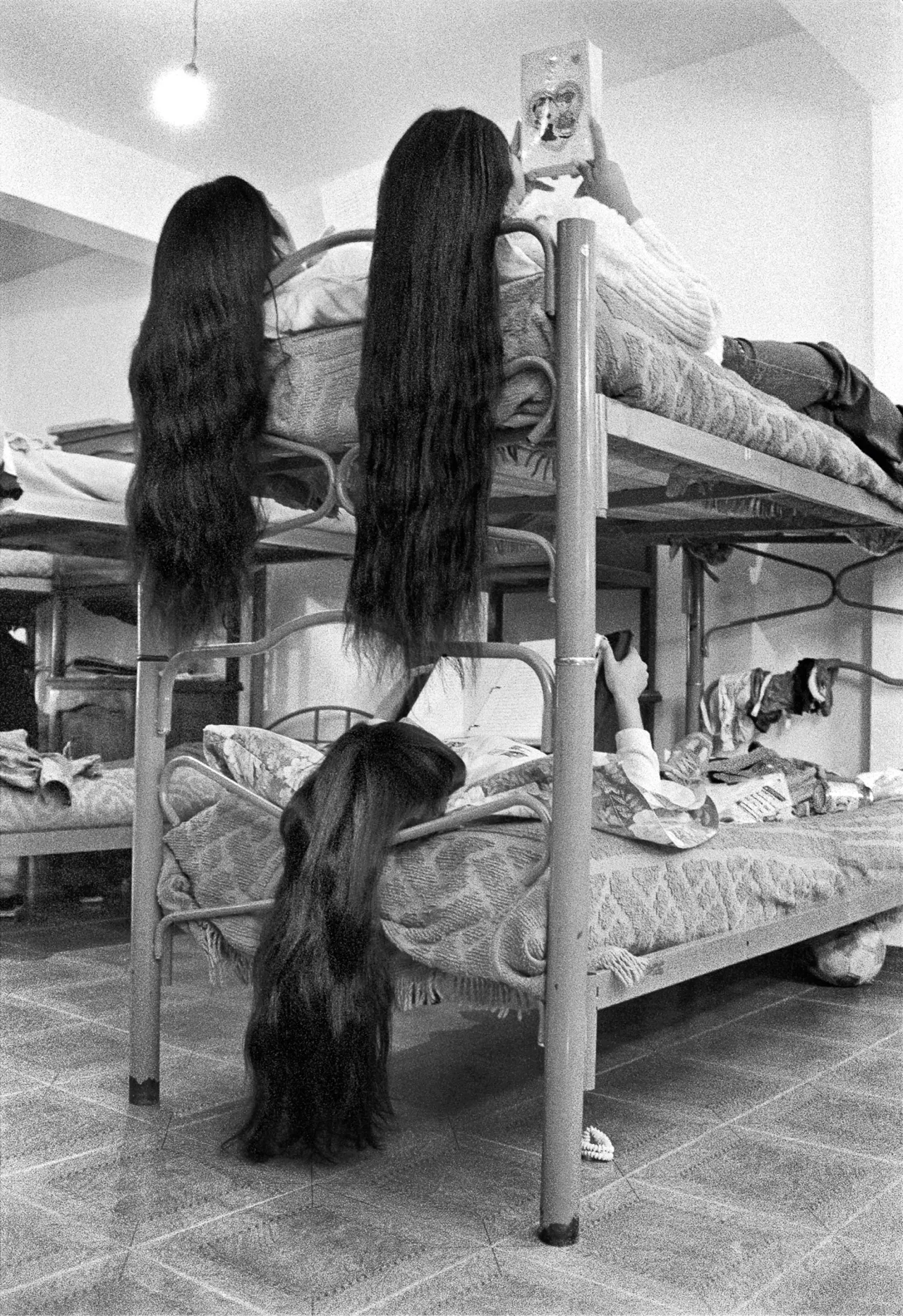
From Las Pelilargas © Irina Werning
Below, we hear from Irina about how the project began, the process of finding her subjects, and what nearly 20 years of looking has taught her.
How did the idea for Las Pelilargas come about?
I was working on a project about rural schools in the Andes of northwest Argentina with the Kolla community. While I was there, I kept finding myself photographing – almost unconsciously – the girls' long hair. It wasn't the original focus of my work, but something about it kept pulling my attention. I decided to return and actively look for them. It was a very intuitive process.
For many years, I didn't even think of it as a project. It was only after almost 10 years of searching and photographing that I began asking myself deeper questions: what does hair represent in these communities? What does it say about identity, spirituality, and resistance? That's when Las Pelilargas truly became a conscious body of work rather than an instinct.
Can you describe your process for finding and photographing people with long hair?
My process is quite simple and very old-school. I often put up signs in villages or towns asking for people with very long hair to come and be photographed. Sometimes I also organise small long-hair gatherings or competitions, which bring people together and make it easier for them to meet. Many of your images are set in natural landscapes, while others are more surreal or domestic.
How do you decide on the setting for each portrait?
For me, each portrait is not only about the person, but also about their environment and their connection to it. The setting becomes part of the narrative. Because I often don't show faces, I feel an even stronger need to include elements that speak about who the subjects are. The surroundings offer context – they reveal something about their daily life, their landscape, their intimacy, or their spirituality. In that sense, the environment helps complete the portrait. Sometimes that leads me to natural landscapes, especially when the connection to land and ancestry is central. Other times it's a domestic or slightly surreal space, when the story feels more internal or symbolic. The setting is never decorative – it's another layer of identity.
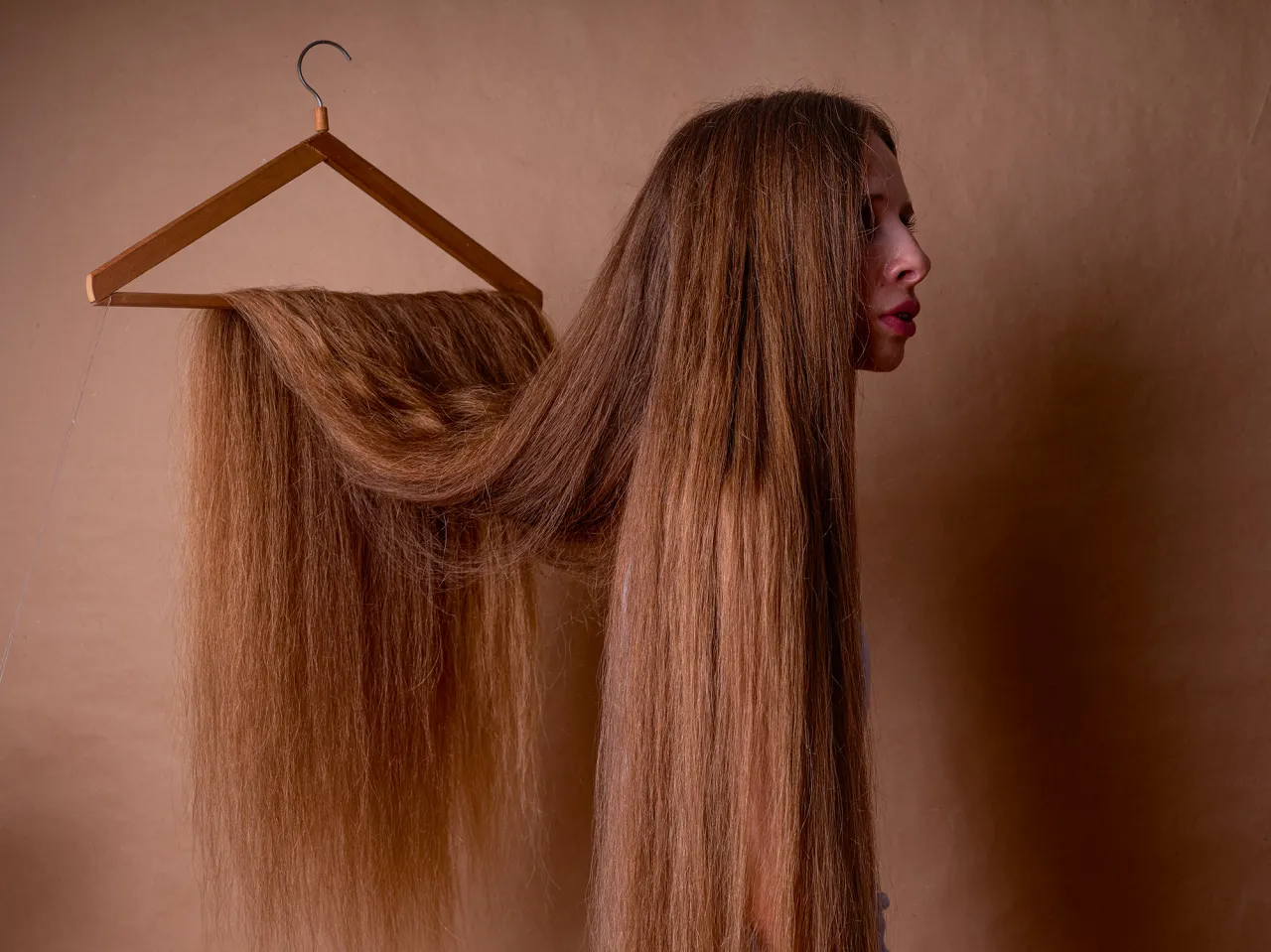
From Las Pelilargas © Irina Werning
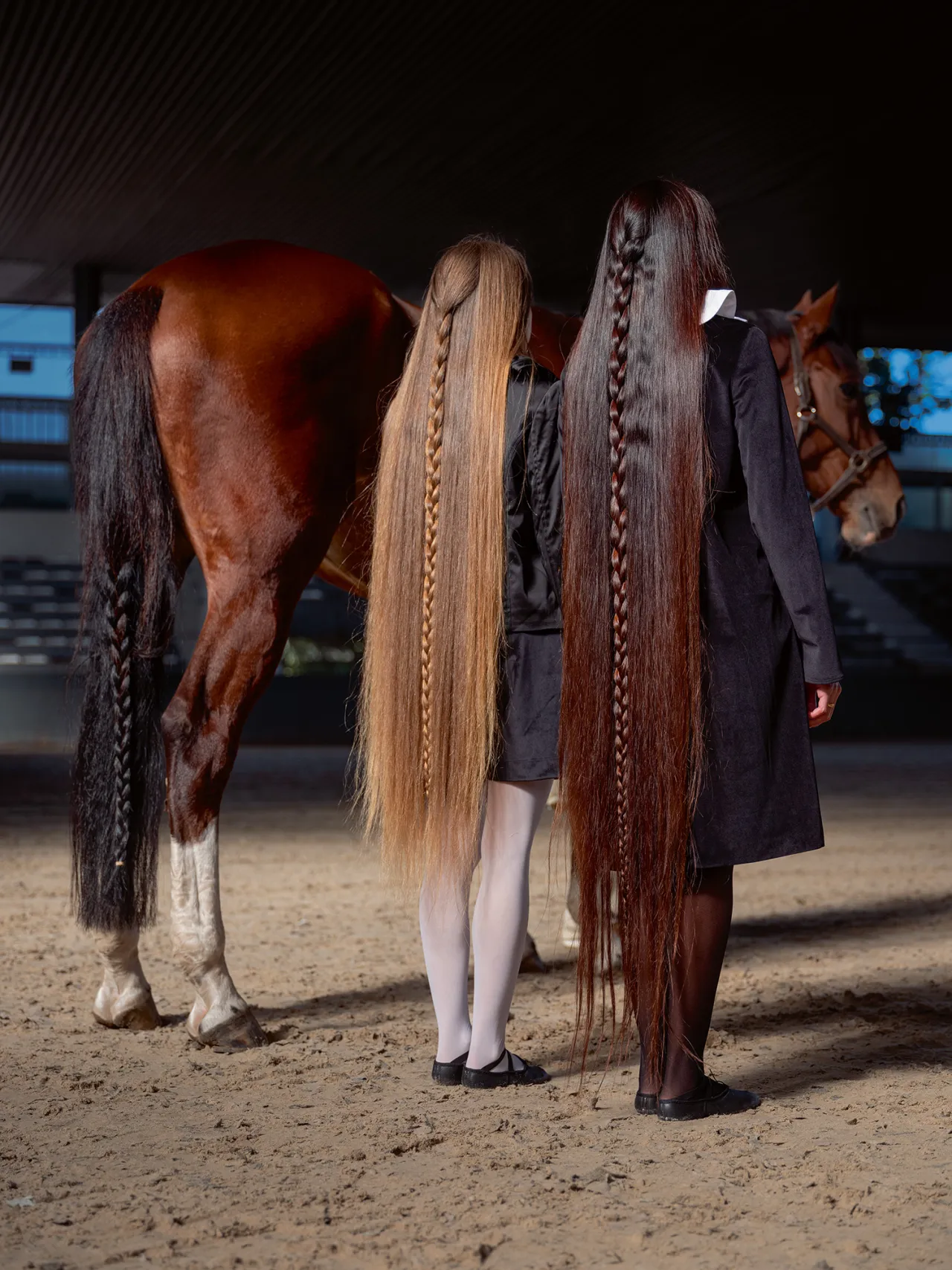
From Las Pelilargas © Irina Werning
Is there a single photograph from the project you return to?
A black-and-white portrait of Imelda, from the Kolla community, standing beside a cactus in the Andes. There is something mysterious and quiet about that image. Her hair feels connected to the landscape, almost like it belongs to the earth. For me, that photograph really holds the spirit of Las Pelilargas. It's simple, but it carries a strong sense of identity and place.
What did you come to understand about the cultural and spiritual significance of hair while making this project?
For many indigenous communities, hair is a physical expression of thought – an extension of the self, much like the way rivers flow or plants grow from the earth. It reflects a deep spiritual connection to nature, rooted in reverence, humility and reciprocity. Similar beliefs exist amongst Indigenous peoples worldwide. What makes Latin America unique is how these Indigenous rituals and traditions have spread beyond their original communities. Ancient customs blend with waves of immigration, shaping a deeply hybrid identity. This project became an anthropological search about where we come from, what we keep, and how something sacred can hide in something as simple as hair.
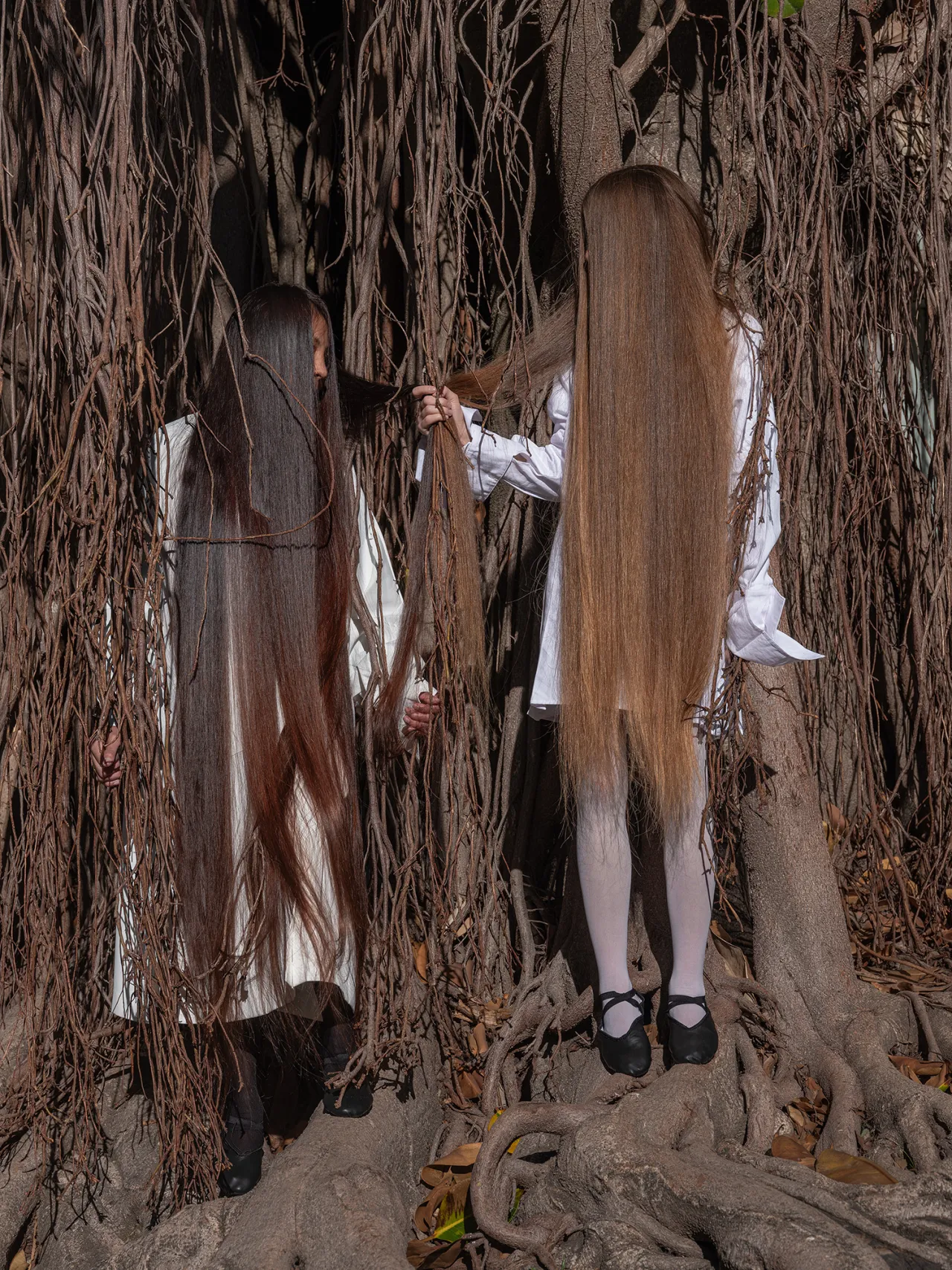
From Las Pelilargas © Irina Werning
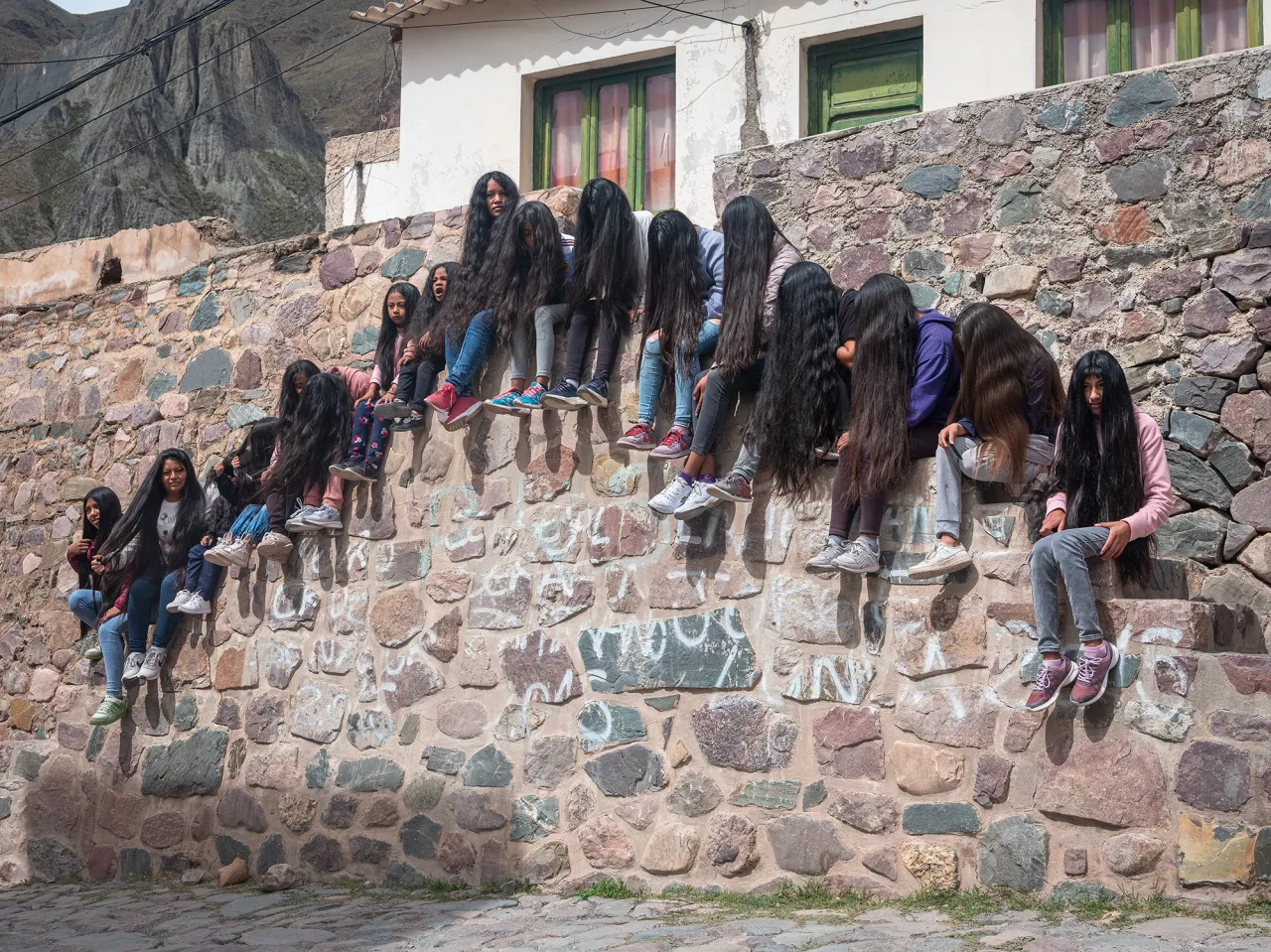
From Las Pelilargas © Irina Werning
Looking back over the 18 years of this project, how has your perspective on hair, culture and photography evolved?
Over the years, I've realised that hair is much more than appearance – it carries identity, spirituality, family and time.
What's next for you?
I'm currently working on a project about the relationship between humans and animals. I'm interested in exploring the similarities between us and questioning the boundaries we often create between species.
Editor's Picks


Trending





Latest Jobs
Designer at Art Fund
Full-time·King's Cross, London·£37,456
Content Executive at V&A
Full-time·London·£32,000
Verbal Identity Fellow at Interbrand
Full-time·New York·$30 per hour
Senior Account Manager at Engage
Full-time·Leeds·£40,000 – £45,000
Creative Project Manager at Analogue
Full-time·Leeds·£28,000 – £35,000
Art Director at The New York Times
Full-time·New York·$120,000 – $130,000