System of Absurdity: Photographer explores the horrors of a Soviet nuclear bunker
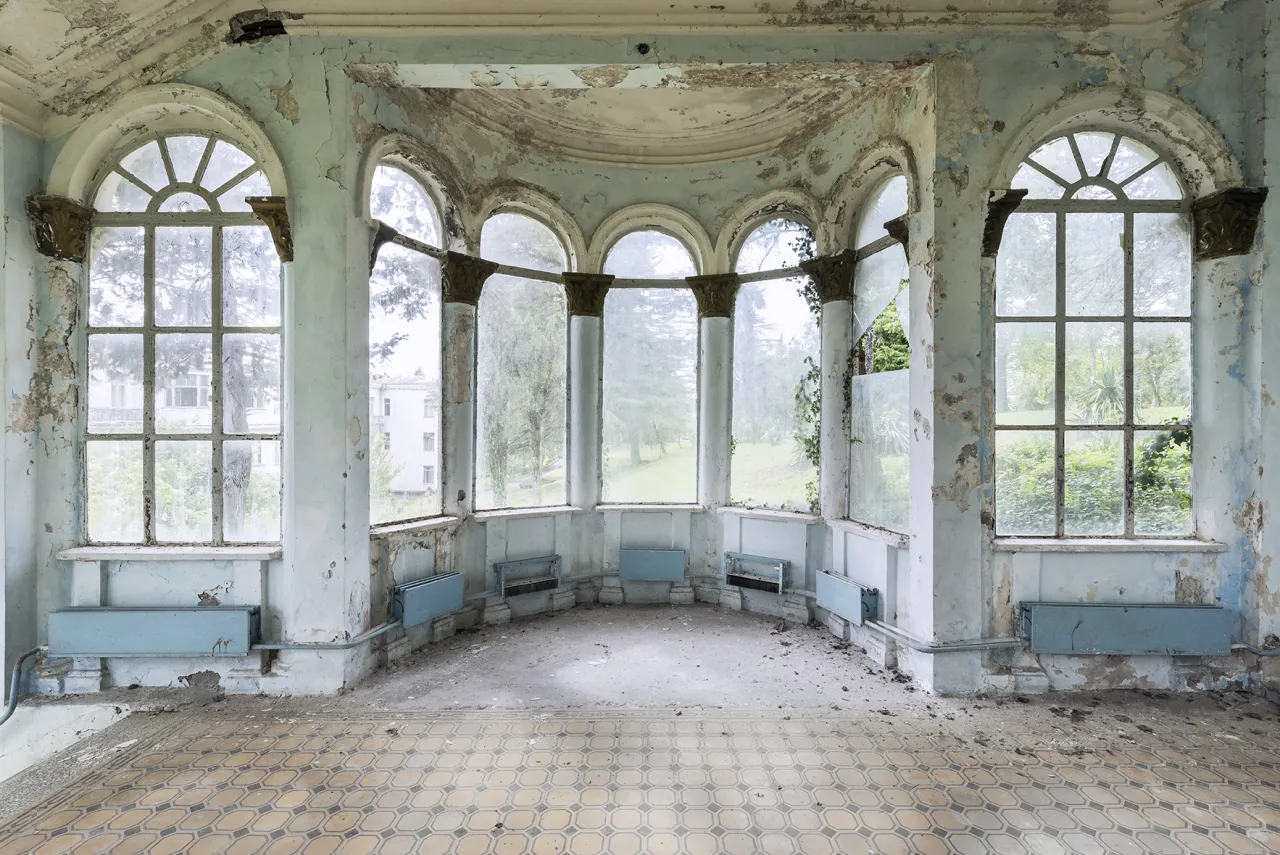
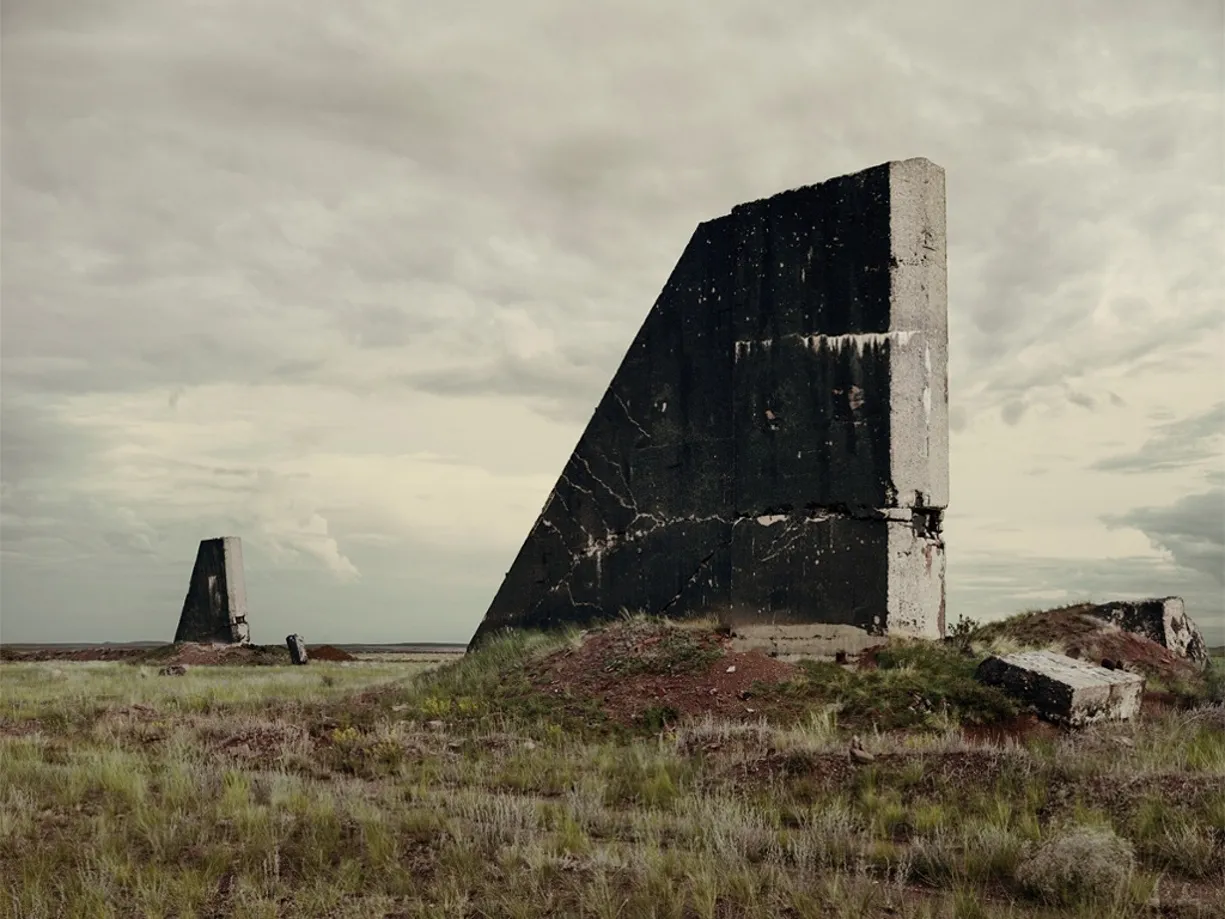
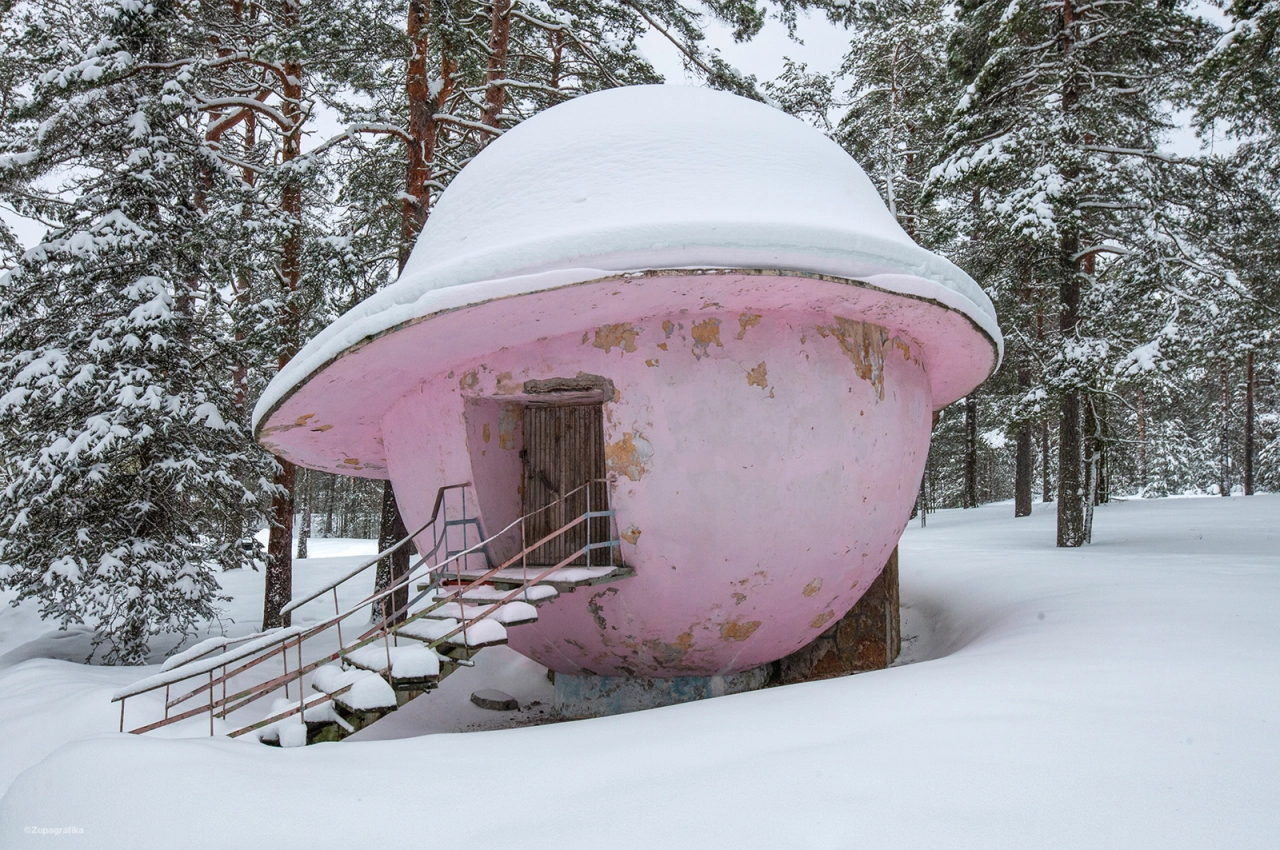
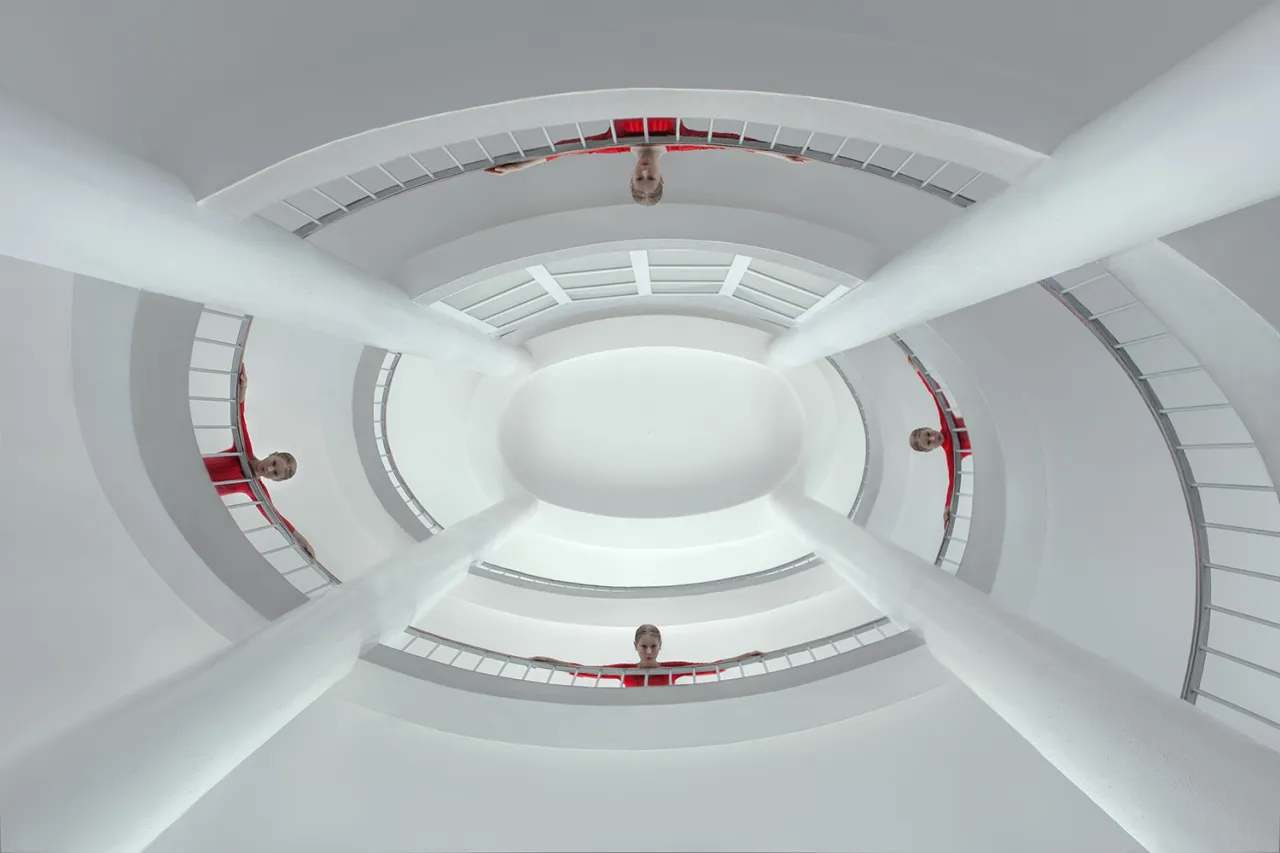
In his ongoing project System of Absurdity, British photographer Barry Falk explores the impact of the Second World War and the subsequent Soviet Occupation on the Baltic States between 1944 and 1991.
Via submission. All images courtesy of Barry Falk
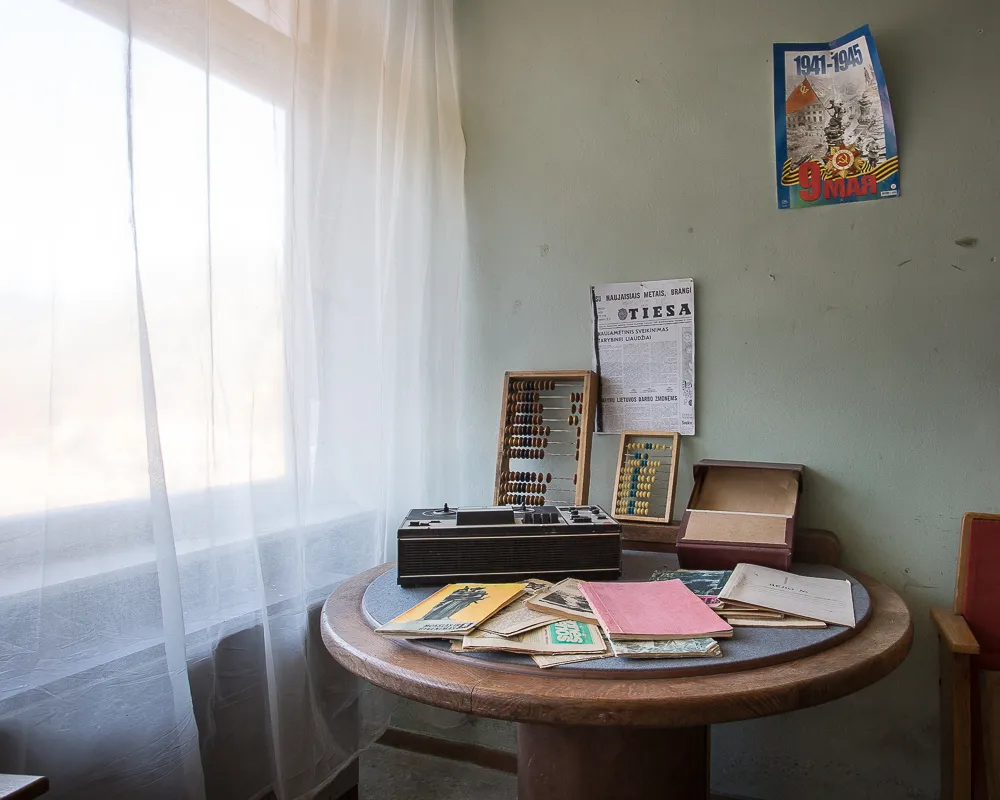
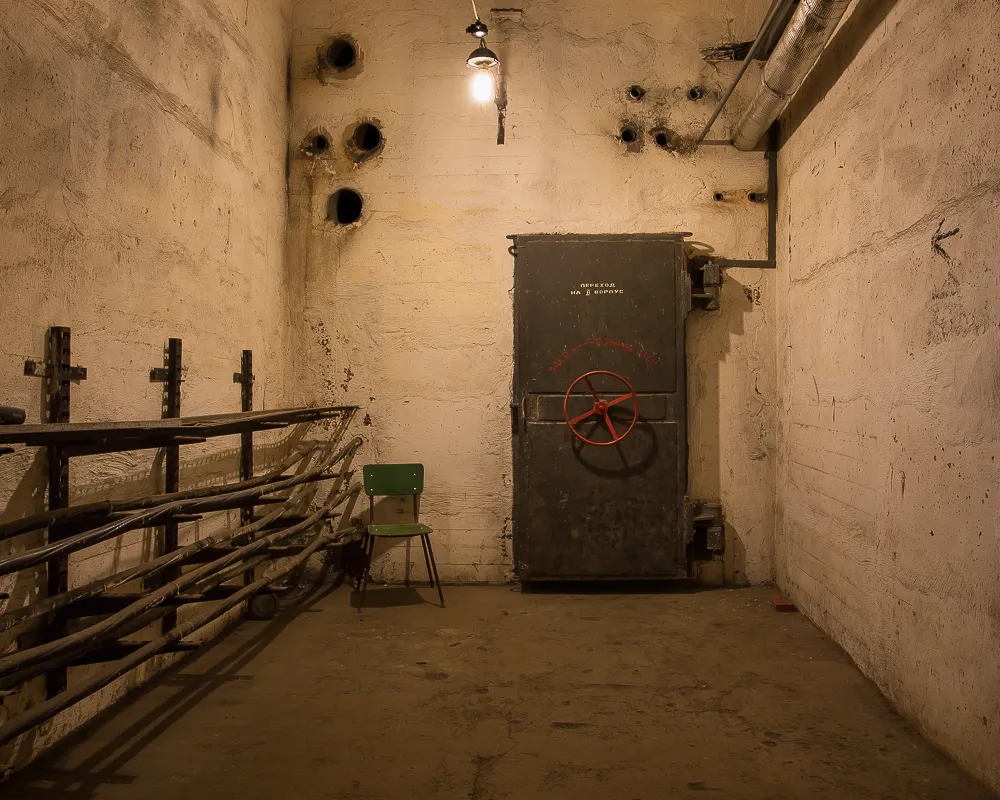
For this particular series, he visited a former Soviet nuclear telecommunications bunker, set just outside Nemencine and now recreated as a theatrical drama about the Soviet Occupation.
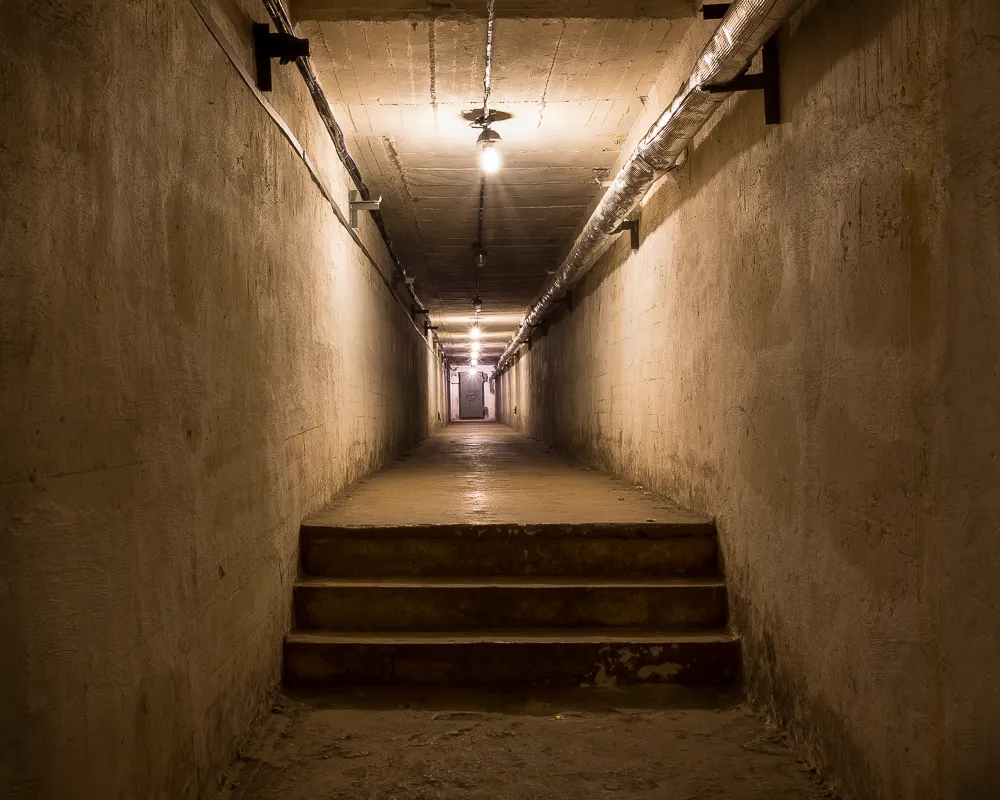
During an insightful tour by the bunker's owner Mindaugas, Falk was informed that when it was built the surrounding land was flat; seeds landed, saplings grew and now there is a forest. The bunker was originally a telecommunications centre, set up as a back-up station to keep broadcasting in the eventuality of a nuclear war. It was built between 1983 to 1985 and abandoned in 1991 when the Russians left Lithuania.
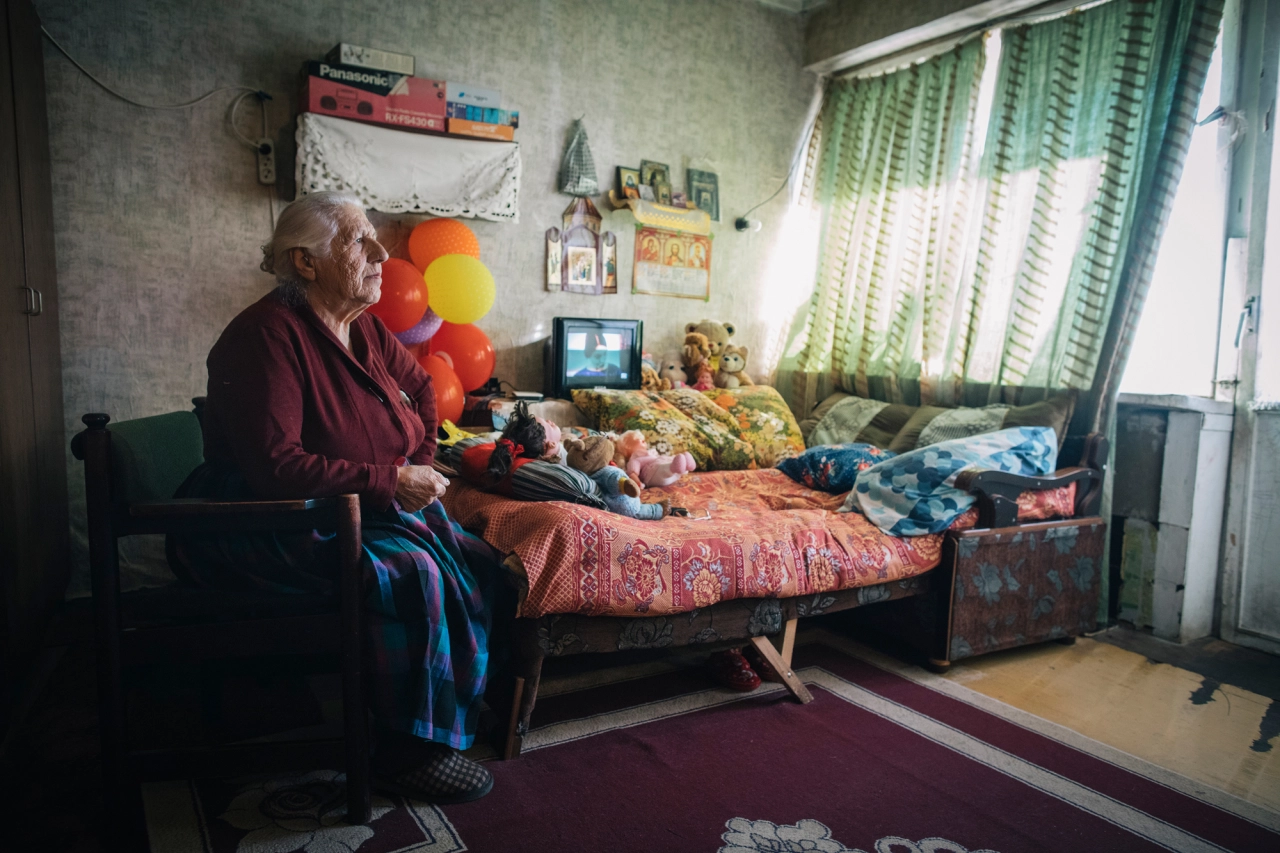
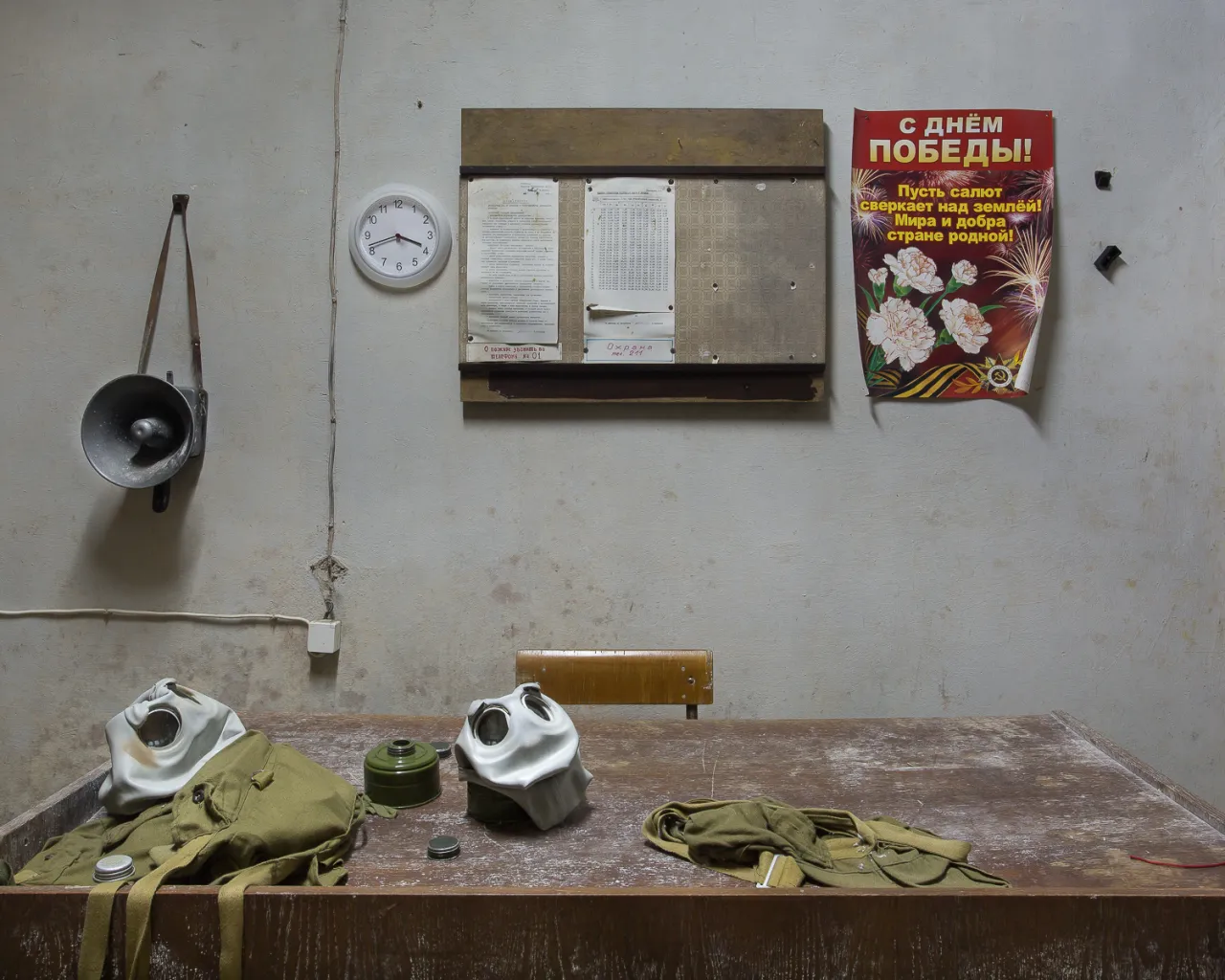
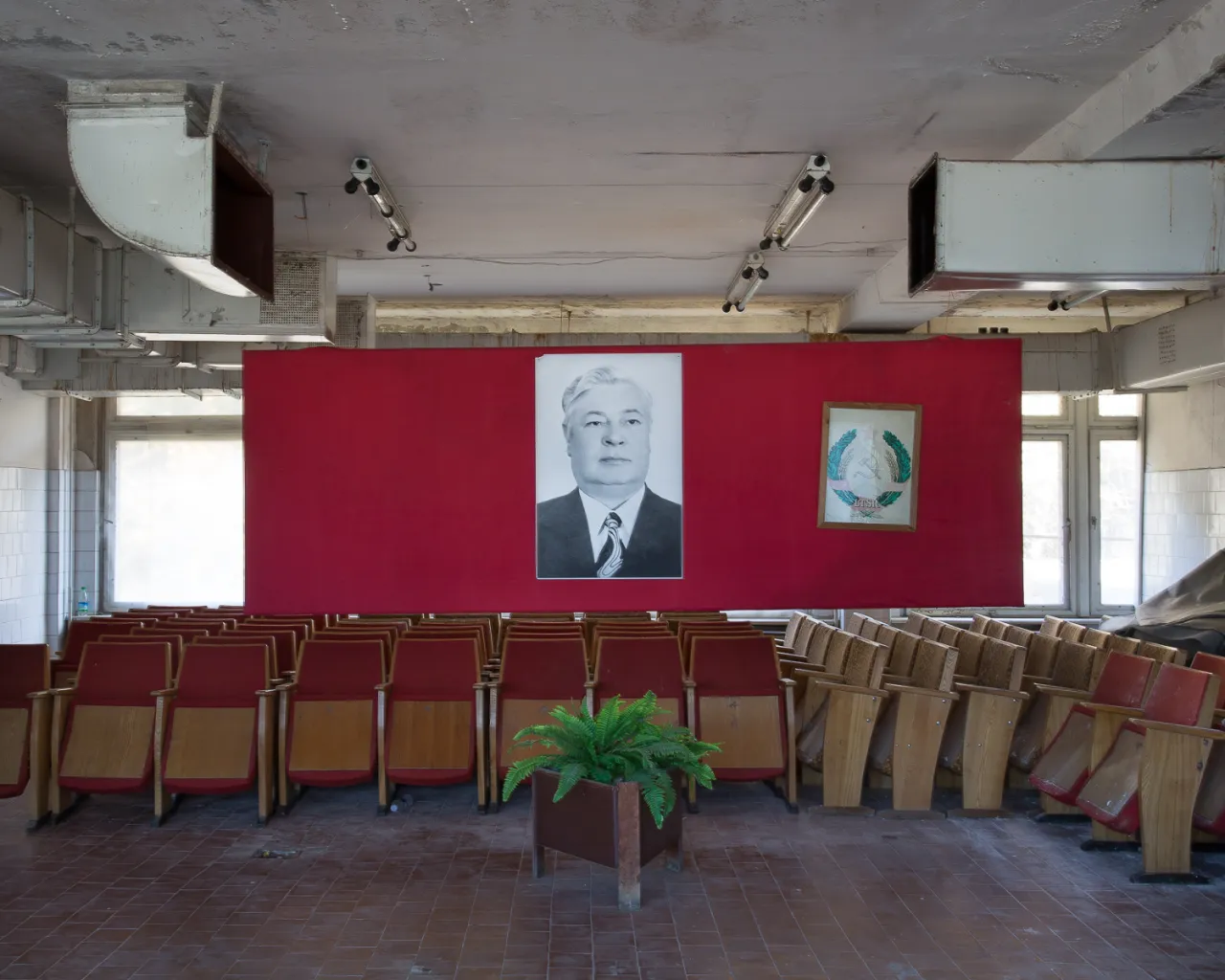
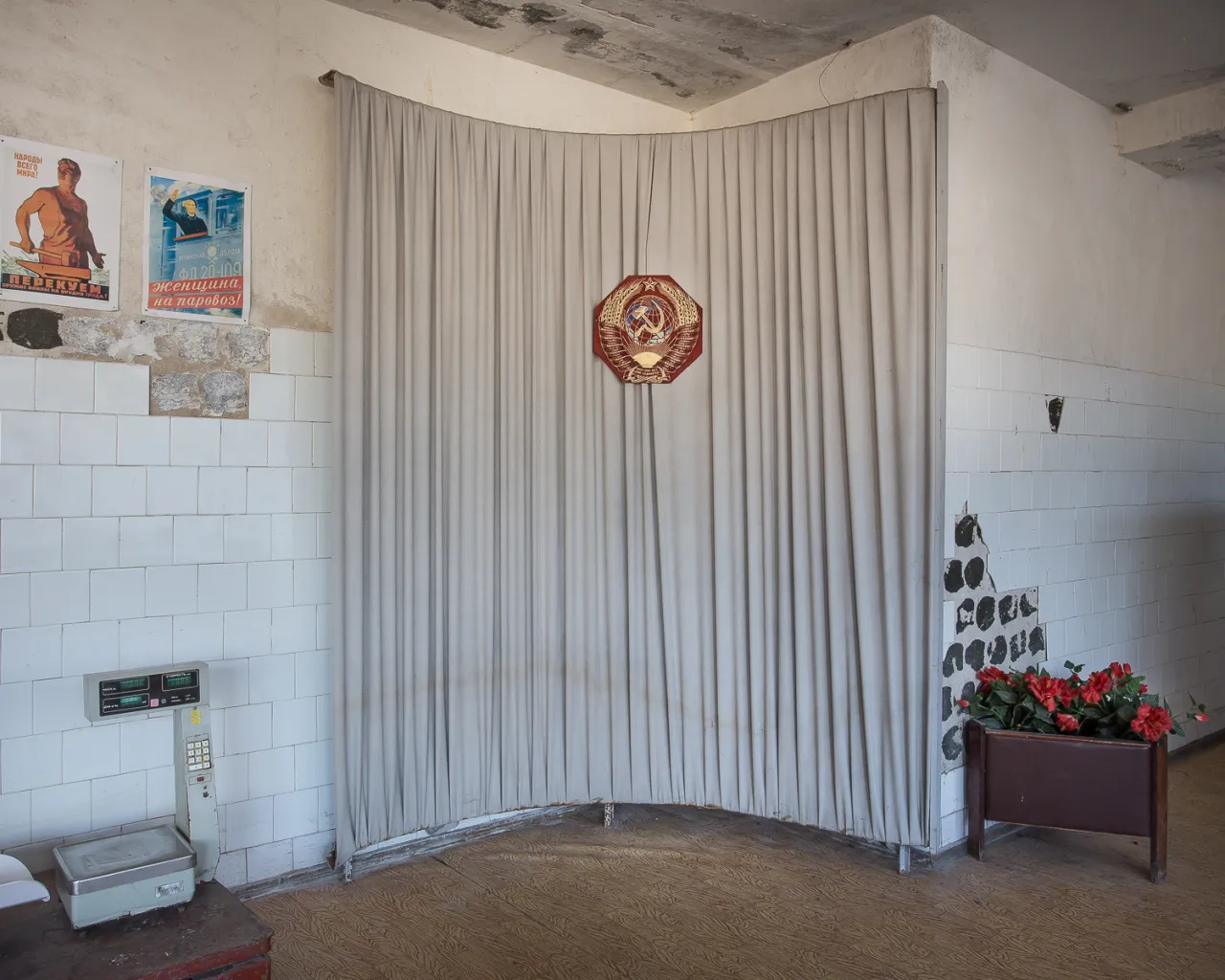
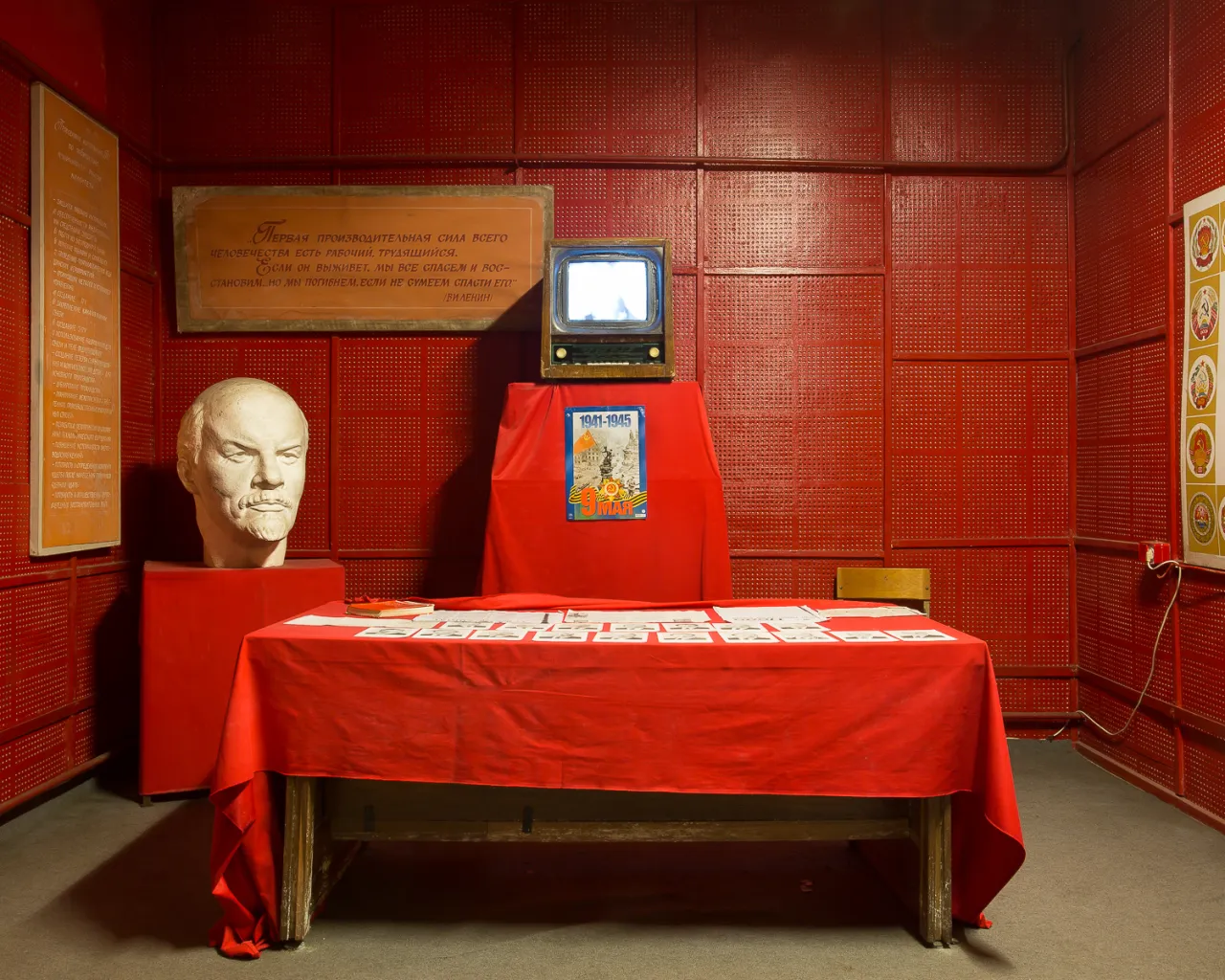
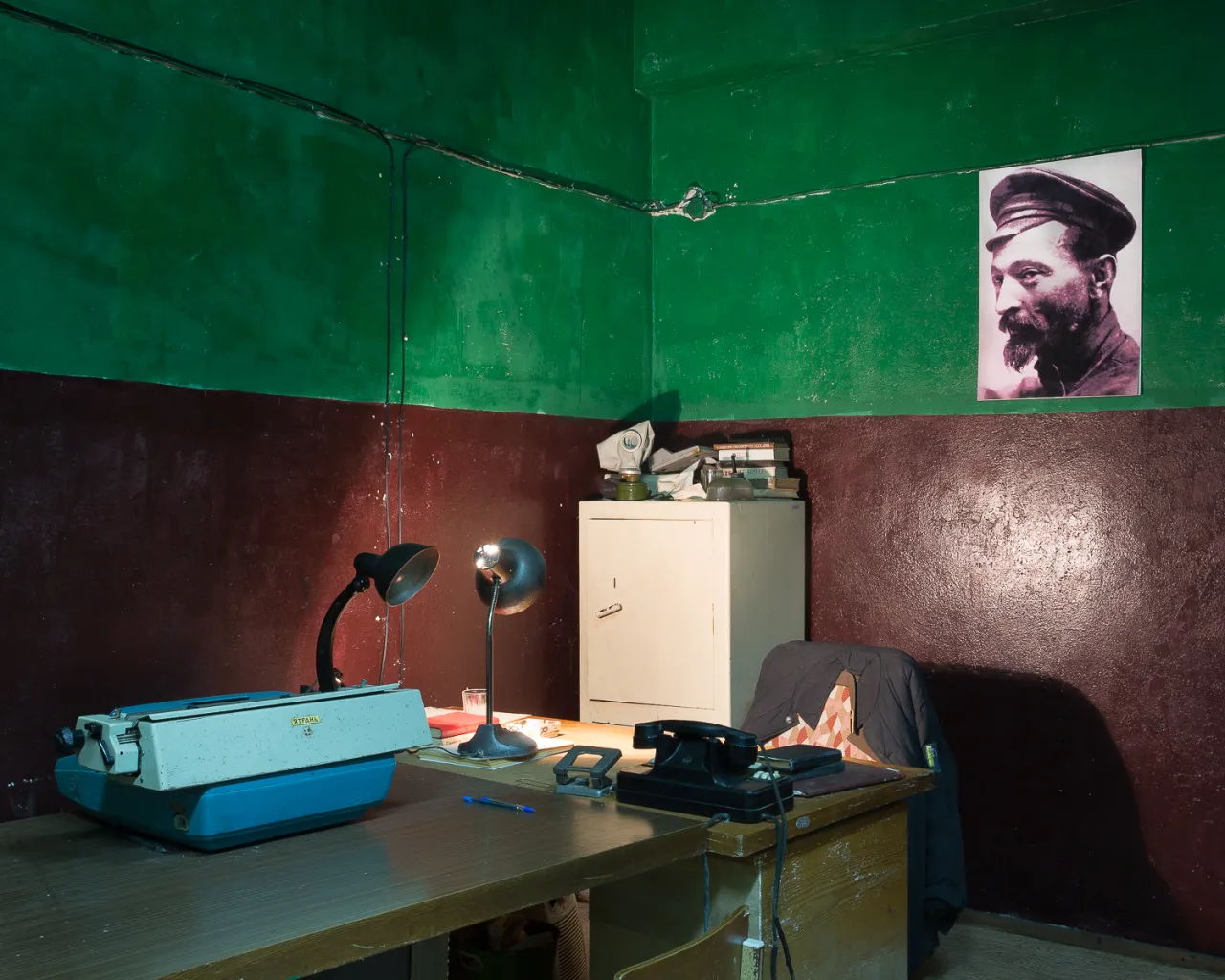
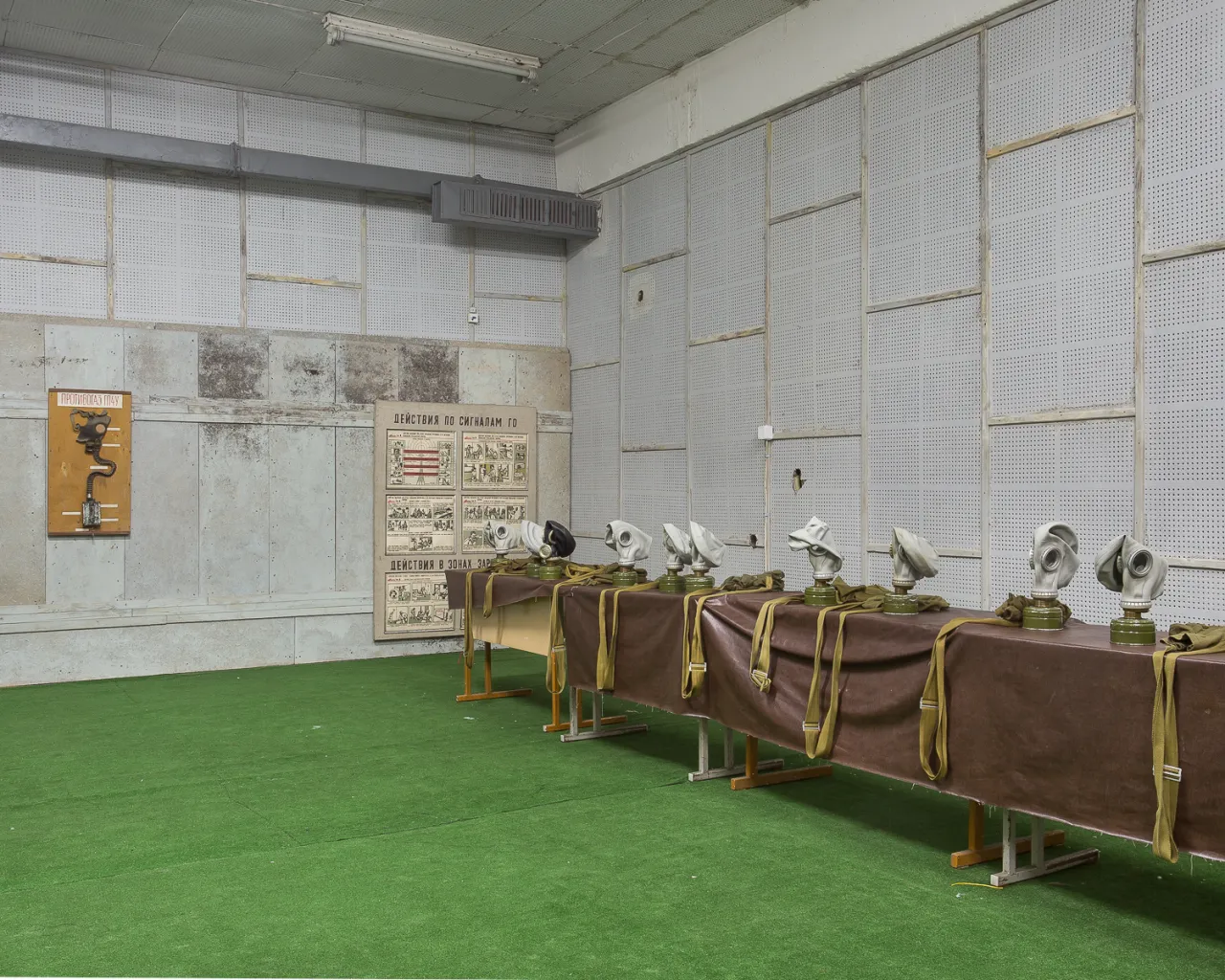
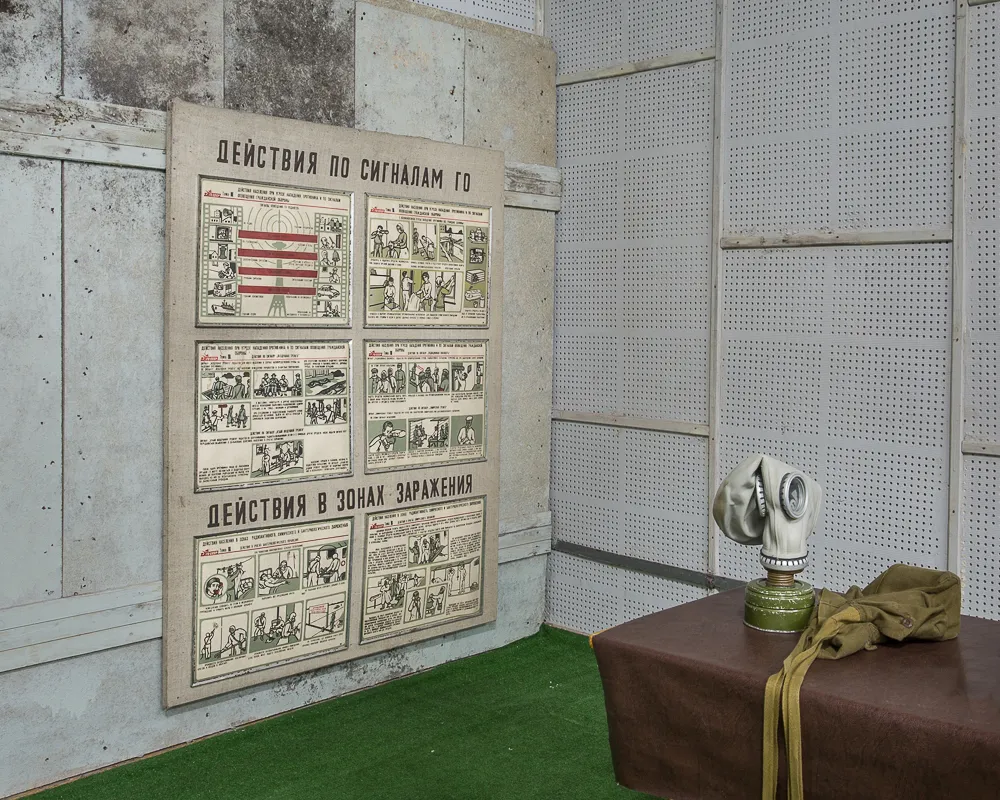
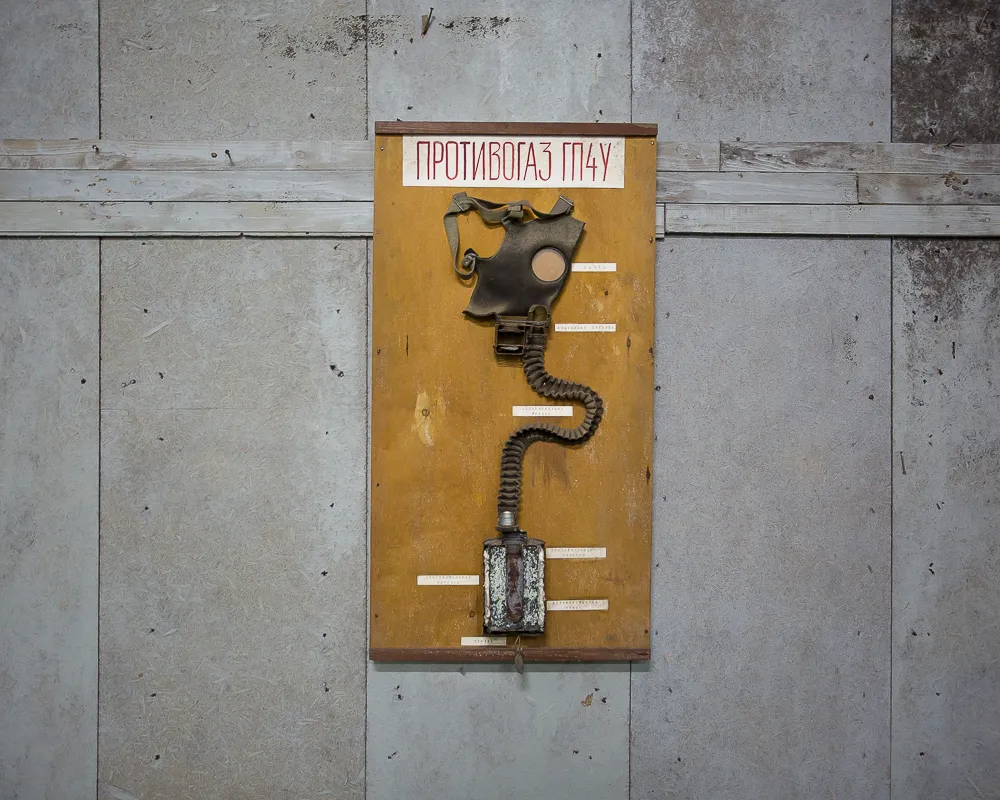
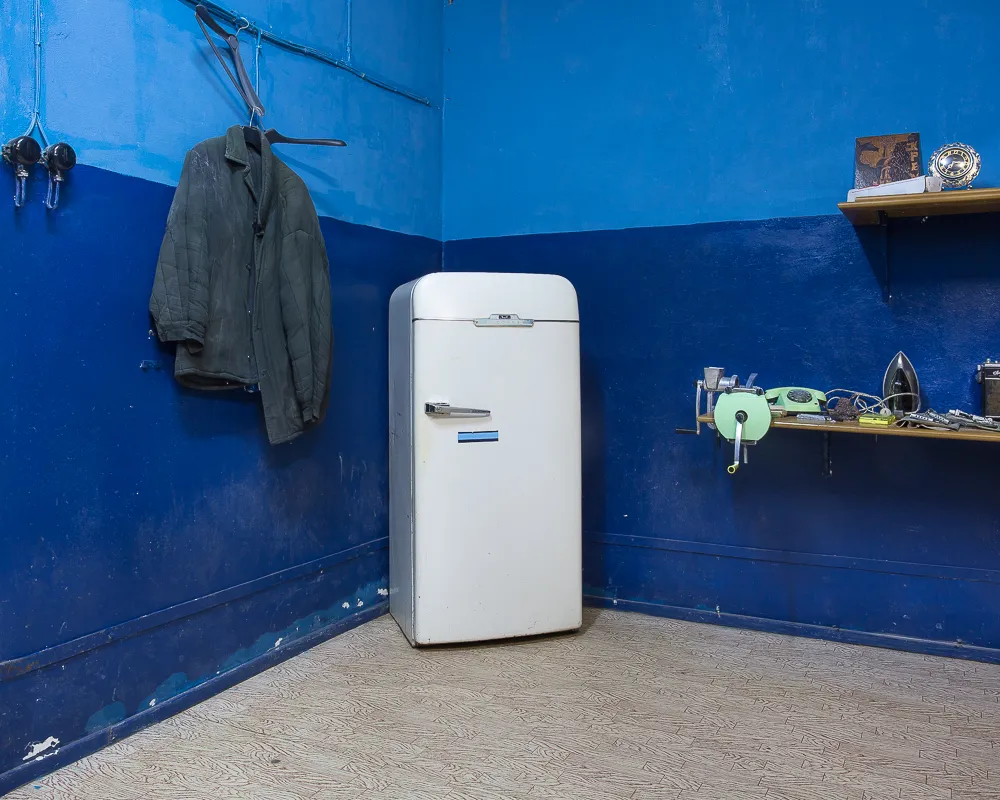
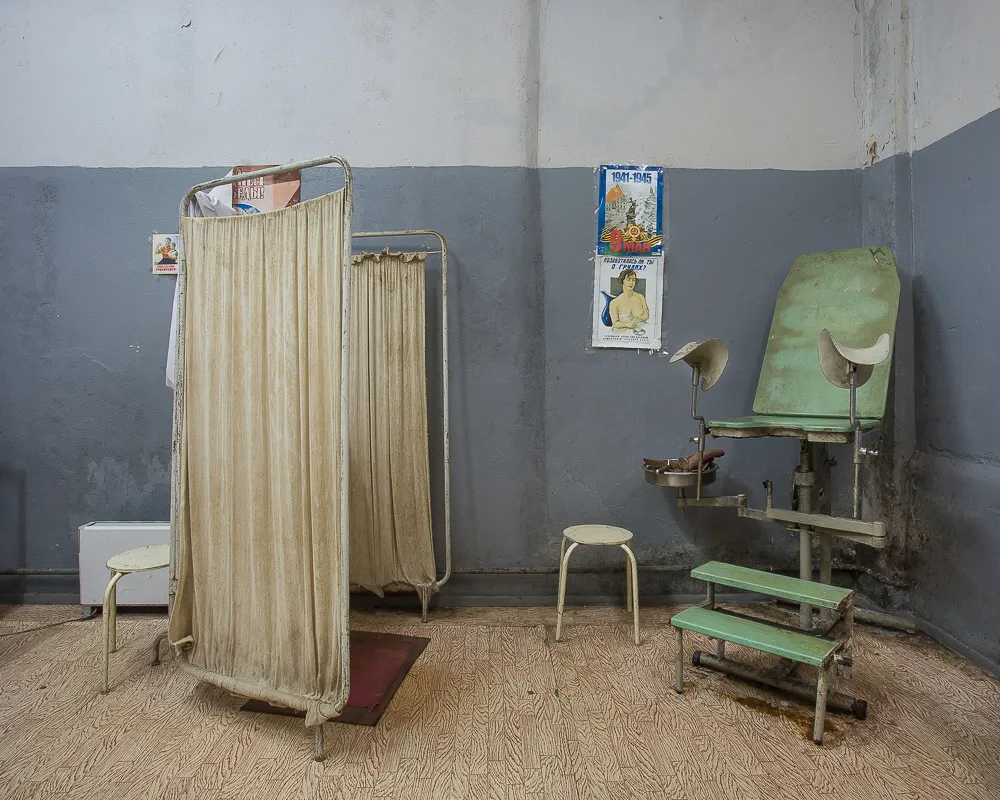
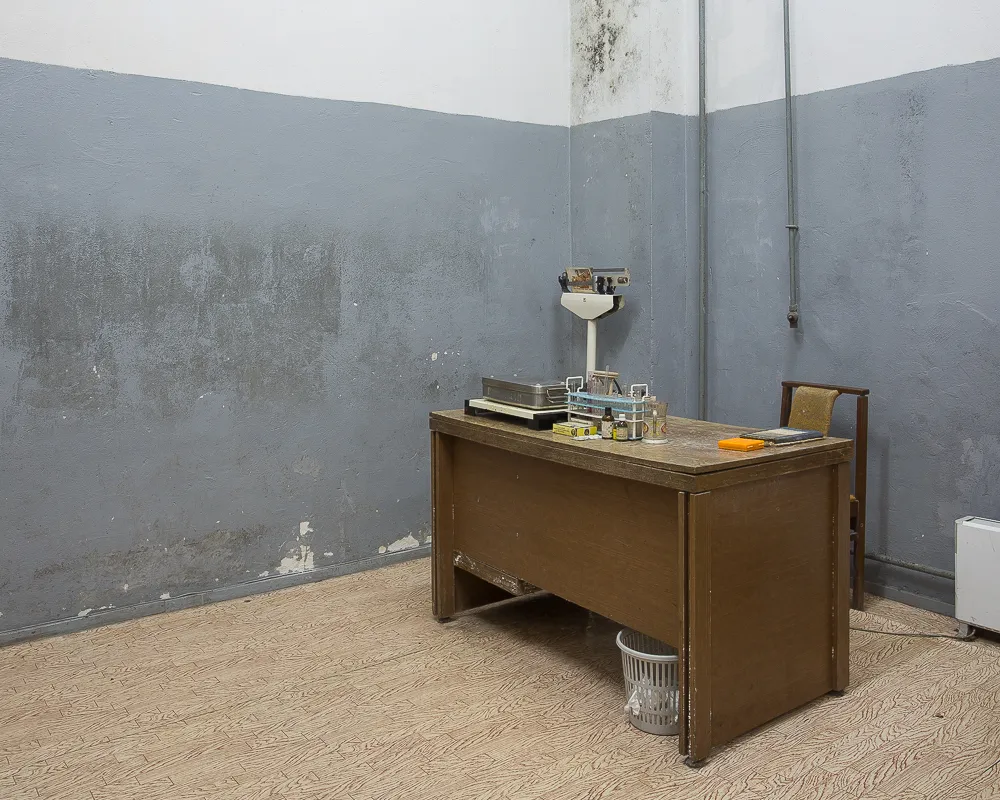
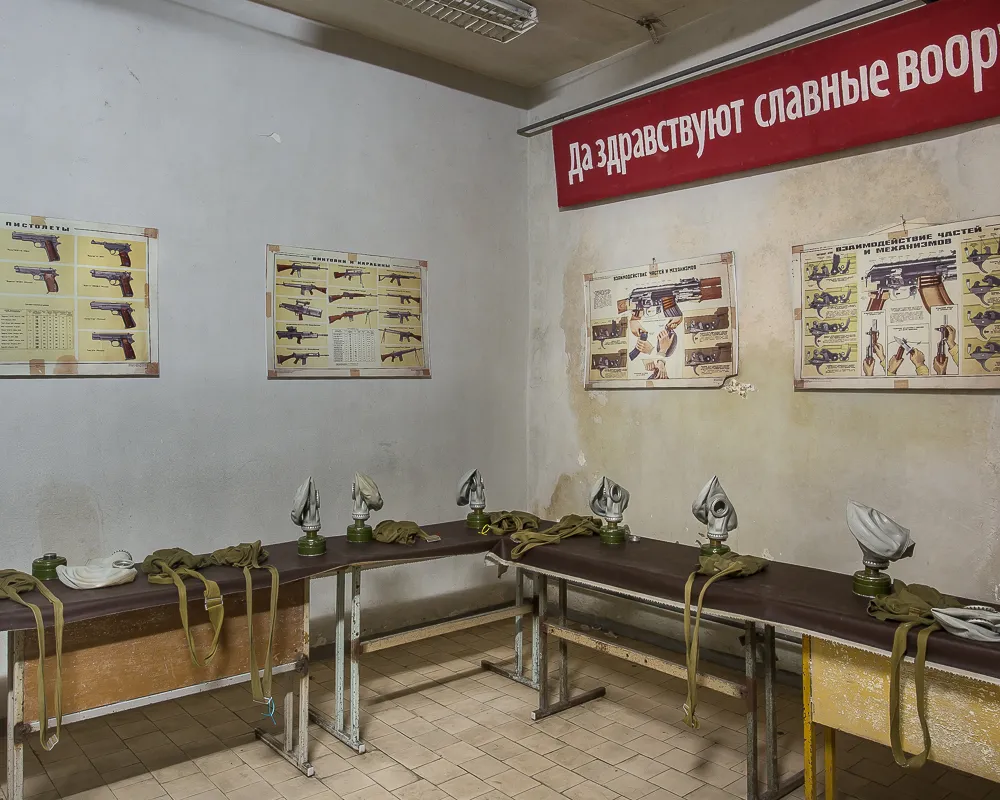
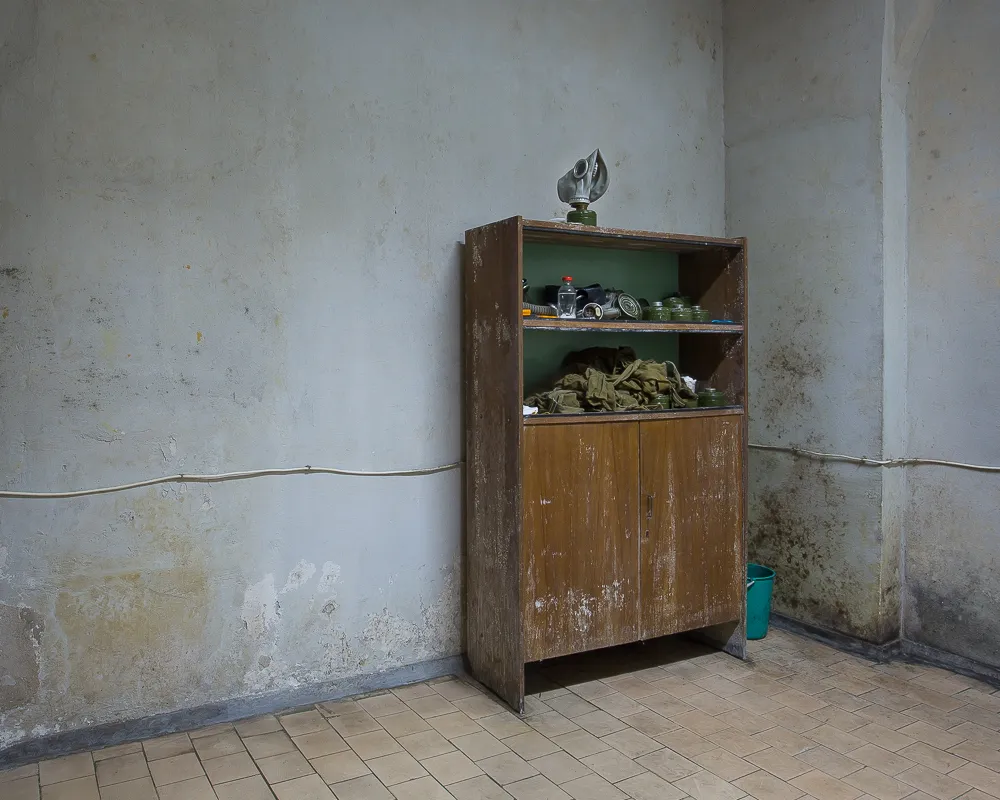
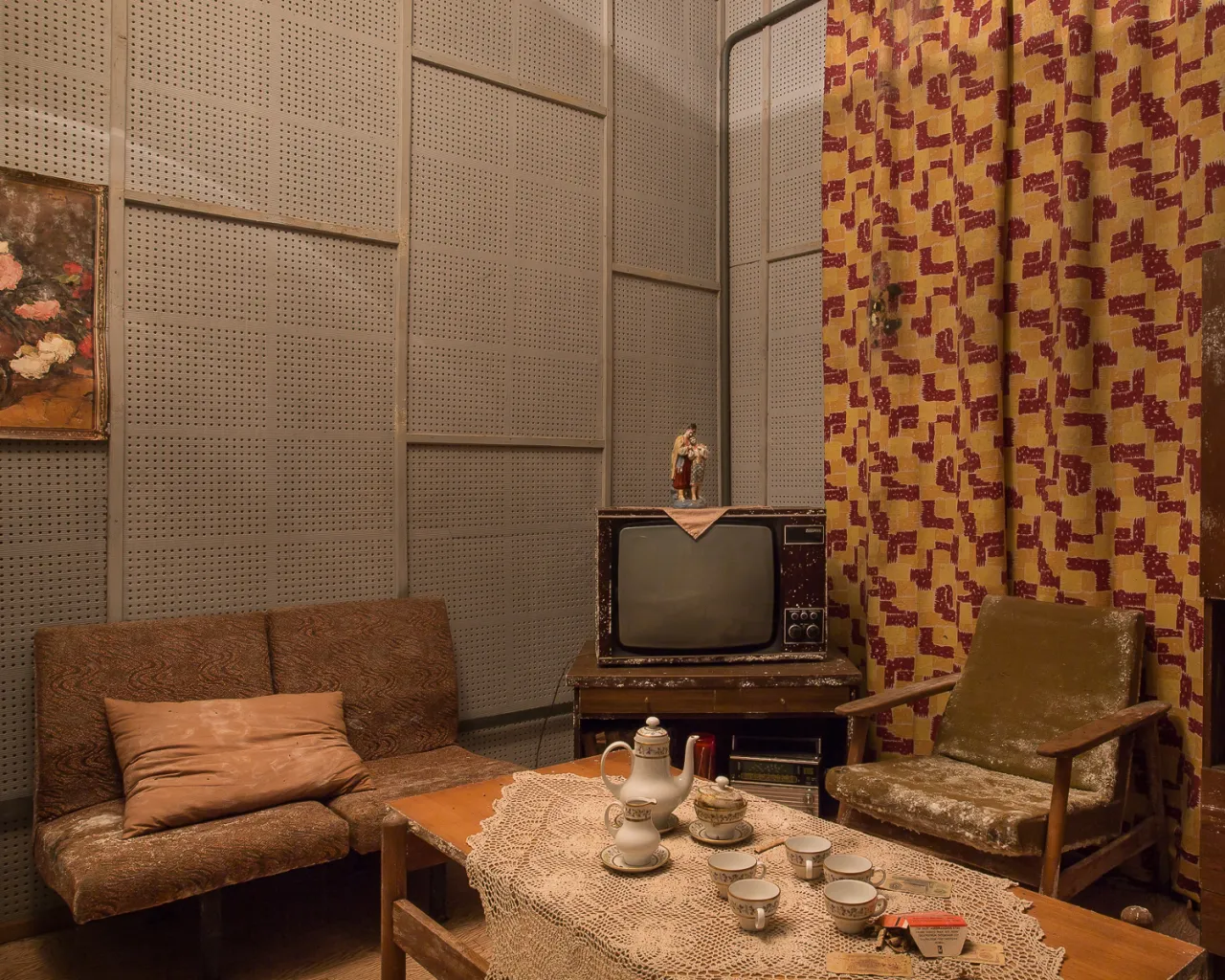
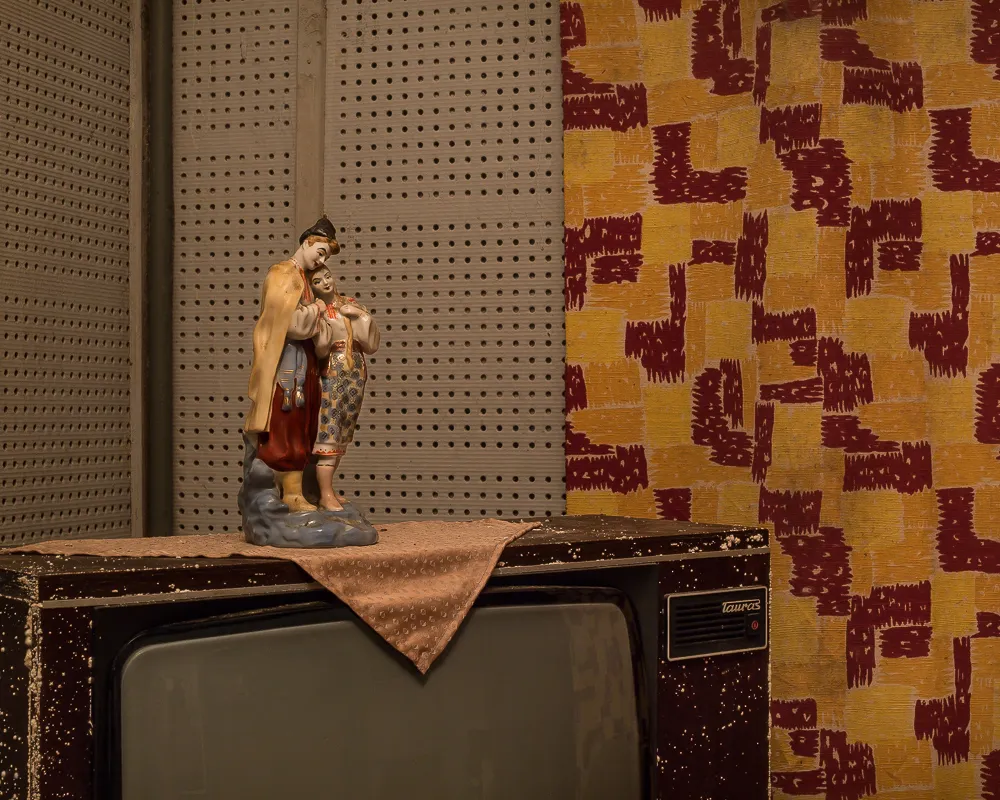
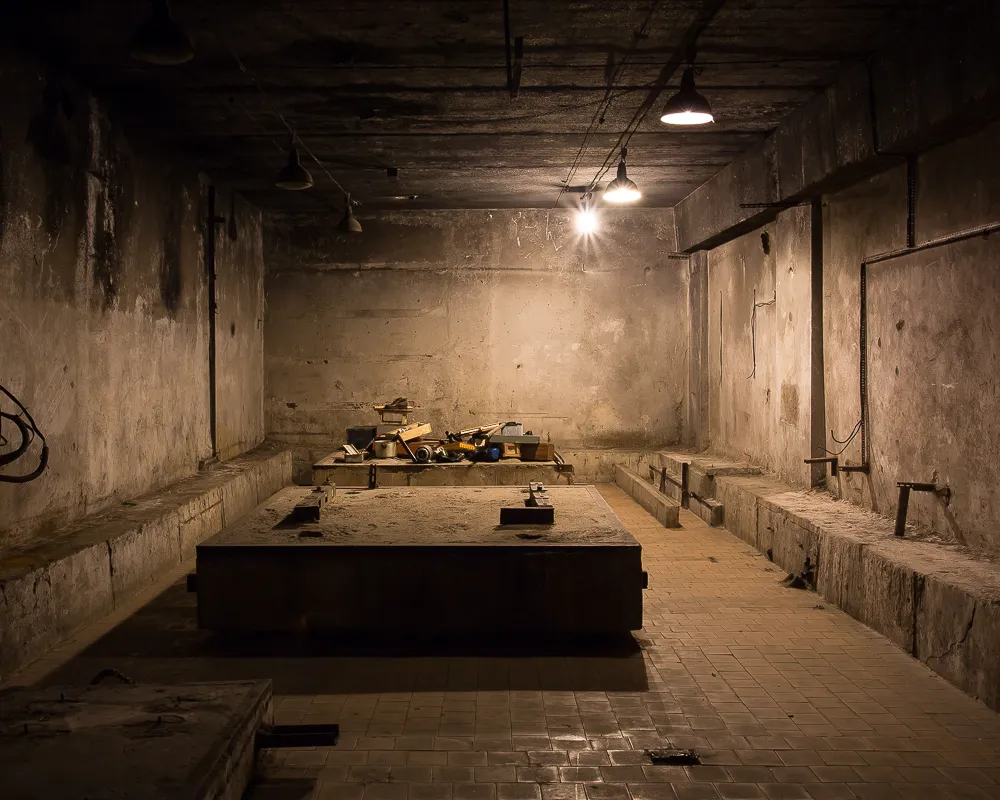
Falk explains: "Mindaugas has taken this space and adapted it into a place of theatre. The rooms now present a bewildering array of set tableaus: the red room with gleaming white bust of Lenin, table laid out with photographs of the Central Committee and map of the world on the wall where there is no separate Baltic States just one grey blue mass of the Soviet Union; the room with gas masks laid out on display on trestle tables; the interrogation room with picture of Trotsky; the medical room with gynaecological chair and forceps; the Soviet shop with authentic Soviet products including a can of drinking water; the children’s schoolroom with Soviet school books, and a room Mindaugas is particularly proud of: the faithfully recreated Soviet apartment, replete with television set, laid tea table, children’s toys and china figurines.
"He has meticulously salvaged Soviet paraphernalia from local markets, arranging each space with the dedicated affection of an artist. The effect is eery: the uncanny reality of the Soviet regime enhanced by the mould growing on the furniture and the sense of being lost in an absurd system."
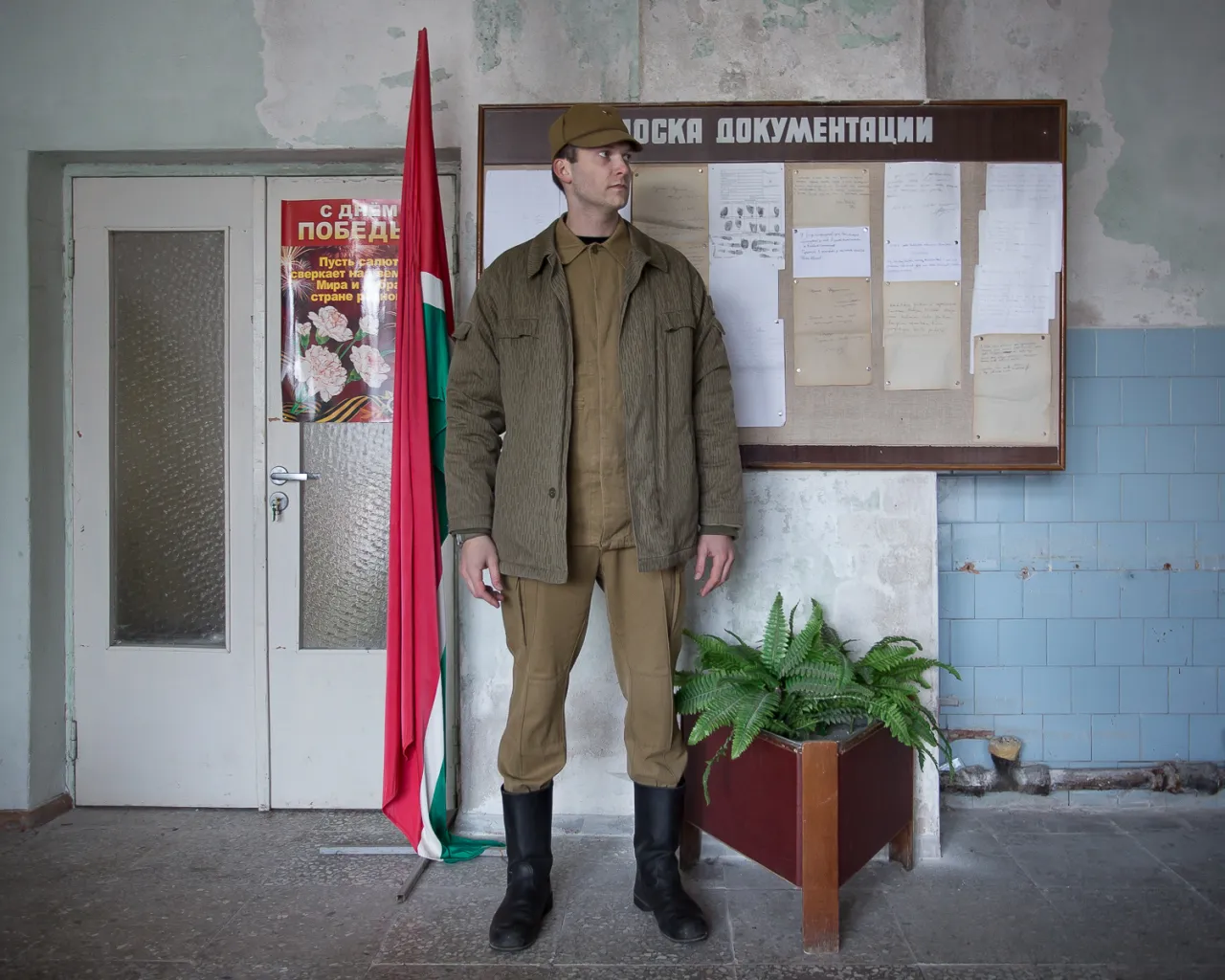
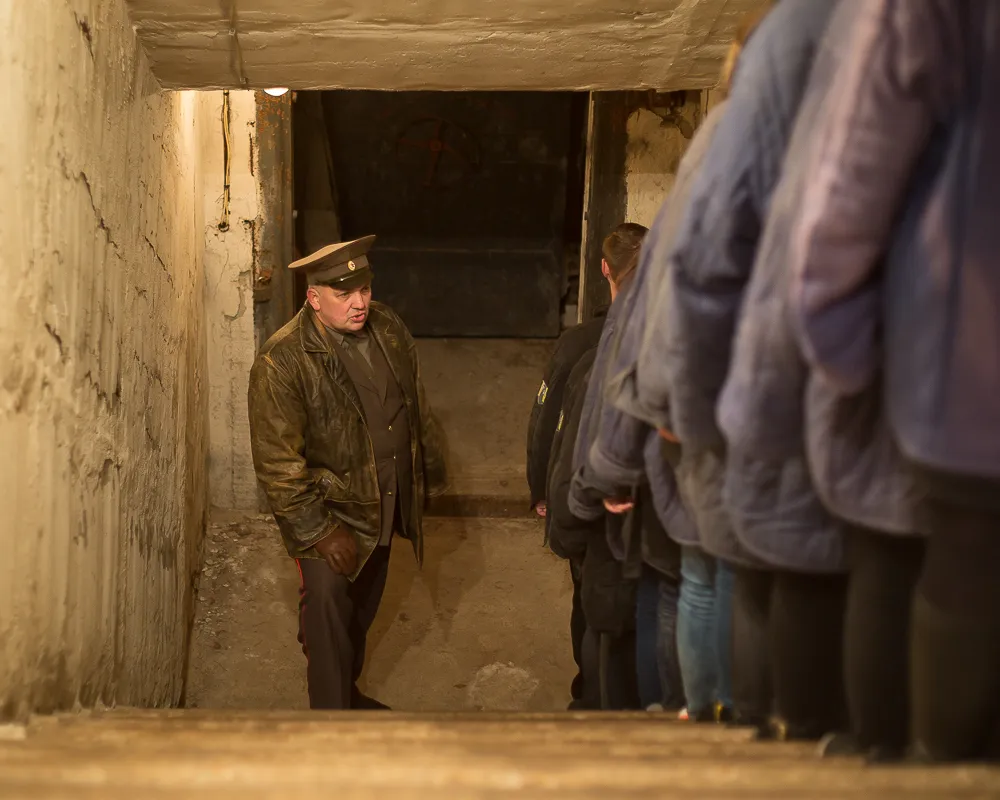
Falk added: "Mindaugas helped set this show up eight years ago. He tells me he got the idea for the Soviet Bunker from his aunt. The purpose of the re-enactment is educational – colleges send students here to learn from the experience; businesses also send employees here for recreation! Mindaugas employs an actor for each performance: it is a one-man tour de force – a torrent of abuse and humiliation lightened by the laughter of the audience’s embarrassment. Afterwards, the actor asks the audience whether they like their freedom – the message being that the absurdity of the past needs to be remembered, so as not to be repeated."
Editor's Picks
Trending



Latest Jobs
Midweight Editor at Earworm
Full-time·Bristol·£28k-£32k
Senior Front End Developer at Crown Creative
Full-time·Belfast·£50k–£60k
Talent Agent & Producer at The Jacky Winter Group
Full-time·Los Angeles·$70k-$85k
Senior Designer at Definition
Contract·London·£45k–£50k
Creative Project Manager at Analogue
Full-time·Leeds·£28k–£35k
Midweight Designer at Catalyst Creative
Full-time·London·£32k-£36k