Pentagram creates visual identity for Barbican's Mangasia: Wonderlands of Asian Comics
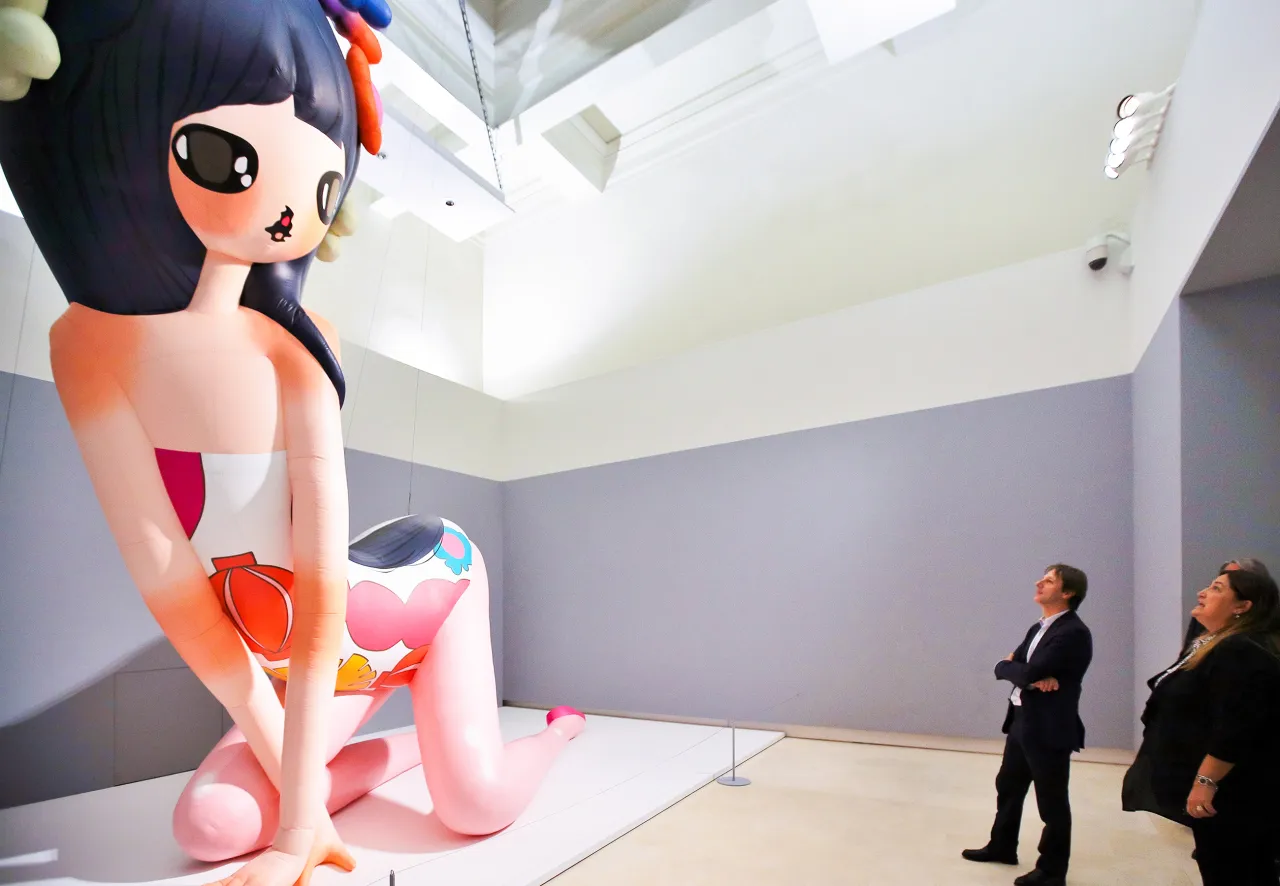
The Barbican’s Mangasia: Wonderlands of Asian Comics is the largest ever exhibition of original artworks from Asian comics – and the first to present an overview of Asian comic history. Curated by Paul Gravett, the show highlights key creators, characters, magazines, graphic novels and multimedia, as well as the creative processes that underlie their production.
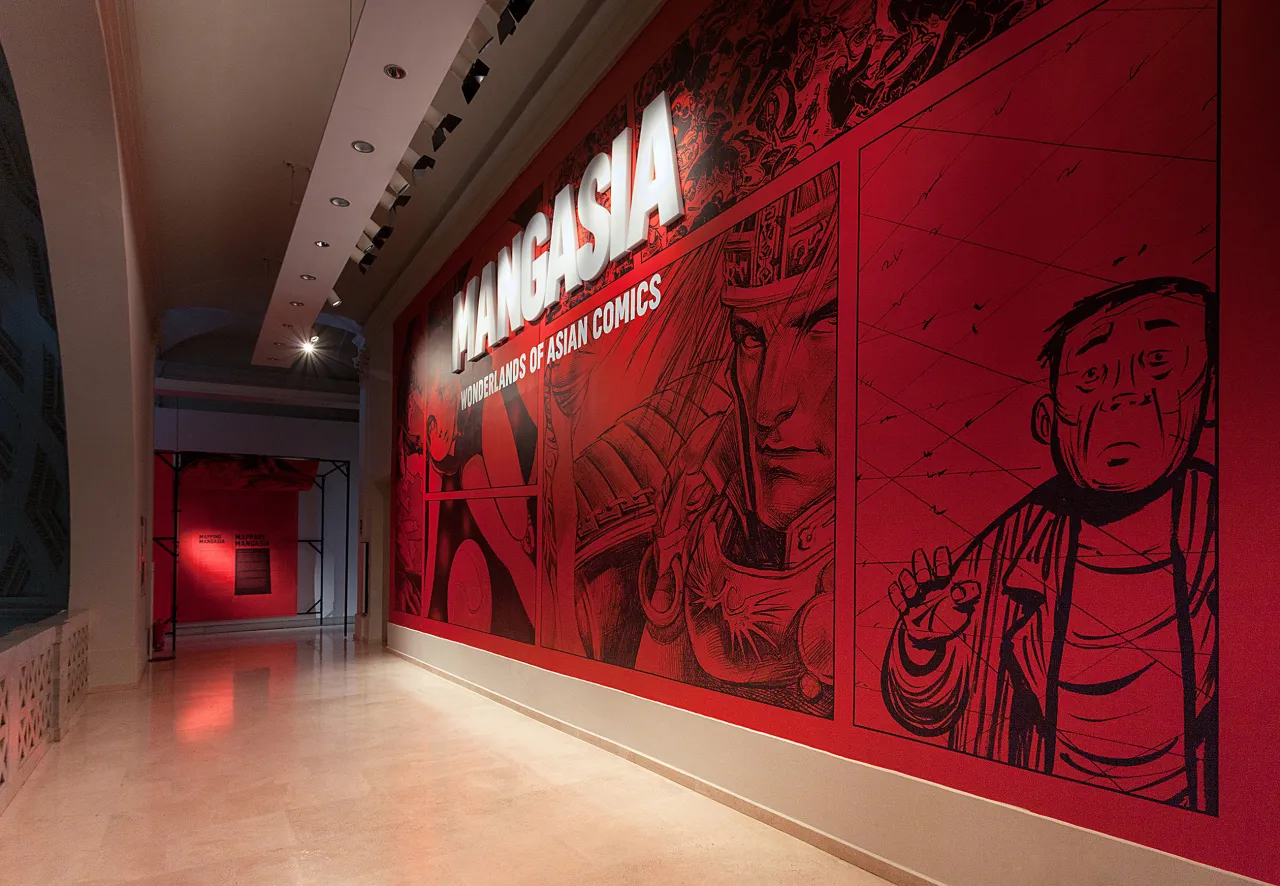
For its visual identity, exhibition design and digital design, it called upon Pentagram partners Marina Willer, Luke Powell and Jody Hudson-Powell as well as former partner, William Russell.
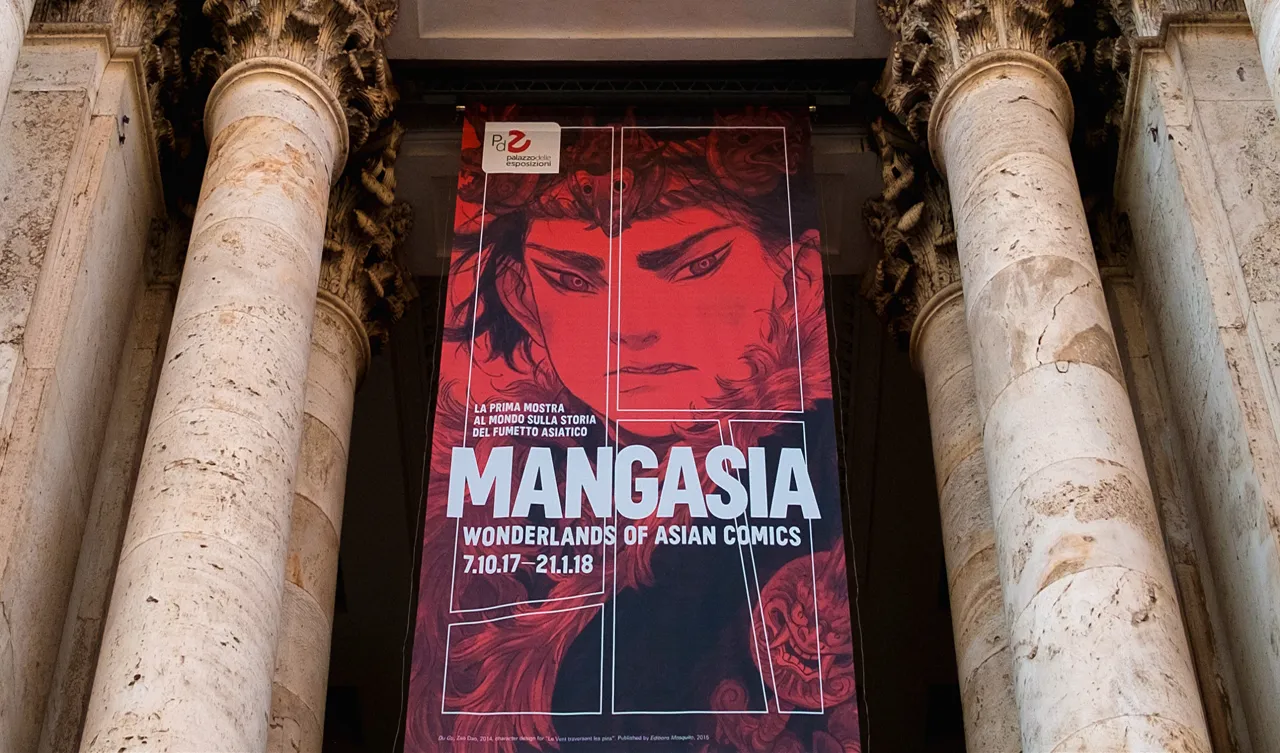
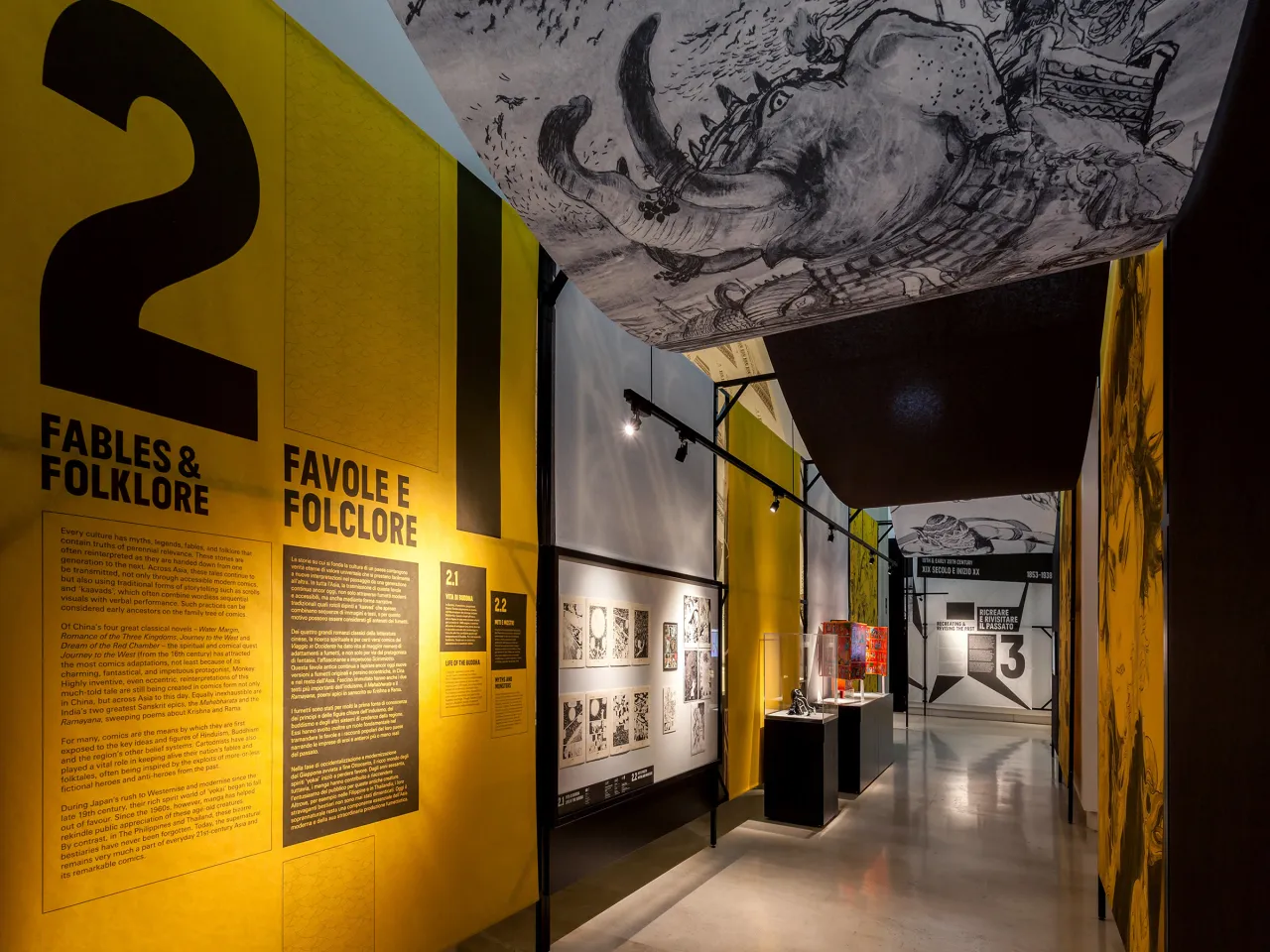
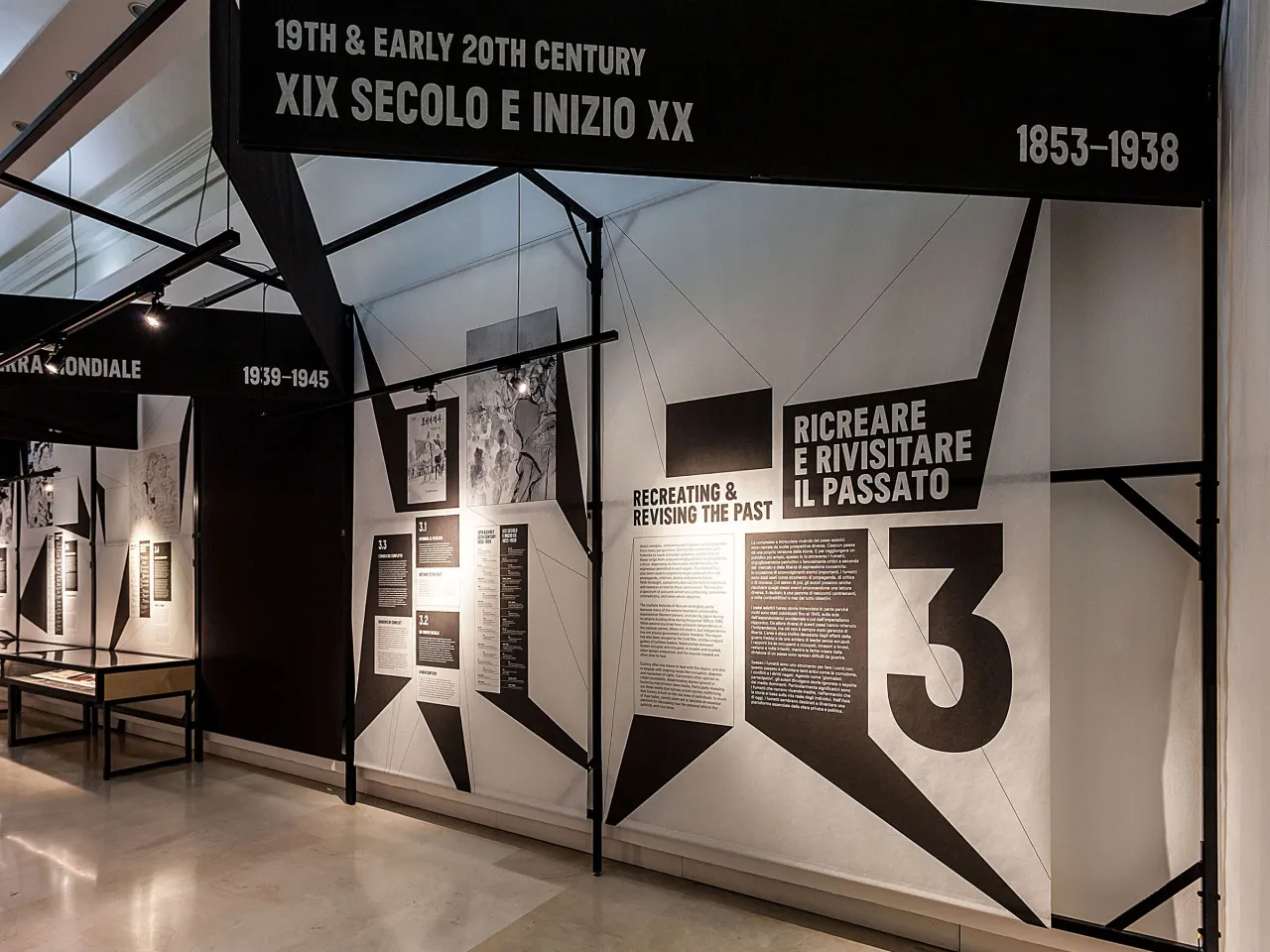
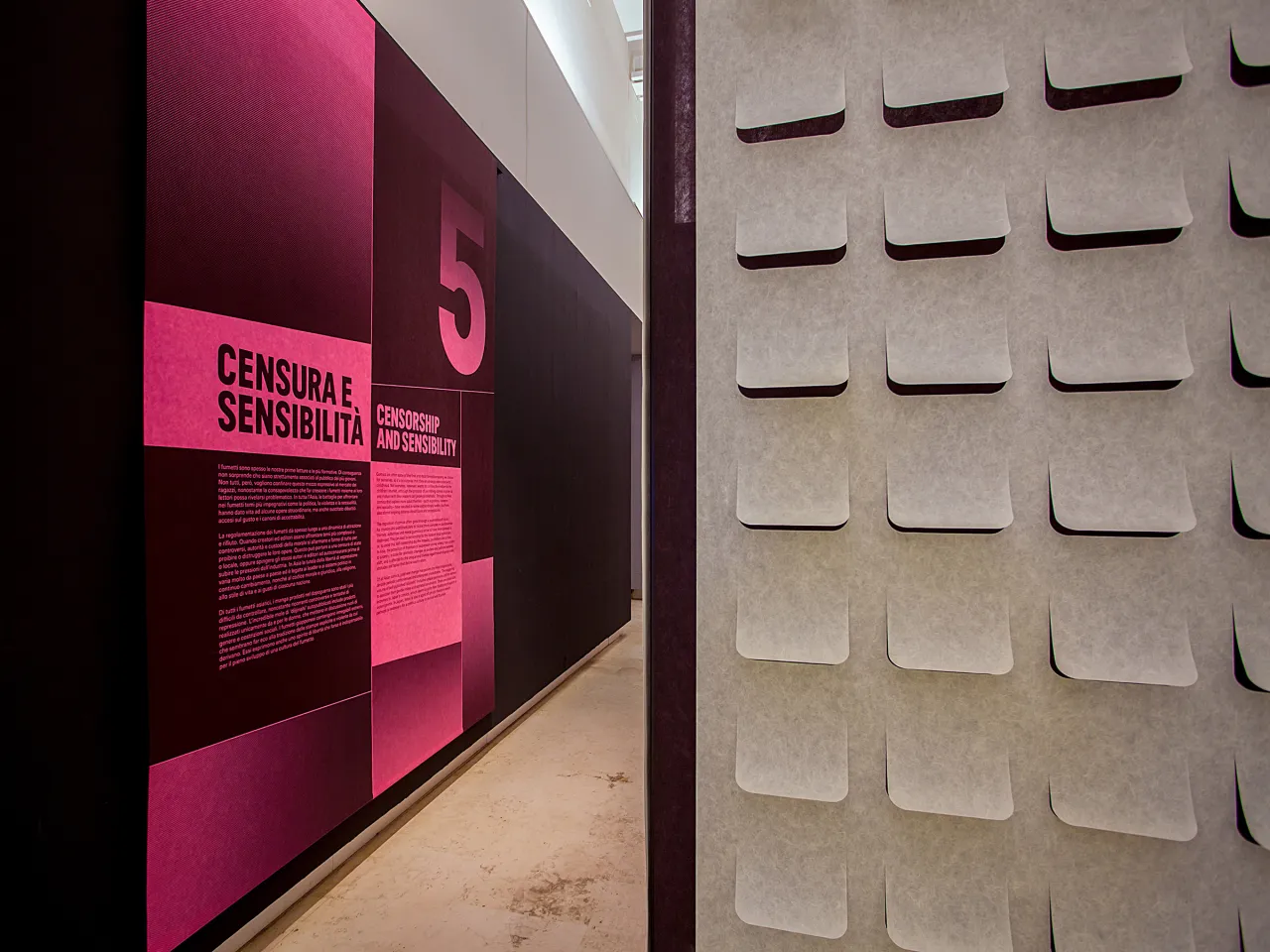
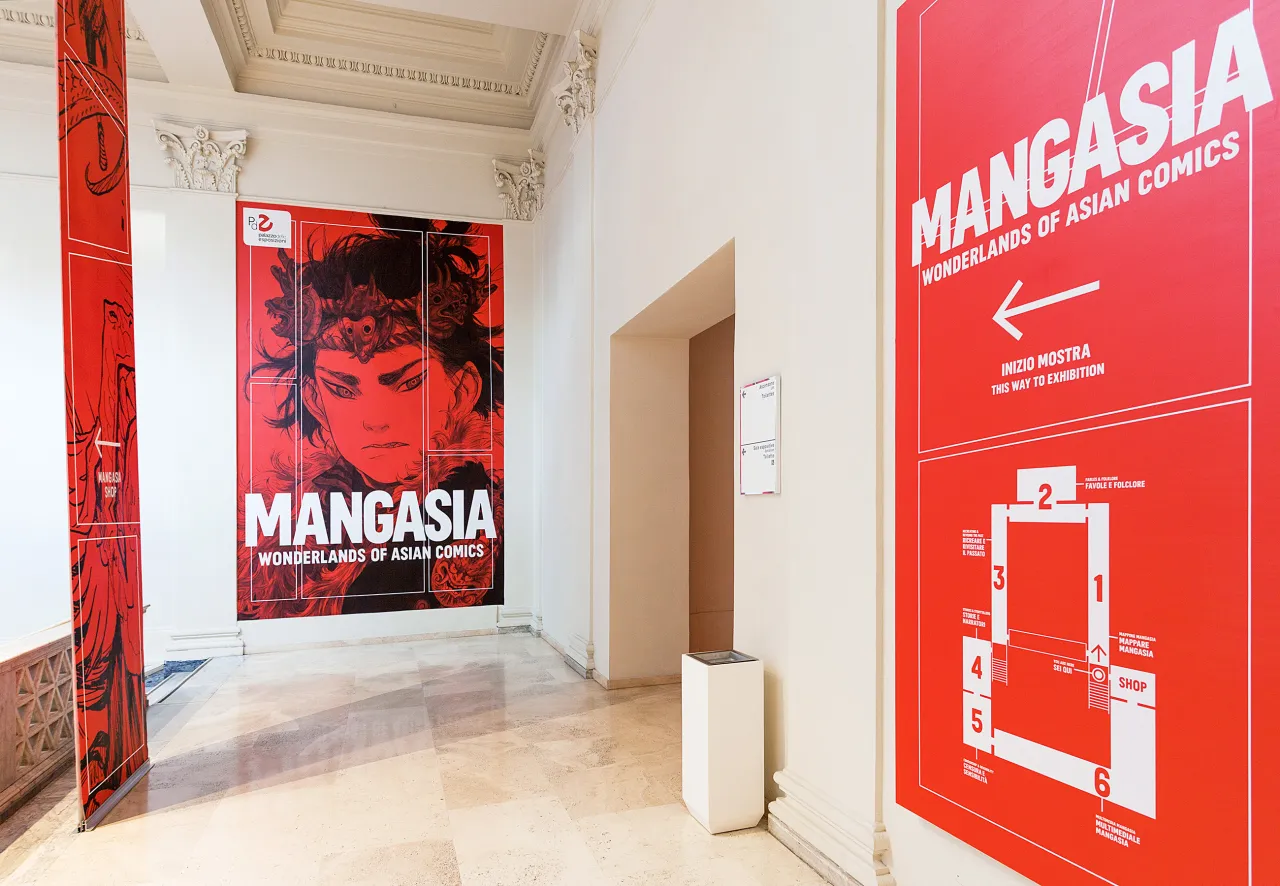
The graphic system that Marina Willer devised for the exhibition is inspired by the dynamic storytelling devices associated with Manga comics: the iconic storyboards, composed of panels that vary radically in angle, size and scale; and cinematic framing, achieved through a rapid alternation between long shots and close-ups, montages and scene changes.
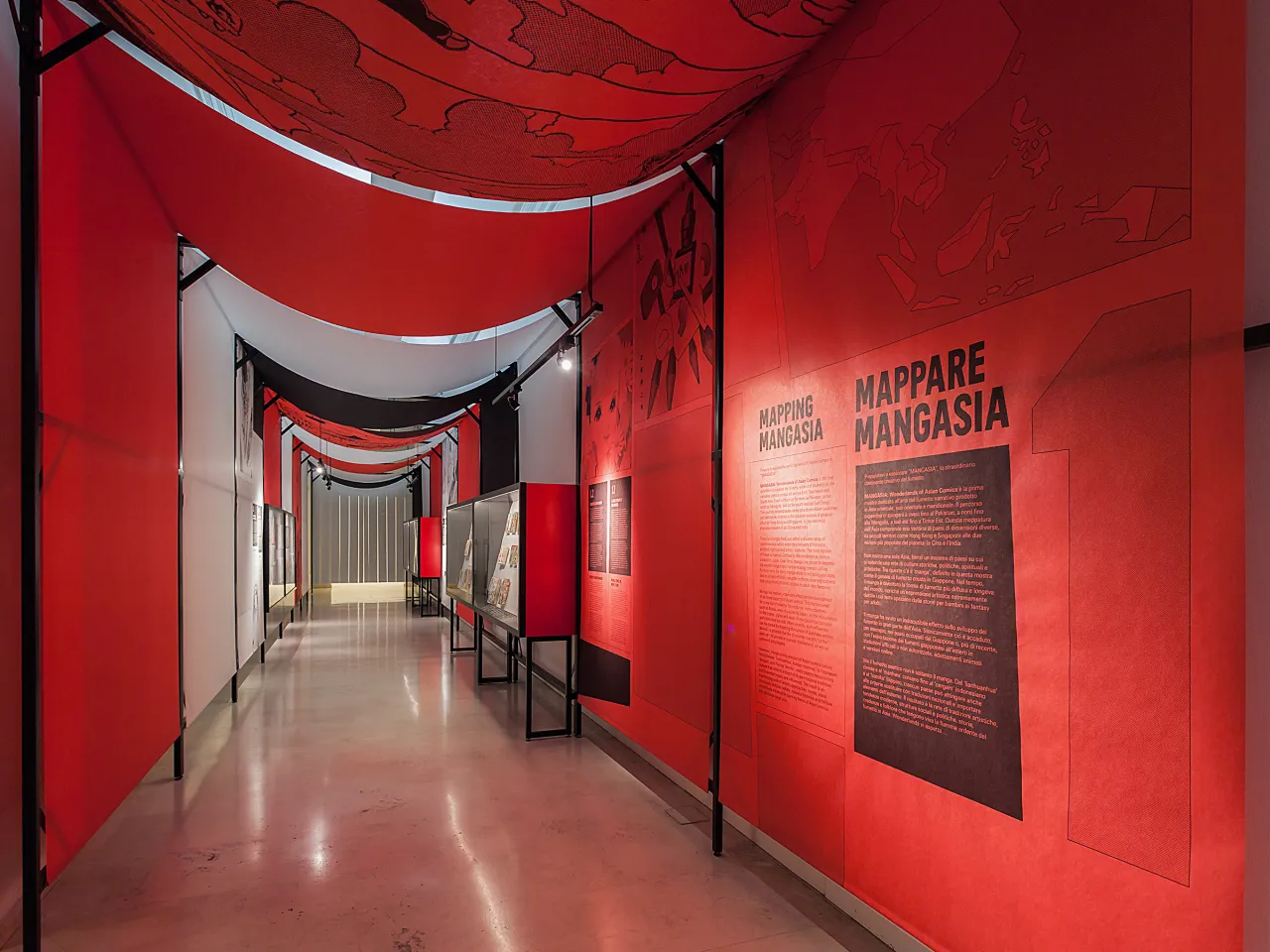
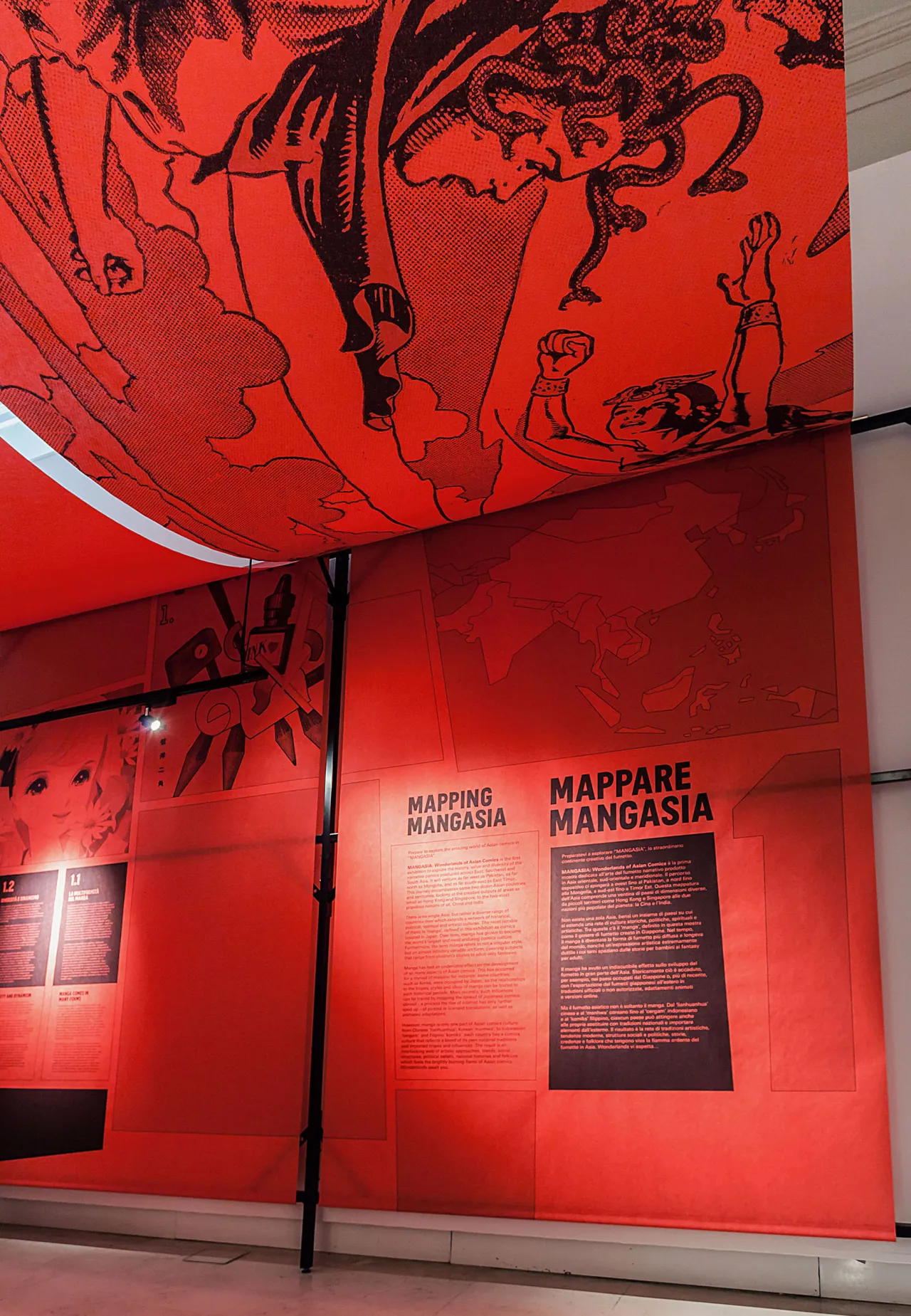
These devices heighten the illusion of moving images, guiding the reader across the terrain of the comic’s visuals and text. Willer's graphics provide the exhibition’s different sections with distinguishable identities – bringing to life the theme of each, as well as guiding visitors through the space.
The structure William Russell designed to house the travelling exhibition is constructed using a durable paper material, paying tribute to the region’s longstanding paper-craft tradition. Adorned with Willer's Manga-inspired supergraphics, the paper walls envelop visitors in an immersive comic book experience.
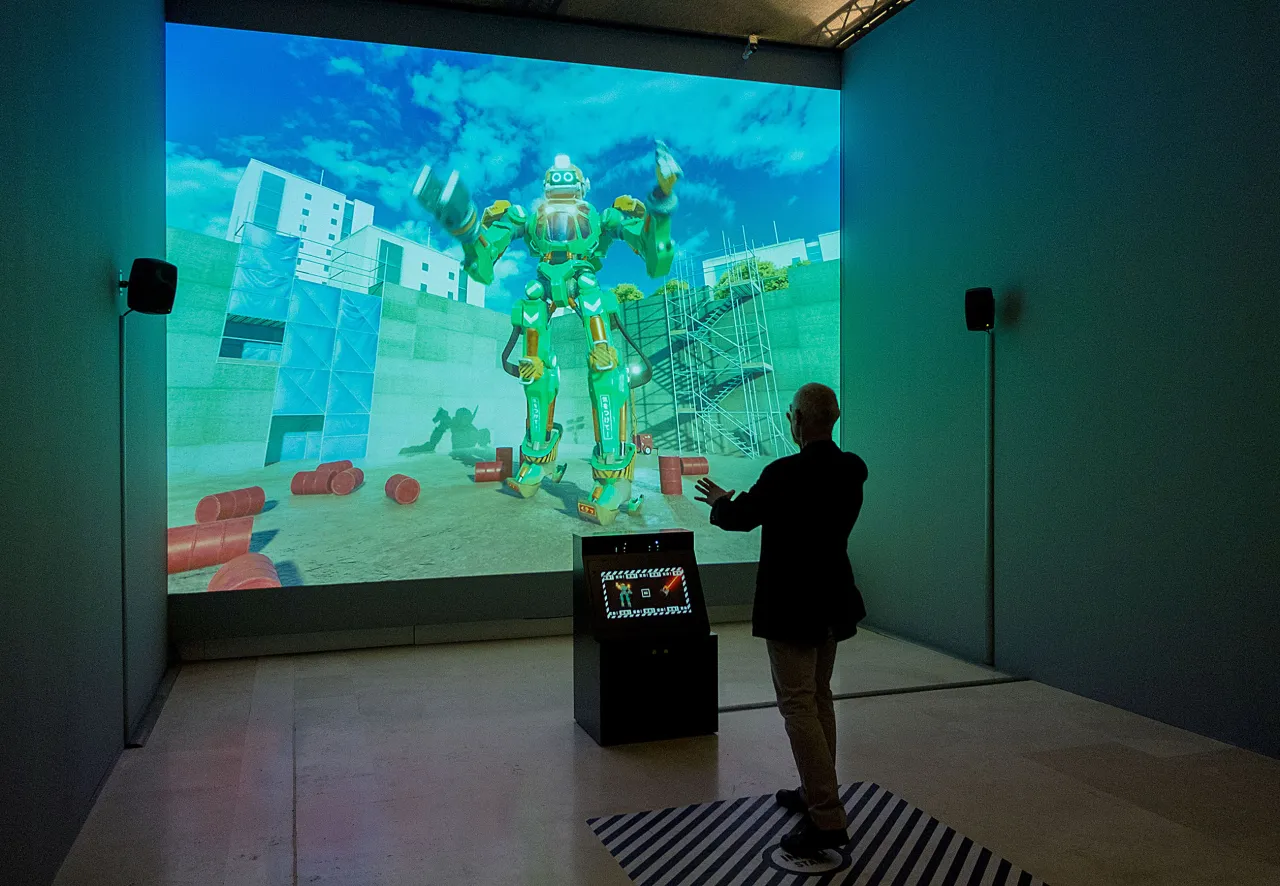
The Barbican also commissioned Jody Hudson-Powell and Luke Powell to create a special motion-controlled digital installation, in collaboration with venerated Mecha designer Kawamori Shoji. Imagining a not-so-distant future in which supersized robots are used for the construction of cities, the team created a building-sized robot named ‘Mechasobi’, Japanese for robot play.
Friendly and non-threatening at first glance, Mechasobi becomes chaotic and potentially lethal once control is turned over to the exhibition's visitors. A special Pentagram feature, The Making of Mechasobi, is coming soon.
All images courtesy of Pentagram
Editor's Picks

Trending



Latest Jobs
Graphic Designer at Crux Product Design
Full-time·Bristol·Up to £36k
Head of design at Cog Design
Full-time·London·£55K
Brand Copywriter at Origin
Full-time·Porthleven, Cornwall·£35k–£40k
Senior Front End Developer at Crown Creative
Full-time·Belfast·£50k–£60k
Senior Operations Manager at BIG Partnership
Full-time·Glasgow·£45k–£50k
Account Manager at BUILDHOLLYWOOD
Full-time·London·£34k–£38k