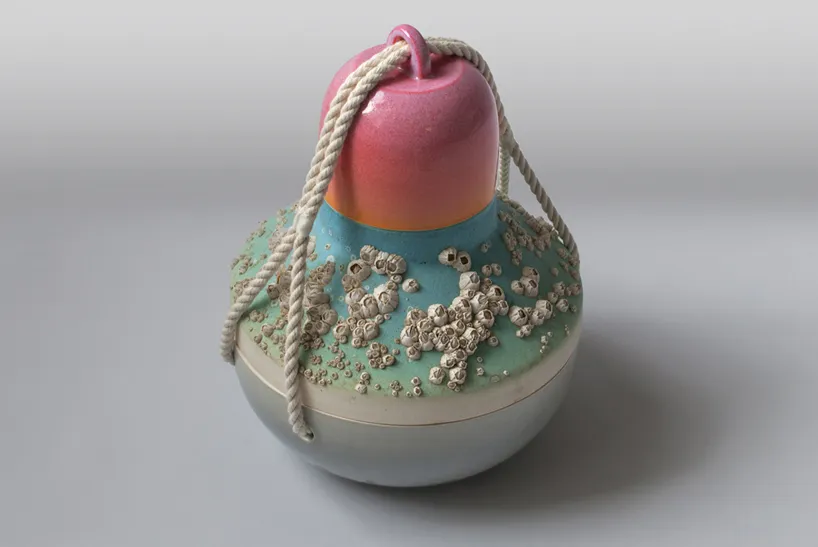
Beautifully crafted artworks that pay tribute to Roman vessels by Patricia Mato-Mora
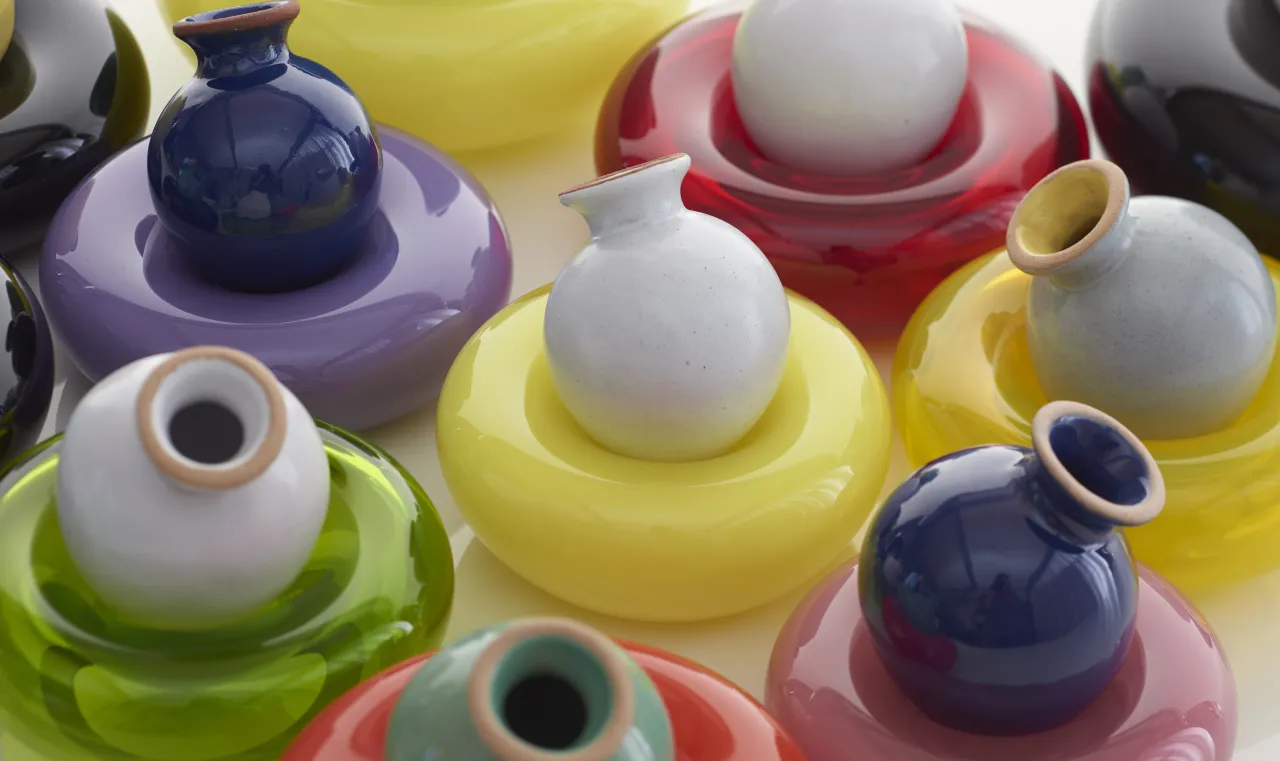
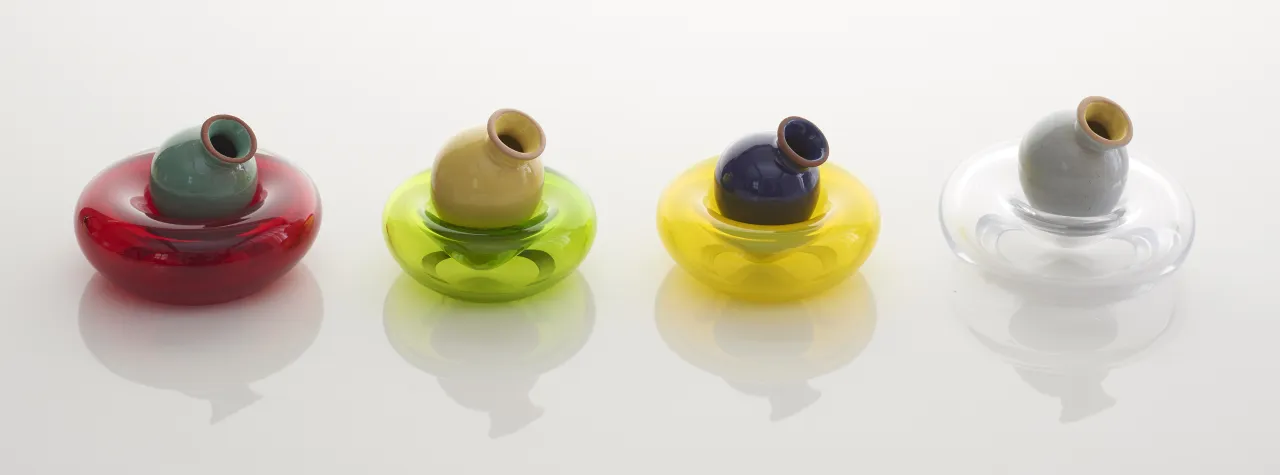
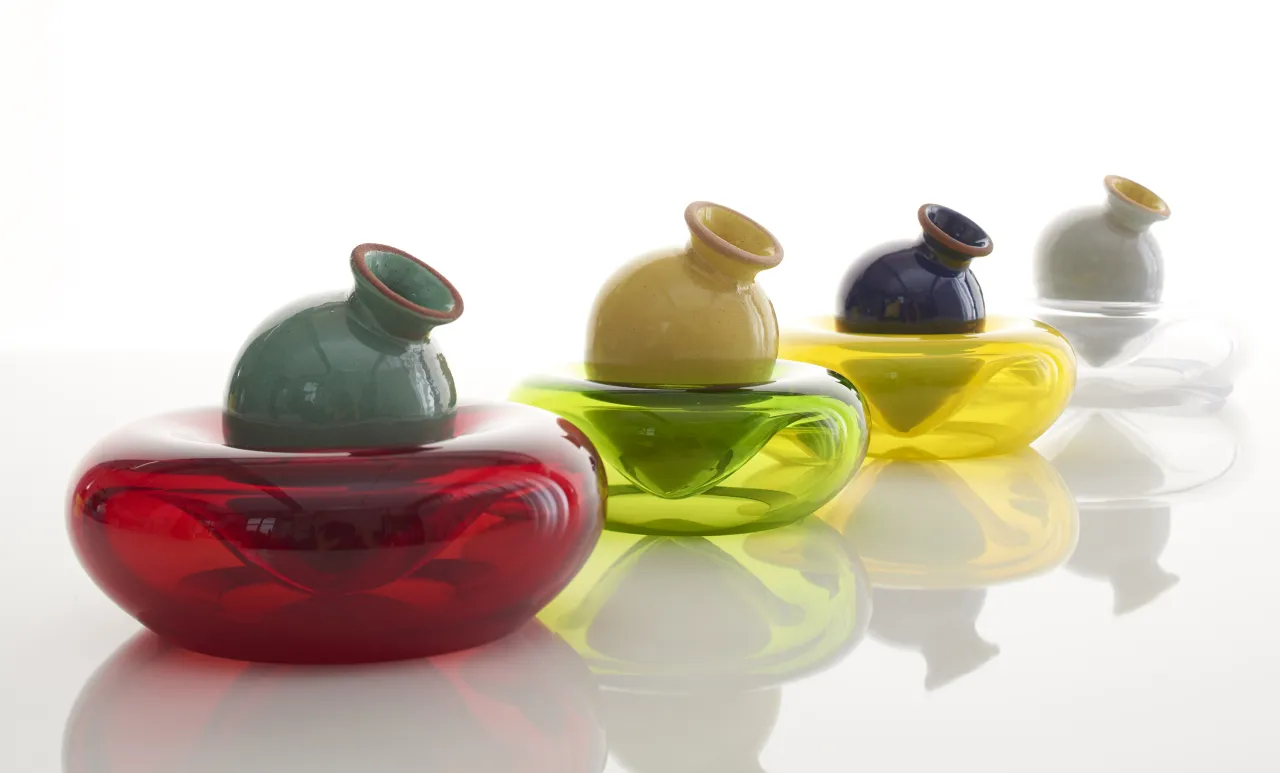
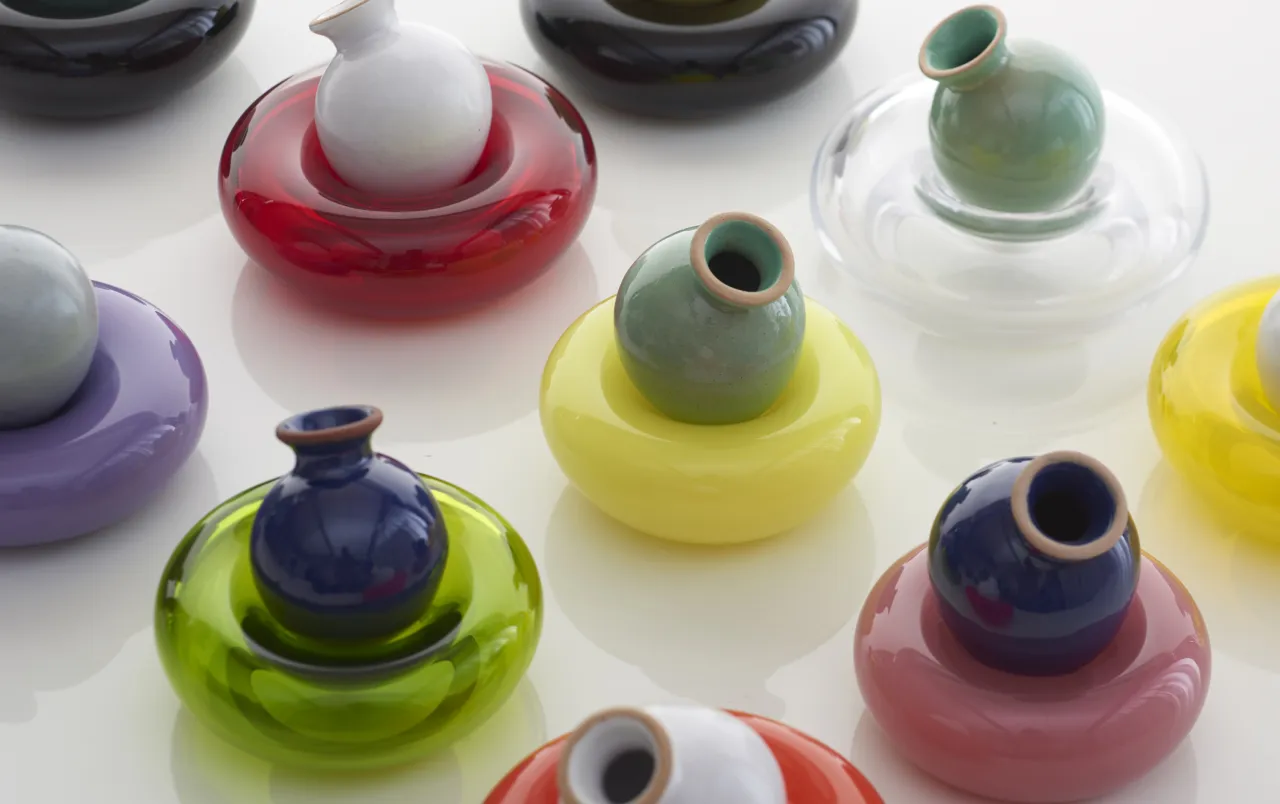
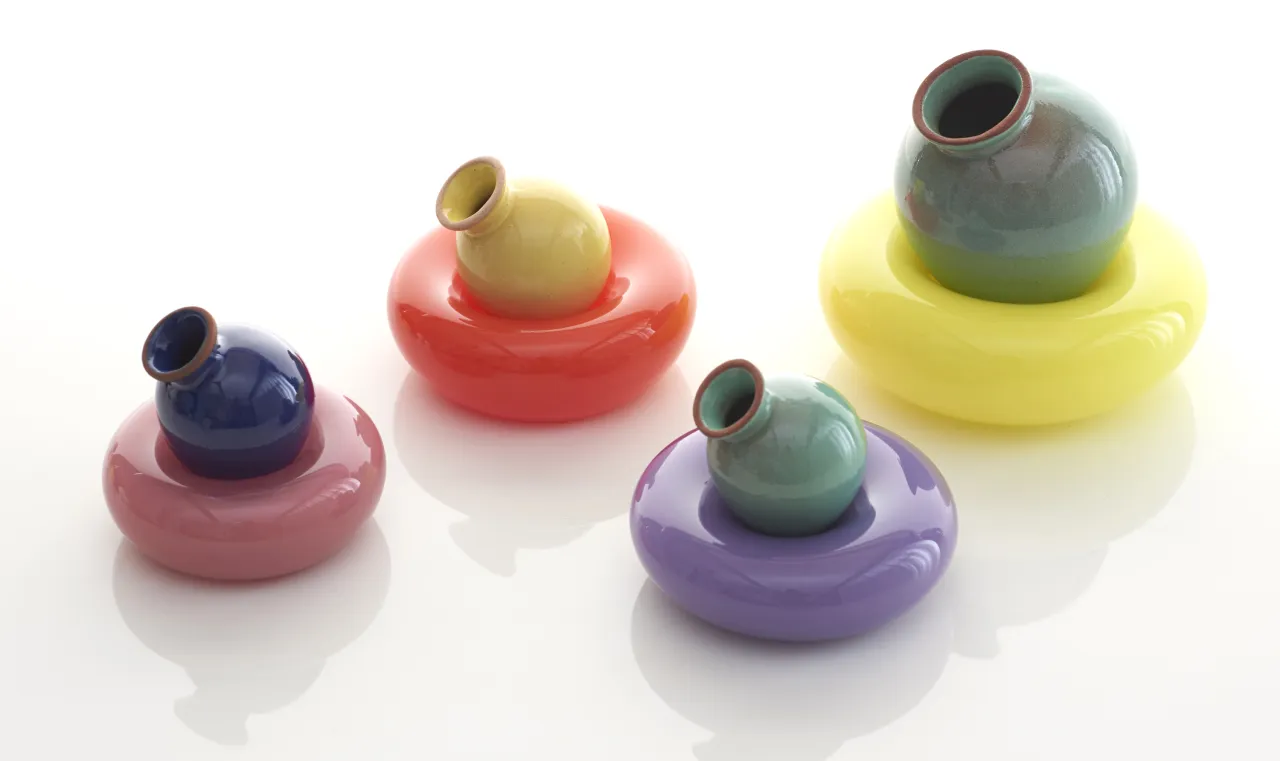
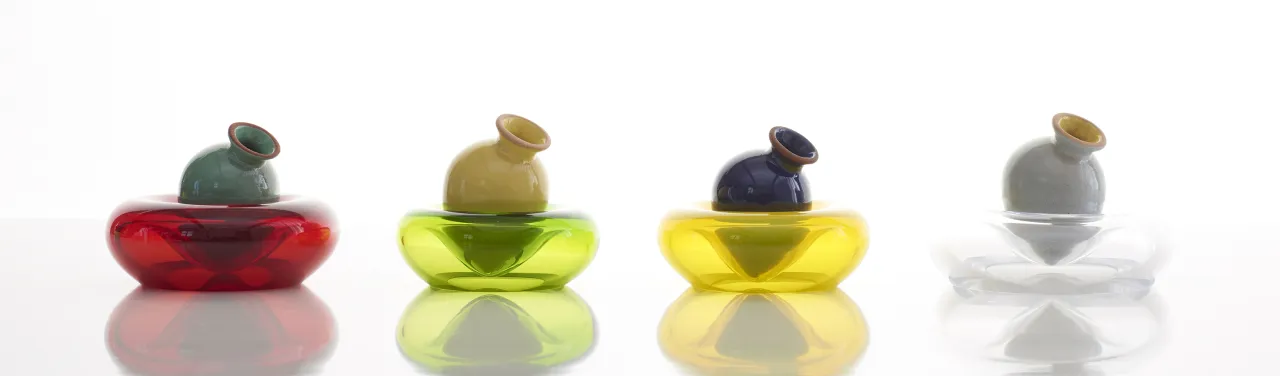
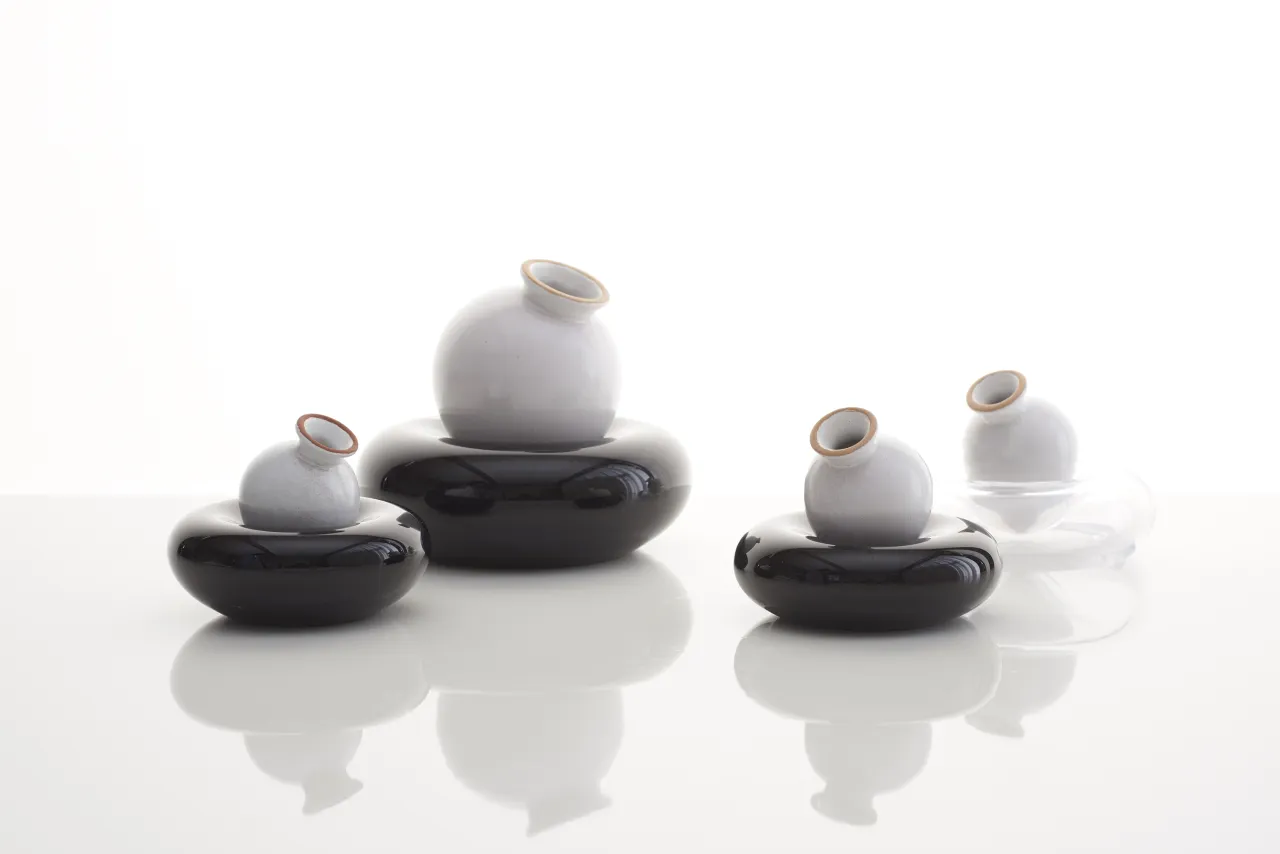
These stunning 'Amphorae' by Patricia Mato-Mora, a graduate at the Royal College of Art Ceramics & Glass, are a contemporary take on the Roman vessels of the same name, in which Ancient Romans transported commodities such as grain, salt and wine.
Cheap and disposable, their pointy bottoms allowed them to be stacked in racks inside the boats that sailed the Mediterranean Sea, and, it is speculated, to stand up on the beach upon arrival. In fact, the sandy seabed of the Mediterranean is full of them, as a result of numerous shipwrecks in one of the busiest nautical trade routes of Antiquity.
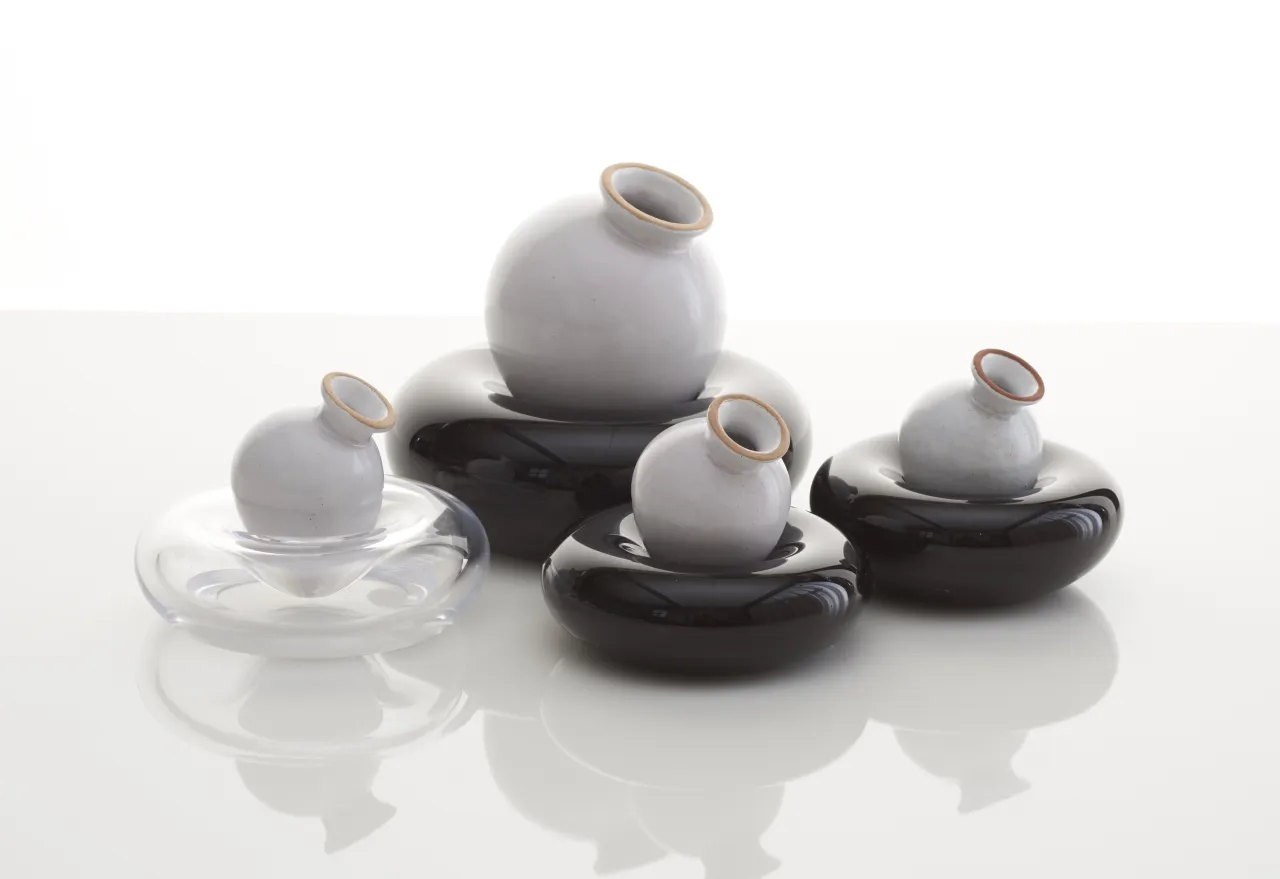
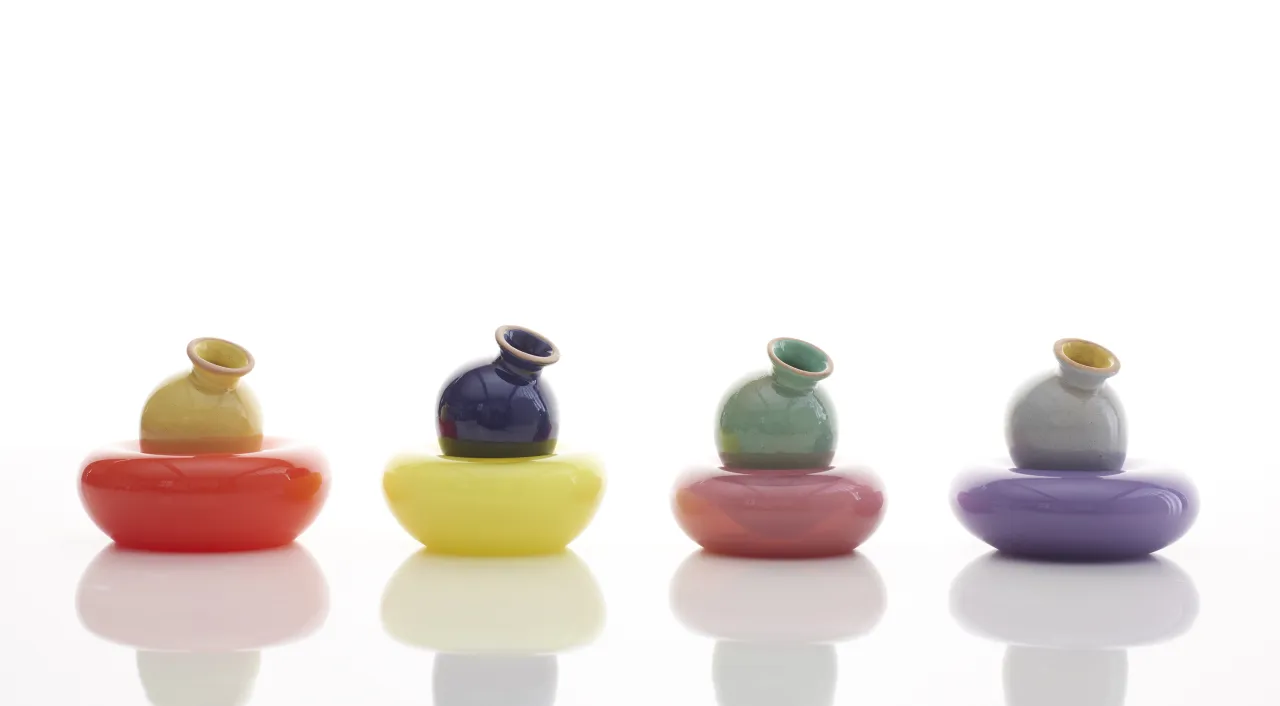
Patricia’s tin-glazed Amphorae are not resting on the beach, but in free-blown glass, forms made to fit the pointy vessels. In fact, it is man’s ingenuity that has been able to turn humble sand into colourful free-blown glass. In a way, these Amphorae are still resting on sand; this time a technological twist on the material.
Patricia explains: "The Mediterranean ceramic tradition has exploited the iron-rich red clays that can be found in the territories along its shoreline. Since time immemorial, these red clays have been placed at the bottom of the ceramic hierarchy. Porcelain has always been at the top of this scale, due to its whiteness and its assumed purity.
"Tin was the solution that Southern Europe found when it came to whitening its red, unworthy clay. A tradition inherited from the Middle East, maiolica glazes have tin oxide as one of their main ingredients. Tin oxide opacifies and whitens the glaze, giving terracotta the appearance of porcelain.
"The Amphorae are made of a particular hue of red terracotta developed by the studio to resemble low-fire Mediterranean red clays. They are glazed with maiolica glazes, adapted from various pre-existing glaze recipes by adding colourful glaze stains, to achieve an opaque chromatic palette."
In 2016, Patricia's Amphorae was highly commended by the Worshipful Company of Tin Plate Workers alias Wire Workers of the City of London, for its innovative use of tin. Discover more of her beautiful work at www.pmatomora.net.
Editor's Picks




Trending




Latest Jobs
Account Director at How&How
Full-time·London·£73k-£79k
Agent & Producer at The Jacky Winter Group
Full-time·London·£35k–£40k
Client Director at Koto
Full-time·Berlin·€70k-€85k
Design Director at Human After All
Full-time·London·£66k–£88k
Art Director at The New York Times
Full-time·New York·$120k–$130k
Senior Operations Manager at BIG Partnership
Full-time·Glasgow·£45k–£50k






 | All images © Arthur Evans for the Tang Museum except where indicated in the caption](https://media.creativeboom.com/f15224d1-2d0f-4bcb-adc0-d5d7f0797d86/conversions/e1739df3b577efbecf030ef64ff513264a6b4e77-medium.webp)