The messy middle: Tyler Eide on the hardest part of growing up as a founder
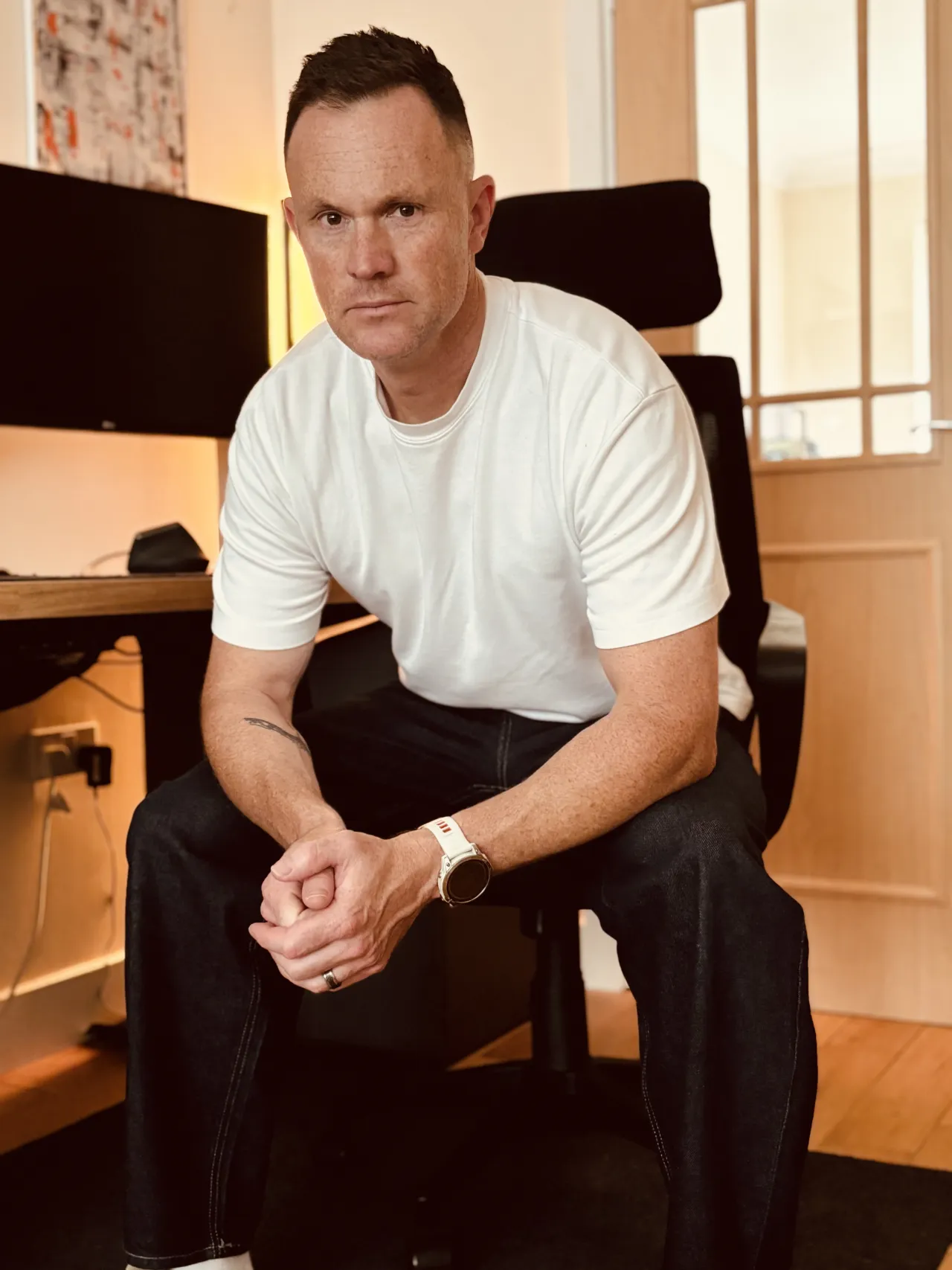
Studios often start with the best intentions, but as they grow, those foundations can start to blur. In this insightful piece, Tyler Eide reflects on the messy middle of building Seattle-based brand development studio Parker, and why learning to introduce structure isn’t about losing culture, but protecting it.
When I started , my intention was one that many founders can probably relate to. I wanted to build a design studio I always wanted to work at.
In the early days, leadership wasn’t something I had defined. I was just feeling my way through it. The studio started informally, built around friendships and shared history. We all believed that work could feel different to what we’d experienced elsewhere. There were no real structures or expectations in place. I brought people in one by one—friends, collaborators, people I trusted—and we figured it out together.
It worked because it was personal. We cared about the work, but we also cared about each other. The culture then naturally formed around the group in the room. I leaned into that, because I wanted the studio to feel open and collaborative, because we all shared that desire to make something interesting. It wasn’t a traditional workplace, but somewhere that people could do their best work without the usual constraints.
For a while, that was enough. It was the baseline I kept trying to return to, even as the studio grew and the reality of running a business started to shift.
The shift
The turning point came during Covid, which I’m sure many other founders can relate to. Almost overnight, everything that had felt stable became uncertain. I went from building something I believed in to trying to protect it at all costs. A lot of my decisions from that point on were driven by fear.
As people left and the studio quietened down, I found myself trying to recreate what had worked before. I hired from within my network again, hoping that rebuilding the same dynamic would bring back the same sense of ease and joy.
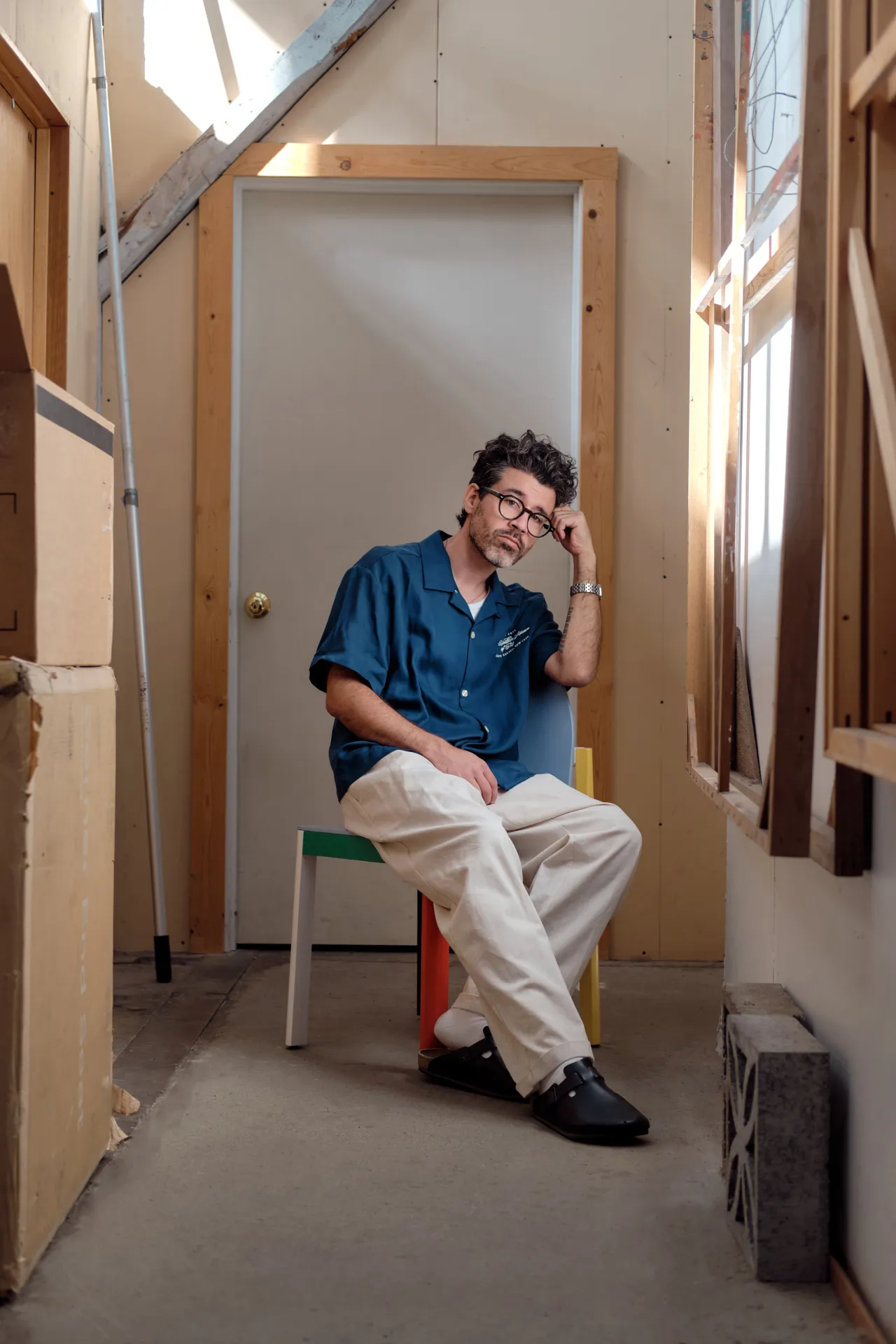
On the surface, it looked like things were working, as the team was growing and projects were coming in, but internally, something had shifted. I was holding onto an old version of the business while operating in a completely different reality.
What I didn’t realise at the time was how much that tension was shaping my leadership. I was trying to keep everyone happy, trying to recreate a culture that no longer matched the stakes, and also carrying the pressure of making it all work. That’s when things started to blur. Expectations weren’t clear and boundaries weren’t defined. Decisions were often driven more by instinct than intention. From my perspective, I was protecting the culture. In reality, I was creating confusion.
Good intentions, unclear expectations
One thing that always felt true to me was that I cared about the people in the studio as individuals first, and employees second. I wanted people to feel supported, trusted, and unburdened by the usual pressures of work, so I tried to create an environment that felt generous and human; where people felt looked after, not managed. Unfortunately, that meant when I did try to manage, it fell flat and felt forced in contrast. In the absence of clear expectations and structures (in work and in our working relationships), there was just too much ambiguity.
Acts that felt natural to me, like flexibility, gestures of goodwill, and informal ways of working, didn’t always translate clearly on the other side. It became harder for some people to understand what was expected of them, how they were performing, or where they stood.
At the same time, I found it increasingly difficult to step into a more formal leadership role. Giving direct feedback felt more personal and setting expectations felt heavier. I defaulted to familiarity, humour, and shared experience, because that had worked before, even though the studio had outgrown that model. In trying to protect the culture, I avoided introducing the structure it needed.
Looking back, that’s where the real tension sat. Intentions were good, but lack of clarity was the problem.
Structure isn’t the enemy
It was a piece of feedback from a teammate that brought everything into focus. Someone suggested we needed to start treating each other more like employees, even if we were friends. Not in a cold or corporate sense, but in a way that created clearer expectations around how we worked together.
What I began to understand is that structure isn’t the thing that breaks culture, but the thing that allows it to scale. Without it, the studio had started to drift. Productivity dipped, expectations blurred, and the environment became less effective for the people in it.
At the same time, external pressures were building. Costs were rising, revenue was becoming less predictable, and the margin for error was shrinking. Trying to hold onto two past versions of the business—the early cultural dynamic and a more stable financial period—was no longer realistic.
The studio had changed. I just hadn’t changed with it quickly enough.
Letting go of the past
For a long time, I was reacting to the business rather than building it. Every decision was tied to what had just happened, whether it was someone leaving, a project falling through, or a gap that needed filling. I relied on instinct and familiarity, often bringing in people I already knew because it felt faster and safer. It just wasn’t sustainable.
What became clear over time is that I operated more effectively when I created a degree of separation between personal relationships and professional responsibility. Not distance in a negative sense, but clarity, understanding where my role as a founder began and where it needed to hold.
The shift happened gradually, as the team changed and new people came in without the same shared history, but without systems to support it, it remained inconsistent.
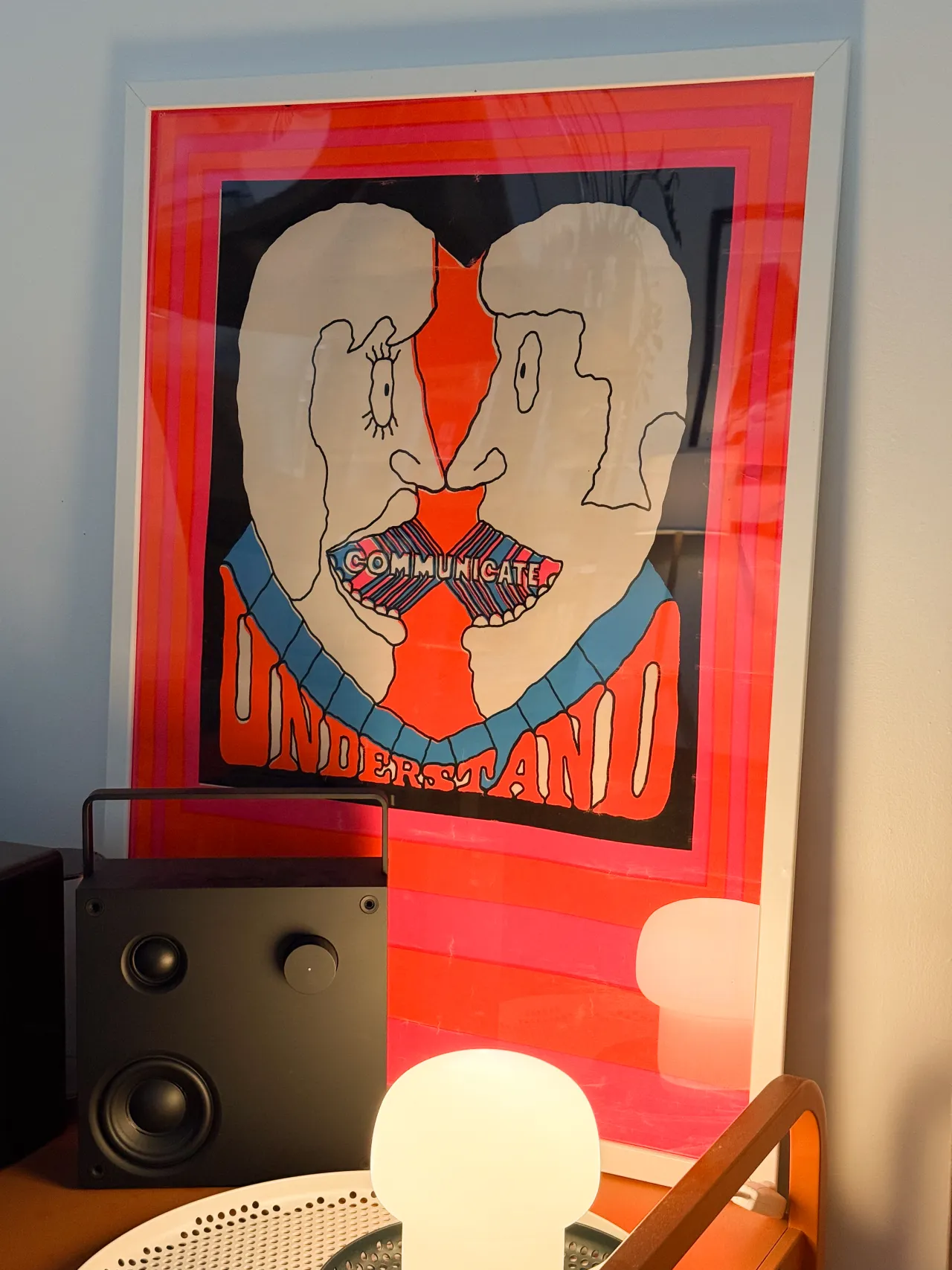
Eventually, it was clear that a more fundamental change was needed. I moved away from a fixed, studio-based team and rebuilt the business around a more flexible model: a smaller core, supported by a wider network of collaborators. It reduced overhead, removed unnecessary pressure, and allowed the work to dictate the team, rather than the other way around.
More importantly, it changed how I lead. I’m less focused on managing day-to-day dynamics, and more focused on creating the conditions for good work to happen. Bringing the right people in, setting clearer expectations, and making decisions with a longer-term view.
One of the biggest shifts has been recognising the need for support. Running a small studio can be isolating, and for a long time I put a lot of pressure on myself to have the answers, and consequently made decisions in that isolation. Bringing in external perspective through coaching and operational support has helped create a more consistent and considered way of working.
Now, the culture isn’t something I’m trying to recreate. It’s something I’m building with more structure, and a better understanding of what people actually need to do their best work.
A more honest version of leadership
What this experience has made clear is that growth changes the job. What works in the early days doesn’t always scale in the way you expect it to. Holding onto it too tightly can create more friction than it removes.
Clear expectations, defined roles, and consistent structure aren’t at odds with a good culture. They’re what allow it to exist beyond a small group of people who already understand each other. That’s been the biggest shift for me. Moving from trying to protect what the studio was, to building what it needs to become.
Today, Parker is growing into its next chapter. It’s shaped by everything that’s come before it, and everything I’ve learned along the way, but it’s even more defined by what we’re building now. With exciting new work, incredibly talented people and a shared vision for what comes next, I feel clearer than ever about the kind of studio we’re creating and I’m glad for the opportunity to keep building Parker into what it needs to become.
Editor's Picks


Trending


Latest Jobs
Account Manager at BUILDHOLLYWOOD
Full-time·London·£34k–£38k
Graphic & Motion Designer at The SHARP Agency
Full-time·Leeds·£26k–£33k
Agent & Producer at The Jacky Winter Group
Full-time·London·£35k–£40k
Brand Strategist at DNCO
Full-time·London·£45k-£60k
Senior Designer at Jubba
Full-time·London·£50k-£60k
Art Director at The New York Times
Full-time·New York·$120k–$130k