What obsolete computer punch cards reveal about the history of information design in today's era of unseen data
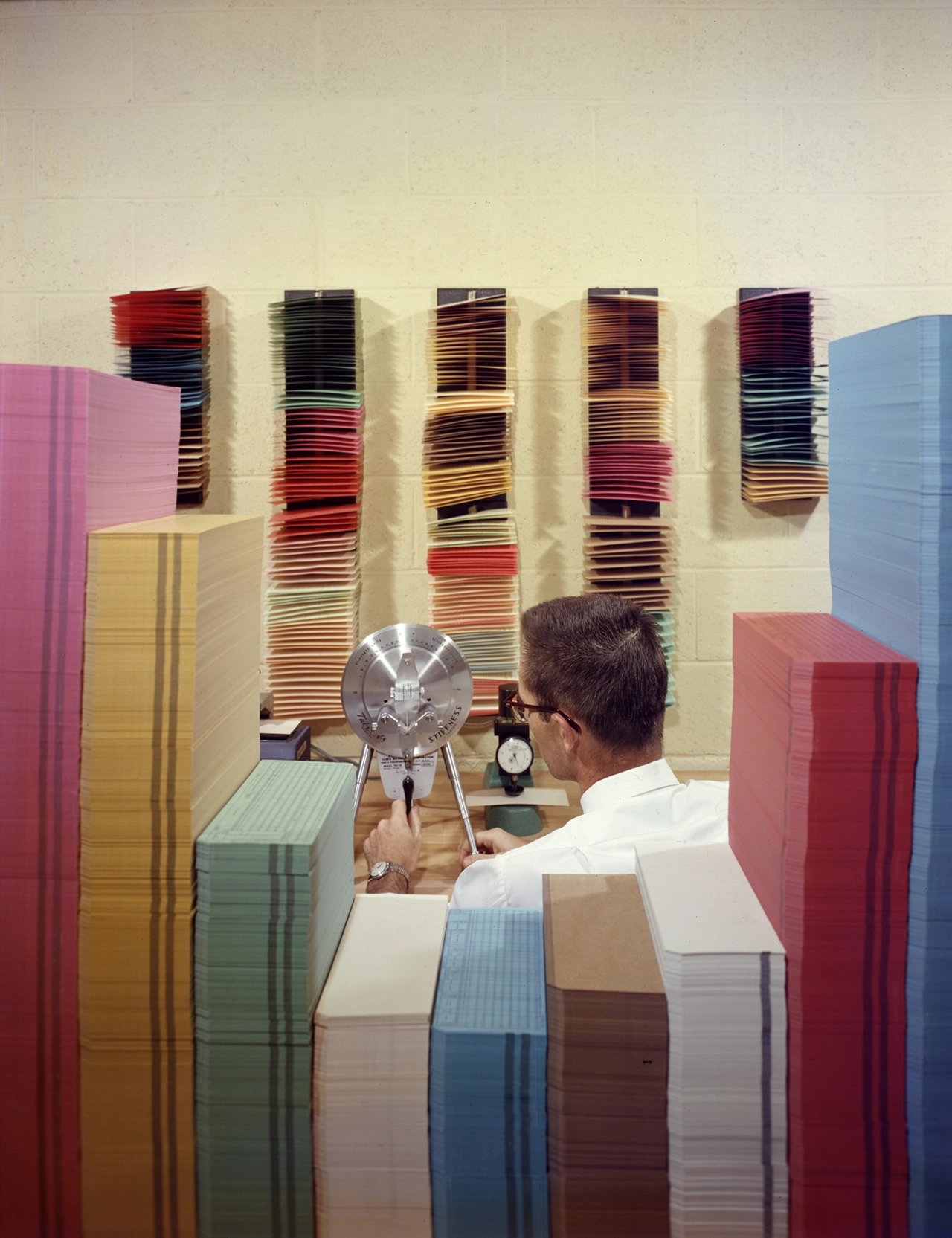
While we now see data as something almost metaphysical – based in unseen clouds or faraway, seen-but-not discussed servers, it used to be far more obvious to the naked eye. As designer and publisher Patrick Fry puts it, "Data used to be physical".
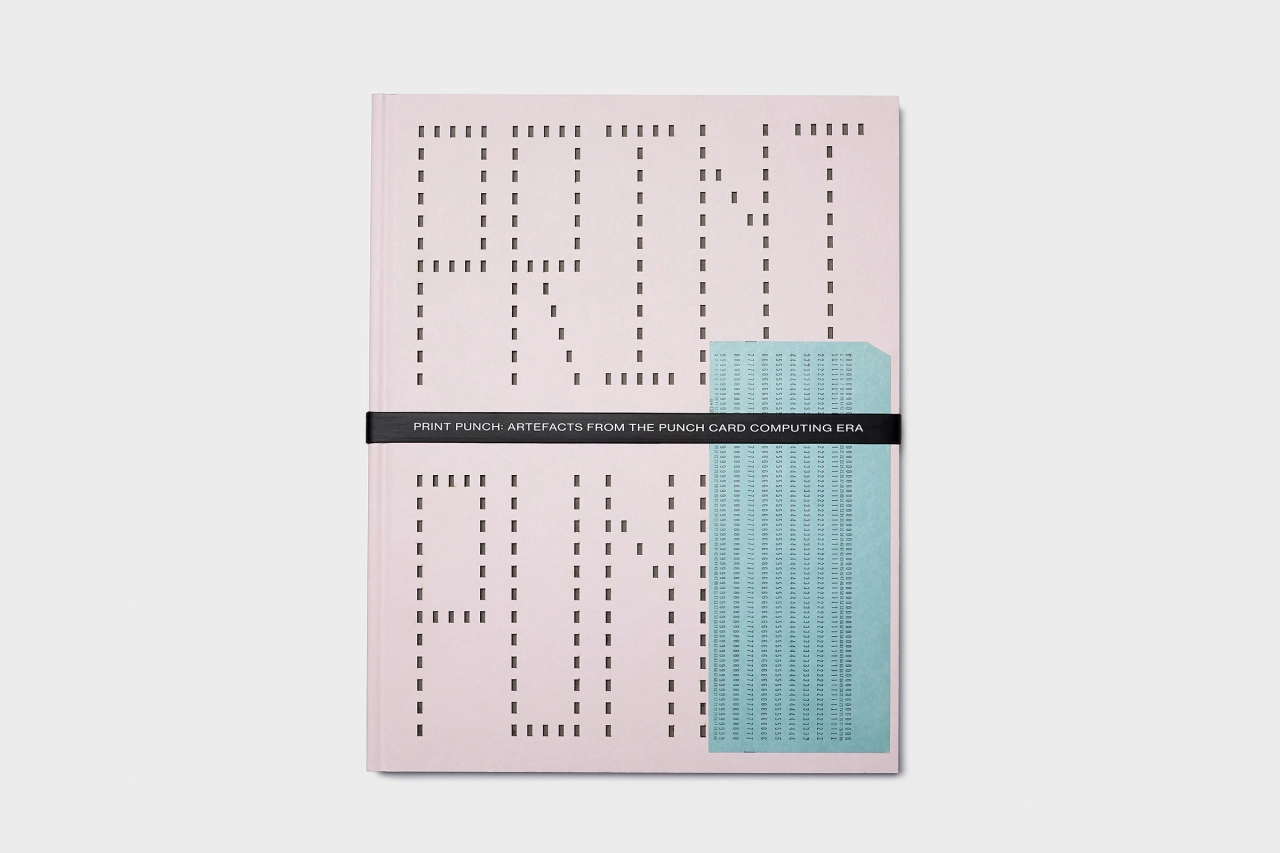
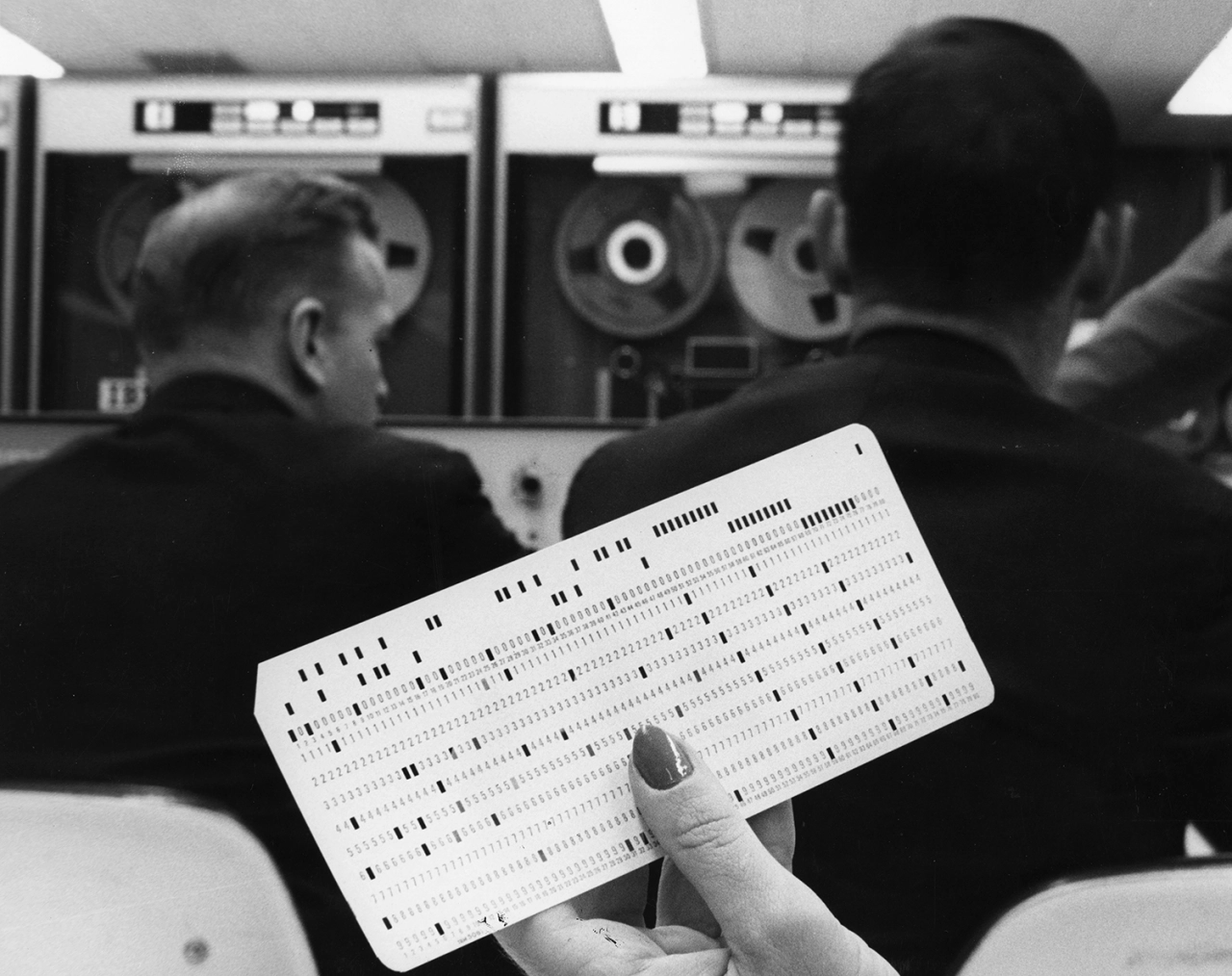
His new book, Print Punch: Artefacts From The Punch Card Era, drives this point home in beautiful imagery and striking, considered editorial design by exploring the time of the computer punch card. "In an era when 1s and 0s seem to hover above our heads, Print Punch returns to the heyday of the punch card—to a time when you could touch (and punch) data," he adds.
"The aesthetics of this early move towards automation represent a unique moment in our history when we designed for machines instead of human beings. Rigorous constraints, inherent in punch card technology, unwittingly birthed a coherent design language: rhythm in grids, punched absences and presences, and the patterns in them dancing to their own machine logic."
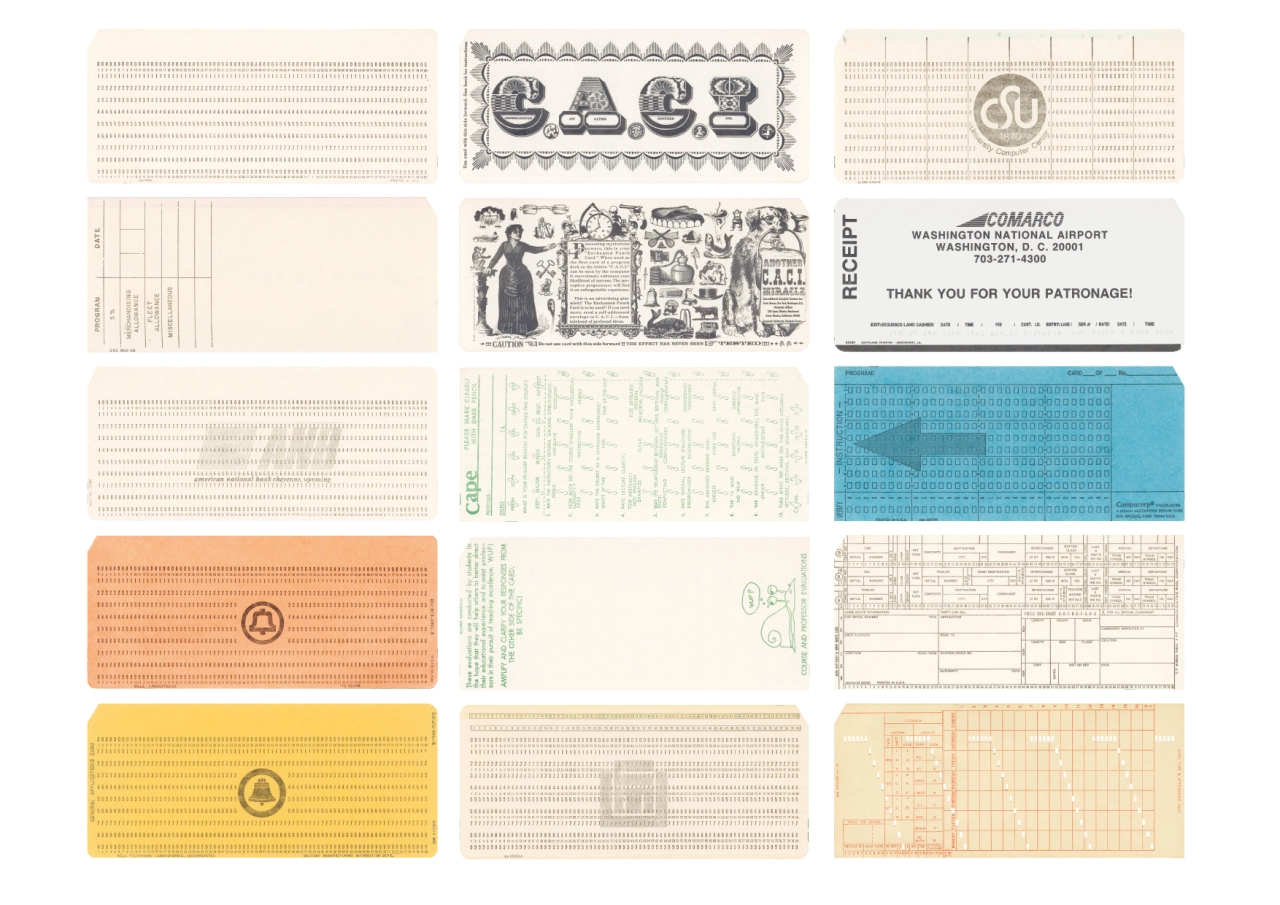
The now-obsolete punch cards were used from the 1890s until the late 1970s as the primary method of data storage and processing. Now, they’re nothing but fascinating relics of a time long gone. More than 220 punch cards are featured in this new tome, which is case bound and features a fitting laser cut cover. "The laser-cut case bound cover is a take on the more playful side of punch card use,” Fry explains. “Many of the collectors we worked with while amassing the content had examples of the use of cards to spell words, in a use far from their intended function."
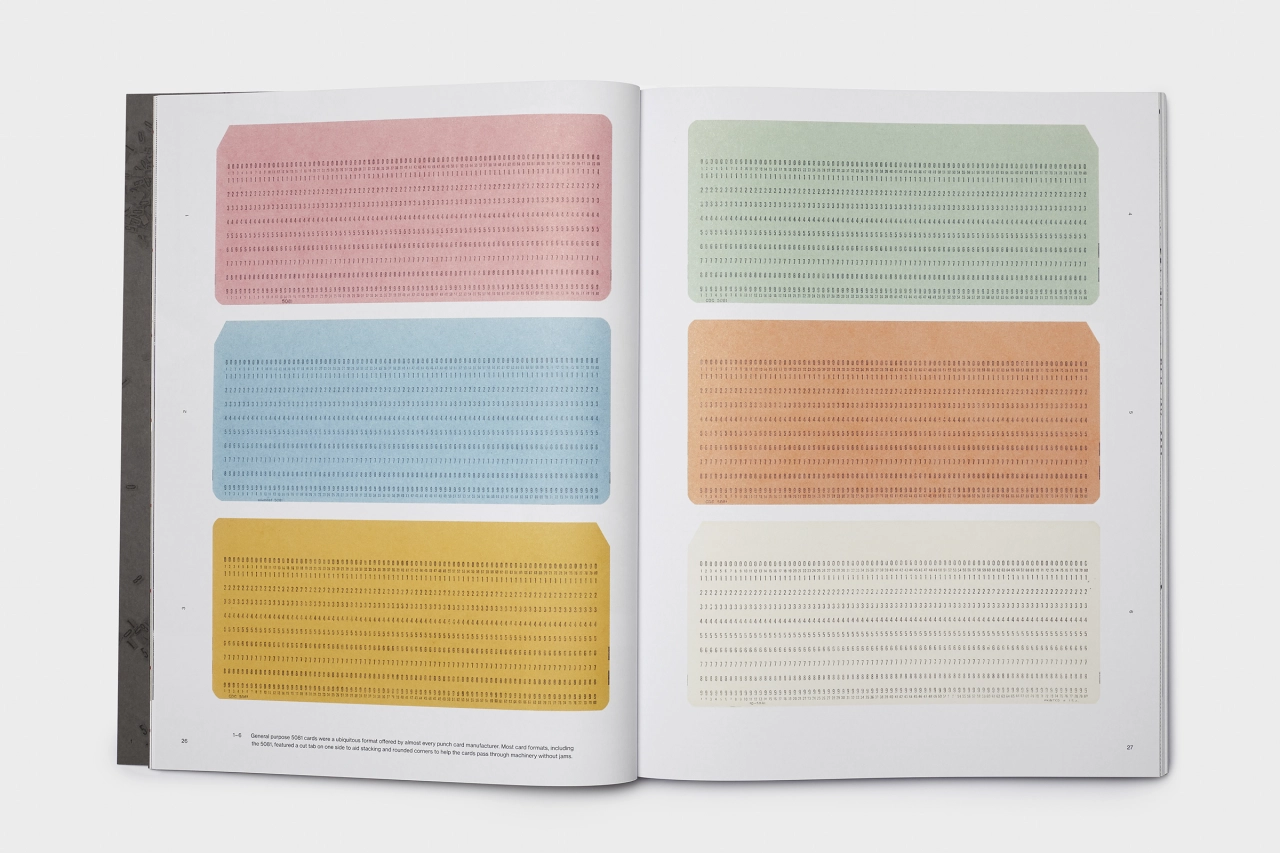
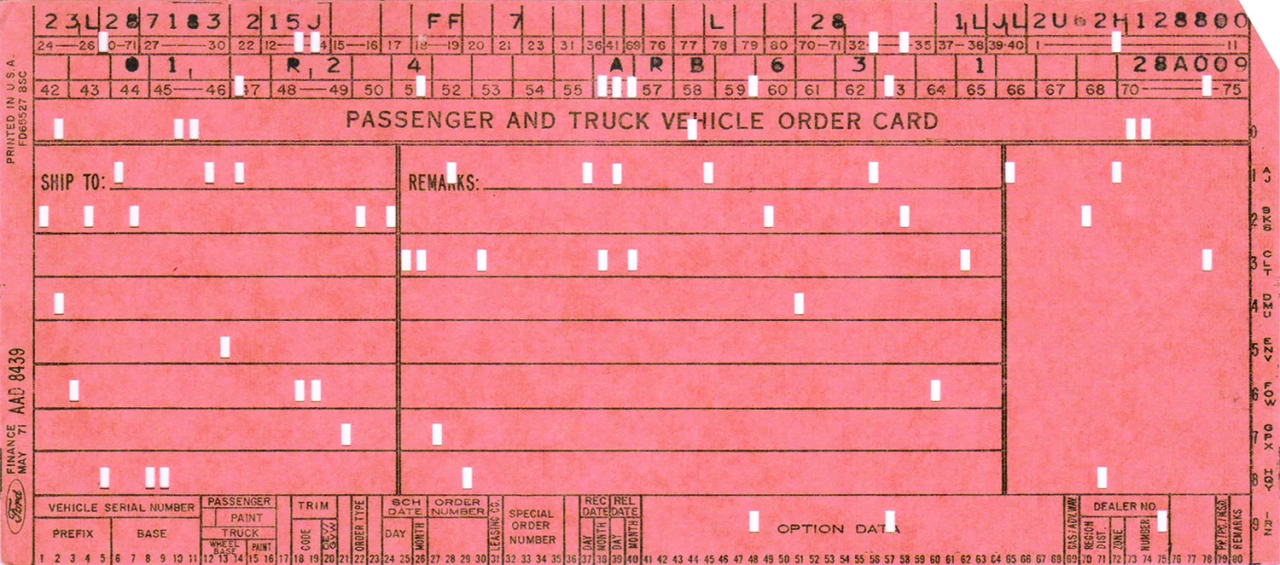
The book design was similarly driven by its content, with an intentionally "default" look created by setting all text in Neue Haas Grotesk "with very little hierarchy and a structured numbering system for the cards which gives the book an air of the disciplined world of data organisation," says Fry.
The idea for the book came about who Fry was researching pre-computerisation library book cards. "I love the way they tell the story of any given book's life," he says. "Some of these circulation cards were punched, this led me down a long long journey into the history of punching data into cards. I was shocked to discover how important and ubiquitous punched cards are and yet so few people know they ever existed. I think it was the first shots I saw of people holding punched cards that got me thinking these are so unique in the history of computing – a truly tangible piece of code in a world that we now associate with the intangible."
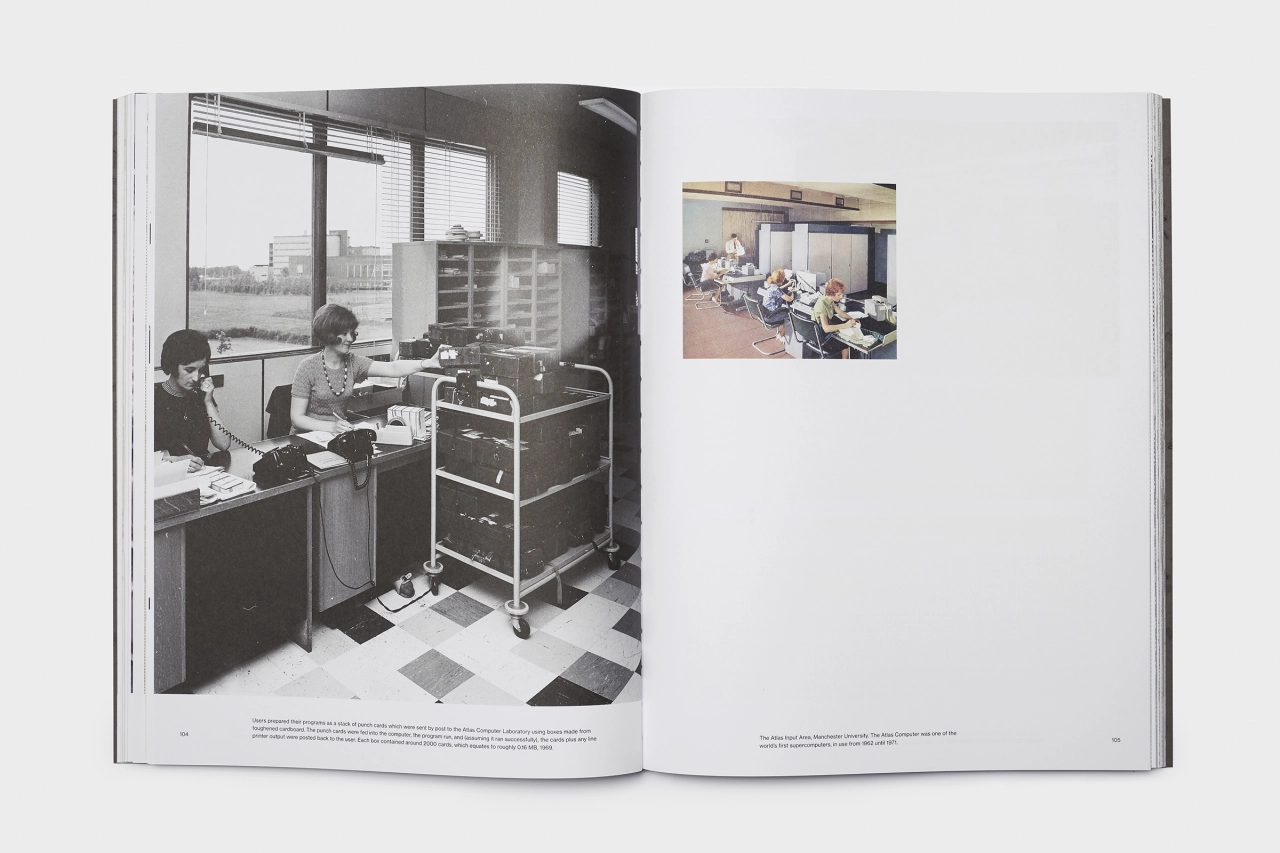
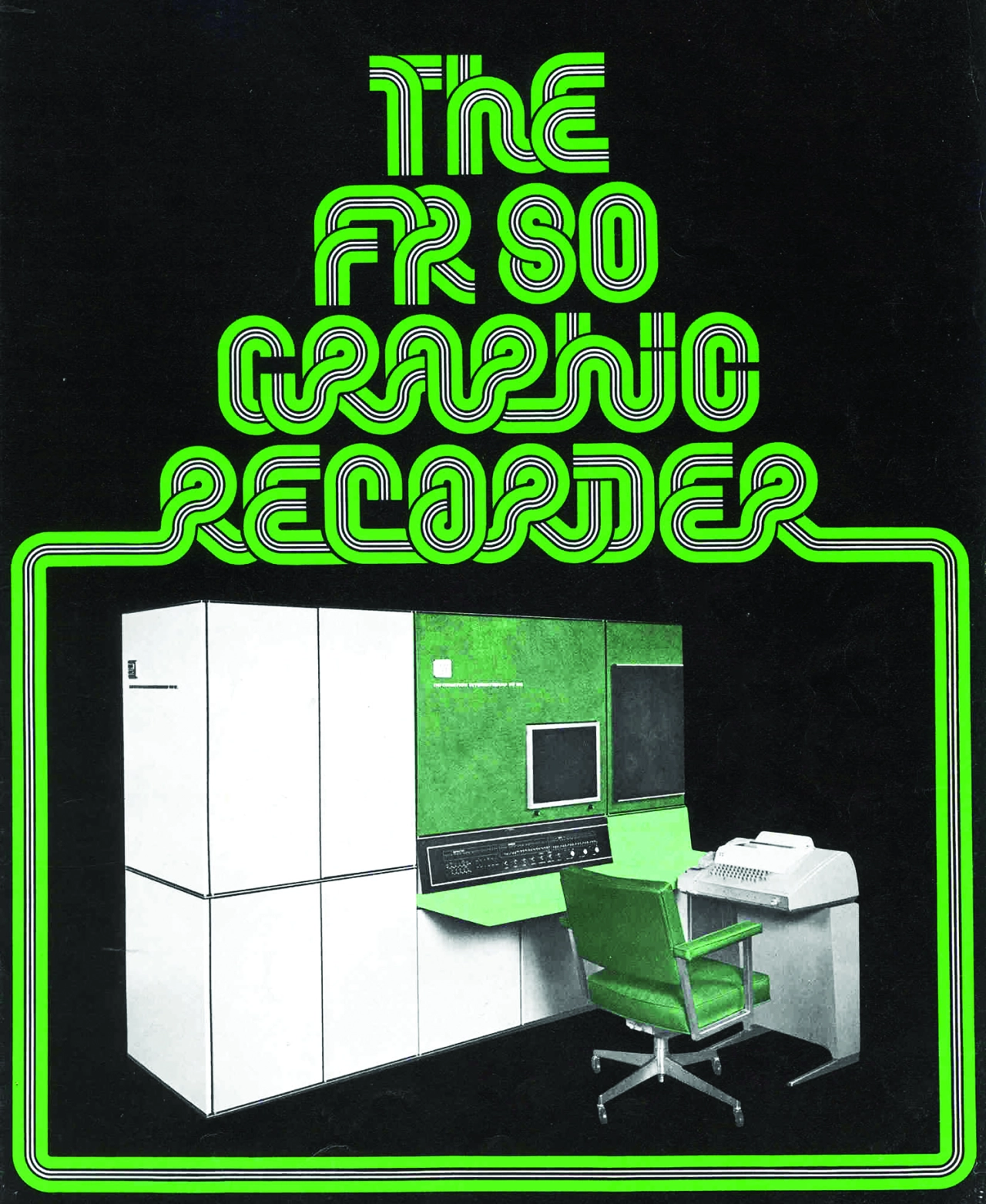
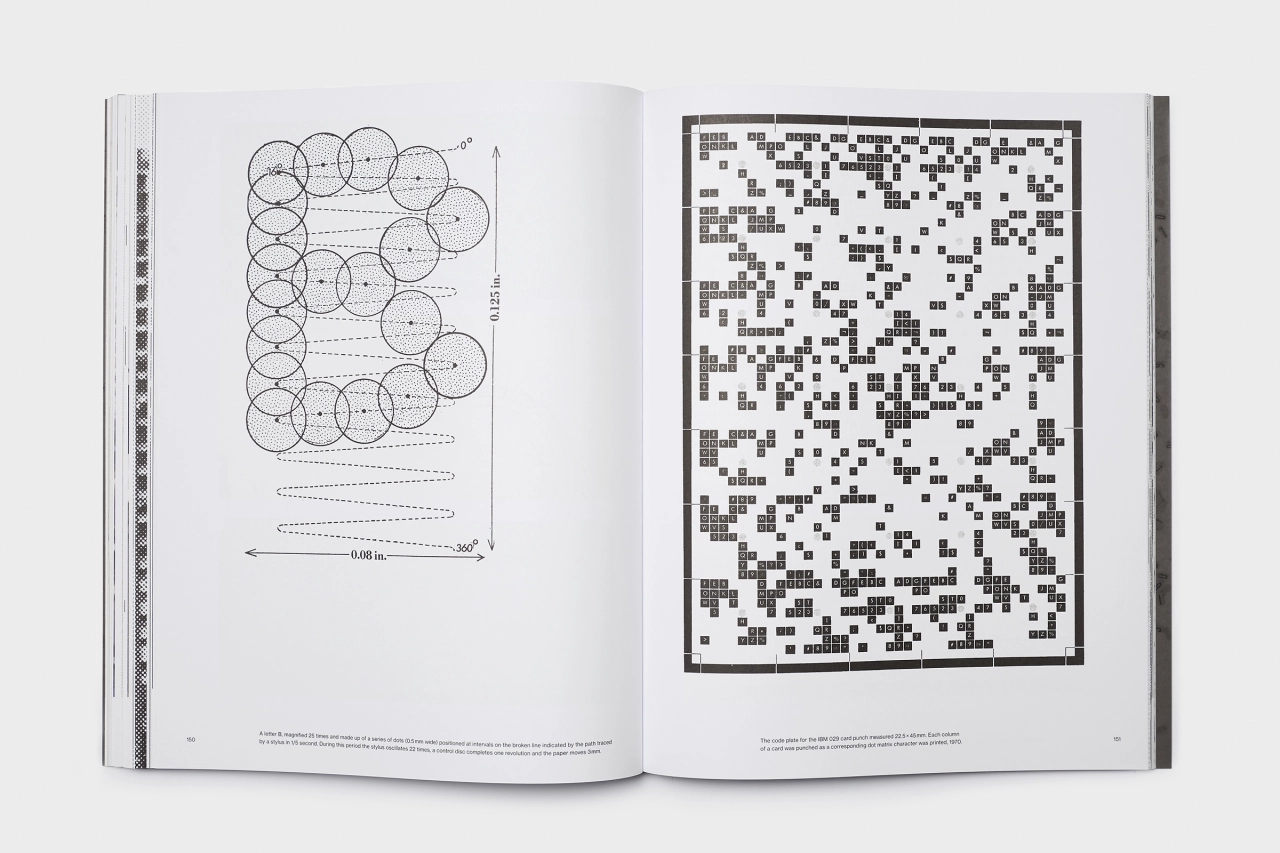
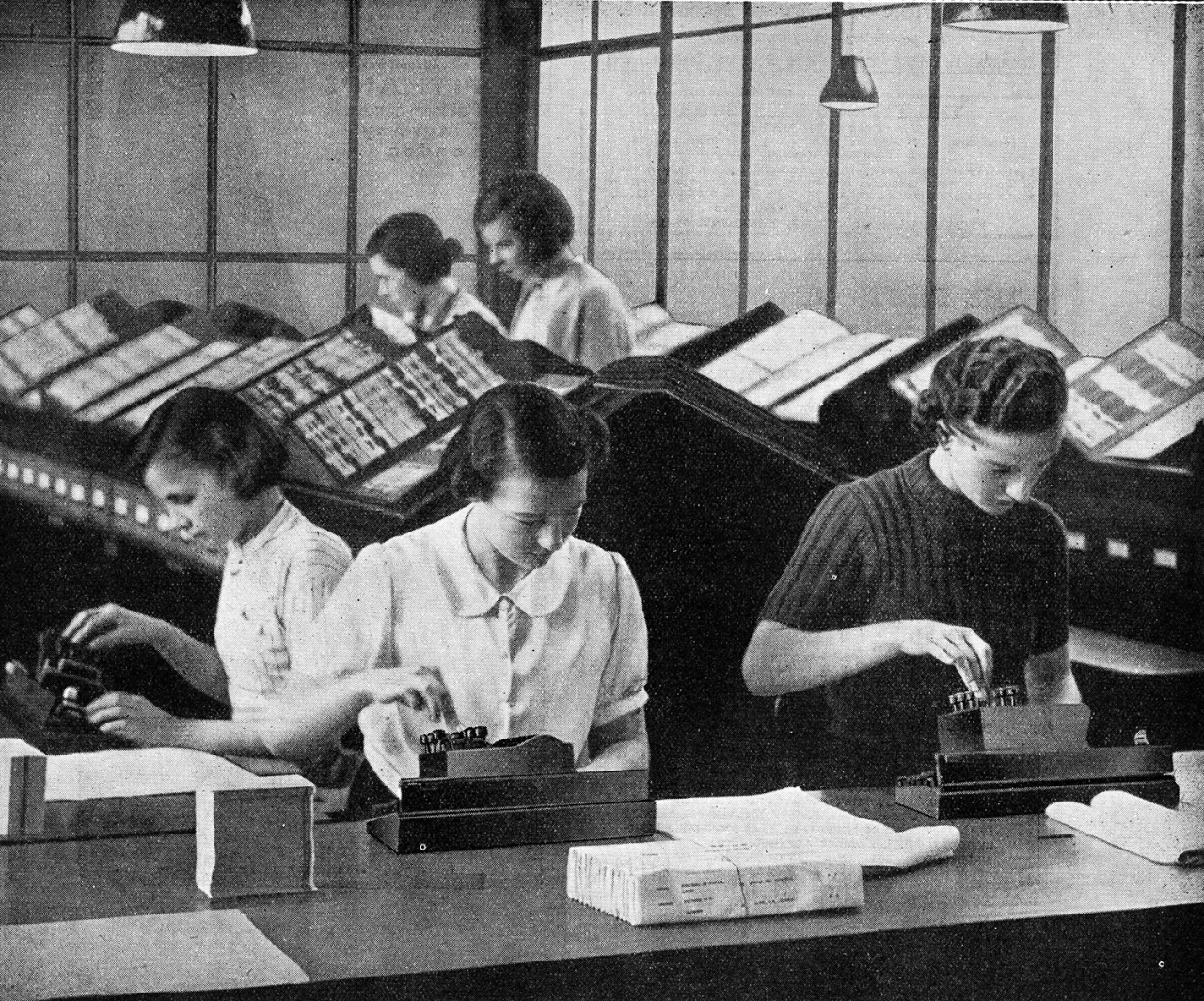
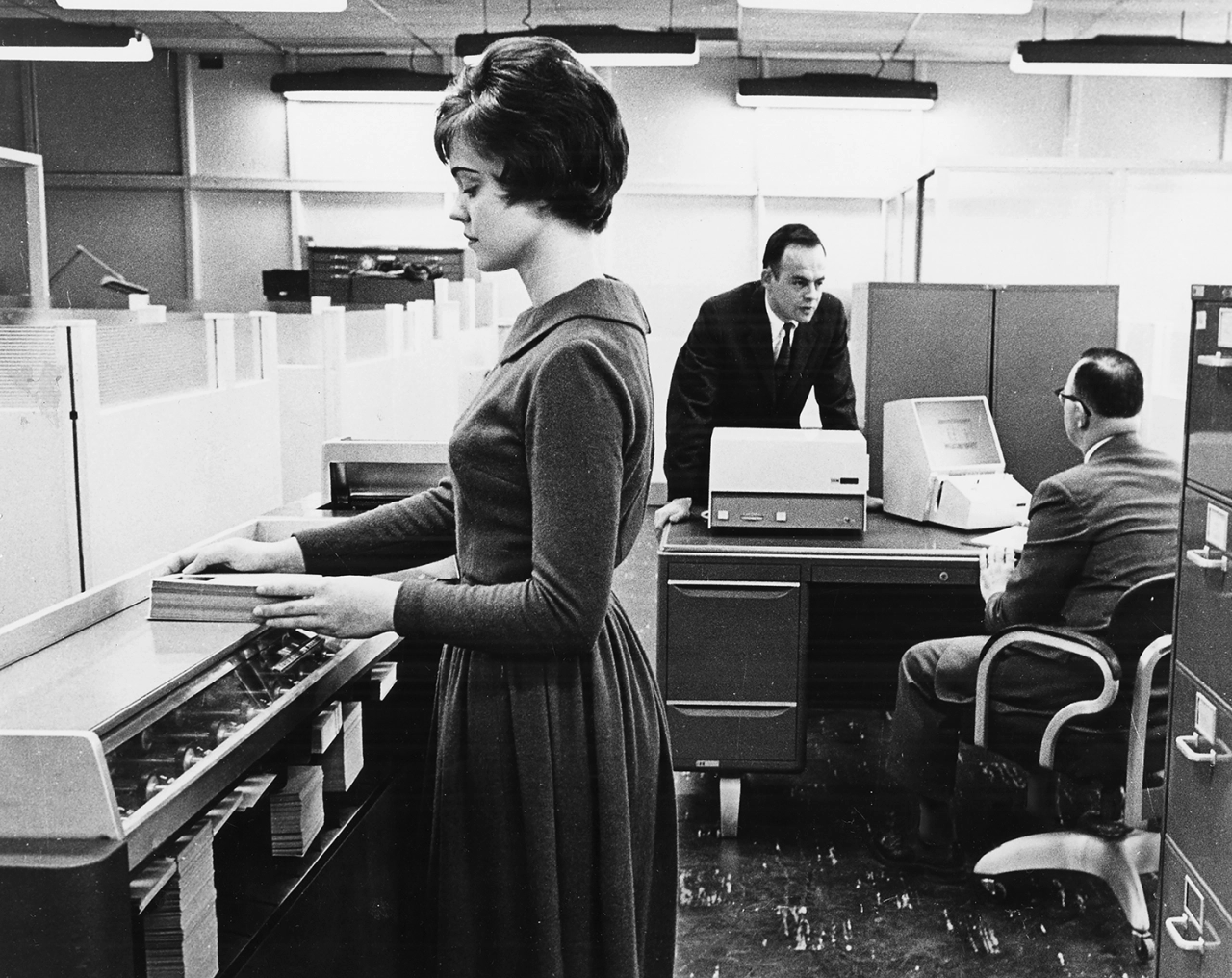
The book features hundreds of archival photographs chronicling the history of the modern office, early computing, punch cards in use and their associated machinery alongside essays by writer Sandra Rendgen, Eye magazine editor John Walters and Steven E. Jones DeBartolo, Chair in Liberal Arts and Professor of Digital Humanities at the University of South Florida.
The archival images are treated quite differently in terms of design from the rest of the book. "We wanted them to feel like you were diving into an overwhelming collection – glimpsing at fragments of past scenes from all around the world," says Fry.
An overarching aim was to showcase the cards as "designed objects that were created by engineers and technicians rather than designers," as Fry puts it. "They were designed primarily to be read by computers and secondly by humans. This gives them a unique quality and a tension between form and function."
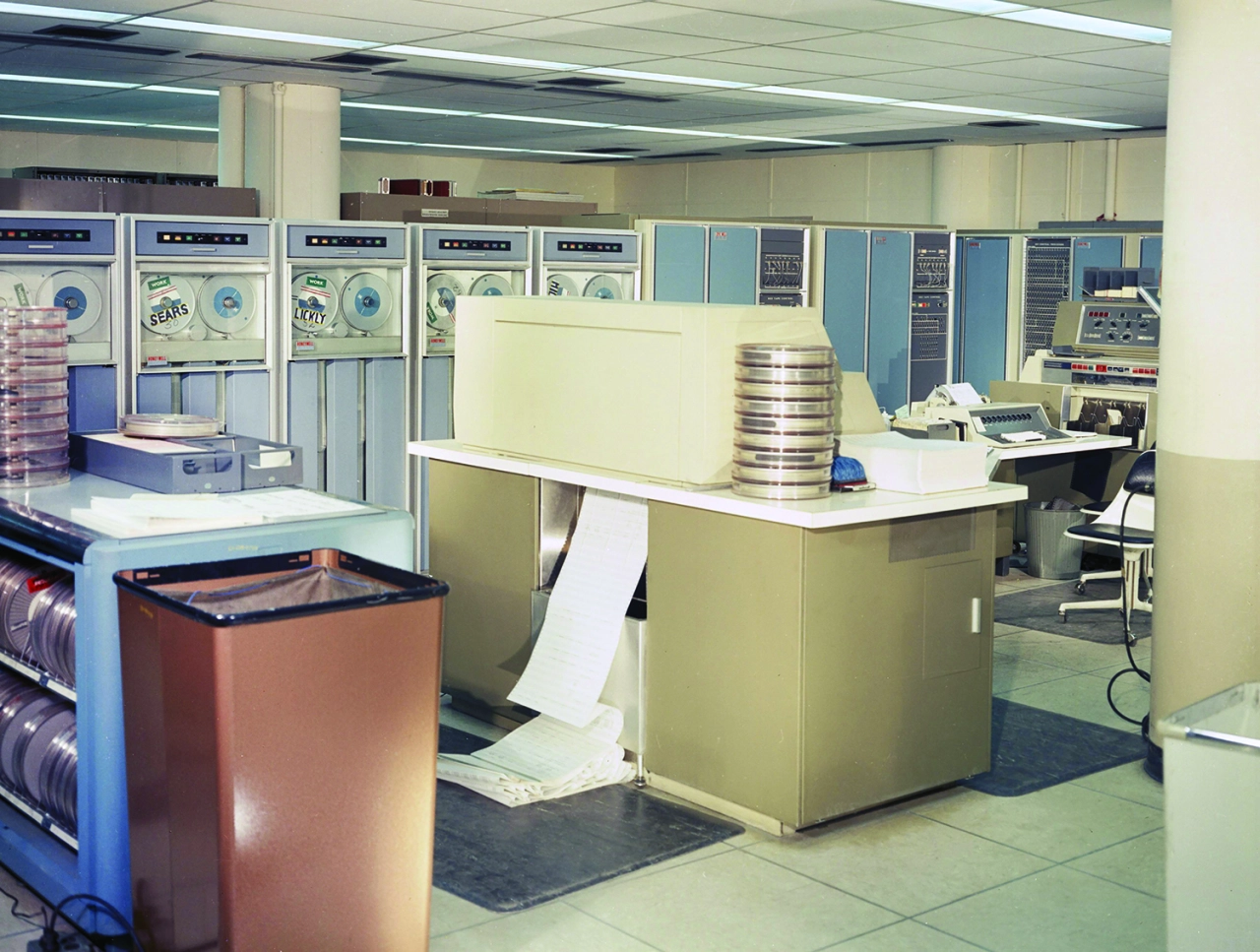
He adds that this "almost forgotten era of computing" is particularly interesting "in our current data-driven age. It was also a peculiarly beautiful era when computers were room defining beasts and data created tangible patterns."
Editor's Picks




Trending



Latest Jobs
Graphic Designer at Crux Product Design
Full-time·Bristol·Up to £36k
Design Lead at Madeo
Full-time·New York City·$85k–$120k
Design Director, Opinion at The New York Times
Full-time·New York·$160k–$180k
Senior Designer at Creative Spark
Full-time·Manchester·£35k-£50k
Head of Technical & Facilities at Midlands Arts Centre
Full-time·Birmingham·£40,210
Junior Project Coordinator at Colorido Studios
Full-time·Twickenham·£28k–£32k