Pentagram brings shifting identity to life in titles for Riz Ahmed's Bait
What if your identity could shift depending on how you're seen? Pentagram's titles for the part-autobiography, part-industry-satire use colour and motion to reveal multiple versions of the same truth.
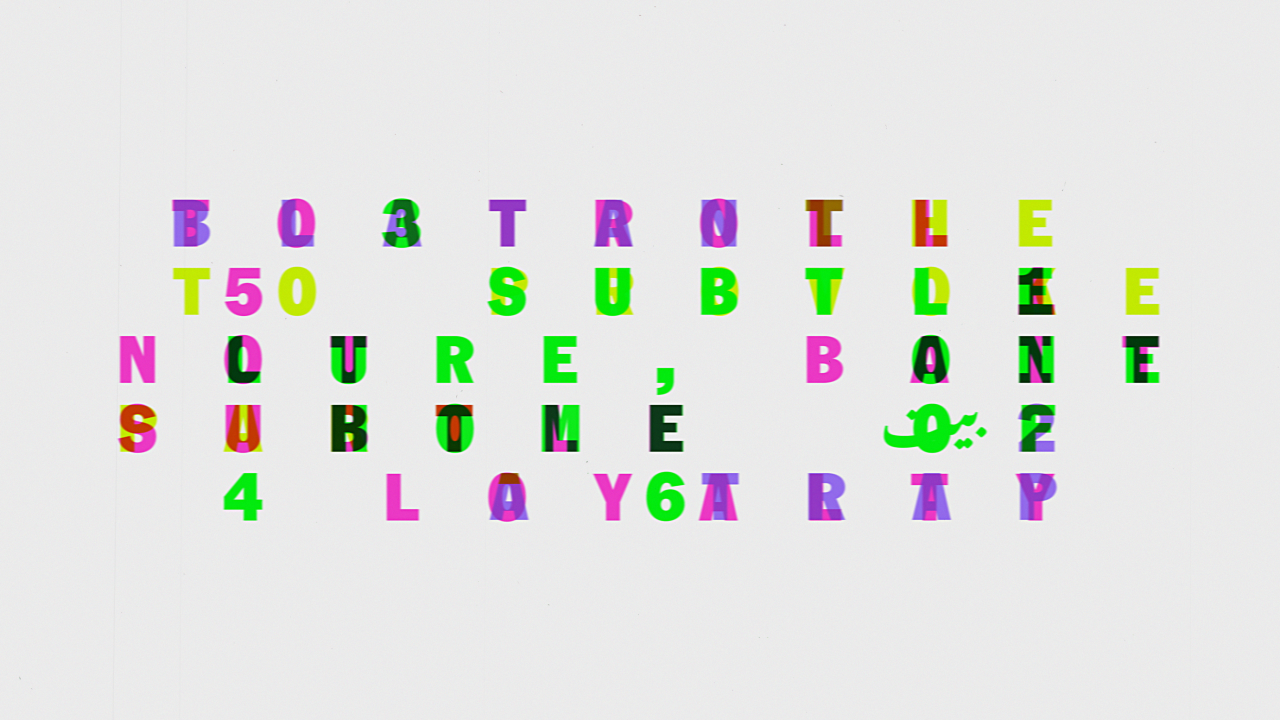
What does it mean to be seen, and who gets to decide? That question lies at the heart of Bait, Riz Ahmed's new comedy-drama, out now on Prime. And it's exactly what Pentagram set out to explore through its striking title sequence and location cards.
Created by Luke Powell and Jody Hudson-Powell, the project leans into the show's core tension: that identity is not fixed but moves and fractures. And it gets projected onto you whether you like it or not.
Bait follows Shah, a struggling British-Pakistani actor whose unexpected audition for James Bond sends his life into chaos. Suddenly, he is under a microscope. Everyone has an opinion, and – whether he likes it or not – everyone has a version of who he should be.
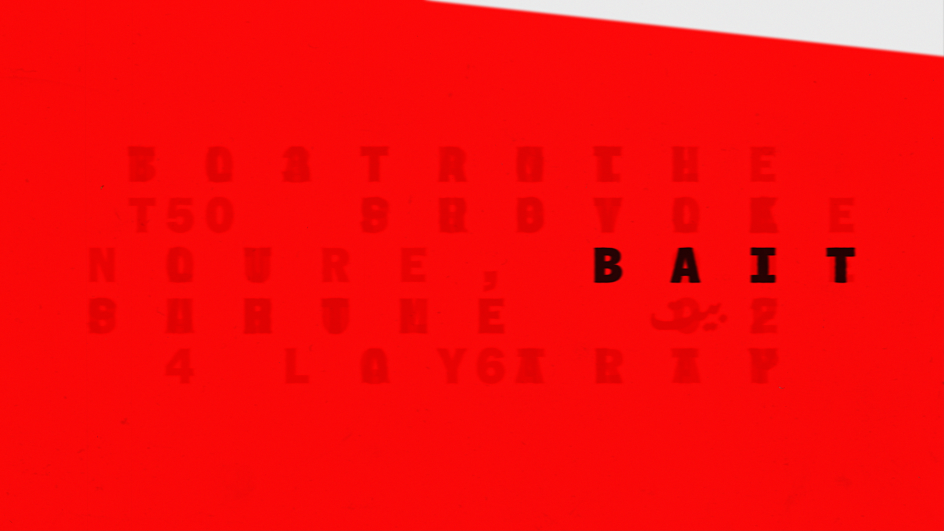
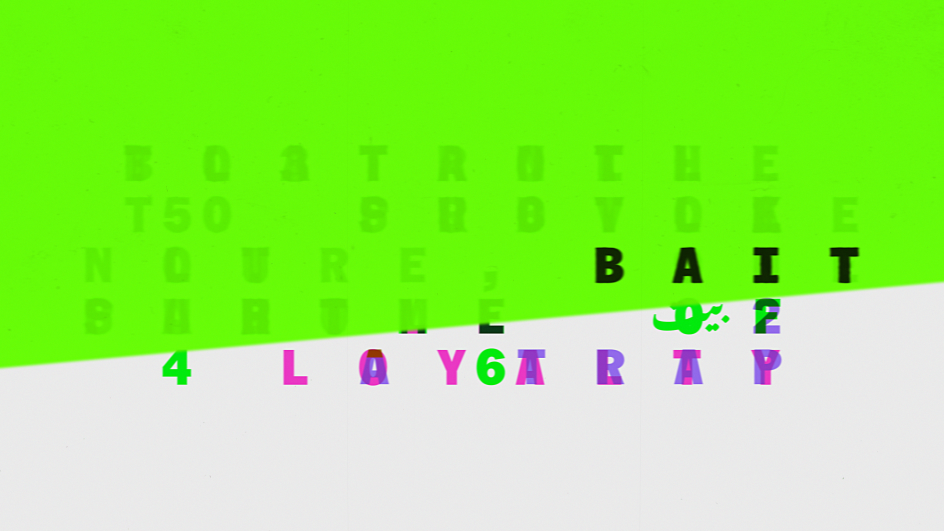
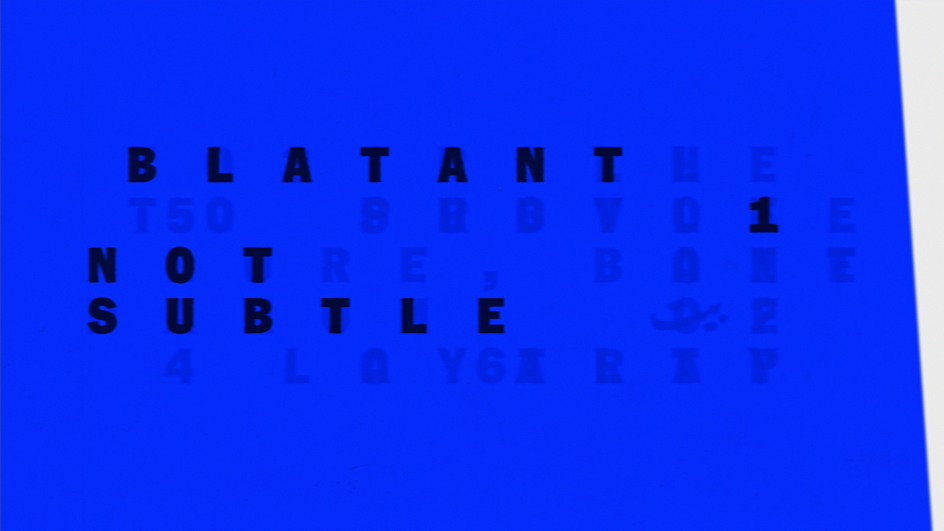
Pentagram's response is clever and layered. Rather than presenting a single, static title, the London studio built a system that reveals and conceals meaning through colour filters. Think theatre lighting meets coded messaging. One composition, for example, holds multiple readings, but you have to look at it differently to even see them.
It's not just a visual trick; it actually mirrors Shah's experience. The pressure to perform a version of yourself that fits cultural expectations, industry demands, and public scrutiny. As Riz Ahmed puts it, life can feel like "one big audition".
The word 'bait' itself becomes a vehicle for this idea. Across the sequence, different meanings emerge. British slang or online trolling. Loyalty in Urdu yet home in Arabic. Each definition sits within the same typographic space, shifting as it's viewed. That multiplicity is the whole point. Nothing is singular. Not when we're talking about identity, truth or perception.
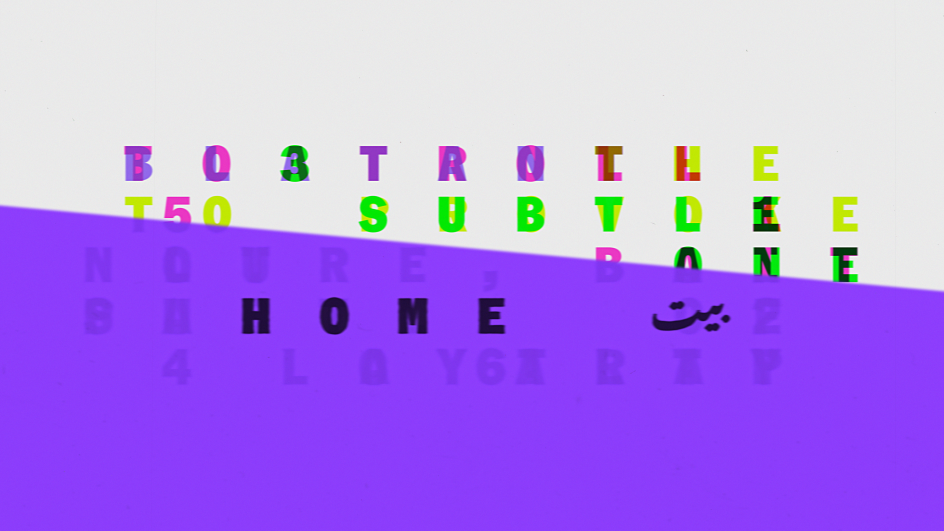
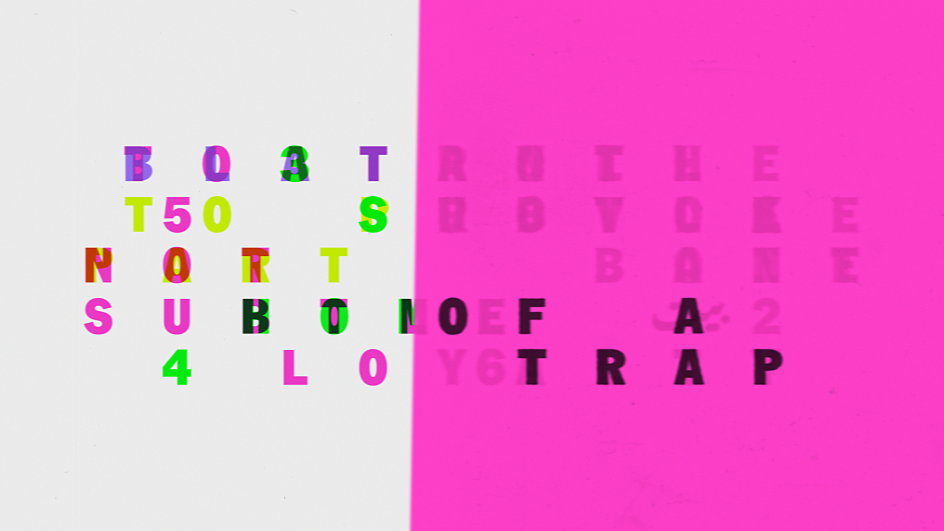
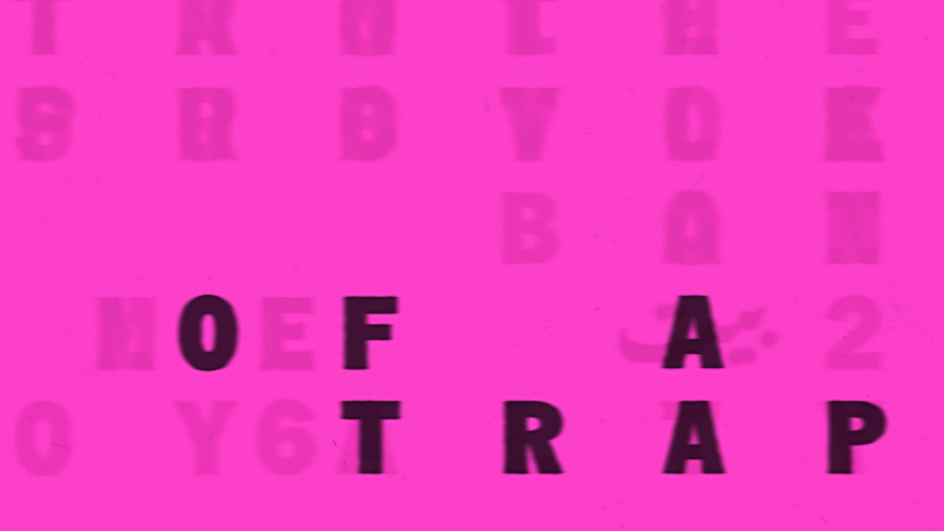
There's also a subtle nod to espionage running through the work. A monospace typeface and code-like layout hint at spycraft, a quiet reference to the Bond connection at the centre of the story.
What makes this project special is its restraint. It doesn't over-explain; it just invites you in. And it asks you to question what you're seeing and why. And in doing so, it reflects something much bigger. Who gets to be British? And who gets to belong?
That's not for Pentagram to answer, but it certainly stops us in our tracks and forces us to confront these very current questions head-on.

Editor's Picks




Trending




Podcasts
Editor's Picks
Further Reading