How do you stay human when everything is changing this fast?
As AI reshapes the creative industries at speed, the new season of The Creative Boom Podcast asks what creatives are holding on to, and what actually matters now.
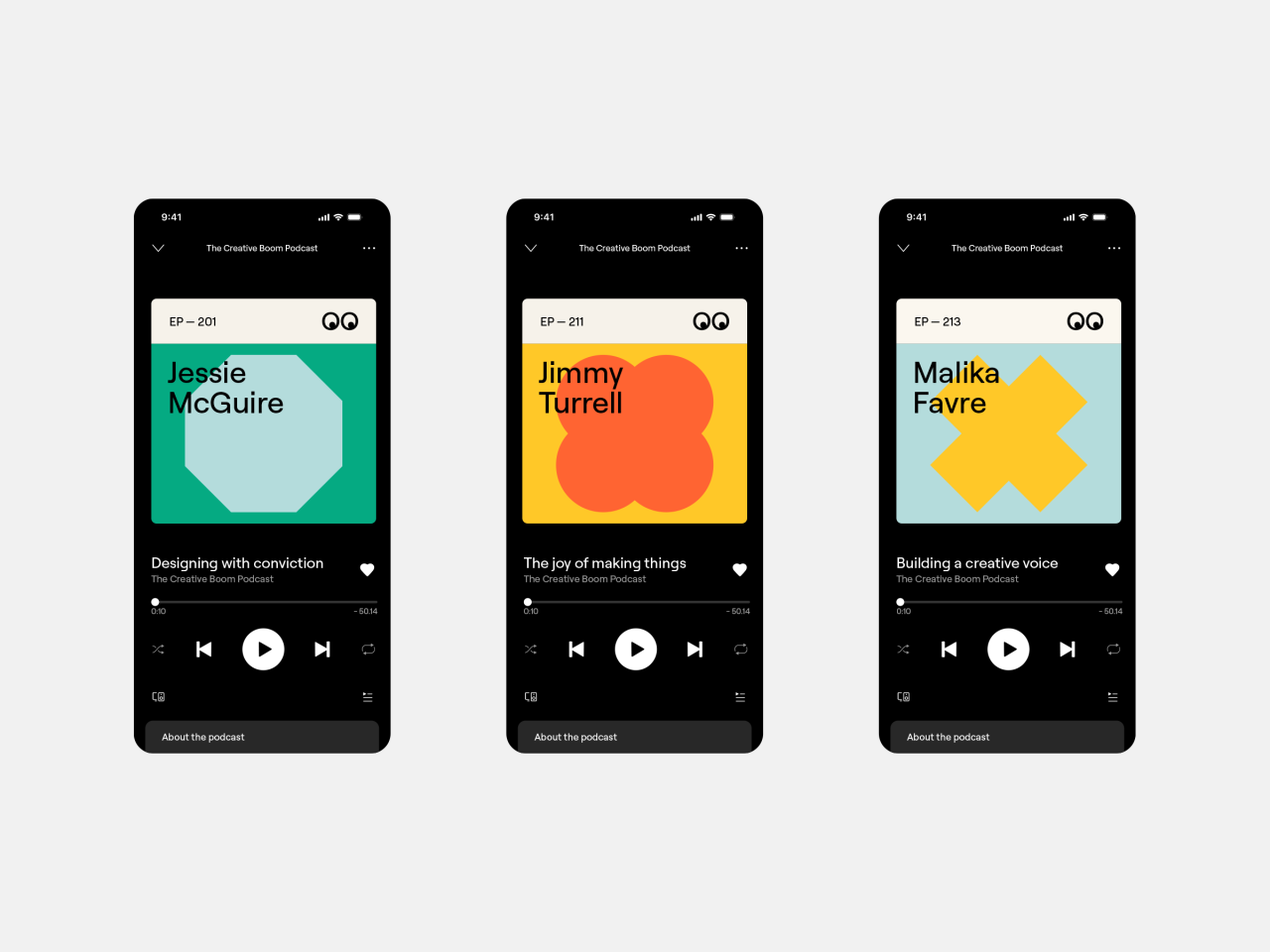
Twelve guests. One question underneath it all: how do you stay human when everything is changing so fast? The Creative Boom Podcast is back with a new season today, and something unexpected keeps surfacing across these conversations.
It's not AI, exactly, though that's there... How could it not be? It's not the economy either, or the flattening of design, or the slow fade of publishing, or the loneliness of working from home. All of that gets some air. But underneath it is something more personal. A quiet reckoning with what actually matters. And a stubborn refusal to let go of it.
Hosted by our founding editor Katy Cowan, the season brings together designers, photographers, illustrators, strategists and studio founders. It's supported by Adobe, a fitting partner for a set of conversations that honestly examine what creativity means as tools keep shifting.
The topics are wide-ranging. From grief and gut health apps to personal branding and even the politics of armpits in advertising. But taken together, they paint a clear picture of how thoughtful creatives are feeling right now. A bit tired yet very aware, and still deeply committed to doing work that means something.
The season opens with Nicki Sprinz, managing director at ustwo. Her work sits right at the intersection of AI, behavioural design and human wellbeing. She's built digital coaching companions for brands like Joe Wicks and La Roche-Posay, and she's genuinely optimistic about what AI can do when used well. "AI is a great addition," she says. "It's part of the team."
But she's also clear about the risks. Young people are replacing real connections with AI companions. Junior roles are disappearing before anyone knows how the next generation will develop. Schools still teach memorisation over thinking. For her, the future depends on curiosity, critical thinking and resilience. The very things we're not prioritising enough.
That tension runs through the whole season. Aporva Baxi, co-founder of DixonBaxi, comes at it from a different angle. As everything starts to look polished and predictable, he believes what will survive is point of view, taste, and the messy, slightly unpredictable human stuff that can't be replicated. As he puts it, "Taste is the moat".
He also talks about creative experimentation, about letting ideas misbehave, and about the need to evolve how we think, not just how fast we make things.
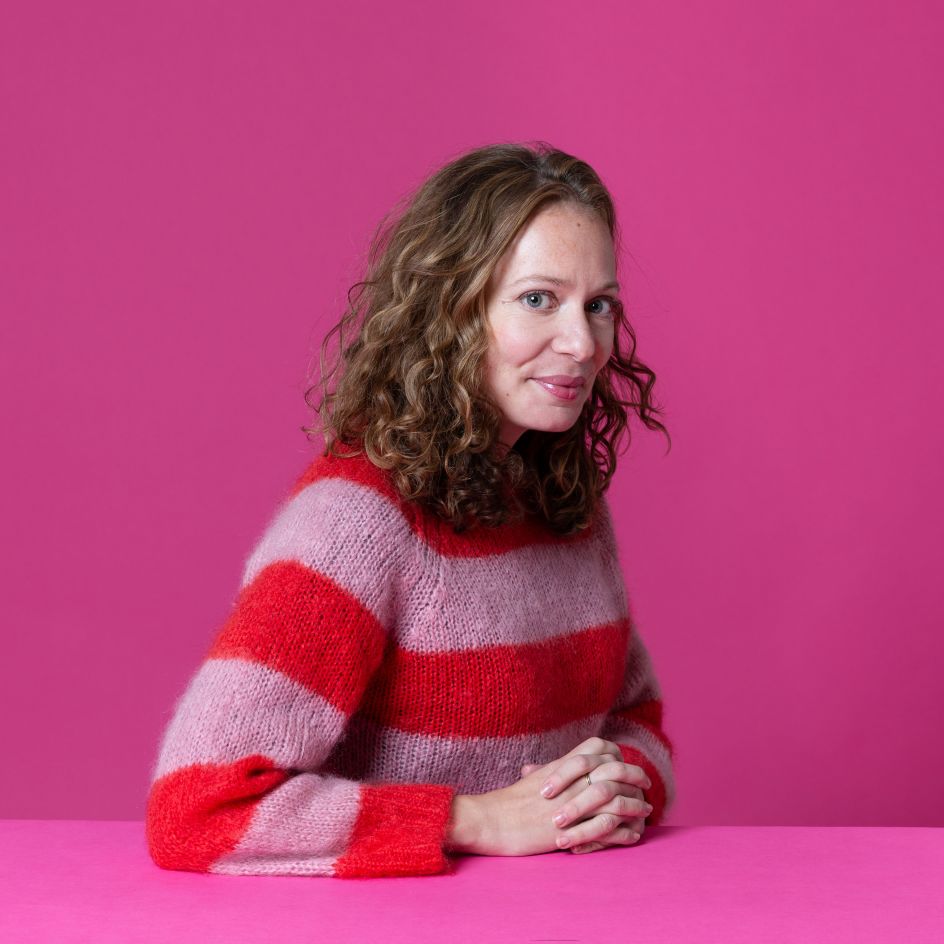
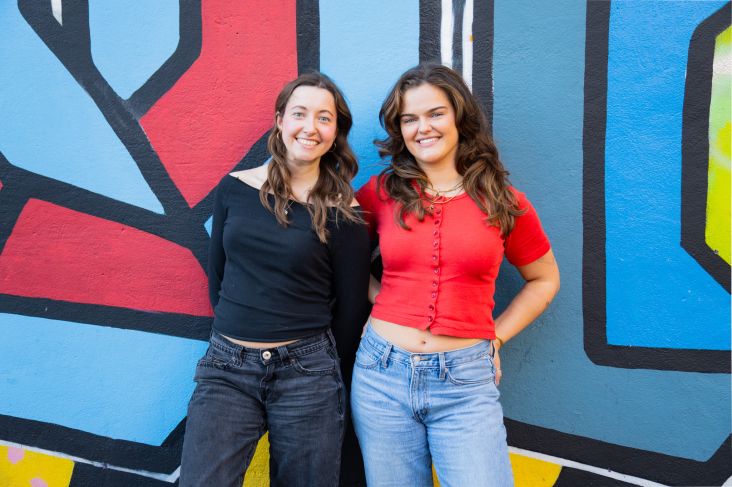
Nicki Sprinz, ustwo
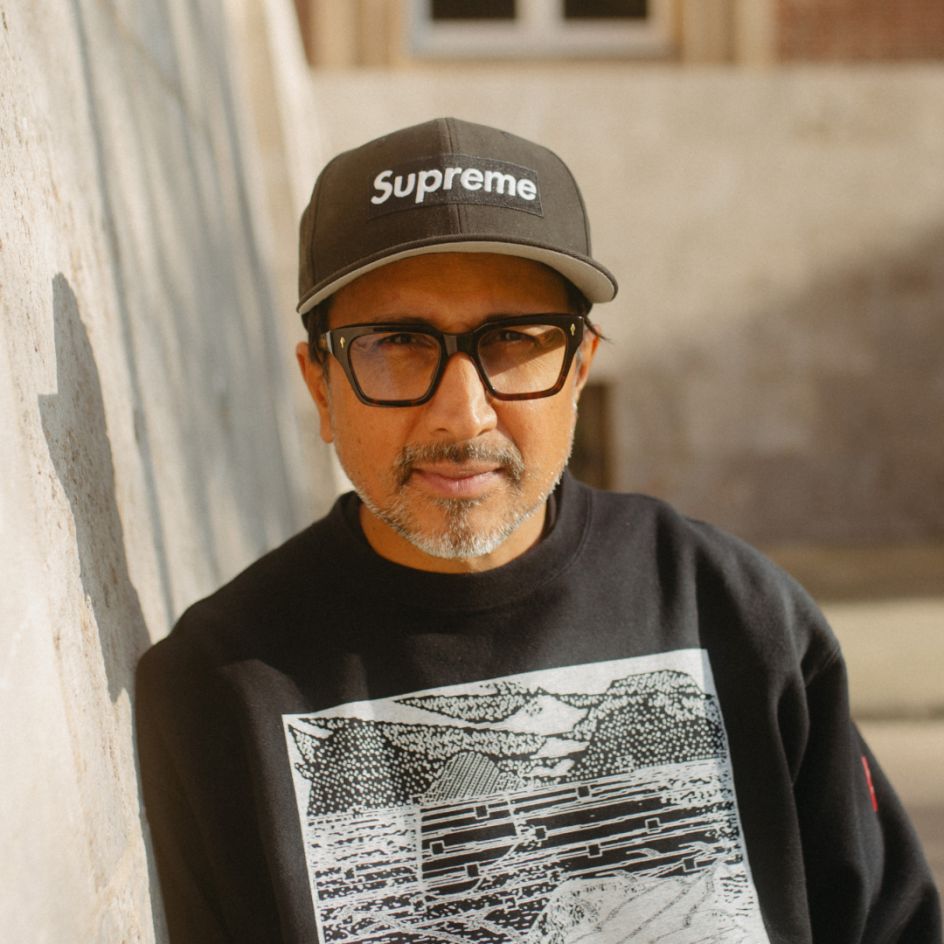
Aporva Baxi, co-founder of DixonBaxi
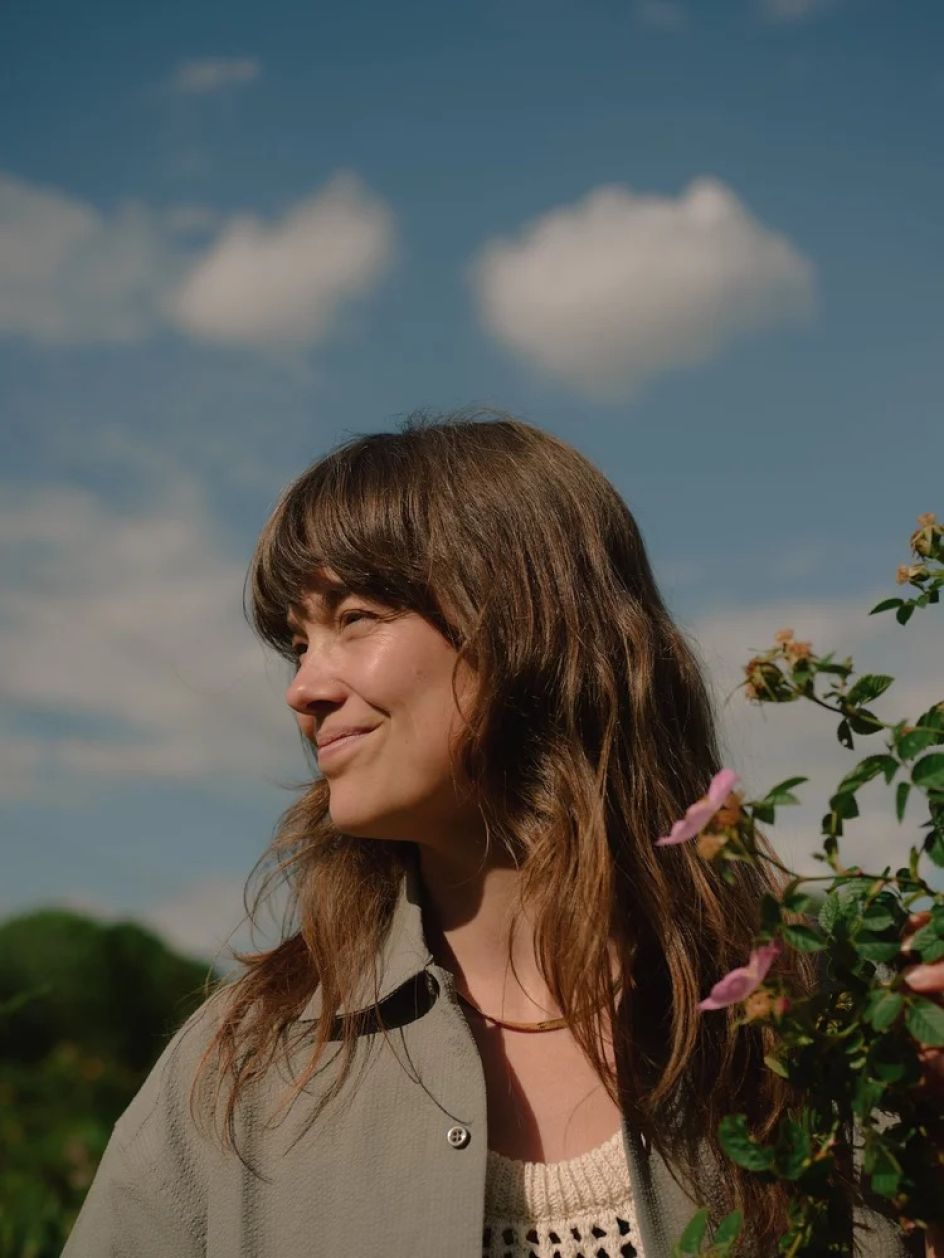
Photography Liz Seabrook
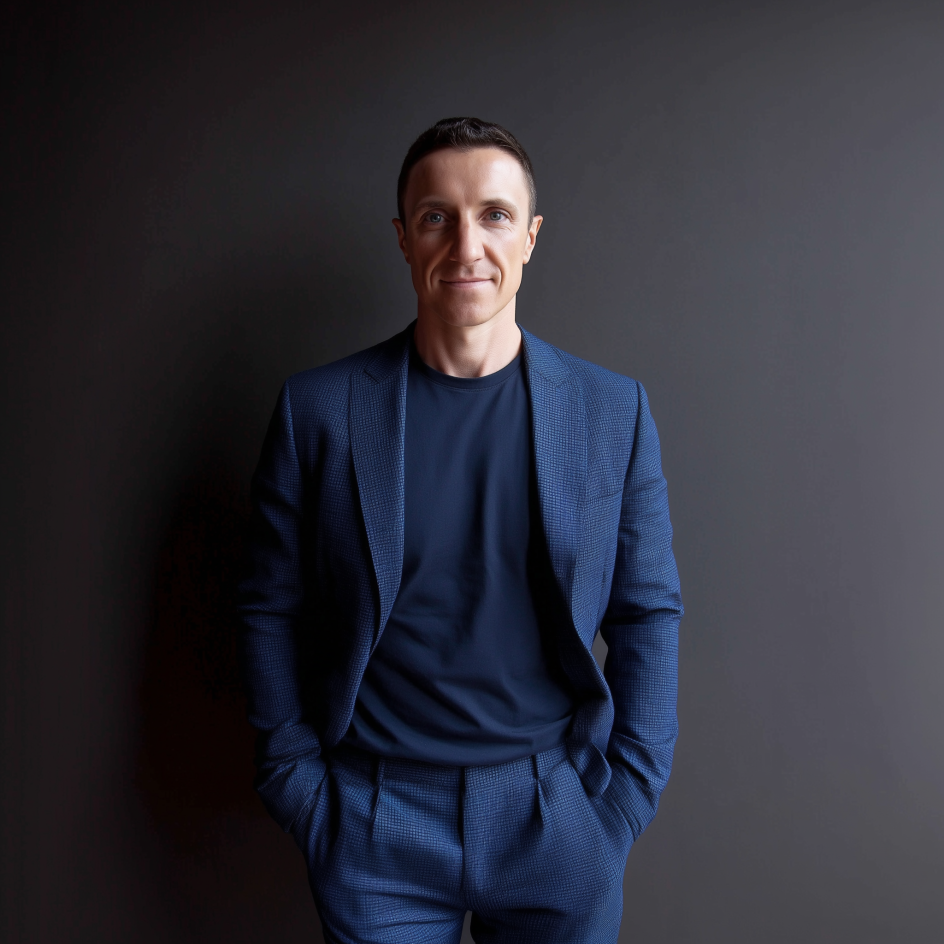
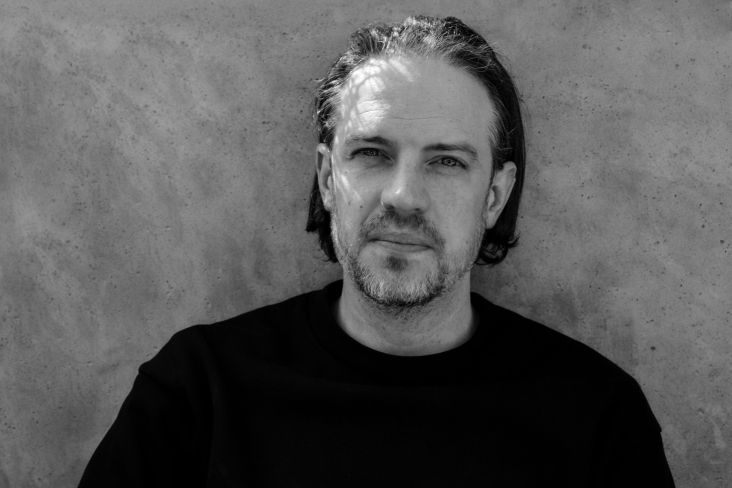
David Airey
Liz Seabrook brings it back to something even simpler – the human connection in the room. The London-based photographer reflects on her widely shared piece about AI and photography. Her view is calm and grounded. Image-making has always involved manipulation; what matters is what remains real – the relationship, the mutual trust, and that time spent before the shutter clicks. "To be creative is to be hopeful," she says. "You can't be creative and be a pessimist."
That sense of perspective reappears with David Airey. After more than two decades in design, his focus is refreshingly clear. Not status or noise. Just the work, the people around him, and what actually lasts. "When I think about what's most important," he says, "it's how I treat the people that I love and how they might remember me."
Designer James Martin takes on personal branding and flips it. What sounds provocative becomes something much more grounded. A case for reputation over performance. And for doing good work consistently and letting that speak over time. "Your deeds dictate your reputation. Stay in the game long enough for it to compound," he says.
Visual artist Adam J. Kurtz picks up the thread from a different place. After burnout and a big life shift, he's now asking a quieter question. What comes next when you've already come through something? "Life is both too short and too long to suffer."
Jessie McGuire shares a major milestone. Thought Matter has won a National Design Award from the Cooper Hewitt. But what stands out is how she frames it. Looking back over a decade of work, she sees a consistent belief running through it: Design is never neutral. "Our proximity to power as designers is so close," she says. "We can't pretend we aren't designing outcomes."
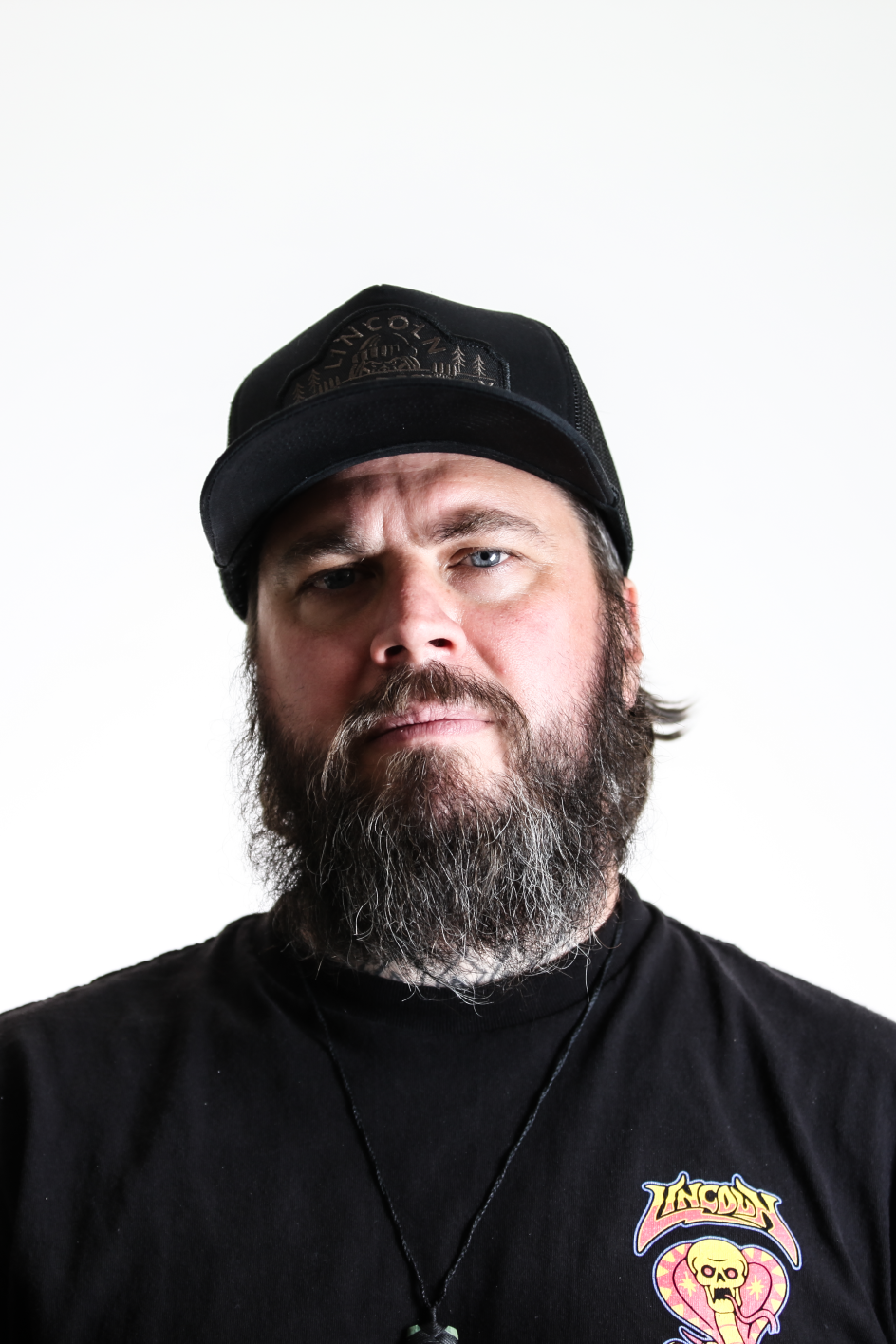
James Martin
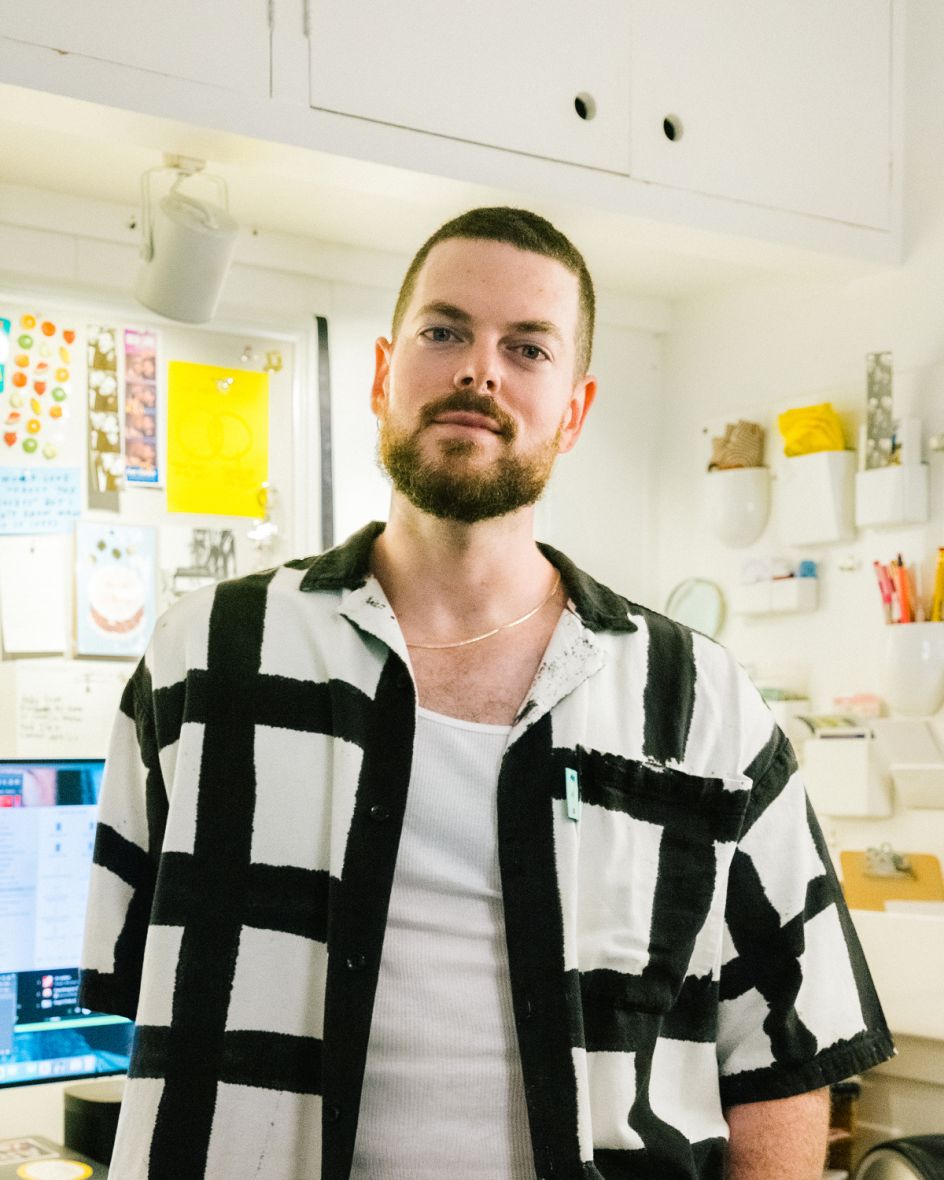
Adam J. Kurtz
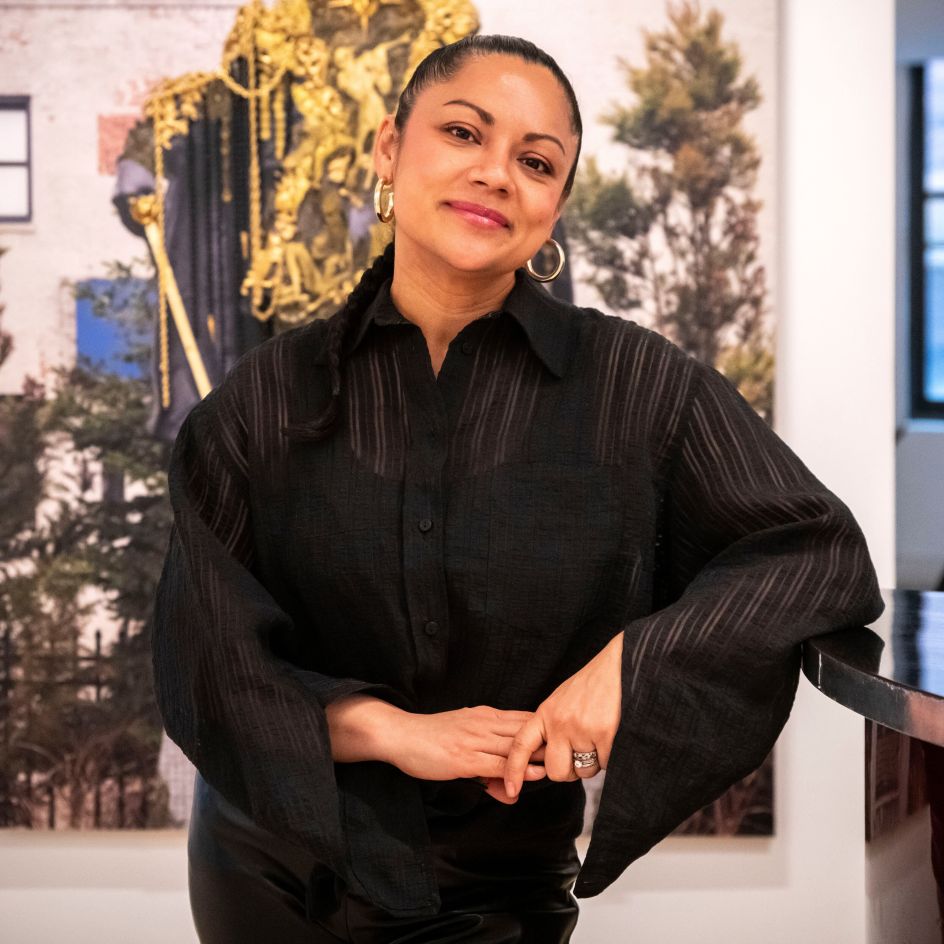
Jessie McGuire, Thought Matter
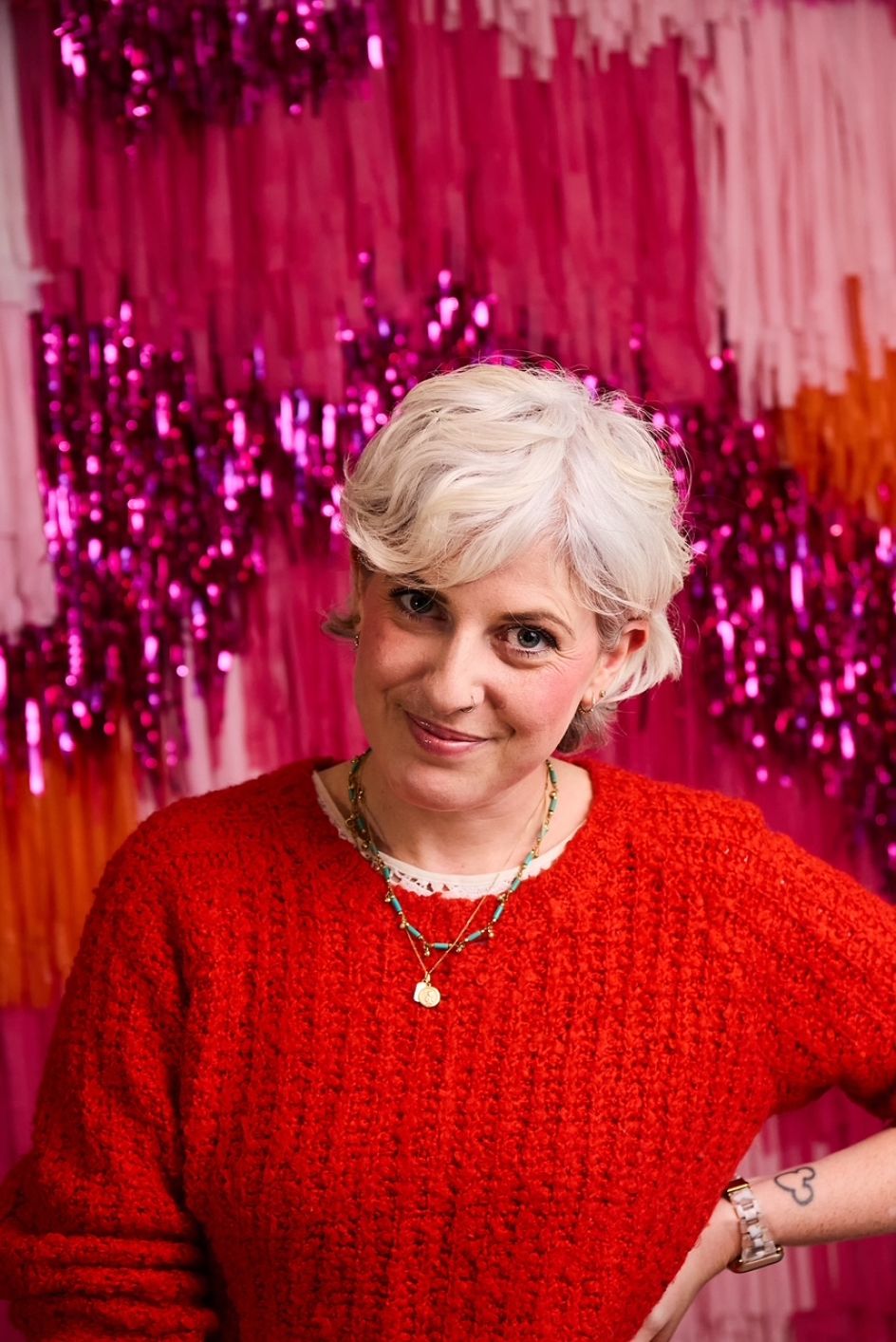
Natty Harris
Graphic artist Jimmy Turrell brings a different kind of energy. Playful, instinctive, full of curiosity. From chance beginnings to unexpected encounters with AI that replicates his work, he keeps things grounded in process, experimentation, and joy.
And then there's Natty Harris. Her conversation is one of the most moving of the season. She speaks about the loss of her brother Thomas and how grief reshapes everything that follows. Not something you move on from, something you carry. But also something that clarifies what matters.
Across the season, that feeling keeps returning. The creatives who feel most grounded are often the ones who've been through something. The ones who know, very clearly, what they stand for.
Three more episodes are still to come, featuring artist Rob Draper, illustrator Malika Favre, and designer Katy Ennis-Hargreaves of Boldism.
The Creative Boom Podcast is available on Spotify, Apple Podcasts, and wherever you listen. New episodes drop weekly, with a bonus Spark episode each Thursday. Come and have a listen.
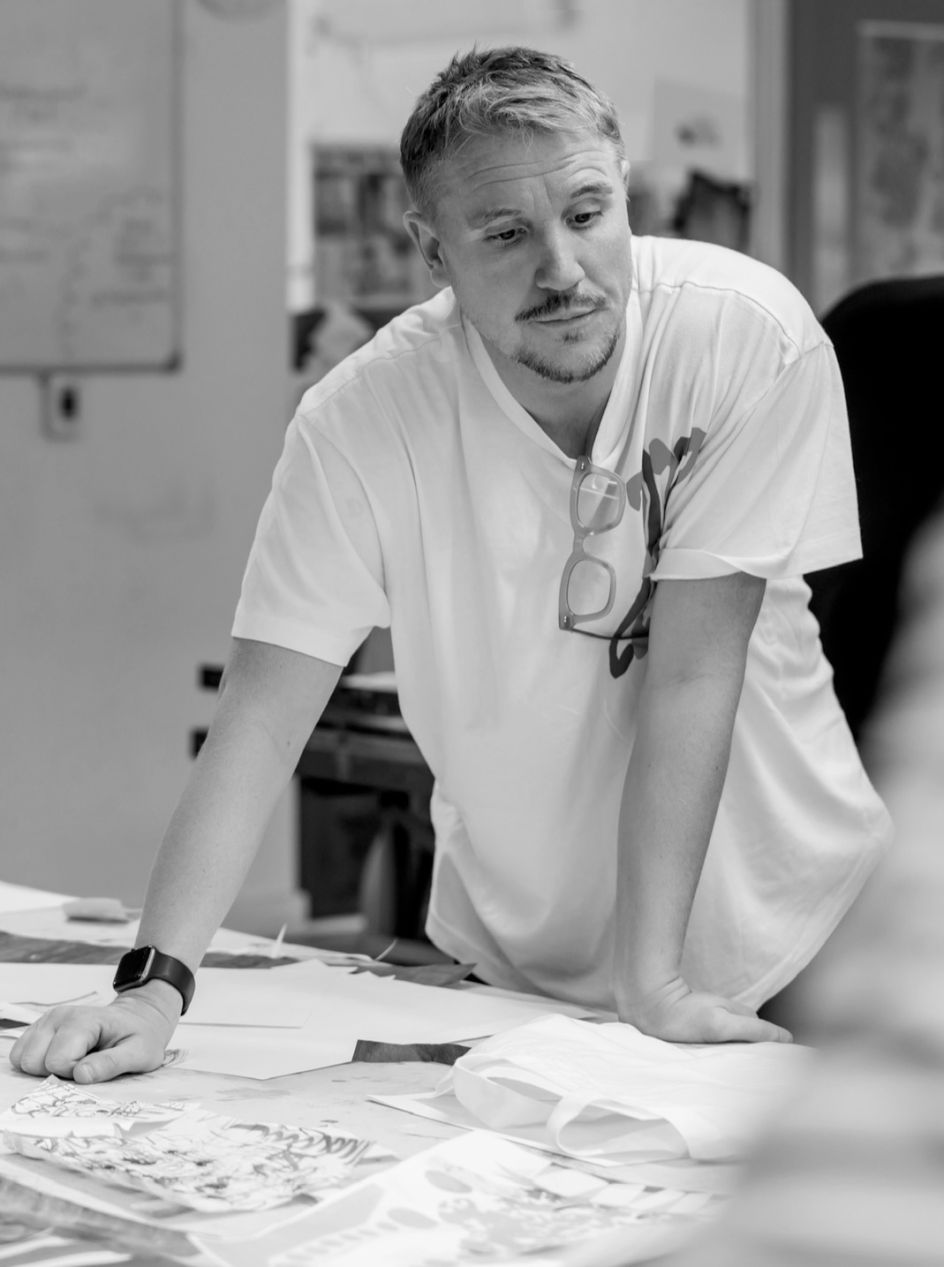
Jimmy Turrell
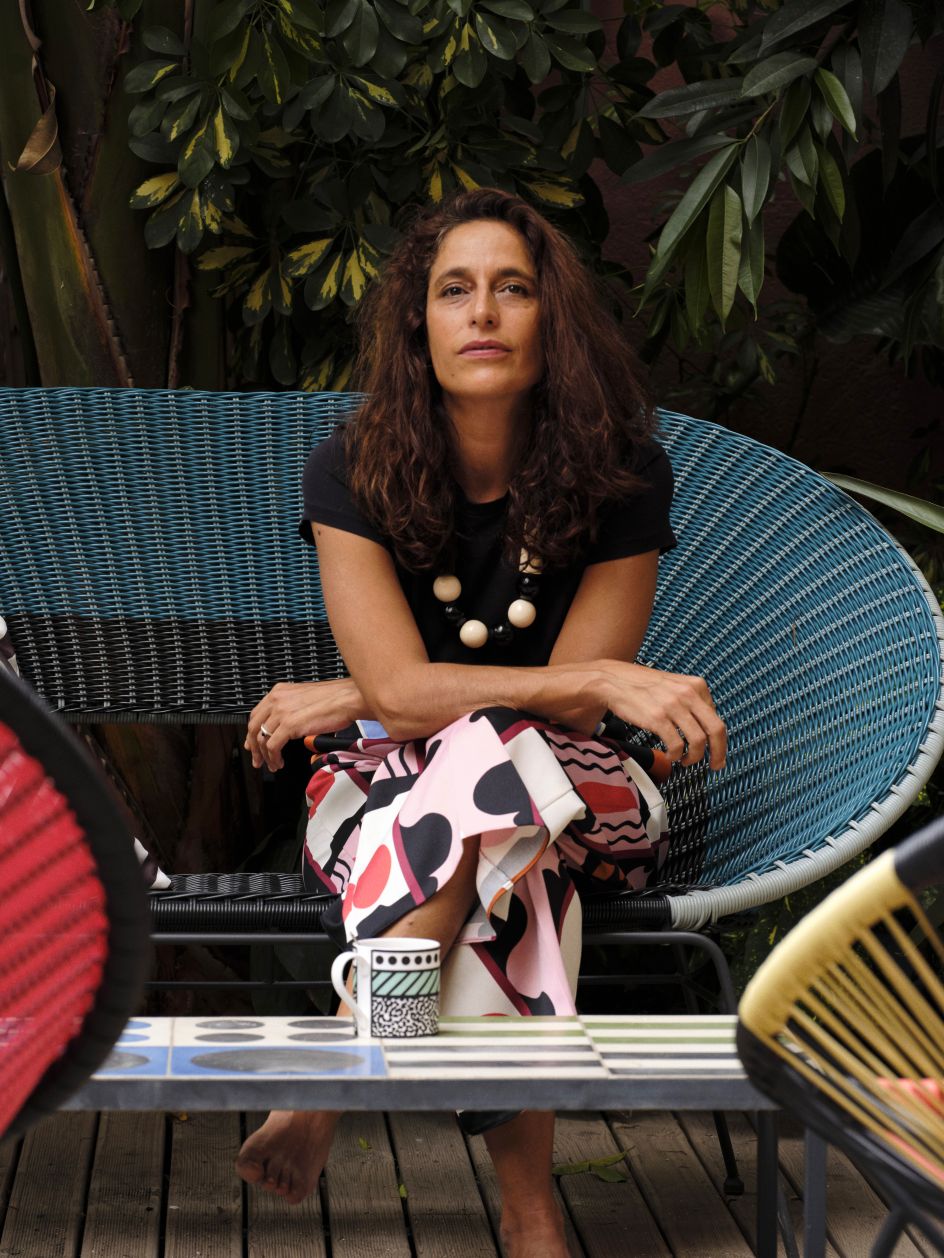
Malika Favre
Further Information
If you've been feeling any of this too, you're not alone. Come and have a listen. No jargon, no guru nonsense. Just honest conversations that are warm, real, and occasionally very funny.


Editor's Picks

Trending


Podcasts
Editor's Picks
Further Reading