Illustrator Wenjia Tang's first fiction book is a beautiful exploration of mankind's relationship with nature
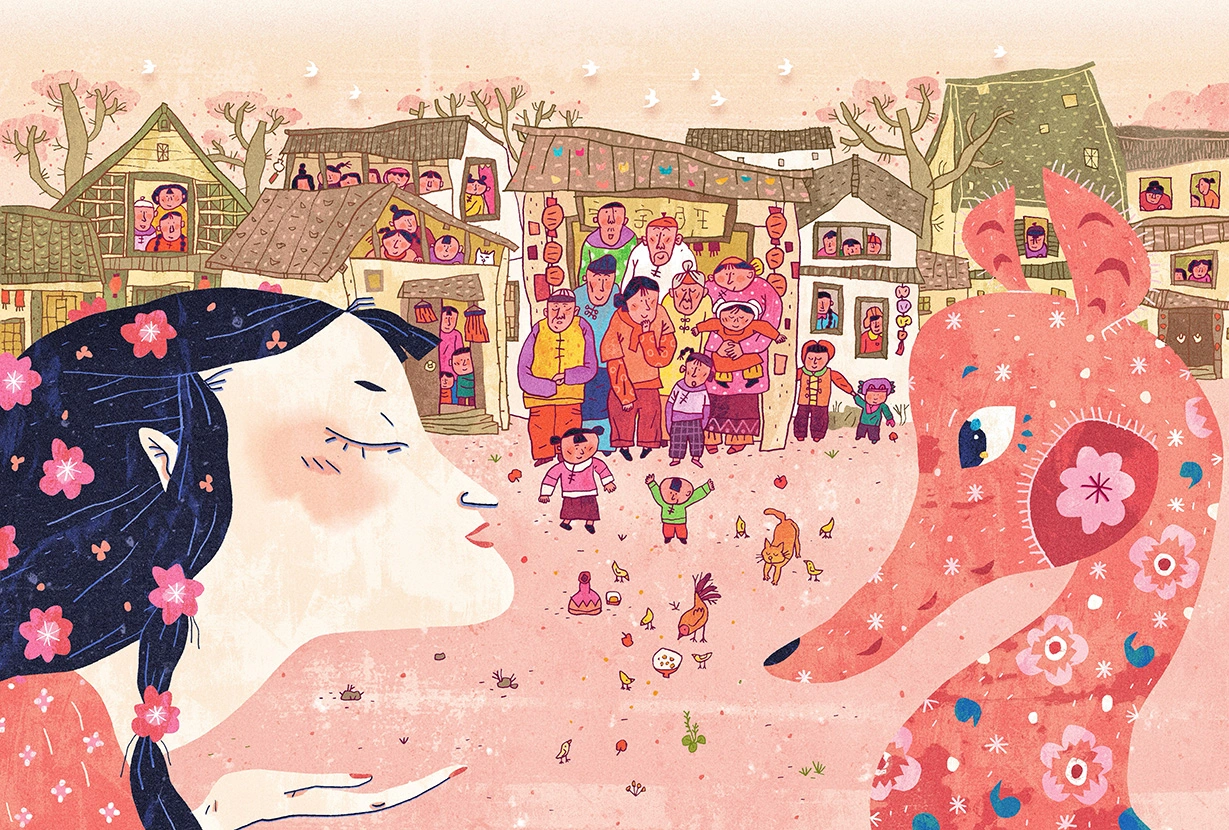
New York-based illustrator Wenjia Tang has transported her captivating style to the land of fiction in her latest book, Mountain Temple. Set in the remote mountains of China, it tells the fantastical tale of a boy who gets transformed into a baby wolf.
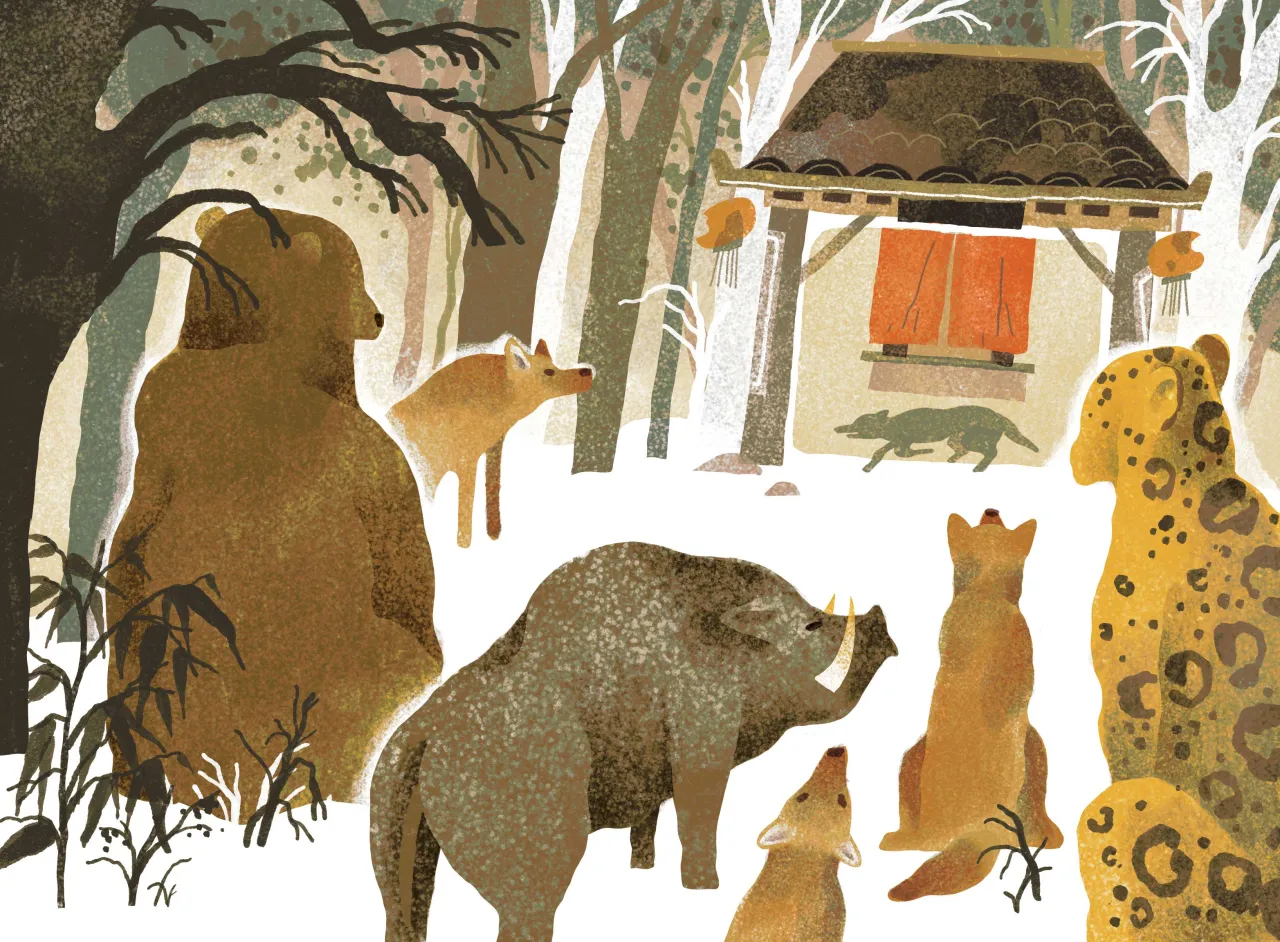
Wenjia Tang's beautiful illustrations are a familiar sight in nonfiction books, ad campaigns, and editorials. In fact, you've likely seen her lavish work in the pages of The New York Times, The Wall Street Journal, and The Atlantic. But in her latest project, Mountain Temple, she dips her toe into the world of picture book illustration.
Written by Chinese author Guiping Feng, Mountain Temple tells the story of a hunter's son named Ding. One day, after following an old wolf, Ding is led to the temple of the Mountain God. Here, he faces the consequences of his father's actions as the animal kingdom contemplates revenge. In a pivotal moment, the Mountain God transforms Ding into a baby wolf who must seek help from a father who no longer recognises him.
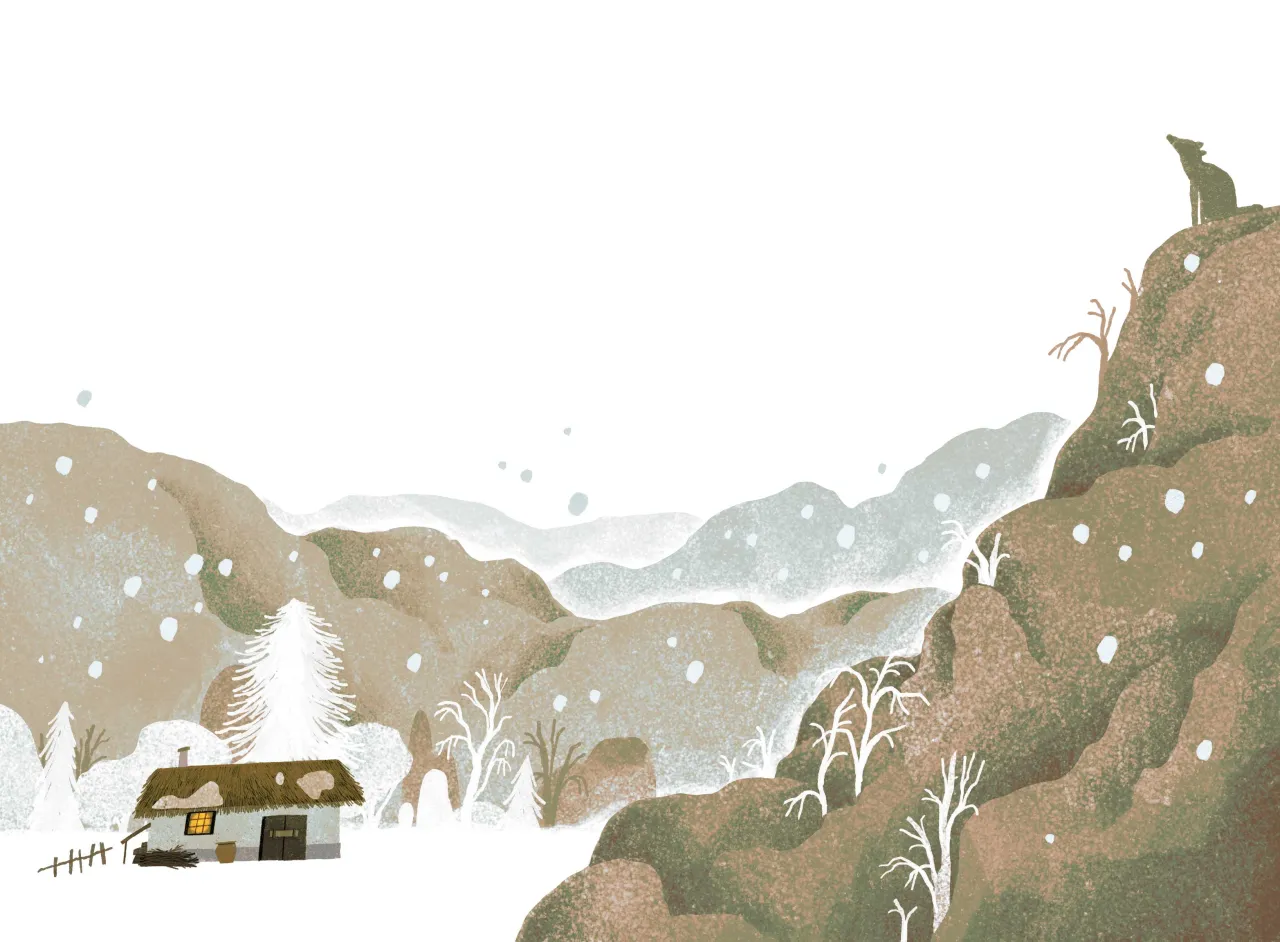
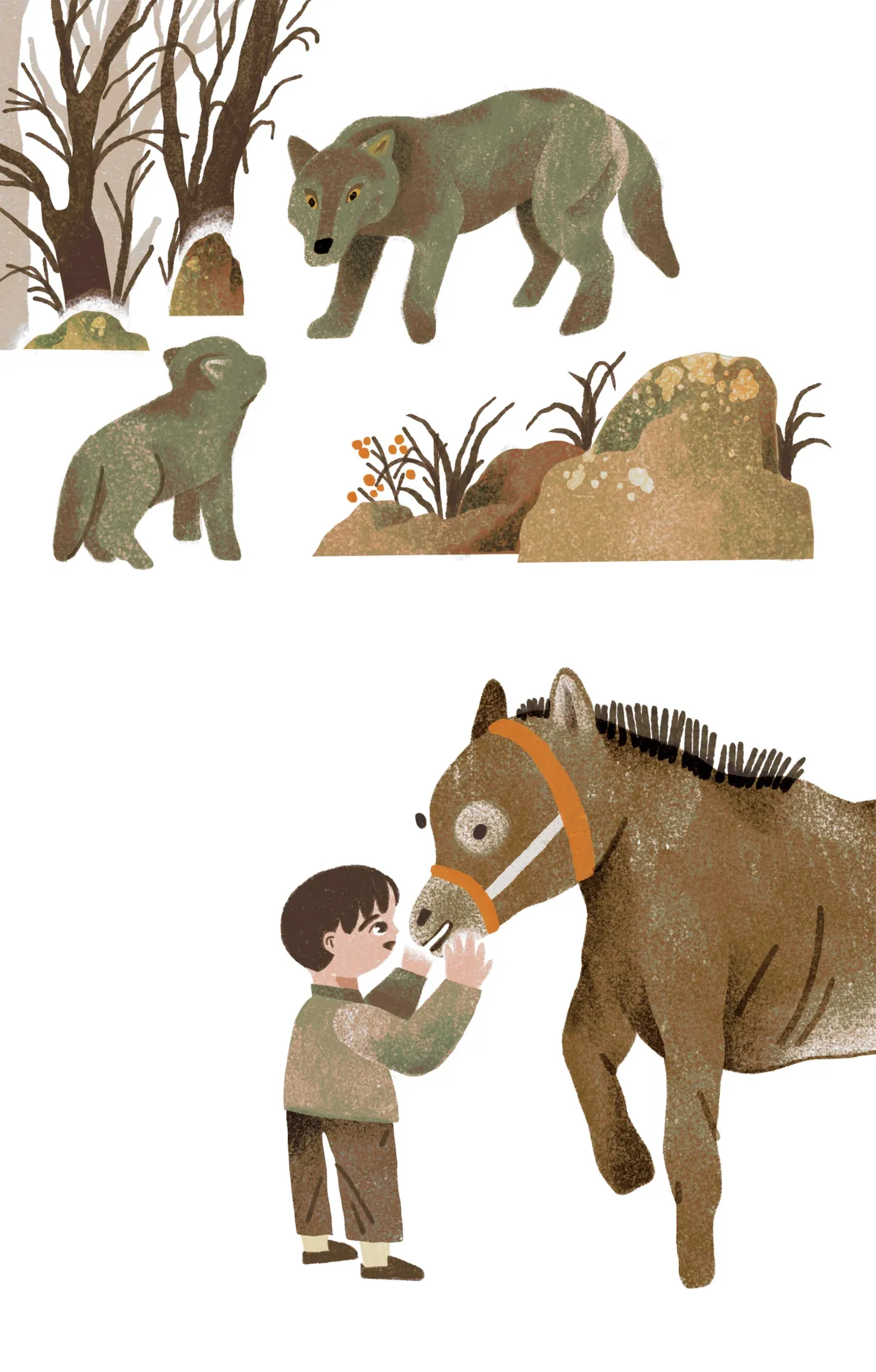
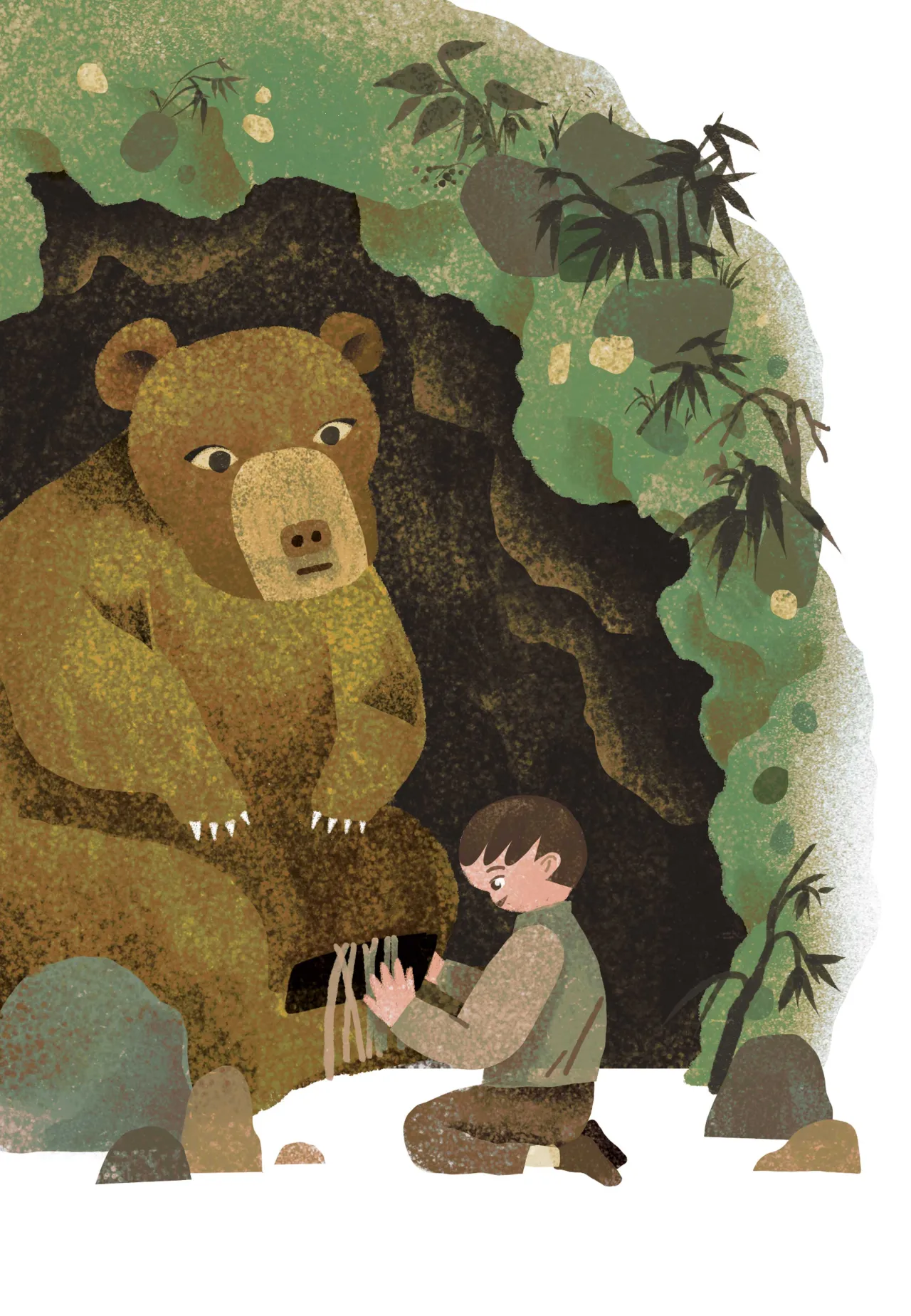
Described as a story of redemption, Mountian Temple taps into universal themes of the human experience and humankind's inherently complex connection with nature. Young readers are invited to explore their empathy through the engaging narrative, all with the help of Wenjia's exquisitely pastoral illustrations.
The decision to work on a fiction book pushed Wenjia's illustrations in exciting new directions. Whereas previously, she did not have to worry about a continuous narrative, Mountain Temple required her to develop characters with distinct voices – something of a contrast to the science and nature books she had worked on before.
"This fiction book was different; it featured main characters," she tells Creative Boom. "The first step for me was to create character studies for the hunter, Mu Zhuang, and his son, Ding. Surprisingly, the editors were quite satisfied with my initial designs, so I continued using these designs throughout the story."
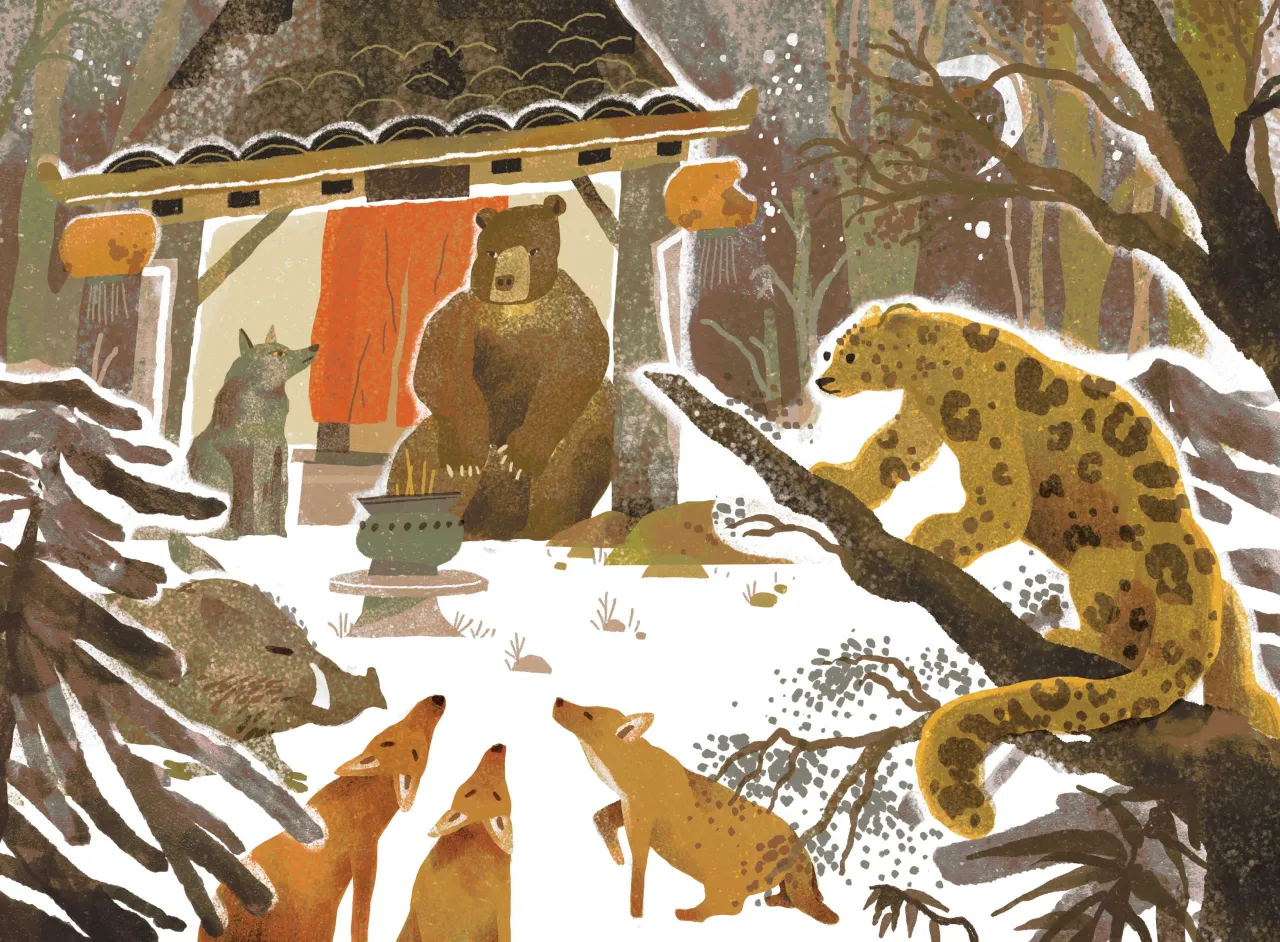
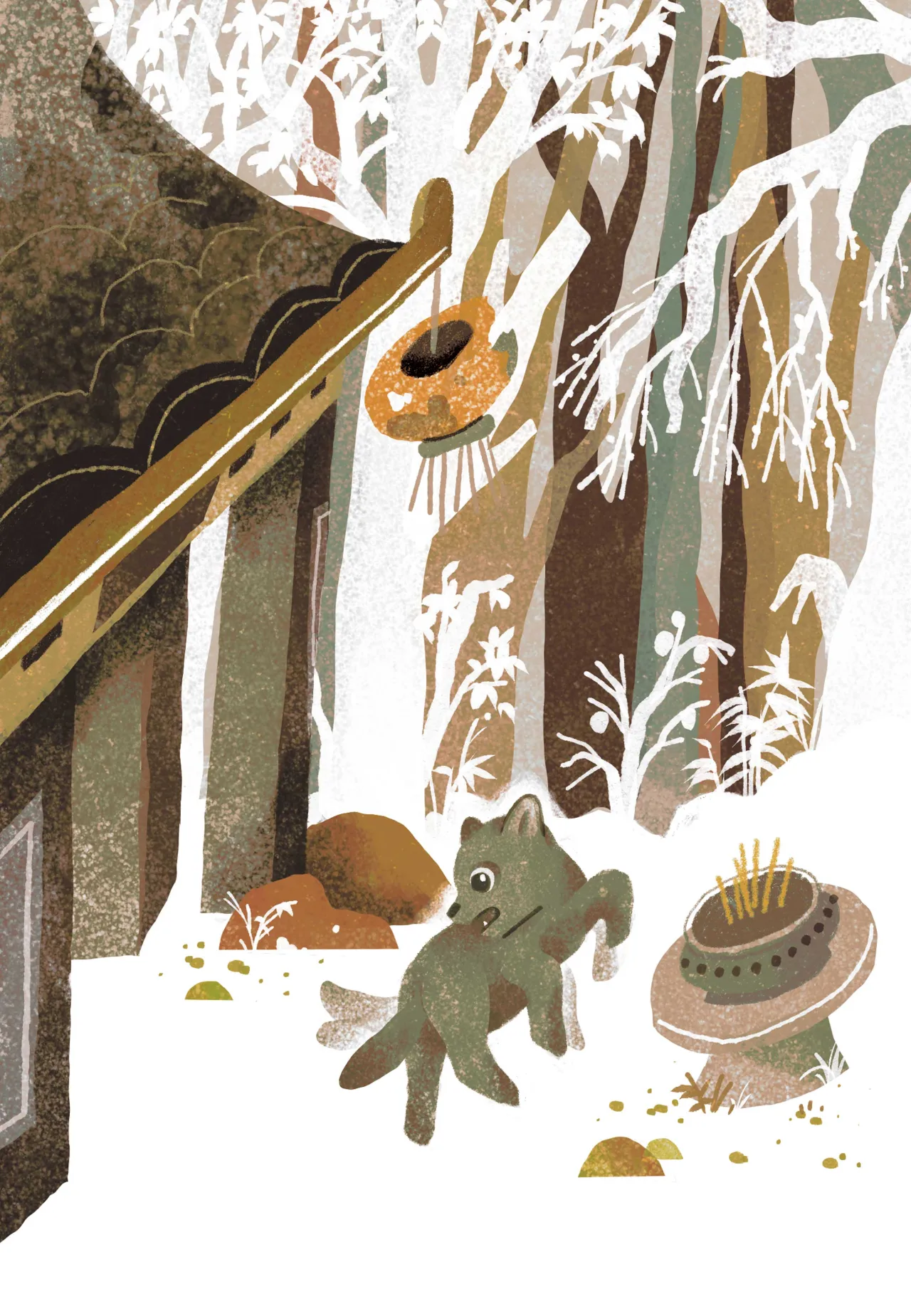
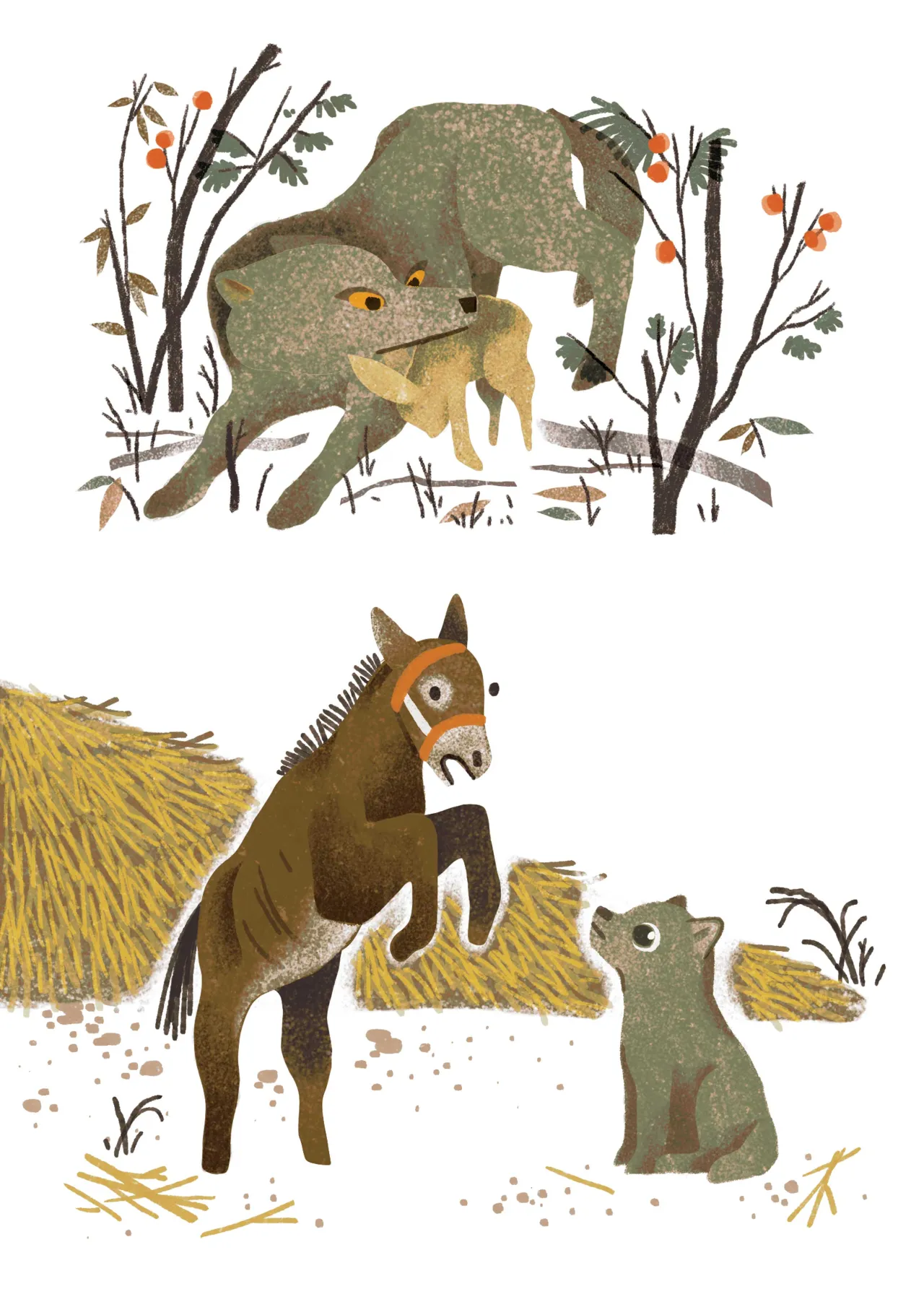
Along with the need for characters, the rest of the illustration process required a different approach. "Normally, the briefs for nonfiction projects include reference pics, notes on the specific subject to illustrate, and typesetting for the spreads," Wenjia explains. These elements provide solid guidance – and sometimes limitations – on what to depict and how to arrange the composition of the illustrations.
"In contrast, for this children's literature project, I only received a draft with indications of where to insert illustrations, along with a few notes on page size. Although this lack of detailed guidance posed a challenge, it also offered an exciting opportunity to apply my imagination and style to create conceptual scenes based on the story."
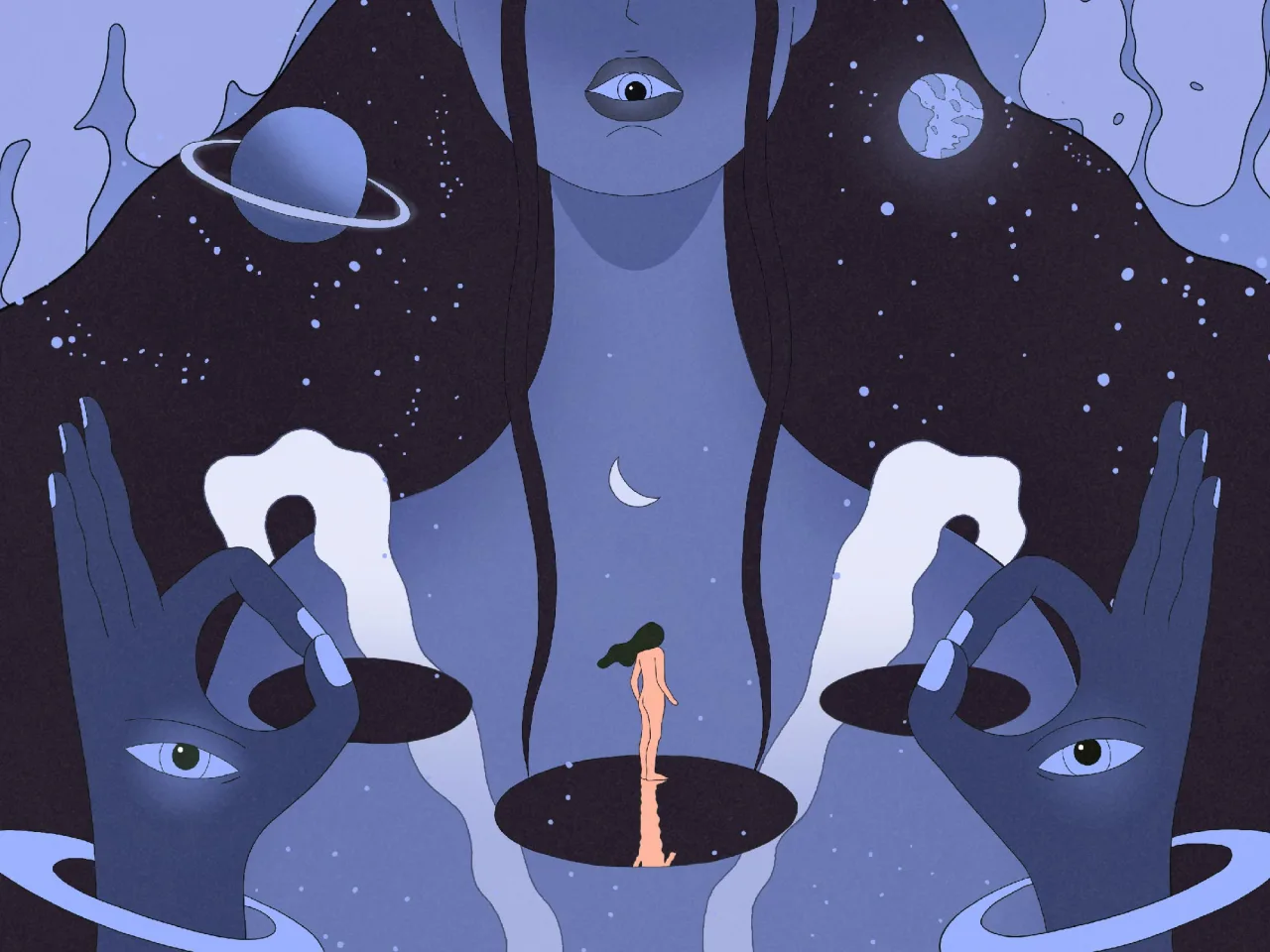
While Mountain Temple may be Wenjia's first fiction book, it's easy to see why she was chosen. Her lush style perfectly depicts nature, a key requirement of the story. "I like to depict nature serenely and peacefully with subtle speckled textures," Wenjia adds.
"Most of the work on my portfolio site consists of past editorial or book projects based on natural elements or landscapes. I think the publisher approached me with this title in mind because my style aligns well with the book's calming and whimsical voice, which revolves around nature and wildlife."
As for why she's continually fascinated with nature, Wenjia says it's because nature "performs its patterns freely". She adds, "I'm fond of observing elements from nature and representing them visually through a more structured interpretation. For example, the varying shapes of trees and the unique branching patterns across different species provide fascinating patterns to study and illustrate."
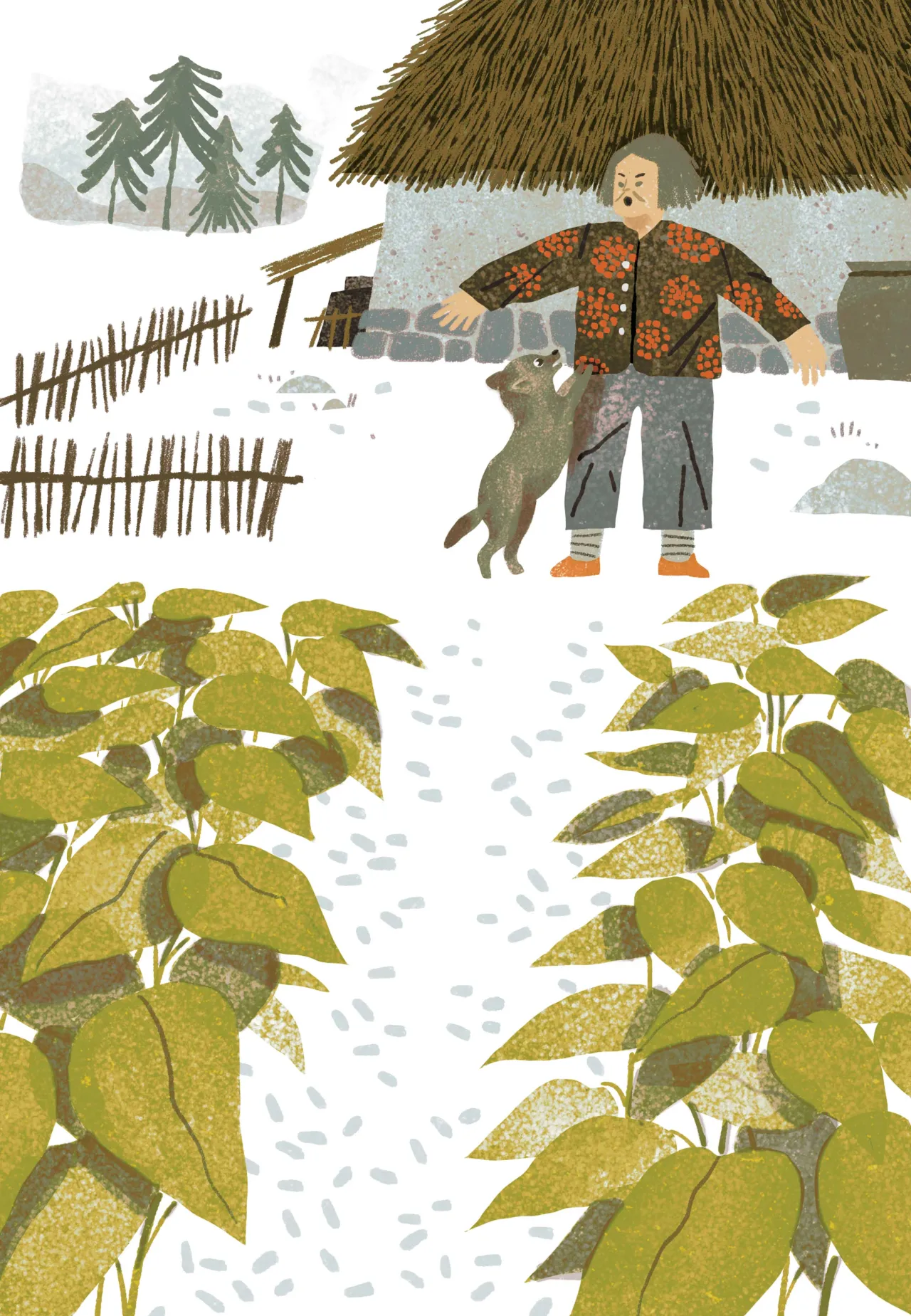
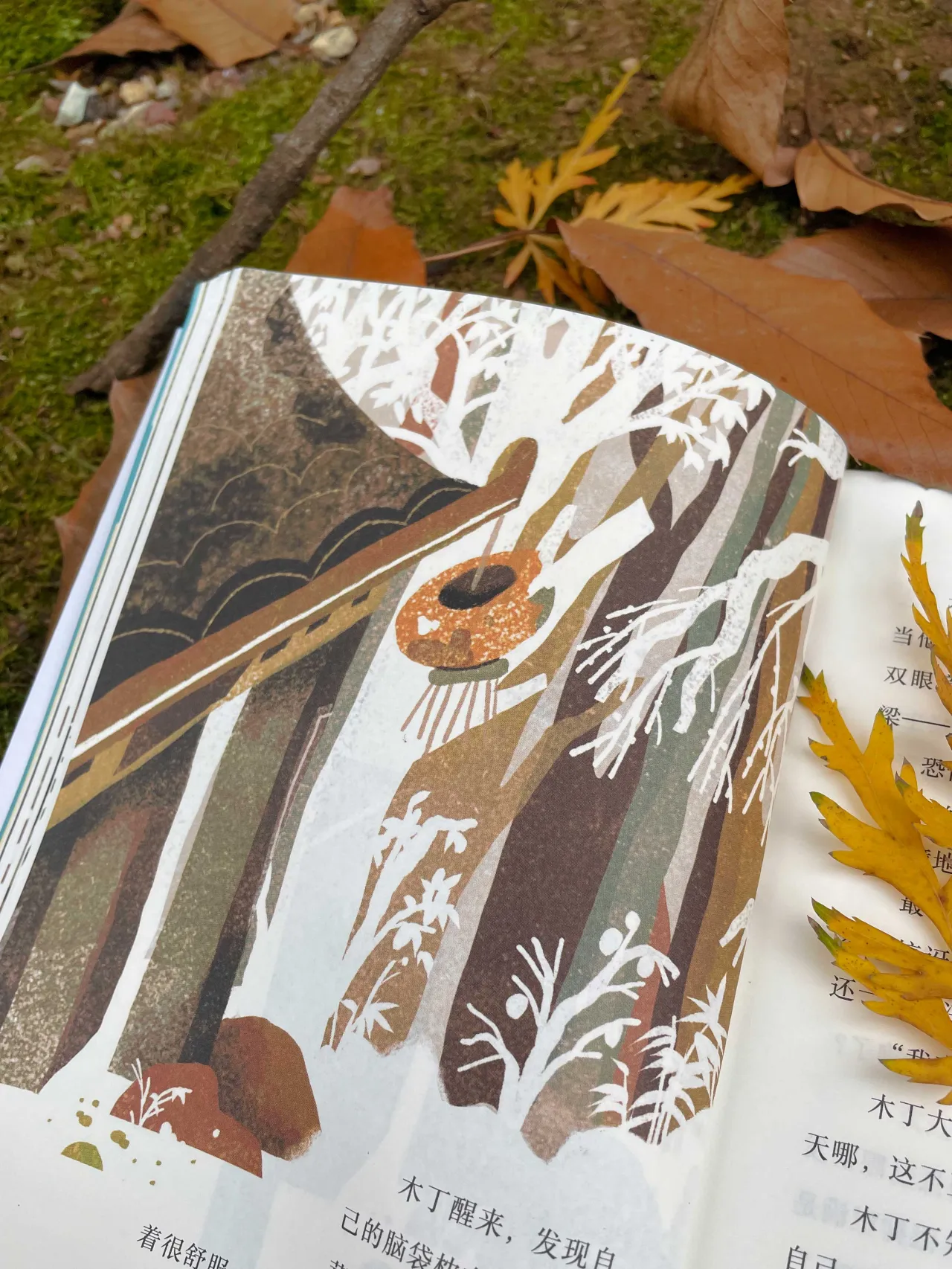
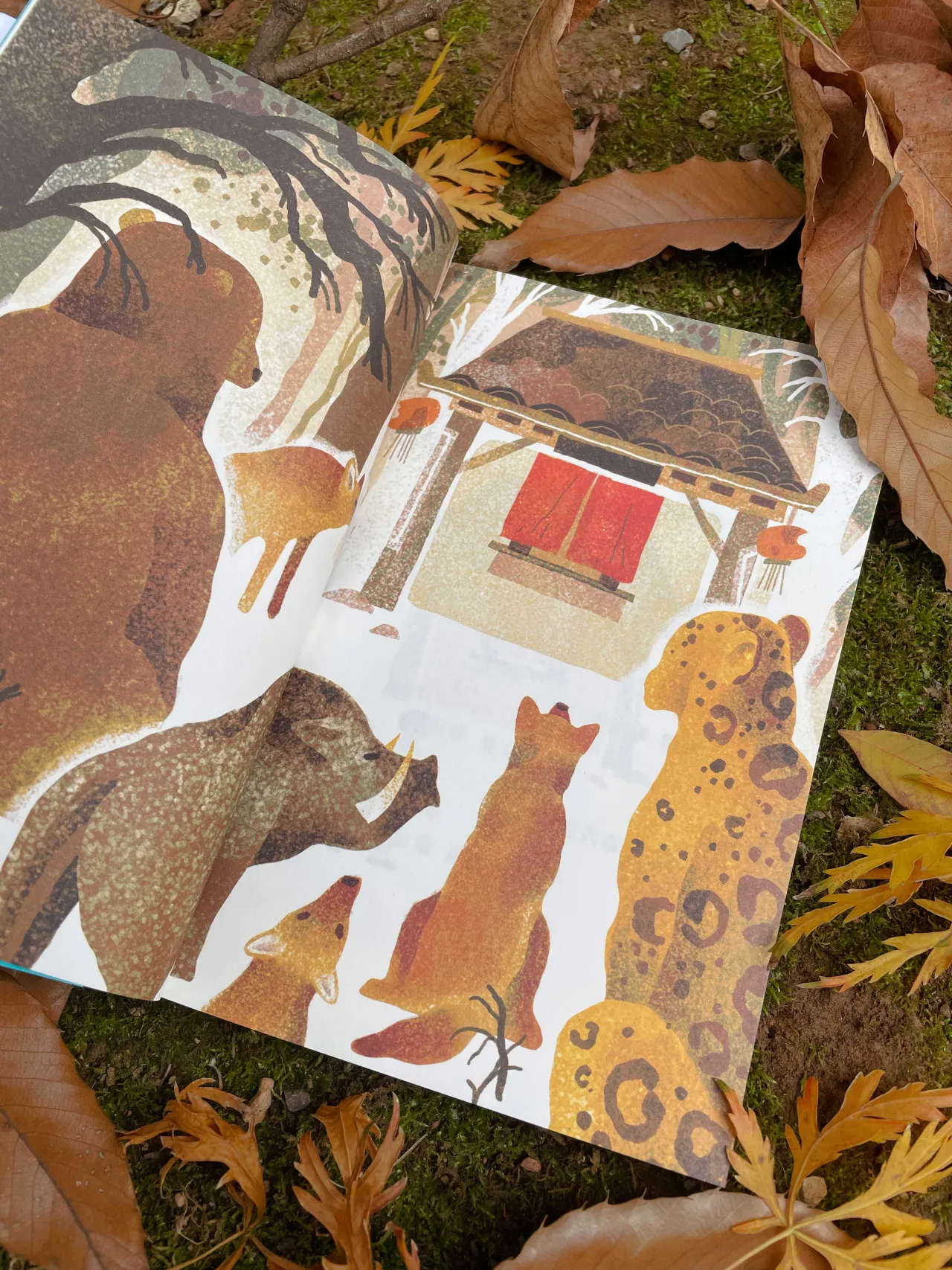
This doesn't mean the illustration process was without its challenges, though. As well as demanding her to create characters, Mountain Temple also leads to Wenjia pushing the boundaries of her creative methods. "I deliberately challenged my artistic style with twists in forms and colours, aiming to mimic the organic flow and rustic ambience I observed in nature, which, I believe, better matches the narrative," she reveals.
It's an innovative approach that has paid off, as Mountain Temple not only captures the essence of the story but also conjures up the peaceful and serene feeling that Wenjia always wants to instil with her illustrations. "Additionally, I want to convey a sense of respect for nature in this series of illustrations," she concludes.

Editor's Picks



Trending




Latest Jobs
Art Director at GREY (New York)
Full-time·New York·US$45,000 – US$100,000
Multidisciplinary Designer at Formation Games
Full-time·London·£40,000 – £50,000
Director, Brand at KQED
Full-time·San Francisco·$125,547 – $165,000
Associate Web Designer at Planhat
Full-time·London·£30,000 – £35,000
Branded Content Producer at KQED
Full-time·San Francisco·$92,068 – $115,085
Marketing Manager at University of Birmingham
Full-time·Birmingham·£36,636 – £46,049