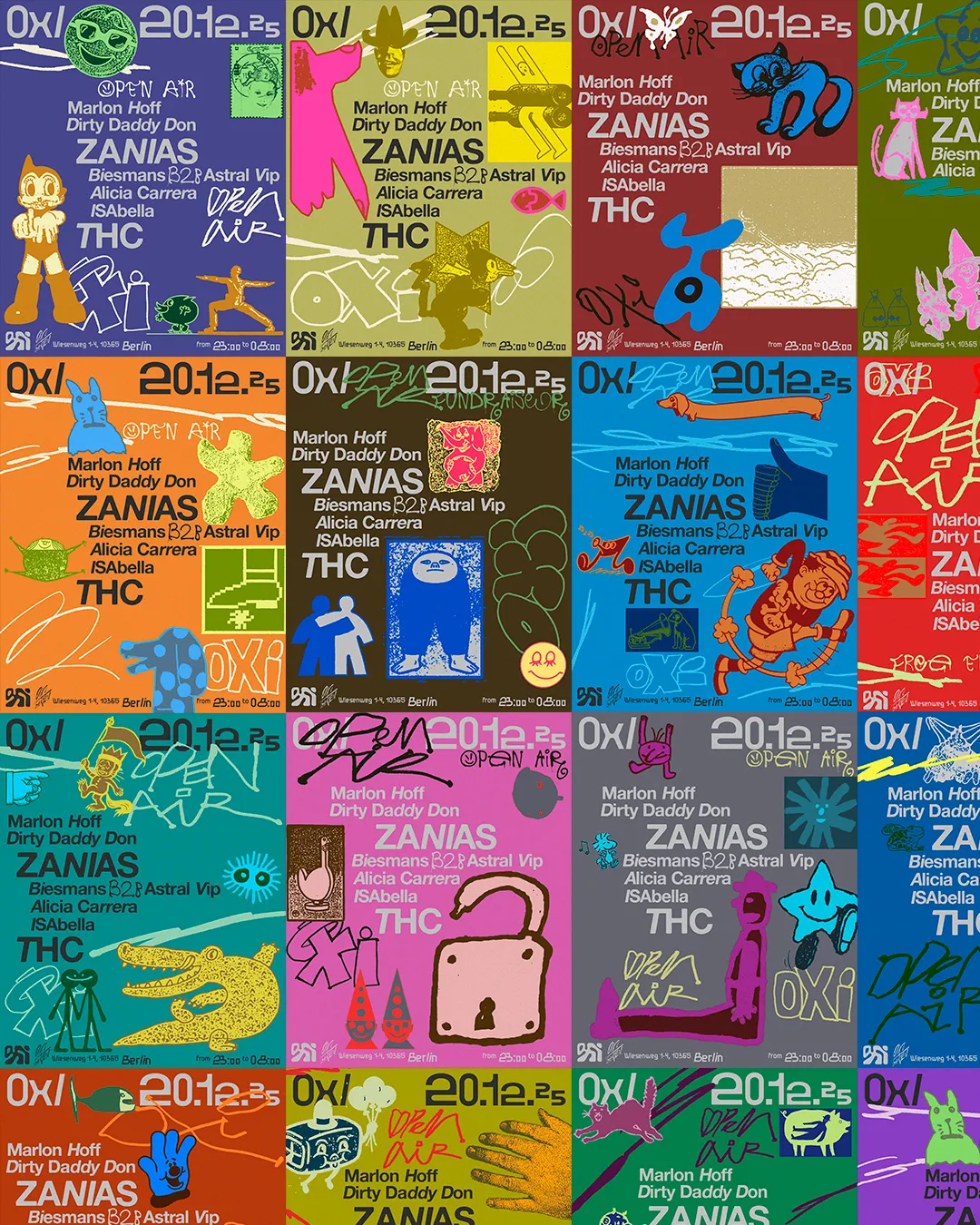
Paco May's illustrations depict the larger-than-life characters of New York's club scene
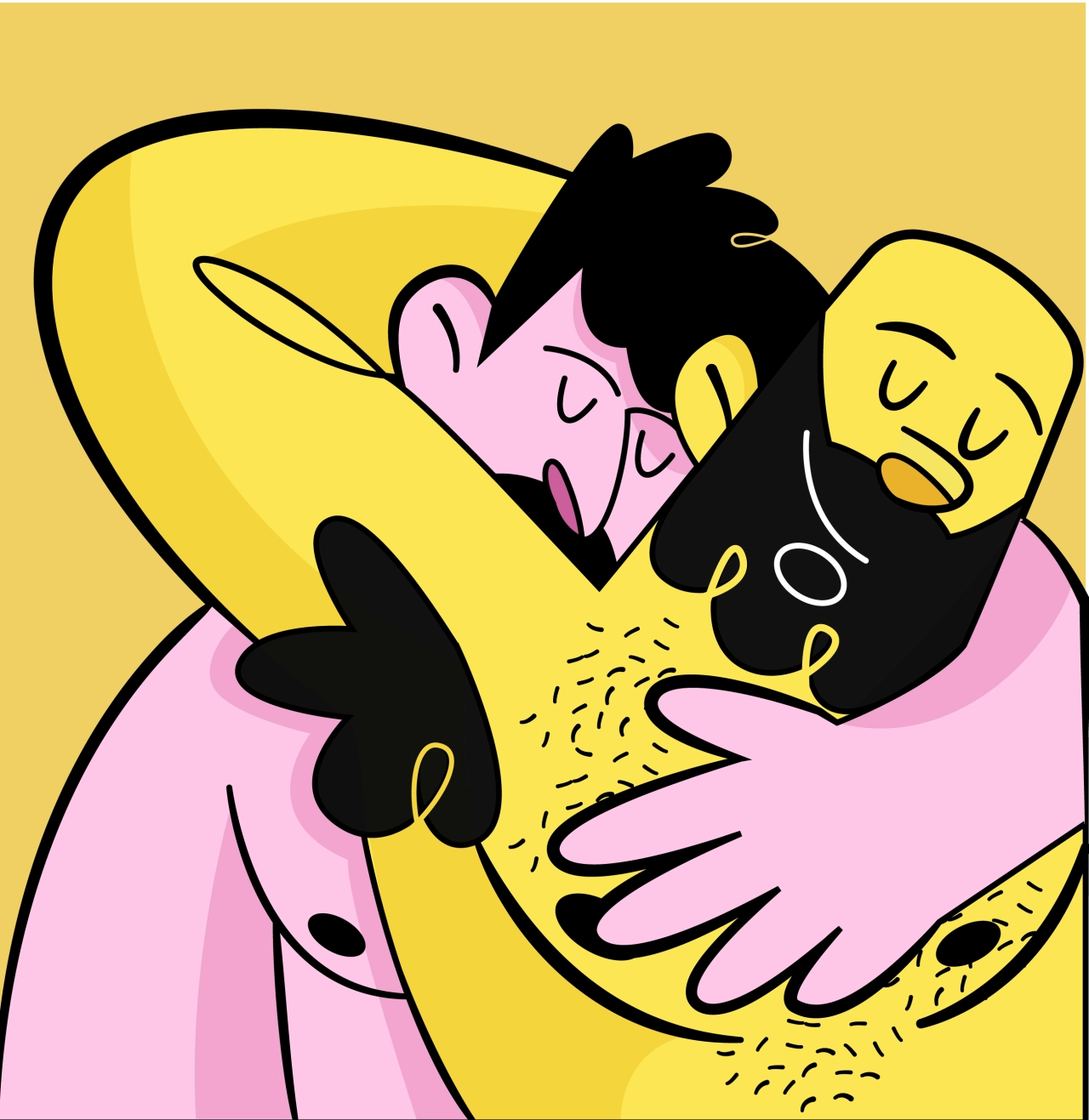
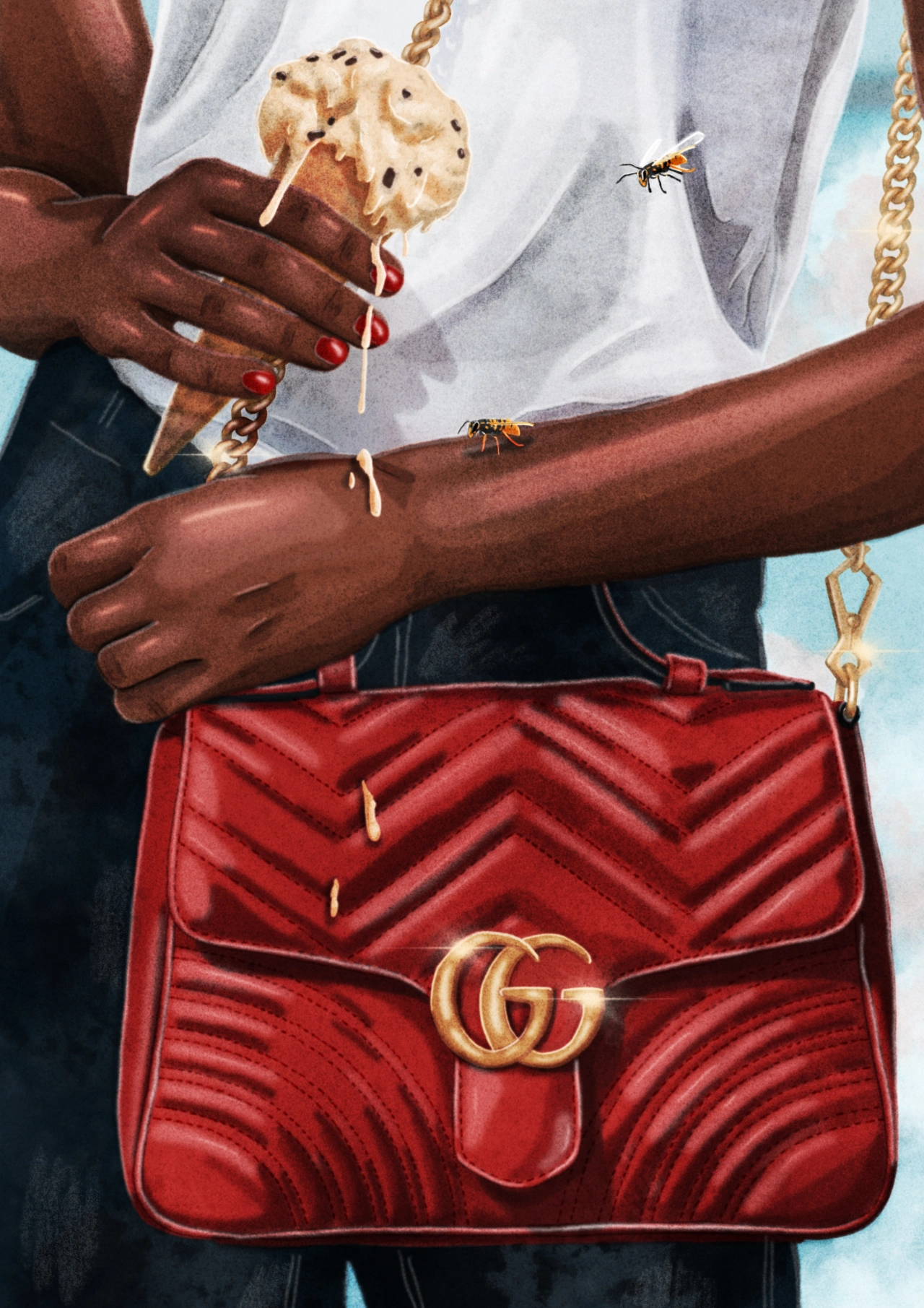
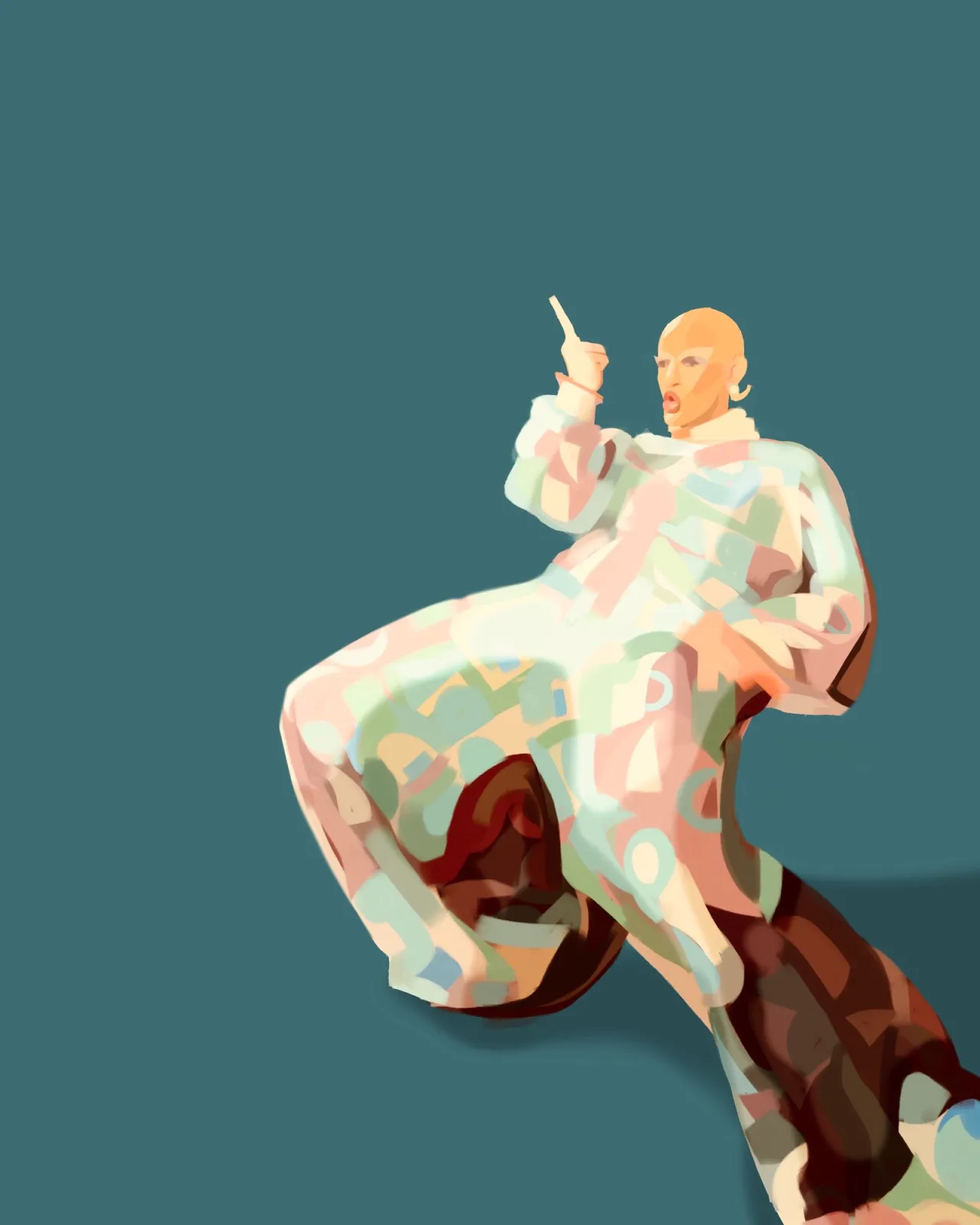
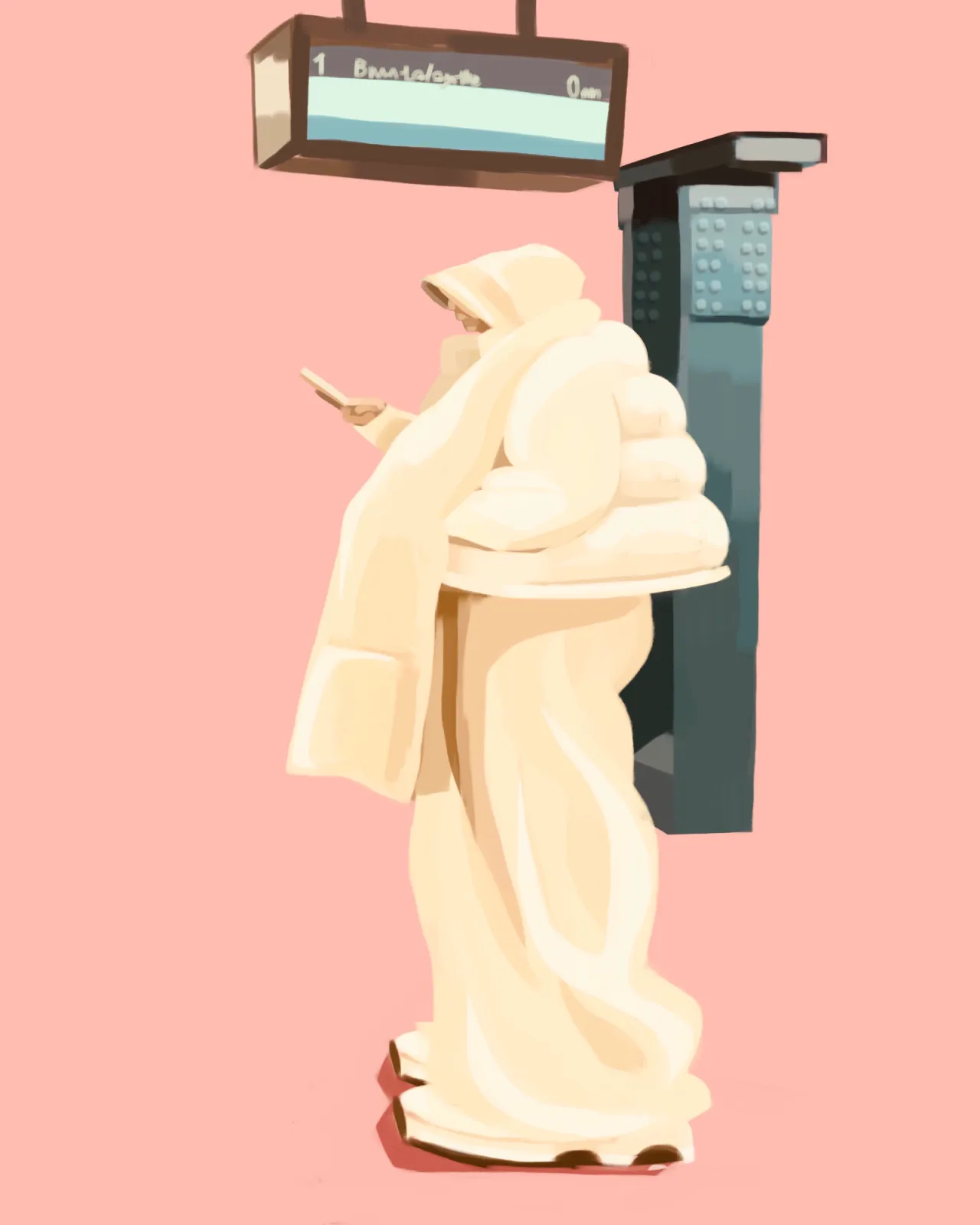
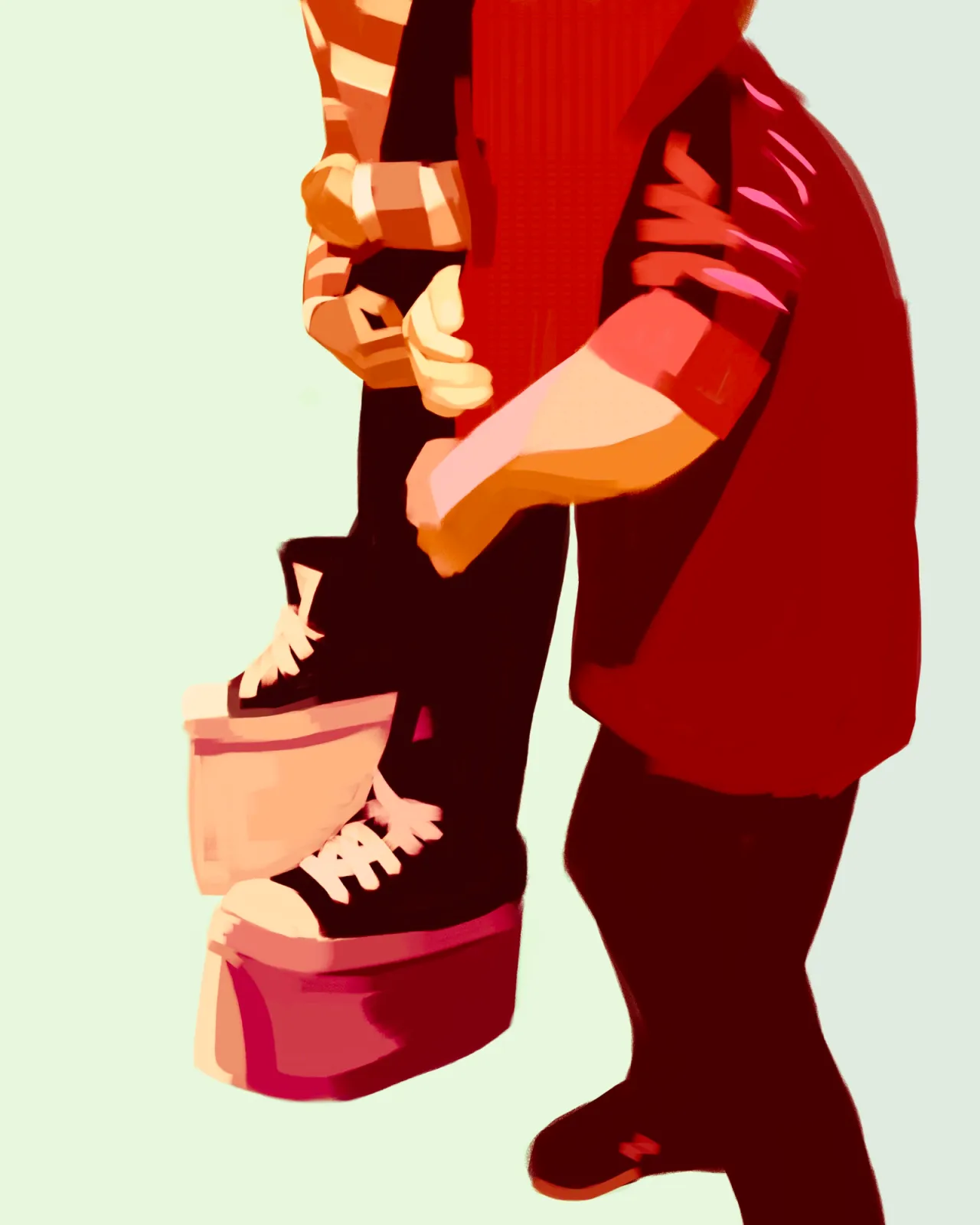
Brooklyn-based illustrator Paco May captures New York's historic nightlife and the vibrant characters that make it special in his unique series of glittering artworks.
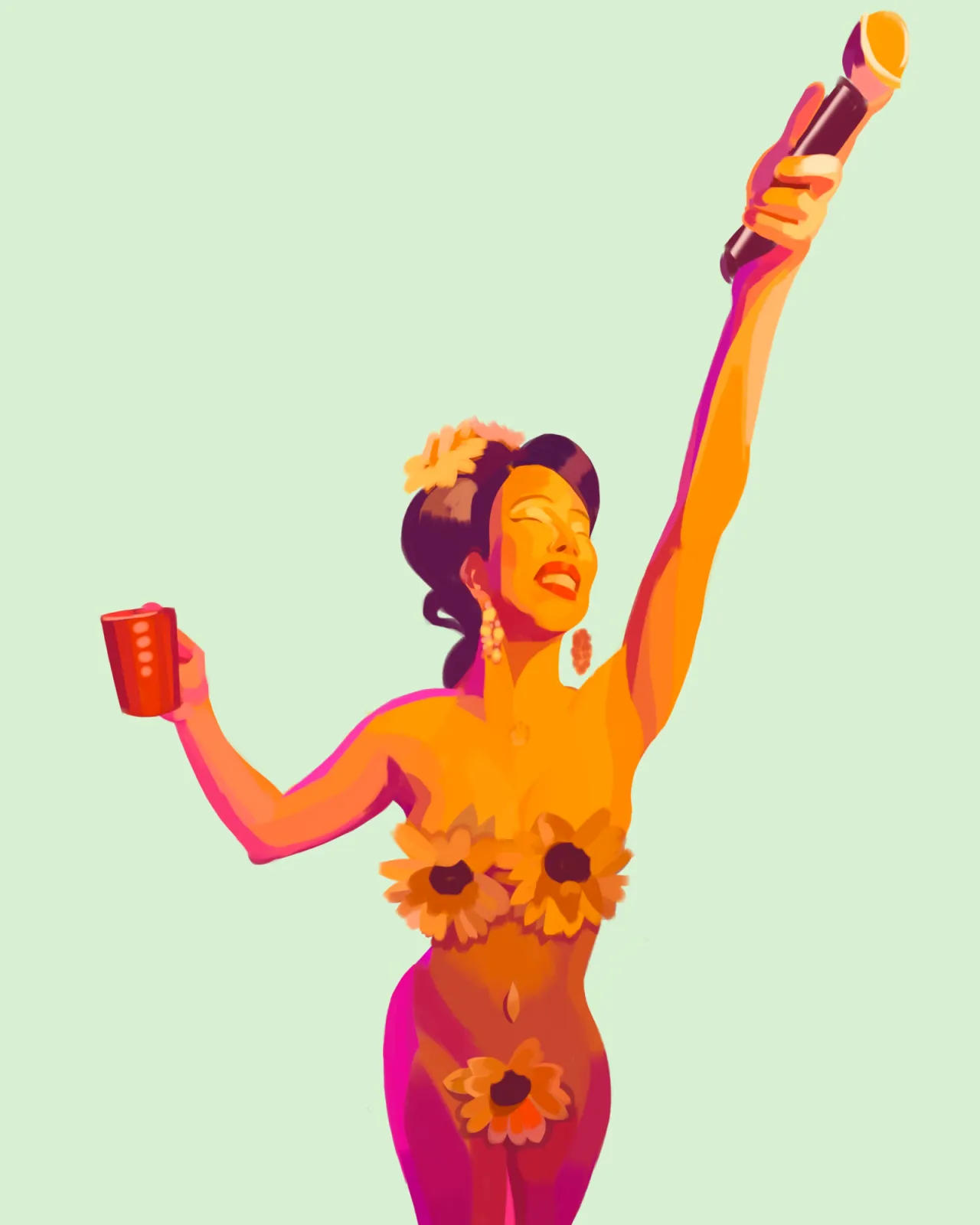
New York's nightlife is famous for a reason. With clubs like Studio 54, Danceteria and Limelight calling the Big Apple home and the association of luminaries such as Andy Warhol, Halston Diane Brill and Suzanne Bartsch, the city's after-hours entertainment is also a rich source of inspiration for artists.
One such artist is Paco May, an illustrator for The Cut, TODAY, and Estee Lauder. After settling in Brooklyn after living in Santiago for over a decade, Paco's digital artwork centres around fashion, R&B singers and pop culture. Or, as he puts it, "all manner of gay shit". No wonder New York's club scene appeals.
The decision to move from Chile to Brooklyn was partly inspired by his artistic urges. "I was missing the creative spark, and I read an interview with David Hockney where he talked about digital drawing and how he found it just as intuitive and inspiring as working with physical materials," he tells Creative Boom.
"I started playing around with it as a challenge to myself and soon saw the potential for innovation in my work. The process is similar to drawing, but the speed at which you can edit and experiment is invaluable."
This speed would be useful later on as Paco tried to capture the ever-shifting nightclub dancefloor. However, social reasons also motivated his decision to move. "Most of my friends had ended up in New York, and I knew that was where I would land eventually," he says. "I was originally living in Harlem on 145th street, but found myself always on the train down to Brooklyn for both work and play."
Speaking of play, Paco is drawn to Brooklyn's nightlife specifically because of the innovation and provocation found here. "It's just a little rougher around the edges than Manhattan, queerer, takes itself less seriously," he says. "You truly never know what you'll get from a night out."
It's this "queerness" that makes the area's clubs so unique for Paco and marks it out as a subject worthy of study. "Queer nightlife is all about losing yourself in the music and energy," he explains. "Brooklyn's gay clubs really subvert the standard aesthetic of chiselled male dancers and impeccably made-up queens. The queens are messy, loud, explicitly political, hilariously juvenile, and acrobatic; they truly are just always doing the craziest shit.
"It's almost like a commentary on what is expected from a drag show that becomes way more than a drag show. There's also a real sense of community, where the performers and audience share blunts and laughs between sets."
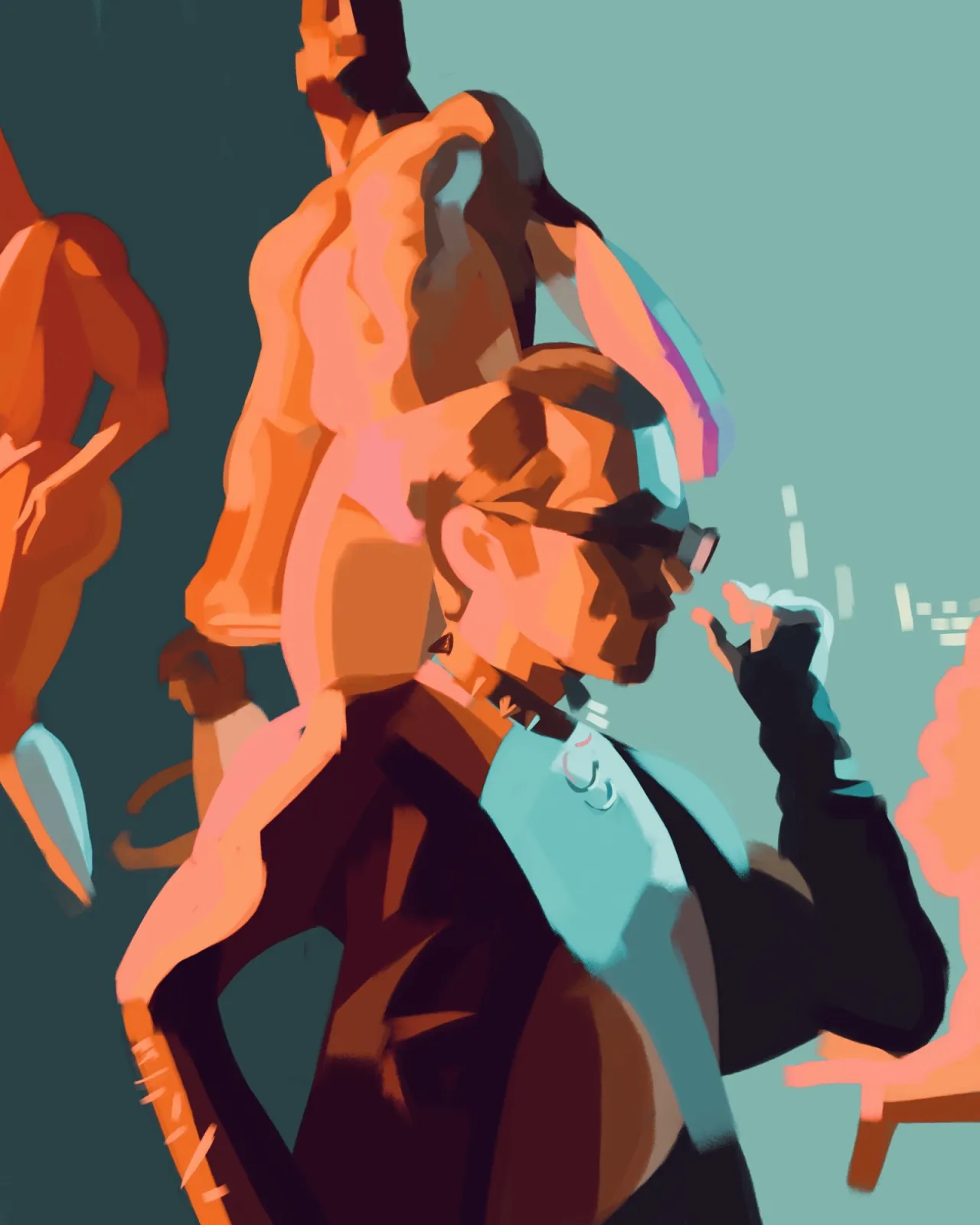
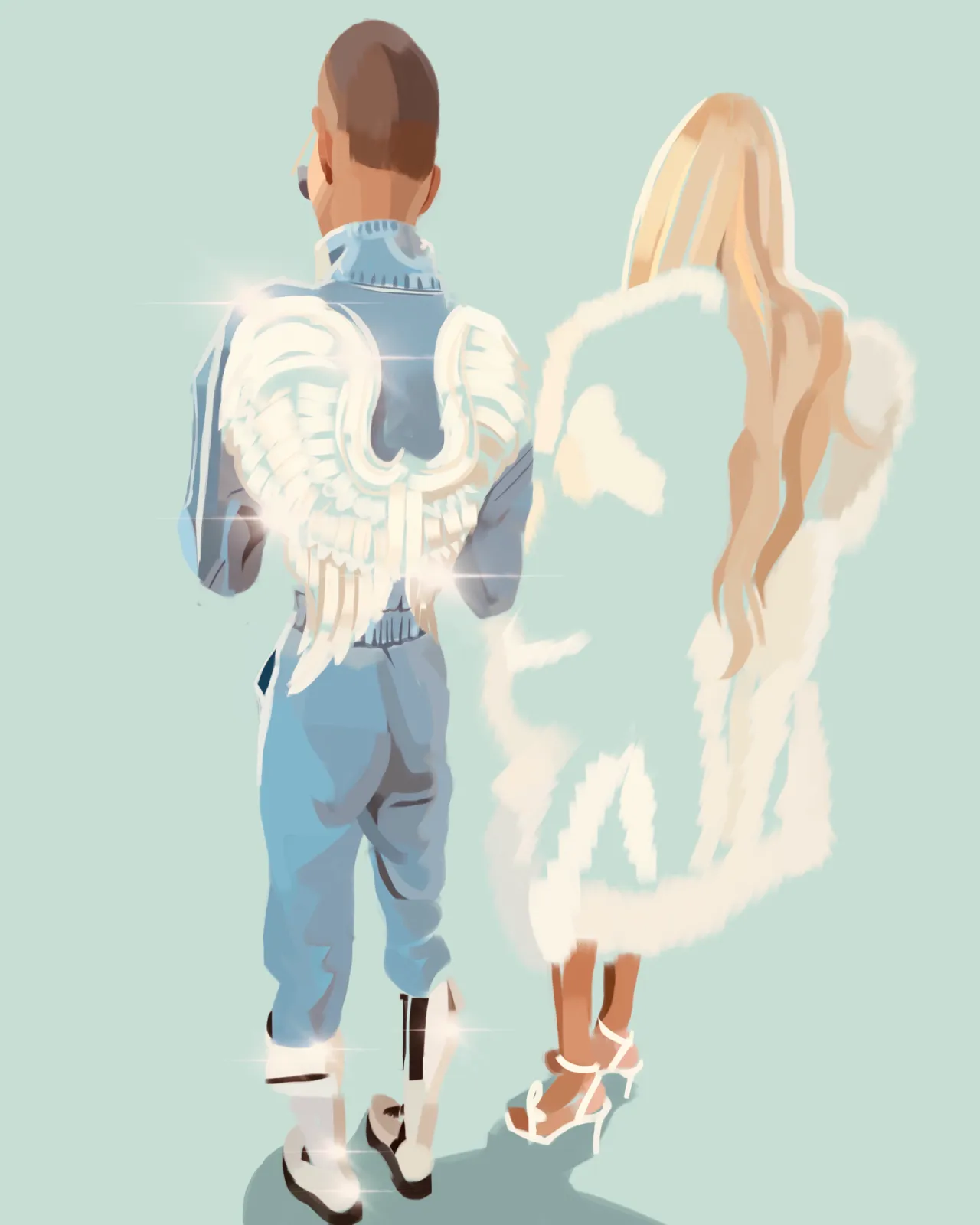
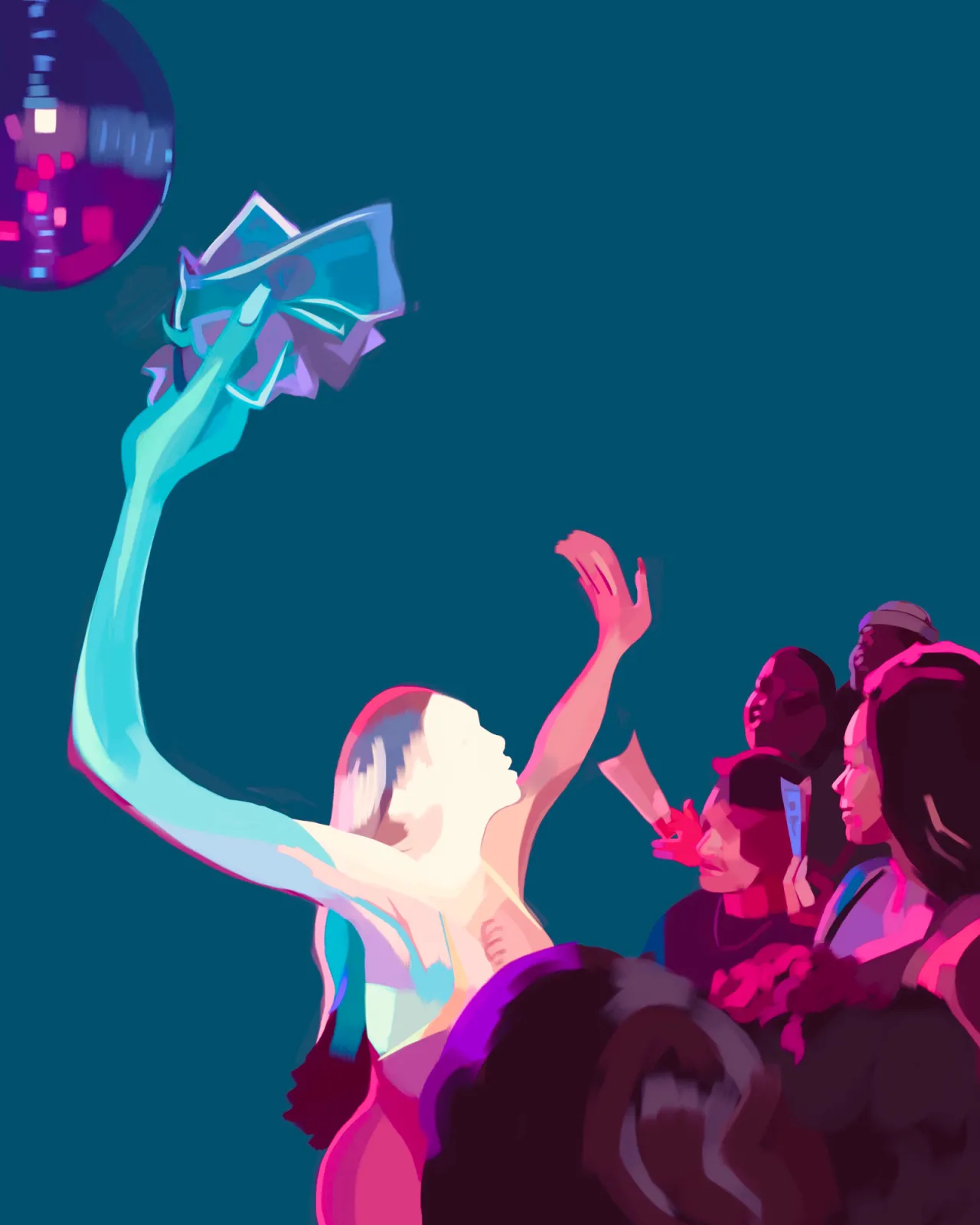
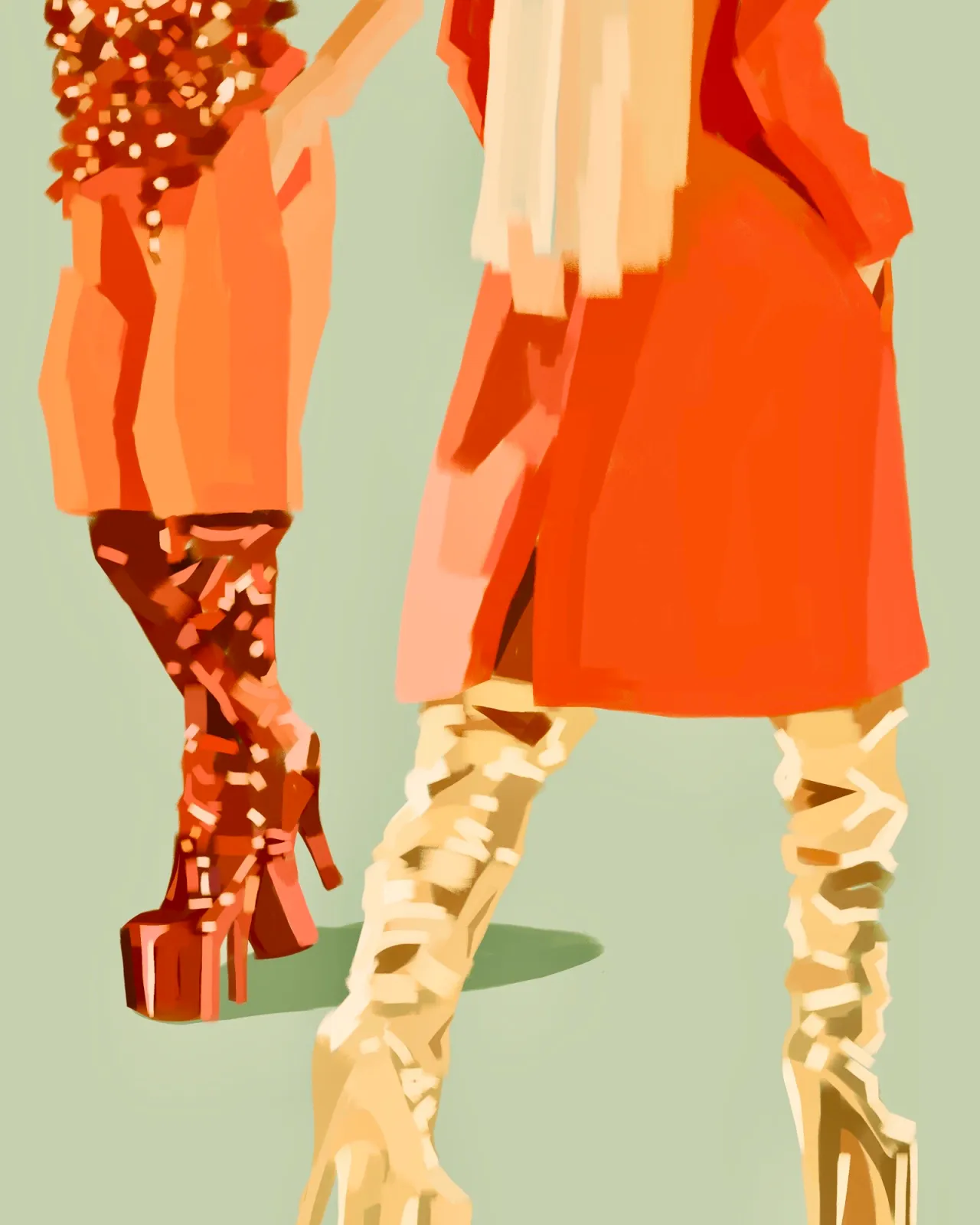
By their nature, nightclubs and dancers are constantly moving. So when it comes to getting reference material, which he can illustrate later, Paco always takes little videos of both the queens and the crowd on his phone. These are then transformed into his remarkable artworks, although not as literally as they appear.
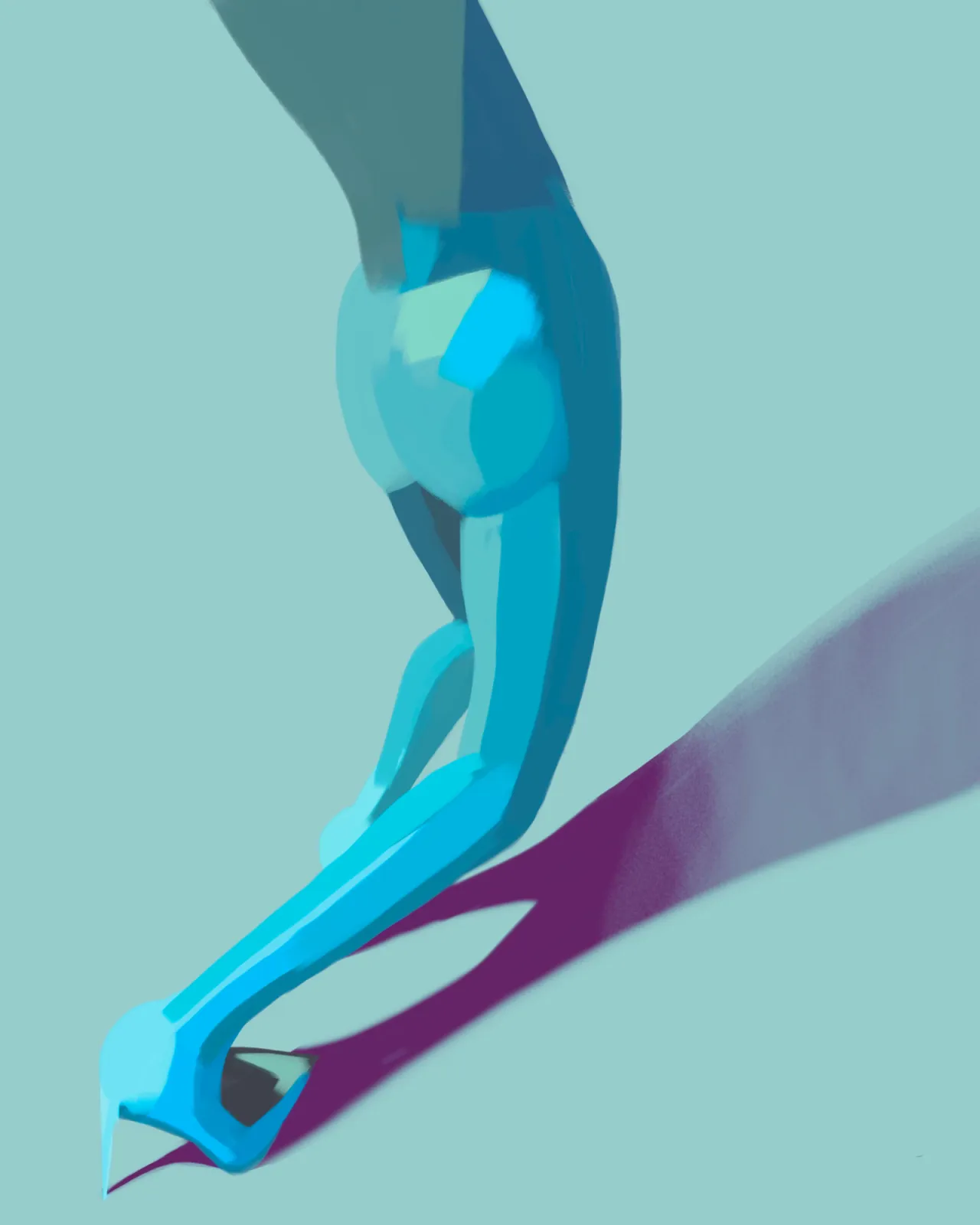
"I try to find the moment in the video where the movement is most dynamic, and then use that as a reference to exaggerate and blow the moment out of proportion," Paco reveals. "It's never hard to get the inspiration; the challenge is channelling the movement and chaos into a drawing.
"I try to capture the feeling more than the exact rendering of the moment. For me, that means blowing out the proportions, exaggerating the highlights and shapes, and not being too precious about the details. There is a dizzying feeling when you're in a space with so many visual stimuli."
As well as inspiring his artwork, Brooklyn's nightlife has also shaped Paco as a person. Out of those who have made the biggest impact are the girls who have been generous in the face of adversity and have continually spun their circumstances into gold on and off stage.
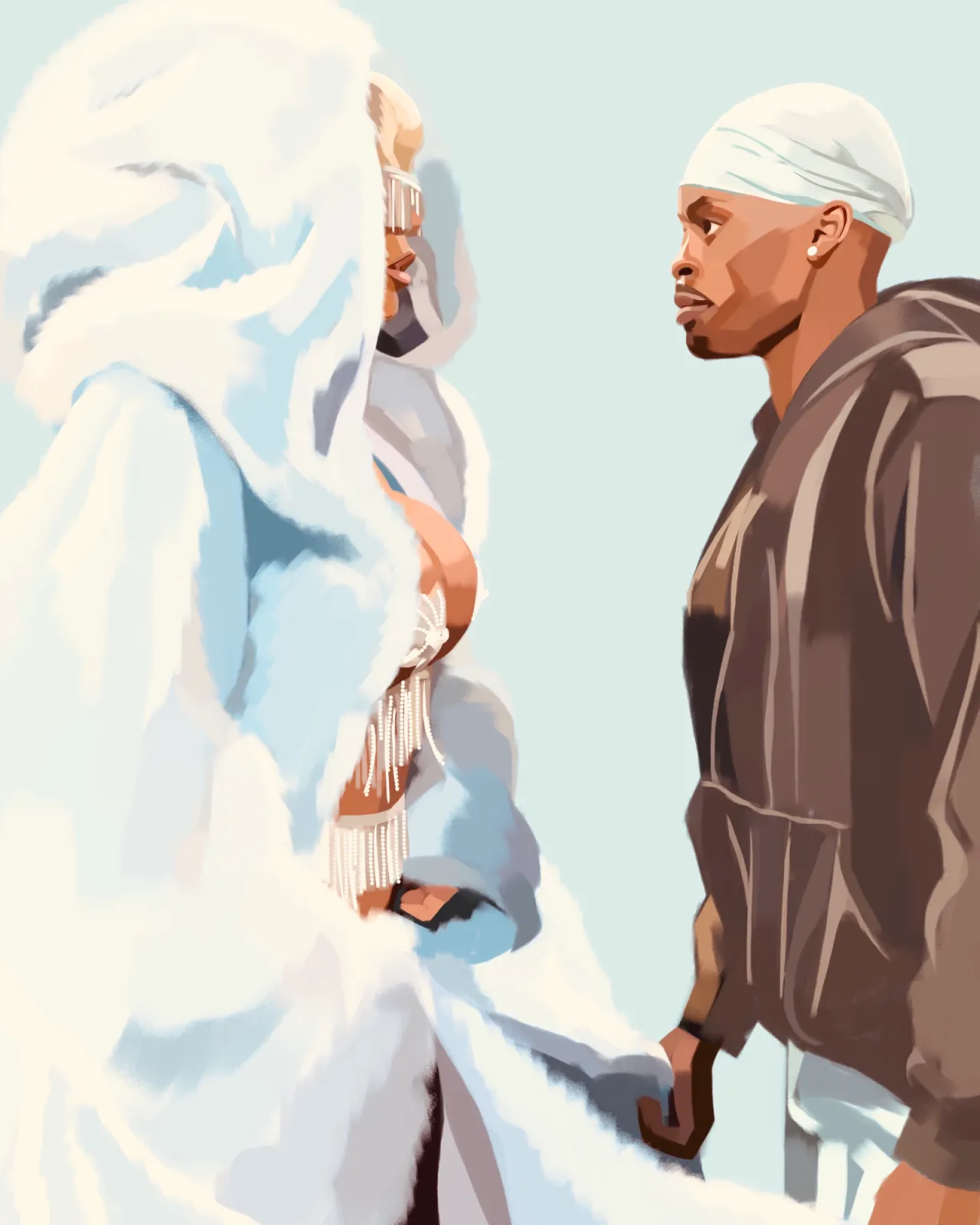
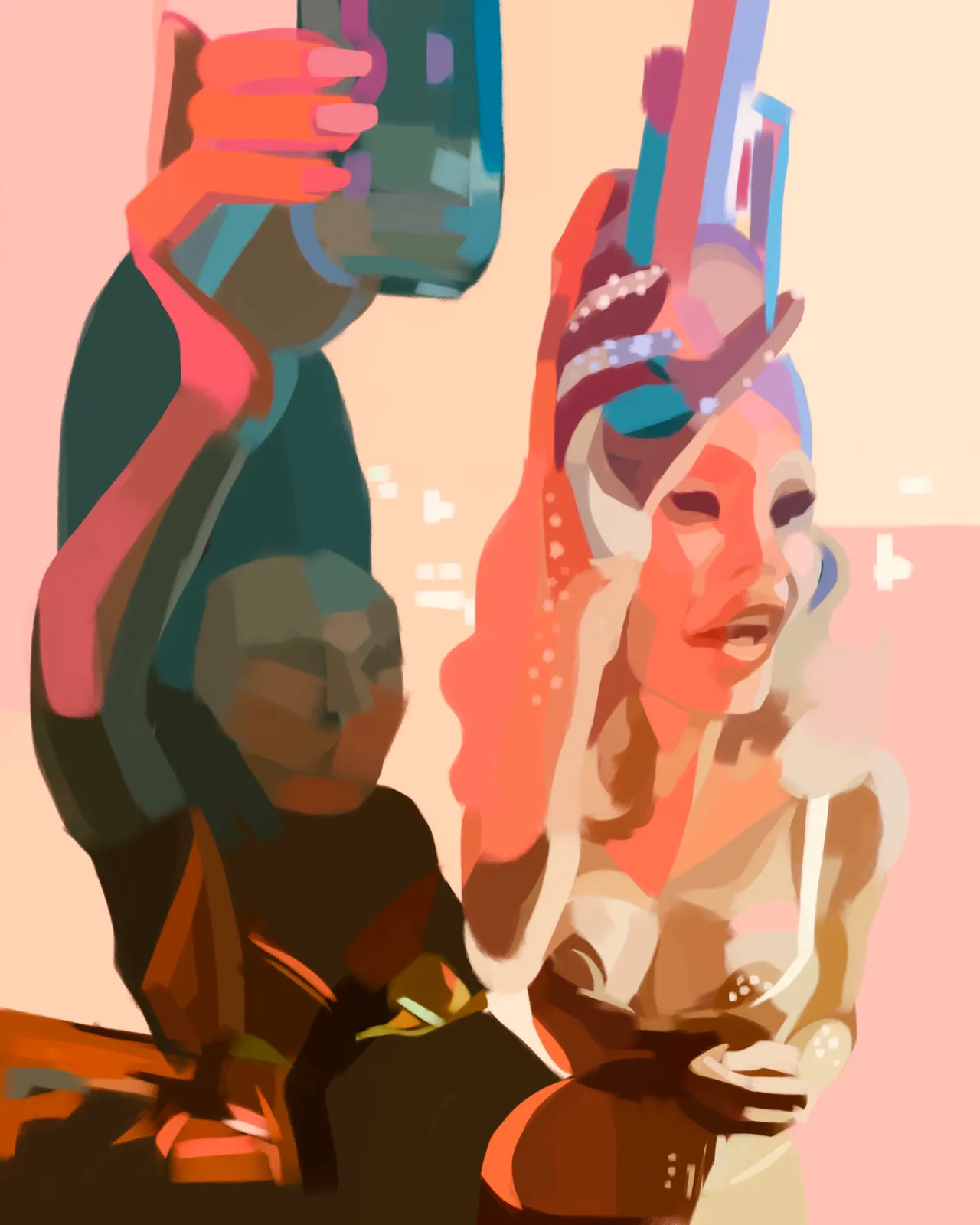
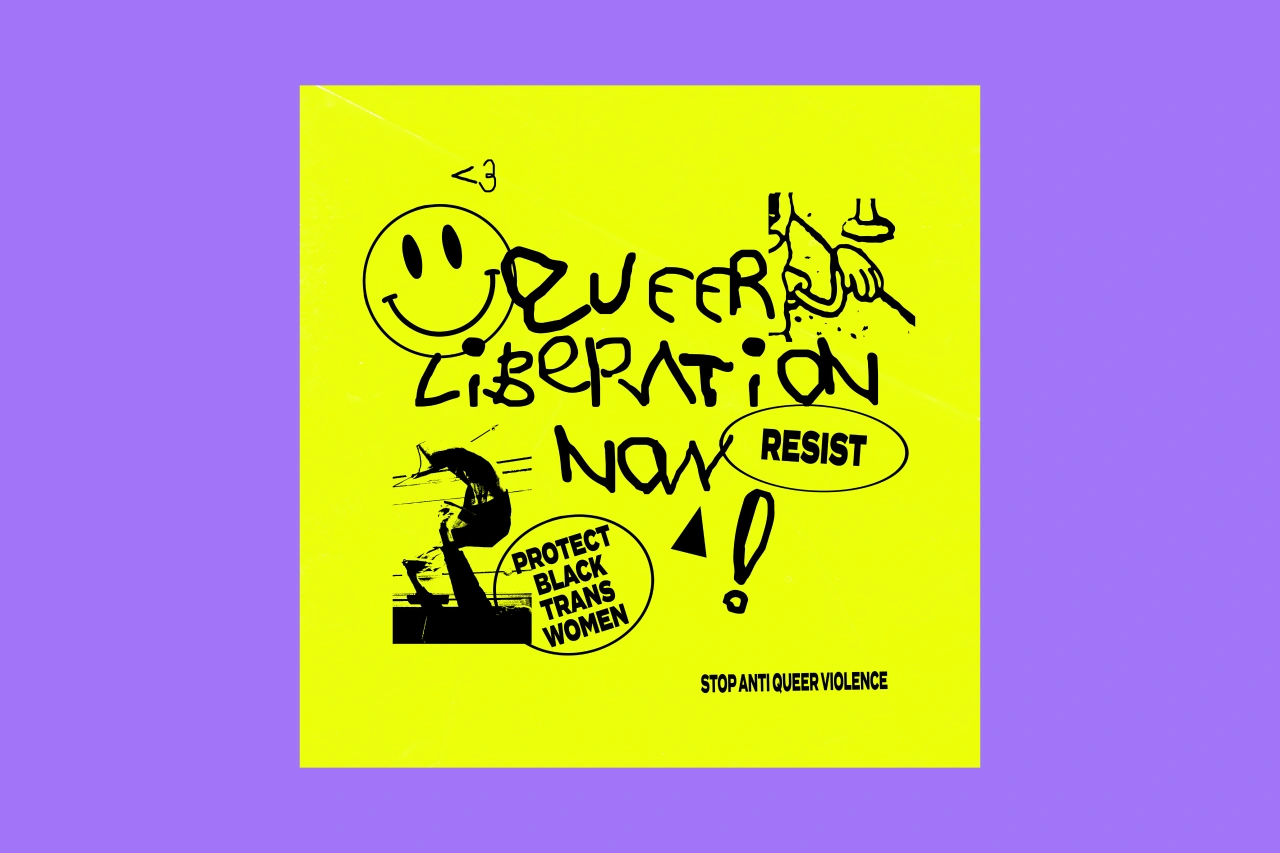
"I try to always face life with a bit of irreverence, and the community has amplified that in so many ways, from my work to my clothes," he adds. "It's also crucial to note that the queer activist community and the queer nightlife community are the same in many instances, particularly for the trans performers.
"I've had the opportunity to collaborate with so many individuals making concrete changes in the world off-stage. The challenge to the conventions of drag and queerness extends to all parts of society. I've found it very helpful to value the silly and ridiculous things with the same conviction as the serious and vital things."
Editor's Picks
Trending

Latest Jobs
Creative Social Content Producer at Bompas & Parr
Contract·London·£32k–£40k
Midweight Designer at All Purpose
Full-time·London·£30k–38k
Paid Media Executive at Munro Agency
Full-time·Glasgow·From £27,000
Senior Digital Designer at Red Antler
Full-time·New York·$95k-$130k
Brand Strategist at DNCO
Full-time·London·£45k-£60k
Digital Marketing Executive at Arise
Full-time·Sheffield·From £23,750