Searching for Borogodô: Brazilian creativity as a global cultural force
Tátil co-founder Fred Gelli on the power of Brazilian design, its unique cultural context and why the timing is right for the world to embrace a philosophy that brings together everything from biomimicry to Brazilian Maximalism.
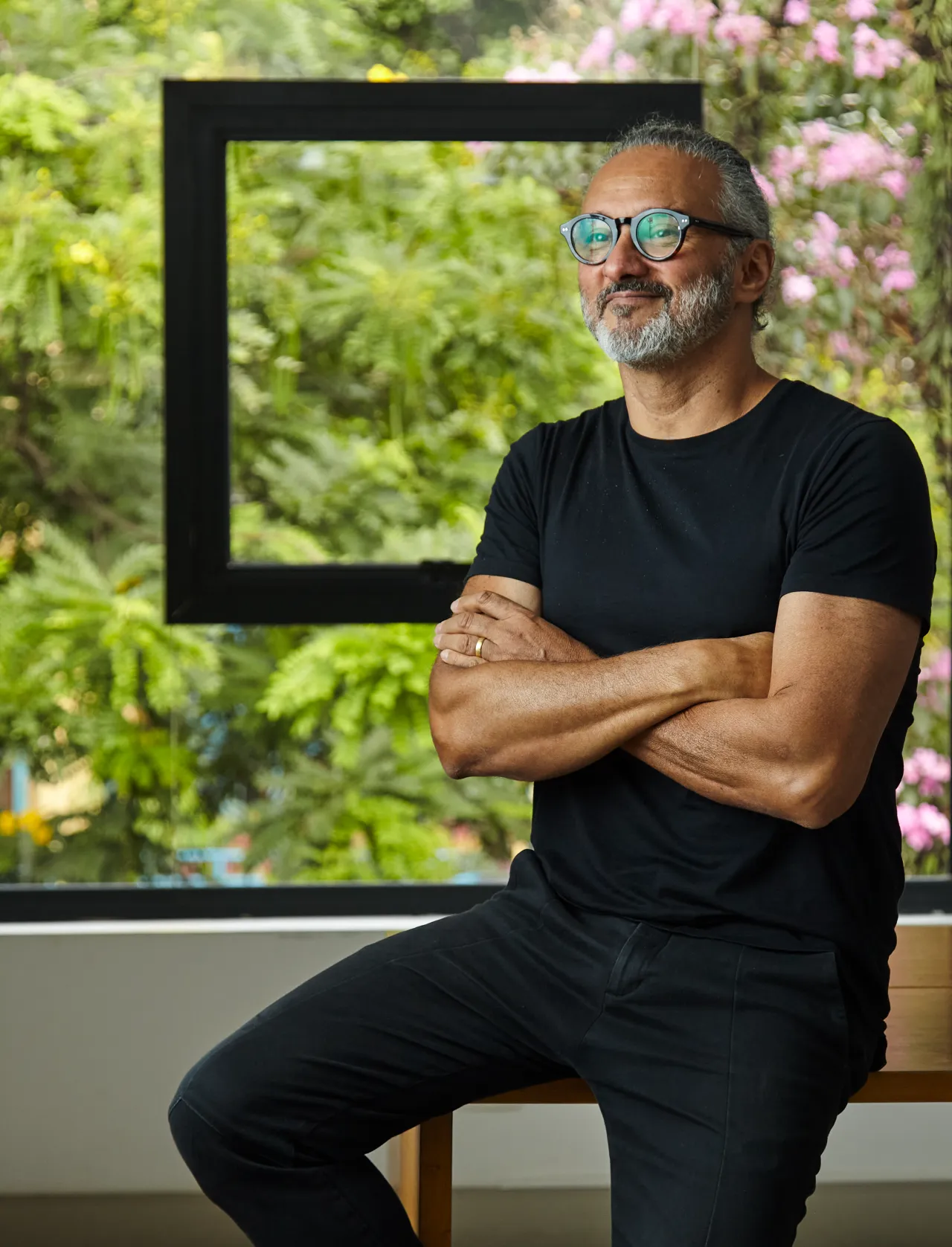
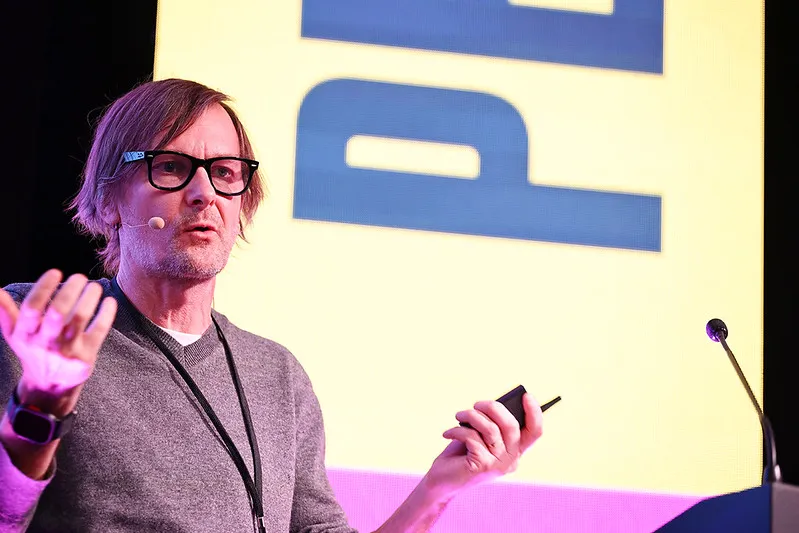
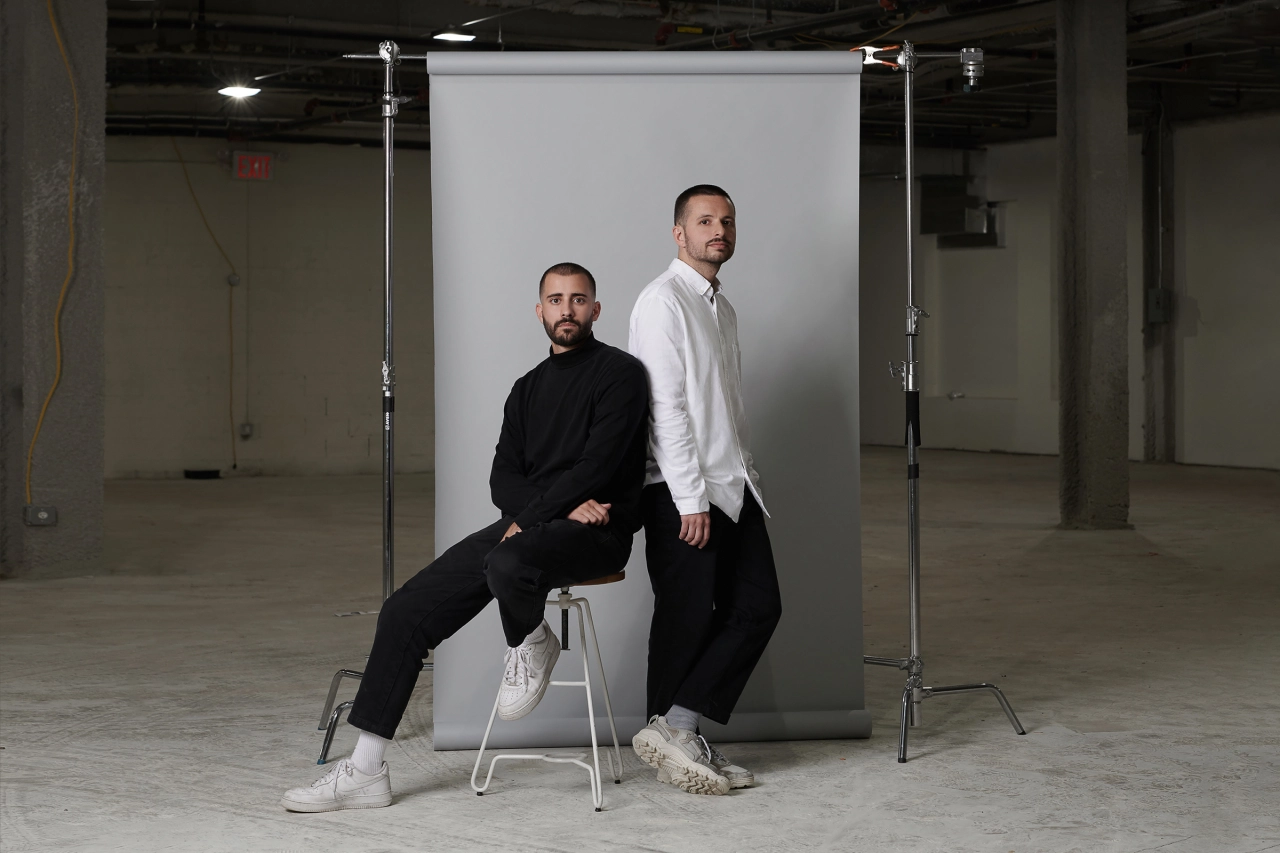
Fred Gelli
In Brazilian Portuguese, something that possesses Borogodô has an intangible, unique, and captivating natural charm.
It's worth bearing this in mind as we consider how Brazilian design came to be and, through its diversity of thought and style, what it can offer a world being tested by huge global challenges, particularly through the lenses of biomimicry, working with limited resources, and Brazilian Maximalism.
The biggest challenge designers face today is the same one the planet faces: a sixth mass extinction. Yet bleak as this existential threat sounds, there is hope, and designers have a role, as do businesses, which also need to address it.
For me, as a designer and a Brazilian, there is a deep-rooted philosophy in everything I design, one that stems from the natural world. Often, when biomimicry turns up in visual identities or campaigns, it is characterised as design inspired by shapes and forms from nature, but it should be much more than that; it is a way of looking to and being inspired by nature to resolve complex issues in a low-impact way. In my own work, I'm interested in interpreting the interconnectedness of natural systems and cycles, which is a way of thinking that can be applied to any project.
We had the opportunity to work on the identity of Biocentricos, a documentary directed by Fernanda Heinz Figueiredo and Ataliba Benaim that examines biomimicry itself as the filmmakers search to understand how the natural world can be a source of inspiration for addressing modern challenges across disciplines.
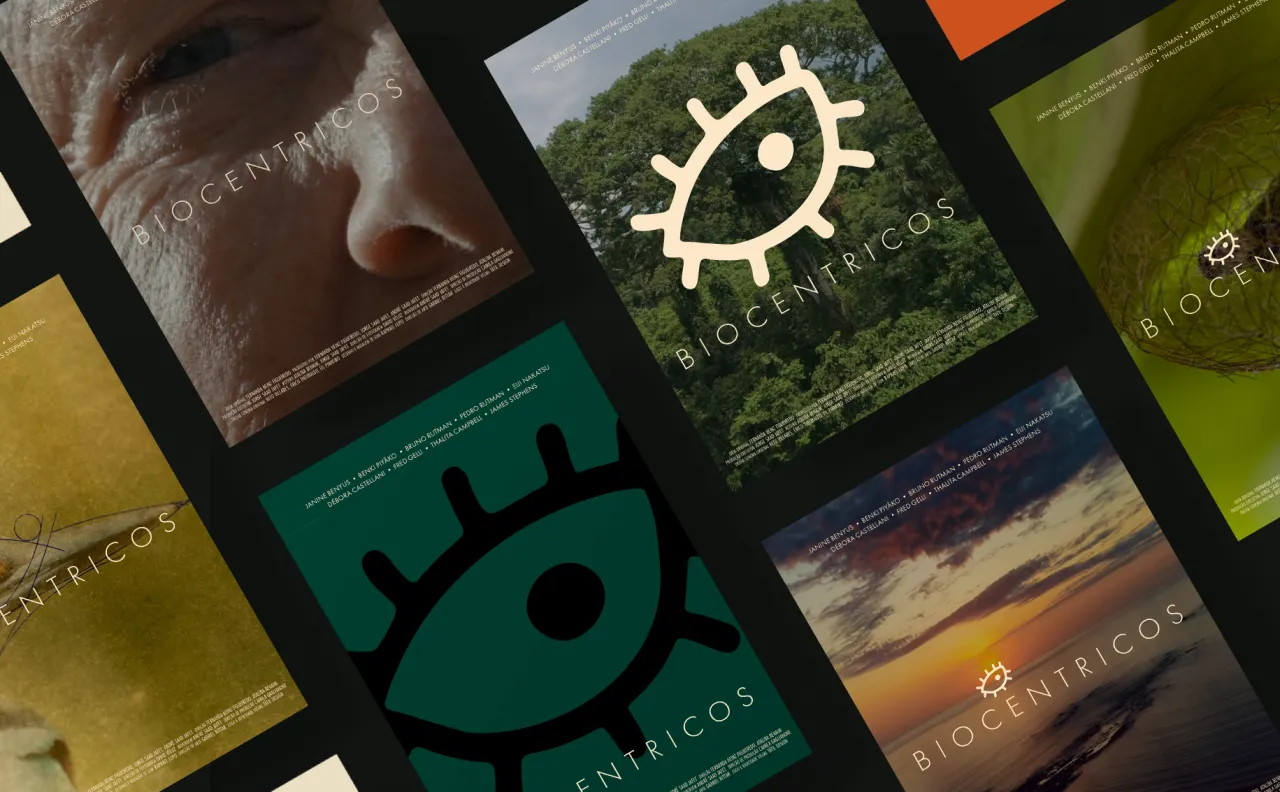
Biocentricos
Biocentricos
Our approach was to devise a restless eye motif which takes on different organic forms and shapeshifts into organic images representing key moments in the documentary's narrative.
There's an obvious tension to address when discussing this while knowingly working with large, resource-intensive, multinational companies that have historically impacted the environment. Yet these partnerships also offer an opportunity to bring about meaningful change on a large scale.
Ultimately, whatever you're creating has to resonate with consumers, and that's why it's important to avoid what we call 'eco-boring' and instead take an 'eco-sexy' approach. Something with high sensorial and low environmental impact, but crucially, an idea that excites and does some genuine good for people and the planet.
If brands look beyond the myopic view, there's a real business case for this, to ensure their own survival. Some 74% of adults globally are now feeling the effects of climate change, according to a recent study by The Pew Research Centre. This shows us that consciousness and awareness are growing, and brands must take note.
Quite rightly, consumers are expecting brands, not individuals, to take the lead in making changes. Research group Euromonitor International recently found that 61% of global consumers care about climate change and try to act, but only 51% think individuals can make a difference. They expect businesses to step in.
There's a stack of evidence to support this. Just look at packaging. The Wall Street Journal recently reported that 37% of North American and 42% of European customers have avoided buying packaging they deemed unsustainable, and the same study showed 80% think brands use too much packaging.
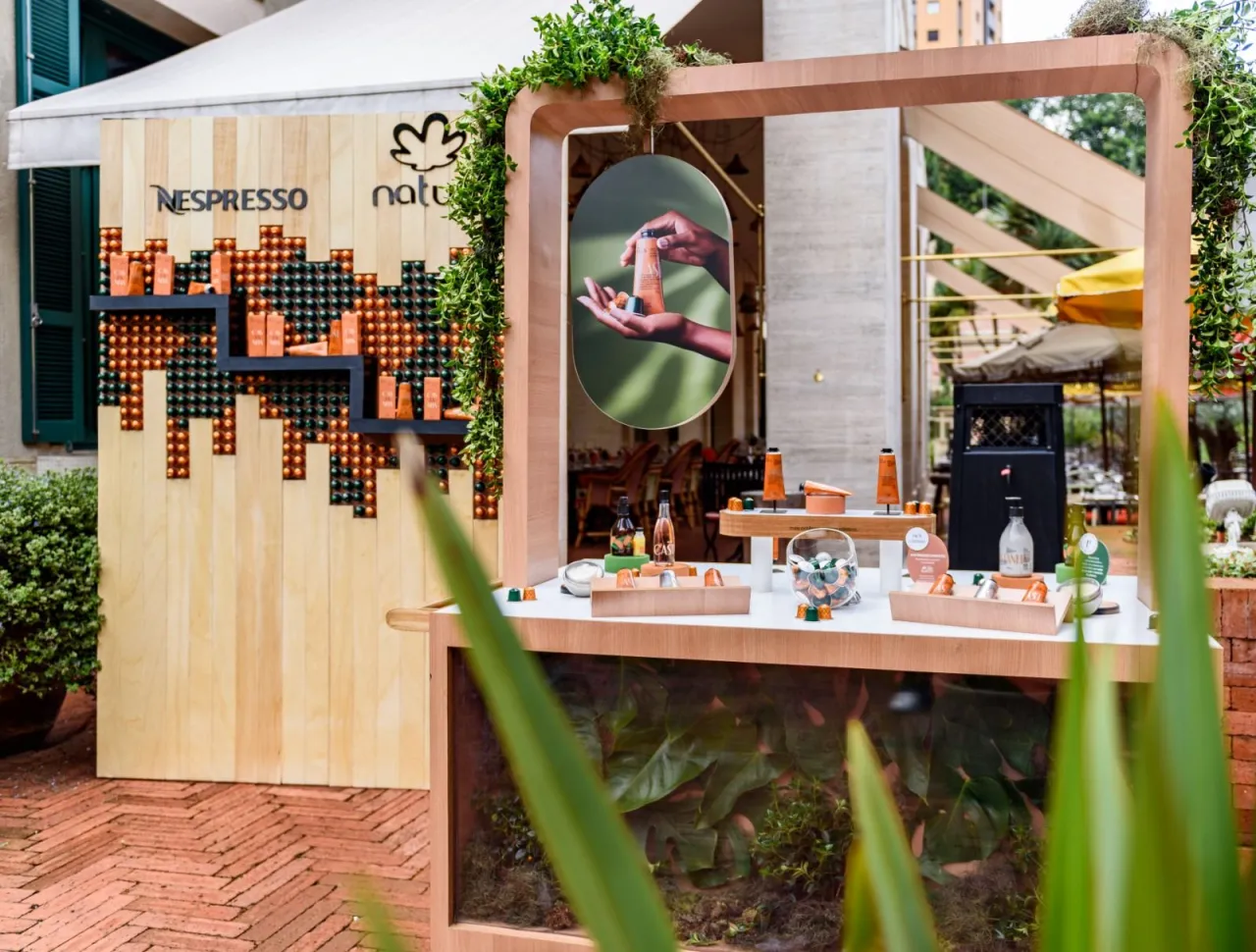
Natura and Nespresso
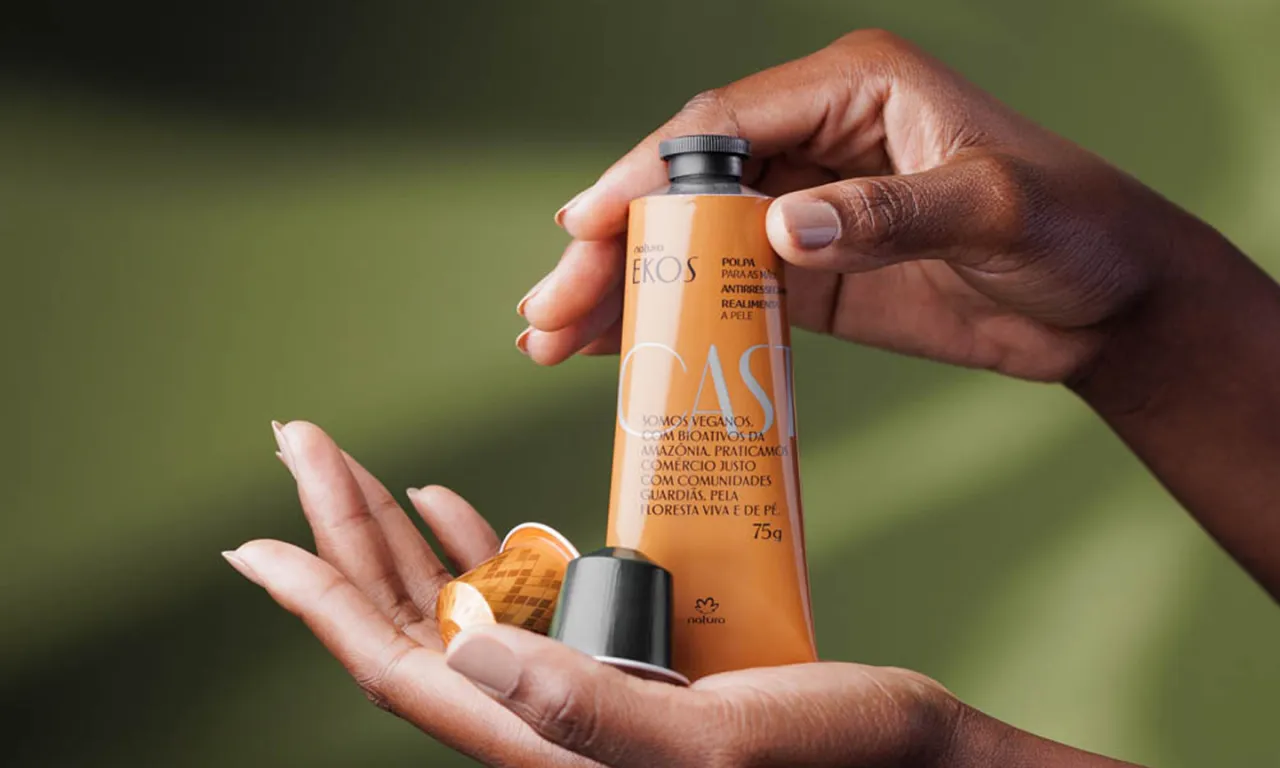
Natura and Nespresso
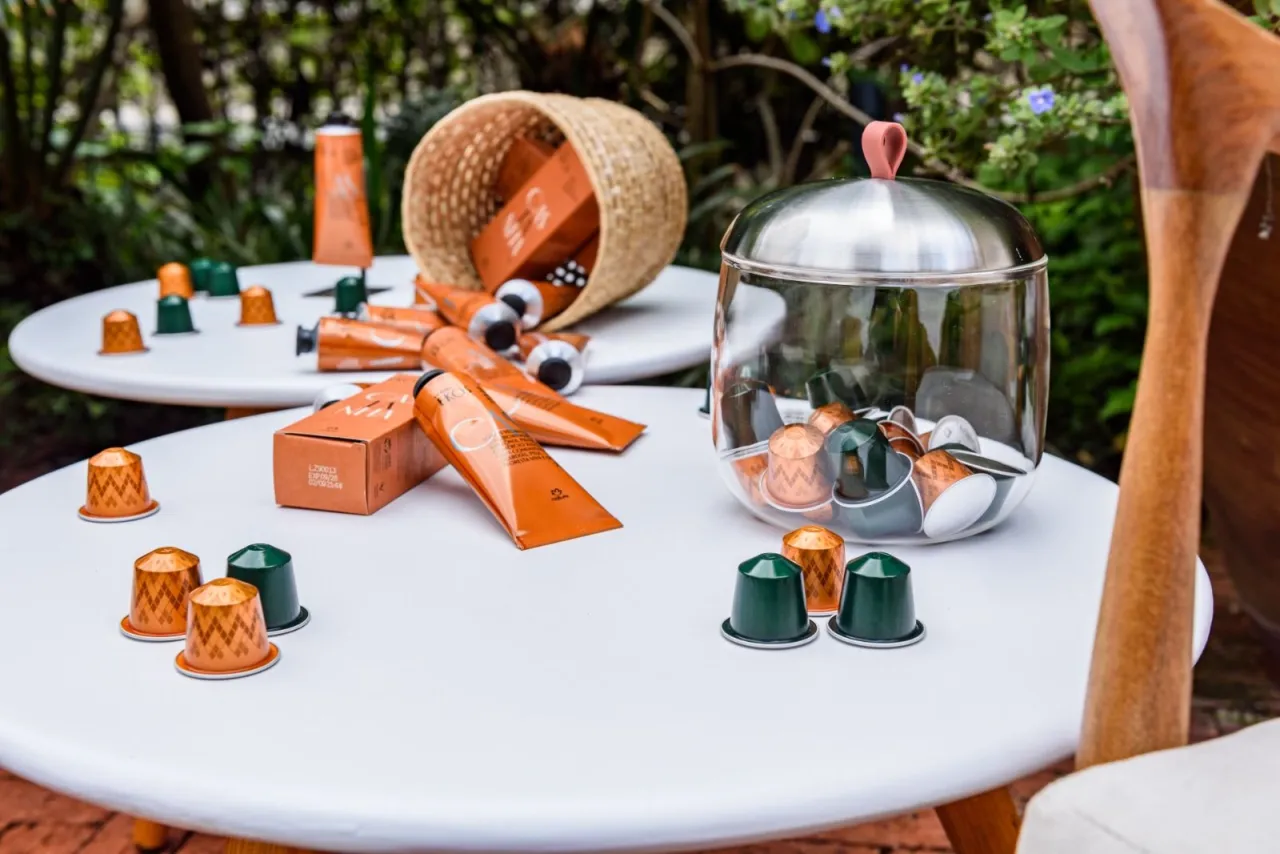
Natura and Nespresso
We try to apply circular design principles wherever we can, and again, this stems from a Brazilian perspective that considers the interconnected rhythms and patterns of nature.
This was the approach when we brought together two long-standing clients: Natura Cosmetics and the coffee brand Nespresso. Using discarded Nespresso coffee capsules, we conceived 100% recycled aluminium packaging. Featuring on Natura's Ekos Castanha Hand Pulp product, we blended the visual languages of both brands, building out a narrative which tells the story of the partnership and the concept.
In one way or another, many of our projects are about resources, and again, if we take a Brazilian view, that's a natural way to approach them. Constrained resources always drive creativity, and doing more with less is how many Brazilians approach their lives.
This intrinsic part of Brazilian culture is everywhere. Look to the Brazilian carnival if you want a metaphor for the necessity of working with limited resources, as it's brought together by people from the favelas working for a year to produce these shows. We created the identity for Rio Carnival in 2022 and have been evolving it ever since. At its heart, our approach is about fluidity, energy and movement. The rhythm of the samba and carnival flags informed a broad identity system.
Resourcefulness and adaptability are traits that signify Brazilian design, as is working with a deep personal investment. Of course, there's also the diversity of Brazilian people, which engenders a diversity of thought and allows us to approach and connect with different markets and international clients empathetically. This is where the real work gets done, by using the Brazilian perspective to solve complex global problems. The diverse, interconnected rhythm of the natural world brings clarity to projects which might at first seem unrelated. This was the case when we overhauled Hoegaarden's visual identity and ended up riffing on 'gaarden', developing a story that brought to life the provenance of its botanicals and ingredients.
It can feel a bit reductive to sometimes think about why we are how we are. When you look at what we're making, it starts to make sense. Take Brazilian Maximalism, which has been evident throughout our history since the early twentieth century and remains in effect today.
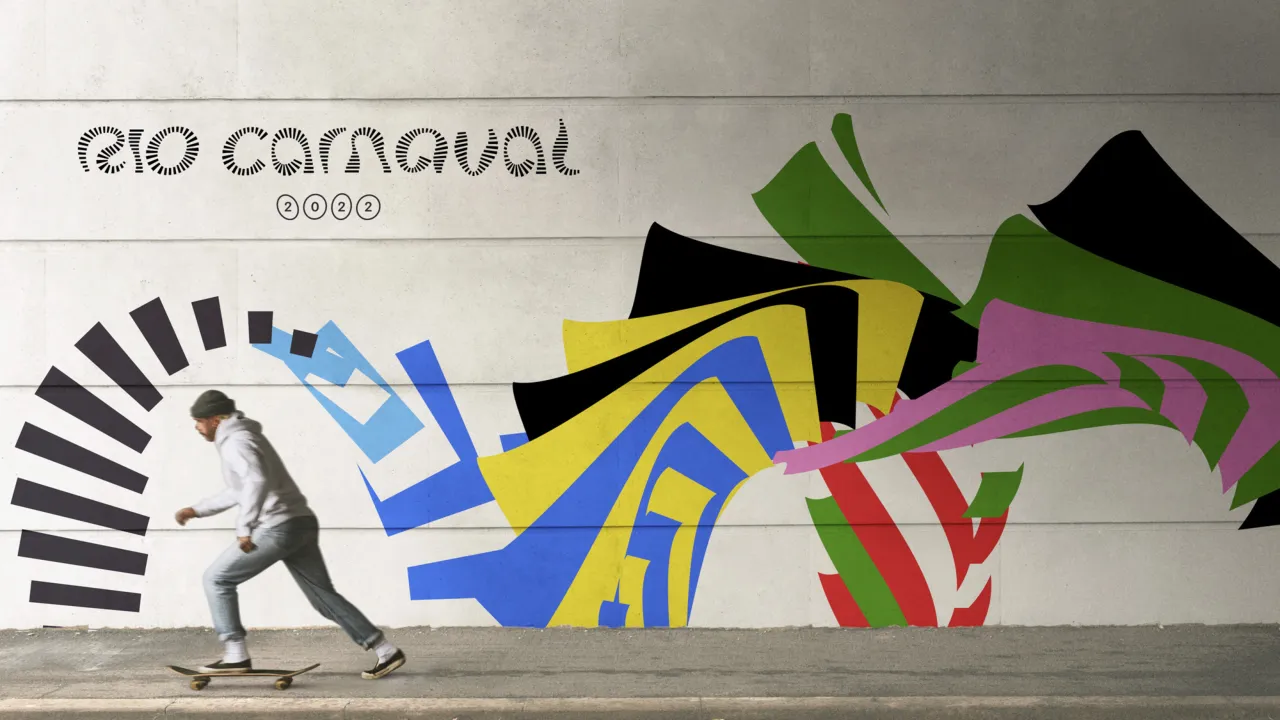
Rio Carnaval
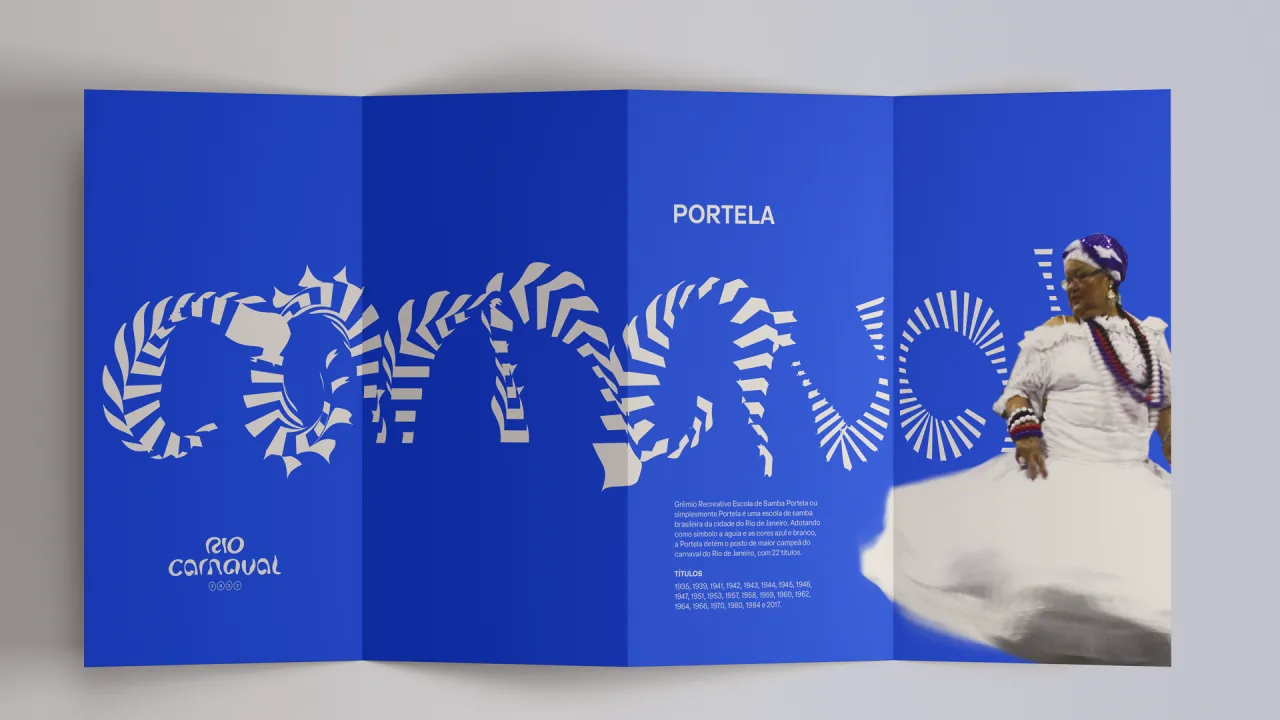
Rio Carnaval
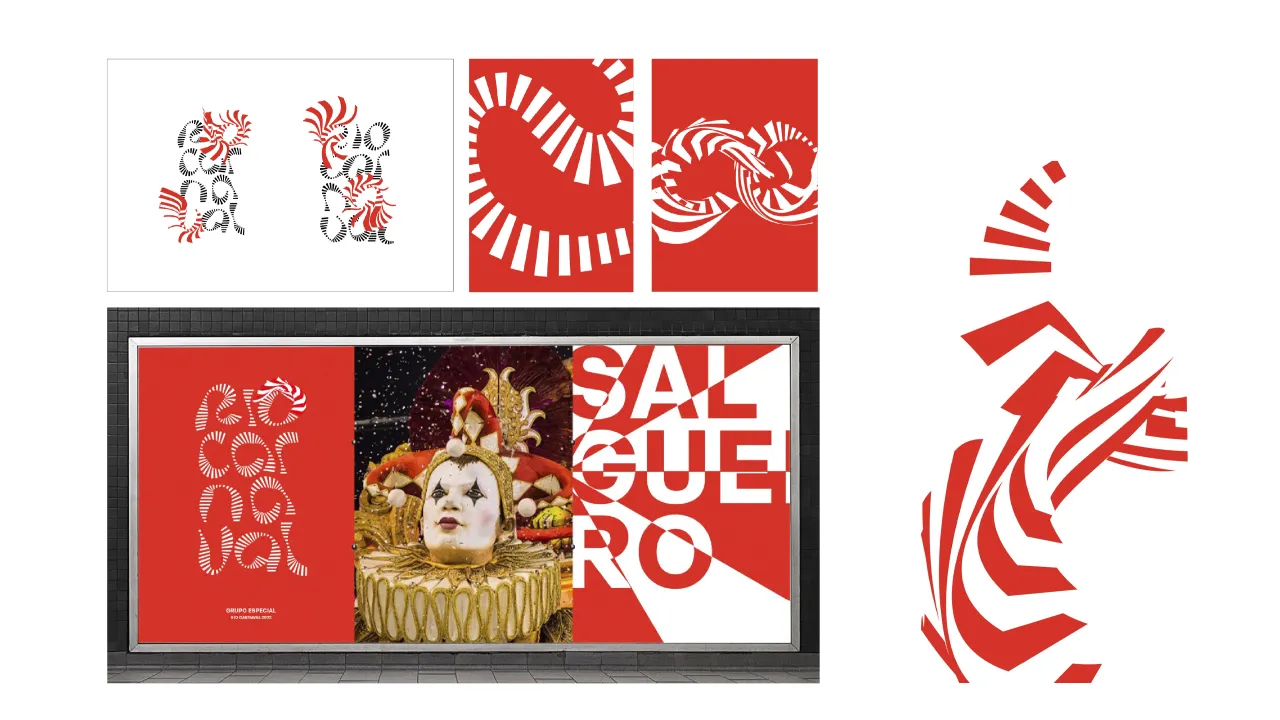
Rio Carnaval
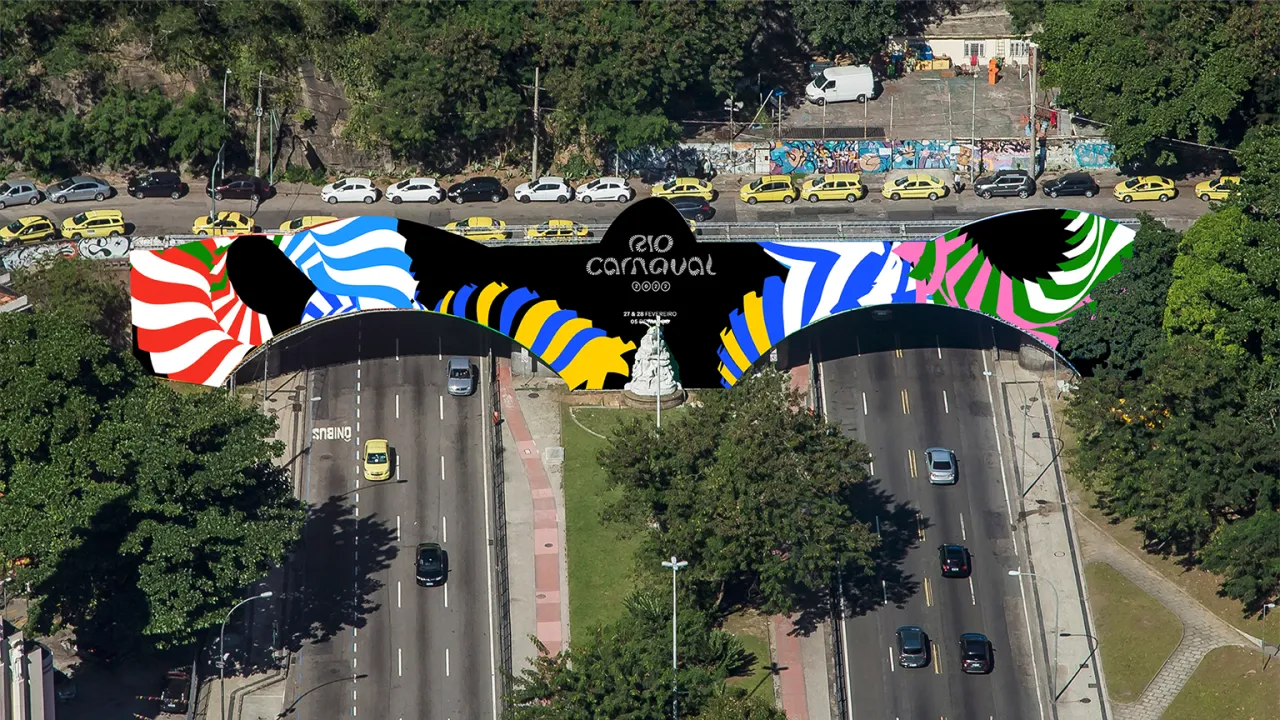
Rio Carnaval
Rooted in cultural diversity and mixed heritage, it eschews the European less-is-more design approach in favour of an unashamed more-is-more way of thinking. Emerging in the 1920s, it has matured over the last hundred years, first rejecting the restraint of European modernism and later pushing back against the order of domestic military rule in the 1960s, alongside the Tropicalia movement. These days it's found throughout Brazilian culture and design as an expression of joy, colour and texture.
We somehow have maximalism in our blood, and I think our geographic and cultural diversity contributes to a sense of exuberance in our design. All of this underpins our design philosophy, but it's important to remember that this is linked to a structural way of thinking rather than just an aesthetic one.
There's a lot of great work coming out of Brazil that stems from a similar place. Look at Porta Rocha, which started in Brazil, has expanded into New York and, this year, London, and has been decorated with four D&AD pencils and an agency of the year award.
Other design agencies at the top of their game include HardCuere, Ana Couto, Polar and Greco. There are successful global ad agencies operating out of Brazil, such as WMCann and BETC Havas, plus independents like Propeg and Artplan. We should also remember important historical contributions, such as the work of film director Arnaldo Jabor in the 1980s and 1990s, who helped shape how Brazil sees itself and is seen.
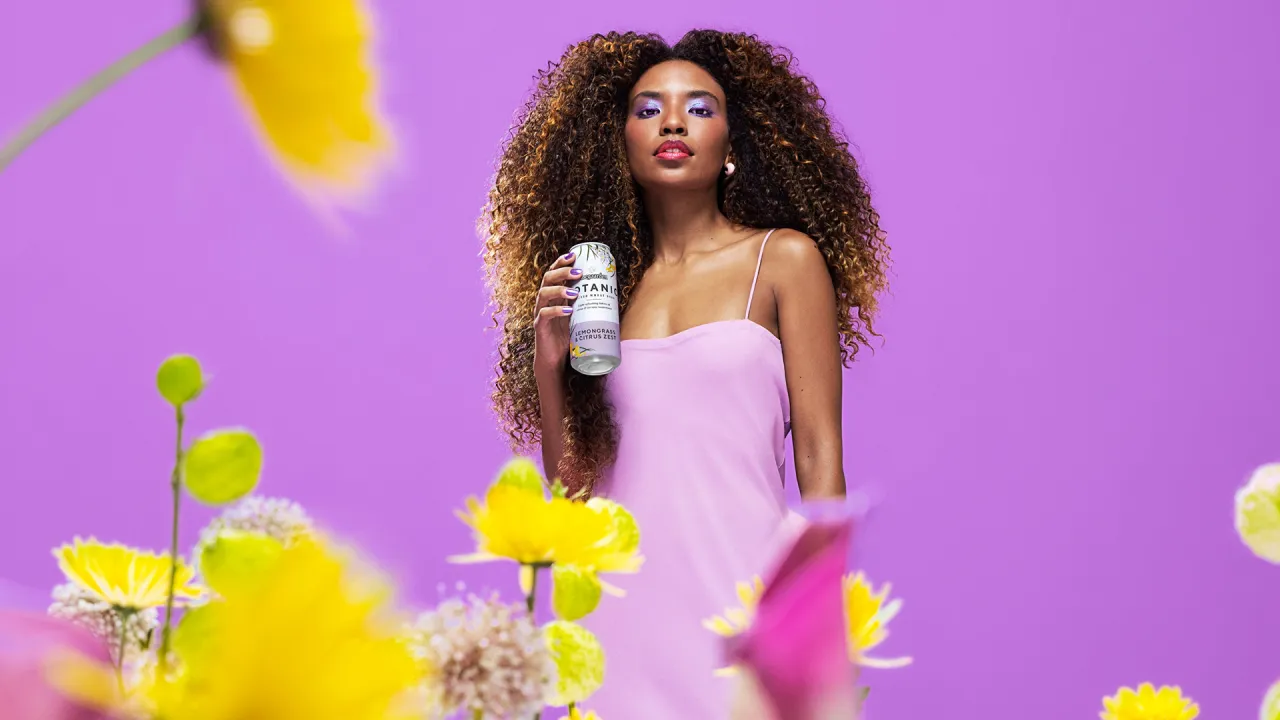
Hoegaarden
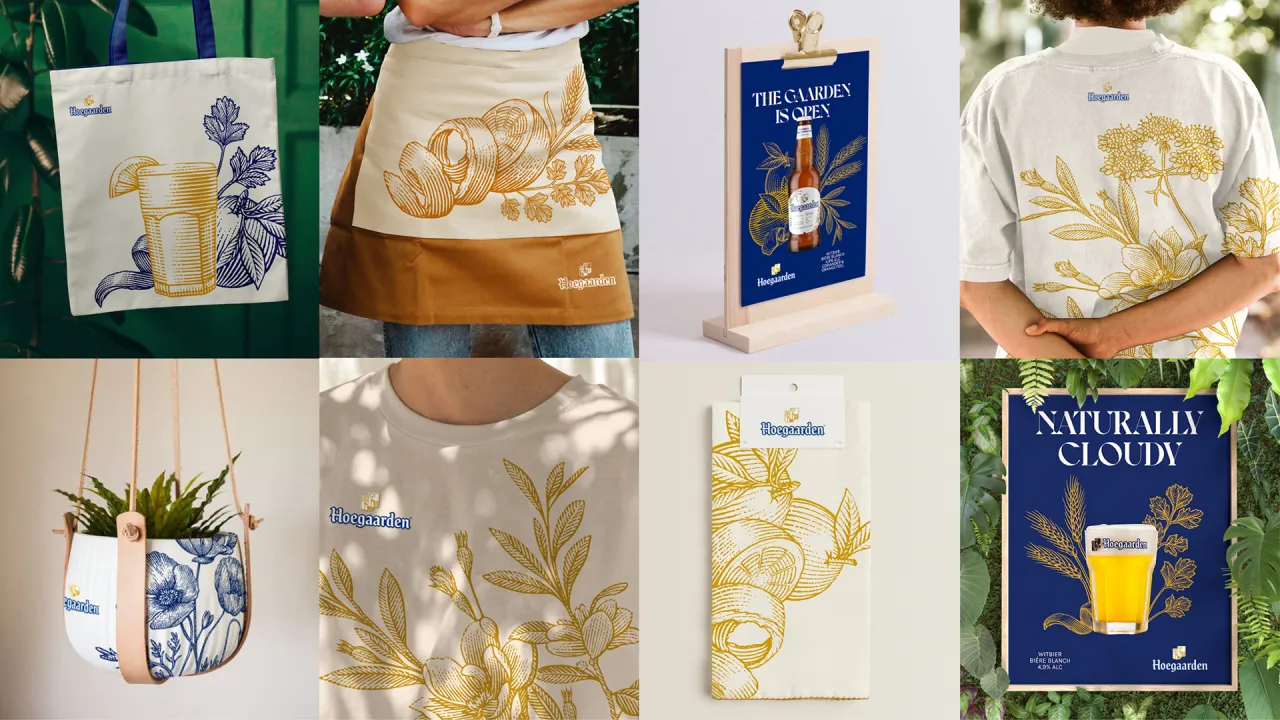
Hoegaarden
Tátil has enjoyed long-term relationships with international clients and has won critical awards, and, thanks to the work of our peers and us, there seems to be a growing global awareness of Brazilian creativity. Brazil being awarded the Cannes Country of the Year in 2025 for our original creative approach and perspective felt like a real moment. However, I would argue that there's still an underutilisation of Brazil as a creative export, an opportunity for soft power like that explored by Korea through its K-Pop strategy, but a lot of Brazil's potential is stymied due to political challenges limiting government support for cultural branding.
Like all countries, we face political challenges, particularly environmentally and yet we try to work in a way that is embedded in both the rhythms of the natural world and Brazilian life. There are also champions among us in the political world who can help this cause. People like former Rio mayor – and, hopefully, soon, state governor – Eduardo Paes, who understands the power of leveraging Brazil's cultural and imaginative strengths on the global stage and is also a believer in nature-based city development.
Today, 40% of Tatil's revenue comes from international clients, and some of our peers are in a similar position. Still, there could be an explosion of Brazilian design if the world only knew what we are all about.
Editor's Picks
Trending
Latest Jobs
Senior Designer at Creative Spark
Full-time·Manchester·£35k-£50k
Head of Production at Art&Graft
Full-time·London·£80k-£95k
Client Success & Growth Director at Revolution Growth
Full-time·Manchester·£60k-£70k
Account Manager at BUILDHOLLYWOOD
Full-time·London·£34k–£38k
Content Editor at ITV
Full-time·Birmingham·£41,284 - £57,412
Graphic Designer at The National Gallery
Full-time·London·£39,353