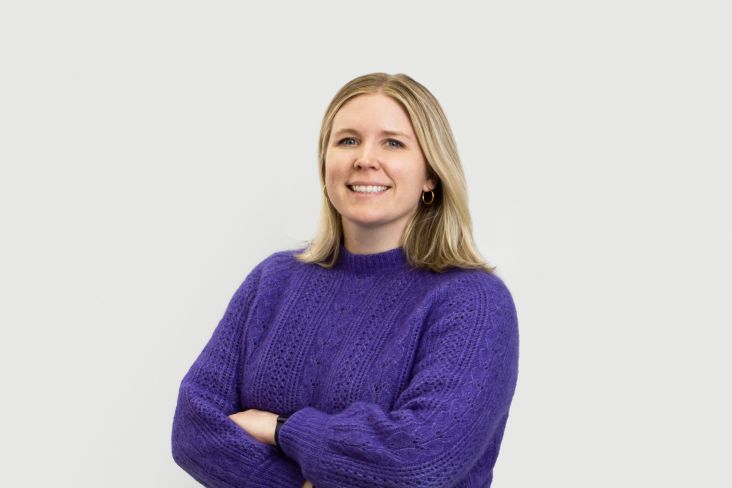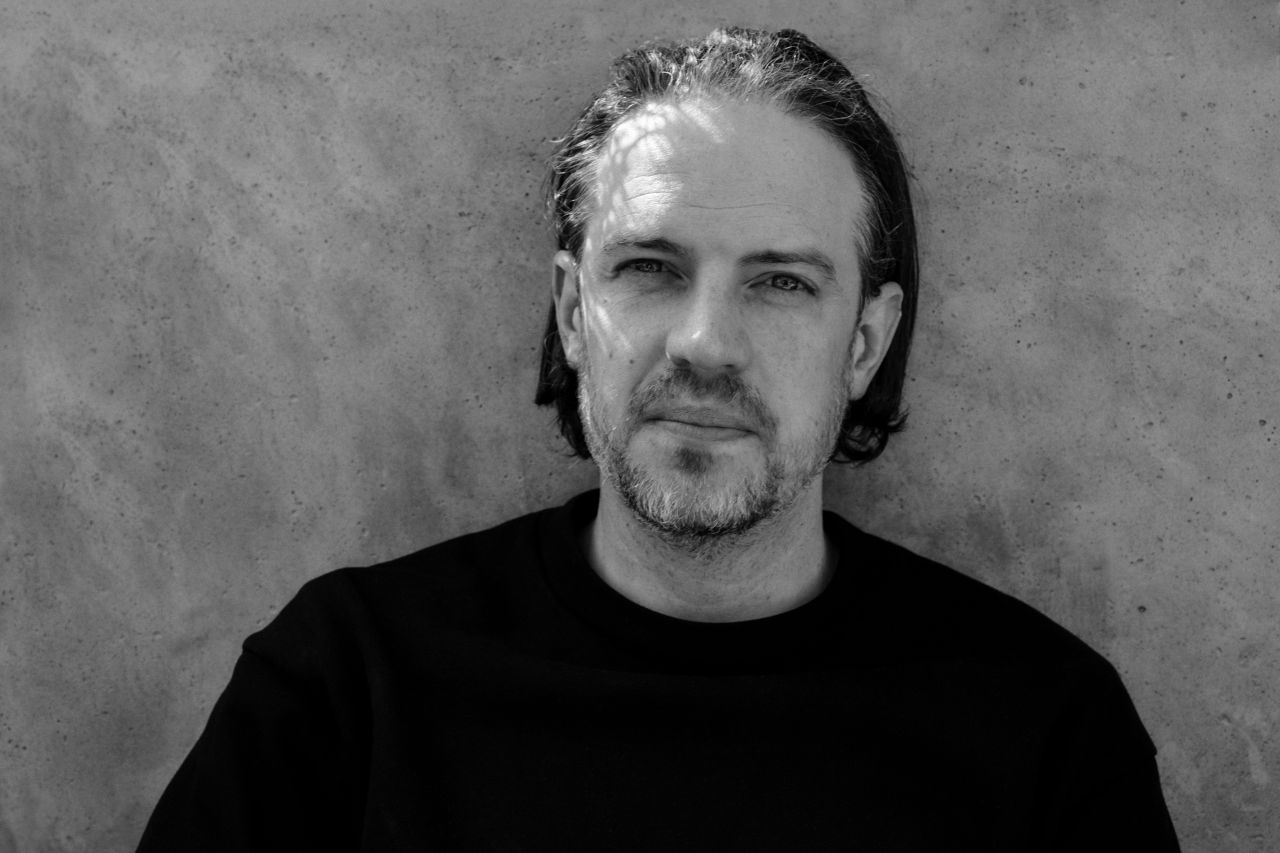
Andy Harvey, Founder, Communion
There's a moment in almost every creative's career when a client asks for more options—faster, cheaper. It's rarely a comfortable moment, but over time, most of us learn to navigate it.
However, in recent years, that's become increasingly difficult. Why? Because in 2026, this pressure is no longer just a feature of difficult client relationships; it's becoming the governing logic of the industry itself.
The rise of AI and the speed with which holding networks have moved to weaponise it are turning a familiar tension into something far more systemic.
This has led, in the words of Andy Harvey, founder of independent creative agency Communion, to something he calls 'ultra processed creativity'.
We chatted to Andy to find out what he means by that, and how creatives should respond.
Faster and cheaper
"Ultra-processed creativity is the easy way forward for clients who want faster and cheaper," says Andy. "But good creativity enriches our world. It's the stuff that gets talked about, referenced, sampled, and even envied over. Nobody is getting envious of AI slop, no matter how much profit it made the shareholders."
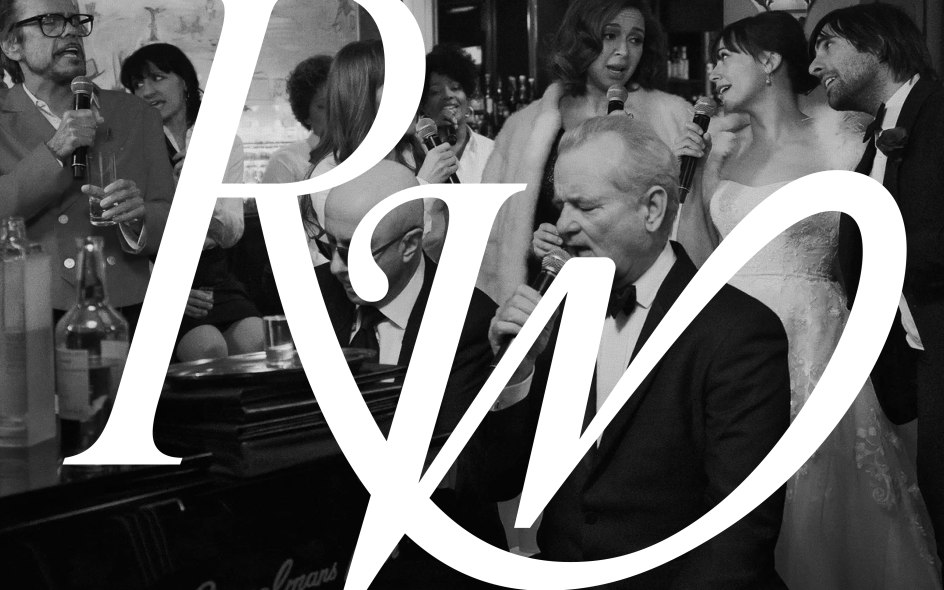
Work by Communion for Rosewood
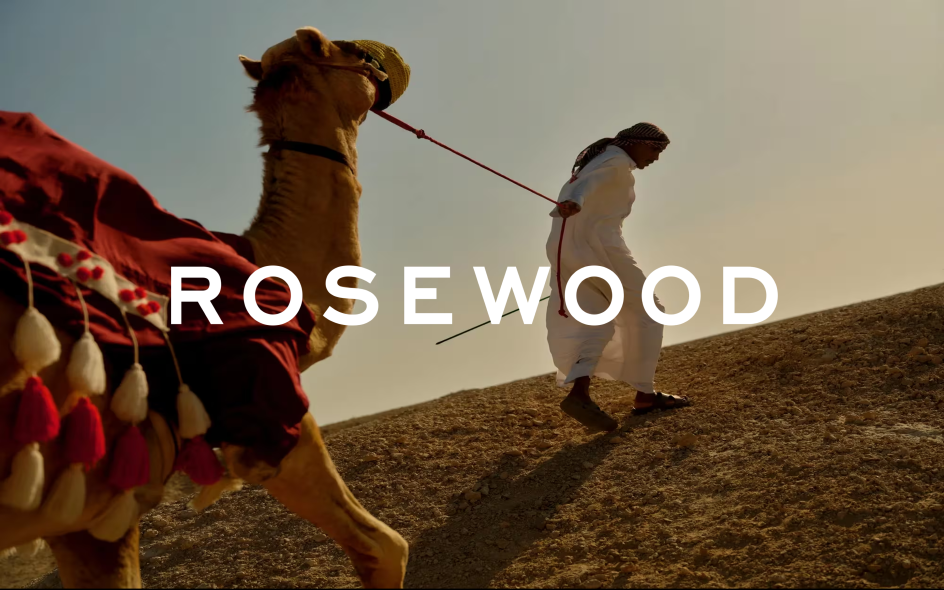
Work by Communion for Rosewood
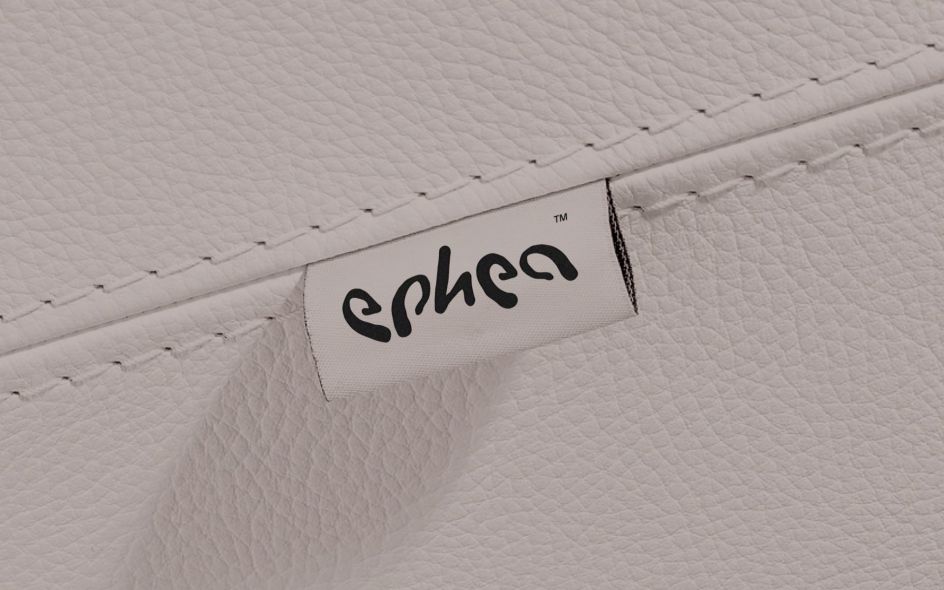
Work by Communion for Ephea
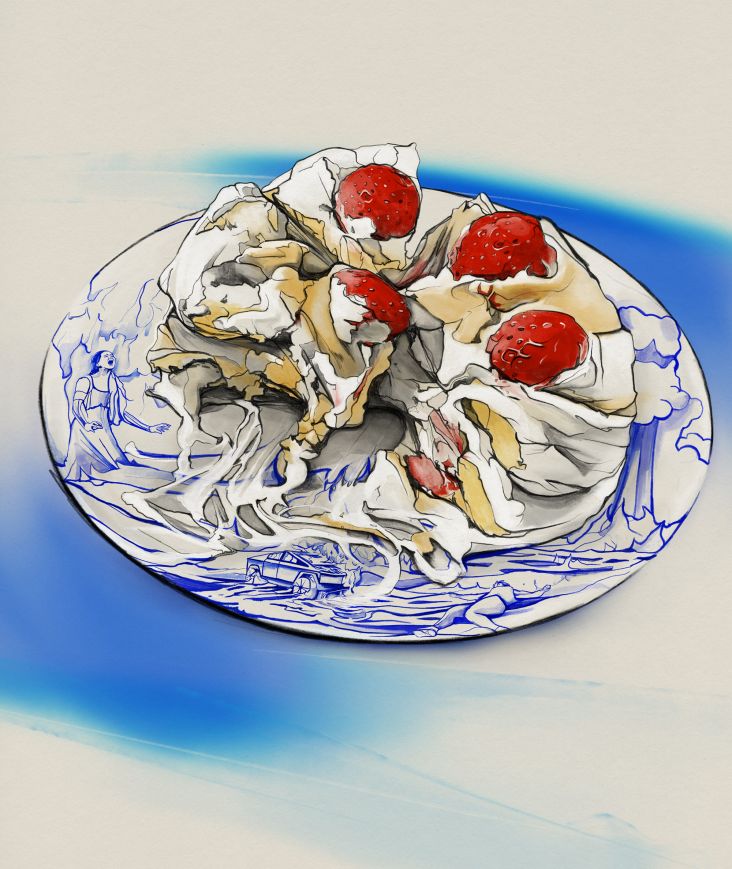
Andy's comparison with ultra-processed food is provocative, but it's not unreasonable. Just as the food industry has gradually prioritised taste over nutritional value, Andy sees a similar dynamic playing out with creativity. Processed food hits the spot; processed creativity fills the feed. Both end up leaving you hollow.
The trigger for his now widely-shared LinkedIn post was Omnicom's public commitment to AI hyperscaling; pitching 25, even 50 options per client brief. But as for the industry as a whole, he doesn't think we've crossed the point of no return. Not yet, at least.
"I think we are a long way from being addicted, but I still worry that without changing the narrative, we will follow the path of least resistance," Andy explains. "There are more than enough enlightened clients and creatives who put out work they believe in, whose gut instincts create something novel." And that framing matters for creatives trying to work out where they stand.
The choice (and Andy insists it remains a choice) is between following the path of least resistance or holding the line on what makes the work worth doing in the first place.
The client problem
Andy acknowledges that clients are driving this as much as agencies. The networks' shift towards AI hyperscaling is less about creativity than owning the consumer journey and promising purchase certainty across every channel. And in a tough market, that's a compelling offer.
"What they're pushing is more certainty than creativity," he argues. "So while clients may not always be asking for it, in a roundabout way they are, every time they ask for certainty in an uncertain world."
The problem is that in truth, certainty and creativity tend to pull in opposite directions. A brand built on data-optimised content might hit its short-term targets, but it's unlikely to build the kind of relationship that makes people actually want to engage with it.
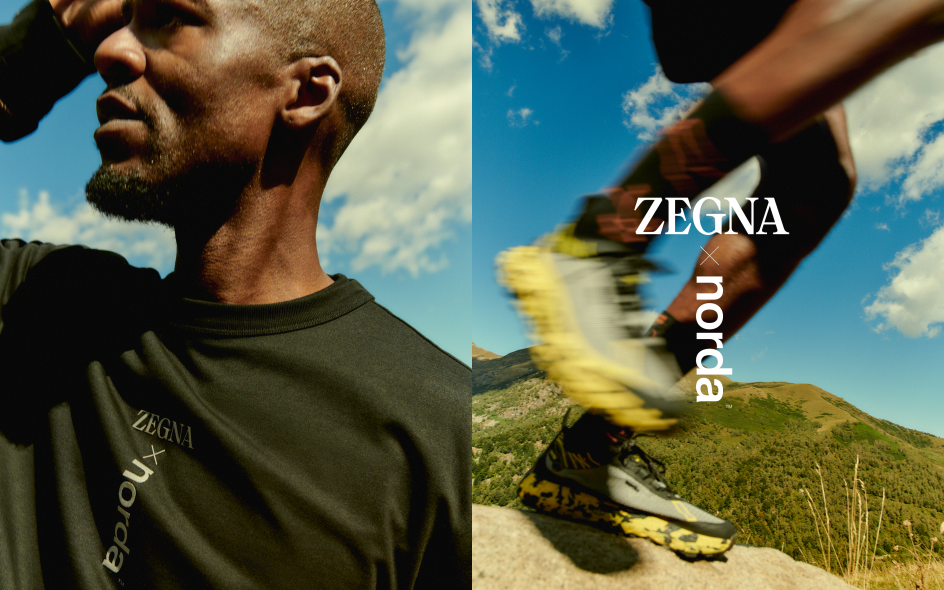
Work by Communion for Norda/Zegna
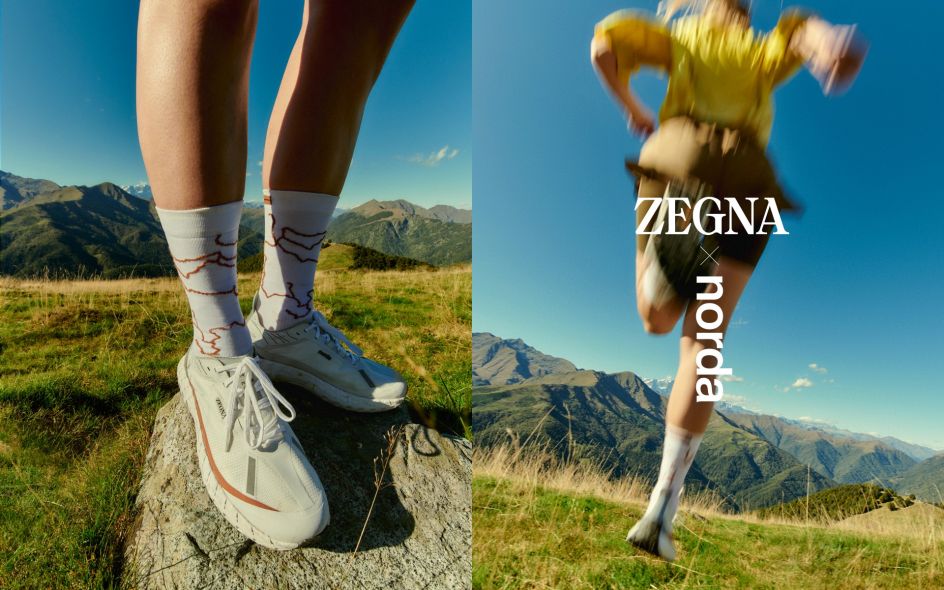
Work by Communion for Norda/Zegna
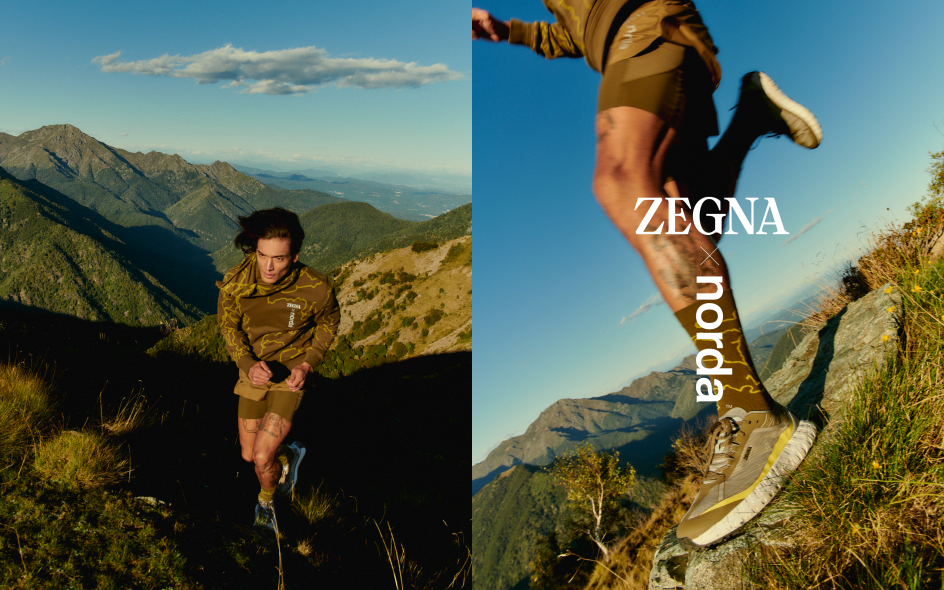
Work by Communion for Norda/Zegna
In other words, there's a difference between a brand you welcome into your life and one that's just permanently in your face. Andy thinks many clients are at risk of forgetting that.
The contrarian advantage
So what should independent agencies actually do? Andy's answer is to go in the opposite direction. "The key for me is to do the opposite to this emerging dominant narrative," he says. "The agencies that find the space where they unarguably add value tend to be the ones that crush it. If you're adding value, then you're valuable."
At Communion, that means running the agency on a simple principle: "Less factory, more recording studio." A factory churns things out. A recording studio is where you come together to make something. It's a small distinction in words, but a significant one in practice.
In this light, the agency's guiding principles (radical optimism, good ancestors, creatively boundless, autonomous collaboration, together forwards) are less a formal rulebook than a way of thinking. "Every choice we make is cultural, creative, and ancestral," Andy says. "We want people to interpret them in their own way."
What AI can and can't do
It's worth being clear: Andy isn't arguing against AI. His argument is more specific than that. "Using AI to recreate what we can already make is so unimaginative, it's boring," he says. "I'm much more excited when we use it to explore new areas. There are emerging AI-led production houses in Paris using AI to unlock a director's vision. There are emerging game models where entire worlds can be created."
The distinction he's drawing is between AI as a tool for doing the same things faster, and AI as a means of going somewhere genuinely new. One replaces thinking; the other extends it. And if the industry could shift the conversation in that direction, he thinks it would be far healthier for everyone.
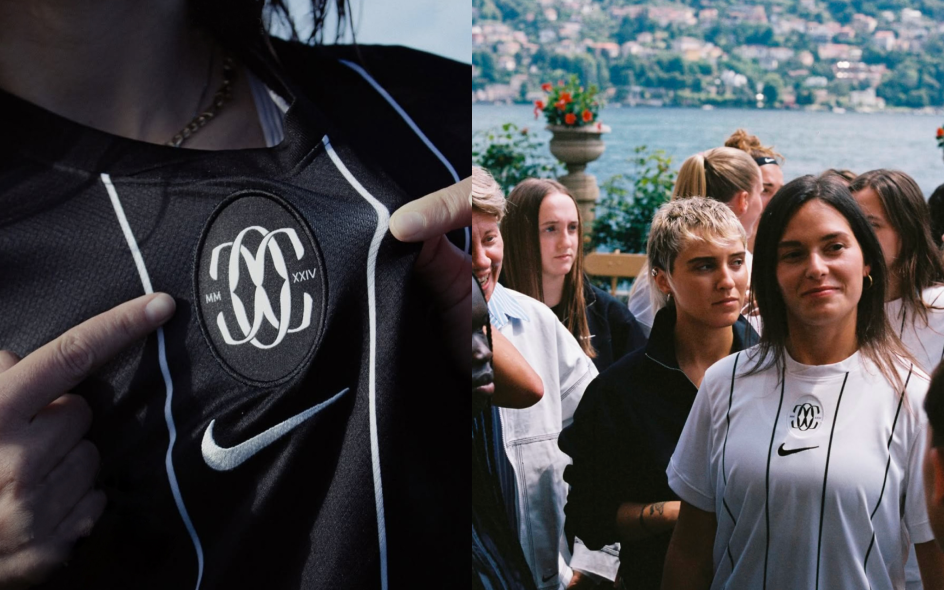
Kit and Identity by Communion for FC Como Women
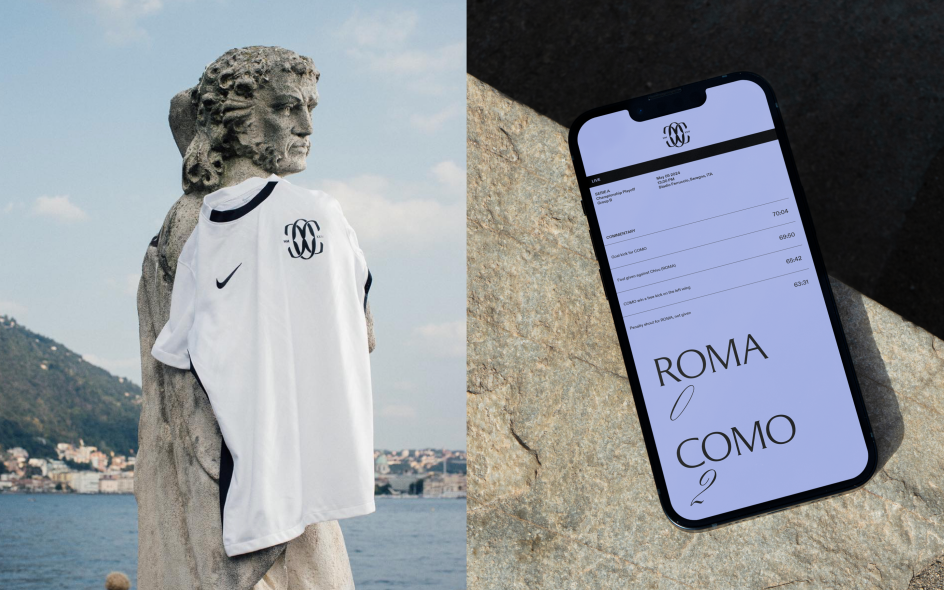
Work by Communion for FC Como Women
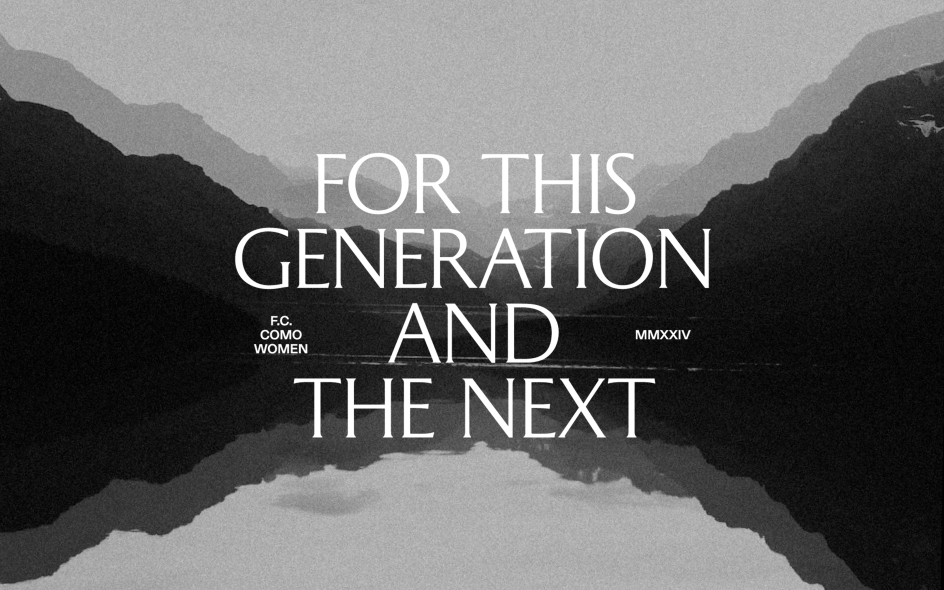
Work by Communion for FC Como Women
With that in mind, Andy is seeking "less talk about the tools, and more talk about thinking, curiosity and originality," he says. "How do we use these tools to create something new and lasting, not just do what we can already do a bit quicker?"
To illustrate what genuinely original thinking looks like, Andy points to brands like Liquid Death, Gentle Monster, Stone Island and Nothing; all built on the courage to reject the obvious. The Guinness surfer spot and the Nike Home graphic also appear on this list. And of course, none of them stemmed from optimisation. "AI would not come up with these," he notes. "It's too logical, too safe, too linear."
Where do we go from here?
There's a tendency in these discussions towards a feeling that everything is spiralling out of control. But Andy remains genuinely optimistic. He believes the industry still has the chance to choose depth over disposability, and that the creatives and clients who make that choice will ultimately stand out precisely because so much of what surrounds them won't.
"The world needs creativity to shape better visions for the future, to keep alive beauty and meaning, to make a tangible impact that lifts people again," he stresses. "Optimism and depth all the way." The ultra-processed path to creativity is the easy one. But easy, as Andy would be the first to tell you, is rarely the same thing as good.

Editor's Picks



Trending


Podcasts
Editor's Picks
Further Reading