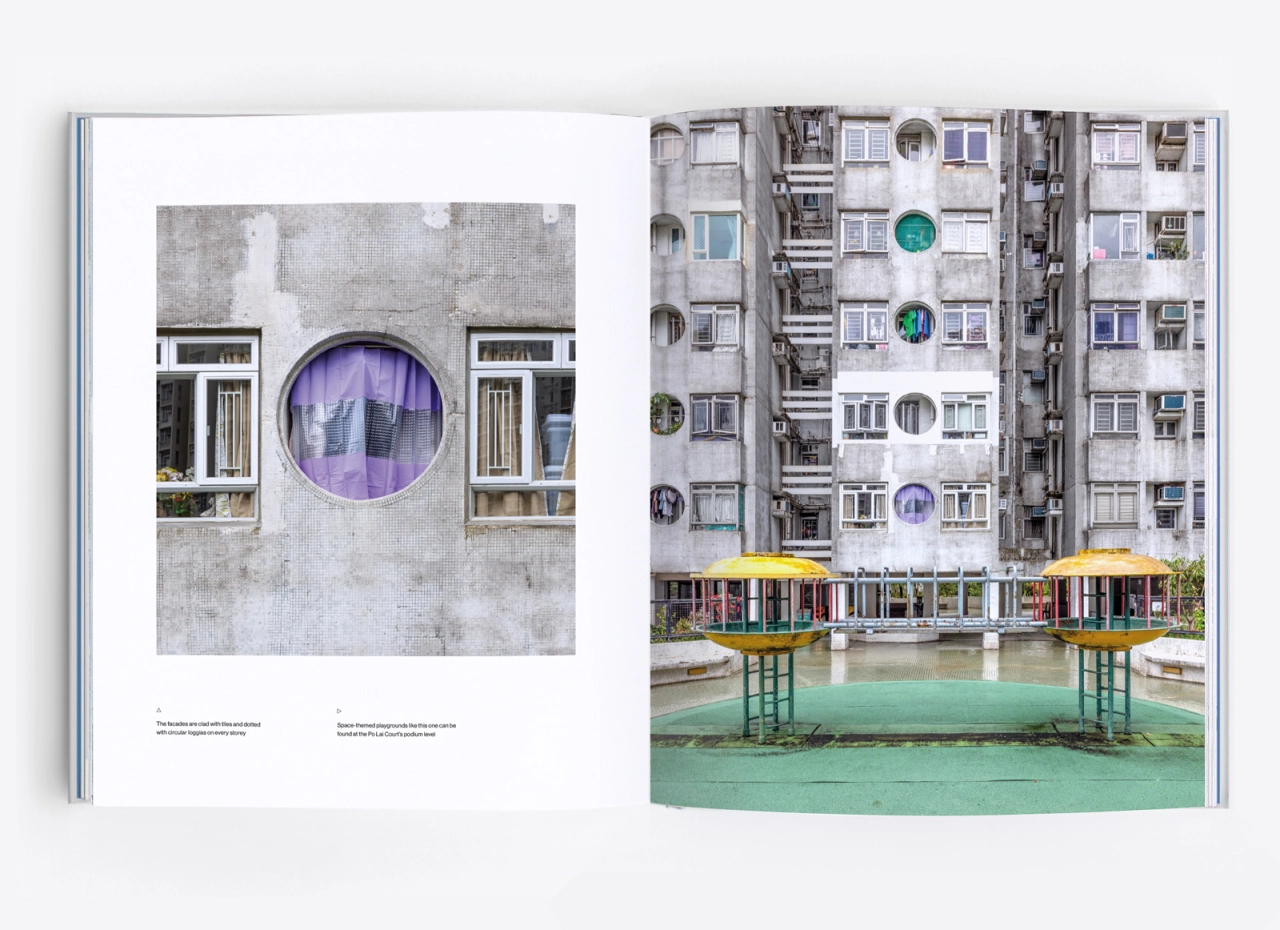
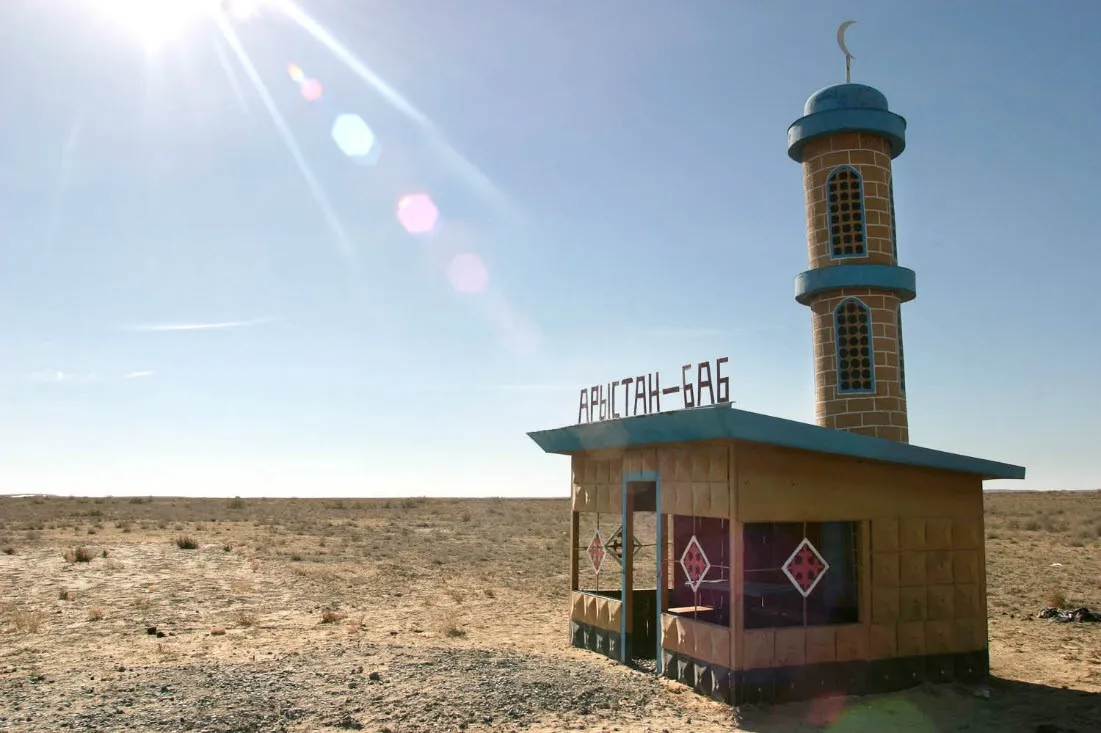
Socialist Hotels: relive the concrete dreams of the Soviet era with these beautiful photos
A new photo book documents the hospitality architecture behind the Iron Curtain.
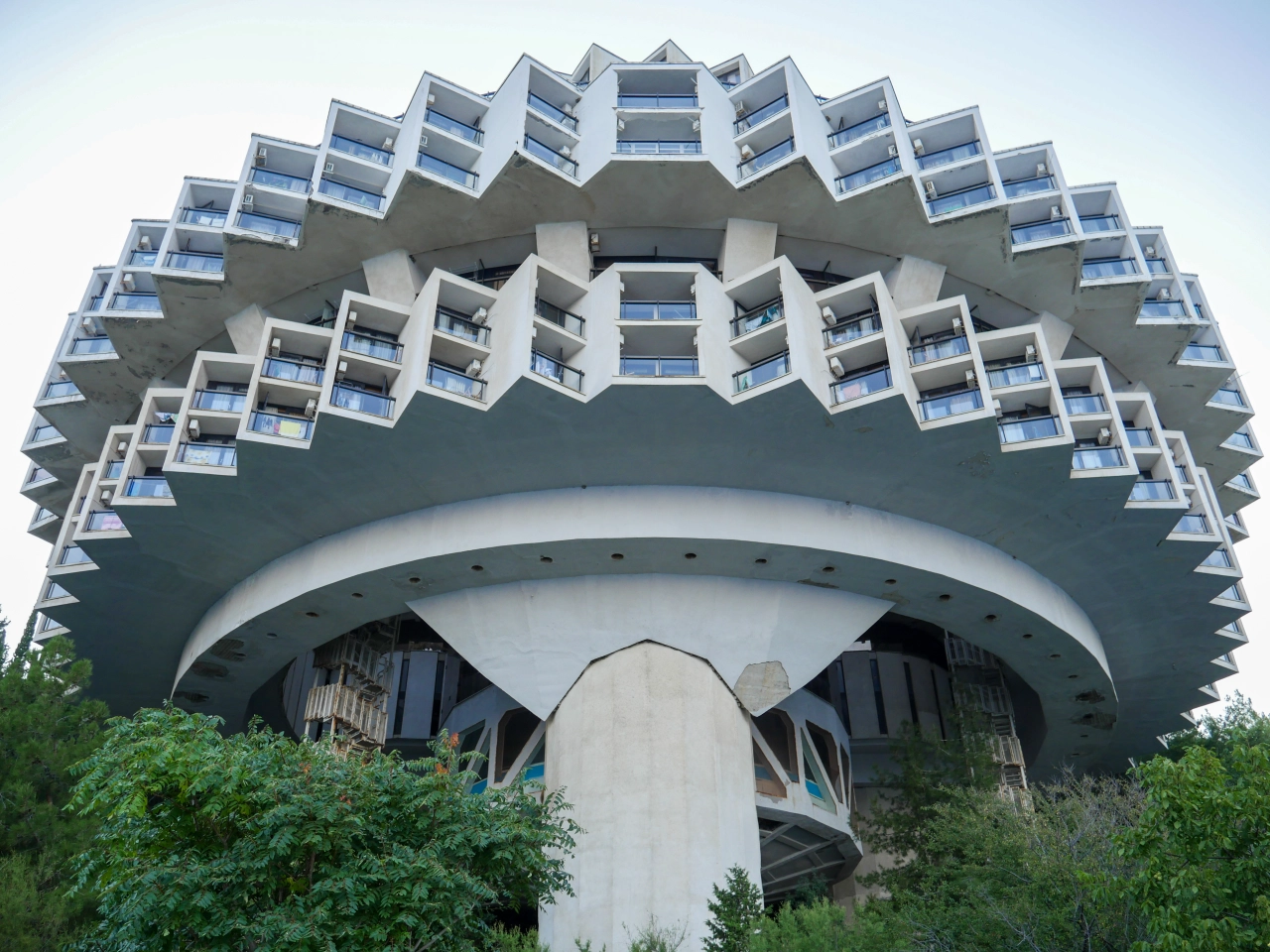
Hotel Druzhba, Crimea
We all dream of staying in a luxurious hotel fit for royalty. Most of us settle for something half-decent, as long as it's affordable. Either way, we don't really expect to be surprised by the architecture: these days, even the best hotels are largely about uncomplicated functionality.
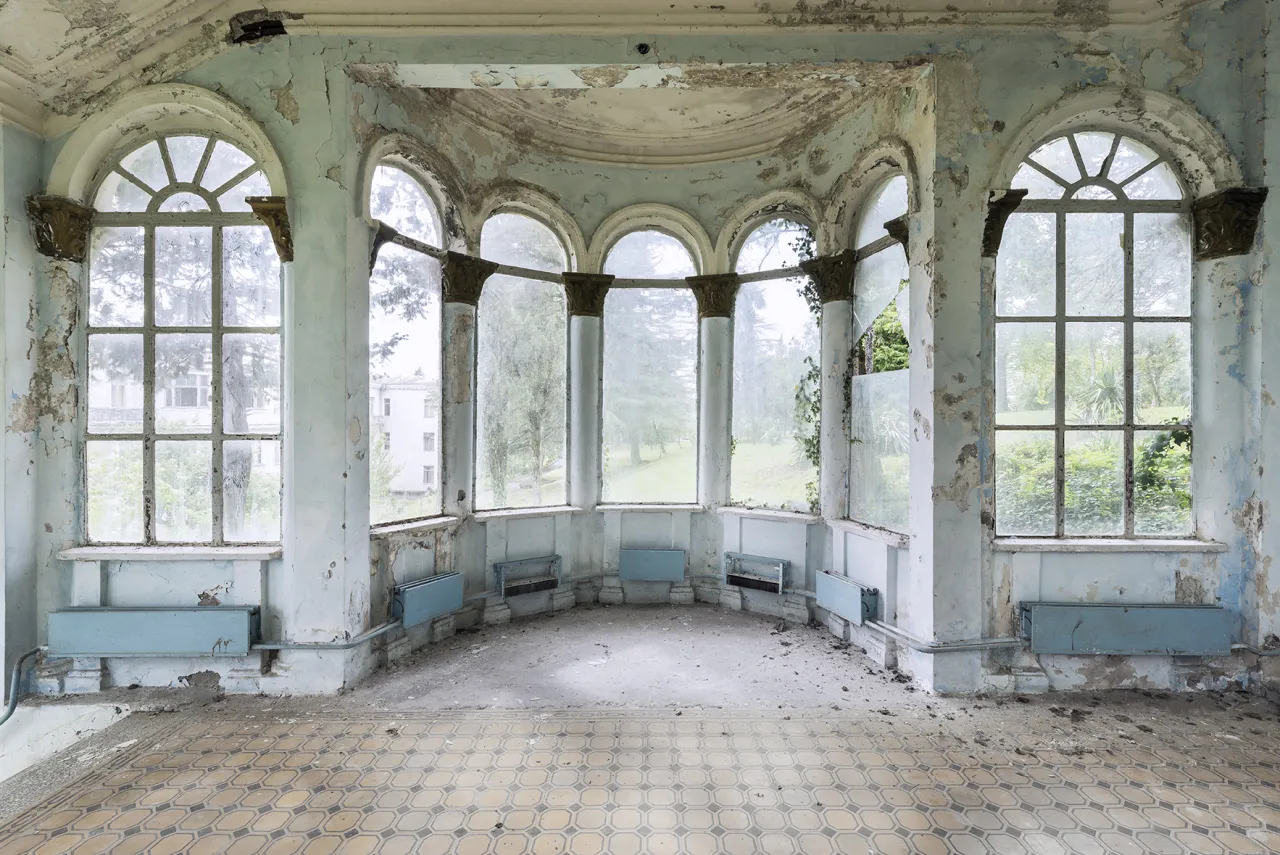
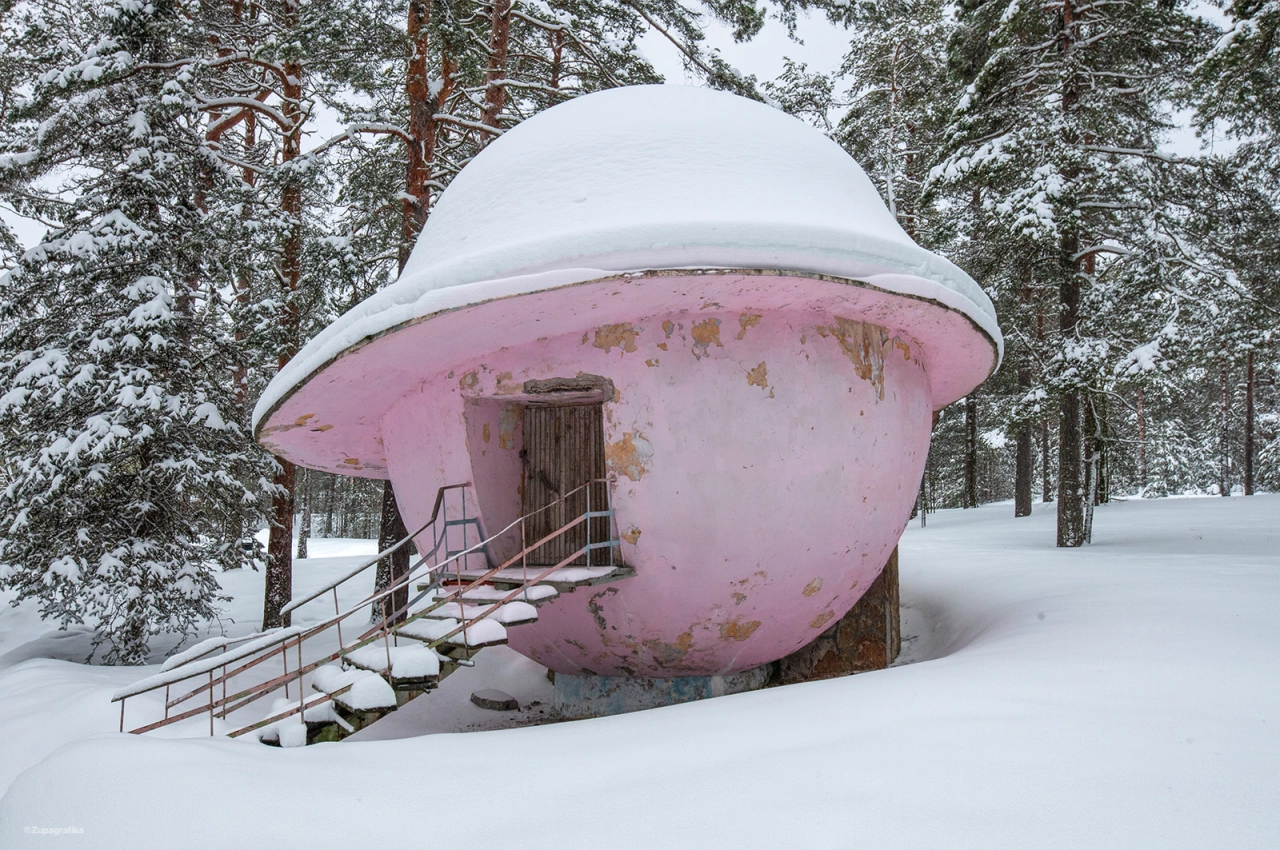
So imagine booking a room for the architecture, and finding a building shaped like a flying saucer, a giant snowshoe or a typewriter. Well, that's the world captured in Socialist Hotels, a new book from FUEL.
Featuring photographs by Elena Amabili, this is apparently the first photography book to focus solely on hospitality architecture in Eastern Europe and the post-Soviet landscape.
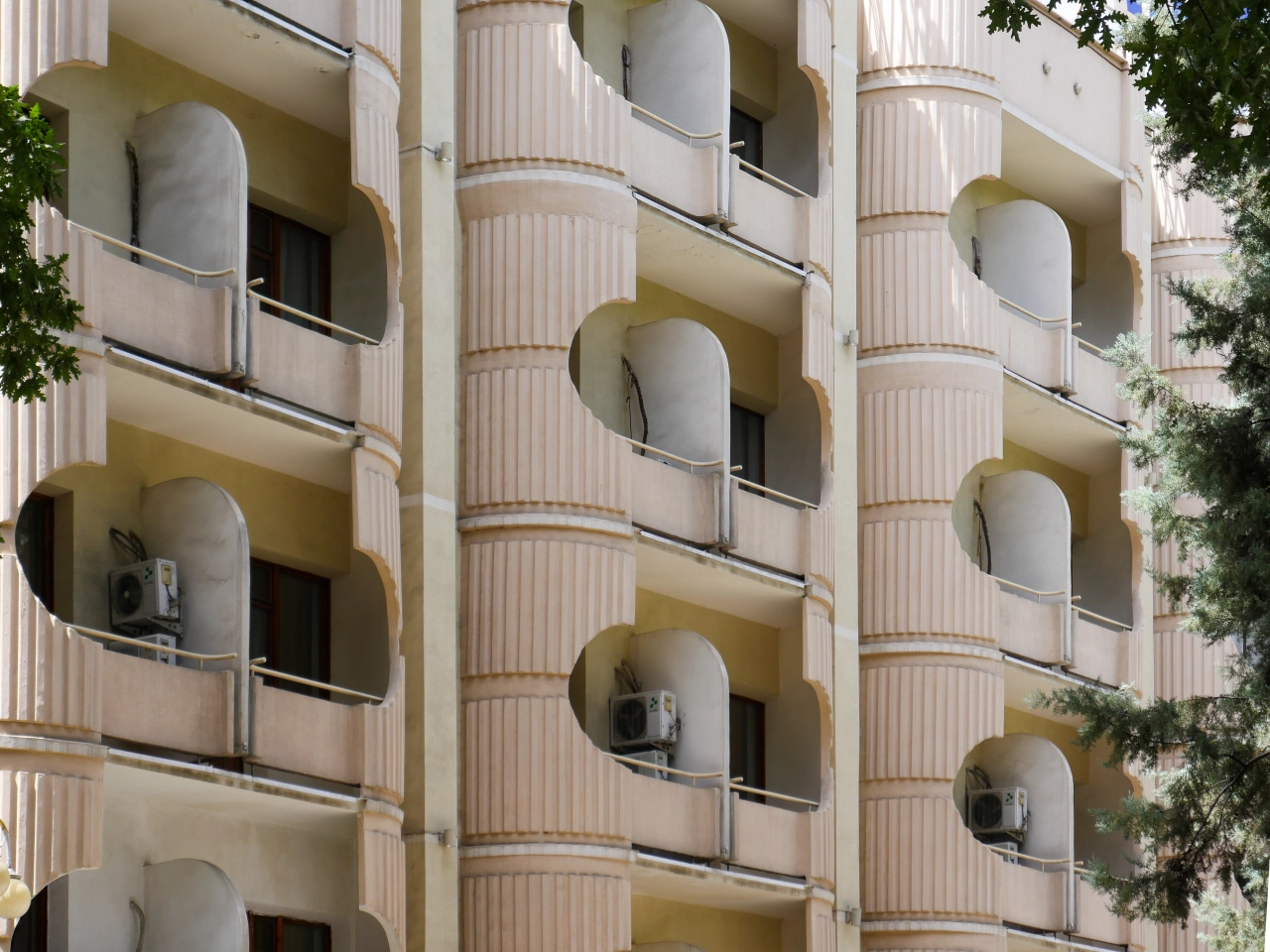
Hotel Avesto, Tajikistan
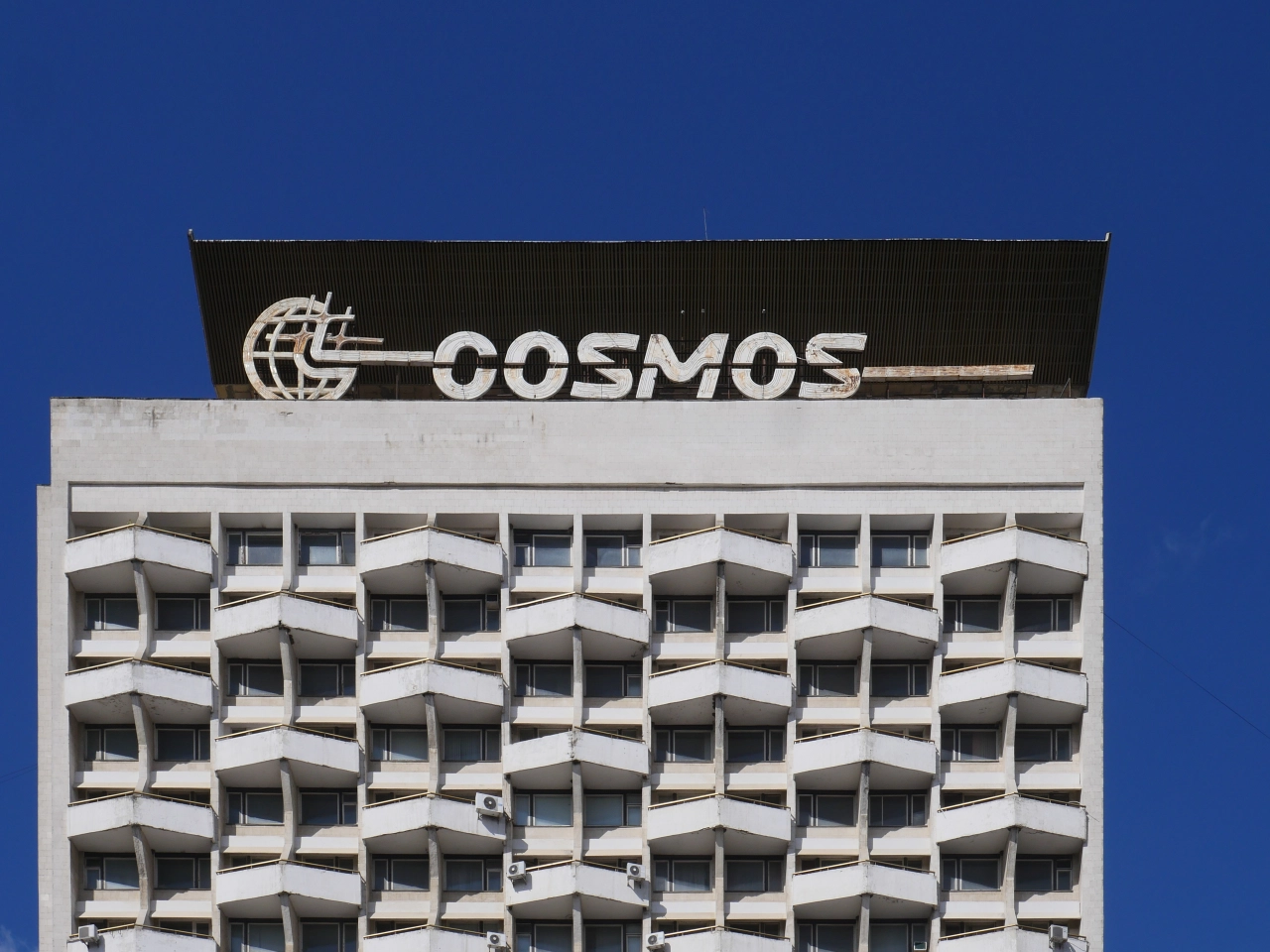
Hotel Cosmos, Moldova
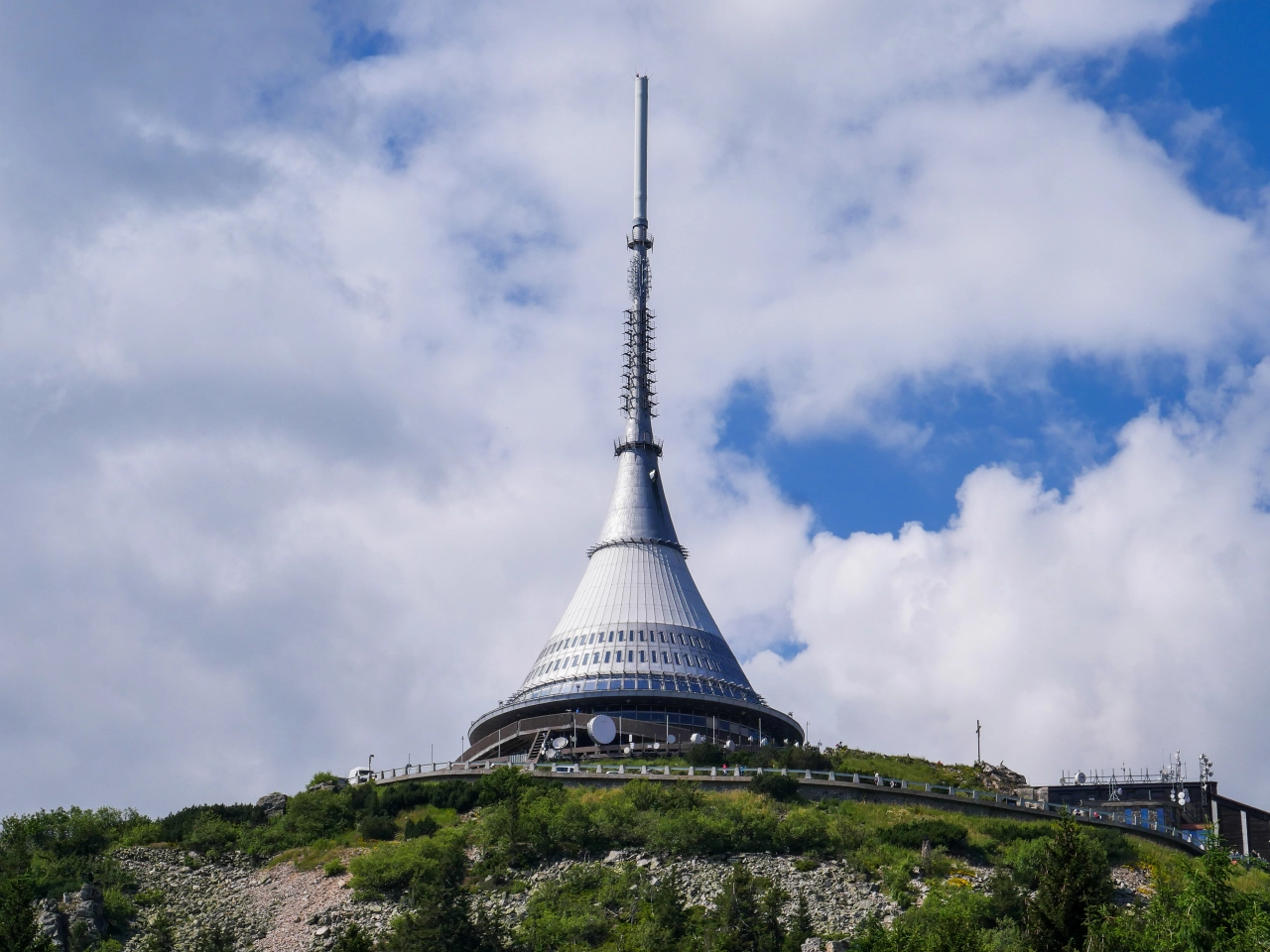
Hotel Ještěd, Czech Republic
And while that might not have ever been on your bingo card, it's a fascinating treat for anyone who loves unusual, imaginative architecture and interior design.
From grandeur to gravity-defying
Across 248 pages, Amabili documents 153 hotels in 31 countries and territories, from Albania and former East Germany to Kazakhstan, Tajikistan, and Uzbekistan.
These state-built hotels served visiting government workers and ordinary people, along with the occasional (no doubt surprised) guest from the West. The variety on display here is quite overwhelming.
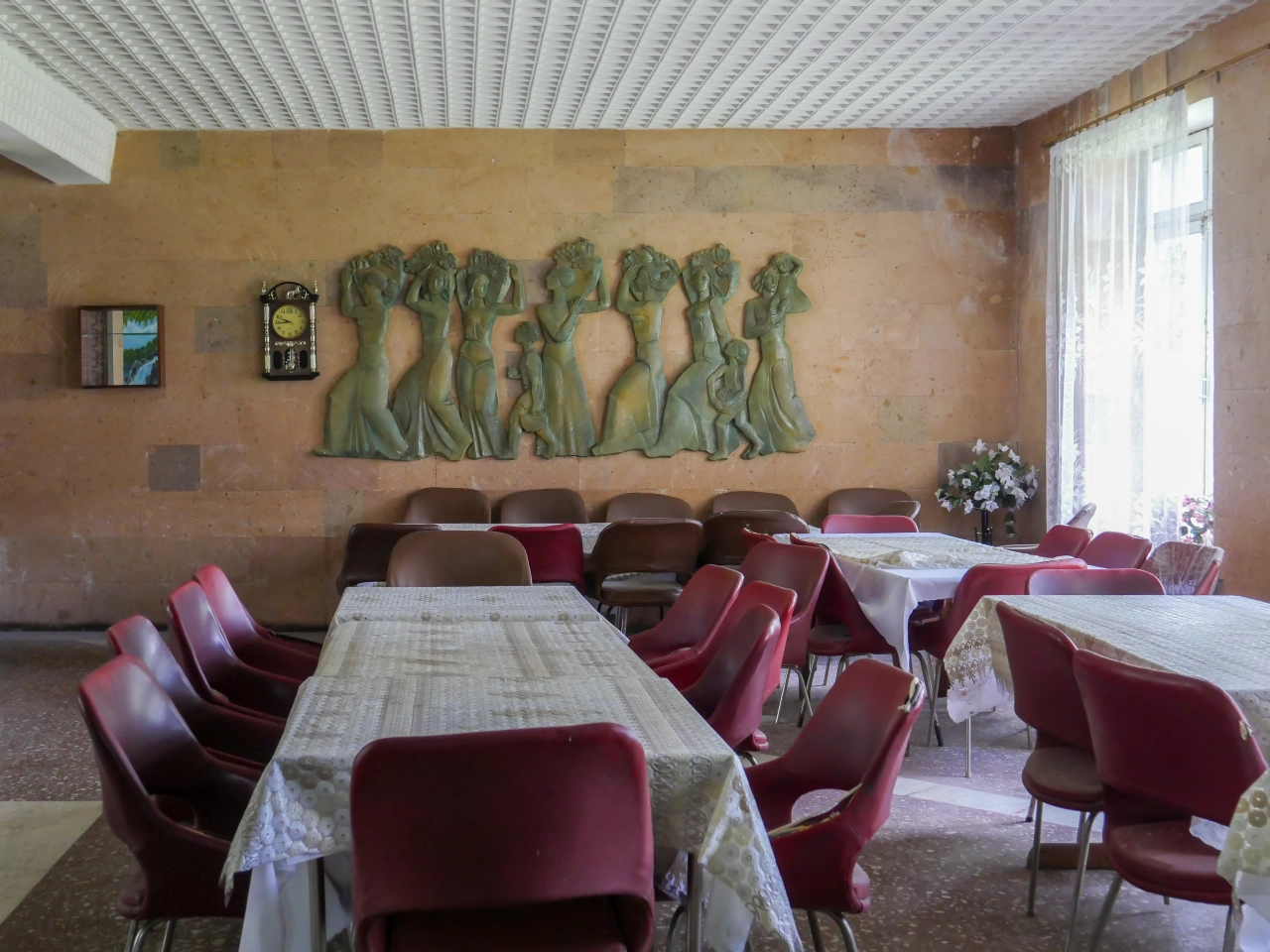
Hotel Karap, Armenia
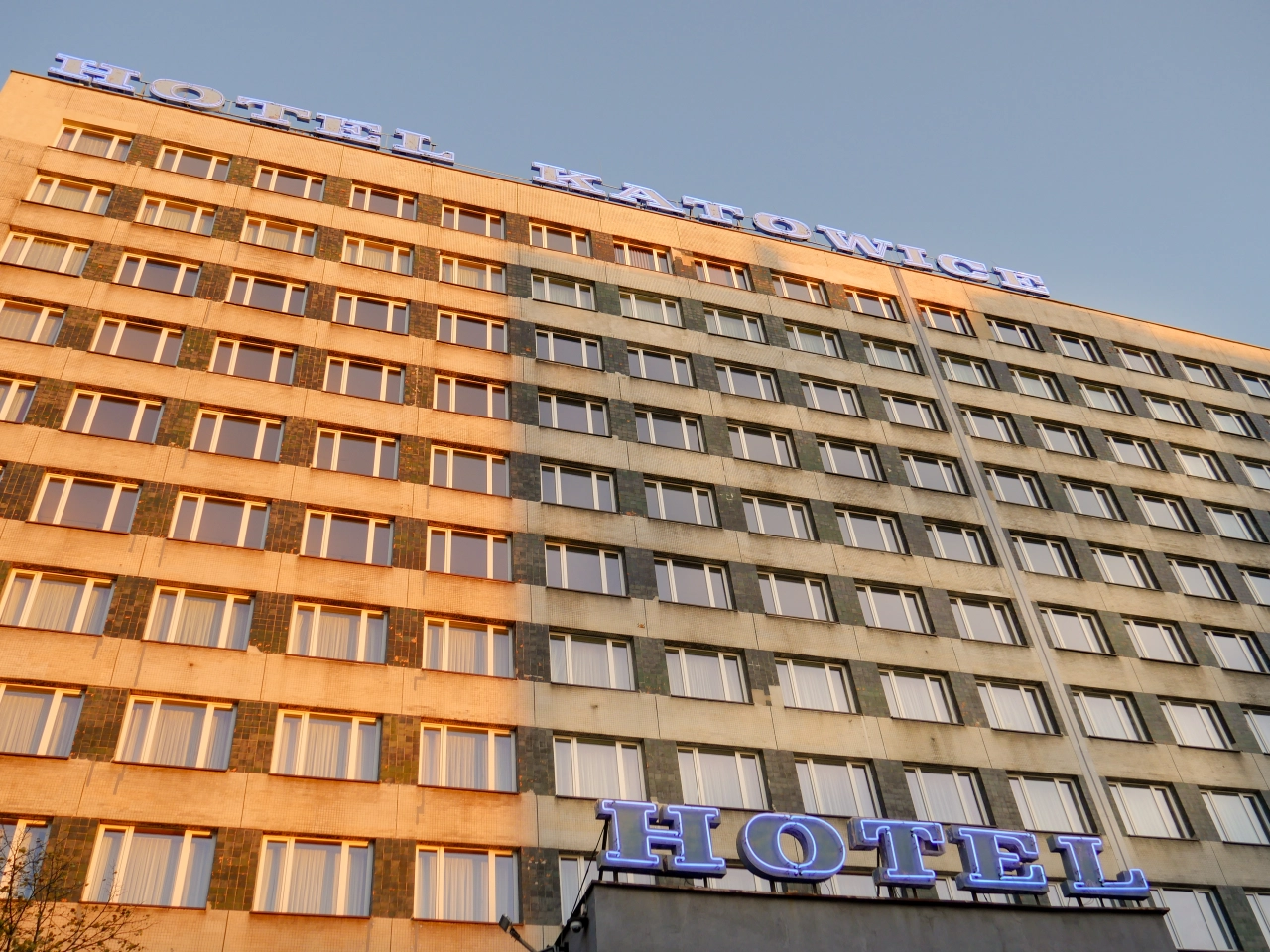
Hotel Katowice, Poland
At one extreme are the grand Socialist Realism and neoclassical styles of the Stalinist era, as embodied by the Interhotel in Georgia. Then there are hotels built in the Soviet Modernism era, like the Hotel Traian in Romania, which marked a shift away from excess towards austere concrete structures.
On the other side of the coin, and much more fun to the modern eye, are futuristic, gravity-defying designs. These include the Sevan Writers' House in Armenia, part of which juts out from a rock face over Lake Sevan, balanced on a single concrete leg, and the Hotel Druzhba overlooking the Black Sea, which feels like you're looking at a spaceship perched on huge concrete columns.
Along with these remarkable pictures, we get an introductory essay by food and travel writer Caroline Eden, who has stayed in many of these hotels herself.
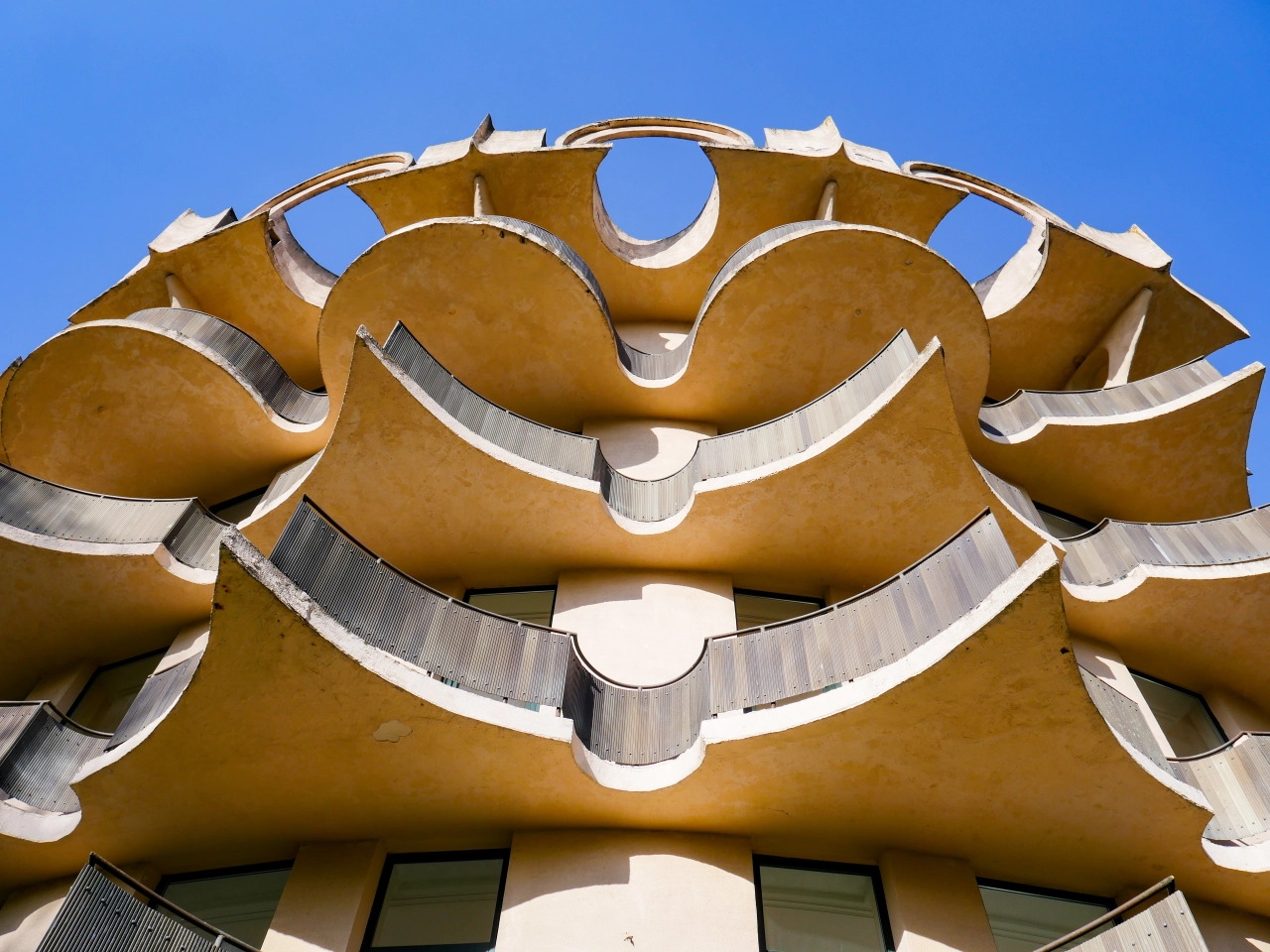
Hotel Pusynas, Lithuania
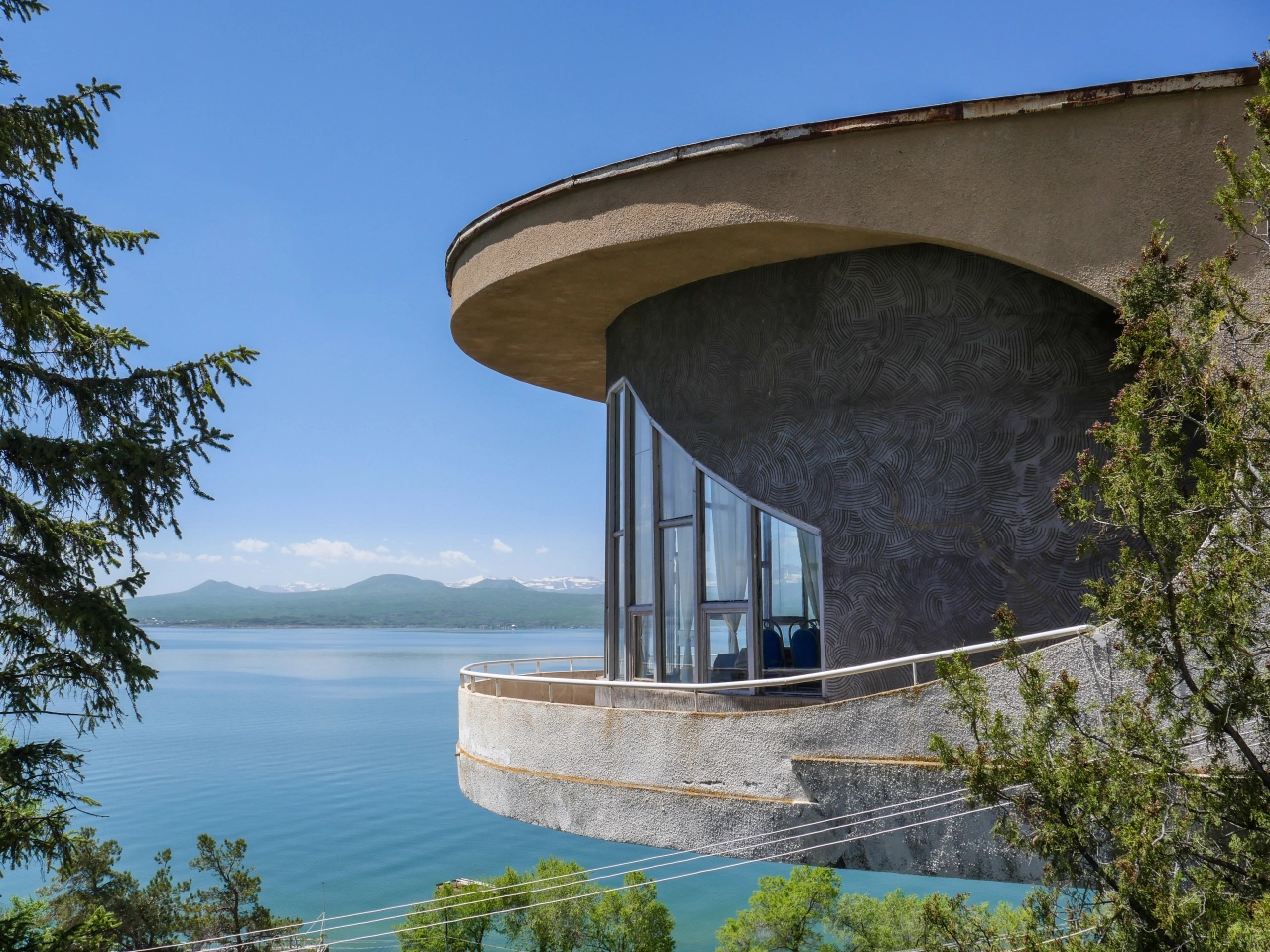
Sevan Writers’ House, Armenia
She recalls lots of entertaining details, such as the "floor lady" stationed by the stairs to make sure no improper activity took place, to the bath plugs that were "and still are, seldom supplied". Staying in the more dilapidated examples, she recalls, was "a bit like how I imagine sleeping in a museum would feel: not exactly comfortable but intriguing".
Today, many of these hotels are being modernised beyond recognition or demolished, which makes this book feel very timely. By capturing what remains, Socialist Hotels preserves a fascinating architectural legacy before it disappears for good.

Editor's Picks



Trending


Latest Jobs
Design Director at Koto
Full-time·London·£72,000 – £90,000
Communications Strategy Director at David&Goliath
Full-time·Los Angeles·$120,000 – $180,000
Midweight Designer at Pentagram
Full-time·London·£40,000 – £50,000
Senior Motion Designer at Prophet
Full-time·New York·US$100,000 – US$120,000
Content Writer at Loom Digital
Full-time·Bristol·£27,000 – £30,000
Senior 3D Motion Designer at Art&Graft
Full-time·London·£50,000 – £65,000




](https://media.creativeboom.com/e6c4a698-c497-478e-9a5c-fbc311d79430/conversions/523c326d701667a3fc7512b9c01ce5f340c3257a-medium.webp)