How much should an illustrator charge? Project rates vs day rates
When it comes to pricing your illustration work, how do you get it right? Two agents who negotiate fees for a living explain how to charge what you're worth, from your first quote to raising rates years into a client relationship.

Image licensed via Adobe Stock
Figuring out what to charge clients can be the biggest headache for freelance illustrators. There's no universal published price list. Nor is there a handy calculator that spits out the "right" number. And whatever rate you choose, it has to cover all your costs, from studio rent to utility bills, and ideally help some healthy cash flow during quieter months. Quote too low and you're going to struggle. Quote too high without any explanation and you can wave goodbye to that lovely project.
When chatting about the challenges of freelance illustration, the question we hear most often is: should you charge a project rate or a day rate? So we asked two people who price illustration for a living to talk us through it, along with everything else worth weighing up before you send that quote.
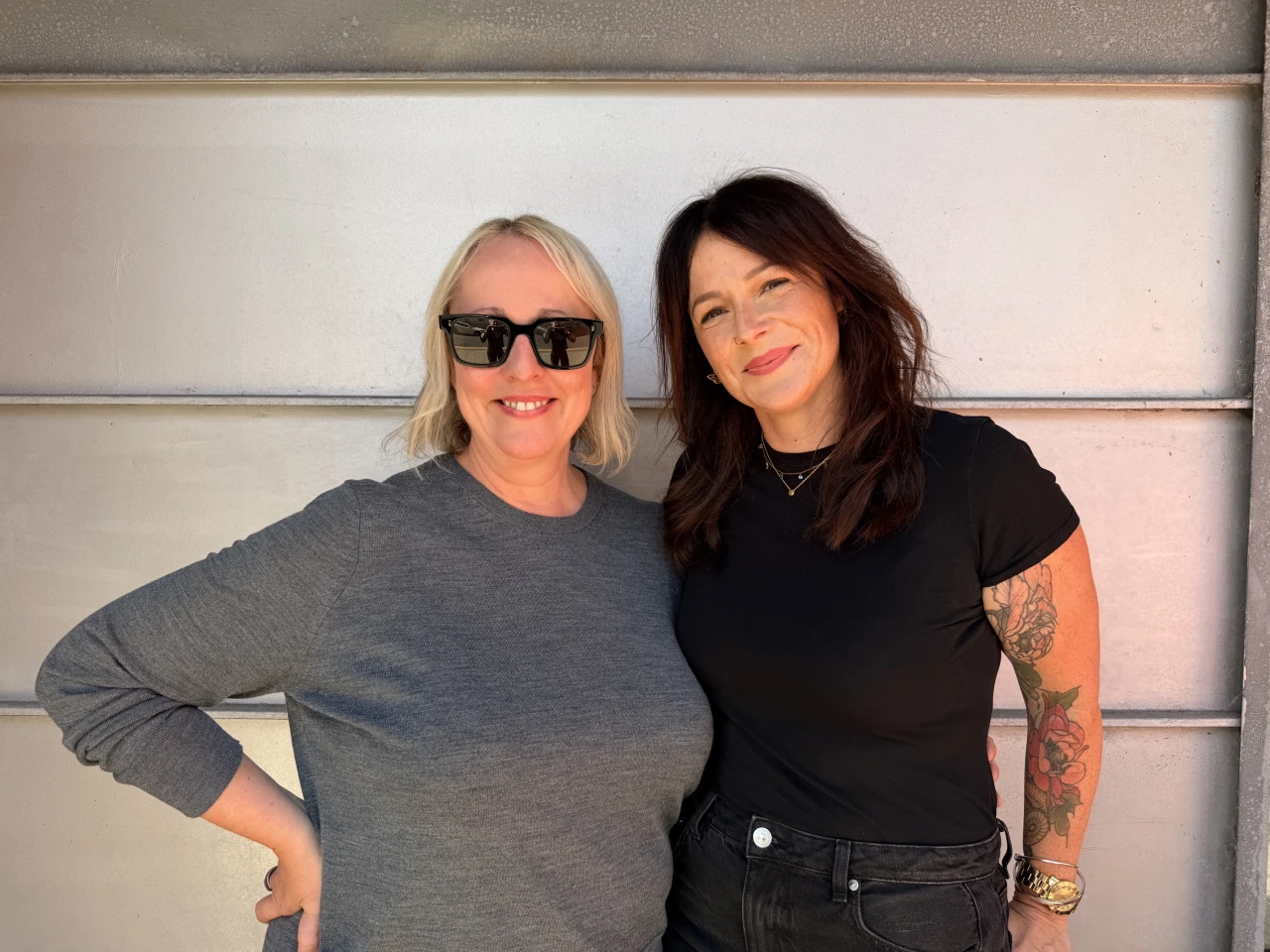
We invited Jon Cockley, co-founder of Handsome Frank, an illustration agency representing artists like Matt Blease and Molly McCammon, and Clara Marcus from The Jacky Winter Group, an agency in London that represents illustrators such as Adam Parata, Lauren Martin and Jay Cover. Between them, they help set prices for work every day. Here's their advice on charging what you're worth.
Start with the inputs
Before you magic up a single figure in your head, it's good to get clear on what's driving that price.
Clara says it's an excellent starting point to decide how you're calculating the work itself. There are two ways to go about that. You can charge a creation fee, which is simply how long the work will take. Or you can price on value – what's the work worth to the client? Either way, she'd add a separate usage fee based on the licence the client needs.
That licence is where Jon spends most of his attention. "Usage is of course the main factor," he says, so Handsome Frank looks at the media the work will appear across, the territory, and the duration of the licence. The broadest agreement – all media, worldwide, in perpetuity – is also the most expensive, and his advice to clients is to be more specific wherever they can, so their budget goes further.
Jon also looks at who the client is. A big name means more people will see your work, and it does something for your reputation too. However, there's a catch. Work with a household brand in one sector and, even if nobody's asked for exclusivity, its rivals probably won't want to work with you any time soon. Jon says that's worth thinking about before you say yes. And then there's the artist's life, which both agents raise Is the diary already full? Is this going to eat into a couple of weekends?
Clara's key piece of advice is to build a pricing structure that works for you. "If your costs are based on a logical calculation rather than just pulling figures from the sky," she says, "you'll feel more confident when you propose them to the client."
Project rate or day rate – which serves you better?
In most cases, a project rate will serve an illustrator better in the long run, but there are clear moments when a day rate is the fairer choice.
"I would venture to say that in most scenarios, a project rate will serve an illustrator better than a day rate in the long term," says Clara. But she flags two big exceptions. The first is the large production houses doing brilliant work, who will only engage artists on a day rate with a work-for-hire agreement – opportunities that are hard to turn down. The second is any project where the scope keeps changing and growing, with deliverables hard to pin down. In that situation, Clara says, a day rate saves you rewriting the estimate every time the brief changes. Just make sure a licence for the intended use is built into the day rate, because it's easy to forget usage once you're being paid by the day.
Jon uses a day rate as the fallback for when a project fee stops being fair. Handsome Frank's standard contract covers three rounds of feedback and amends in the agreed price. If a job goes past three rounds and the client still wants changes, the price goes up. Jon thinks that's fairer on the artist, and he's noticed something else happens too. "Once a client realises they're paying for the artist's time," he says, "it tends to bring things to a quicker resolution." Paying by the day focuses minds and stops endless tinkering.
What is a fair rate?
A fair rate is a sustainable one – it covers your real costs and lets you breathe easy between jobs. There are also a few benchmarks to anchor to.
Clara is quick to point out how much this depends on your location and the kind of work you do. The aim is to avoid wildly under- or over-charging, but what matters most is a rate that genuinely covers your overheads, like studio rent, software subscriptions, and insurance, while allowing you to take a break without too much anxiety.
Her best advice is just talk to your peers. "We are generally very, very bad about talking about our own finances," she says, "but if we can open up these conversations, we'll be in a much better position to push back on awful budgets and build a stronger and fairer creative industry."
Jon is willing to put a number on it. He's seen day rates vary wildly over the years, and while everyone is entitled to price themselves as they see fit, he's clear about a floor. "In 2026, I would advise any experienced illustrator to be charging at least £500 a day," he says. "This can go up to £1,000 per day or well beyond, depending on the artist's profile and the demand for their time."
The most common pricing mistakes – and how to avoid them
"Not understanding the client's expectations is the easiest way to over- or underprice," she Clara. Scope matters, obviously, because that's how you work out the time. But she'd go further than that and ask what the client is hoping the project will do for their business, and how involved they plan to be. Their answers will tell you a lot about how much they value the work. And that, more often than not, tells you what they'll pay for it.
"I think the most common mistake is to price a job lower than you think it's worth, because you really want to win the project," says Jon. We've all done it. The problem is that a low number at the start sets the tone for everything after it, whereas a fair one, agreed up front, tends to make for a more respectful job all round.
Overpricing, Jon says, is usually the client's doing rather than the artist's. They ask for a bigger license than they'll ever use. Handsome Frank is often asked to quote for a buy-out, only to find, on closer inspection, that the work will run in only one territory or for only a limited time. "My advice to clients is not to pay for usage they don't need," he says. Charge for what's actually being used, and you avoid overpricing yourself out of the job.
What to do when a client asks about rates before the brief
Although it's tempting to give a flat figure before you understand the job, you should always give the client a careful, caveated anchor instead.
"How long is a piece of string?" Jon bluntly asks. Because he thinks it's near-on impossible to price a project without a brief. Handsome Frank will sometimes talk ballpark figures to get things moving, but every quote carries a clear caveat that the prices are subject to a final brief and may change.
Clara takes a similar line. She's sympathetic to why clients do it – usually they're short on time and want to know you'll fit their budget before committing to a longer conversation. The trouble is, name a figure before you really understand the job and it tends to come back to bite you.
Some clients disappear the moment she asks a question about scope. Clara reads that as a sign. If budget is the only thing they want to talk about, they probably weren't going to care too much about the work, and you're better off without them.
Her fix is to keep the questions to the two or three you can't quote without. That's fair on a busy client and it stops you guessing. And if they won't tell you anything at all, give them a range with a big caveat attached, or point to something you've done before: "As a guide, an illustration of this complexity with a 12-month, online-only, UK licence and two rounds of revisions would sit between £X and £Y."
How do you raise your rates with existing clients?
Clara sees this as a sweet spot. If a client didn't rate you or trust you to deliver, they wouldn't come back. You've proven you're an asset, and now your rates should reflect that. Yes, it may mean a slightly awkward conversation – but that's far better than working with the same client for a decade without ever raising your fee. "Make it about you, not them," she says: it's perfectly reasonable to explain that your rates have risen over the past year as your experience has grown, and to use the moment to show off some of the great work you've been doing.
Both agents agree on the cost-of-living argument. "It's fine to say that the cost-of-living crisis has impacted your rates," says Clara – everything else is getting more expensive. Your fees need to keep pace with the wider economy, or freelancing becomes unsustainable.
Jon's take is to be "fair and transparent without being too pushy and unreasonable." Most clients, he finds, are respectful and open to the conversation, especially when you point out that a rate has stayed unchanged, for a while. "Clients are generally empathetic to the fact that rates need to reflect inflation," he says.
The super reassuring thing?
There's no single right price. But all of Jon and Clara's advice will help you find one. Work out your costs and price usage for what the client needs. Lean on a day rate when feedback or changing scope makes a project fee unfair. And don't be shy about raising your rates as your experience grows.
Perhaps the most useful advice of all, from Clara: talk to your peers about money. Because the more openly we do it, the fairer the whole industry becomes.
Editor's Picks



Trending



Latest Jobs
Designer, Marketing (Games) at The New York Times
Full-time·New York·$85,000 – $100,000
Senior Creative Editor at Project Slingshot
Full-time·Remote·£45,000 – £55,000
Account/Client Manager at Represent
Full-time·London·£35,000 – £40,000
Art Director at GREY (New York)
Full-time·New York·US$45,000 – US$100,000
Senior Motion Designer at Prophet
Full-time·New York·US$100,000 – US$120,000
Content Producer (Research) at University of York
Full-time·York·£32,722 – £37,369