The book exploring the lesser-known key to understanding Bauhaus style
'Bauhaus' is a word that most people working or interested in anything remotely creative are very familiar with. For many people, it's synonymous with architecture; for many more, with simple shapes, modernism, and the idea of form as following function.
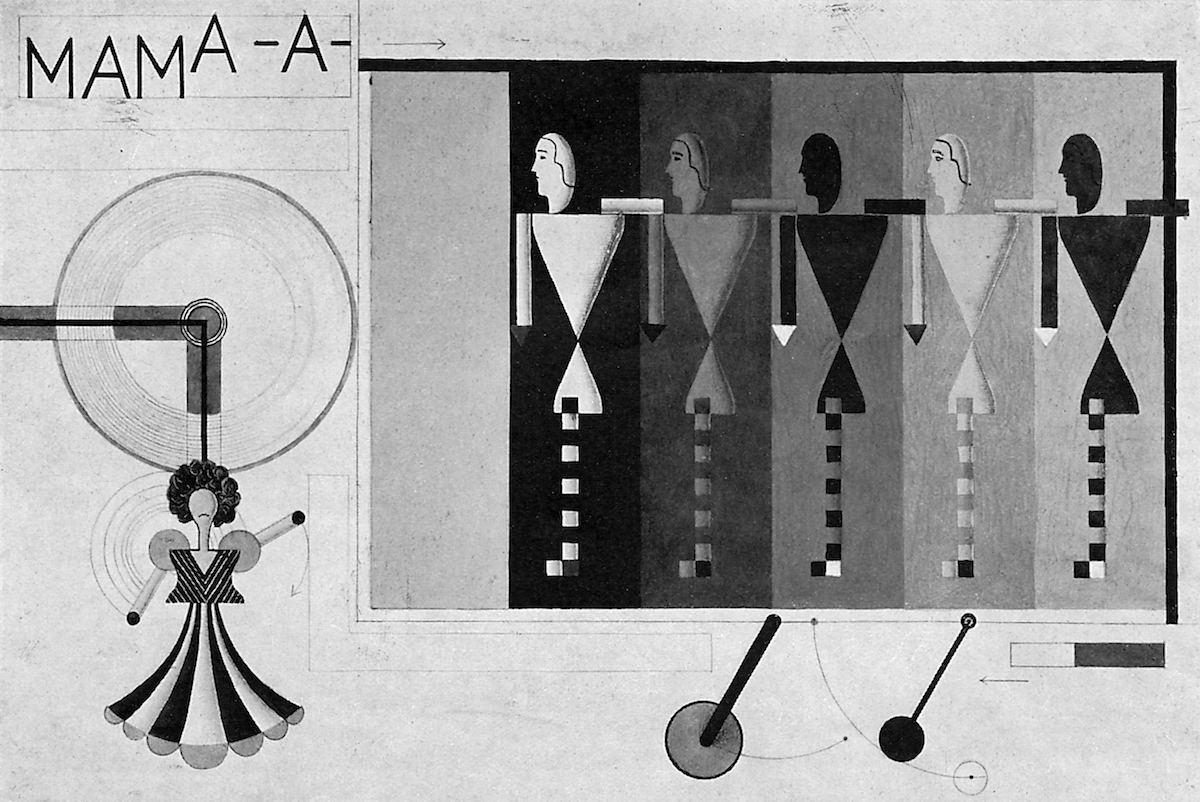
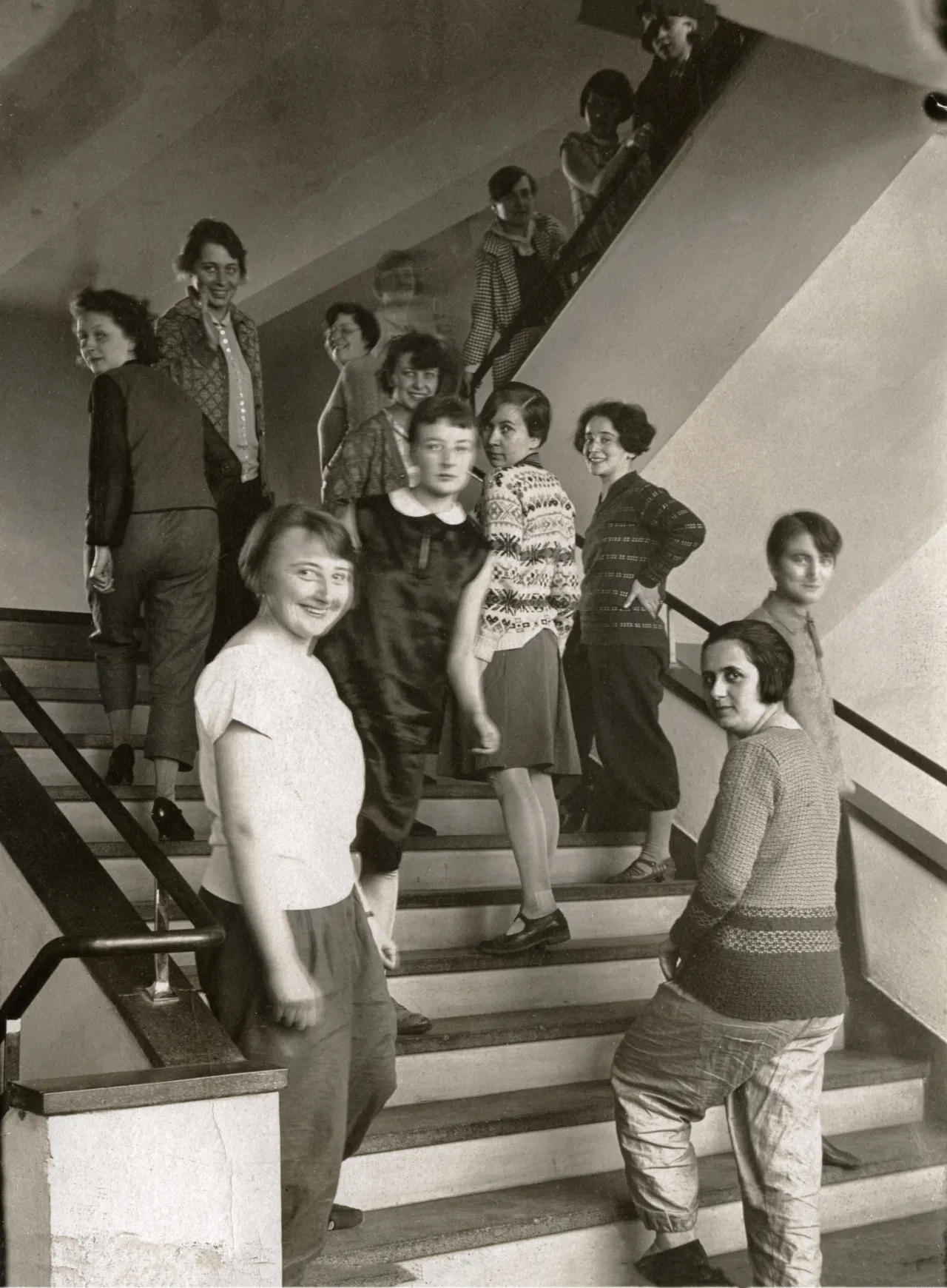
As well as a style, Bauhaus was, of course, an art school; and pupils often received an education that blurred the boundaries between creative disciplines. One of is lesser-discussed mediums was theatre, although this provides one of the most fascinating and revelatory lenses through which to understand the central principles of the Bauhaus.
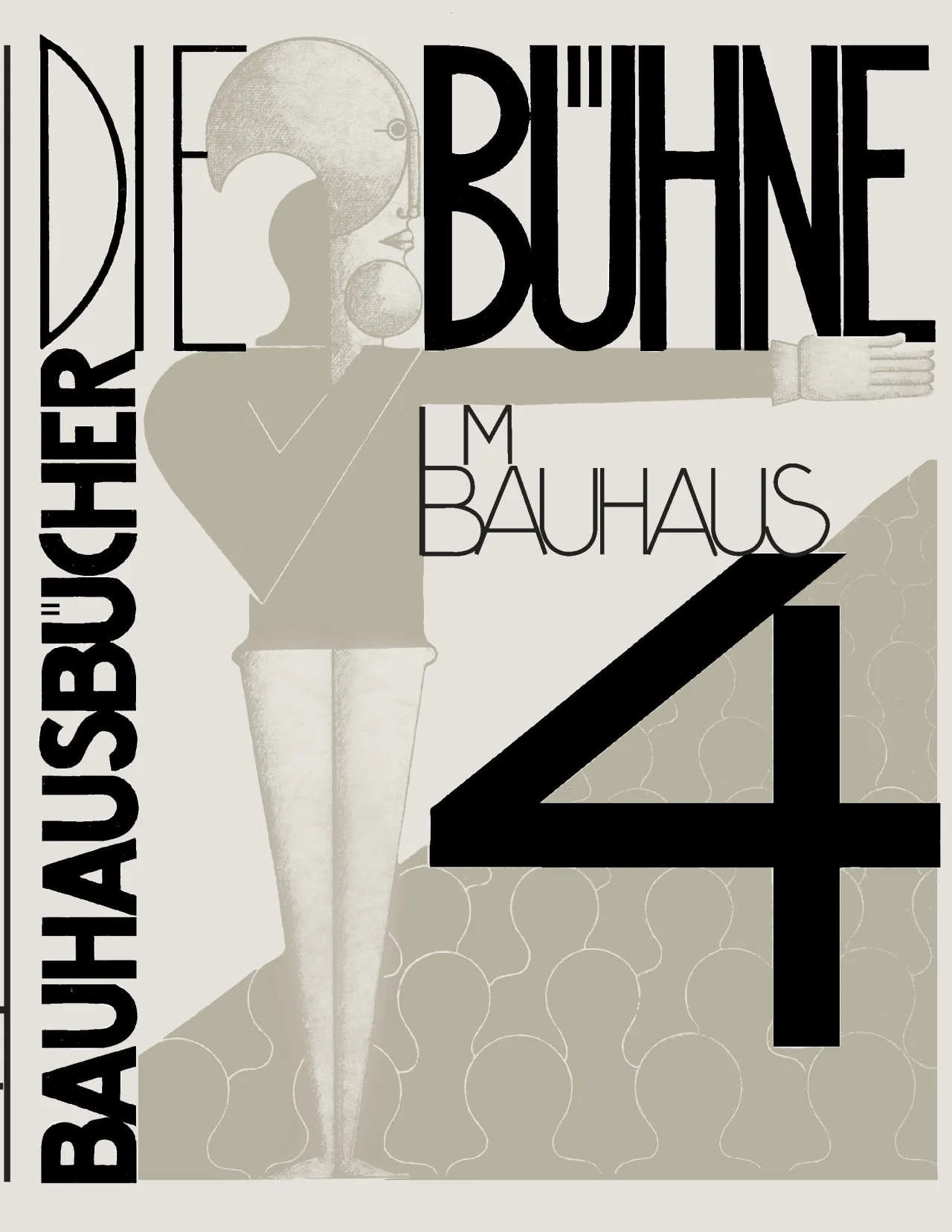
Those looking for a Bauhaus theatre 101 could do far worse than to learn about it straight from the horse's mouth, as it were, in the form of the book The Theater of the Bauhaus by Oskar Schlemmer and designed by László Moholy-Nagy.
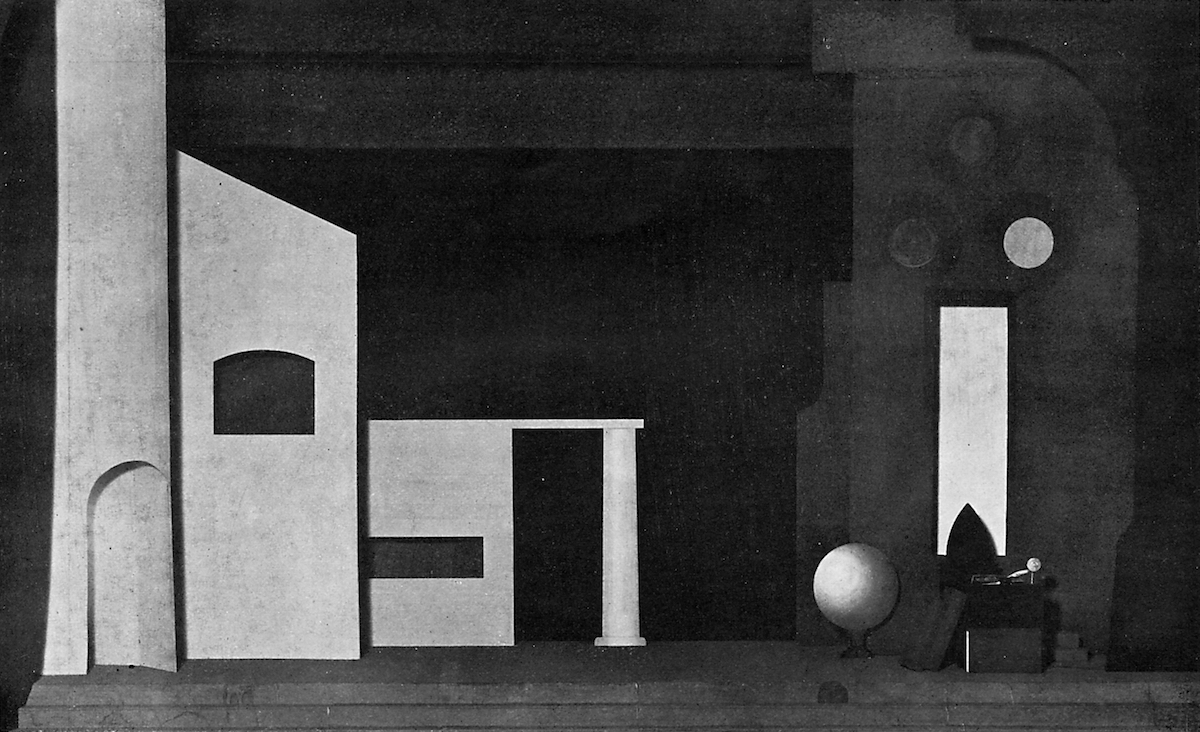
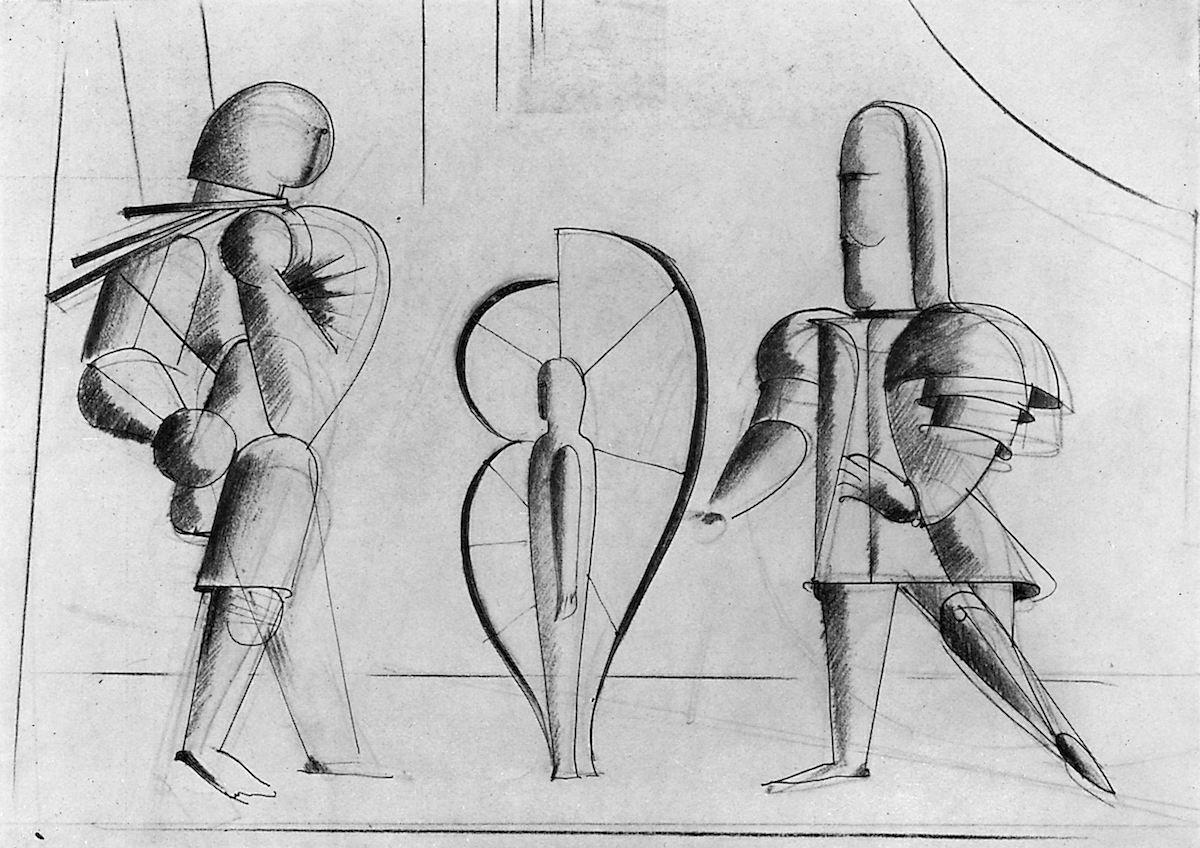
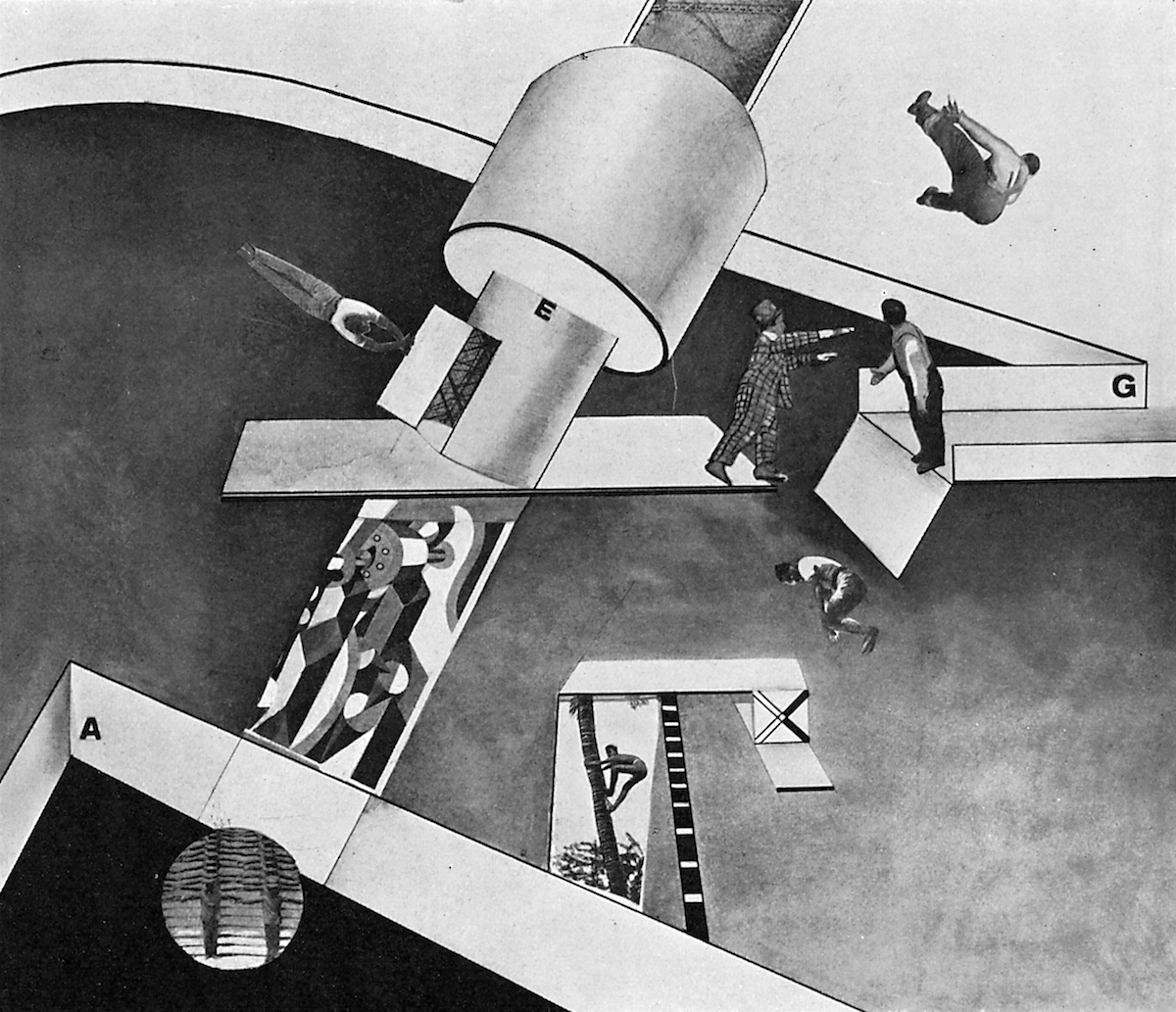
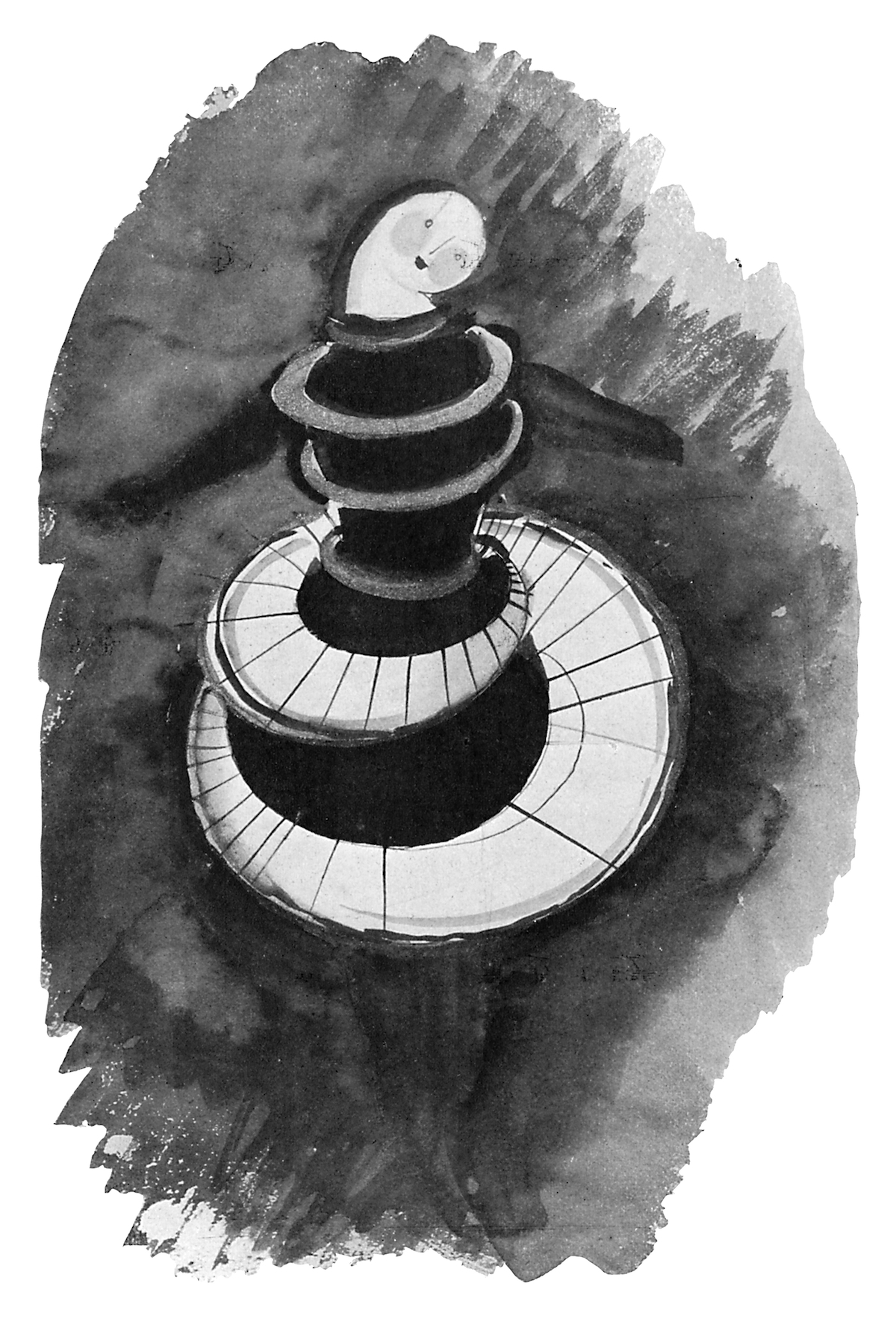
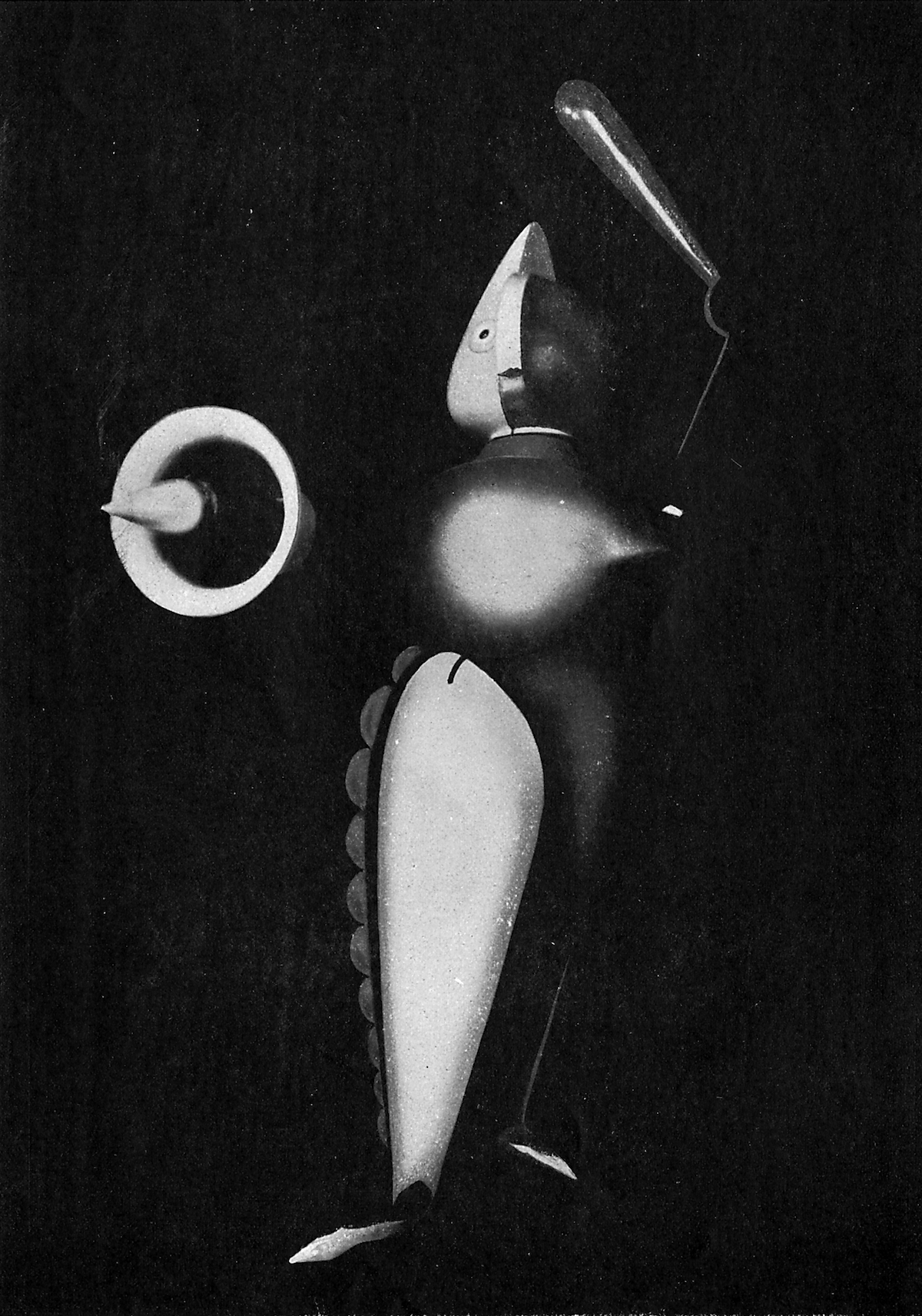
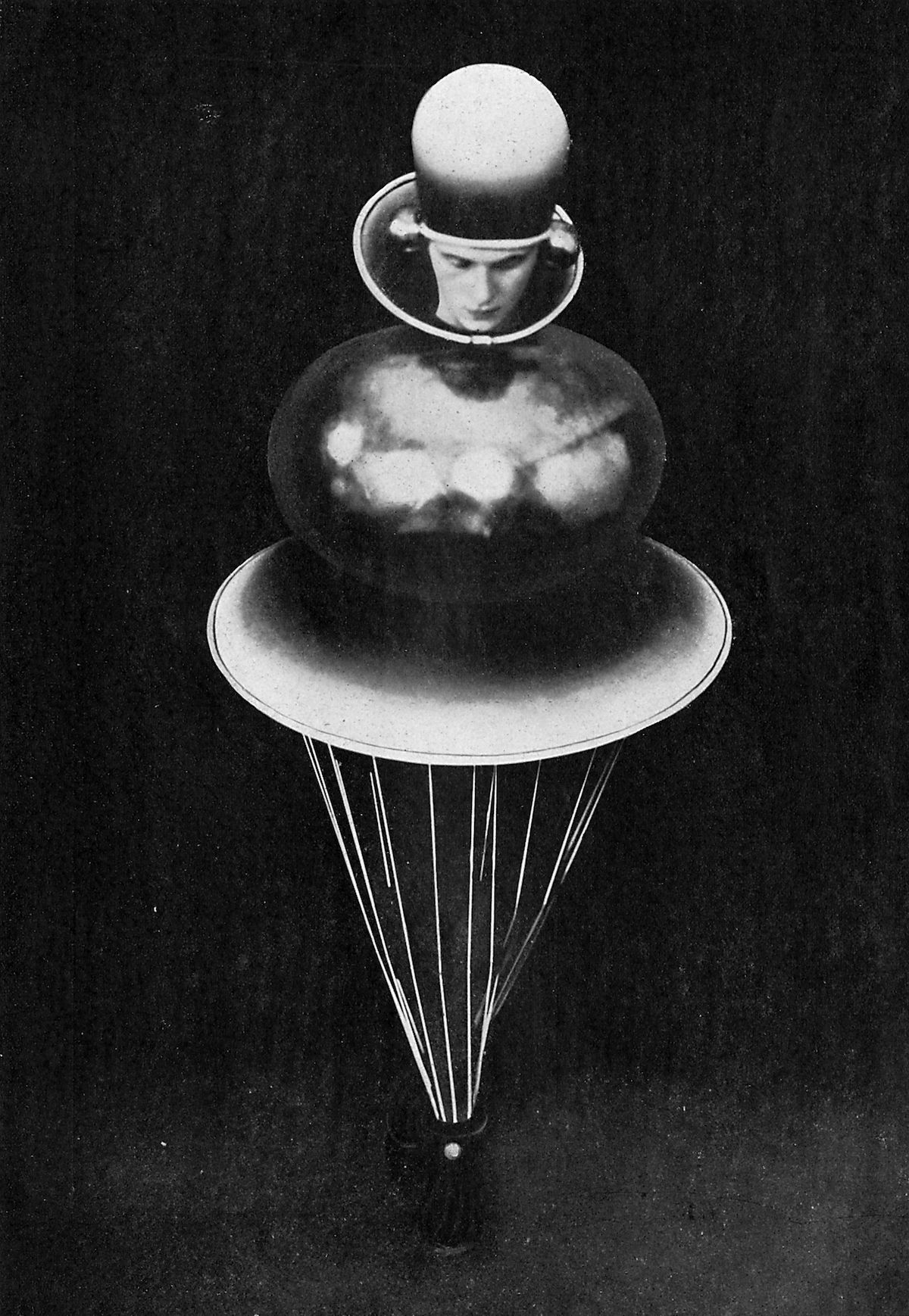
Schlemmer took over the Bauhaus stage department in 1923 and is credited with shaping the Bauhaus stage into the stage of the Weimar period. László Moholy-Nagy, who was appointed to the Bauhaus the same year, wrote an essay for The Theater of the Bauhaus examining stage architecture, "Theatre, Circus, Variété", in which he sets out his interest in "abstract kinetic and luminary phenomena," as Lars Müller puts it. "Spatial dance, gestural dance, rod dance, Triadic Ballet: Oskar Schlemmer developed his costumed, masked dancer into an 'art figure' synthesising dance, masquerade, and music."
The Theater of the Bauhaus is one of the Bauhausbücher series of 14 books originally published in German from 1925 to 1930 – which are now being republished by Lars Müller in their first English translations.
Each of the books was written by a master or teacher at the Bauhaus school and aimed to explain their concepts and teaching methods. Other books in the series include Paul Klee's Pedagogical Sketchbook, Walter Gropius' International Architecture, New Design – Neoplasticism, Nieuwe Beelding by Piet Mondrian and Theo van Doesburg's Principles of Neo-Plastic Art, one of the most recent tranches of books to be released in the series.
Editor's Picks



Trending





Latest Jobs
Senior Digital Designer at Red Antler
Full-time·New York·$95k-$130k
Art Director at SPOKE
Full-time·London·£55k-65k
Brand Designer, Product Launches at Figma
Full-time·New York·$127k–$269k
Account Director at How&How
Full-time·London·£73k-£79k
Midweight Designer at All Purpose
Full-time·London·£30k–38k
Frontend Developer at Northern Artillery
Full-time·Leeds·£35k–£45k