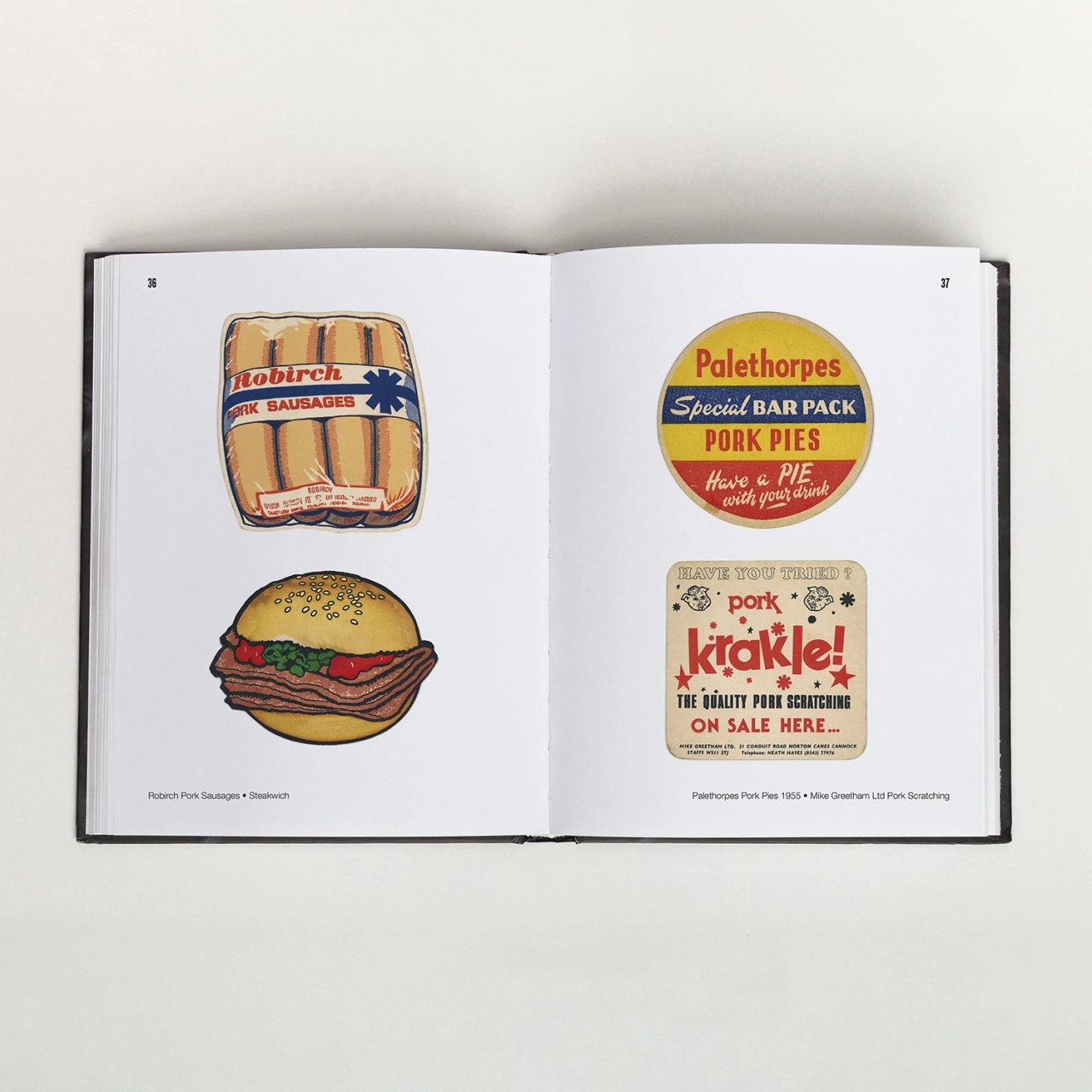
Tim George's incredible photos capture the rapidly vanishing world of pubs in the East End
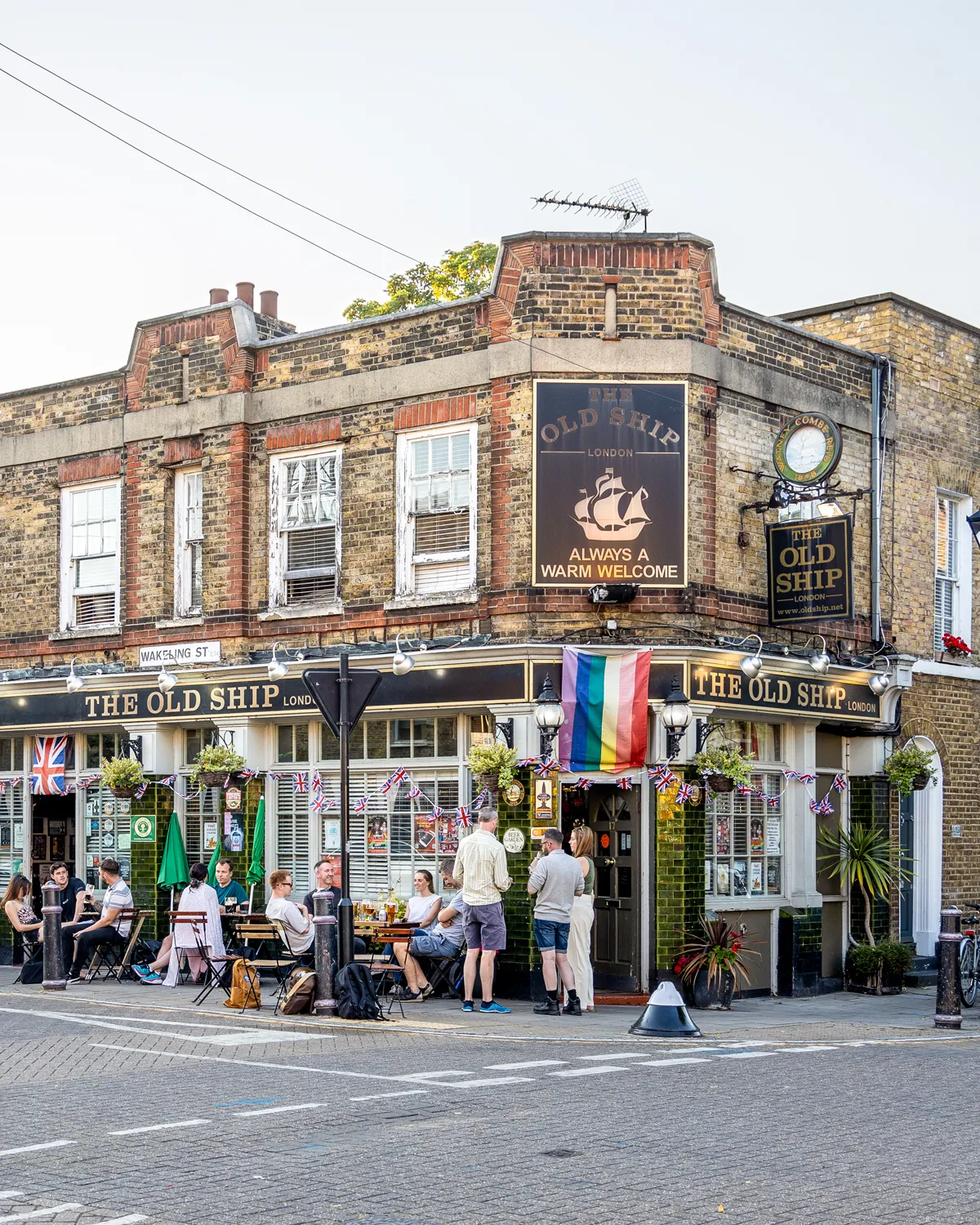
Photographer Tim George has collaborated with London pub culture expert Alistar Von Lion to create East End Pubs, a new book from Hoxton Mini Press which celebrates the stories, culture and communities of the area's rapidly vanishing drinking holes.
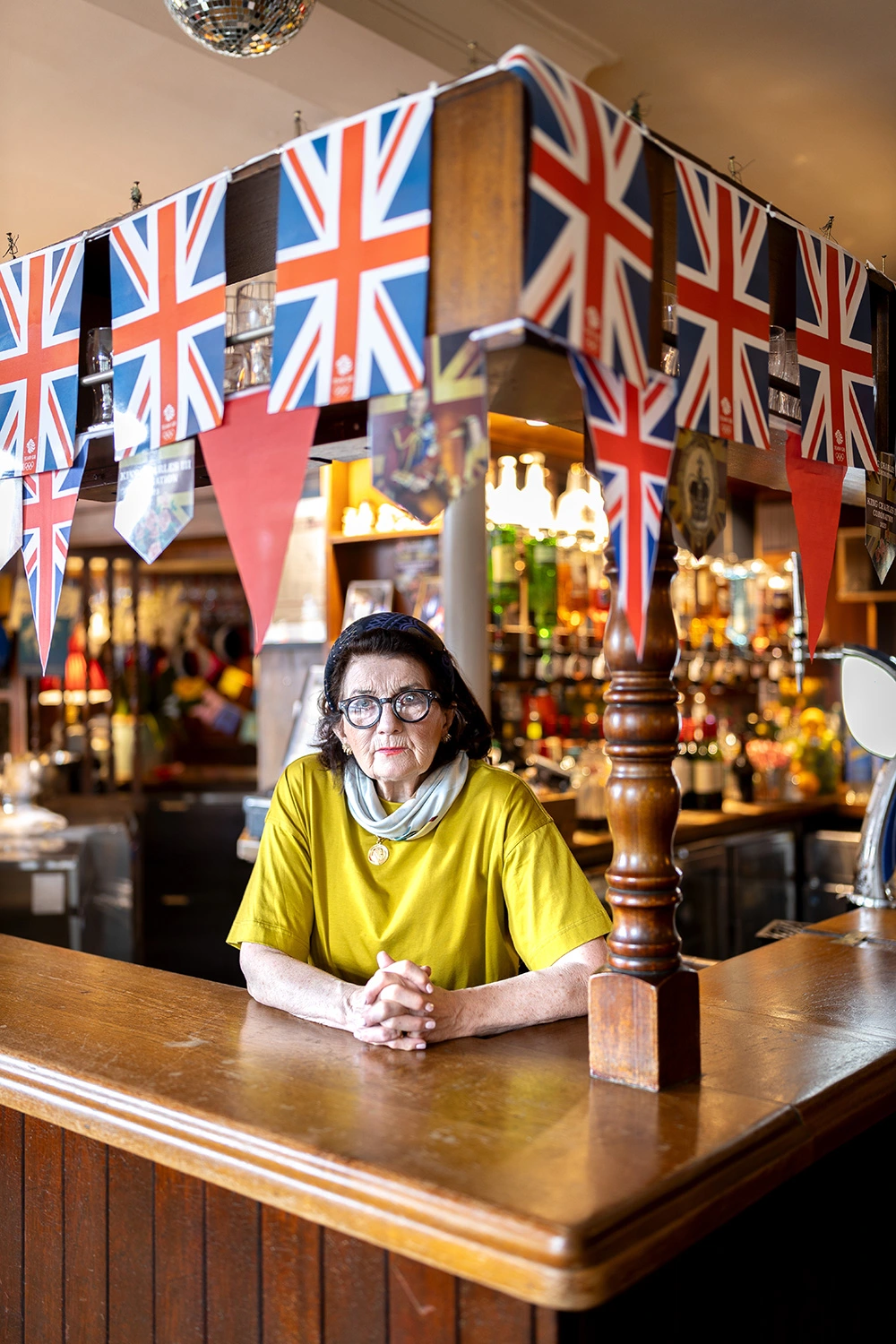
Pubs are a vital part of London's cultural history; nowhere is this more evident than in the East End. But while the area used to be brimming with the best independent breweries in the country, the sad fact is that these communities, buildings and histories are under threat. In fact, the East End has seen some of the highest rates of pub closures in the whole of Britain.
So, to document this world before it's gone for good, Tim George and Alistar Von Lion have released a book that focuses on everything from wet-led backstreet boozers to the historic riverside inns that are the beating heart of this community.
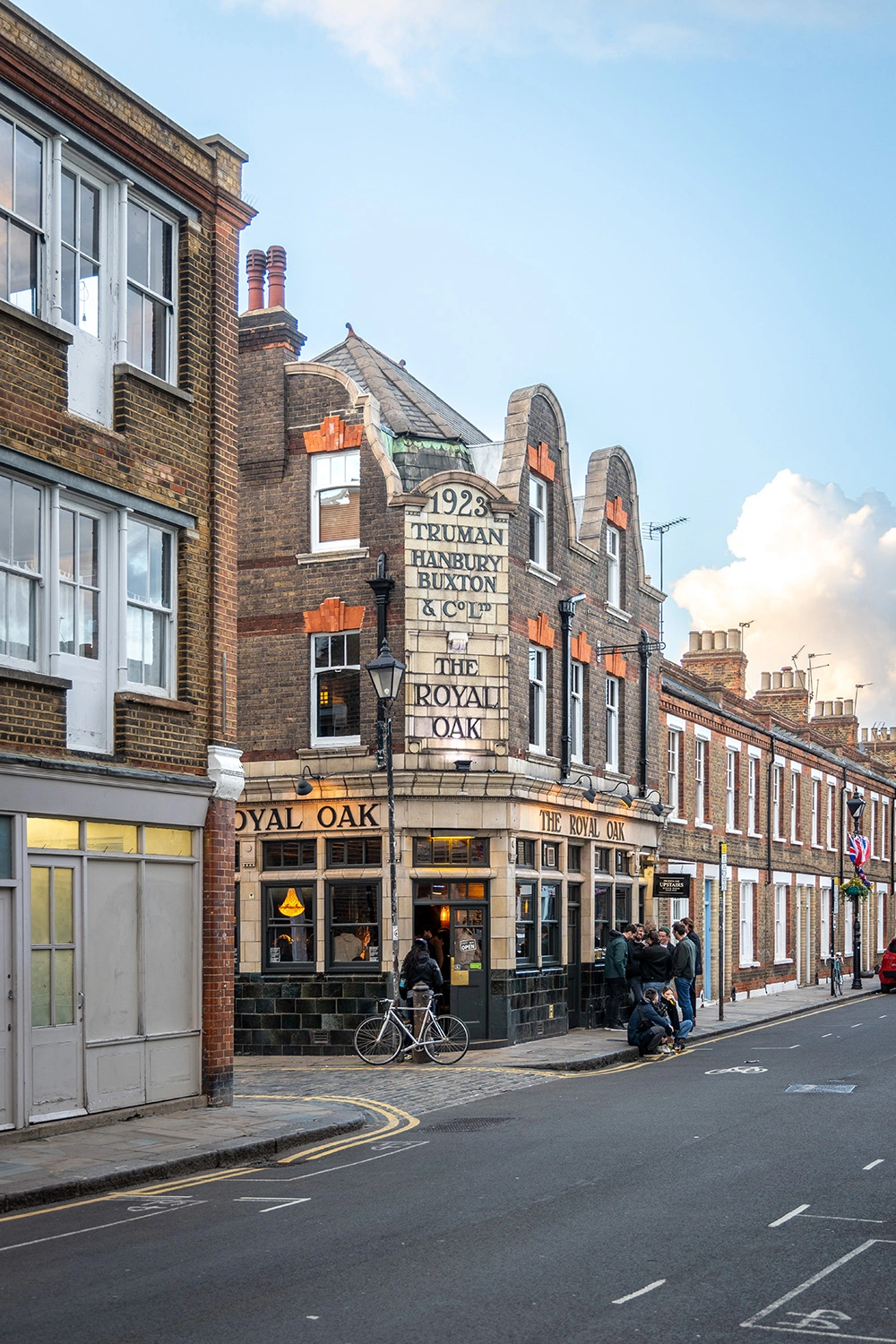
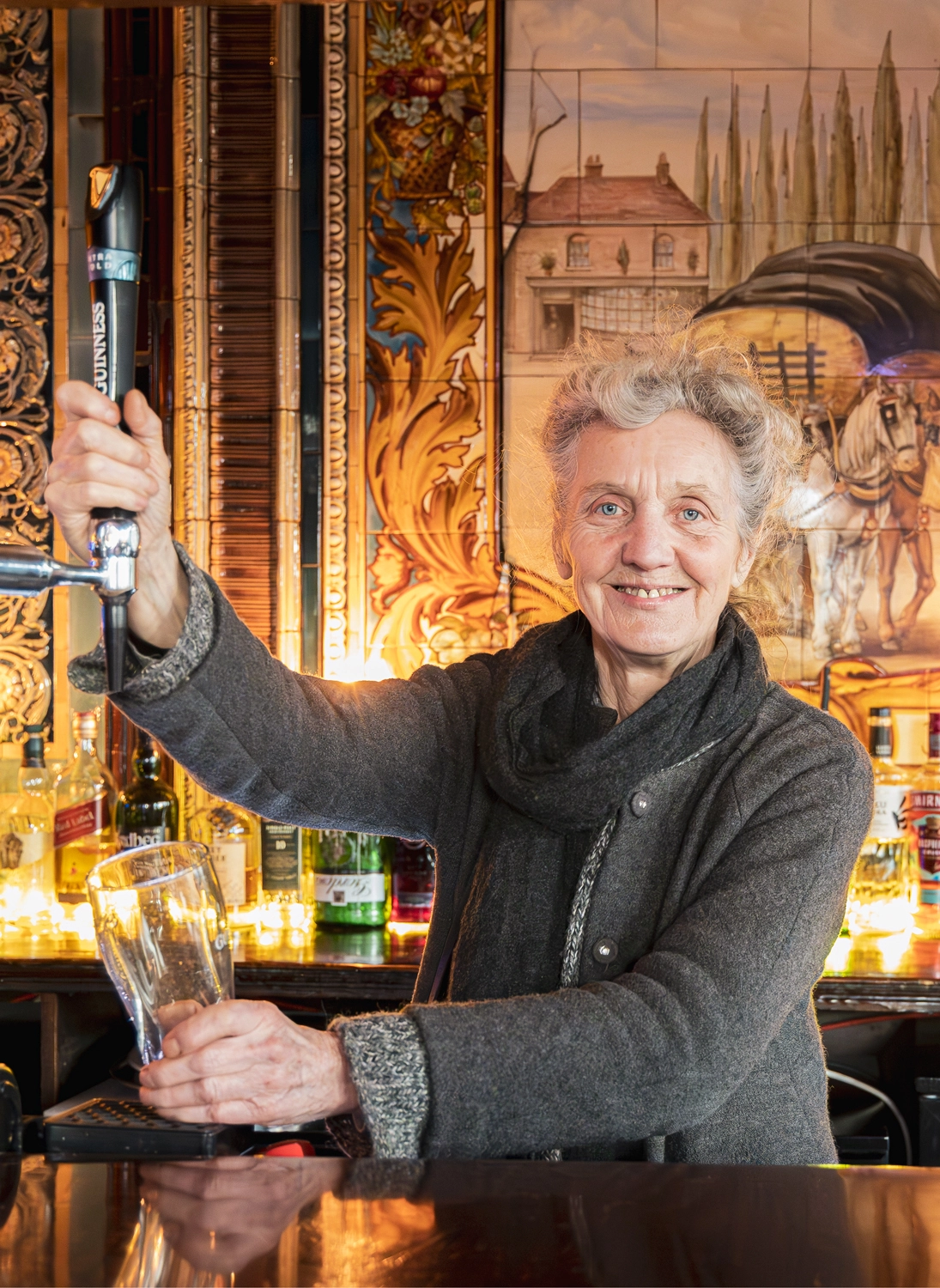
Packed with stunning photography and engaging writing that uncovers the overlooked world of snug bars, East End Pubs is a deep dive into a way of life that may be gone in a matter of decades.
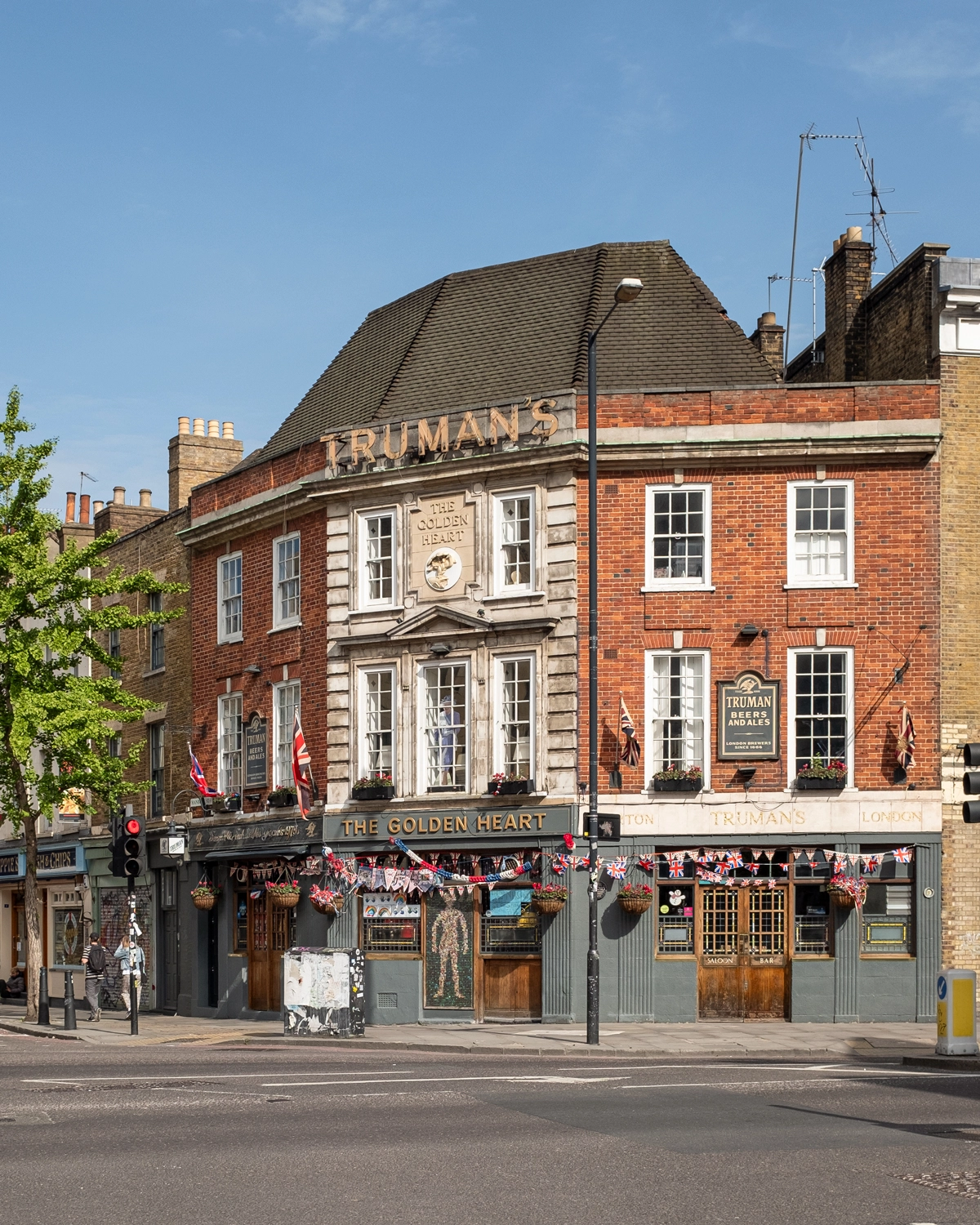
Speaking to Creative Boom, Tim says that the idea first emerged years ago when he properly moved to London in 2009. " It was the first time I had visited places like Shoreditch and Brick Lane, and I remember very clearly that the Golden Heart in Spitalfields stood out as an interesting pub to me.
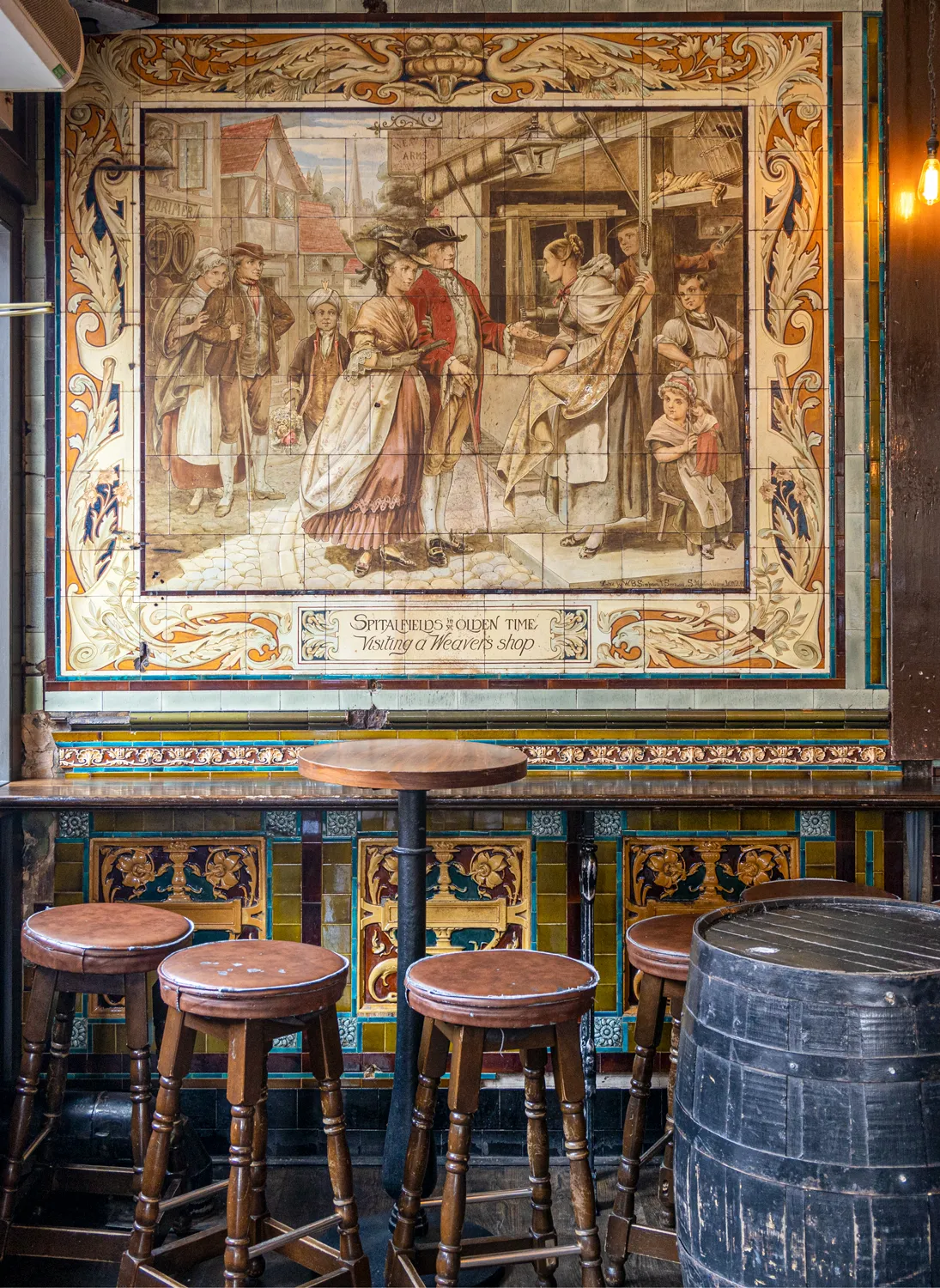
"Many years later, after photographing all areas of London, I realised the pace of change in the city – buildings come and go at an alarming rate. Pubs tend to resist this change, and there is a comfort in that. The best pubs, particularly those in the east end, almost act like a time machine, allowing you to imagine London life as it was decades or even centuries ago."
The reason for focusing on pubs in the East End is simple; there are many more independent pubs in the area, equating to more character and charm compared to the often soulless chains that dominate the rest of the city, not to mention the country in general.
"Alistair goes into detail about the reason for this in the book's introduction," says Tim. "A century ago, four big breweries dominated the east end – Charrington / Taylor Walker / Mann, Crossman & Paulin / Truman, Hanbury & Buxton – and virtually all the pubs in the area were owned by these firms.
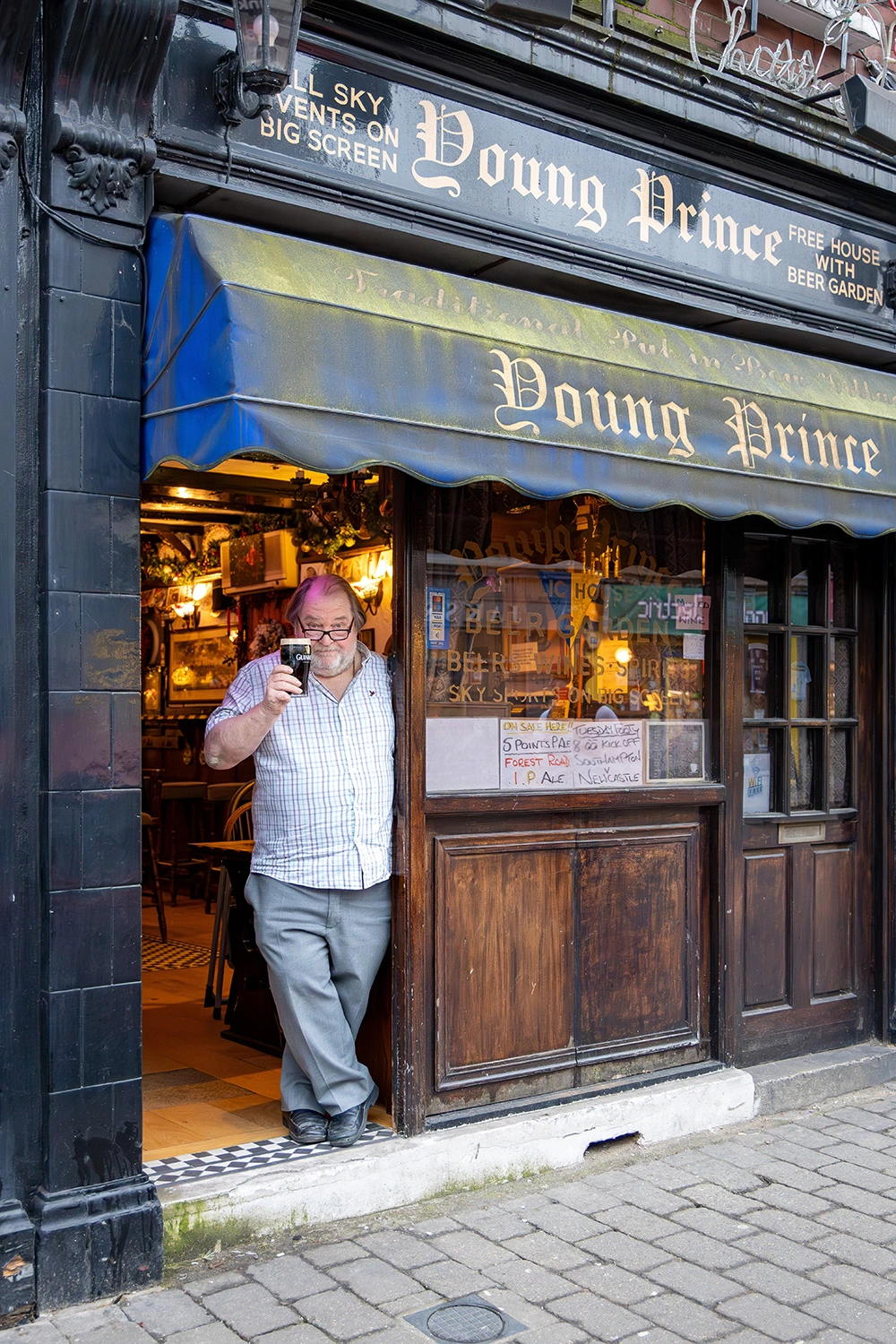
"However, since then, all four breweries have closed down, which has resulted in independent houses not tied to any brewery or chain. These pubs are typically run by a guv'nor (landlady or lord) who often lives upstairs. The most interesting pubs are almost like stepping into the guv's living room – the Young Prince on Roman Road is a fantastic example of this."
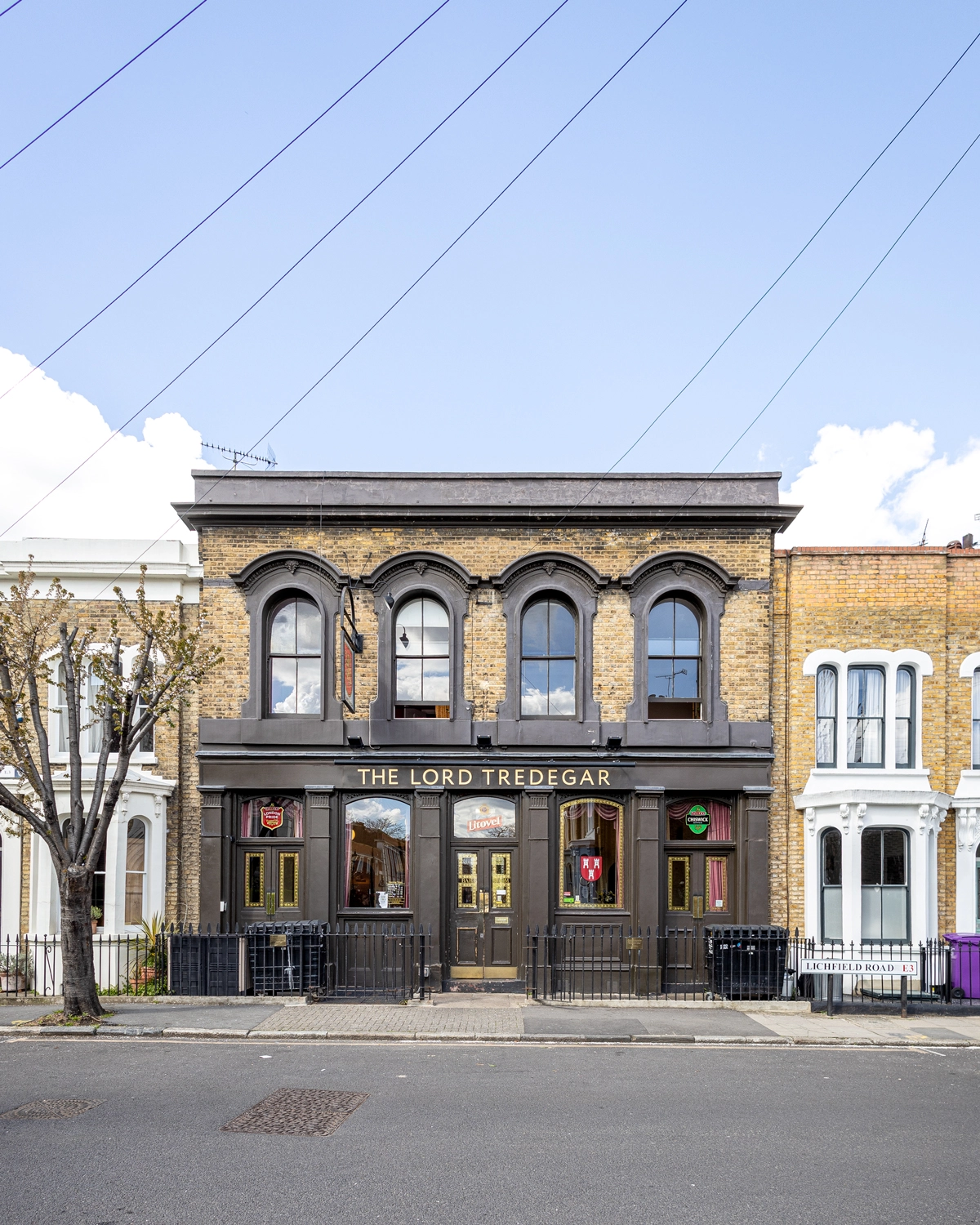
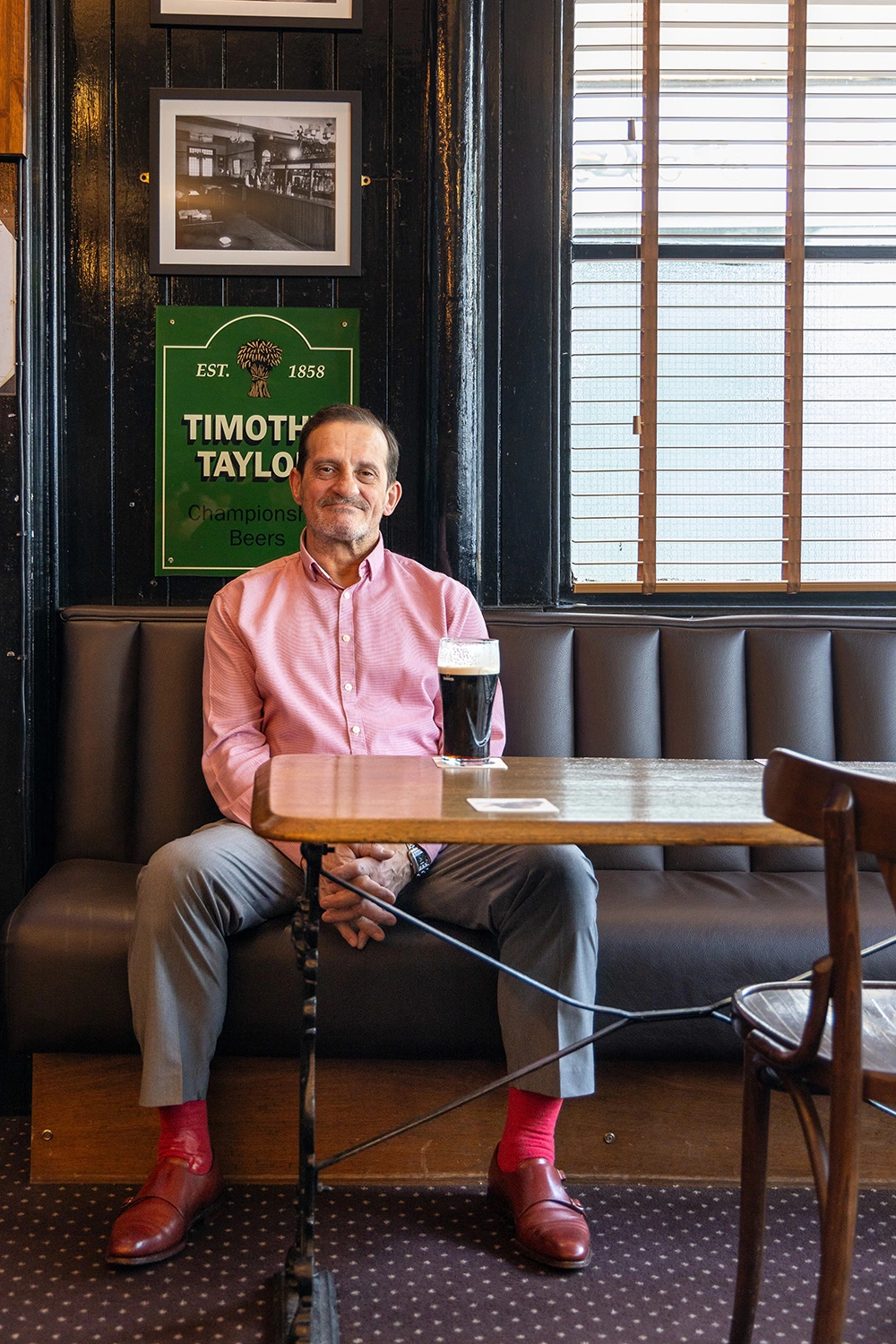
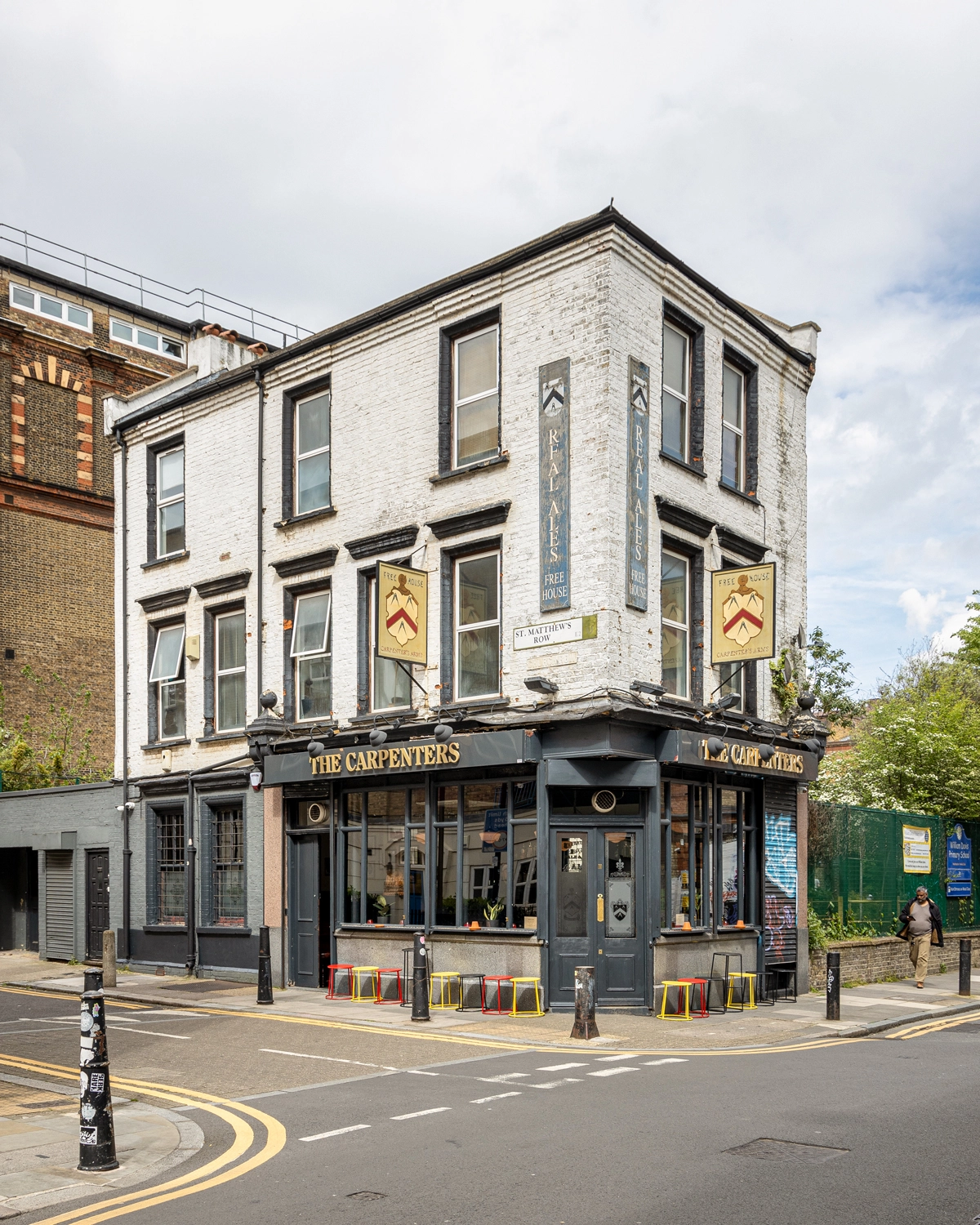
As the curator of the London Pub Explorer Instagram account and associated website, Alistair was instrumental in getting Tim access to most of the pubs he needed to photograph. "He has an incredible relationship with all the guv'nors featured in the book, so he was able to arrange times for me to pop in and shoot.
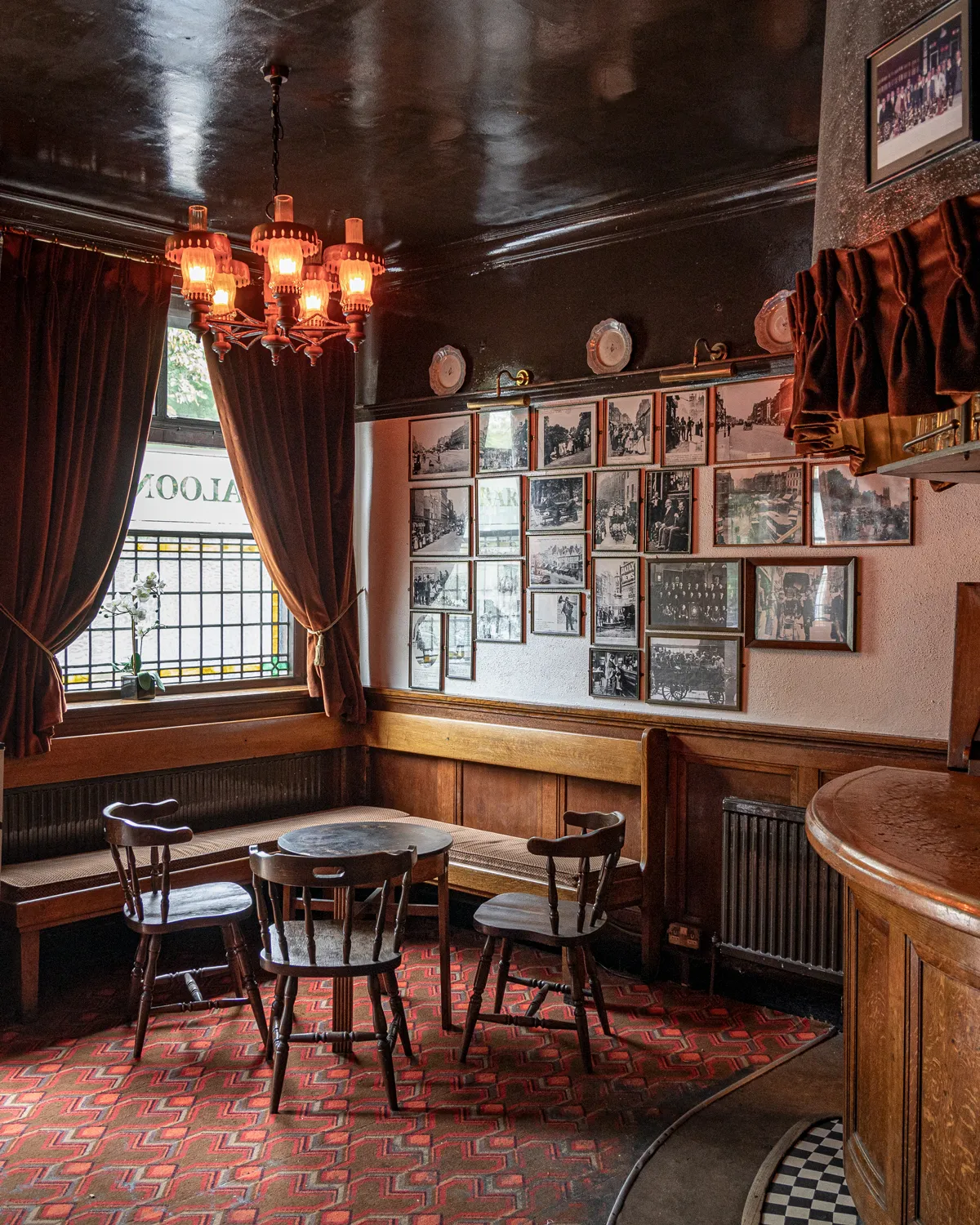
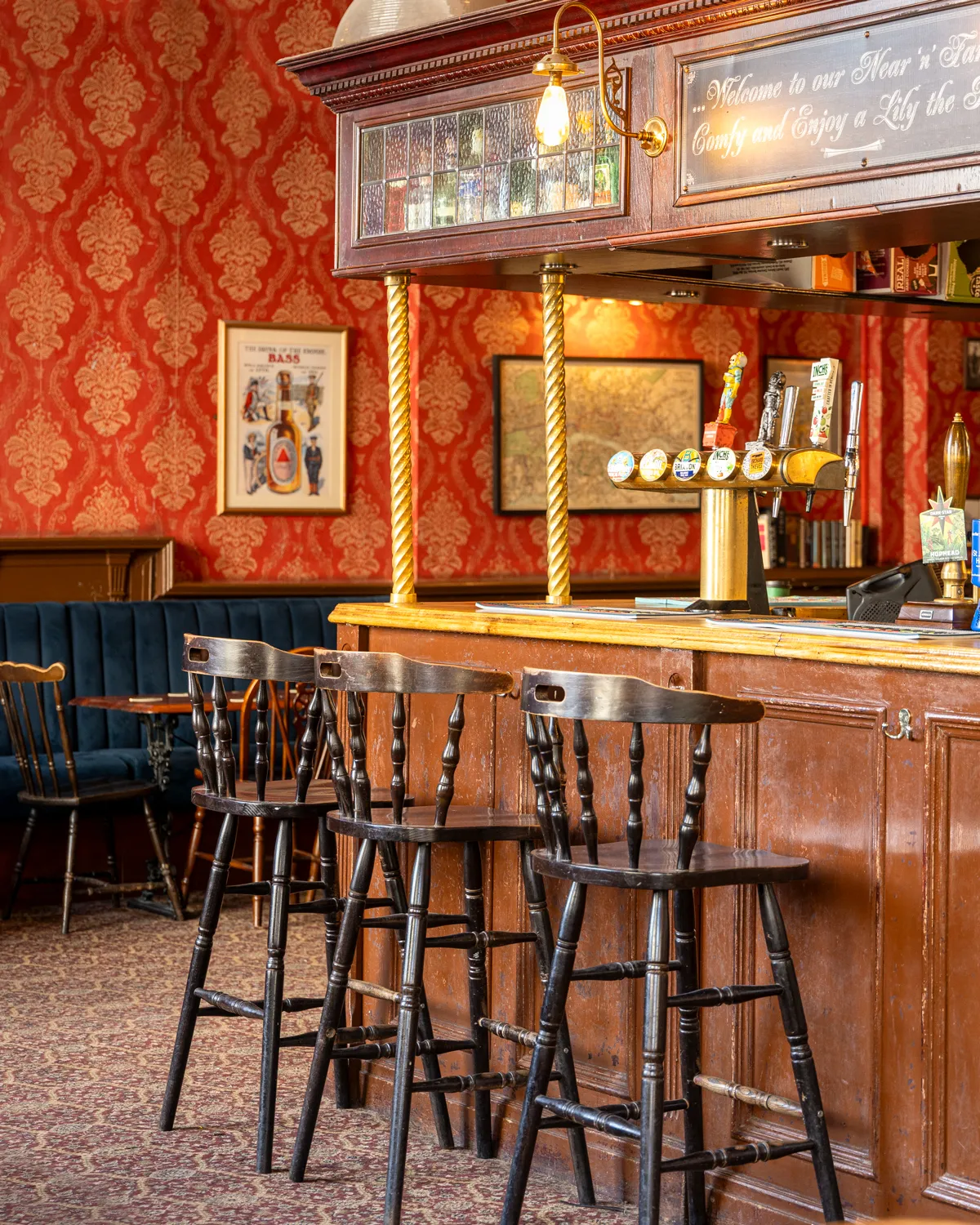
"In general, we did this during the day so as not to interrupt punters having a drink in the evening. But we also wanted to capture the interiors in their purest form, so the images became more about the architecture and less about the customers. There is a haunting beauty in seeing these places that are normally buzzing with life in a calm state."
From a technical point of view, Tim shot everything on a Canon full-frame mirrorless camera with the assistance of a few different lenses and a tripod. The latter, in particular, proved essential because many of the cosy, warren-like pubs were very dark inside, even during daylight hours.
"Working with a tripod also changed my approach to image-making, forcing me to slow down and really think about the composition of each shot," Tim adds. "I would highly recommend shooting on a tripod even if it's not required for low light; it's a really good discipline!"
In a world crammed with hidden histories, the biggest surprise that Tim encountered while shooting this project was just how interesting all the guv'nors were. "They really became the heart of the book," he reveals. "I had thought the project would mostly be about architecture, but there were many great interactions with the landladies and lords, some real characters.
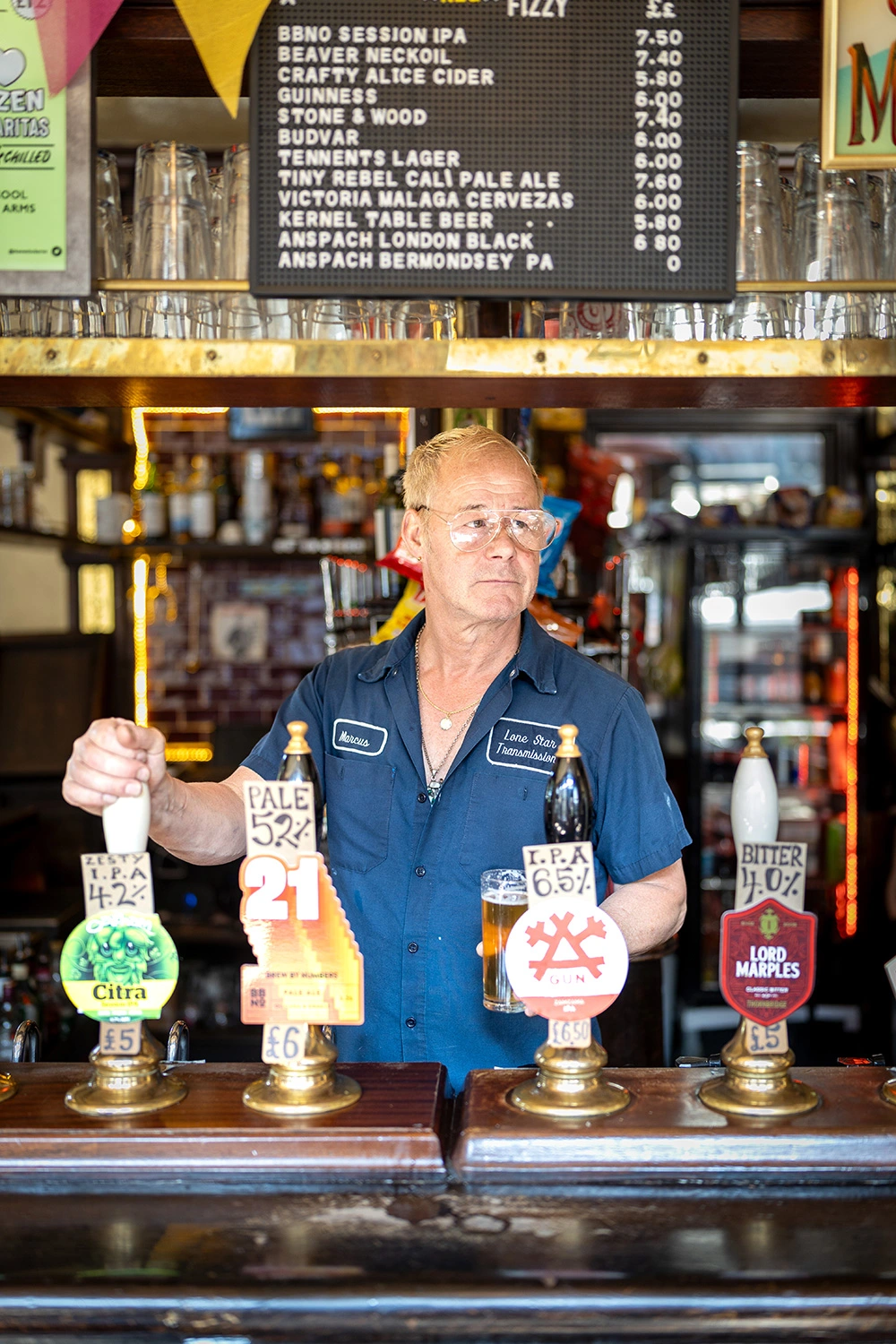
"Julian at the Hare was a gent, regaling me with stories from his 20-plus years in charge, and happy to pose for photos almost like a film star. Marcus at the Wenlock Arms was also a real joy, full of enthusiasm and Scottish banter.
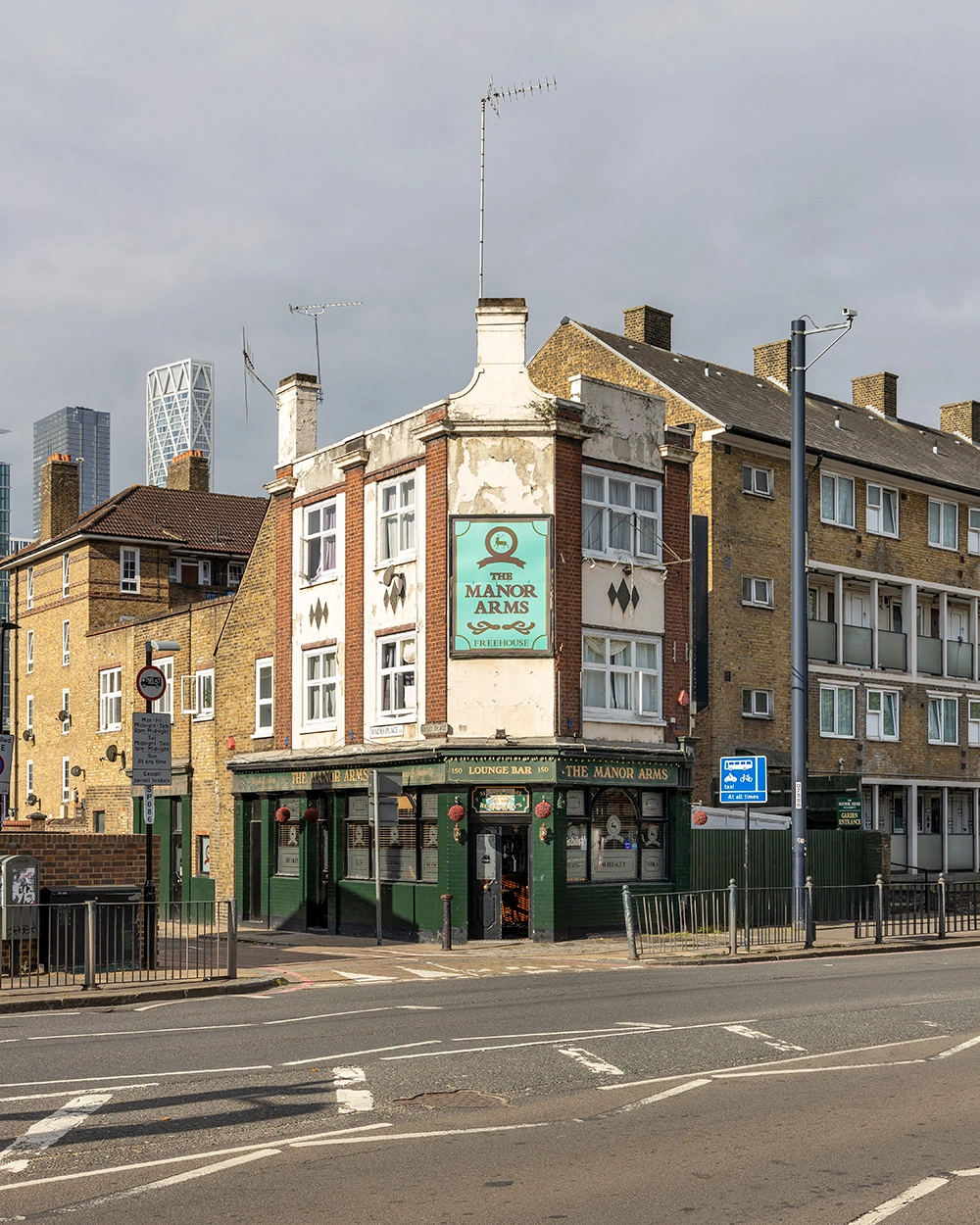
"The earliest opening pub surprised me, the Manor Arms in Poplar, also known as Bum Daddy's. We arrived to shoot at 8.30am on a Saturday, and by the time it officially opened at 9am, there was a steady stream of customers coming in to kick-start their weekend."
Out of all the buildings and characters in the book, though, it's the portrait of Sandra from the Golden Heart, which is Tim's favourite. "She's the longest-serving publican in the book, having been at the helm since 1977. She's an incredible lady.
"I also love the portrait of Barry from The Young Prince, who is a real character. Architecturally, the Royal Oak on Columbia Road is surely one of the most picturesque pubs we captured. Built in 1923, it is the quintessential image of the humble London pub: warm and inviting."
Despite all these wonderful people, though, Tim's outlook on the future of pubs in the East End is sadly not great. "We hear on the news all the time about how many pubs are closing across the country, which is due to many different factors, but a big one is, of course, the economic situation," he concludes.
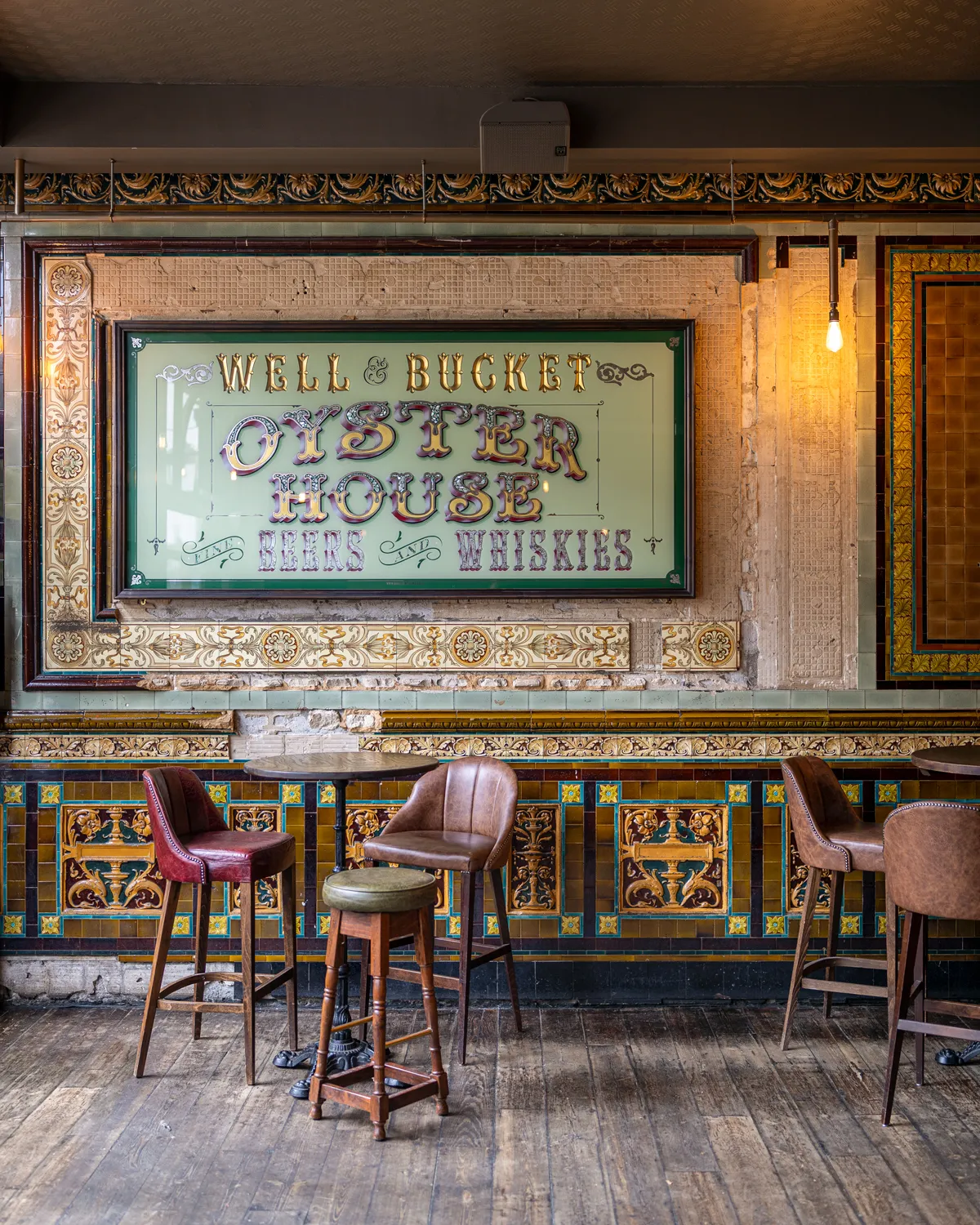
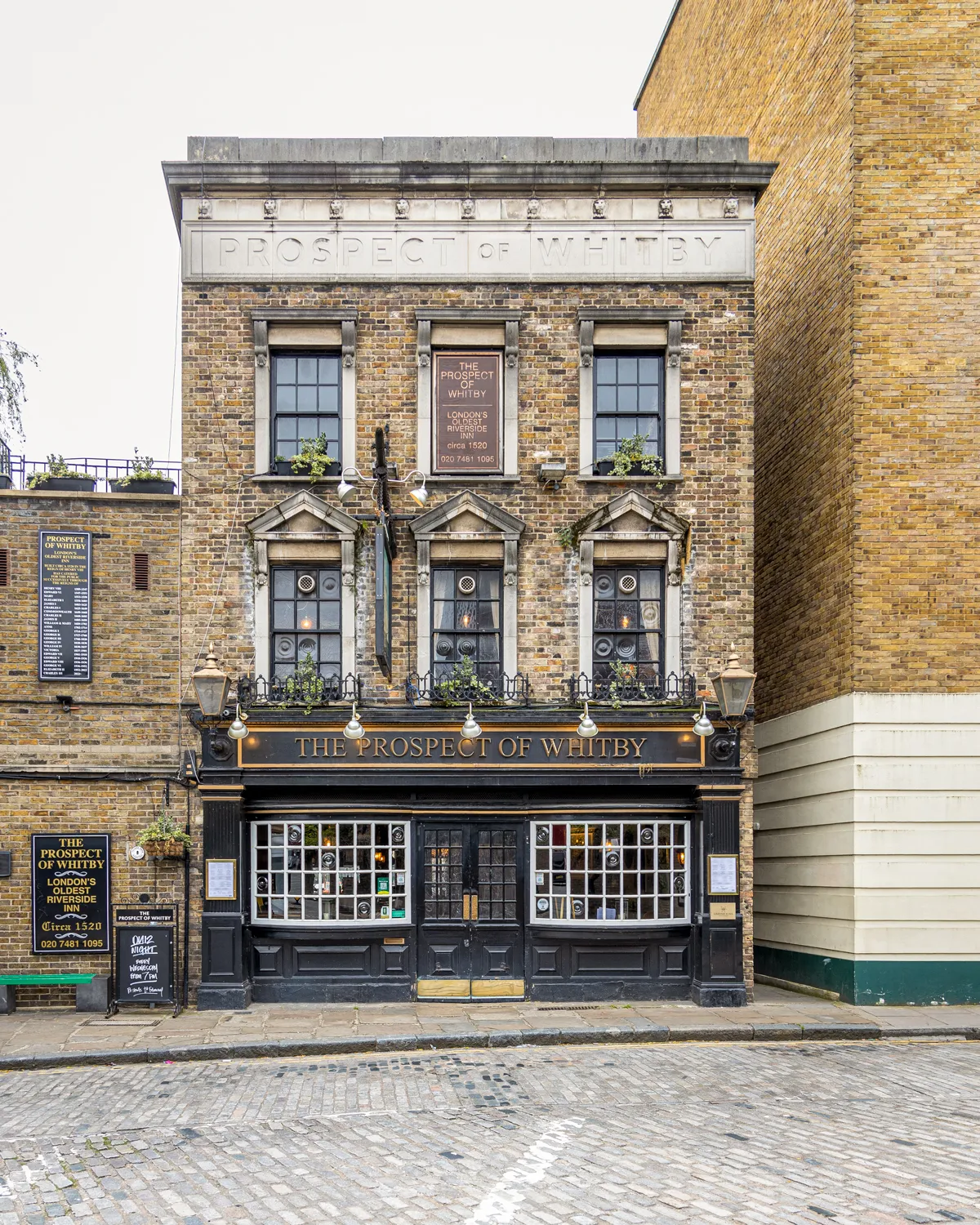
"Landlords are facing higher rents and higher energy bills, coupled with a general change in behaviour of people going out for a drink less. That's why so many pubs are being forced to diversify, offering more than just pints, becoming almost like a coffee shop or a restaurant. Don't get me wrong, I like a decent gastropub, but some of the really special pubs in the book are 'wet-led', meaning a traditional boozer that only serves drinks.
"In 10 or 20 years, these places could be gone completely. We hope the book will encourage people to get out and support their local boozer to keep this part of London's culture alive."
East End Pubs: A Celebration of East London's Most Iconic Boozers by Tim George & the 'London Pub Explorer' Alistair Von Lion is published by Hoxton Mini Press.
Editor's Picks



Trending


Latest Jobs
Senior Digital Designer at 3800
Full-time·Sheffield·£40k-60k
Account Director at How&How
Full-time·London·£73k-£79k
Account Manager at Moxie and Mettle
Full-time·Cheltenham·Up to £35k
Midweight Designer at Catalyst Creative
Full-time·London·£32k-£36k
Brand Designer, Product Launches at Figma
Full-time·New York·$127k–$269k
Art Director at SPOKE
Full-time·London·£55k-65k