Weird, isn't it? In the UK, we see estates of concrete tower blocks as a historical mistake, many of which have since been demolished. But that's for complicated reasons of poverty, class and history: it's not the tower blocks themselves that are at fault. Things are very different in Asia, and Hong Kong is perhaps the most obvious example.
During the 1950s-1980s, when the colony was under British rule, public housing embraced the modernist architectural approach, and Hong Kong initiated mass housing projects that dramatically redefined urban living. Towering structures emerged to meet the housing needs of nearly three million residents, resulting in some of the world's most futuristic and densely populated urban landscapes.

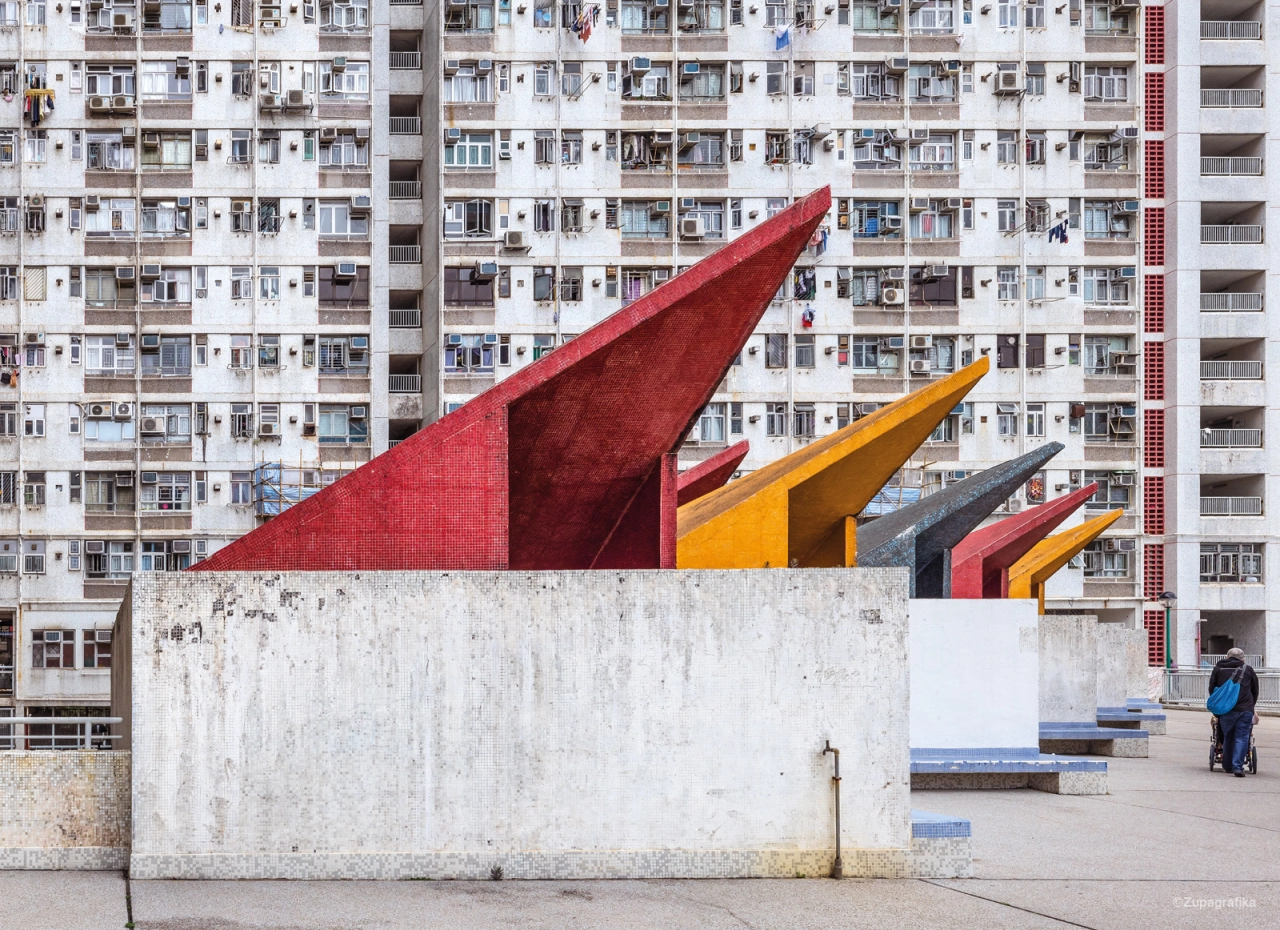
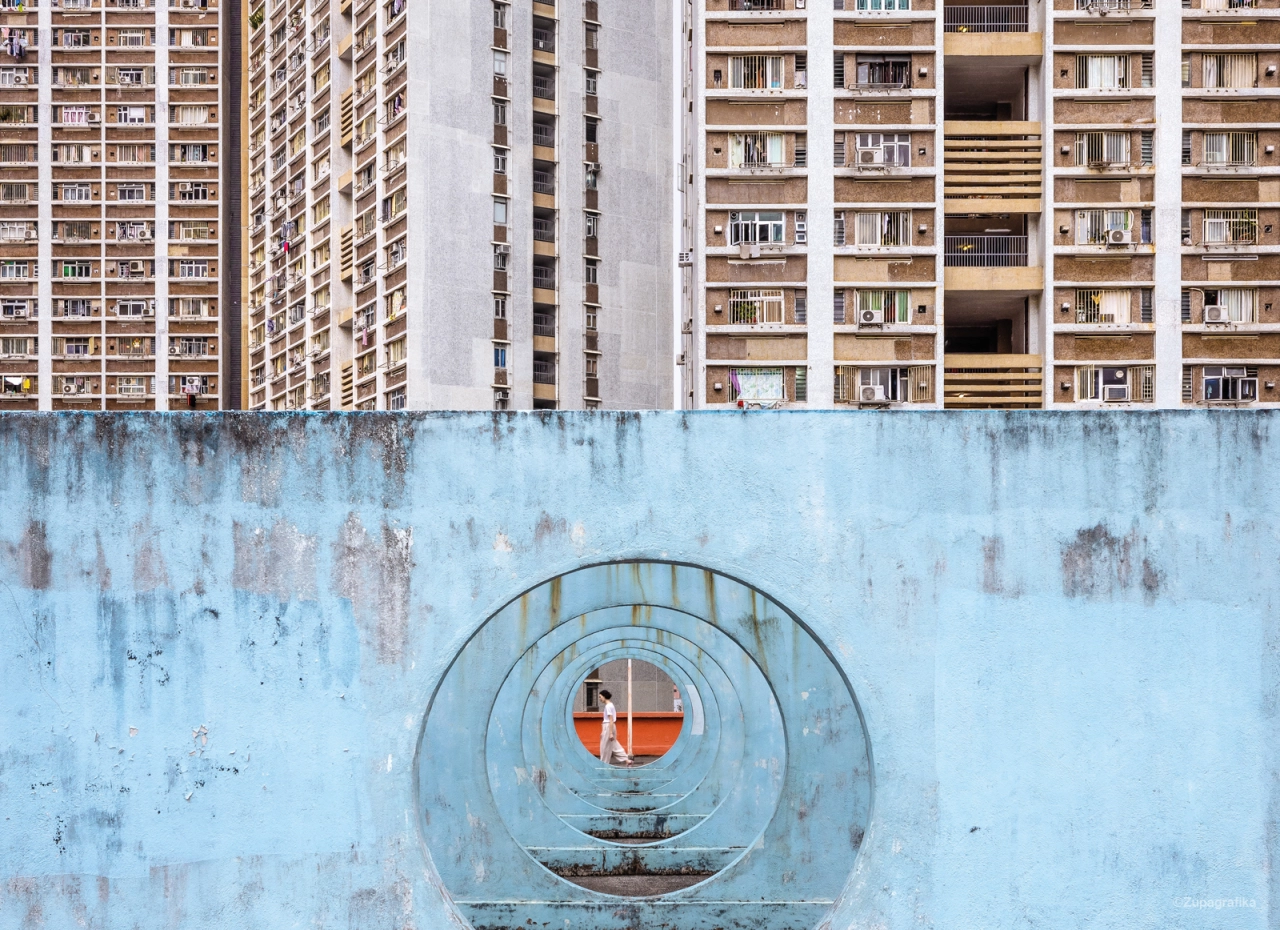
Now, a new hardback book by Zupagrafika, an independent publisher, author and design studio based in Poznań, Poland, celebrates this era in style.
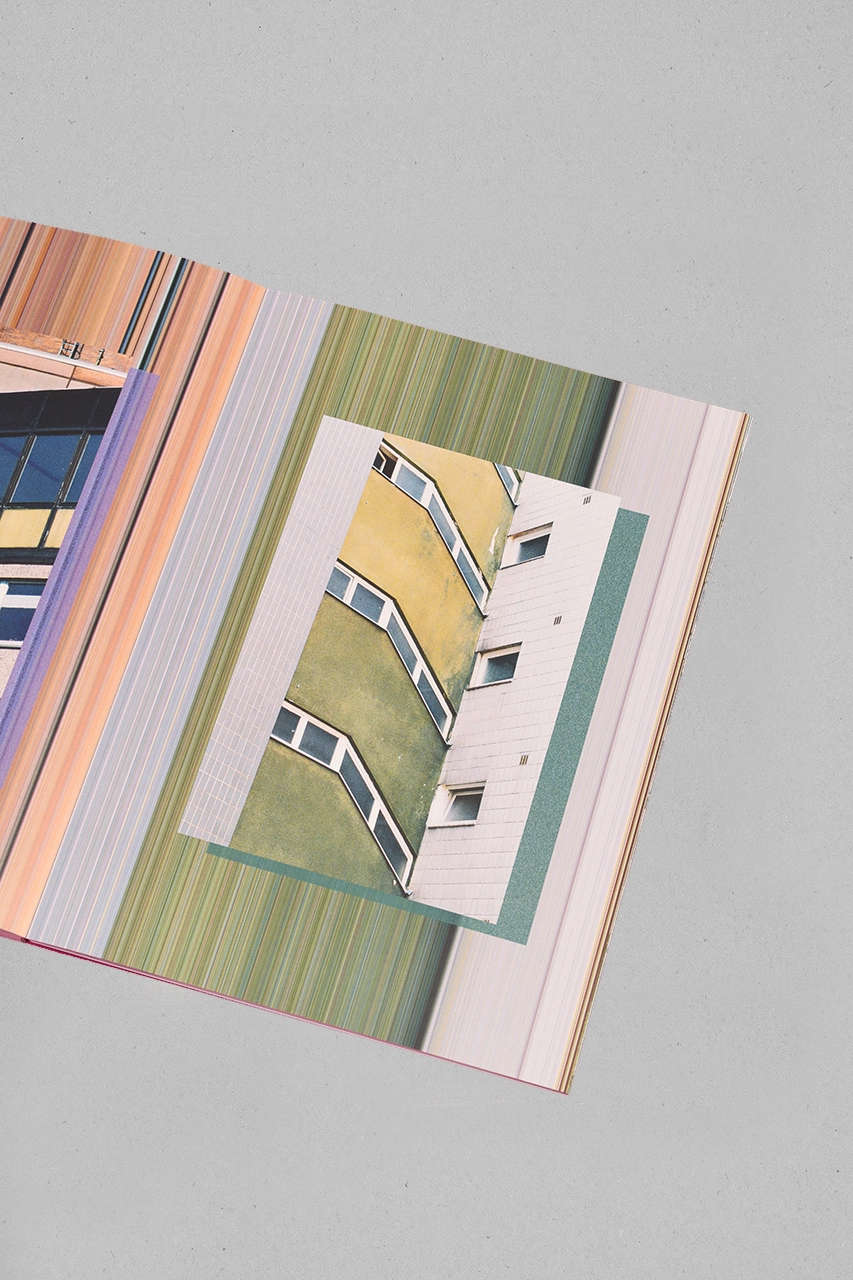
Captivating photography
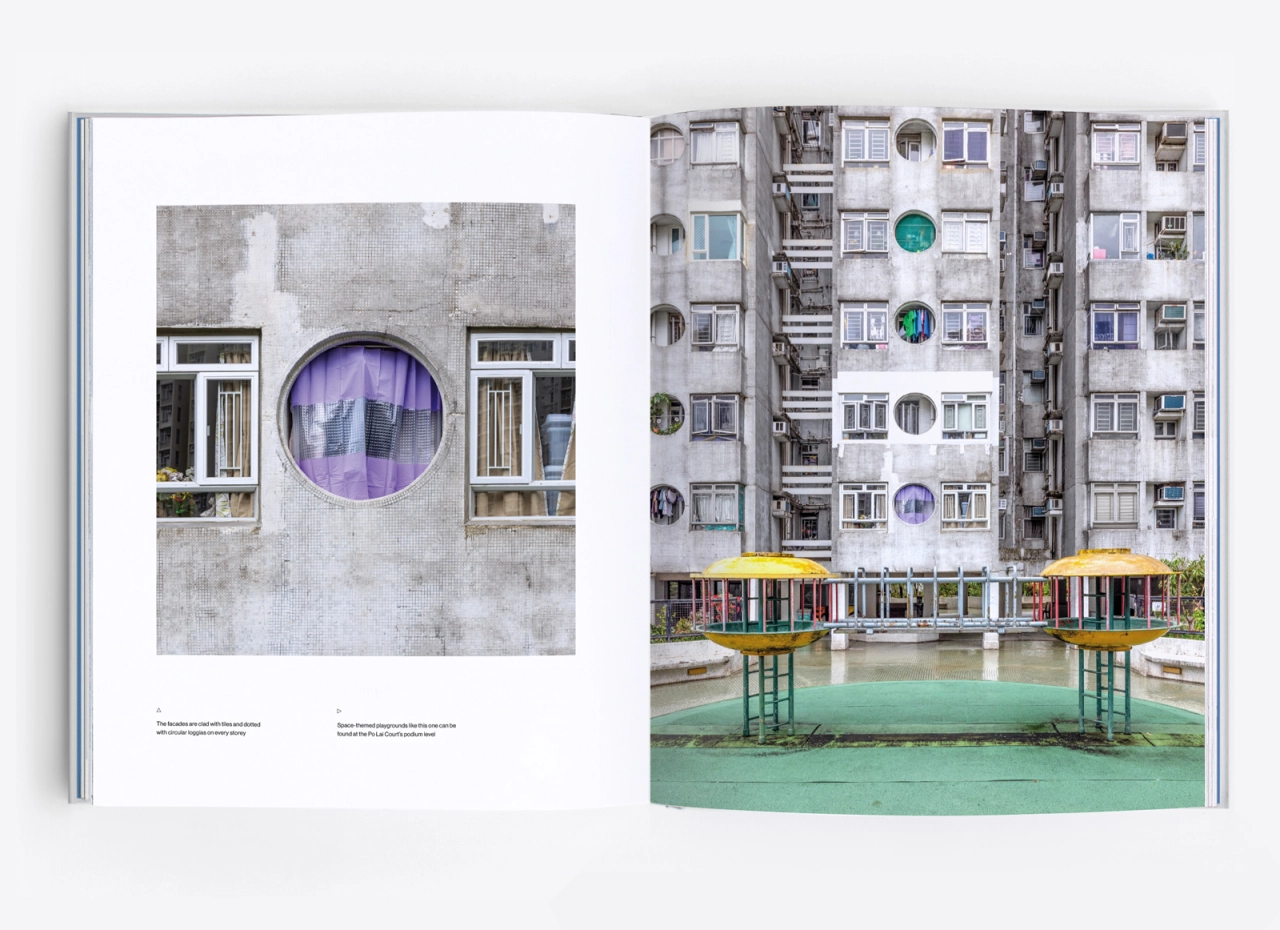
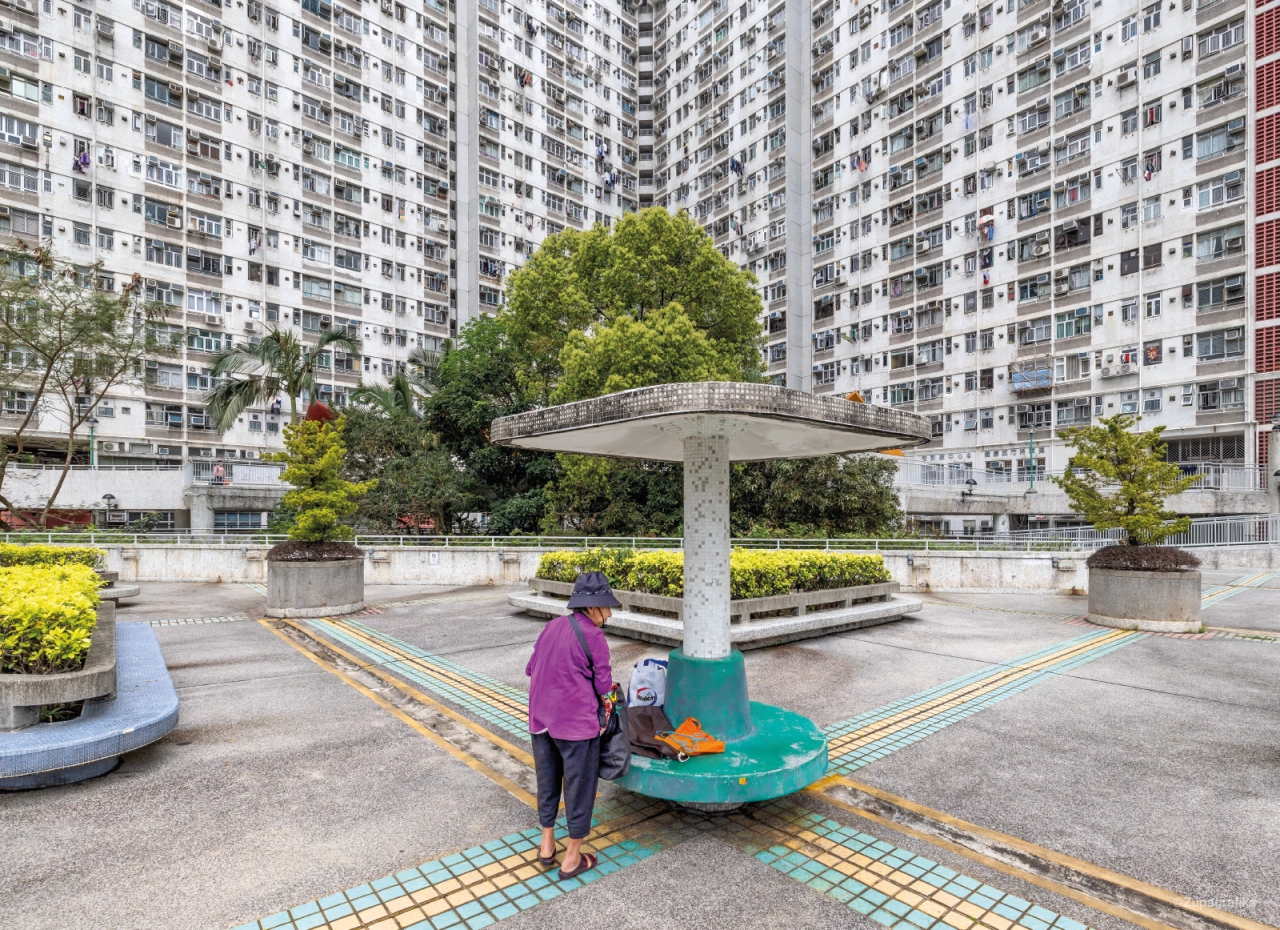
Combining captivating photography and engaging narratives by David Navarro and Martyna Sobecka, Concrete Hong Kong showcases a variety of structures in its first section, including the cruciform Shun On Estate, the vibrant Choi Hung Estate, and the brutalist Po Lai Court.
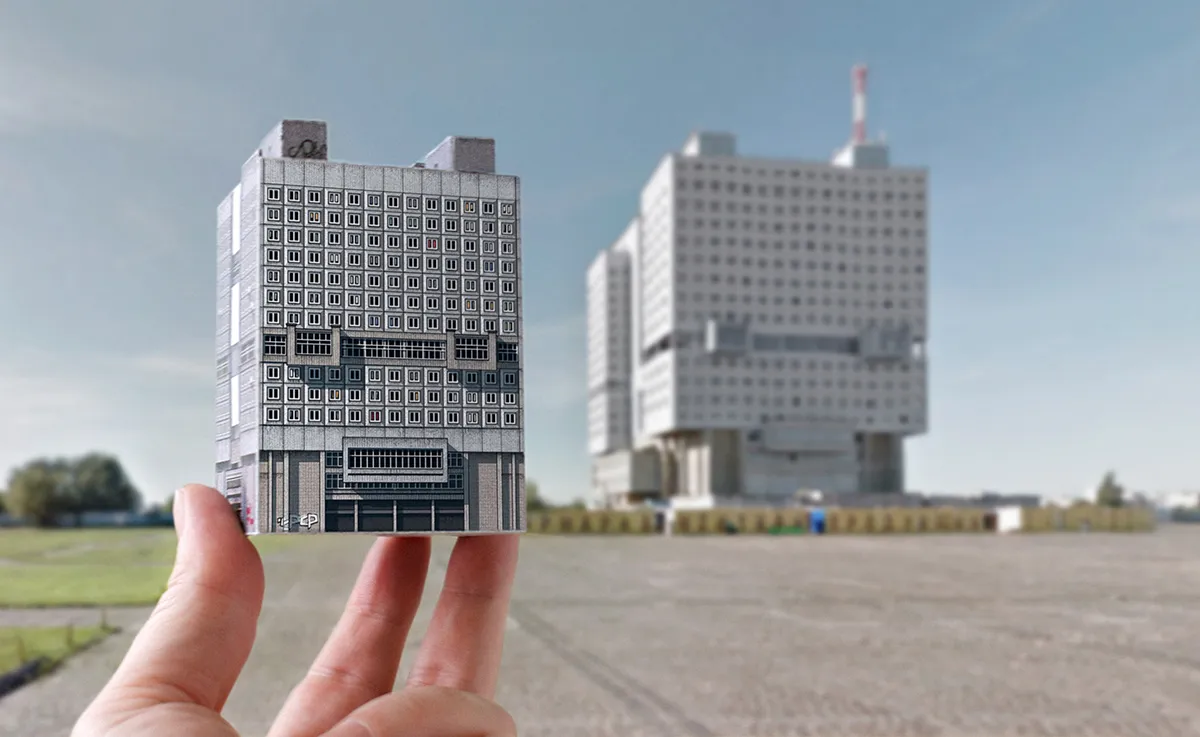
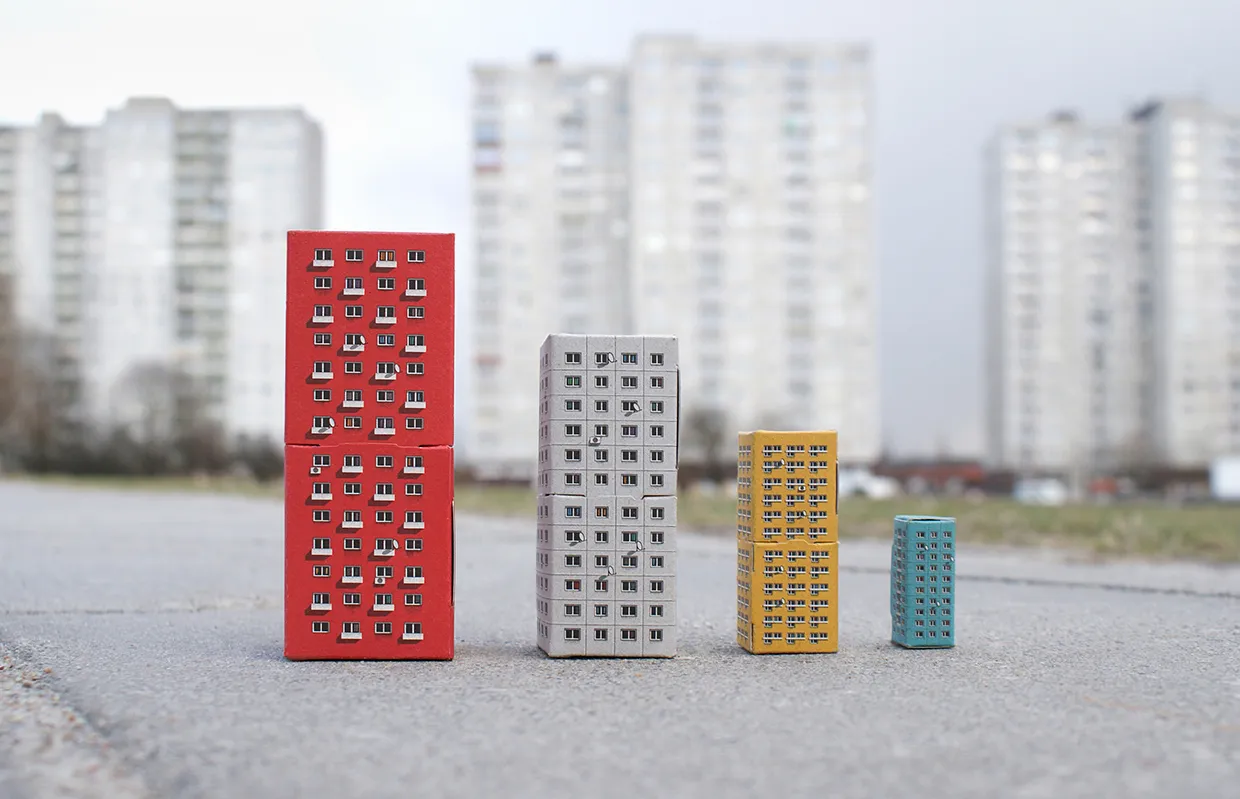
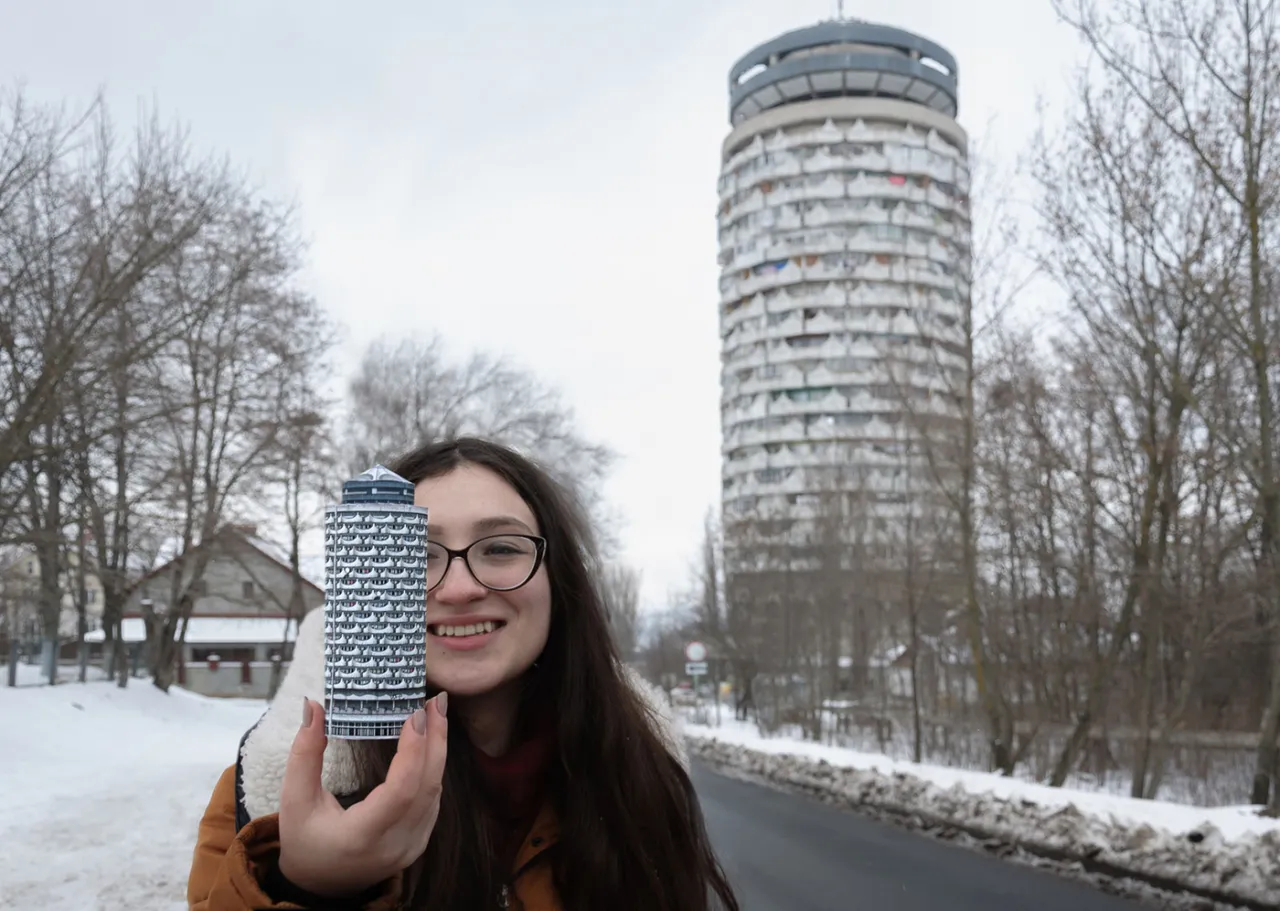
Then, the book's second half immerses readers in a hands-on experience, featuring six pre-cut and pre-folded models ready to be pressed out and assembled.
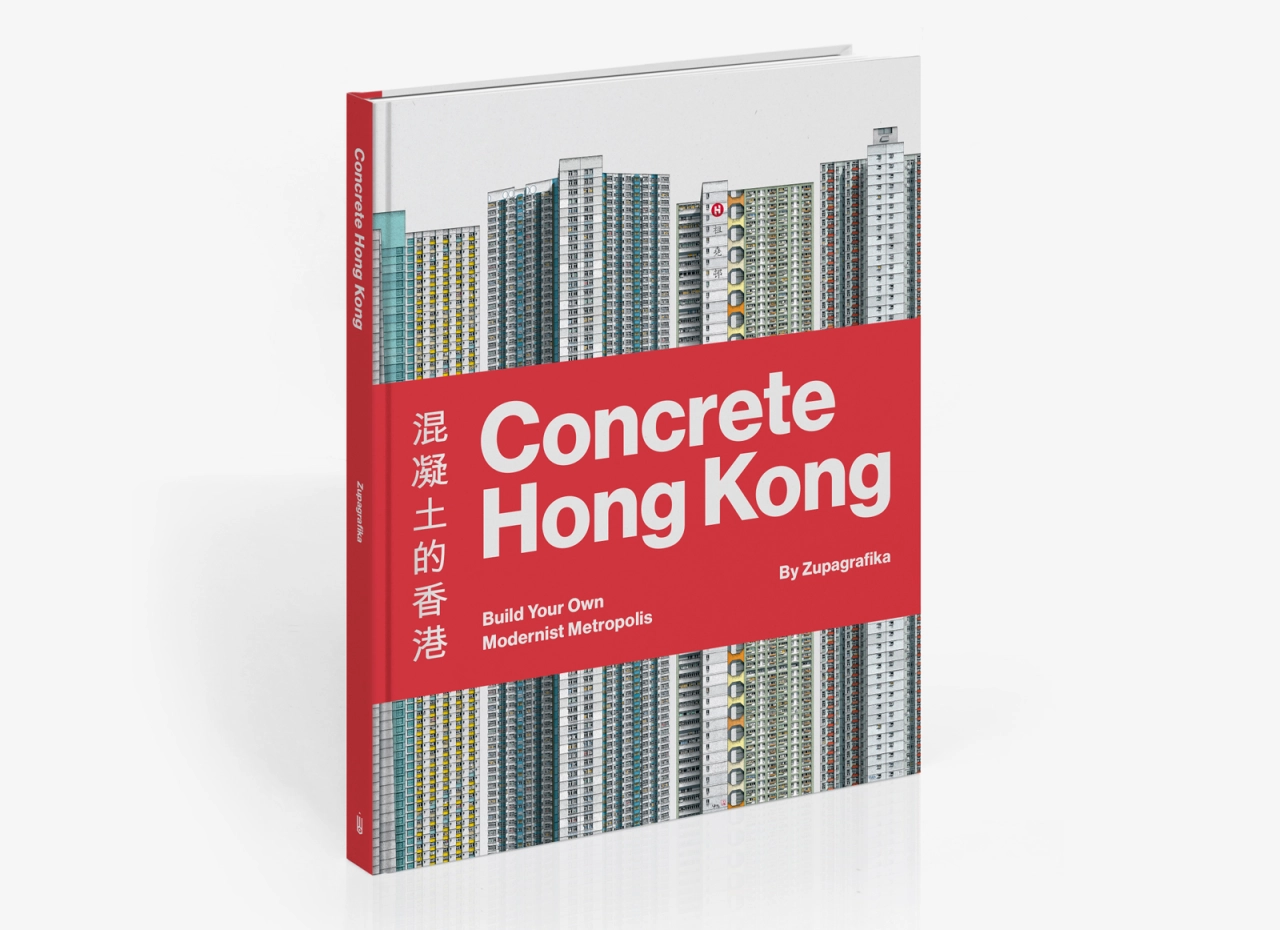
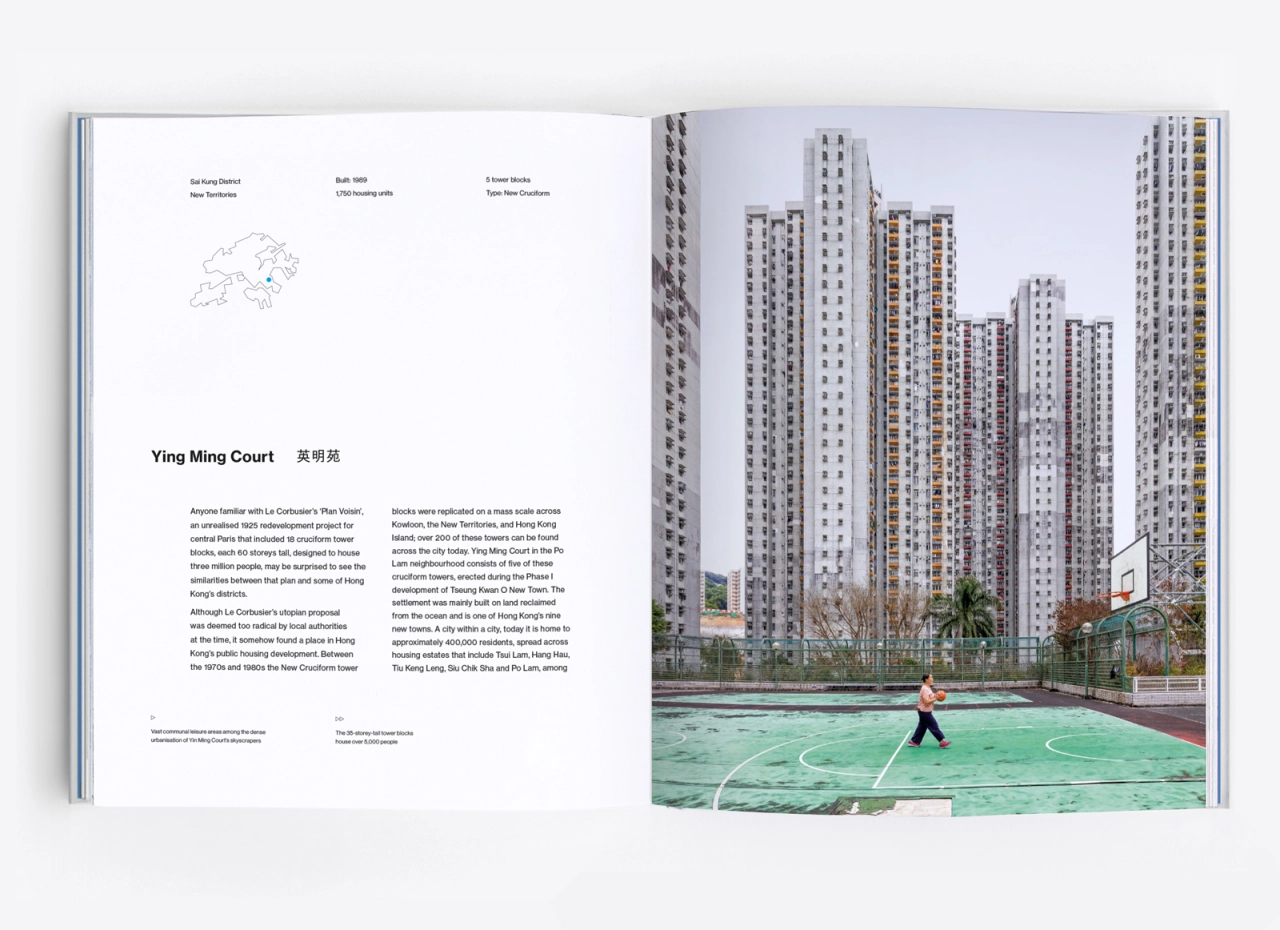
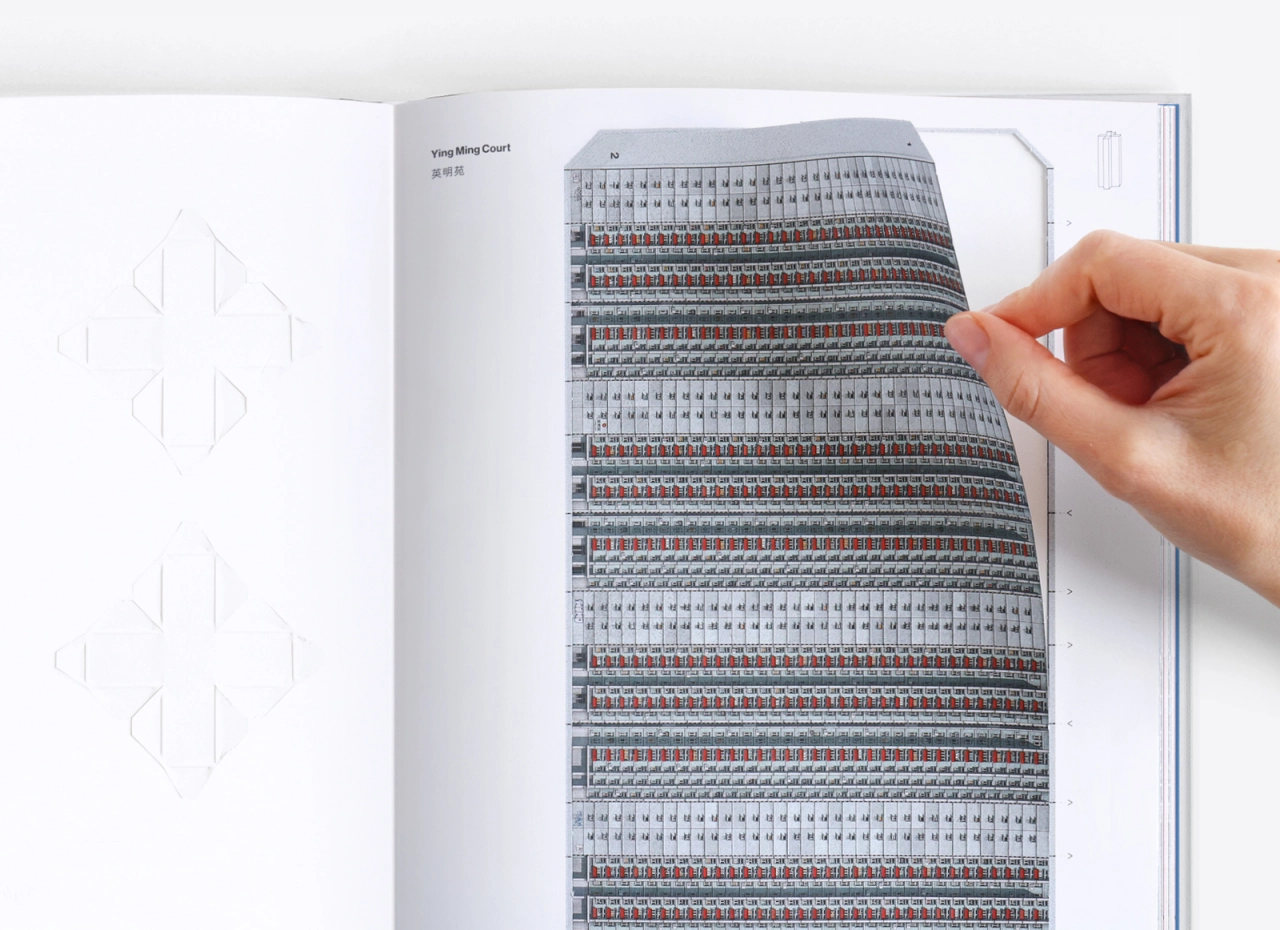
It's an innovative way to allow readers to uncover the hidden stories behind Hong Kong's concrete jungles: all you need is glue! Press-out models to assemble include Ying Ming Court, Cho Yiu Chuen, Tsui Lam Estate, Shun On Estate, Po Lai Court and Choi Hung Estate.
A world of their own
In the foreword, Charles Lai, architect and architectural historian based in Hong Kong explains the purpose of the publication. "Throughout the 1970s and 1980s, a growing population and a shortage of land led to the development of new building types with higher occupation densities," he writes.
"The examples presented in this book cut across the full range of these typologies; all of them are unique within their own contexts but nonetheless maintain a kinship with the modernist architectural canons they took reference from.
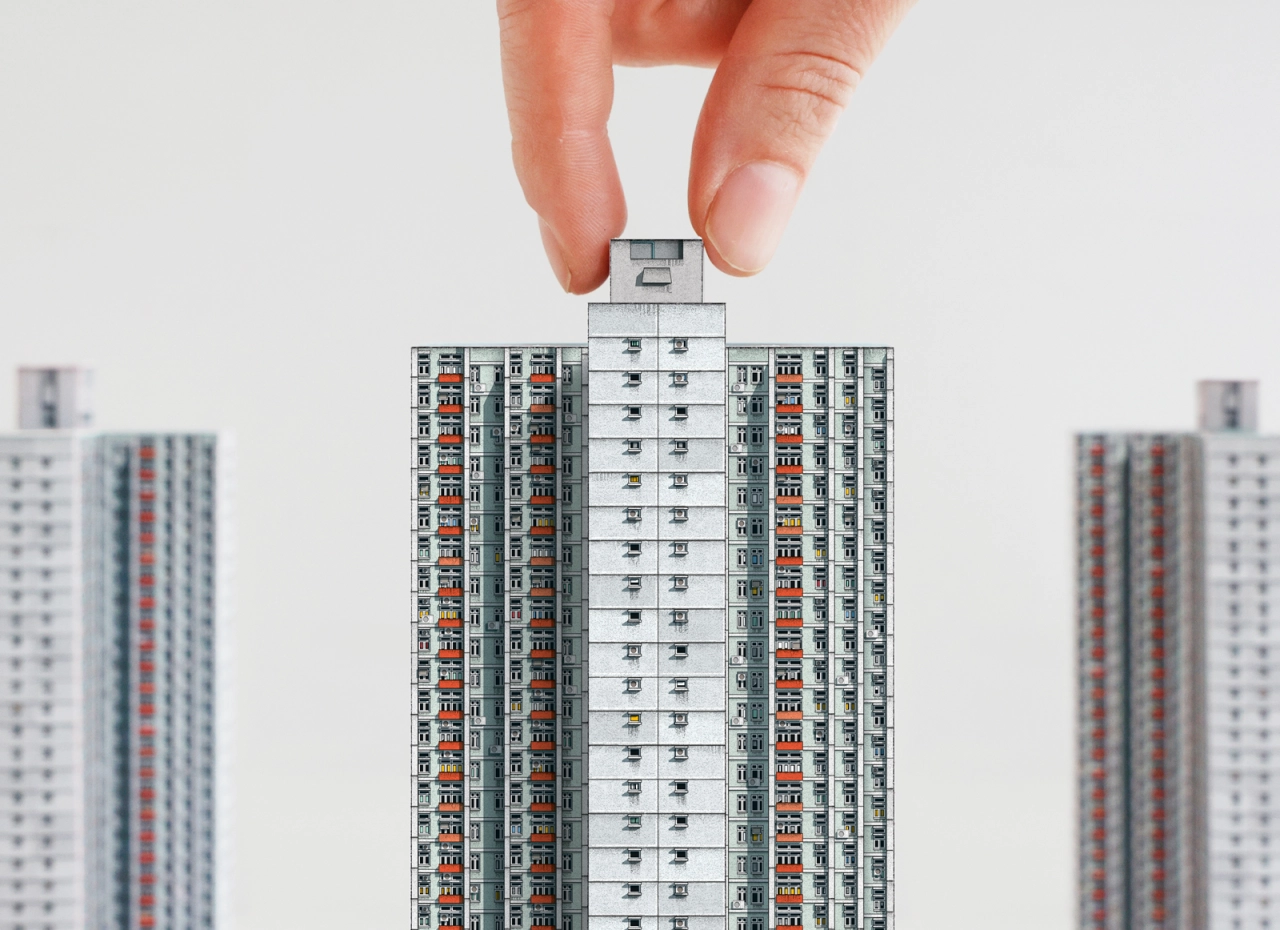
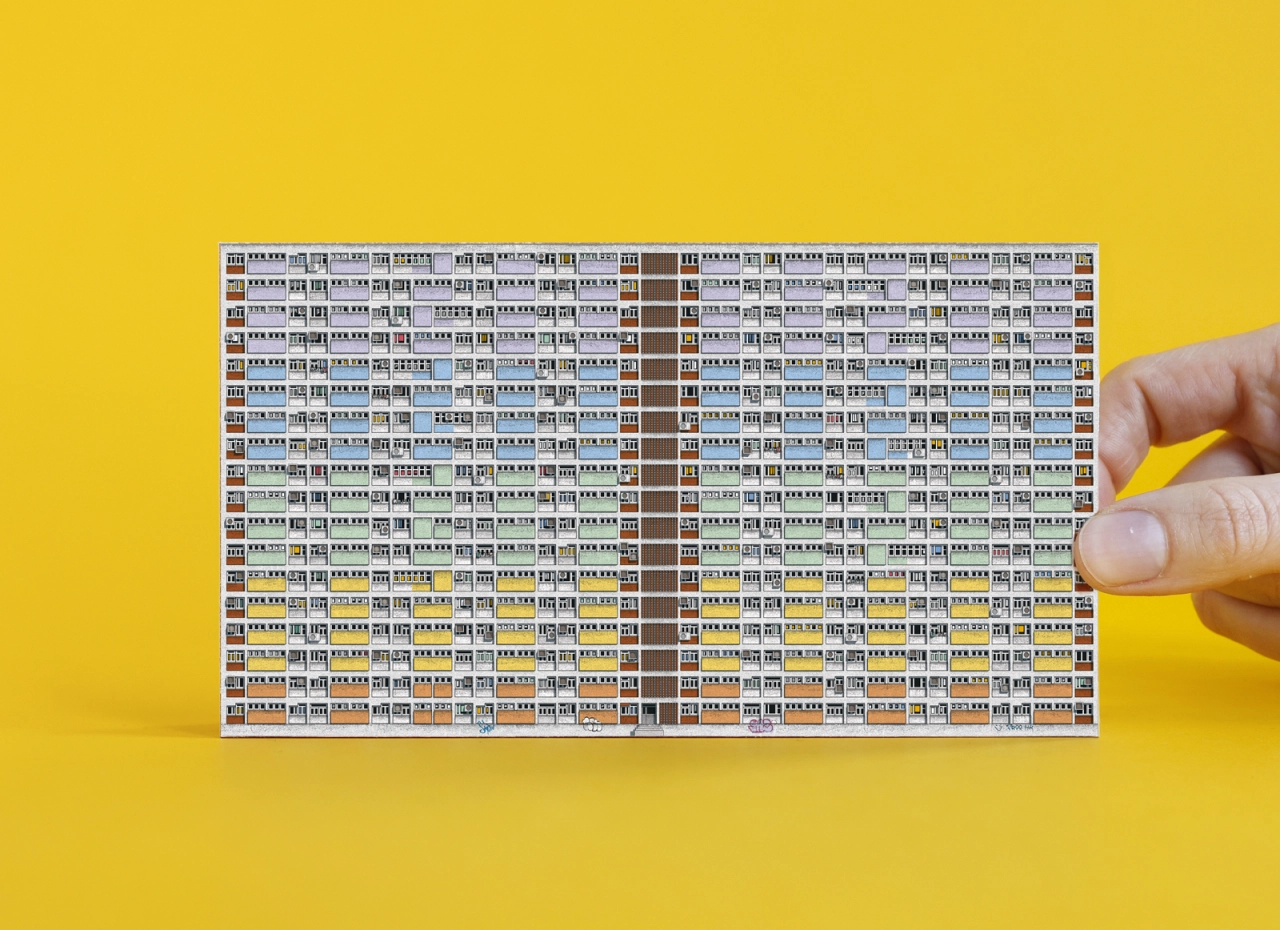
"For instance, in Cho Yiu Chuen [Kai King Lau], rectangular slabs are arranged in pin-wheel configurations and connected with sky-corridors and platforms, referencing the streets-in-the-sky ideas of 1950s British brutalist architects, while in Tai Hing and Shun On Estates, the massive cruciform towers with elongated arms and a flared base can be interpreted as a beefed-up version of Le Corbusier's 1925 Plan Voisin.
"The generous use of public spaces and amenities in these designs allowed the estates to sustain the daily lives of their inhabitants, each creating a world of its own within the larger fabric of the city."
Unique environments
But although Britain and Asia have different attitudes to tower-block architecture, their view of the people who live there is common to both societies. Specifically, "housing estate boys/girls" is a term in Hong Kong referring to those living in public housing, which also implies resilience; it describes people who have experienced hardships and learned to thrive in difficult situations.
For readers of this book, the examples presented here are invitations into the worlds of these 'housing estate boys/girls' to explore the unique living environments and diverse architectural languages found in Hong Kong's public housing estates.
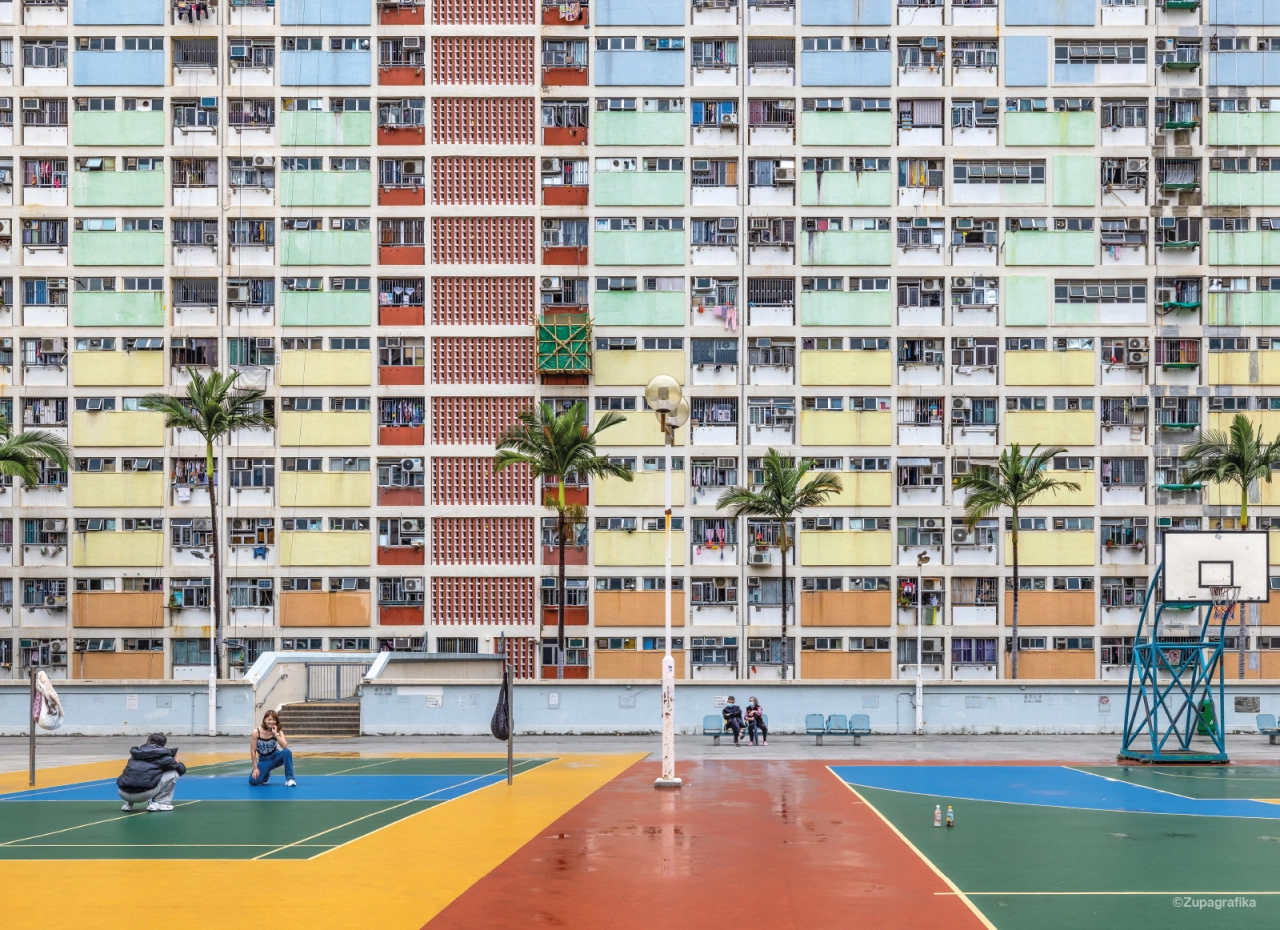
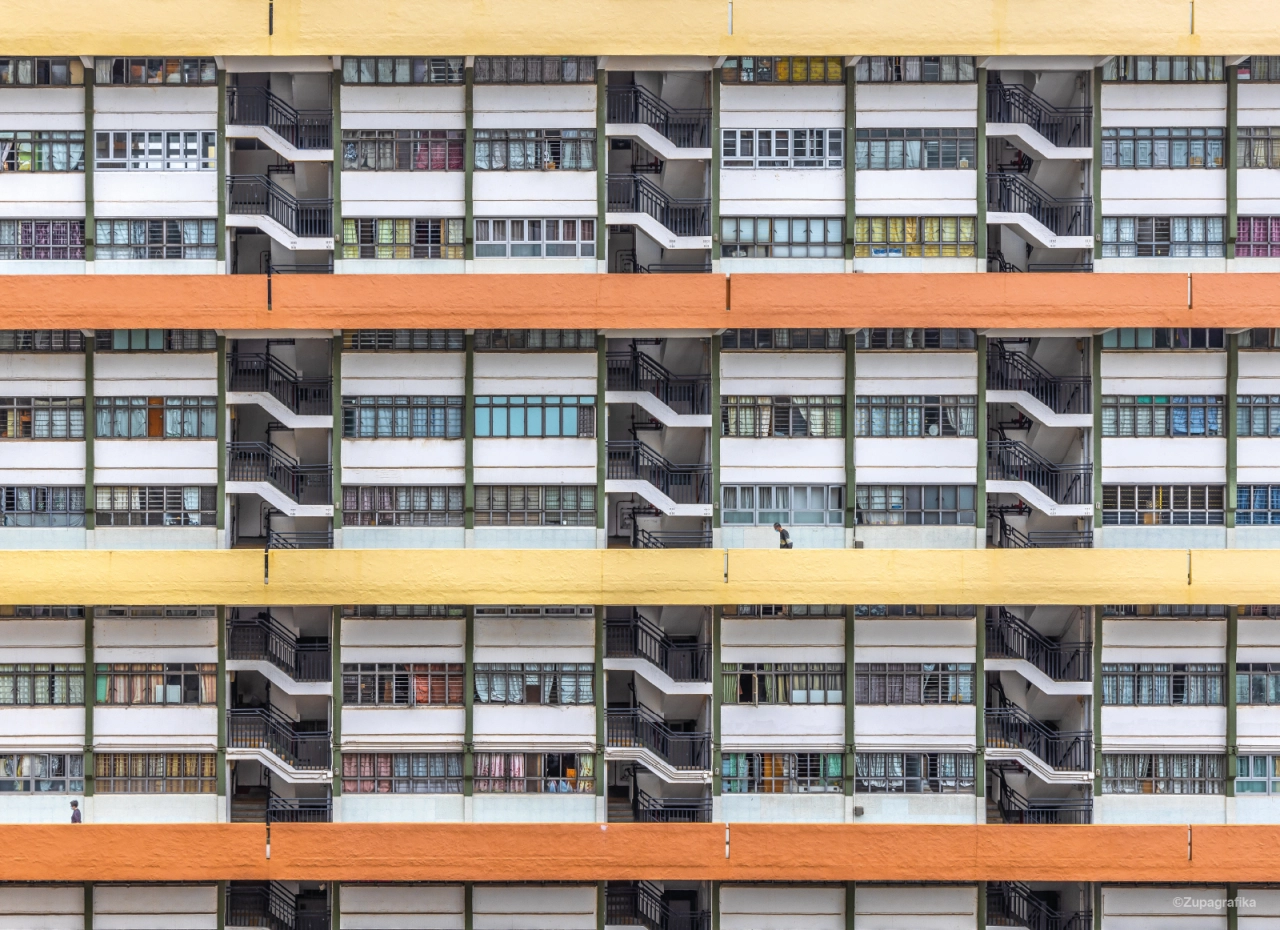
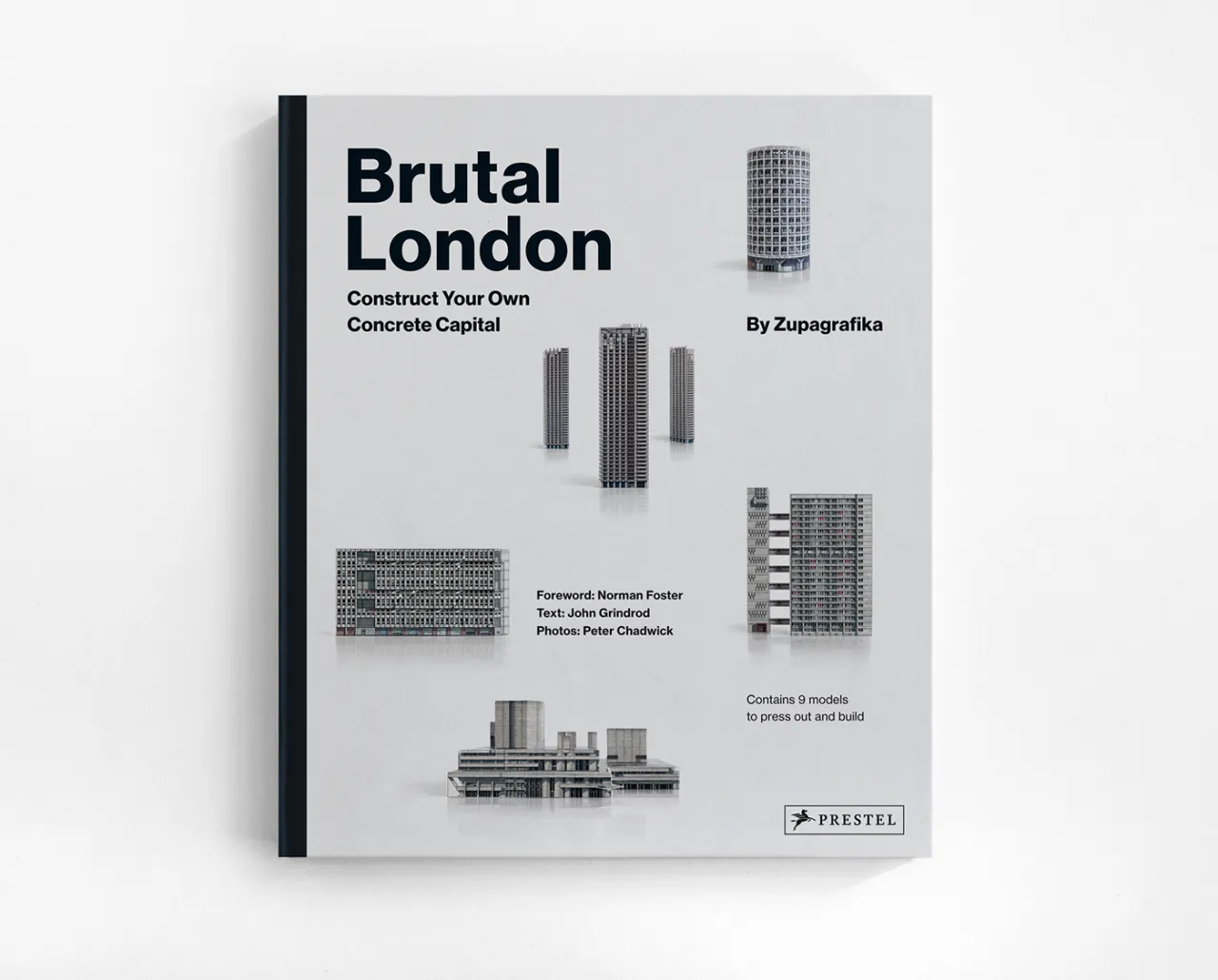
Concrete Hong Kong joins a series of excellent books published by Zupagrafika, celebrating modernist architecture, design and photography in a unique and playful way. Over the last decade, founders David Navarro and Martyna Sobecka have created, illustrated and published award-winning books exploring the former Eastern Bloc's brutalist and post-war modernist architecture and beyond.
These include Miasto Blok-How (2012), Brutal London (Prestel, 2016), Brutal East (2017), Modern East (2017), Brutal Britain (2018), Panelki (2019), Eastern Blocks (2019), Concrete Siberia (2020), Brutal Poland (2020), Monotowns (2021), Brutal East vol. II (2021), The Tenants (2022), Soviet Playgrounds (2022), Słup (2023) and Brutalia (2023).
Editor's Picks



Trending

Latest Jobs
Account Manager at Moxie and Mettle
Full-time·Cheltenham·Up to £35k
Art Director at The New York Times
Full-time·New York·$120k–$130k
Midweight Editor at Earworm
Full-time·Bristol·£28k-£32k
Growth and Client Development Director at 3800
Part-time·Sheffield·£60k-80k
Senior Designer at Definition
Contract·London·£45k–£50k
Designer at New Genre
Full-time·London·£36k–£48k