The Pentawards 2024 shortlist: our sustainable favourites
Projects with seaweed cutlery, woolly envelopes and edible packaging were shortlisted in this year's competition, recognising global packaging design excellence.
The Pentawards annual packaging design competition has announced its shortlist, featuring projects in the sustainability category that demonstrate exceptional material innovation.
The announcement comes during Plastic Free July, a key initiative started by the Plastic Free Foundation that is working towards its vision of a world free of plastic waste.
Even using recycled plastics has its own set of challenges, including being energy-intensive and costly. Projects like those in the Pentawards shortlist pave the way for a sustainable future, making new material processes accessible to brands big and small.
Here are some of Creative Boom's favourite sustainable projects from the shortlist that show exceptional innovation and use alternative materials.
Redefining luxury in packaging
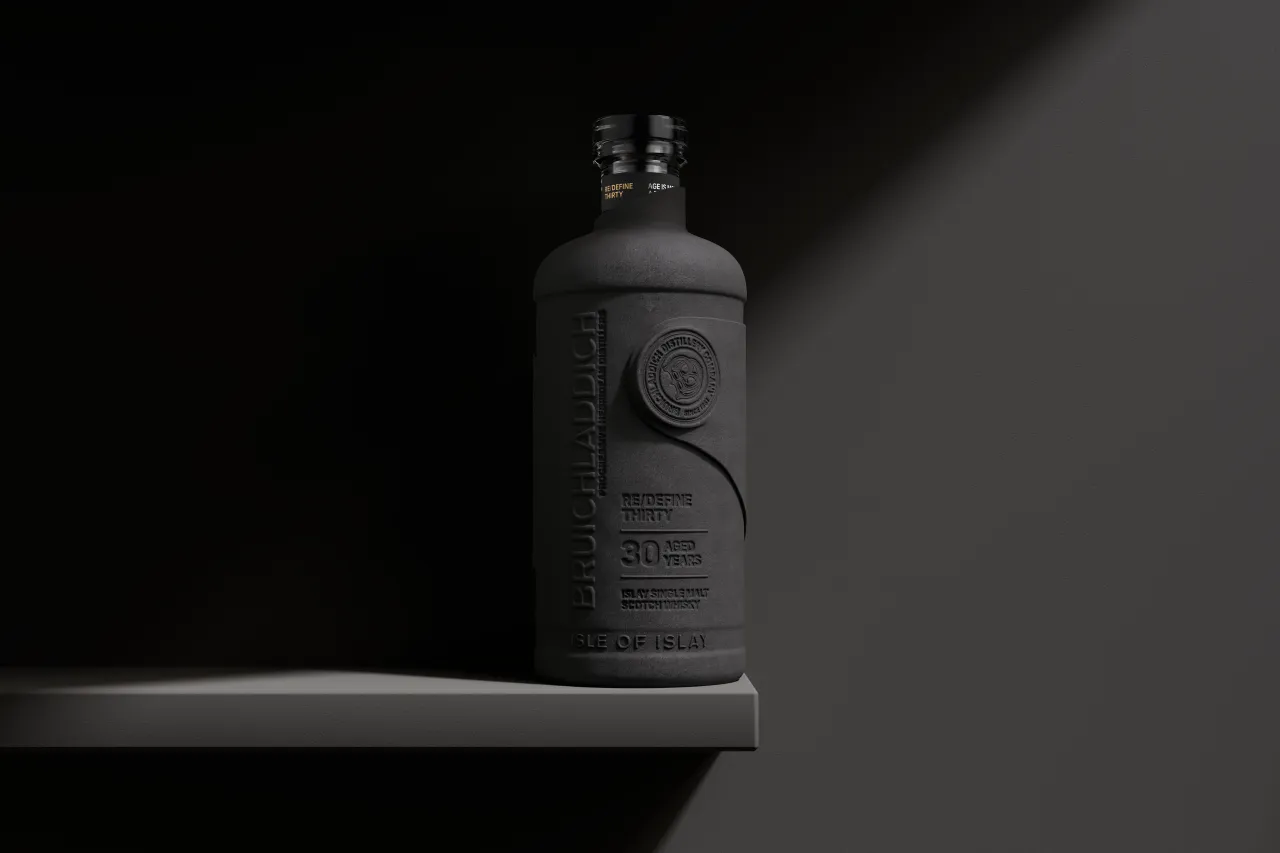
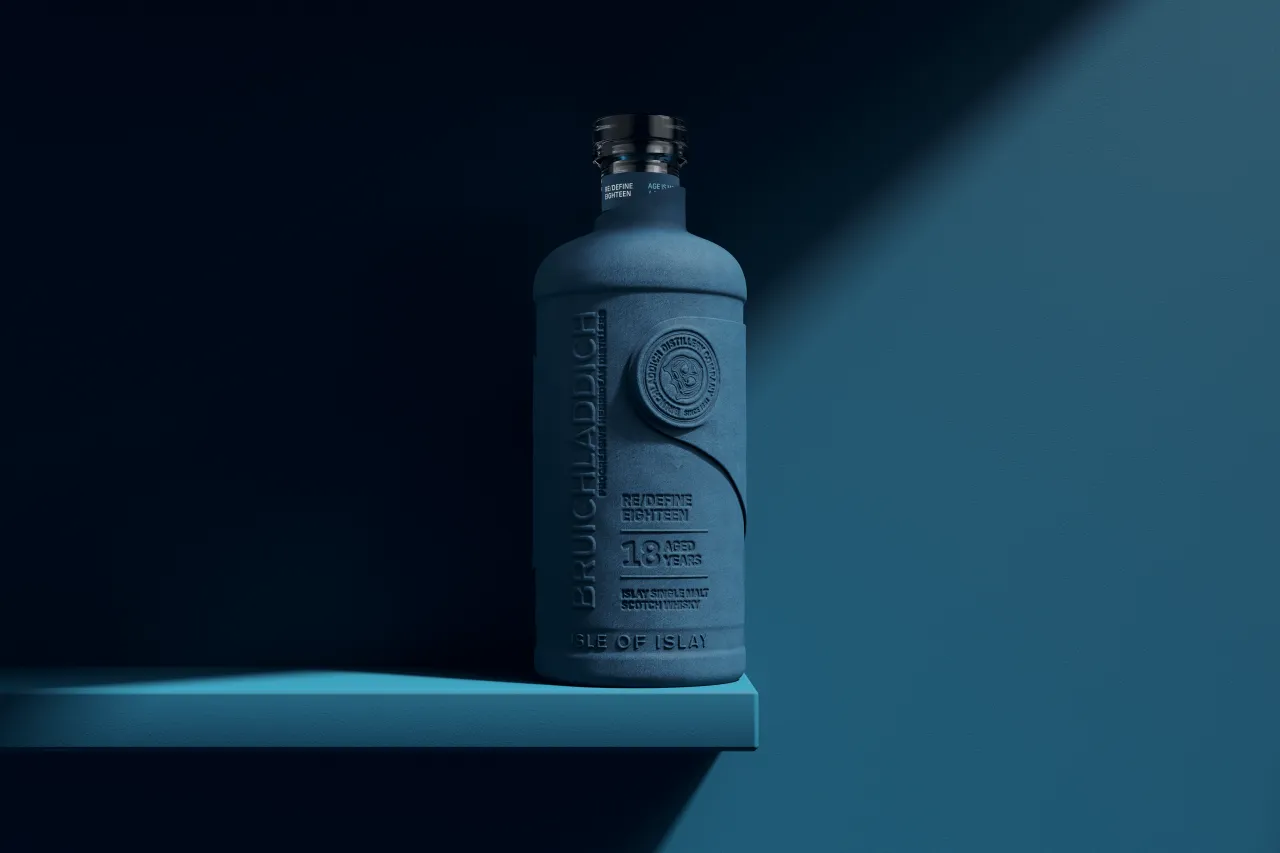
James Cropper Paper Packaging partnered with Islay single malt Scotch whisky brand Bruichladdich, bringing the first of its Luxury Redefined range to market with a fully sustainable outer wrap. In recent years, Bruichladdich has committed to reducing unnecessary secondary packaging and waste, which is very common in the spirit industry. This aligns with the paper maker's commitment to championing natural, renewable materials.
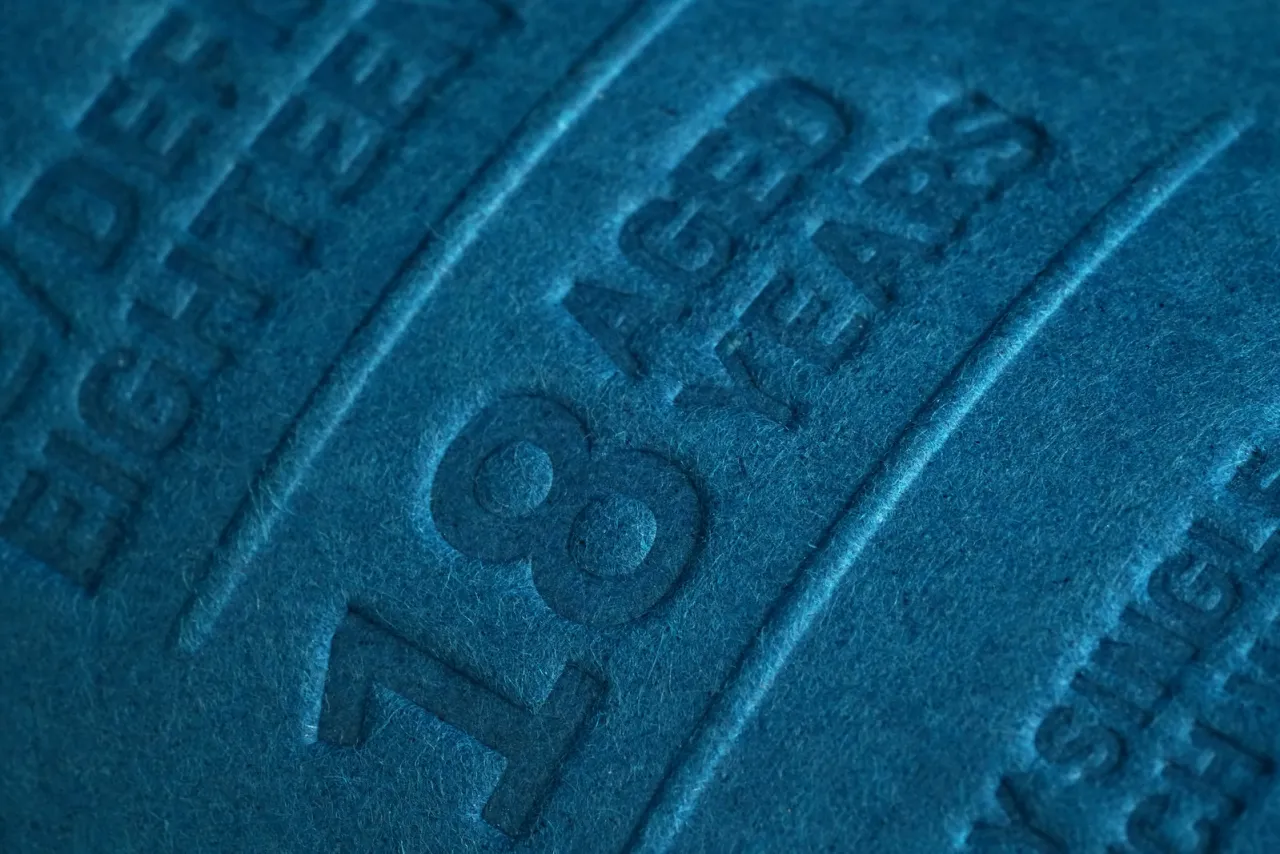
This project goes to show that sustainable packaging can be stripped back and beautiful, with form following function, reducing the demand for elaborate packaging and unnecessary weight. Made from fully recyclable paper pulp and moulded to the shape of the unique Bruichladdich glass bottle without the need for glue, the coloured paper wrap is an example of how brands are redefining conscious modern luxury.
A cosy bubble wrap replacement
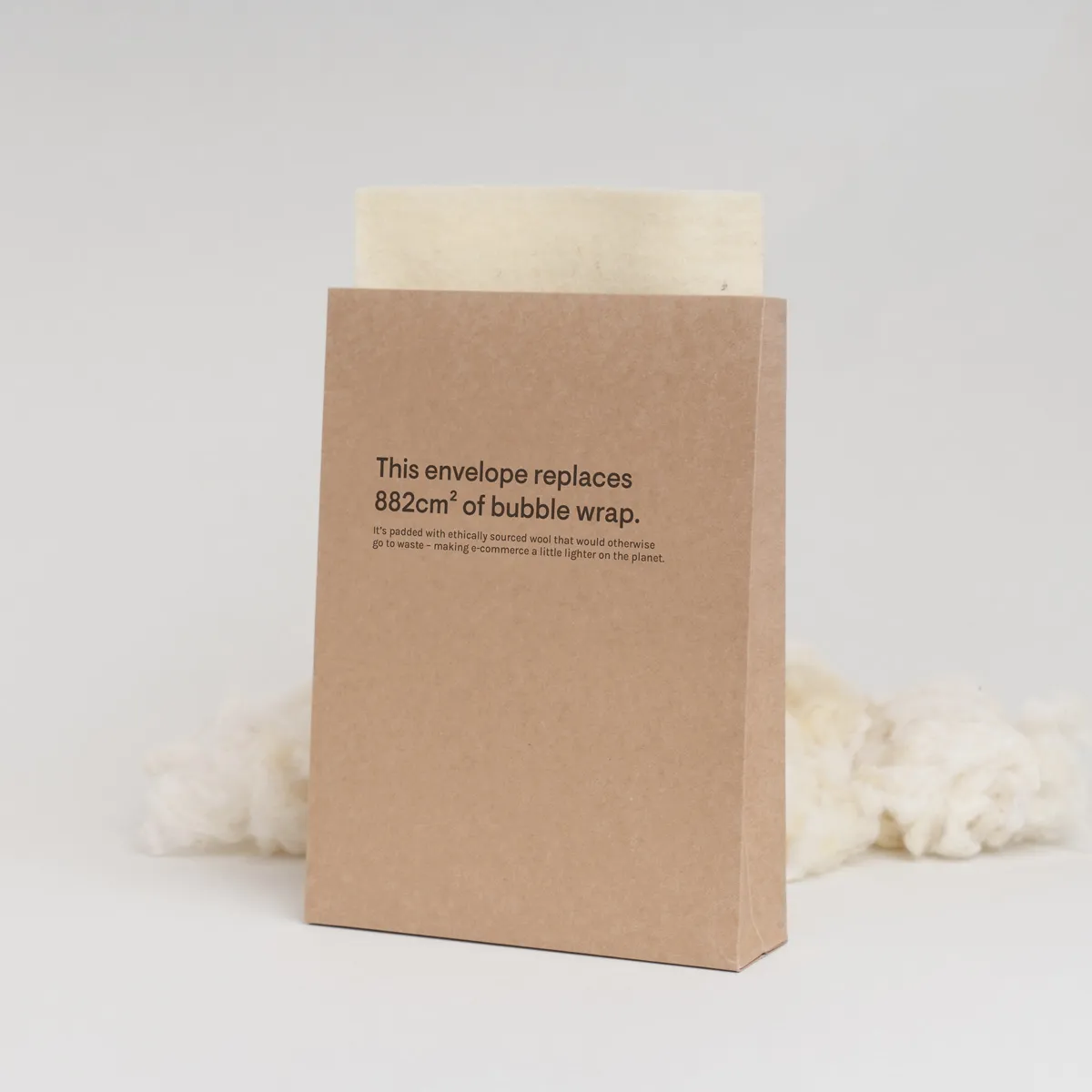
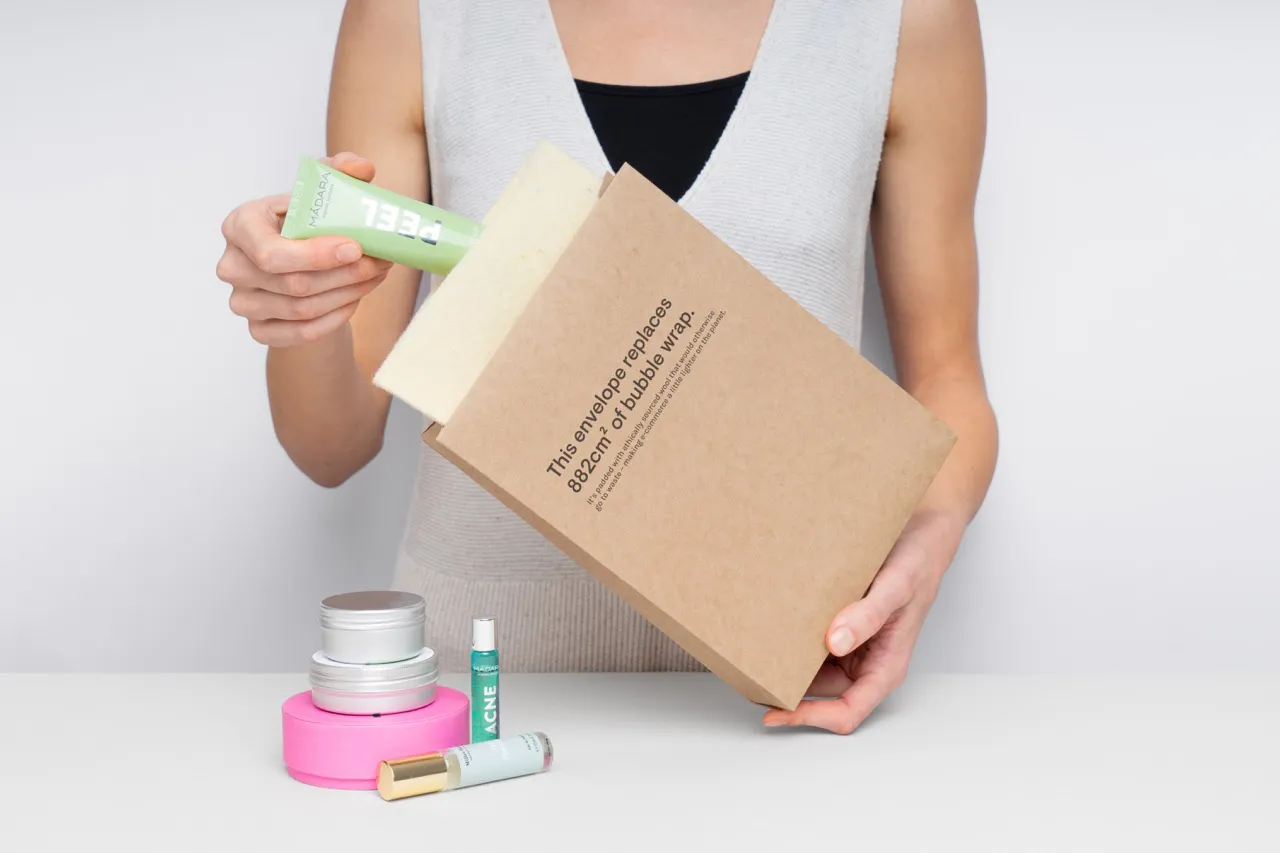
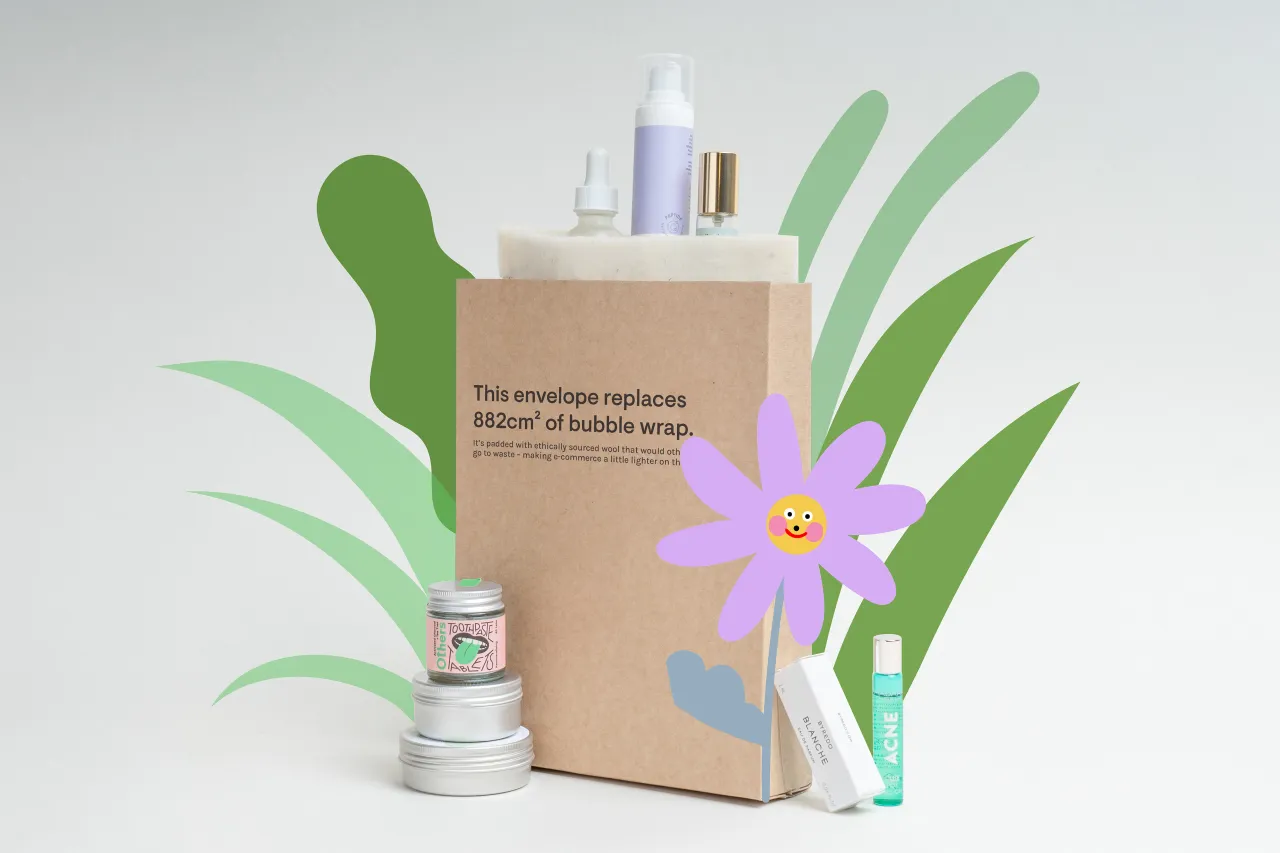
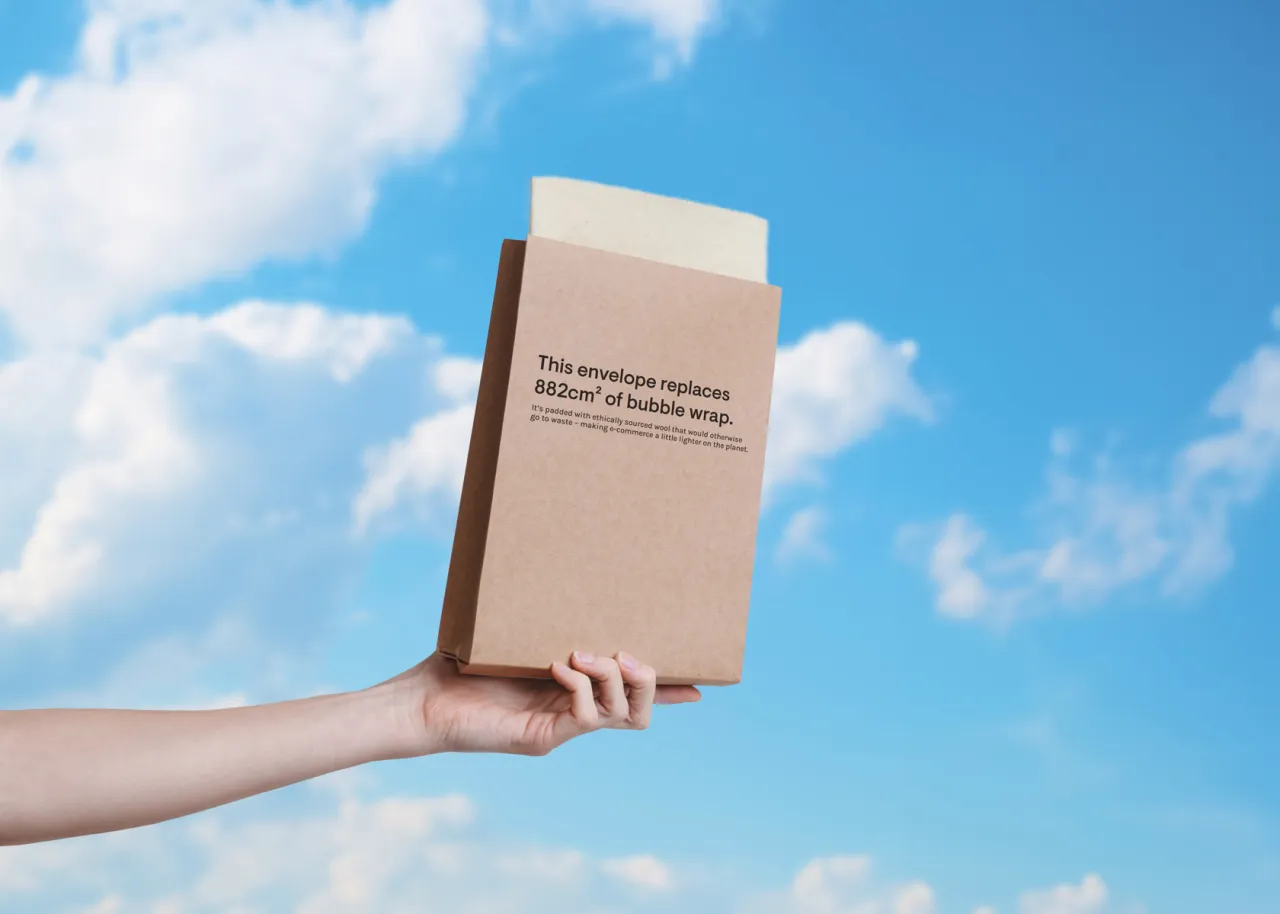
Up to 90% of wool goes to waste in European countries, adding up to 200,000 tonnes of waste every year. Woola designed a solution to this in the form of the Wool Gusset Envelope, which uses wool sourced directly from farmers in Estonia, who would otherwise burn or bury it as it is too coarse for the textile industry.
Wool Gusset Envelopes were designed to replace plastic bubble wrap and can be used to ship fragile products such as beauty, skincare, and health goods to their customers. The product features an FSC-certified paper exterior and an inner layer padding made of 100% waste wool.
Despite being rough, the material still has all the great qualities of wool - its elasticity, water repellency, and resistance to temperature extremes - making it the perfect packaging material.
Seaweed forks in sports
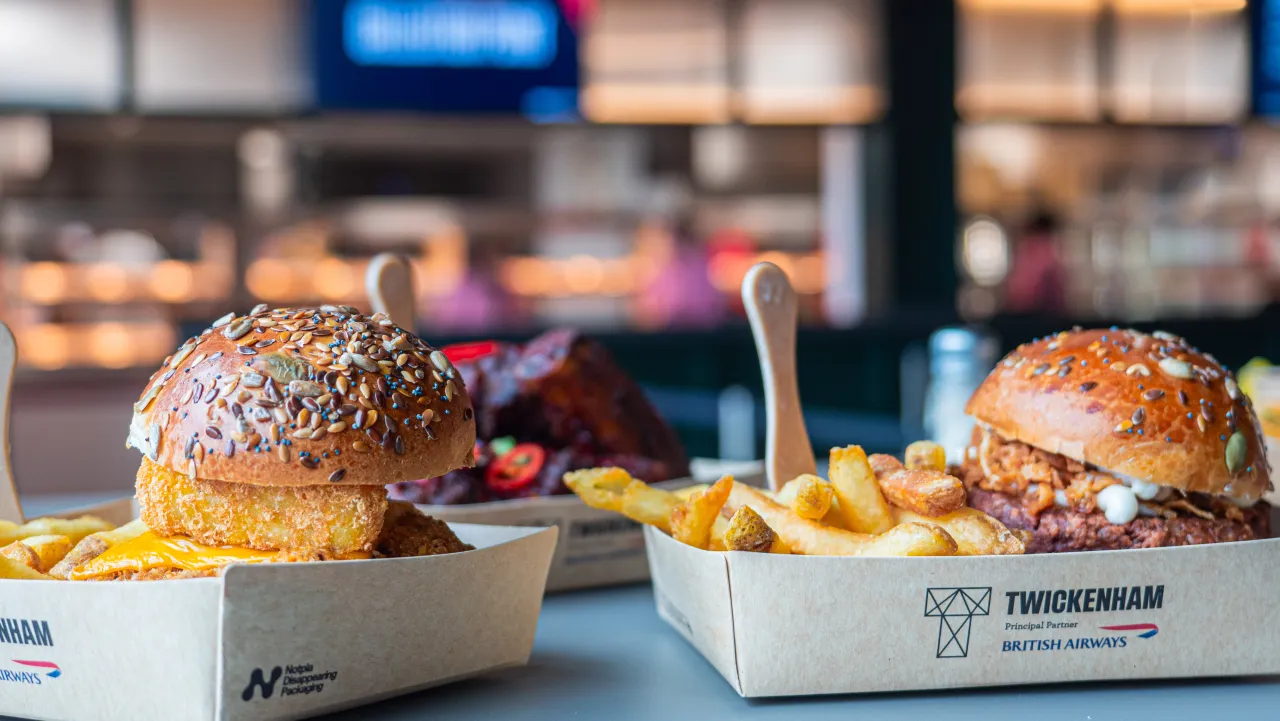
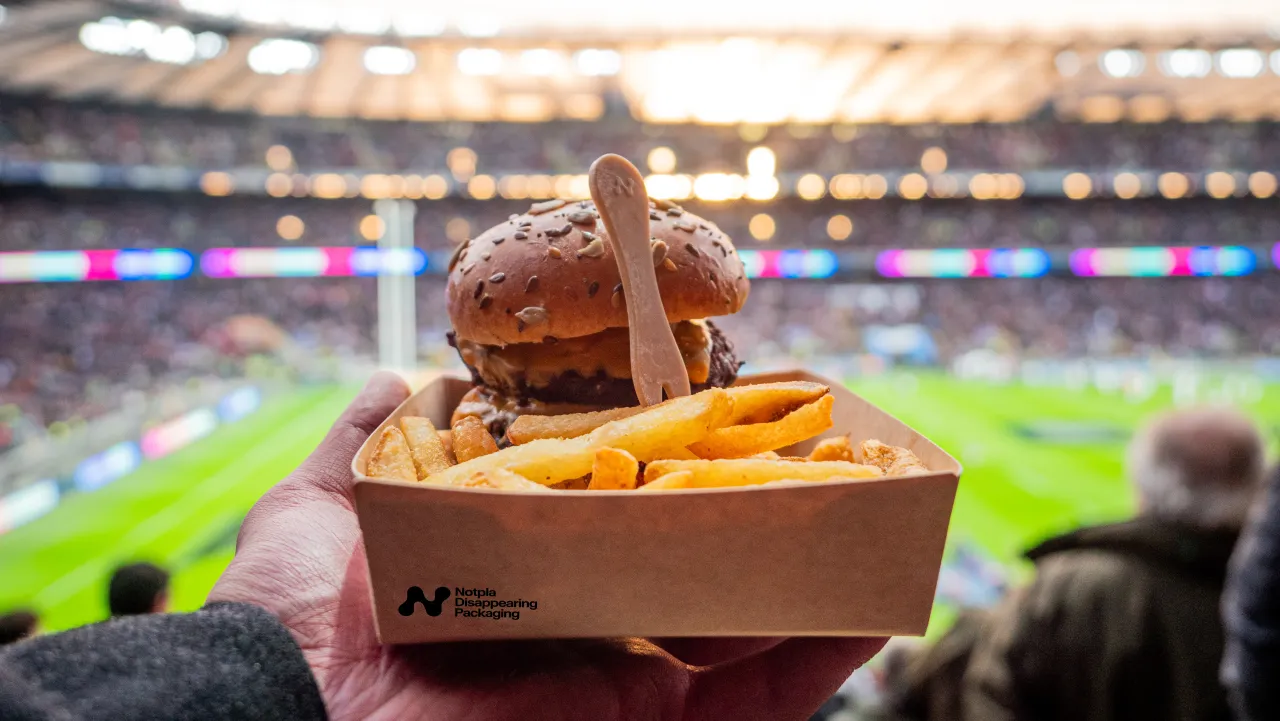
Notpla Chips Forks exemplify a pioneering step towards sustainability in UK sports. The cutlery is made from Notpla Rigid, a seaweed-based native polymer. The forks were used in Twickenham for the Six Nations rugby tournaments, marking the first time that seaweed-made cutlery was used at a major UK sporting event.
The onshoring approach not only facilitated significant reductions in transport-related emissions but also promoted local manufacturing excellence. One of the challenges with this project was developing a suitable mould for the chip forks and securing the necessary tooling within just five days. This rapid and local collaboration was key to the project's success, highlighting the efficiency of UK industry partnerships.
Feedback from match attendees was collated, with almost 80% of respondents reporting having a very good or good experience with the cutlery and 70% acknowledging the importance of stadiums like Twickenham offering sustainable cutlery options.
Respecting tradition
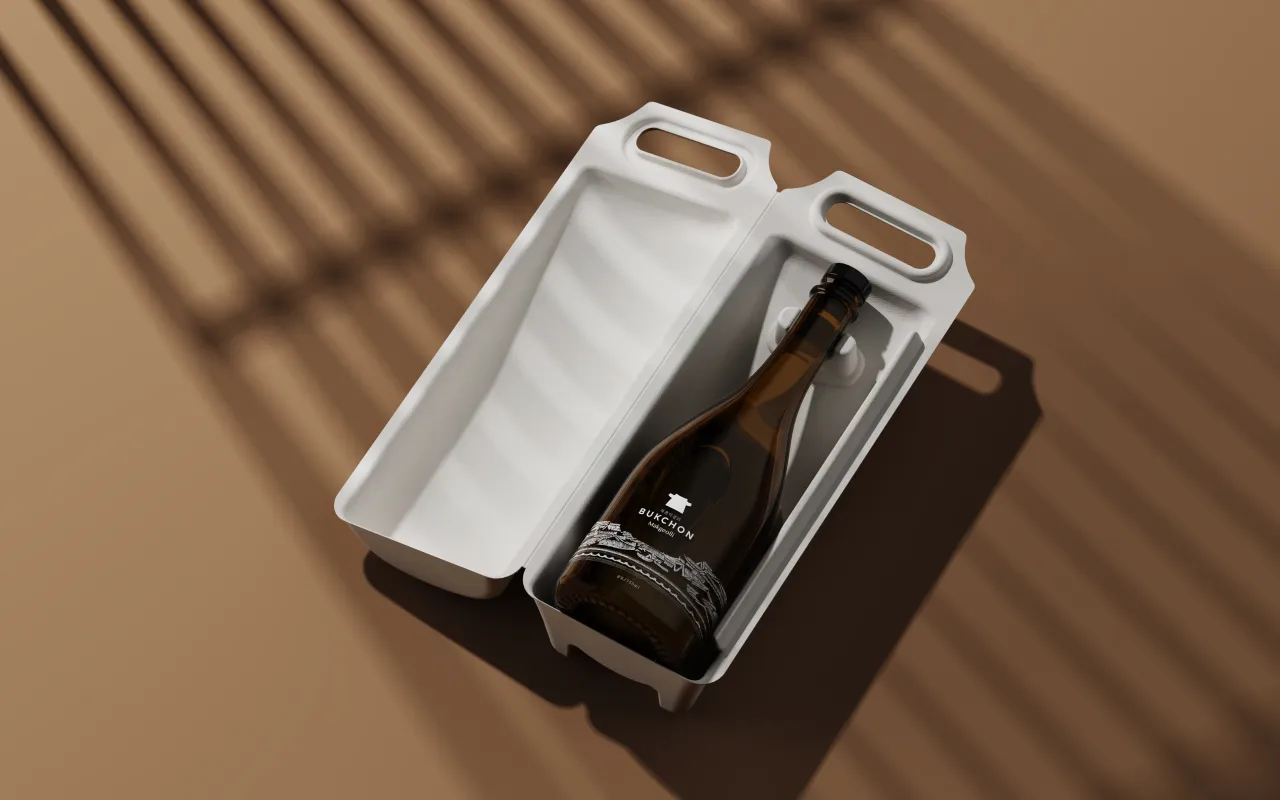
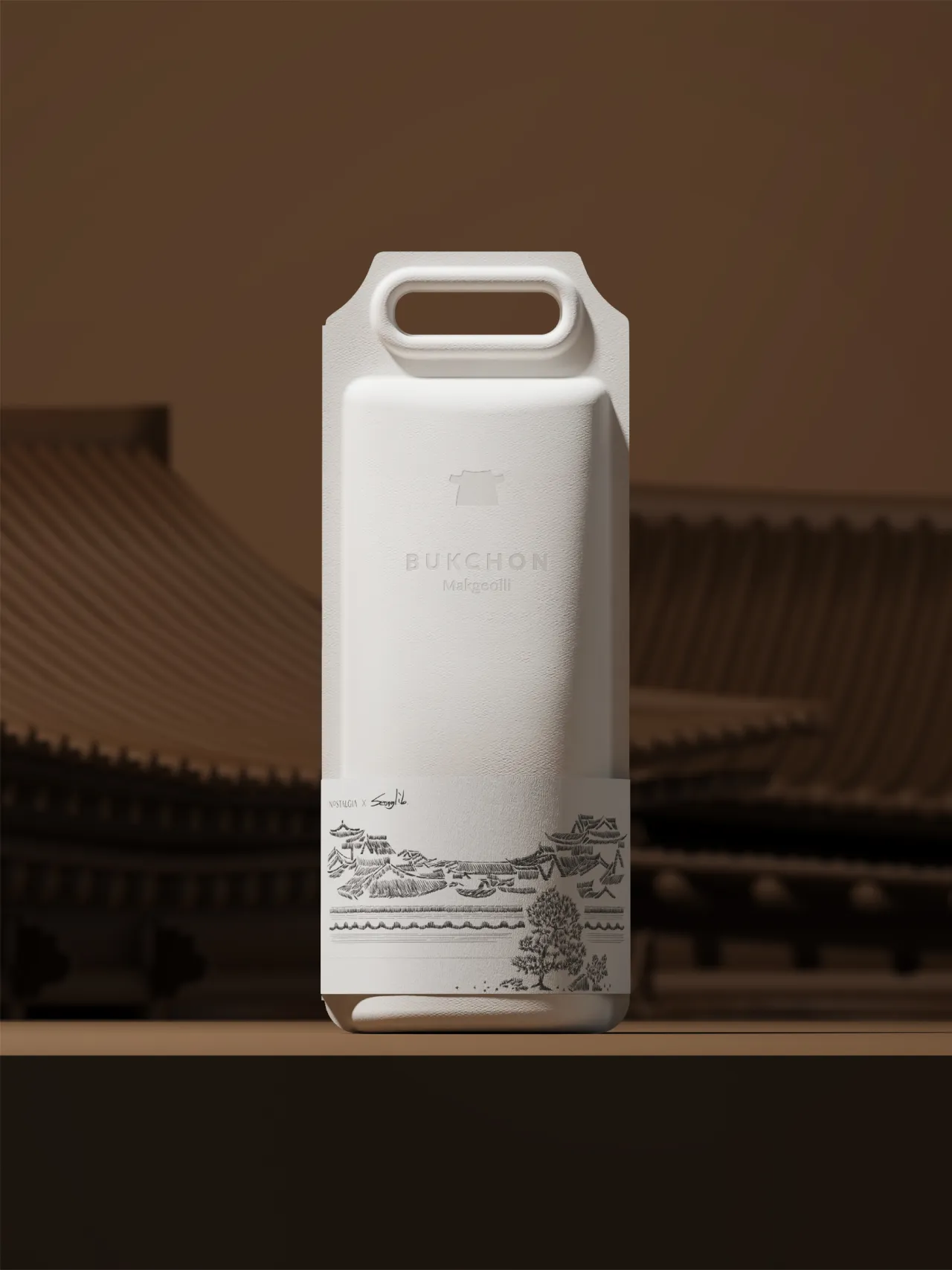
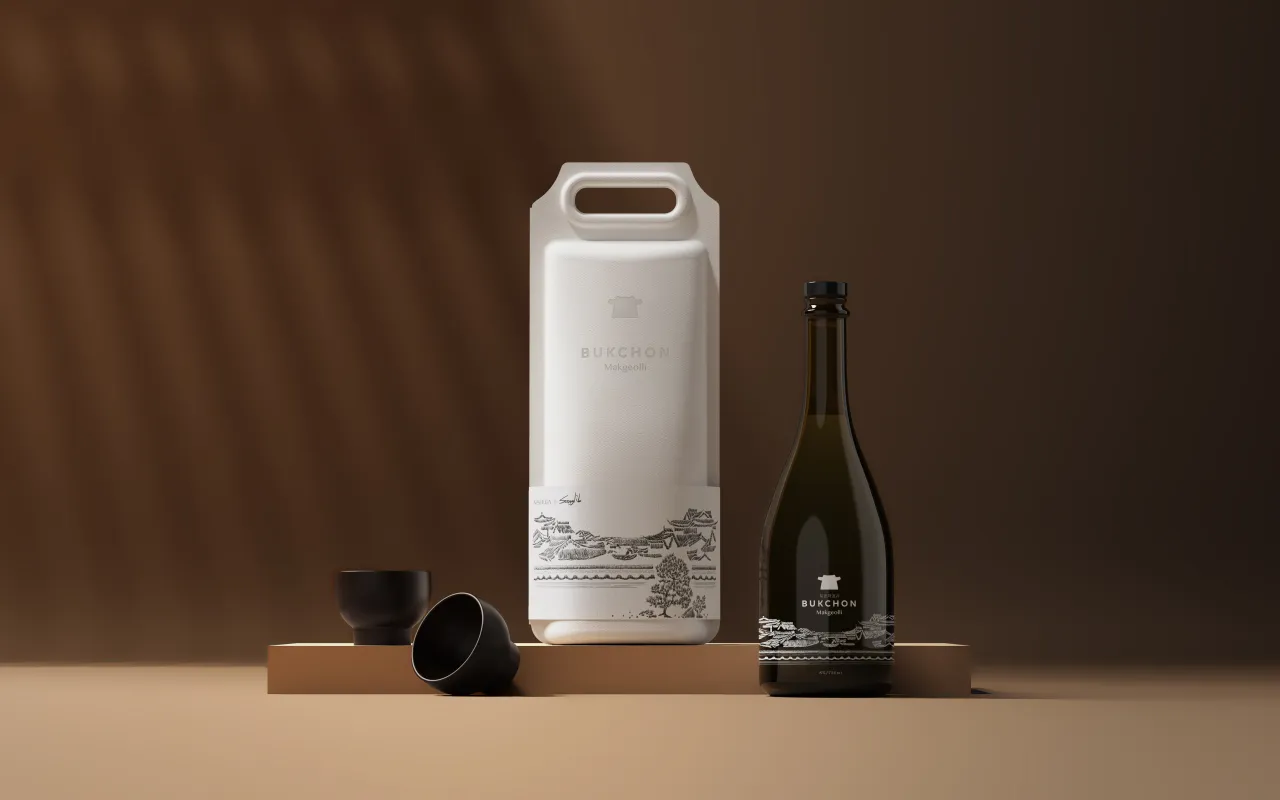
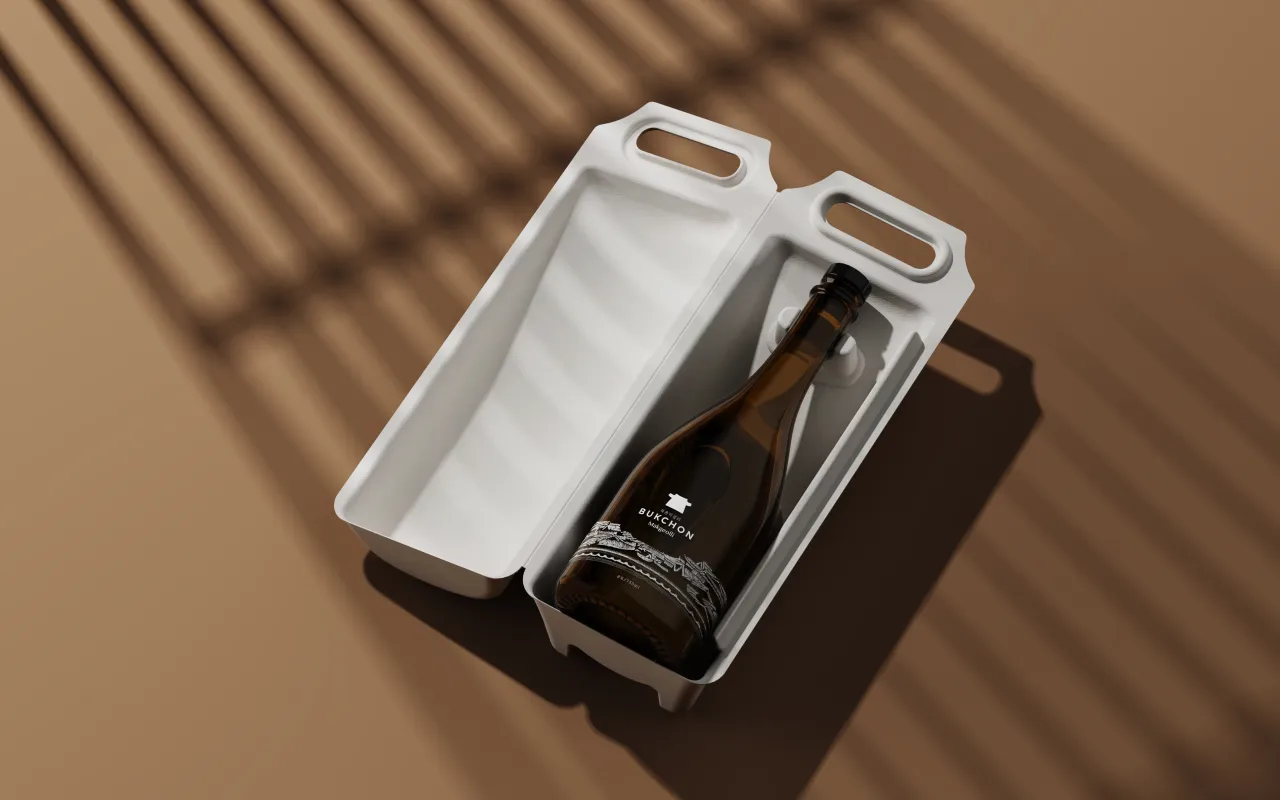
Packaging for a premium rice wine from Korea by Revation made it onto the Pentawards 2024 shortlist. It is entirely made from paper and inspired by the iconic design of Korean traditional houses called Hanok. The curves of Hanok are elegantly incorporated at the top of the packaging, while the paper maintains product integrity with a strength akin to plastic.
The water-resistant papermold prevents the packaging from tearing or becoming soggy even if the ice packs melt, and the structure secures the wine bottle internally, preventing any movement within the packaging. The protruding handle on top is another key feature, ergonomically designed for a comfortable grip and enhanced stability. This design not only showcases the aesthetic beauty of Korea's graceful curves but also prioritises consumer convenience for carrying.
Reducing litter with edible packaging
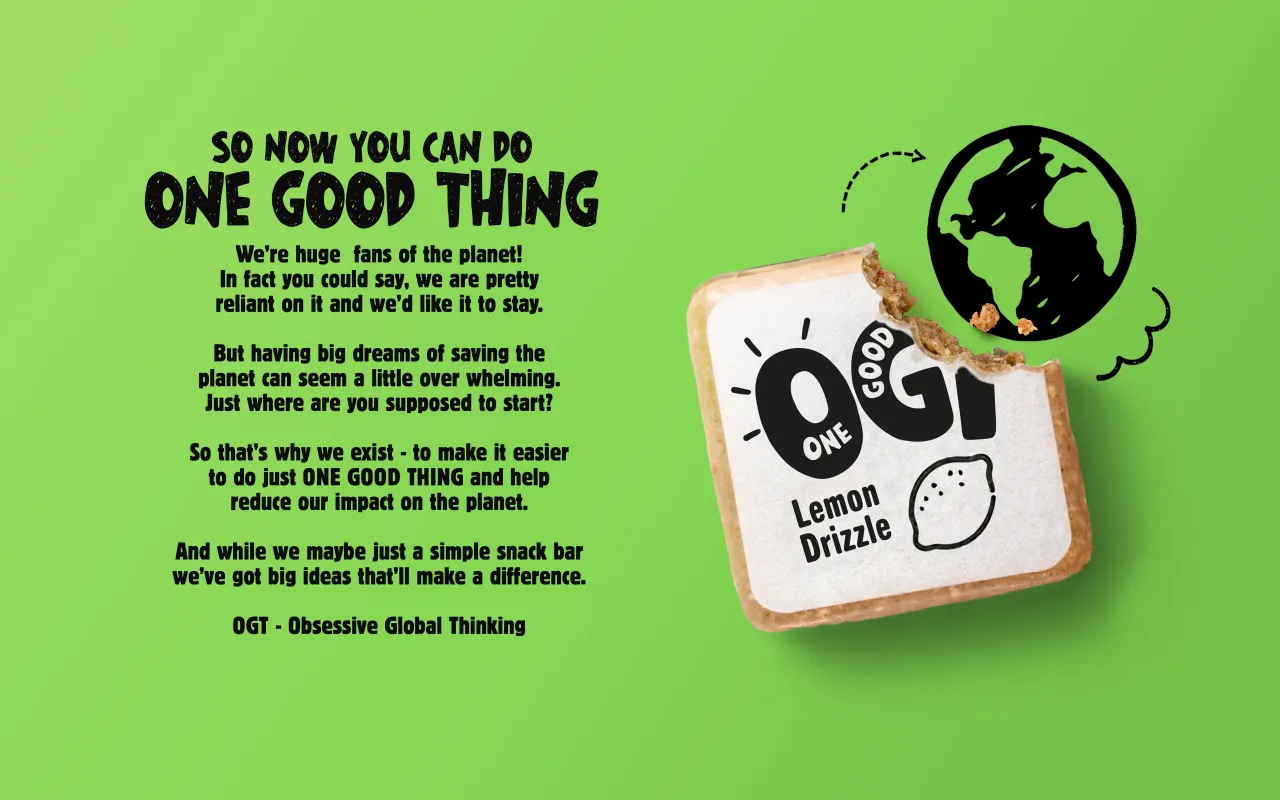
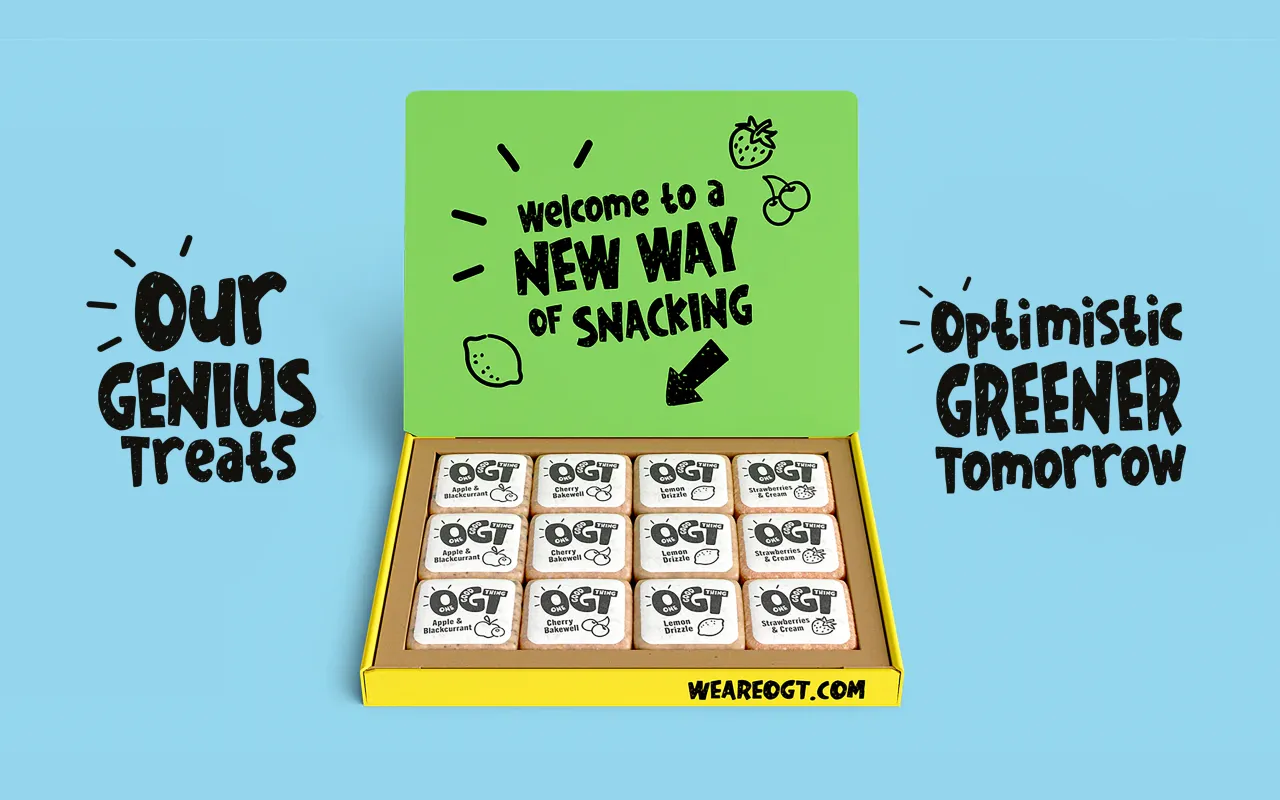
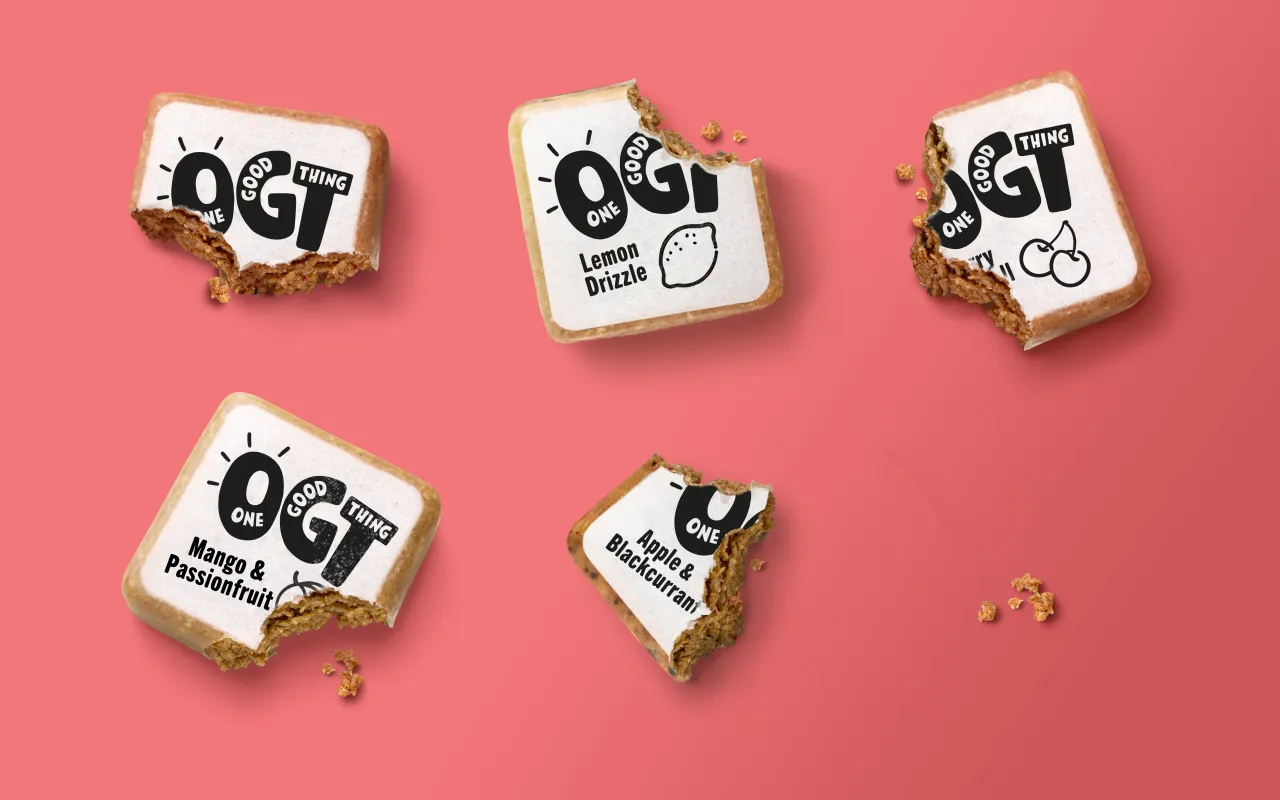
Edible packaging is also featured in this year's Pentawards shortlist. One Good Thing by This Way Up was created to minimise litter in natural environments and uses a material that is a 100% natural replacement for a plastic or paper wrapper.
For the primary packaging, This Way Up used an edible beeswax coating and an edible rice paper label. The ink used is also 100% natural and food safe. The coating protects all ingredients, keeping the bar fresh, but it is completely edible, and the only secondary packaging is a corrugated card, postage format. The card is 100% recyclable, made from 70% recycled materials, and compostable.
A cracking cardboard solution
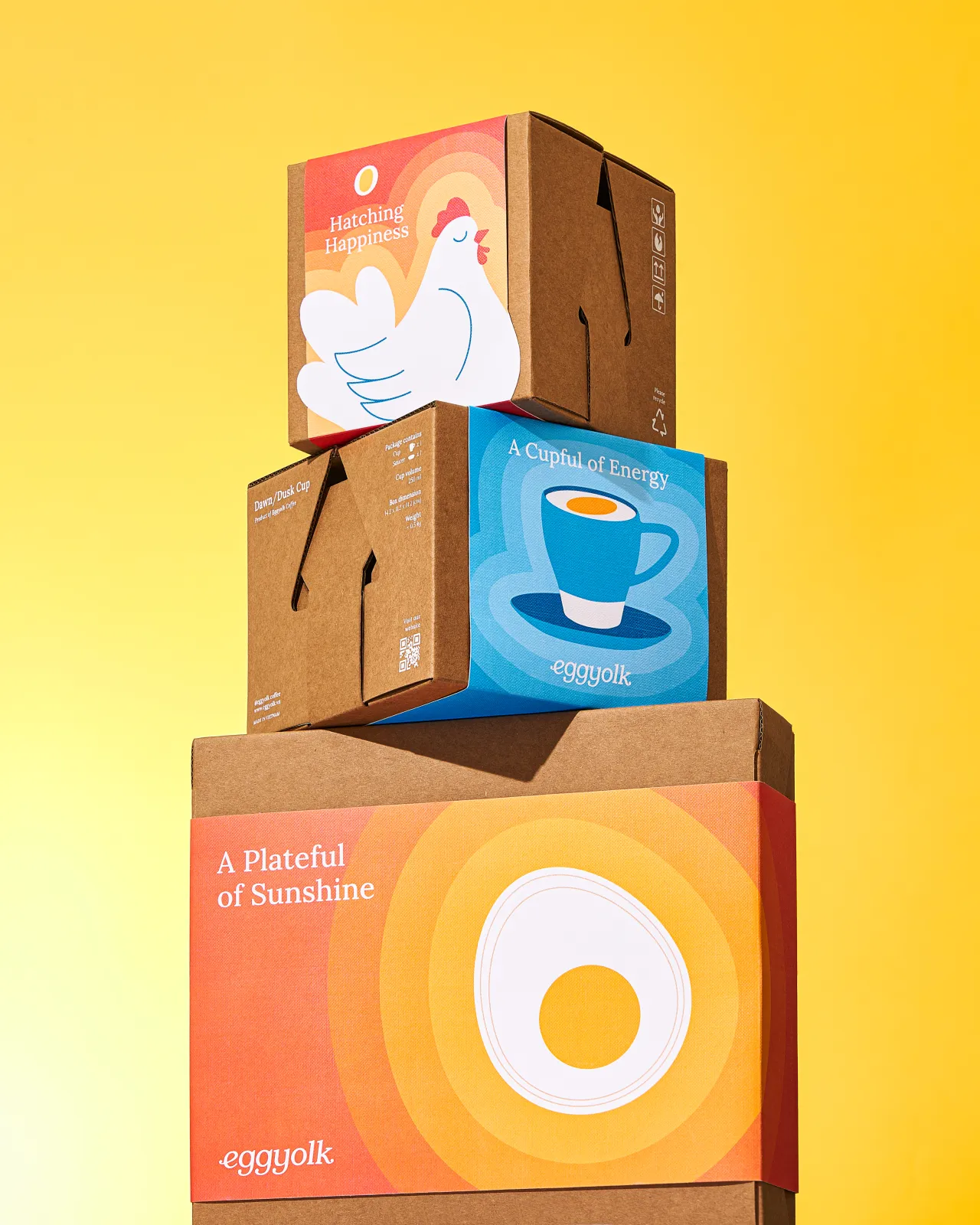
Eggyolk Tableware Packaging by Hands Collective Viet Nam aims to tackle the issue of mismanaged plastic waste in the country and the fact that major urban areas frequently rank among the worst air quality globally. As a developing country, a substantial source of pollution in Vietnam comes from business households and SMEs, who often justify their excessive use of plastic with its abundance and low cost.
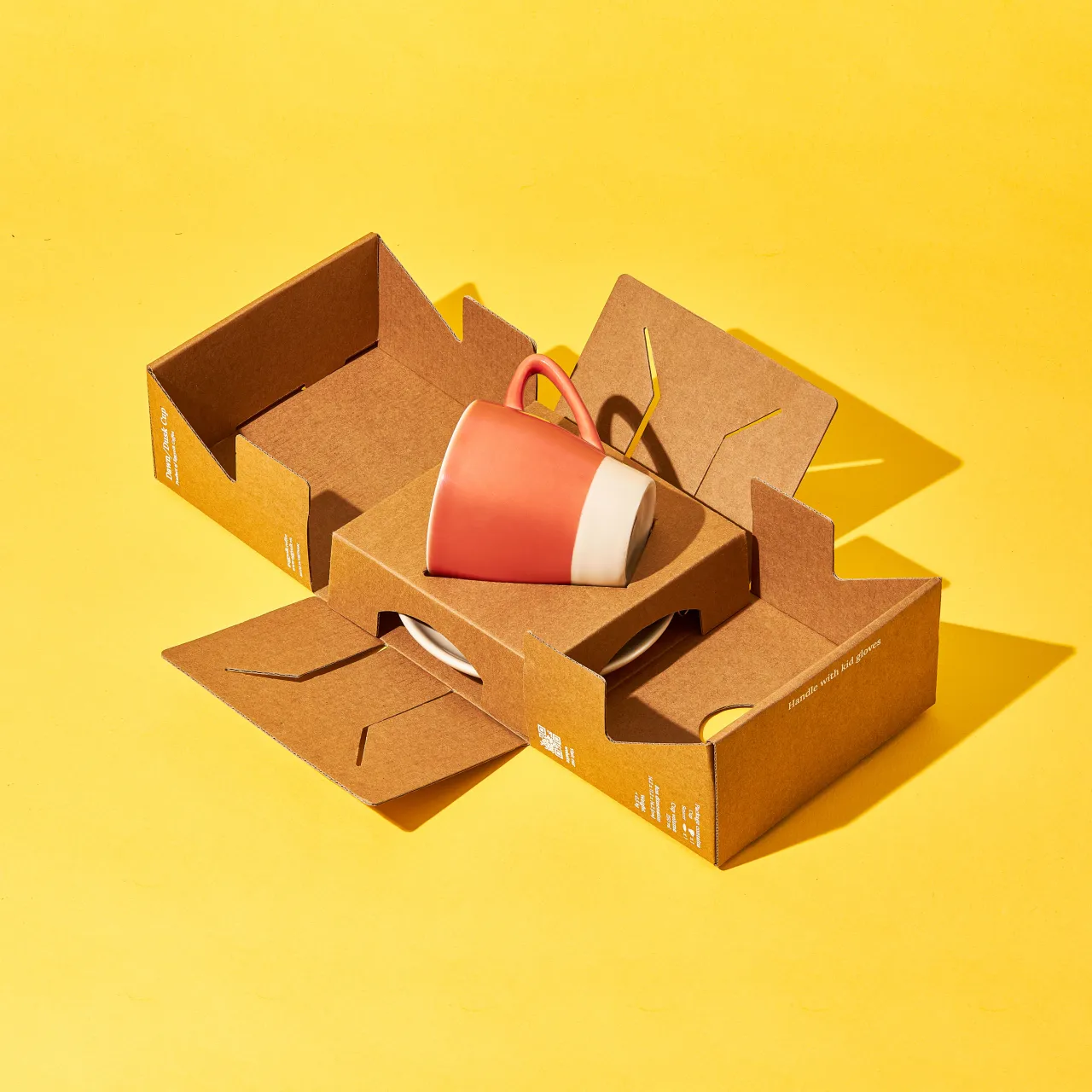
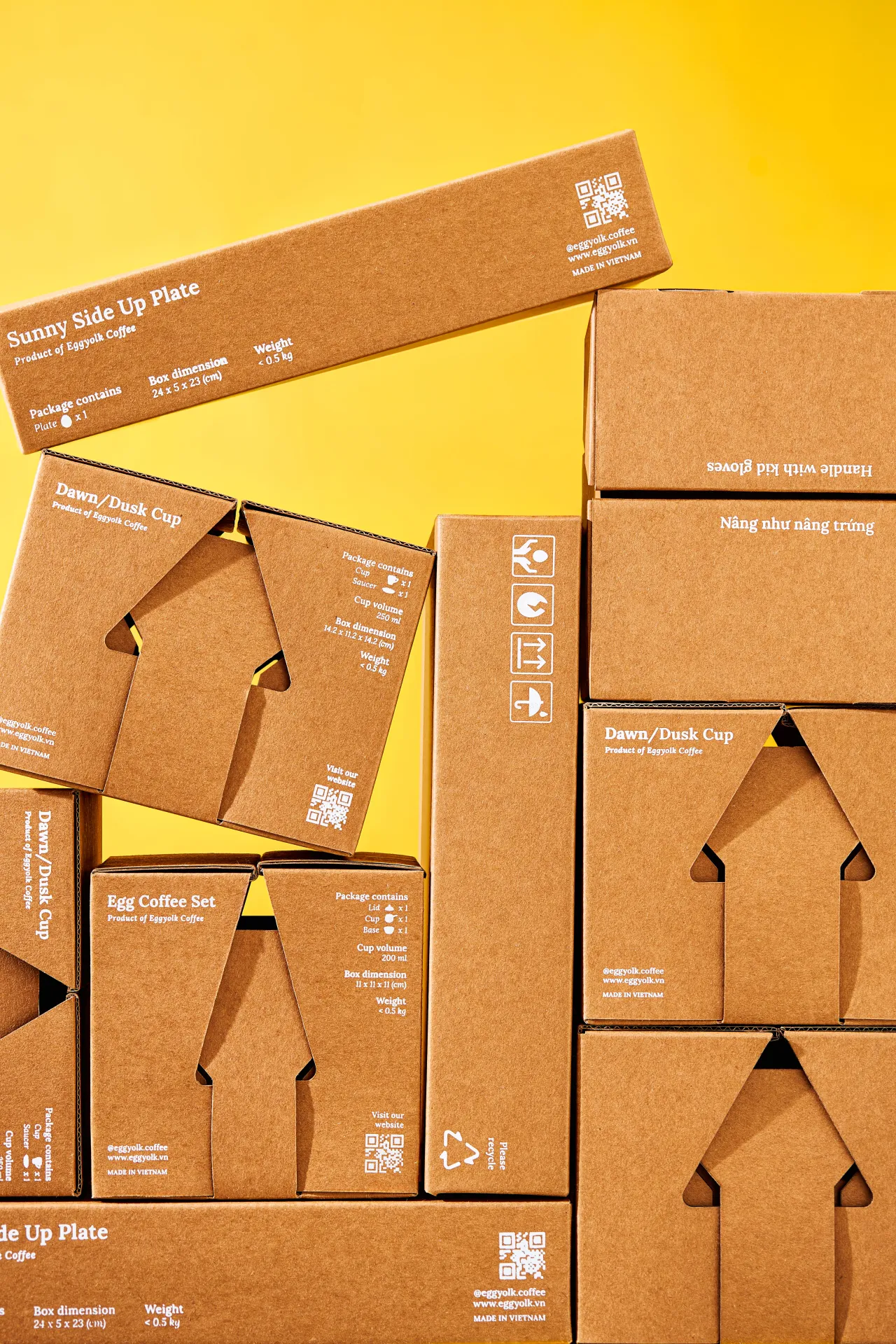
This small coffee brand, known for its signature egg coffee, challenged Hands Collective to reimagine its approach to packaging for its new tableware collection, lowering its environmental impact and cost. The packaging uses paper, cardboard, and straw, merging Eggyolk's iconic brand assets with a sophisticated structural design to reduce complexity and production waste.
Structural designs eliminate adhesive and create a unique unboxing experience resembling the motion of an egg cracking. At the same time, the straw insulates and protects fragile items inside, eliminating plastic-based wrap and reducing pollution from the open burning of straw, a common practice by locals that is a major source of air pollution.
Wet pulp vs dry pulp
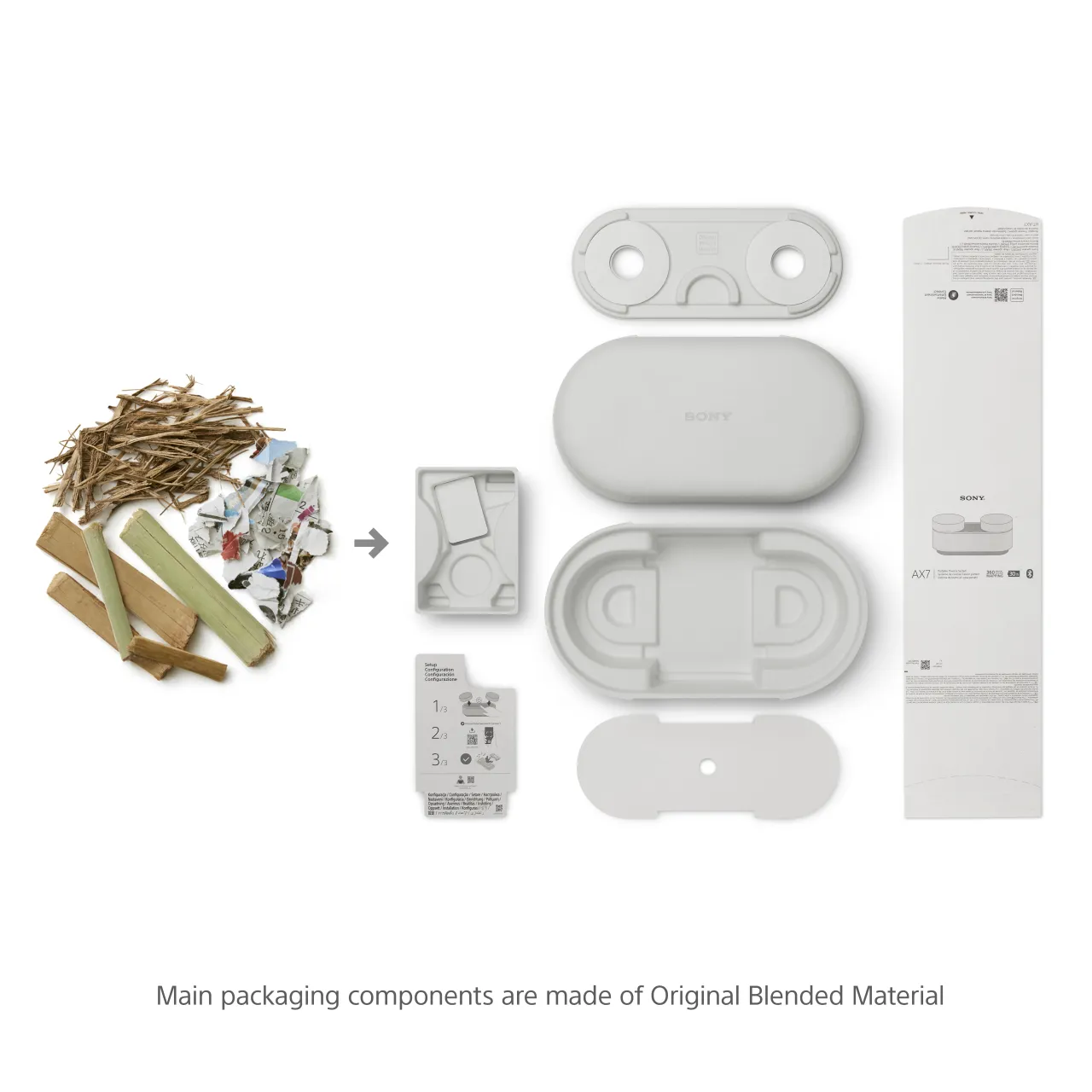
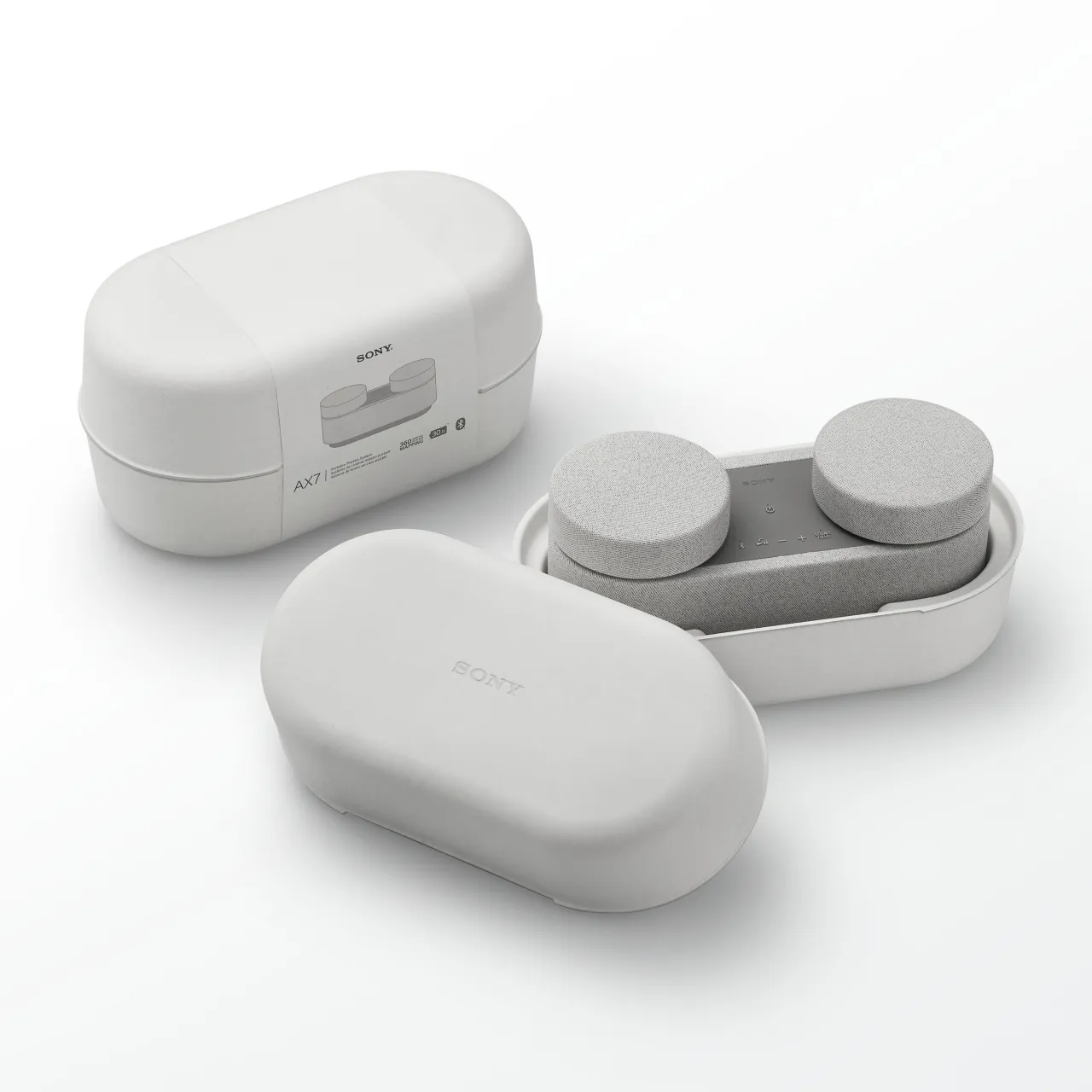
In 2021, Sony released Original Blended Material, an environmentally conscious paper material. Since then, it has only been used for the packaging of relatively small products, like wireless earbuds and smartphones. For this shortlisted entry, Sony used it for a portable theatre system, with the view of expanding its use to a wider range of products.
While previous packages made with Original Blended Material were produced by wet press pulp moulding, Sony opted to use dry press pulp moulding for this product. This creates a form that envelops the product, resulting in rough surfaces on one side. The company then glued them together to create a dual structure to accommodate the size and weight of the product and achieve the strength and shock-absorbing properties required to protect it without conventional cushioning.
This method also reduced the manufacturing costs compared to wet press pulp moulding. The Original Blended Material is sourced from bamboo, sugarcane pomace, and post-consumer recycled paper.
Defying eco-cosmetic design tropes
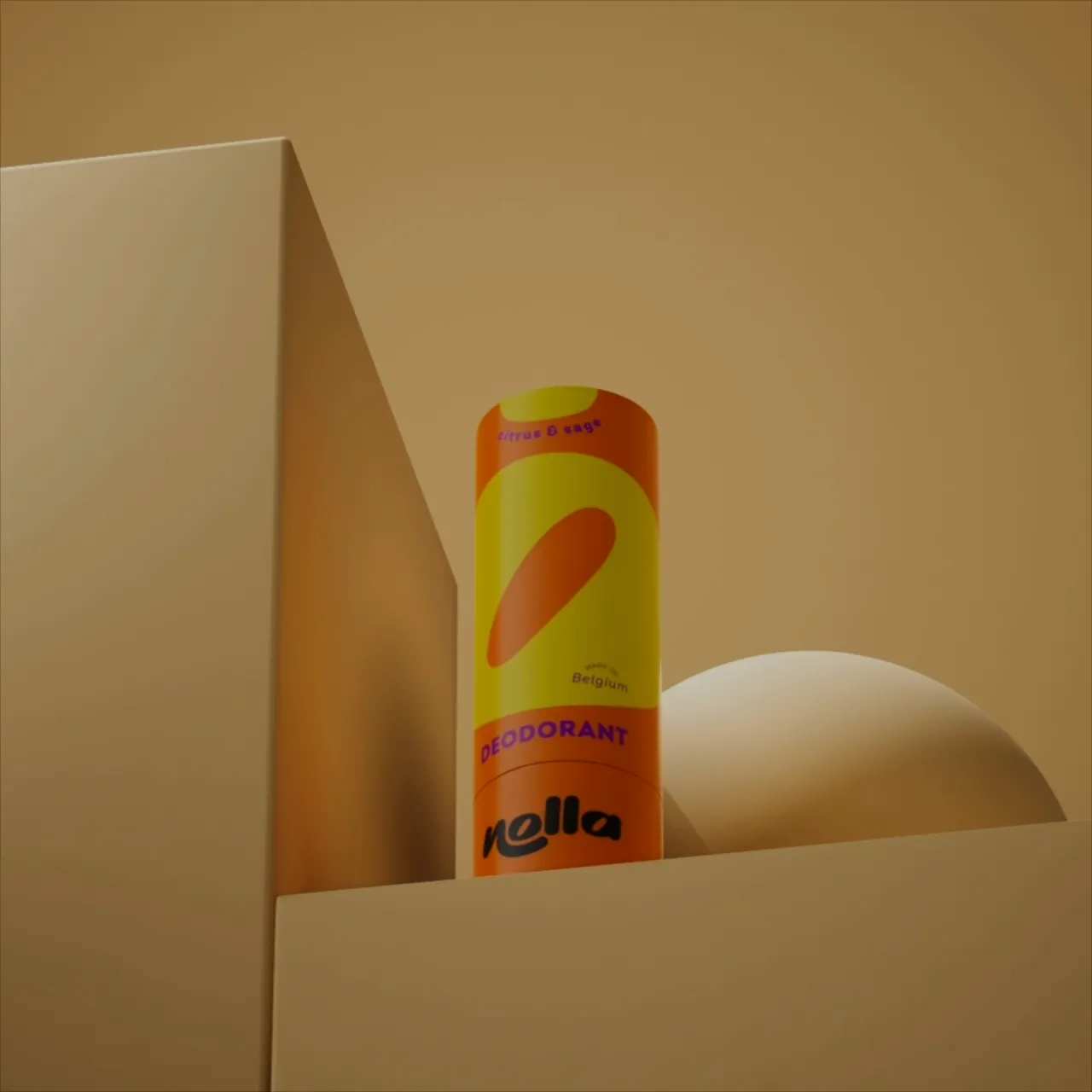
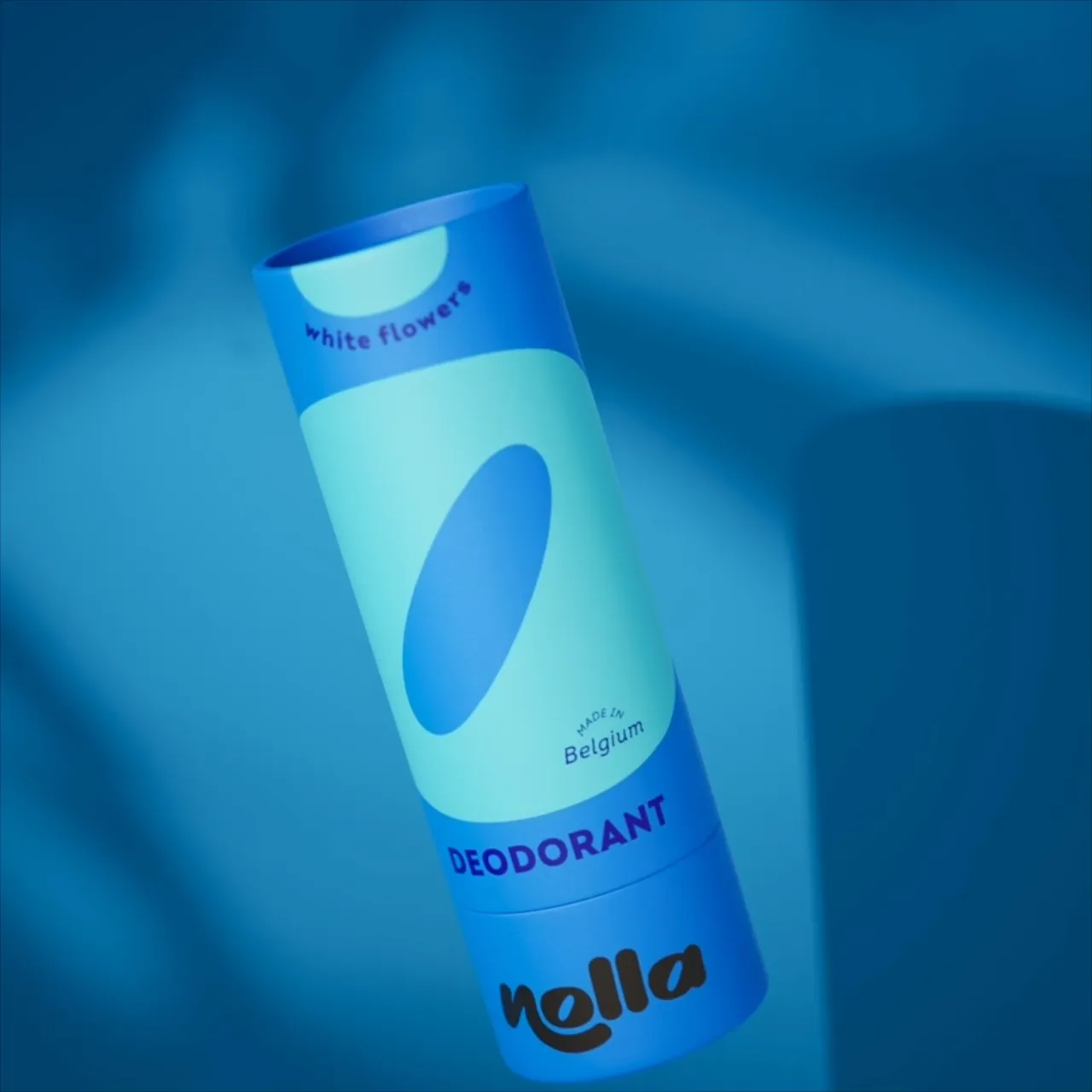
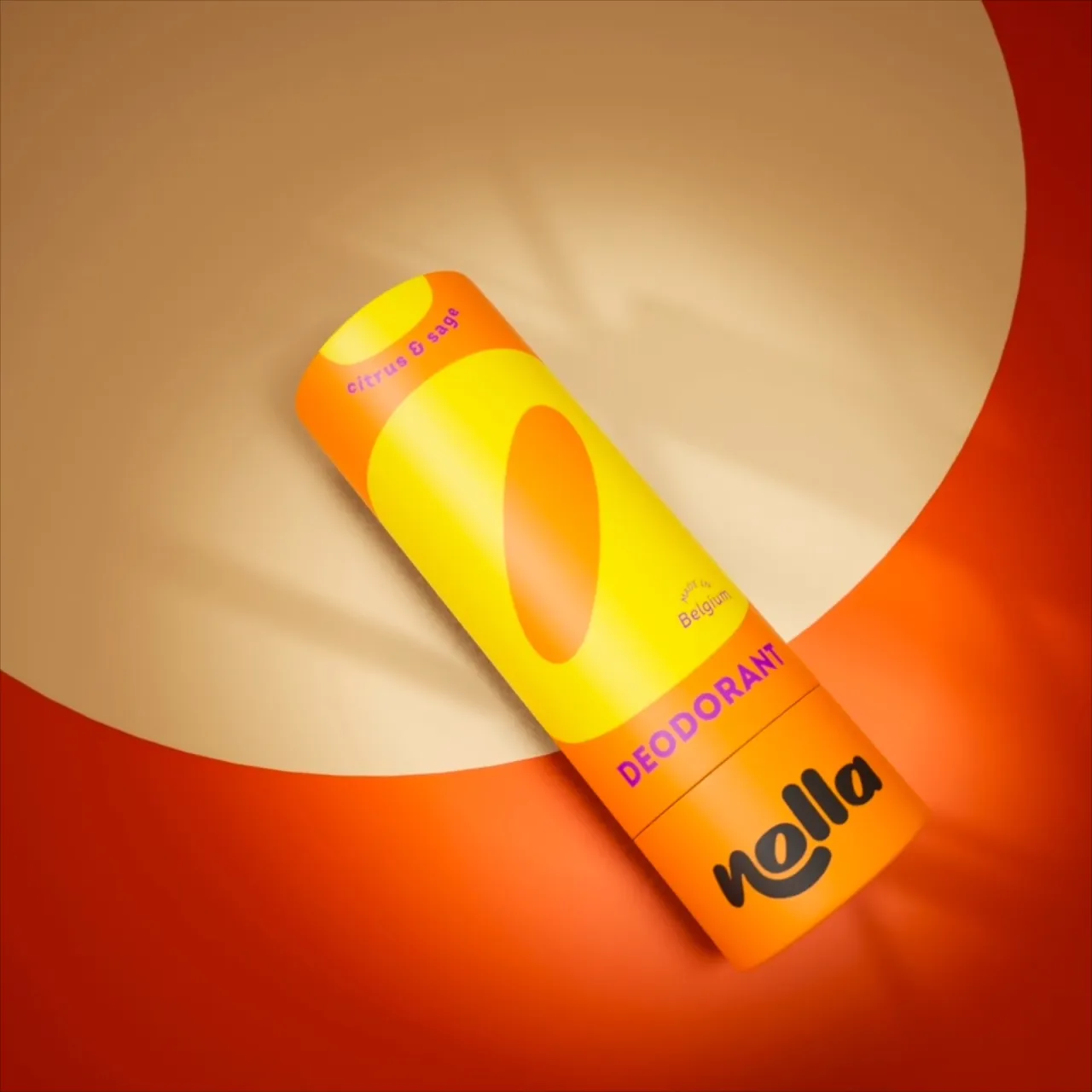
Nolla is an extremely conscious ecological brand for cosmetics, which exists to offer plastic-free alternatives for bathroom routines. Nolla worked with DesignRepublic on its visual identity, which would appear on the packaging, social networks, and website.
Their first product was a complete range of ecological deodorant sticks for which DesignRepublic designed flashy colours, minimal graphics and bold fonts, purposely going against the soft colours and delicate graphics that flood the ecological cosmetics market. The recurring graphical element is the 'O' from the name Nolla (Nolla means zero in Finnish), symbolising the zero use of plastics and the zero use of non-natural elements.
Nolla developed complete FSC-approved cardboard packaging that uses no multi-layering, uncoated printing, or plastic elements inside.
Considering commercial packaging and delivery
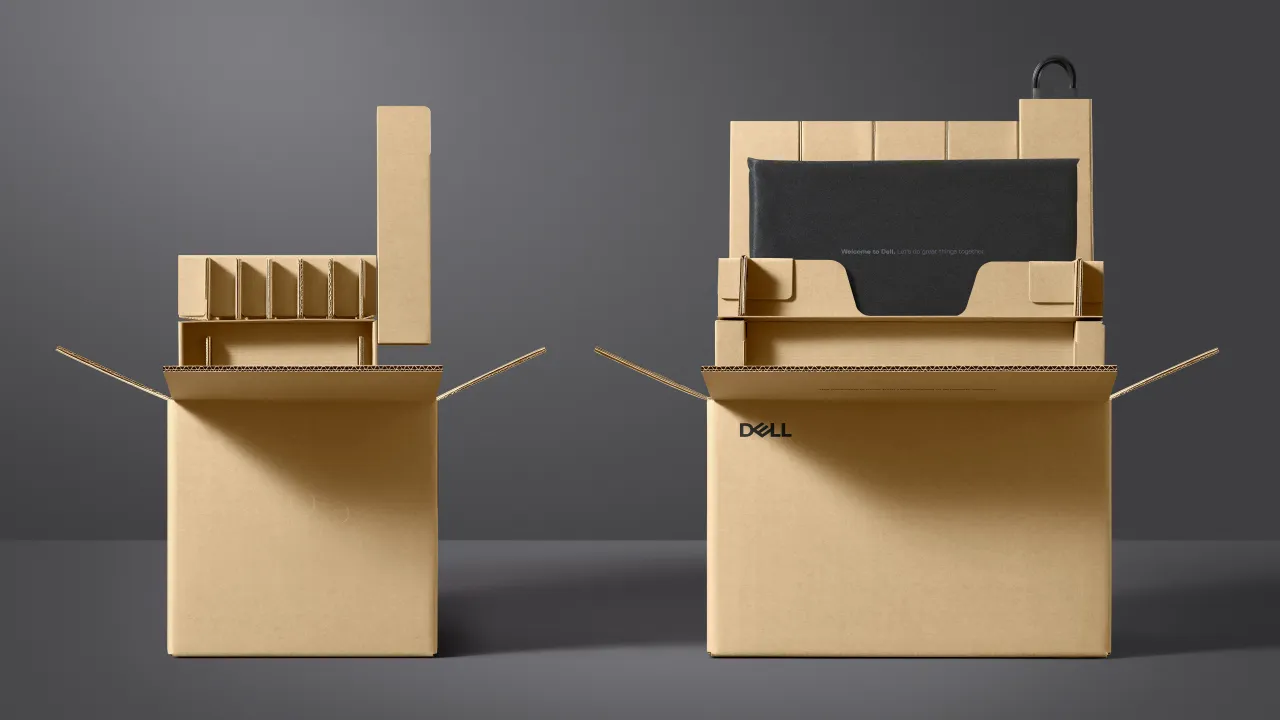
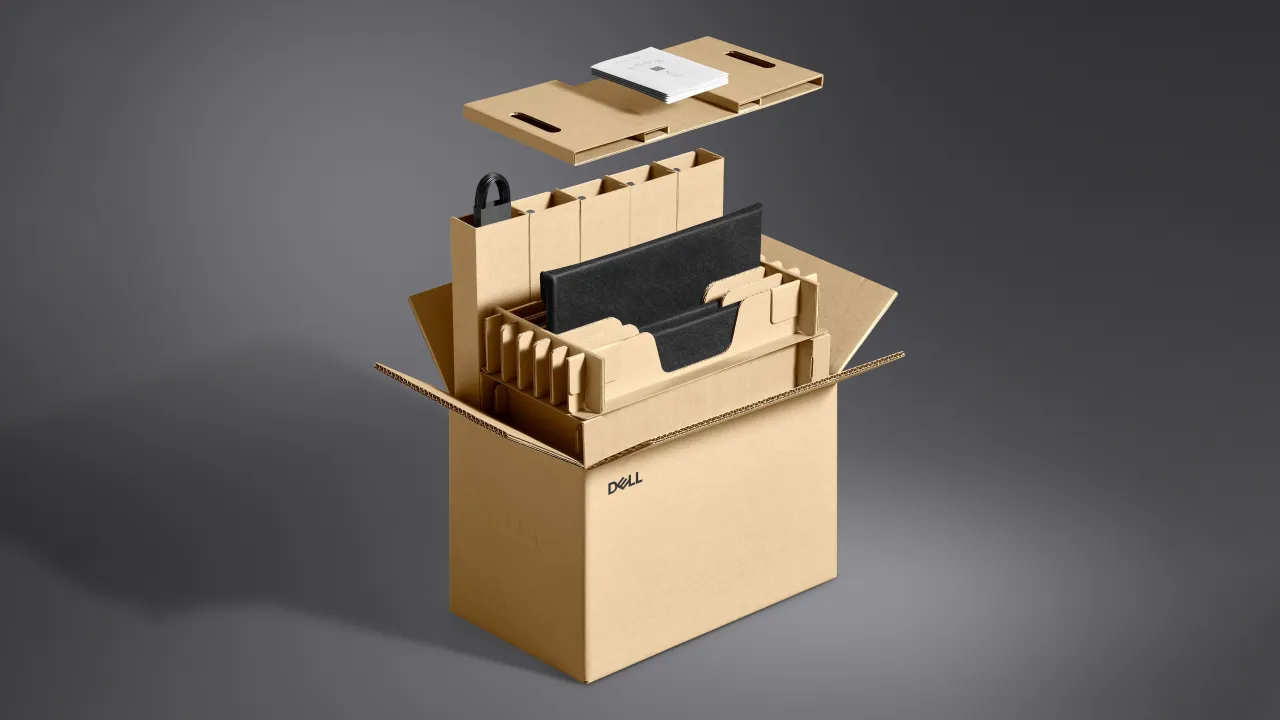
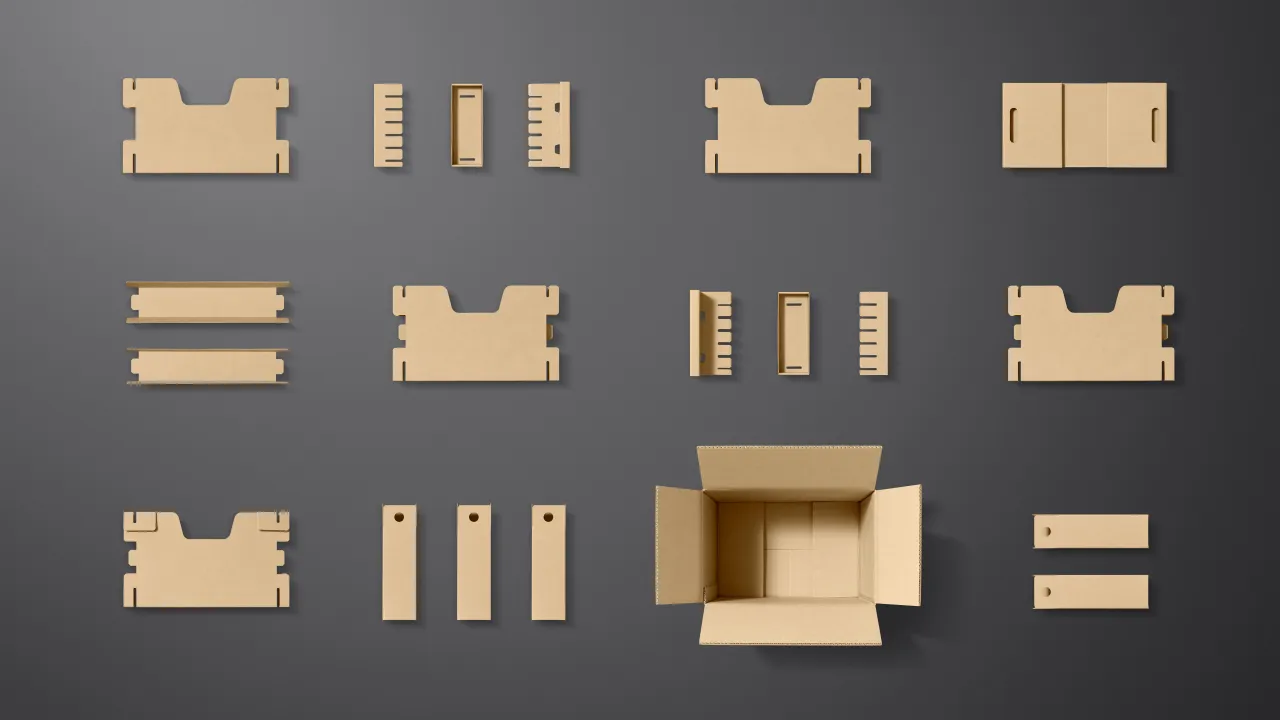
Our final sustainable favourite from the Pentawards 2024 shortlist is the Dell Laptop Multipack Initiative by Dell Technologies. The new multipack is engineered to meet Dell's 2030 Moonshot goal of 100% of packaging being made from recycled or renewable materials. The new design offers a simplified, professional, and efficient experience, saving 60% more time during unboxing.
The initiative saw a 38% reduction of packaging material by weight per unit compared to the single pack, creating a design that is smaller, more sustainable, and more considered user experience. It was designed to meet the growing demands of bulk commercial orders and consists of only removing a single top cushion to access the product.
The packaging's fully FSC-certified corrugated internal structure replaces all EPE foam cushions, and all PE plastic bags used for systems and accessories are replaced by 100% recycled, non-woven PET system bags. The team's clever engineering also reduced the new box size by as much as 23%, increasing the palletisation by 50%.
Editor's Picks


Trending
Latest Jobs
Mid-Weight Creative Designer at British Heart Foundation
Full-time·London·£35,000 – £37,000
Staff Brand Designer at Mercury
Full-time·San Francisco·$189,400 – $236,700
Design Lead at DoorDash
Full-time·San Francisco·$142,800 – $210,000
Strategy Director at Landor
Full-time·New York·$150,000 – $175,000
Junior Content Producer at Welsh Rugby Union
Full-time·Cardiff·£28,000 – £30,000
Designer, Marketing at The New York Times
Full-time·New York·$85,000 – $100,000