More Fire. More Fox. Meet Kit: Firefox's most significant brand evolution in years
JKR had a rare brief: don't fix what's broken, amplify what's already there. The result is a sharper Firefox and its first-ever mascot.
For designers, there's a particular kind of branding challenge that looks simple on paper but is actually a complicated beast. Firefox already had one of the most recognisable logos on the internet, a loyal user base, and a wholesome mission. The brief to global branding agency JKR wasn't to fix anything broken; it was something more interesting: to help it find its voice at exactly the moment the world needed to hear it.
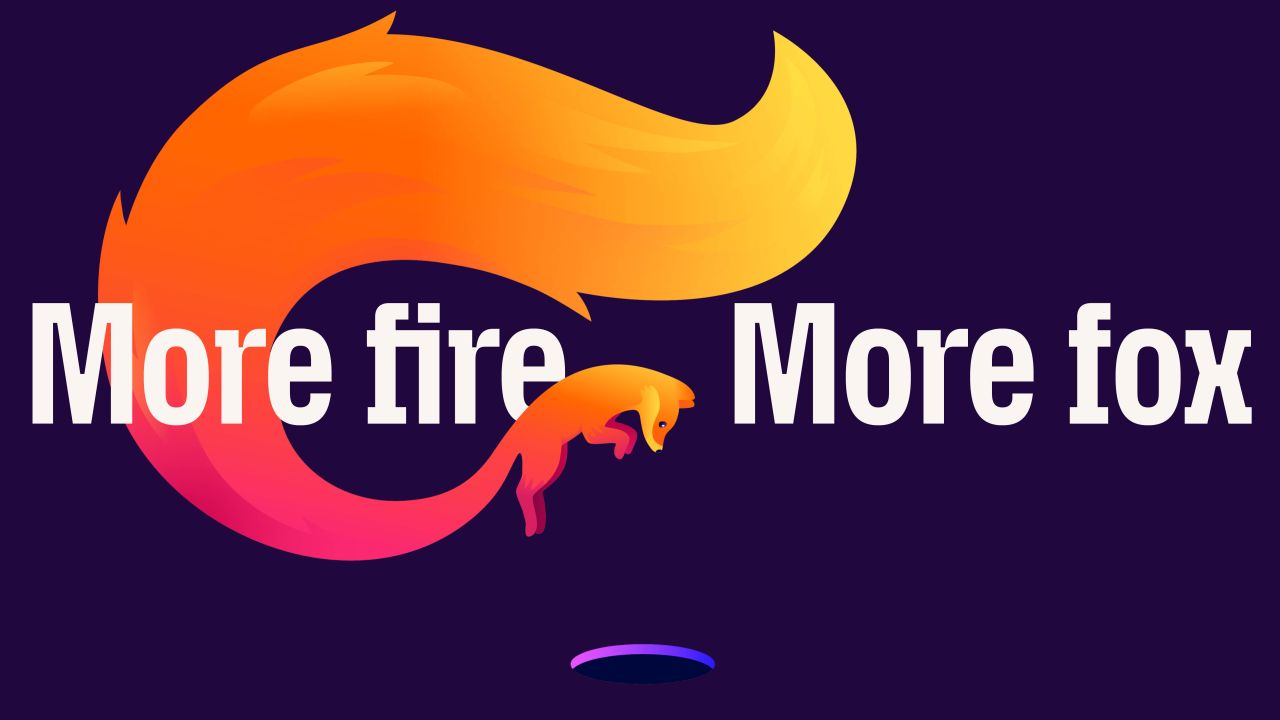
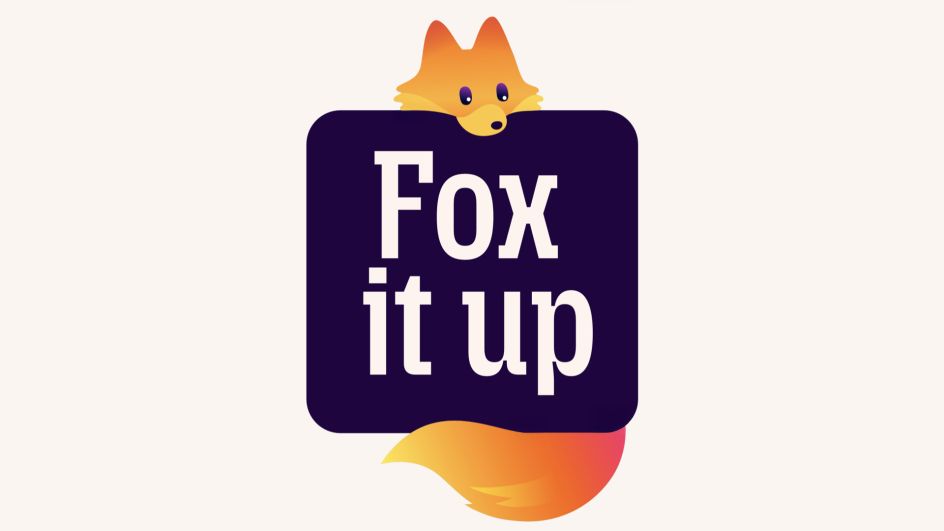
The result is 'More Fire. More Fox.' – a sharper challenger stance, a unified identity system, and the introduction of Kit: Firefox's first-ever official mascot. And yep, it's a fox. Well, why wouldn't it be?
The brief behind the brand
JKR brought together the strategy, creative, and digital teams to assess where Firefox really stood in the category. That meant going back to first principles: what makes Firefox Firefox? What do people associate with it? Why does it exist? Global research with real users identified three core assets that consistently cut through: the logo, the colour, and the Firefox imagery itself. Not abstract values or mission statements – which is interesting – but actual visual memory. (I mean, I'm a Firefox fan and love everything they stand for, but I mostly think of the orange and blue spikiness.)
Anyway, that gave JKR a strong foundation. Rather than starting fresh, the work was about amplifying what was already there, taking a recognisable symbol and making it do way more.
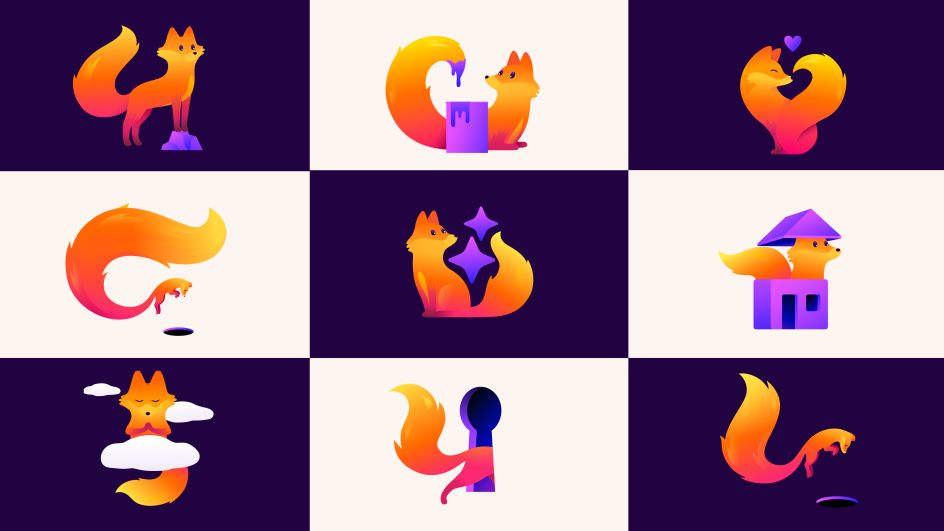
Designing a challenger spirit
The 'More Fire. More Fox.' platform captures a deliberate duality. Fire is the combative energy – Firefox as a genuine alternative to the algorithm-driven, data-harvesting status quo. While Fox is the protective instinct... the thing that has always set Firefox apart, built into the product itself through tracker-blocking, reduced profiling, and now AI Controls that let users choose whether AI plays a role in their browsing experience at all.
It's a strong creative idea because it maps directly to a product truth. This isn't a rebrand in search of a strategy. The strategy was always there. JKR just found a way to make it unmissable. And no doubt refresh our memories.
Meet Kit
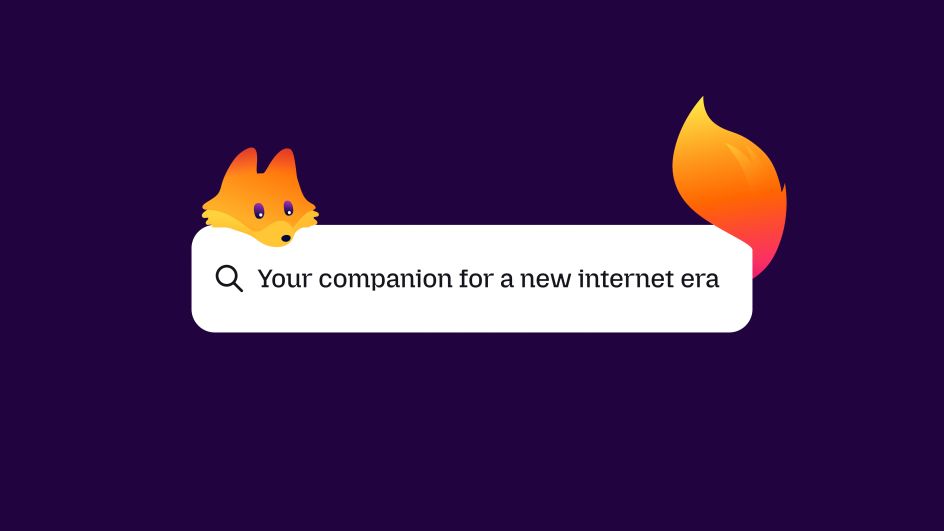
The mascot reveal is where the design really shines. Kit is a flame-bright fox with "restless energy and a protective streak". It's described as both a crusader for the open web and a companion to the user. The genius is that Kit didn't arrive from nowhere. The firefox has always been in the logo. (I actually didn't connect the dots on this until now.) JKR formalised and named what was already a latent brand asset, transforming a graphic element into a character with personality and longevity.
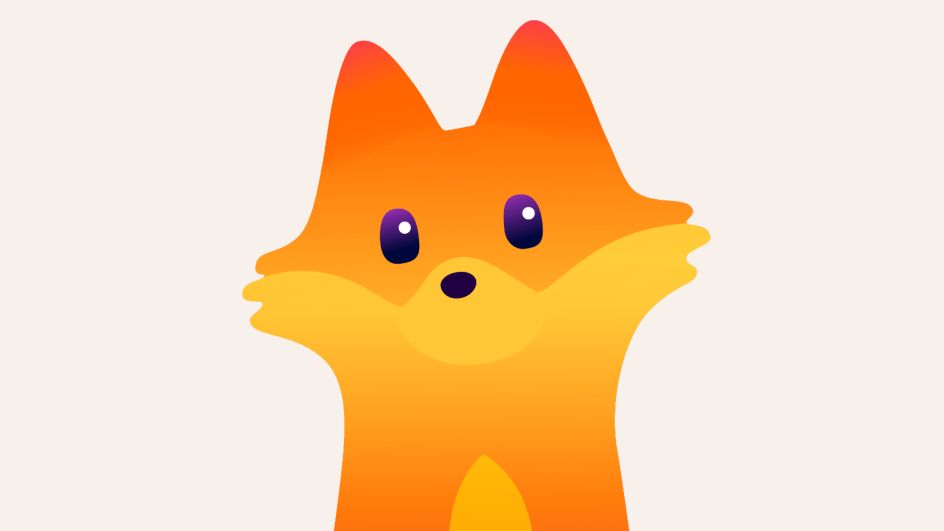
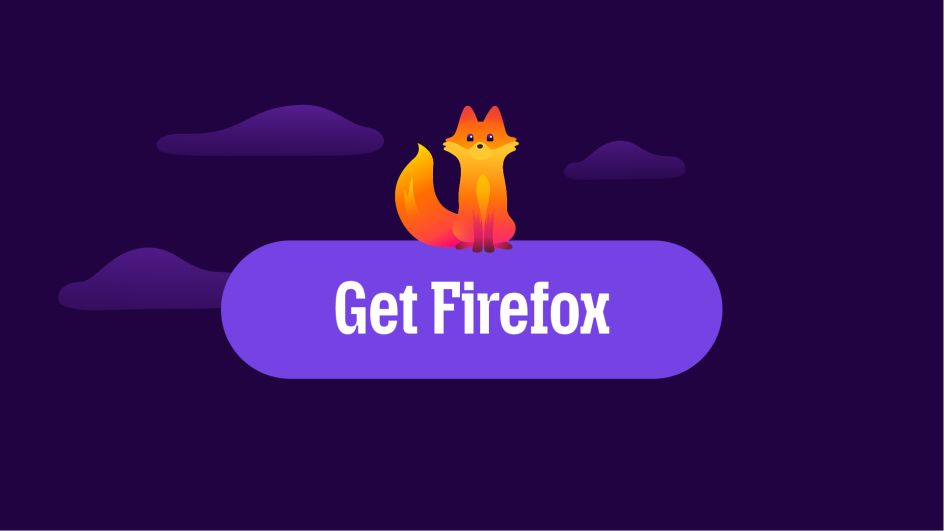
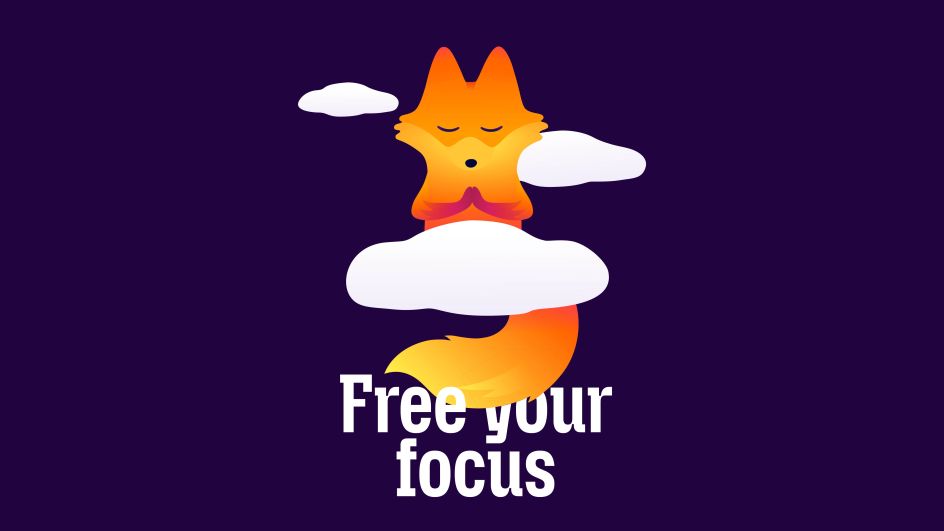
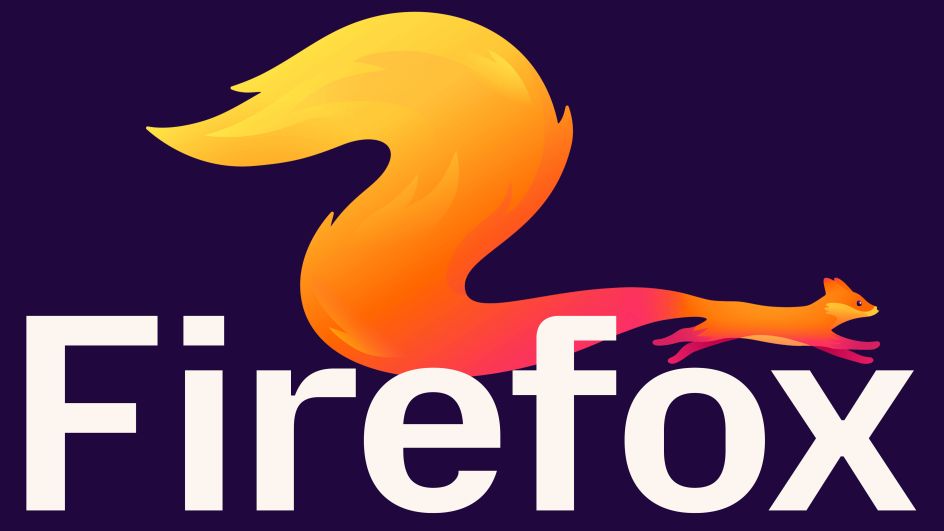
This is the kind of brand thinking that takes some serious nerve. Mascots are a long-term commitment. If you do it poorly, they can age badly or feel corporate and contrived. Done well (like the Michelin Man, the Duolingo owl, the Innocent smoothie characters), and they become genuinely beloved, transcending language barriers and building emotional connection over time. Research backs this up: mascots (like Creative Boom's friendly eyes) used consistently alongside other brand assets build recognition faster and create stronger consumer memory.
Kit feels like it belongs in that second category. The brief from JKR's Executive Creative Director, Stuart Radford, was clear: "warmer, more expressive and uniquely Firefox". What we've got is a character that earns its place, rooted in something real.
Why this matters now
The timing couldn't be better. As AI reshapes what we see online and a handful of tech giants consolidate control over the web, Firefox's 20-year commitment to the open internet feels less like heritage and more like an urgent imperative. The 'More Fire. More Fox.' platform leans into that... this isn't Firefox coasting on goodwill, it's Firefox stepping forward with a clear POV.
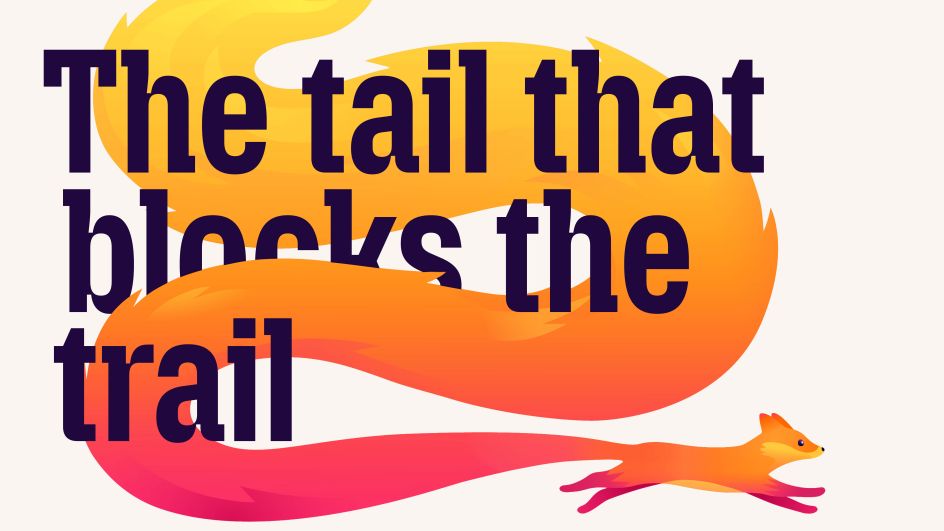
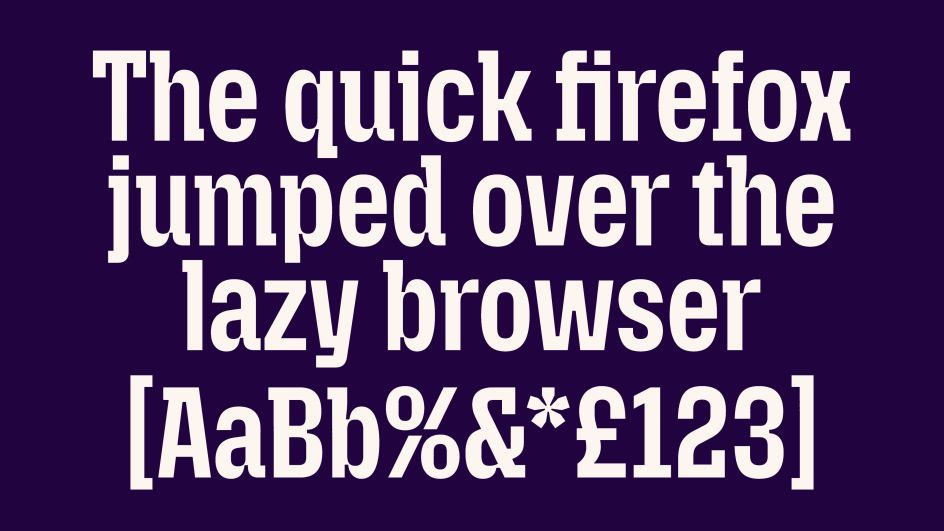
For designers and brand strategists, there's a lot to admire here. We're talking the discipline of building on existing equity rather than abandoning it, the clarity of a creative platform that maps to product reality, and the long-game thinking of introducing a mascot designed for cultural longevity.
Kit's arrival is only the beginning of a broader rollout planned throughout the year. We'll be watching.
Editor's Picks


Trending



Podcasts
Editor's Picks
Further Reading