Olivia Johnson uses cross stitch to highlight the discrimination women face at work
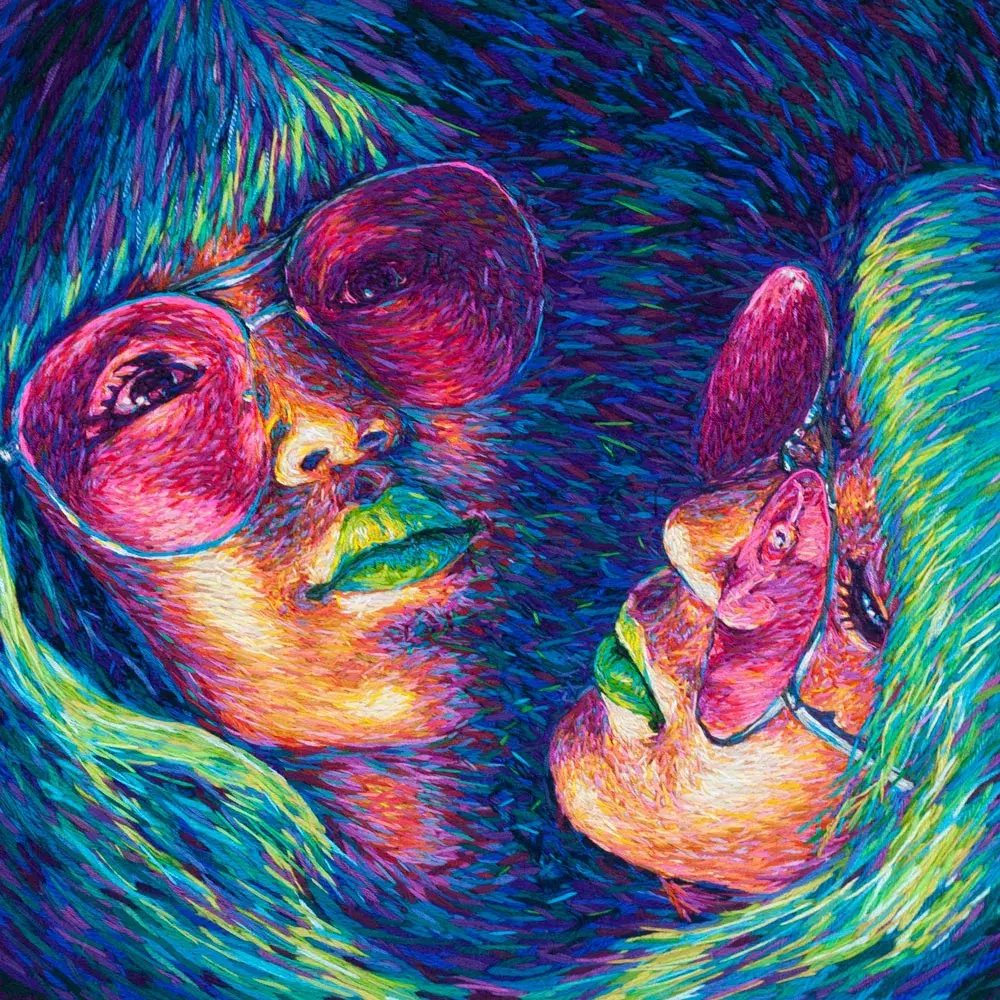
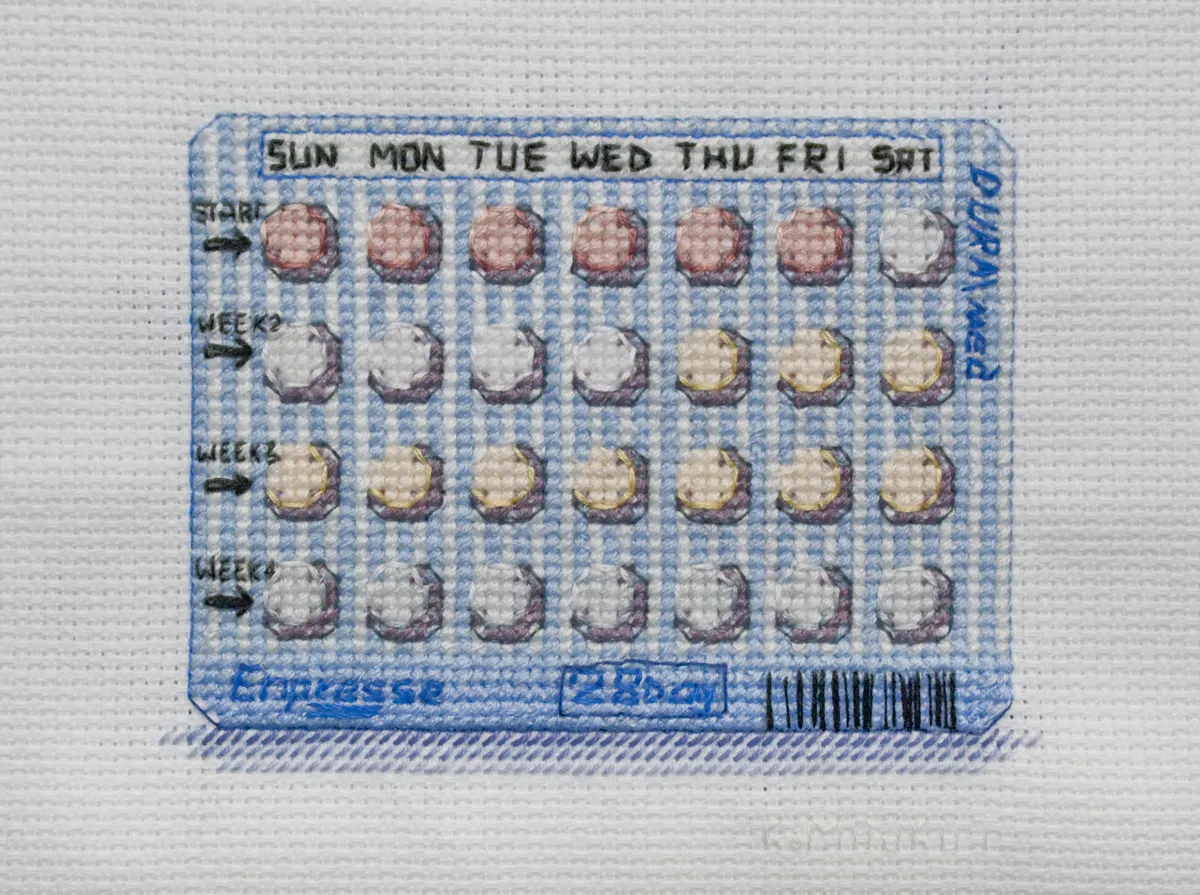
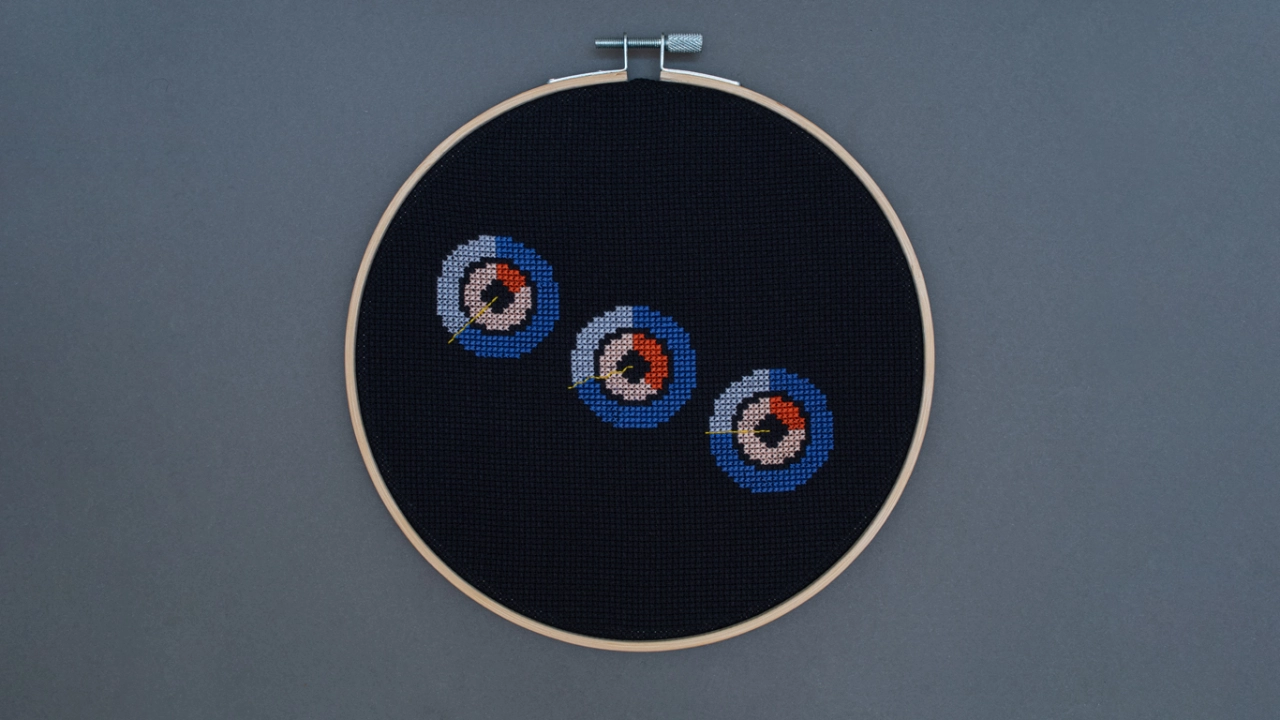
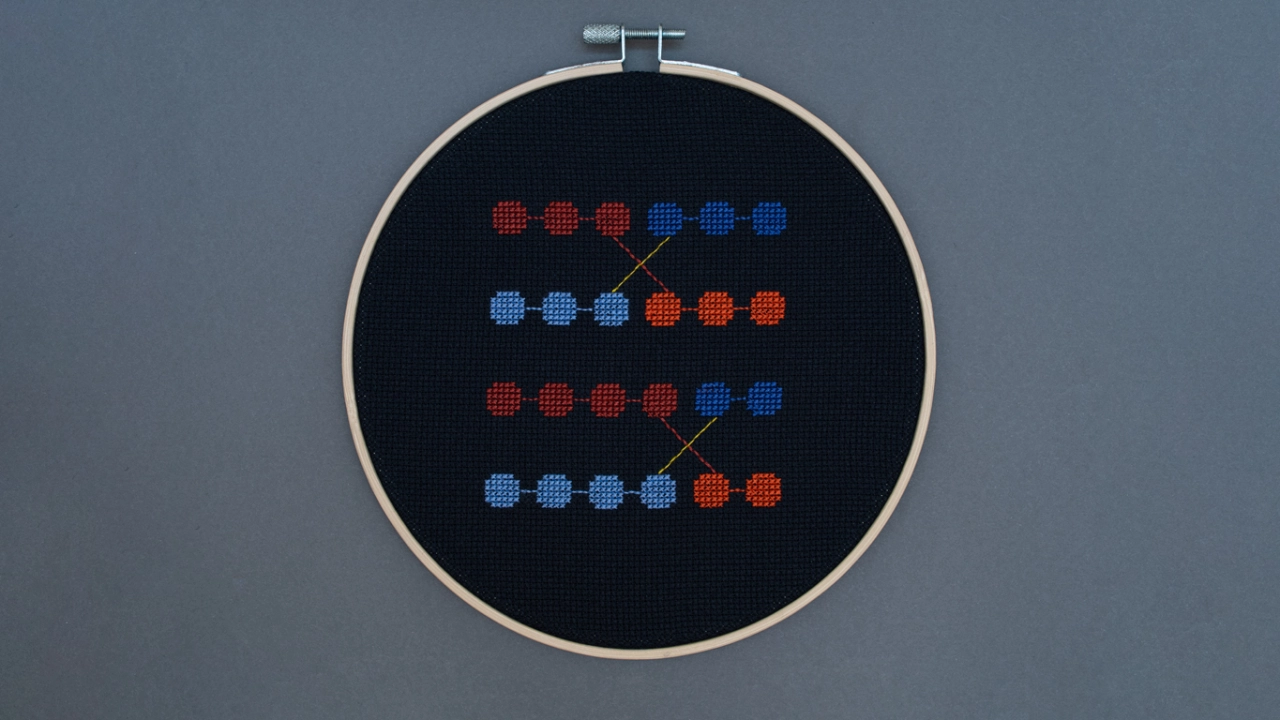
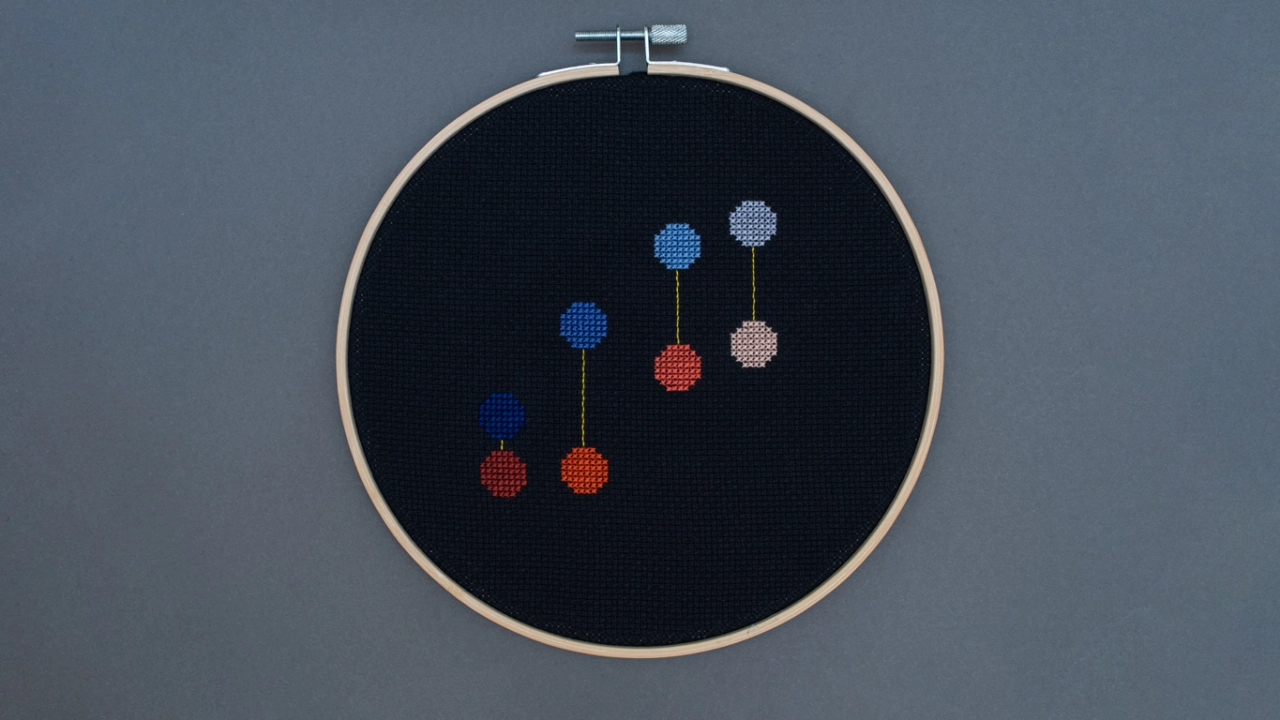
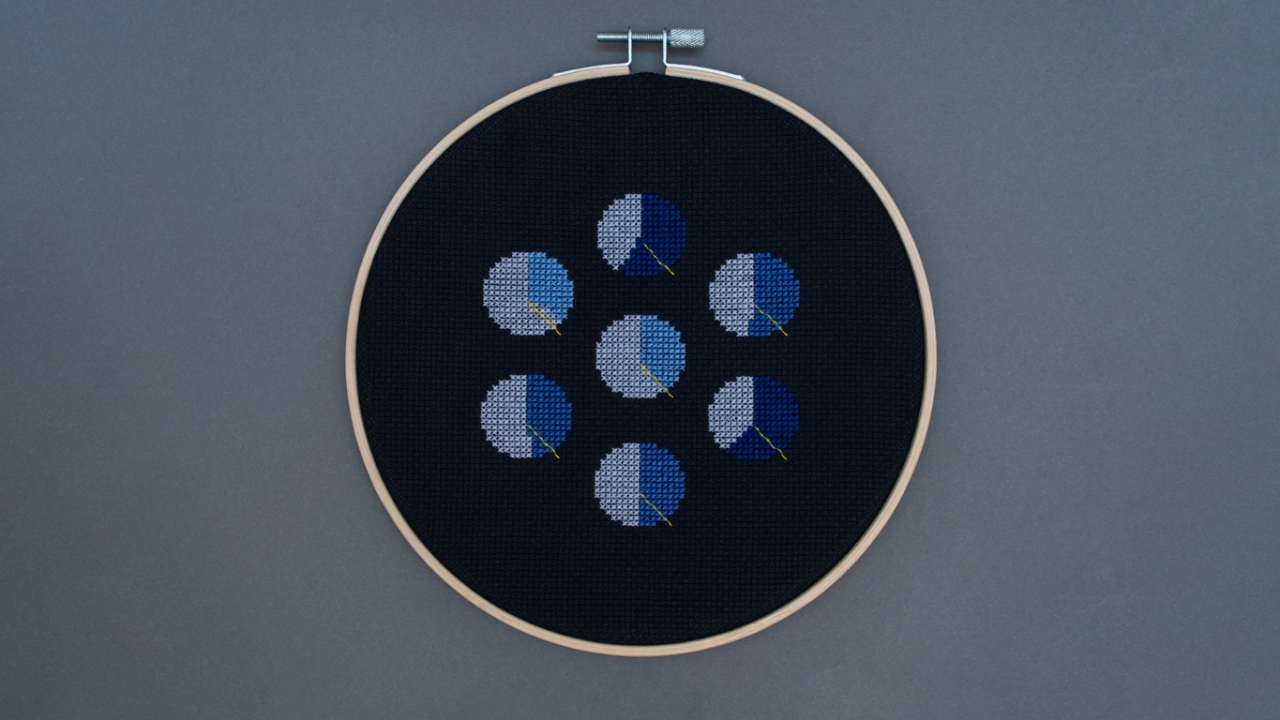
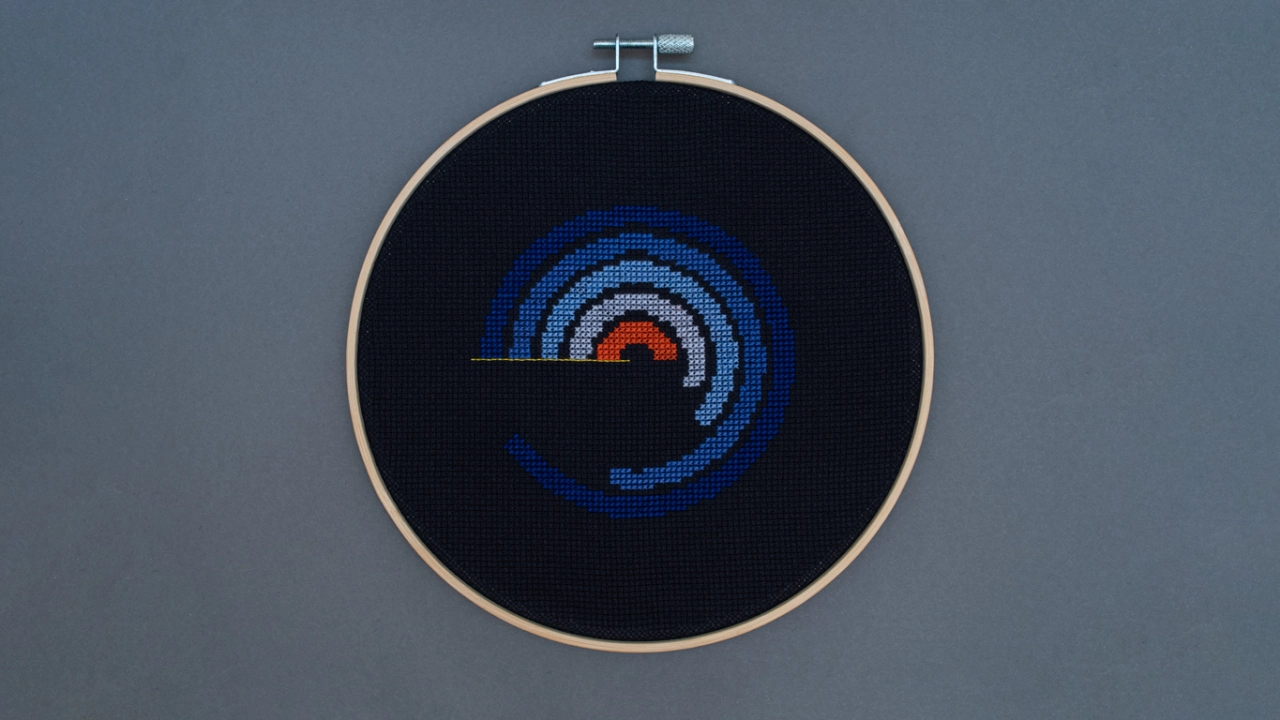
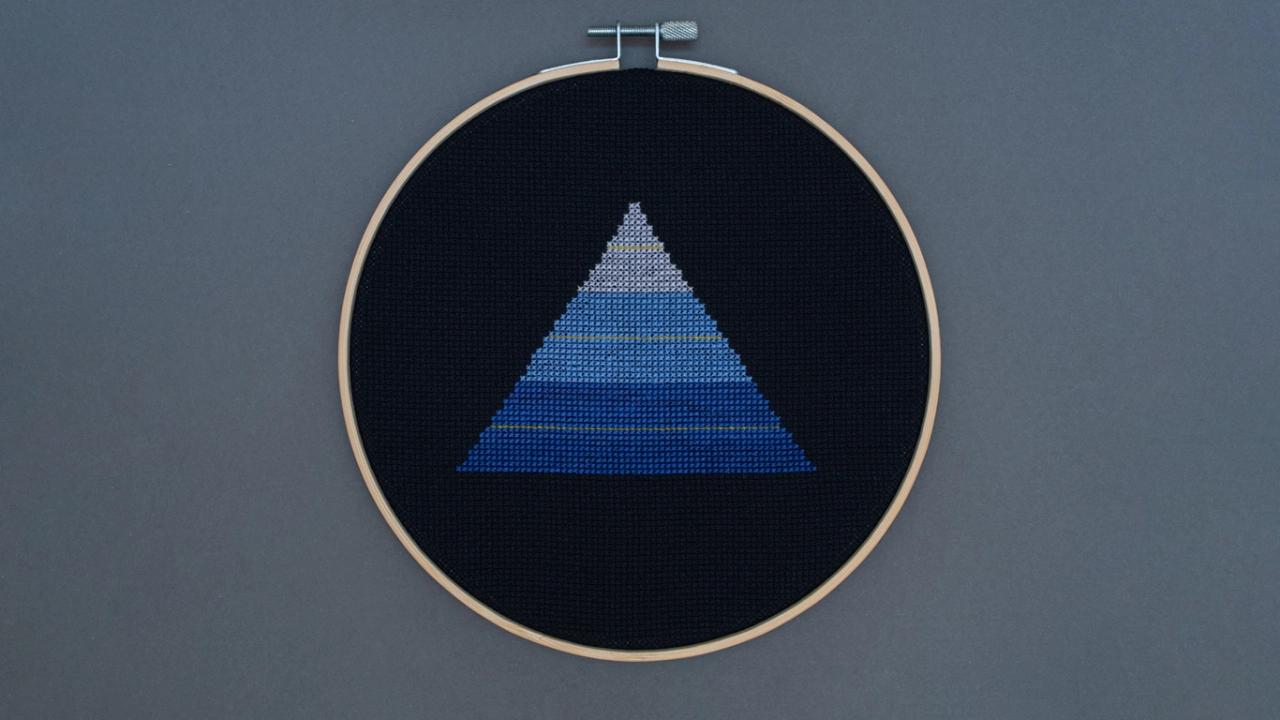
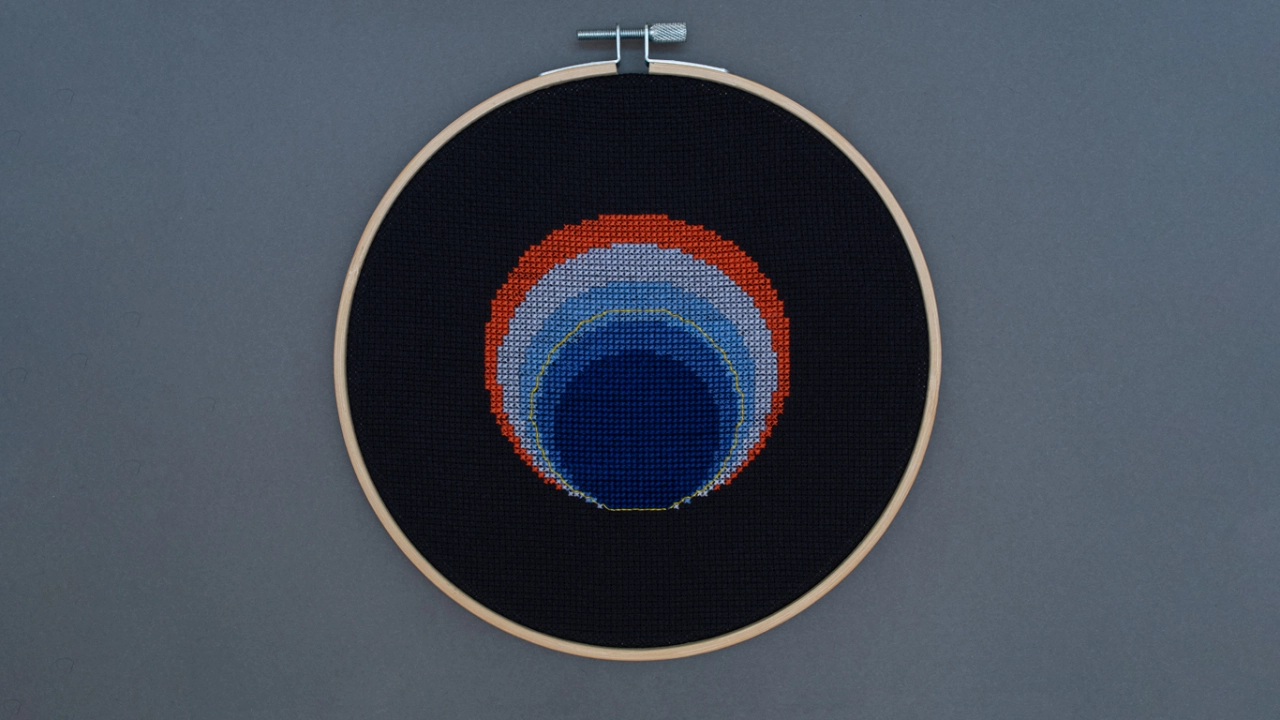
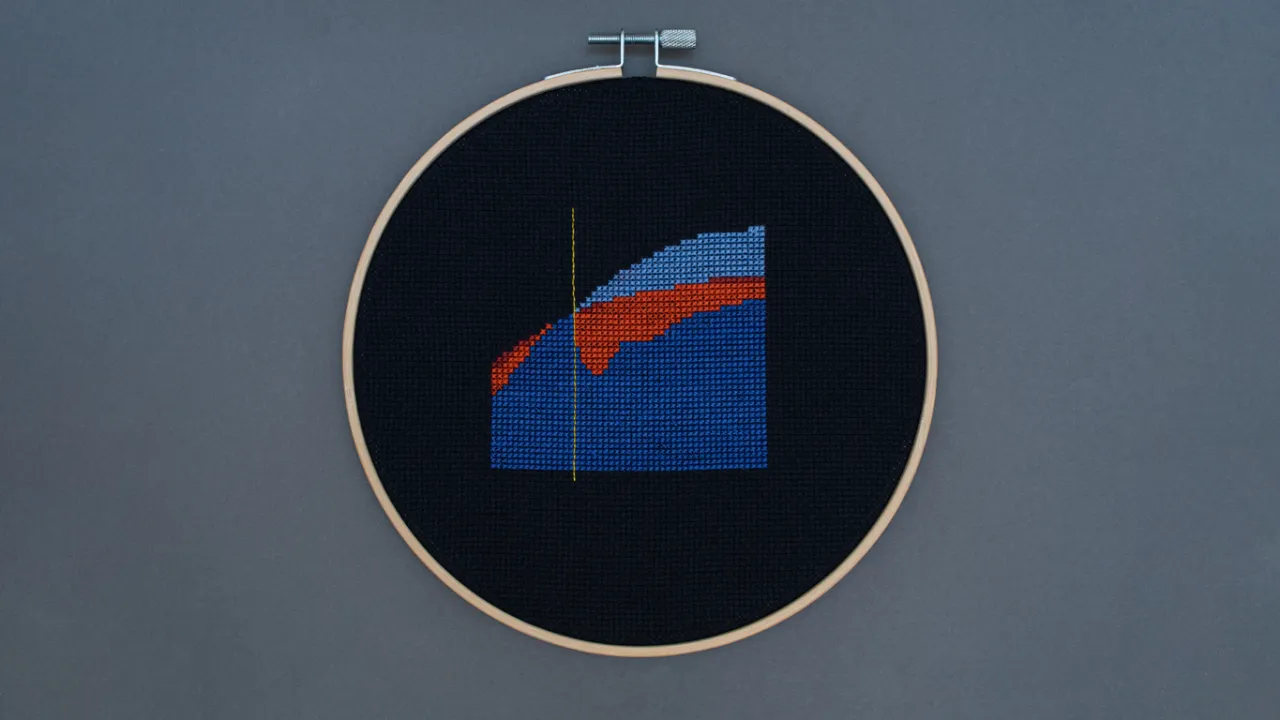
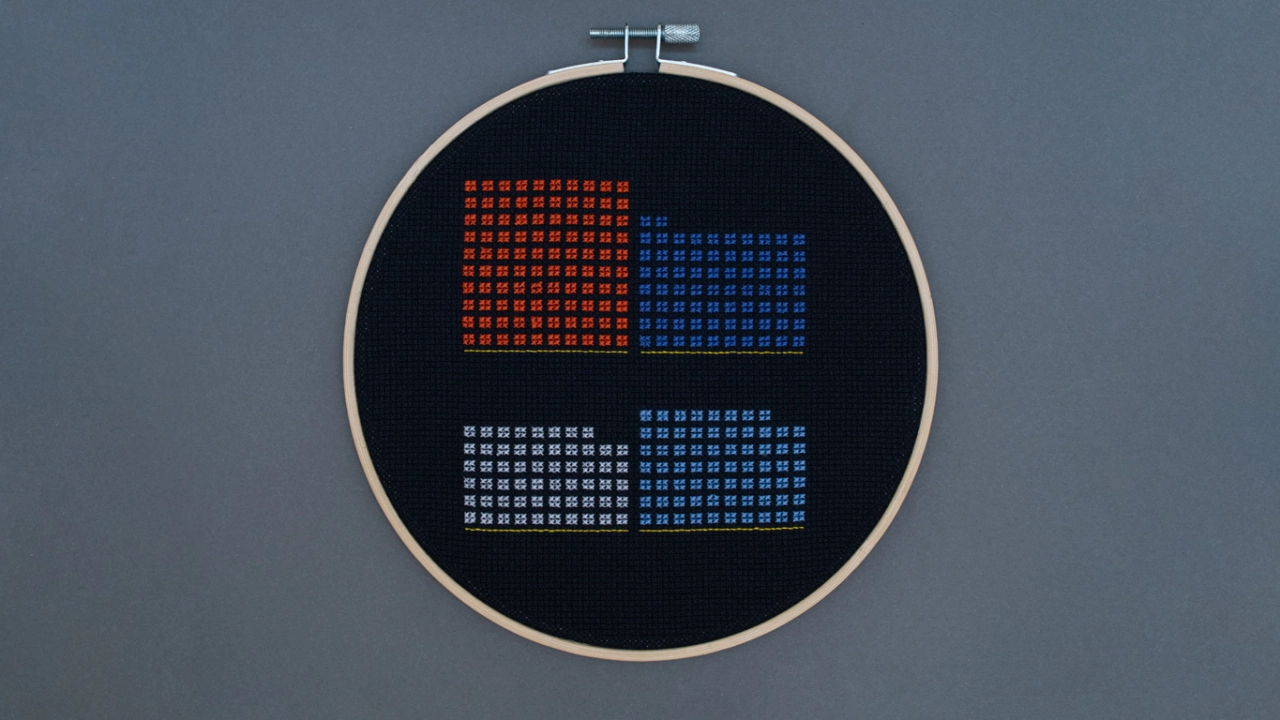
Women's Work is a new project by artist and designer Olivia Johnson that uses cross stitch to visualise data about inequality and discrimination at work.
The Portland-based creative chose the medium of cross stitch because it's "something that tends to be labelled as 'kitsch' and women's hobby craft" and so "emphasises the fact that women's labour is routinely dismissed and undervalued".
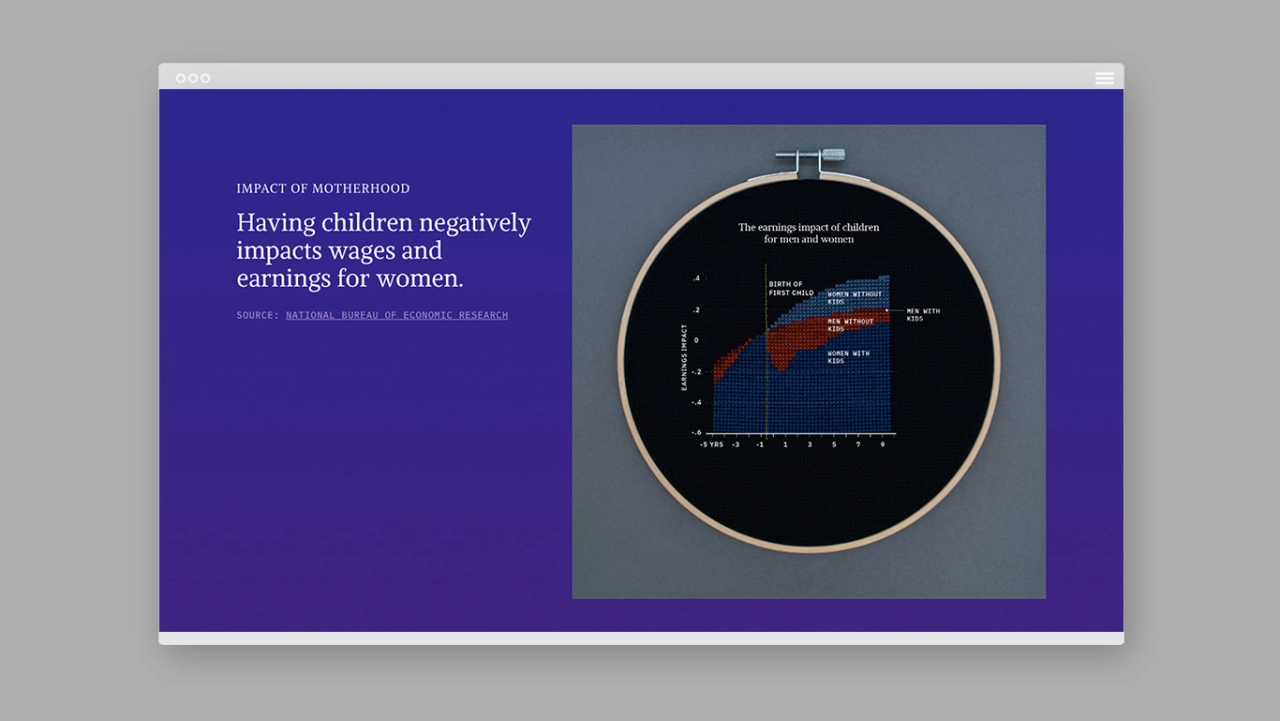
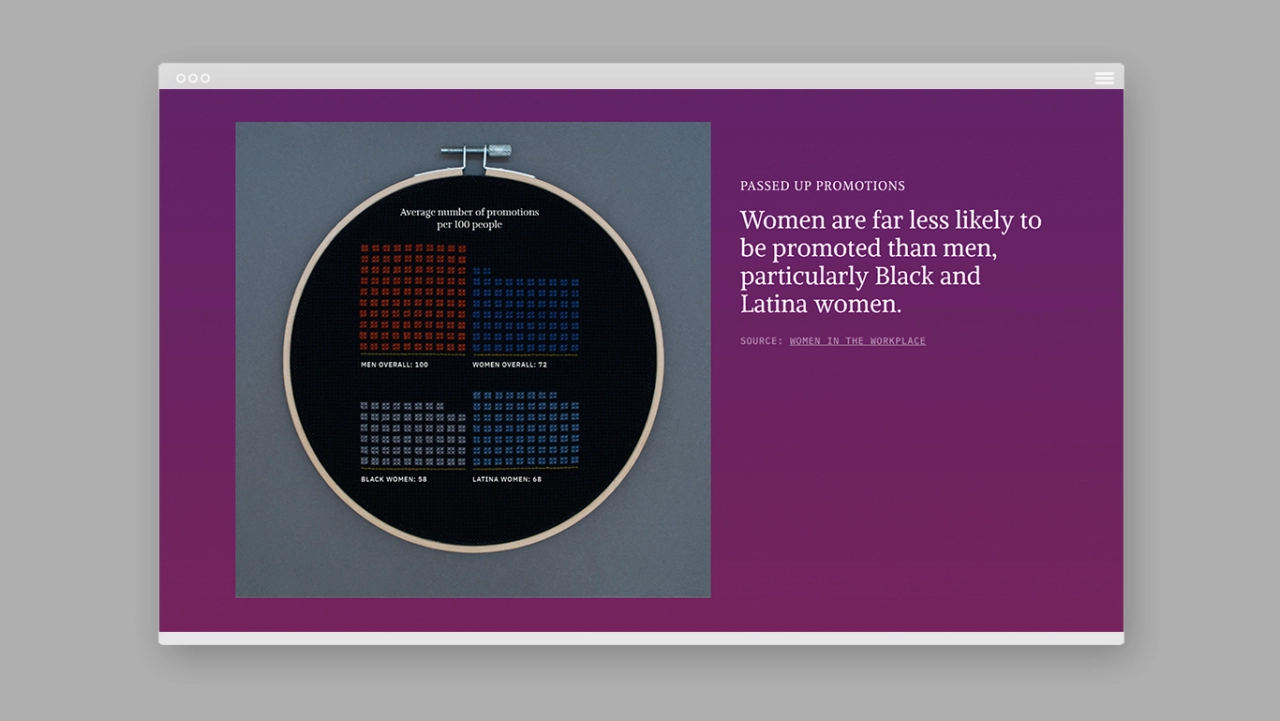
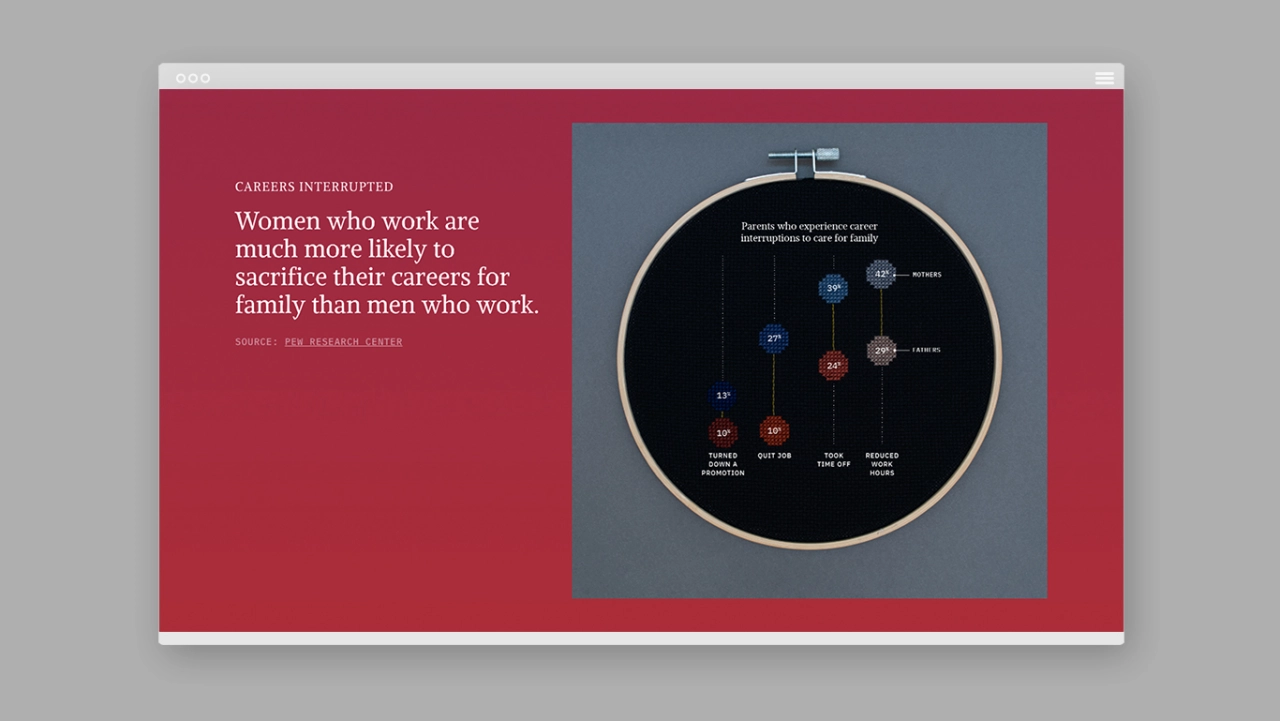
Olivia chose hard facts about women in the workplace, particularly women of colour. One such delightful piece reads, "the number of days women have to work to earn as much as white men". Others show how having children "negatively impacts on wages and earnings" and how "women are far less likely to be promoted than men, particularly black and Latino women". It's depressing stuff but that's the point; it packs a punch.
"As a woman designer in the agency world, I wanted to create work that sheds light on the fact that we still have a long way to go when it comes to gender equality in the workplace," Olivia tells Creative Boom. "And the recent protests surrounding police brutality and racism were a stark reminder that there's even more of a disparity among BIPOC women, as shown in the data.
"Cross stitch was a hobby I picked up during quarantine, and I felt that using the medium to visualise data added an extra layer of meaning. Cross stitch and other forms of art that are traditionally thought of as 'women's work' are typically not taken seriously in the art world and I thought that the reputation of the medium only emphasised what the data reveals."
Of course, data is nothing new to Olivia, as it often forms the basis of her graphic design and digital work that aims to make a positive social impact on society. She has been featured in leading magazines such as Print and Brand New, and she's exhibited at Greater Good: Social Design Invitational, AIGA Boston's New Voices Unique Visions, and the Shenzhen International Design Festival. Olivia is currently a designer at Instrument.

Editor's Picks



Trending

Latest Jobs
Head of Production at Art&Graft
Full-time·London·£80,000 – £95,000
Design Director at Koto
Full-time·London·£72,000 – £90,000
Senior Technical SEO Specialist at VML/WPP Enterprise Solutions
Full-time·Amsterdam·€80,000 – €95,000
Senior Producer, Marcom at Code and Theory
Full-time·New York·$100,000 – $130,000
Head of Design at Engage
Full-time·Leeds·£55,000 – £65,000
Staff Brand Designer at Mercury
Full-time·San Francisco·$189,400 – $236,700