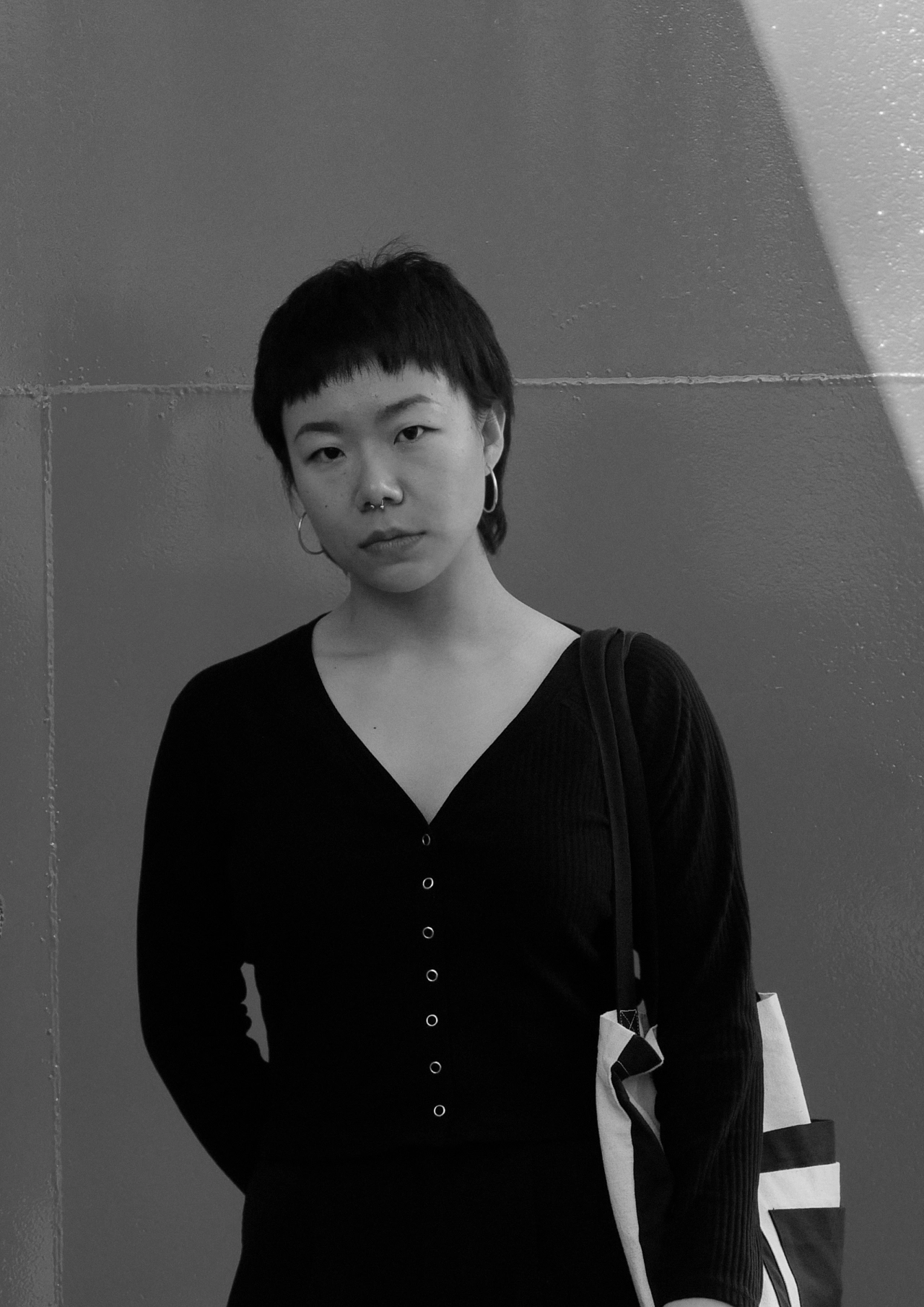
Meet Zahari Dimitrov, the designer helping Bulgaria's cultural organisations build a future – and an archive
Through thoughtful identities, publications and digital platforms, Zahari is helping cultural organisations document themselves for future generations.
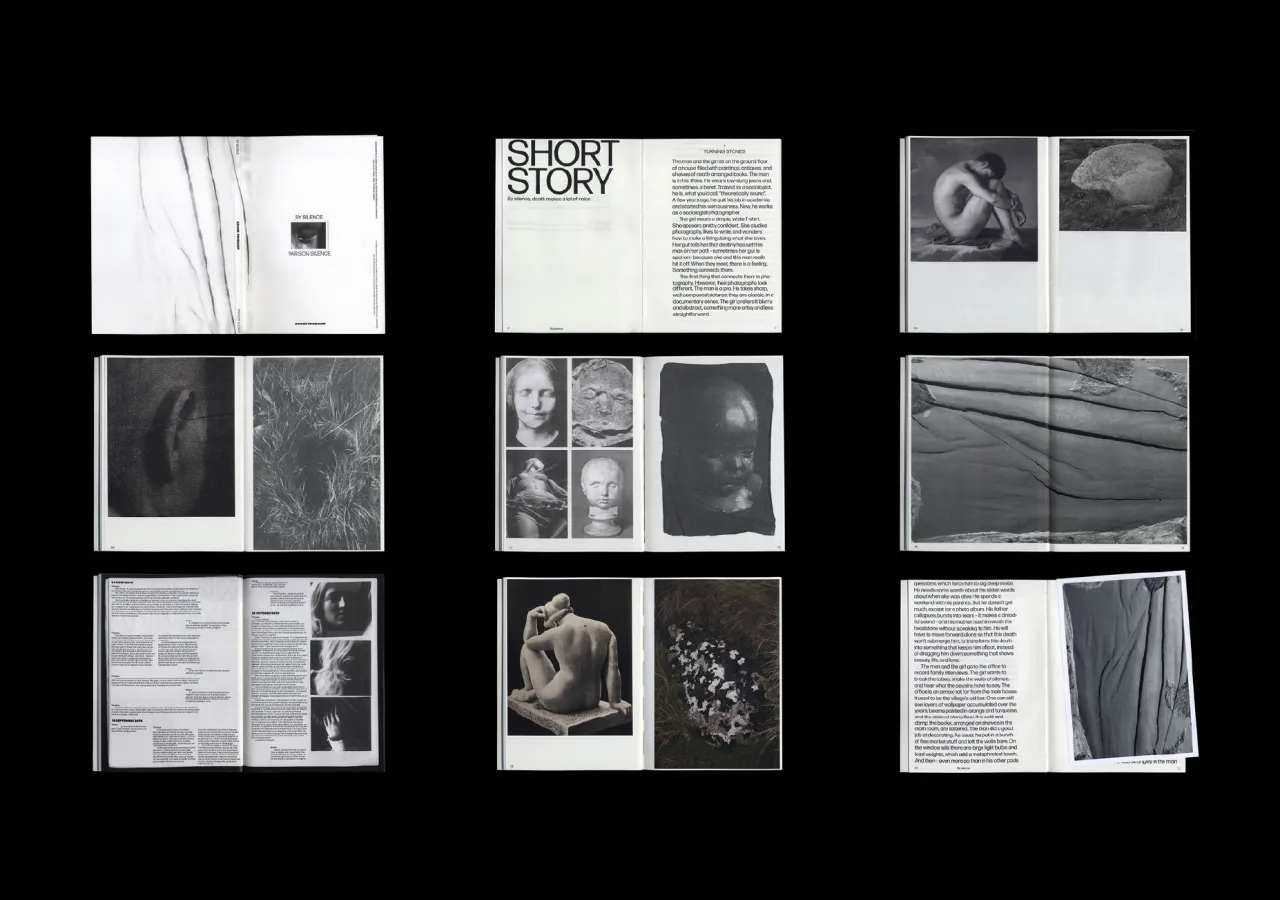
Growing up between Sofia, London and Los Angeles, and arriving in new countries without full command of the language, Zahari Dimitrov developed a way of reading spaces: how they were organised, what they were communicating and who they were for. "That instinct came before any formal education," he says, "and it's still at the core of how I approach a brief."
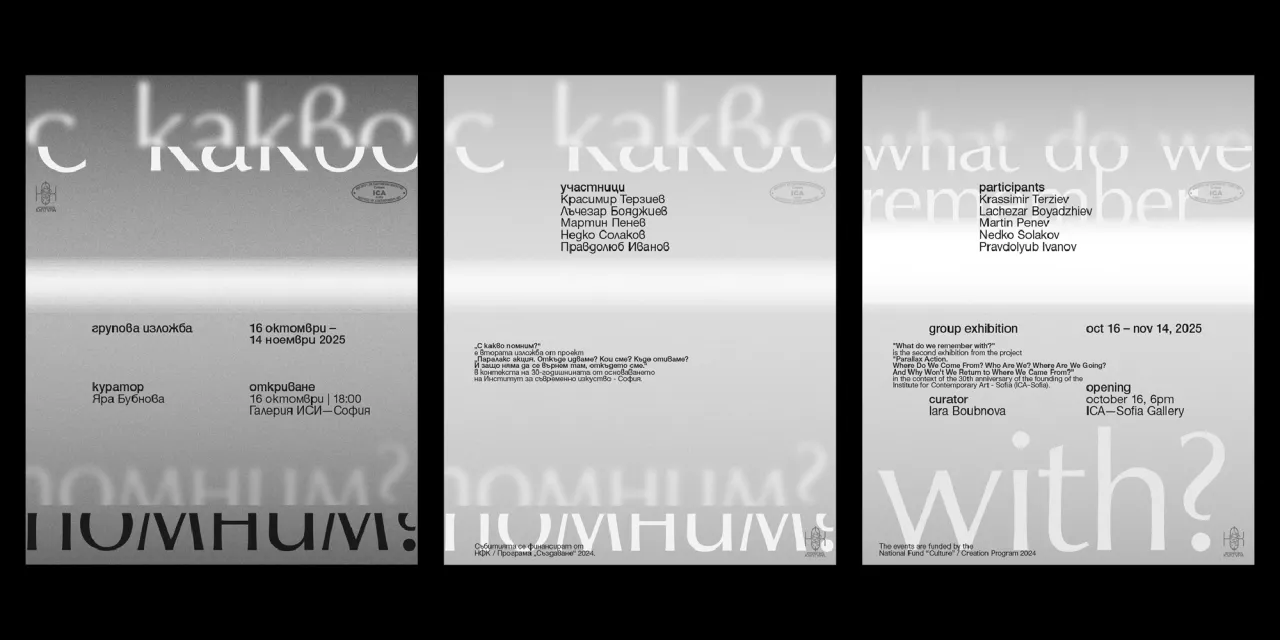
From there, he studied at the Royal Academy of Art in The Hague (KABK). He graduated in 2020 and returned to Sofia, where he found a cultural sector doing serious, ambitious work with almost nothing to back it up – no websites, no publications, and no accessible archives. "I kept noticing a design gap," he says. "Nobody to build the infrastructure that makes cultural work legible beyond its immediate audience."
Zahari's clients are predominantly cultural organisations such as festivals, galleries and institutions, and the process for each revolves around collaboration and future planning. "I always ask myself: in what way will this exist in one year or five years? Will it still hold value?" Budget and material constraints in Bulgaria are constant and real. "Organisations with serious ambitions and very little funding, platforms that need to be maintainable by a two-person team after you hand them over. Those constraints force decisions that a more open brief doesn't. A beautiful system that collapses six months later isn't a design success. Thinking about what's actually sustainable is as much a part of my process as any visual decision."
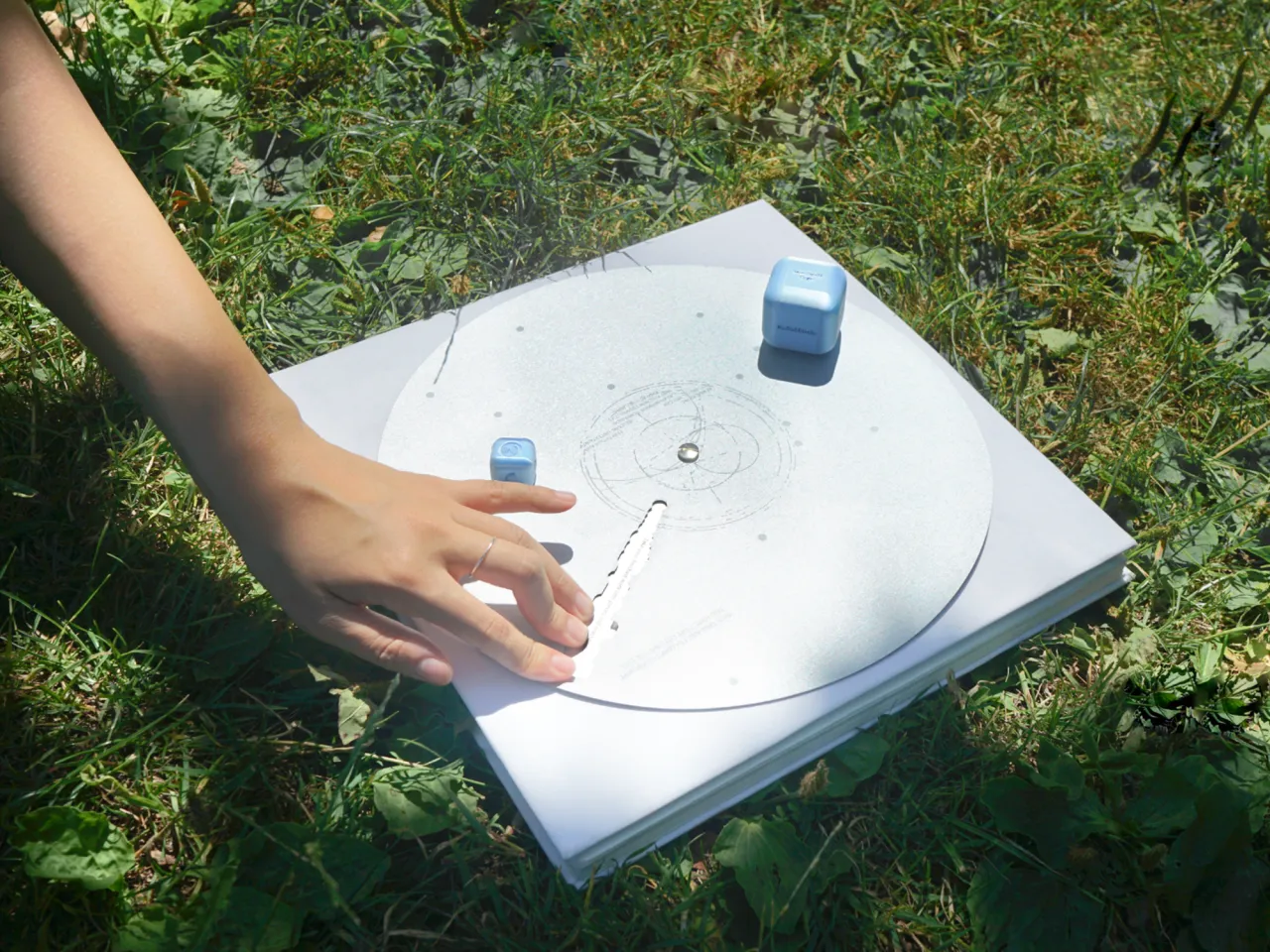
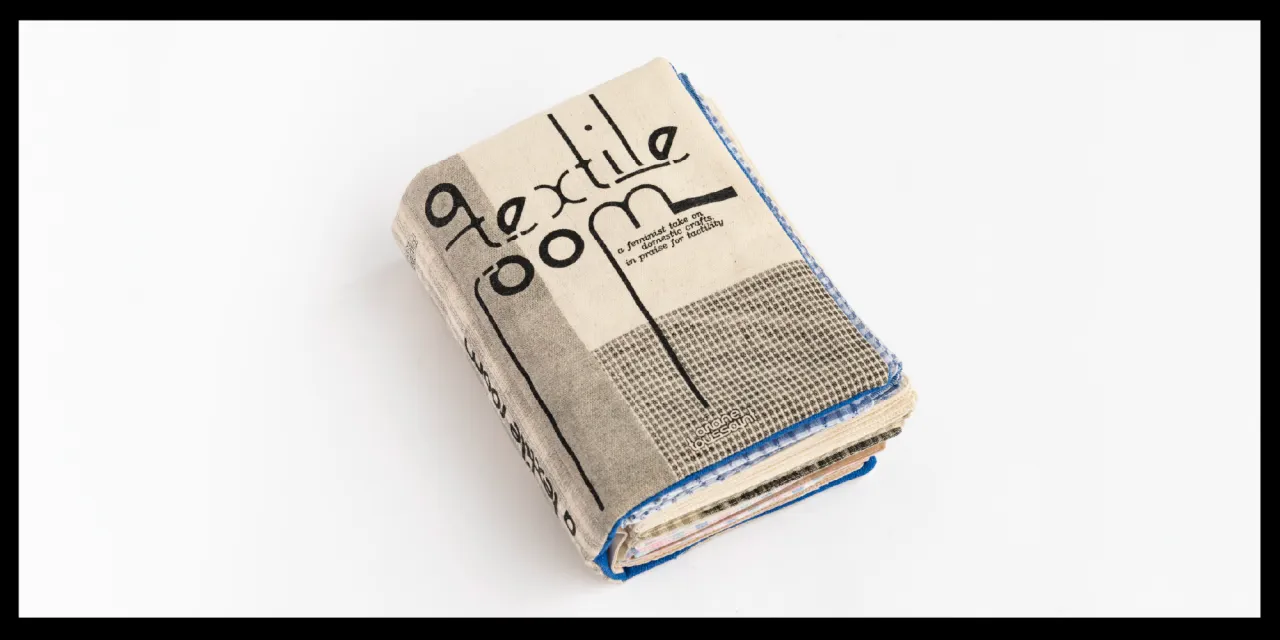
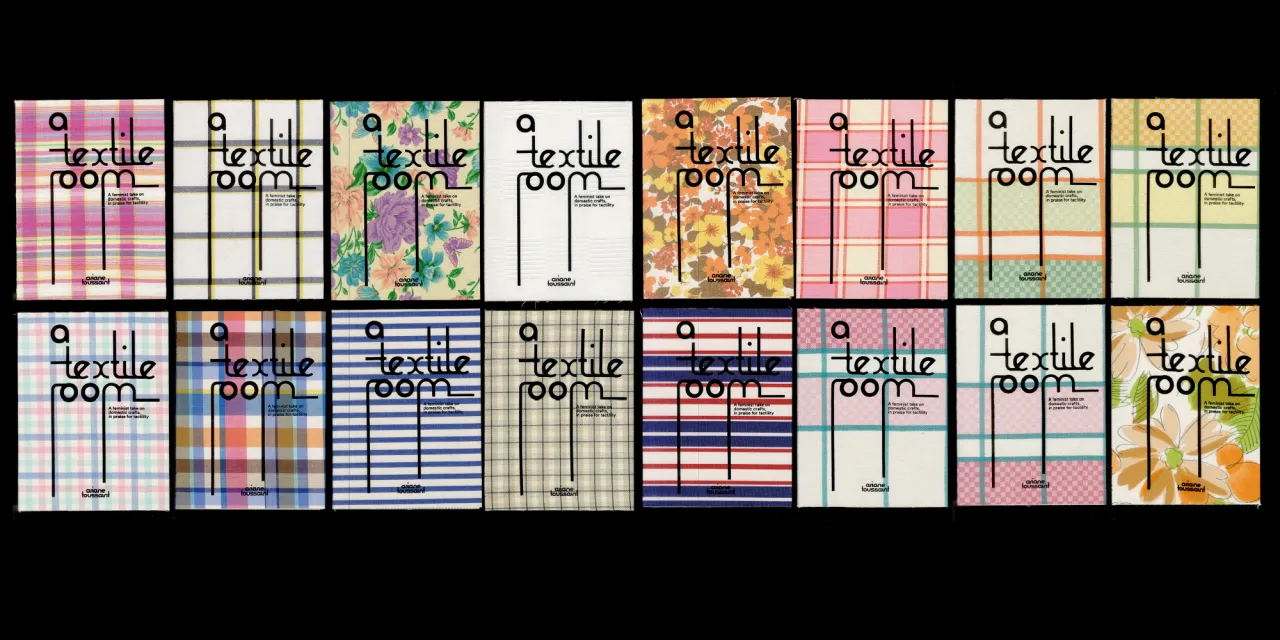
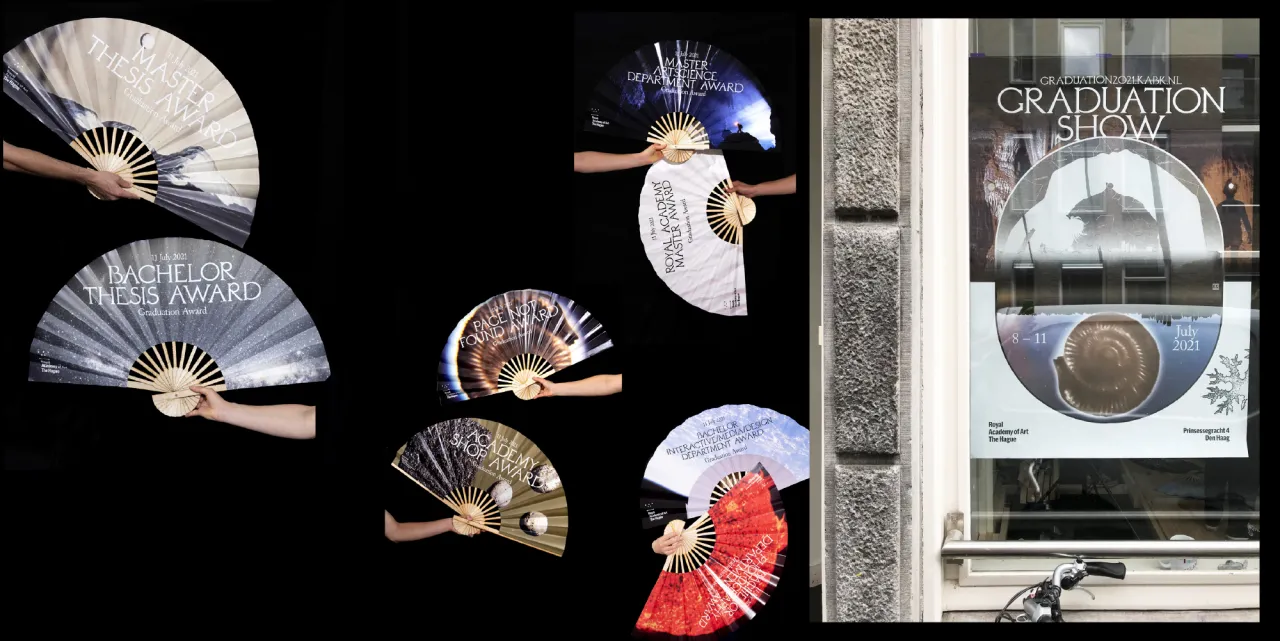
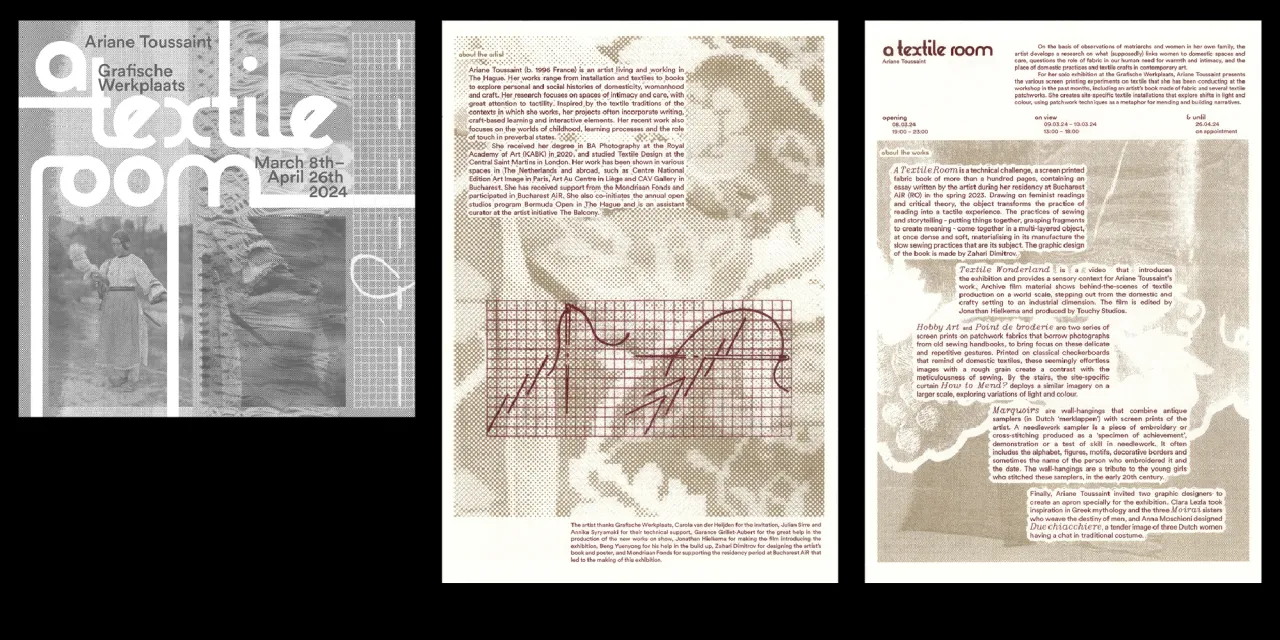
Recently, Zahari has worked on an ongoing collaboration with visual artist Ariane Toussaint, which began when both were graduating from KABK and produced the visual campaign for the 2021 graduation show. Since then, the collaboration has evolved into a textile book emerging from Ariane's residency in Bucharest, a hand-sewn and silkscreened publication exploring the links between textile craft, womanhood and domesticity. "Every editorial decision had to take the physical making process into account," Zahari explains. The book's cover feels knotted and textile-like, while the interior is layered with archival photographs, research and text in both French and English. "It's a favourite because the form and content are inseparable, and because it came out of a sustained dialogue between two practices rather than a single authorial vision."
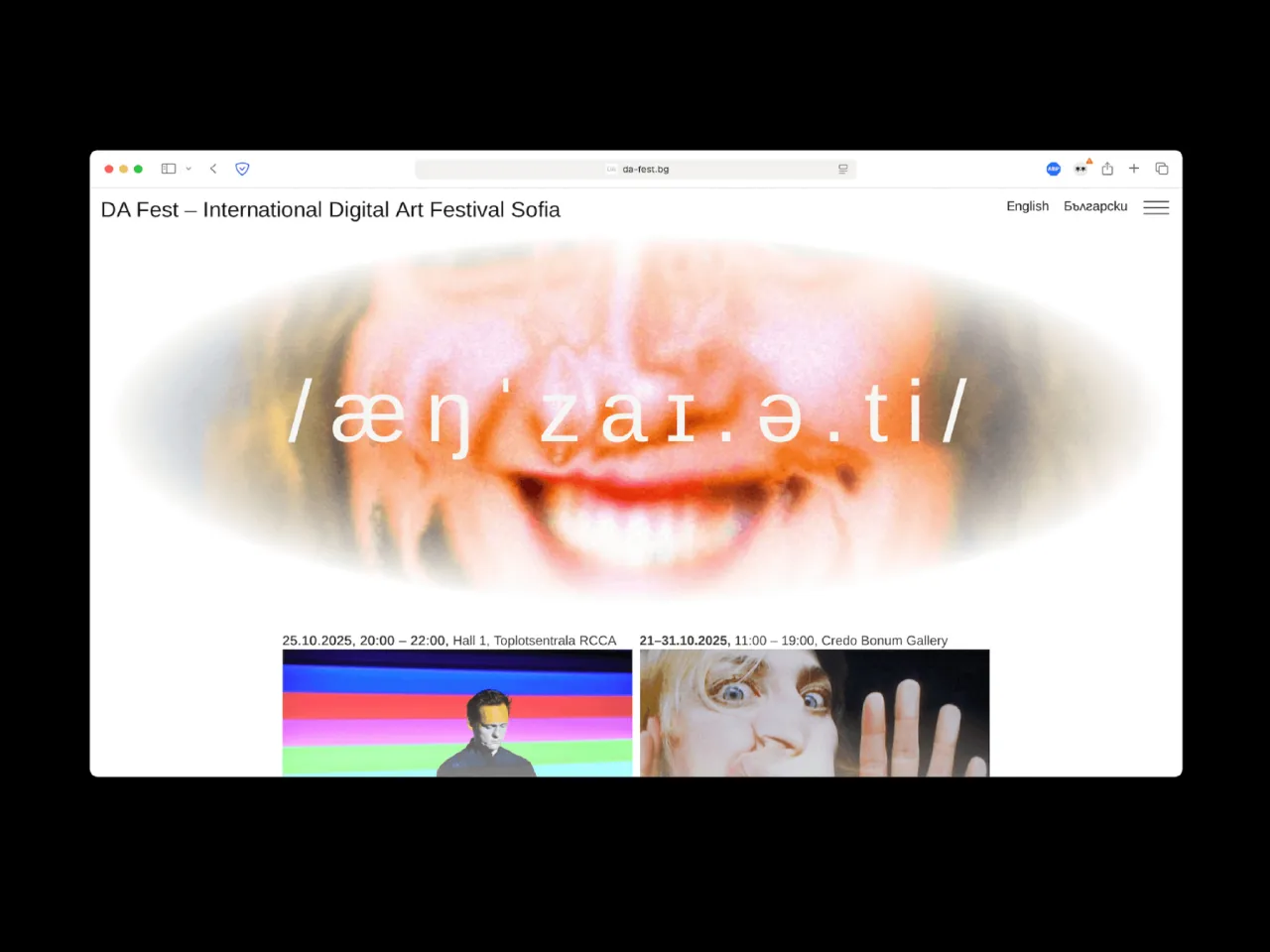
Another project is the redesign of the website for the International Digital Art Festival Sofia. The brief came from the idea that visual identities and online presences in Bulgarian cultural institutions are often stuck a decade behind the actual quality of the work. "A lot of cultural organisations in Sofia are doing genuinely ambitious work, but their public presence doesn't reflect it," he says. "Archives disappear after events end, and important projects leave behind almost no accessible documentation." The DA Fest site was built to be navigable, maintainable and capable of functioning as a long-term archive.
This sparks a few questions for Zahari: "What does it mean to build cultural memory when the institution that should be doing it either doesn't yet exist or can't be trusted to persist? What forms can design take when it has to construct memory outside institutional frameworks?" He says, "The legacy of socialism in Bulgarian design culture is also something I keep thinking about. Although very distant at this point, it created a particular relationship to state institutions, collective identity and public communication that is fundamentally different from Western European or American design histories. That history is unresolved and still being negotiated: what to do with the visual language of that era, how to document it, how to build new institutions that don't simply replicate old dependencies," Zahari says.
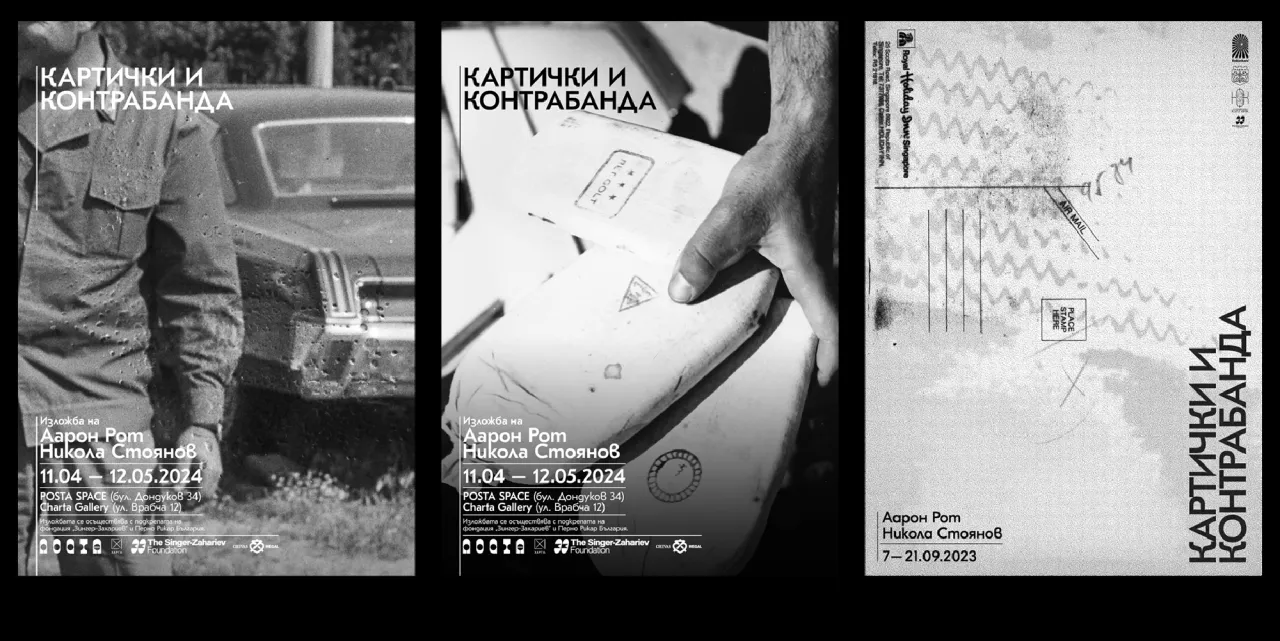
This autumn, he begins an MFA in Graphic Design at Yale School of Art, supported by the Fulbright Bulgarian Leaders Grant. The questions he wants to pursue there are the same ones already driving his practice. After that, he will start an independent design and publishing practice in Sofia, combining commissioned work with self-initiated research and open-access workshops. Eventually, there will be a design residency in Bulgaria.
"The broader goal is to build the kind of cultural infrastructure that, in more established design communities, already exists and is taken for granted," he says, "but here has to be constructed from scratch."
Editor's Picks




Trending



Latest Jobs
Senior Creative Artworker at Forward Associates
Full-time·London·£30,000 – £40,000
Design Director at Interbrand
Full-time·New York·$120,000 – $150,000
SEO and GEO Content Strategist at Loom Digital
Full-time·Bristol·£35,000 – £37,000
Multidisciplinary Designer / Photographer at Boomkat
Full-time·Manchester·£42,000 – £48,000
eCommerce Web Designer at on/Sight
Full-time·$75,000 – $95,000
Senior Director, Strategy at Interbrand
Full-time·New York·$210,000 – $260,000