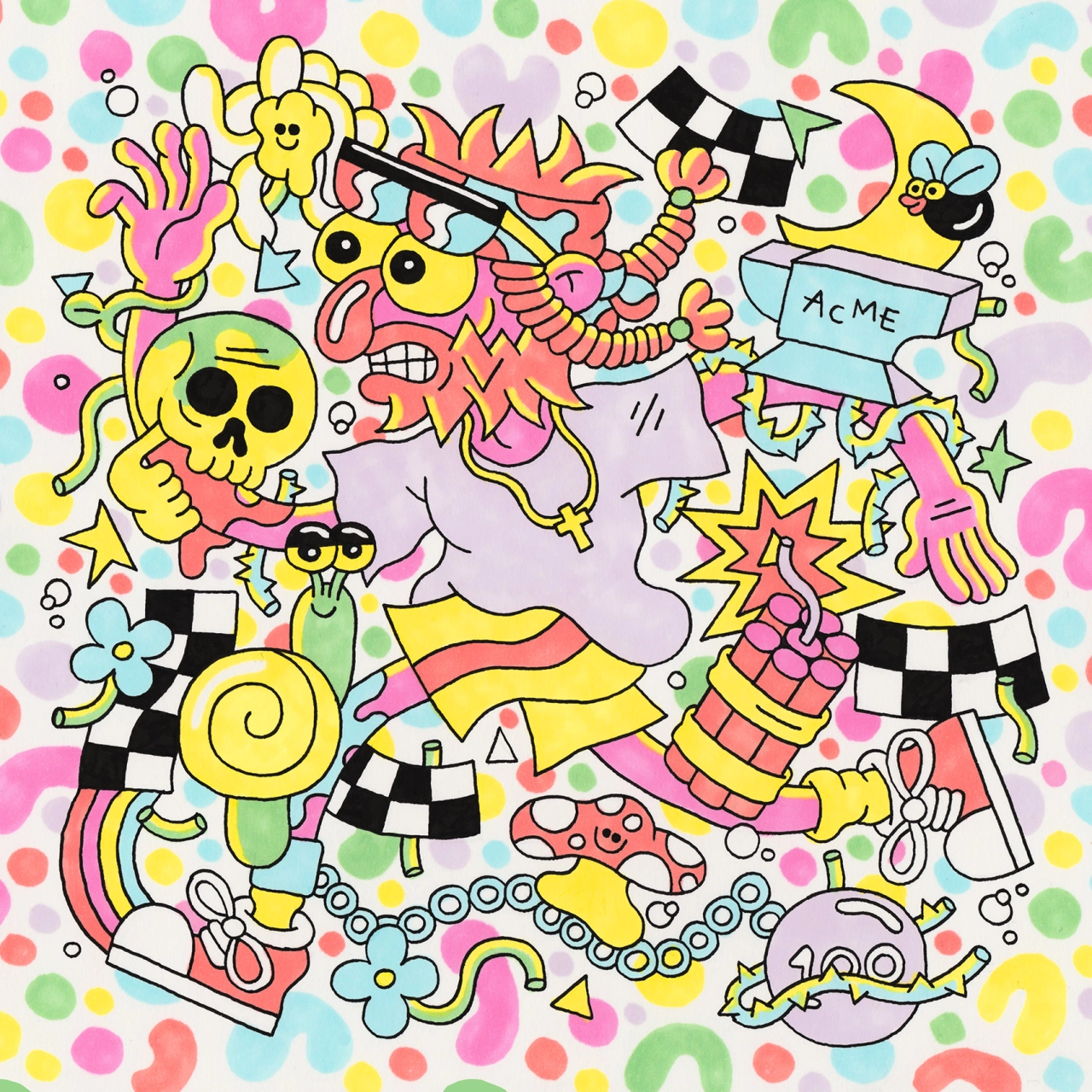
Grant Gasser toys with AI technology to create digital collages reminiscent of the noughties
Artworks reminiscent of the early 2000s – and more specifically, the tech used to create them – have been making somewhat of a revival recently. Pixels, primary colours and gifs flashing in Y2K Pantone; the thirst for noughties nostalgia has been largely welcomed by many, especially in the latest project from designer Grant Gasser.
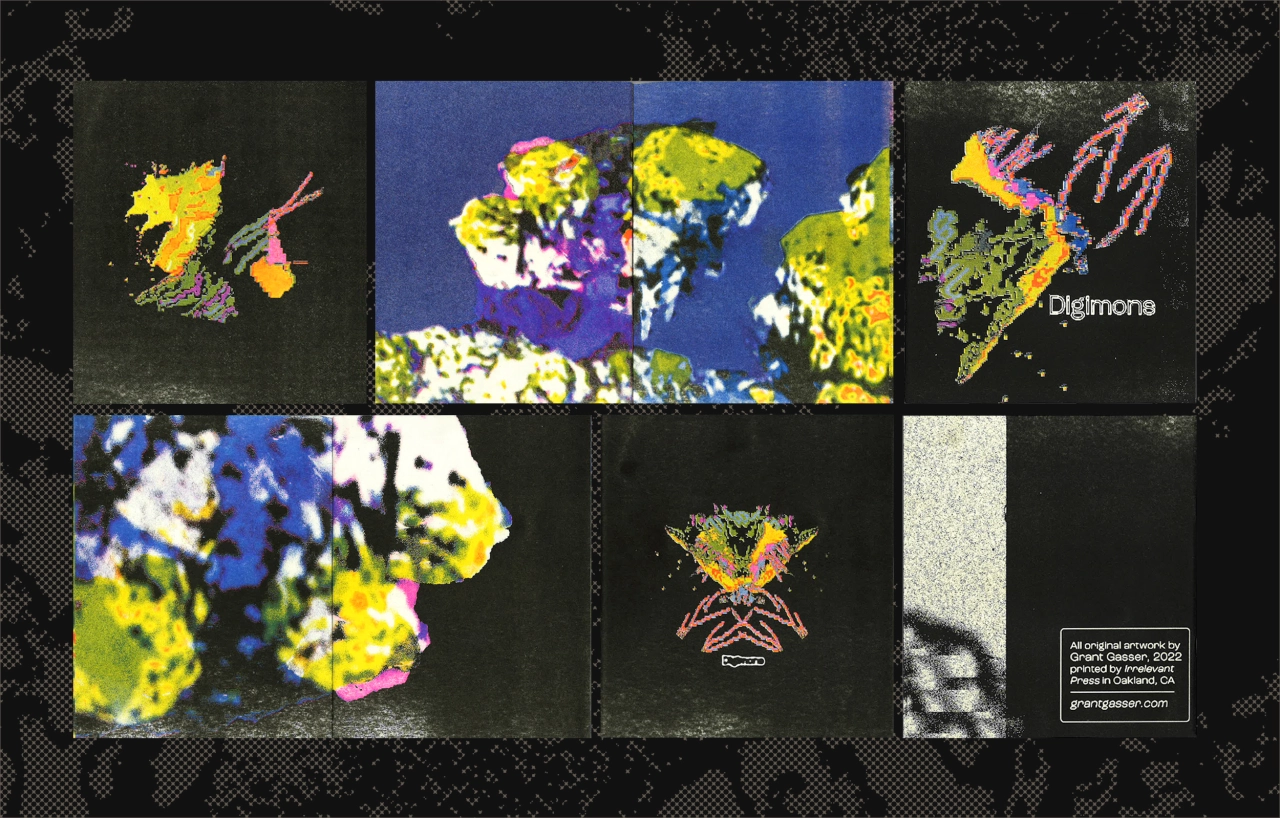
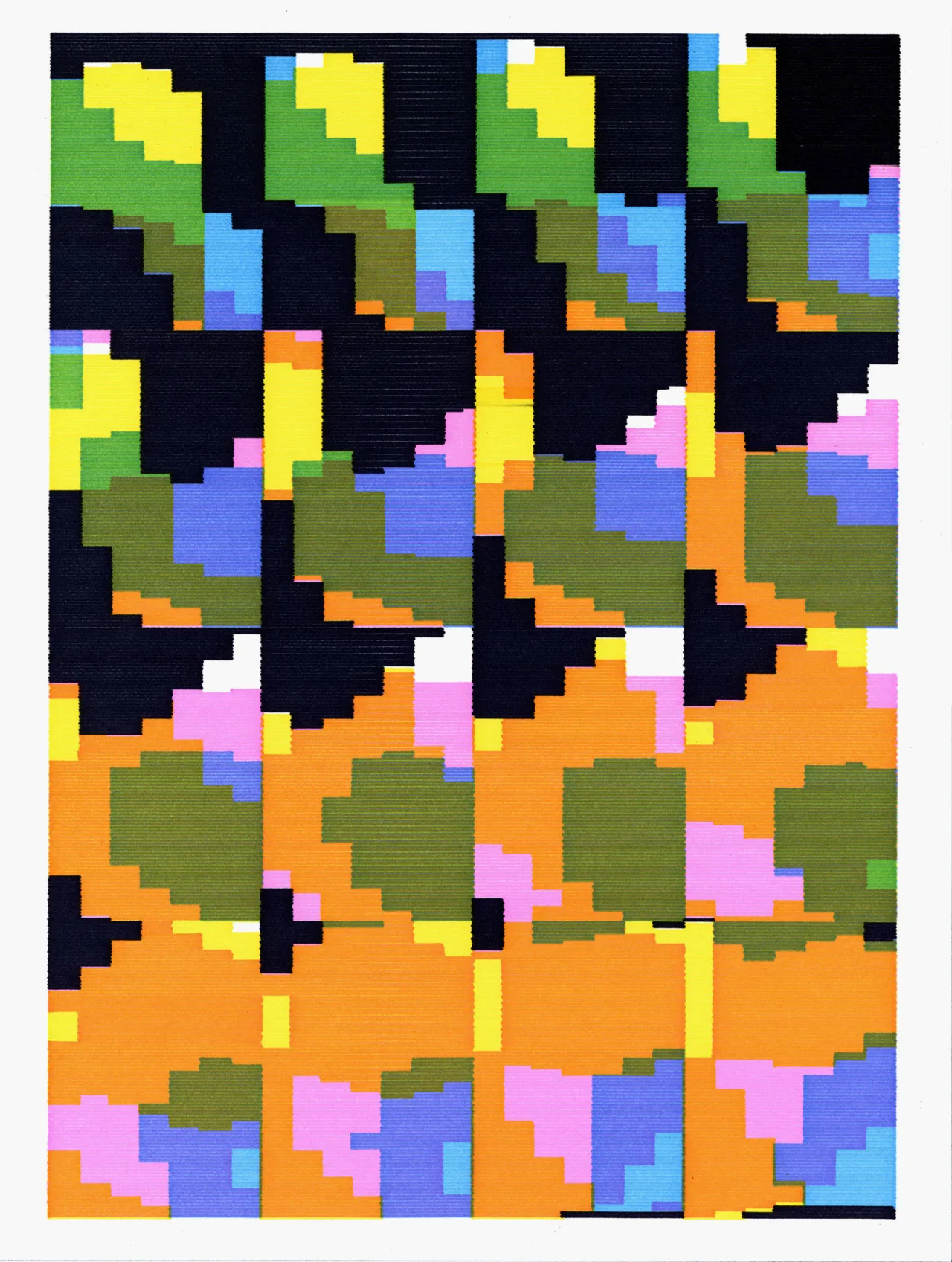
Titled Books, Grant has made a collection of drawings from his experiments with digital collage in Photoshop. The idea arose while toying with different mediums. "Once I find something that inspires me, I try to create a series of other images that fit together with that original one," he says.
Built entirely in Photoshop, Grant has landed on a process that involves altering old images he'd made previously. Tools such as the content-aware feature – an AI technology that selects and blends pixels – is his ultimate device, which he says helps remove unwanted elements or fill in missing parts.
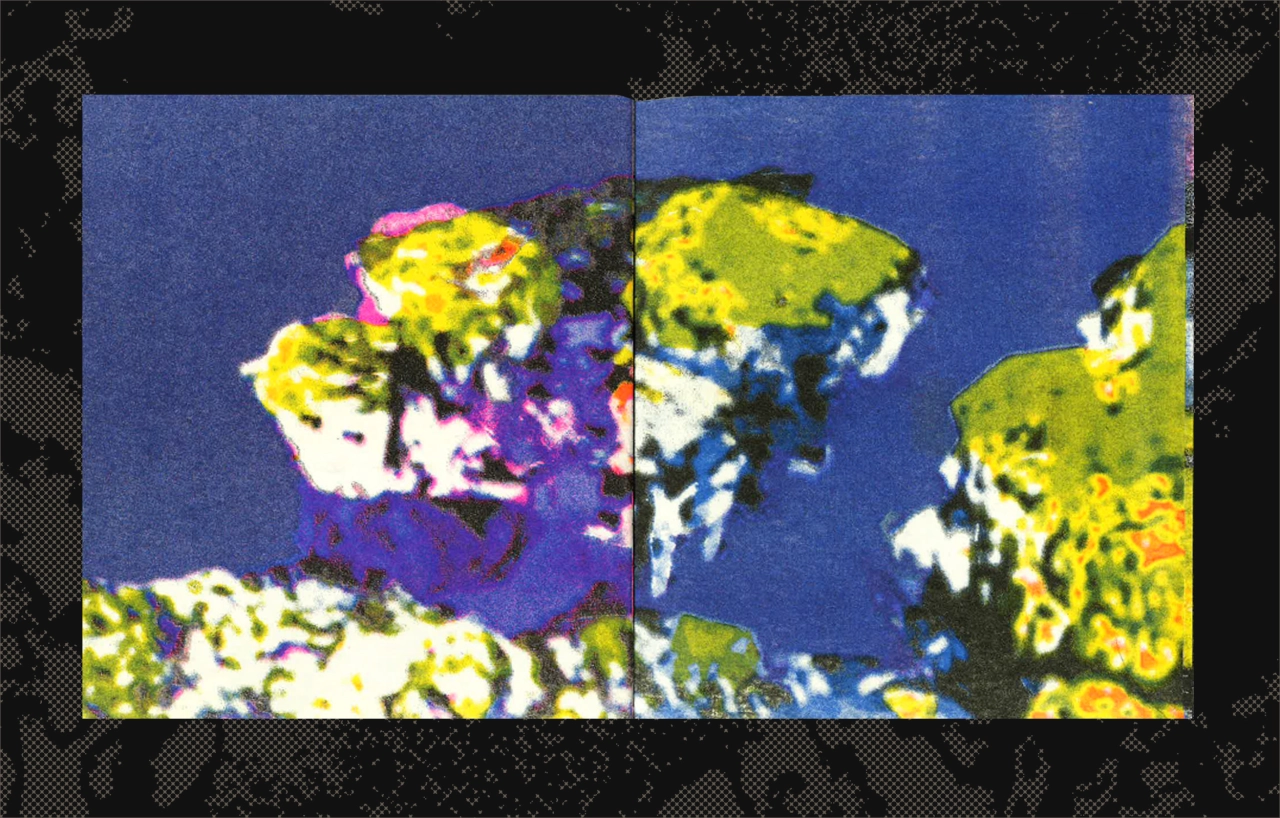
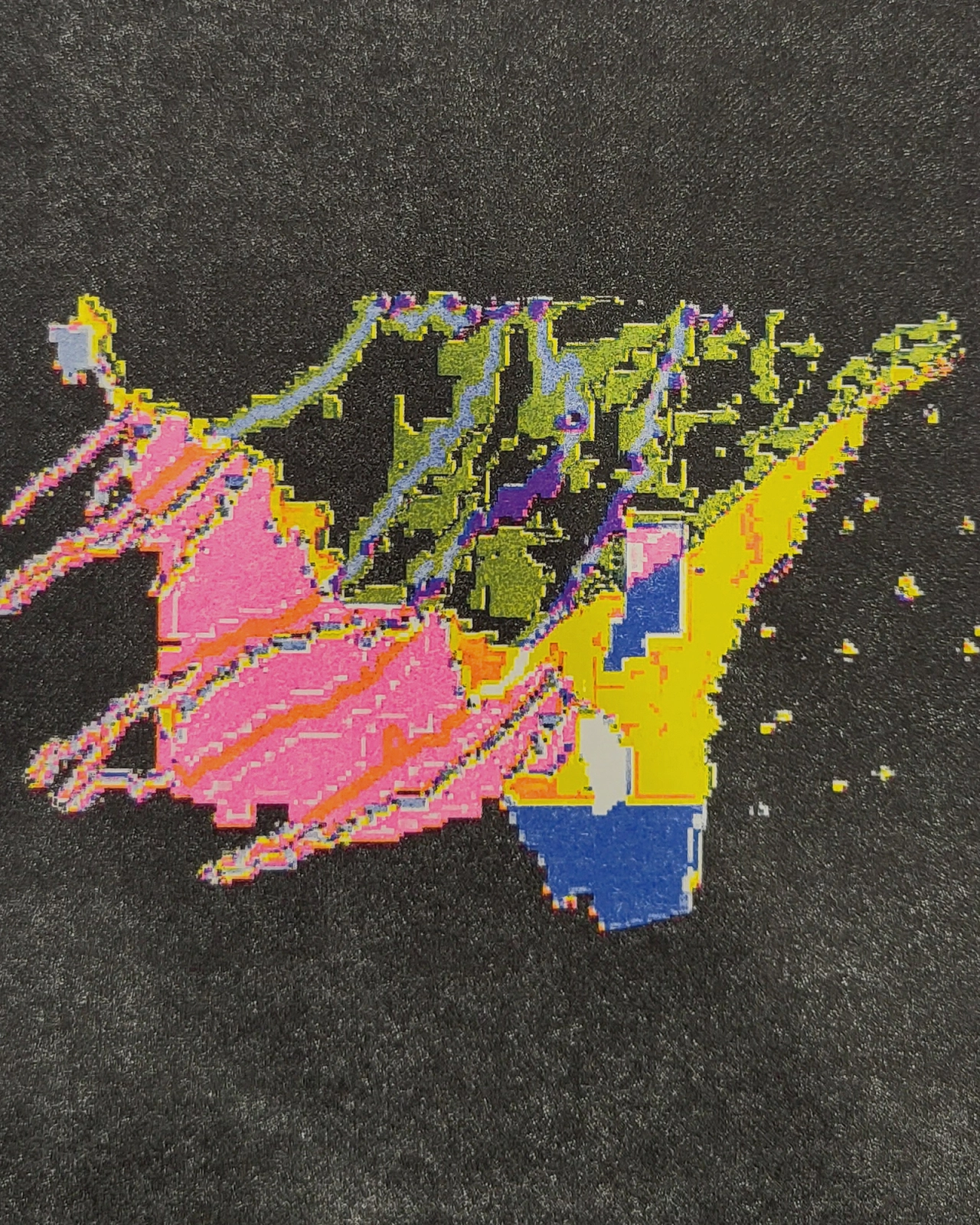
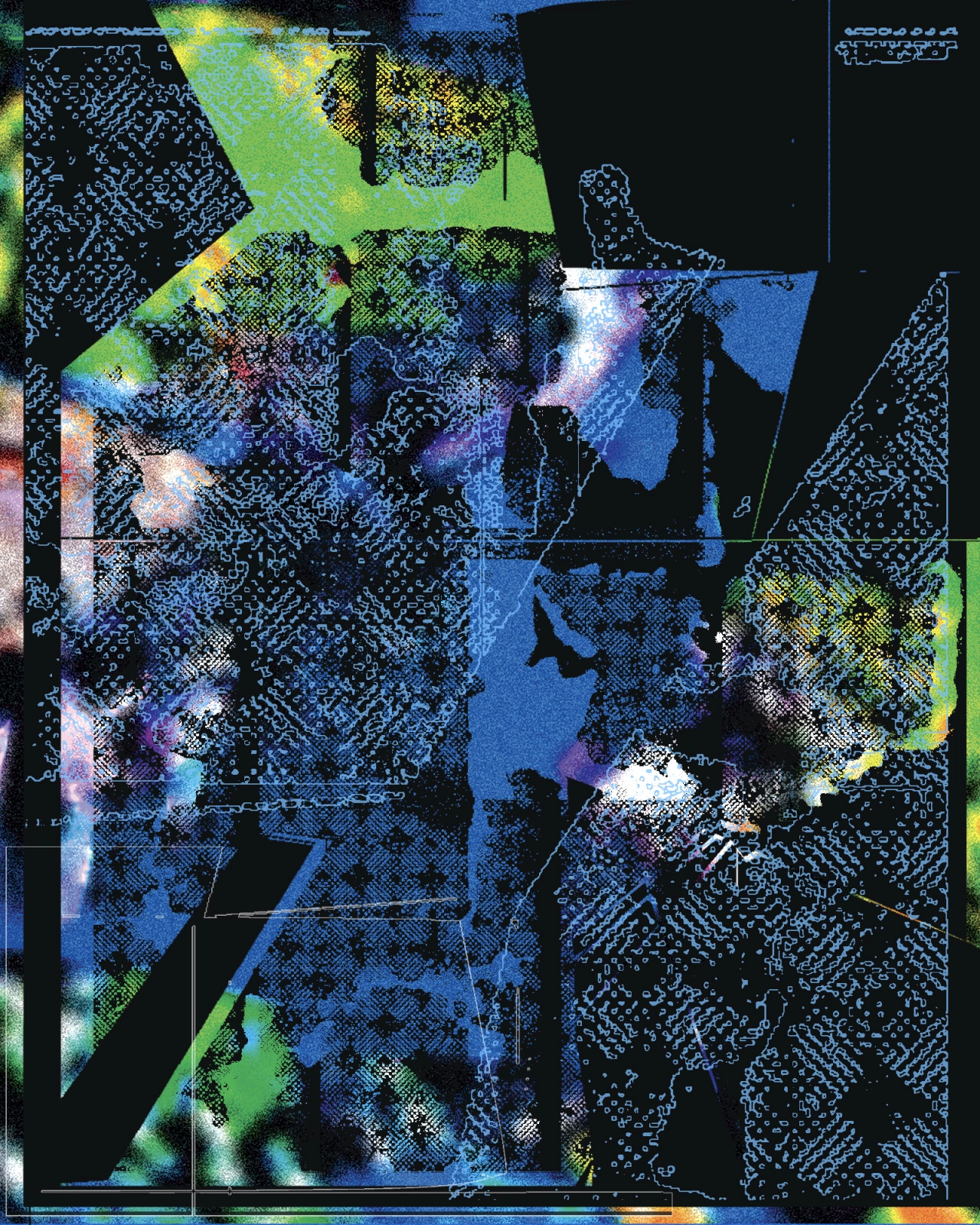
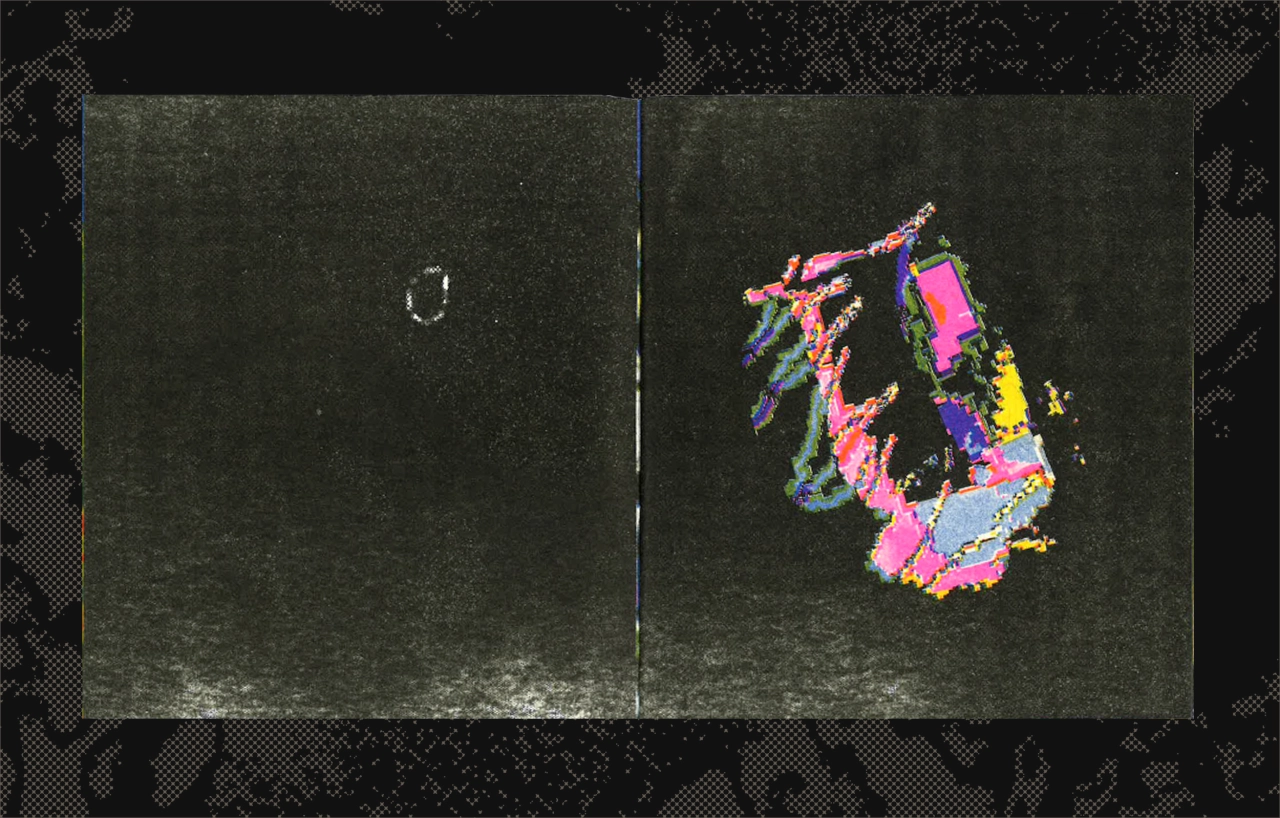
"I was deleting sections and creating new patterns in their faces," he explains. Once he's devised multiple versions, he pieces everything together and arranges these elements into a pastiche of digital wonder – or what he describes as "iconographic digital collage". He adds, "This medium, like most of my preferred mediums, forces me to let go of a lot of control and see what the machine will do. Because this tool is simply algorithmic-based, it is very simple to trick, alter or affect the input, giving an unexpected outcome. I love that the output is usually unexpected and has an almost organic growth to them like moss or something."
When observing the works, you'll see familiar structures distorted in colour and form – usually the kind you can imagine hidden beneath a rock, growing tentacles or flowering on a perfectly humid day. But everything is manipulated to be almost unrecognisable, just as you'd imagine a computer getting its hands on a photograph and putting its own spin on it.
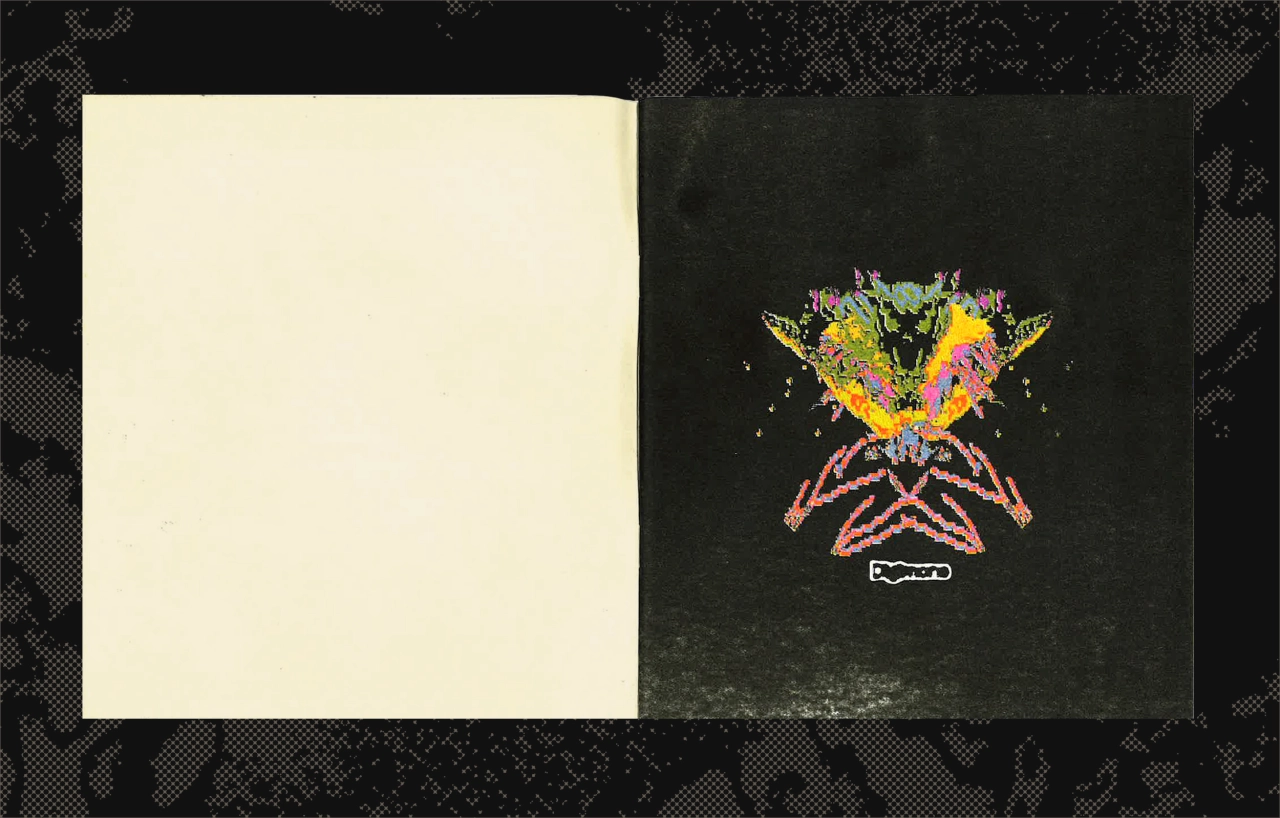
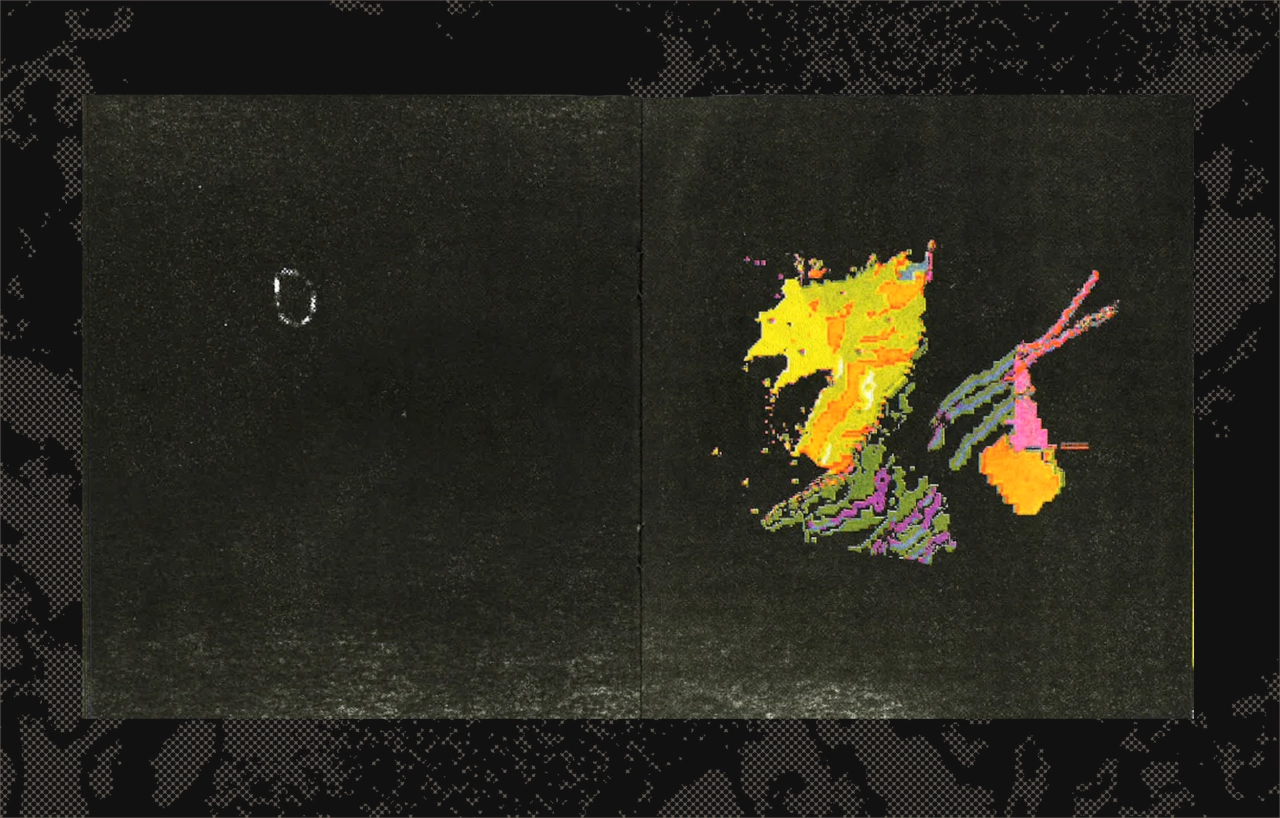
Grant's favourite out of the series is one of his first creations, featured in the book on page 13. "This one took the most trial and error and went through the most iterations, so it has a special place in my heart," he explains. Moreover, he holds the original artwork close to his heart, as this very image sparked the whole project – the moment he made something and thought, "Oh shit, I wanna make more like this".
In the future, Grant will certainly bring this method into other designs and creations he embarks on. In fact, he's already started to involve it in some of his processes. "I love working digitally and then printing in a more analogue method like Risograph or silkscreen; it helps bring my work off the screen in a meaningful and tactile way."
Editor's Picks
Trending
Latest Jobs
Brand Strategist at DNCO
Full-time·London·£45k-£60k
Head of design at Cog Design
Full-time·London·£55K
Paid Media Executive at Munro Agency
Full-time·Glasgow·From £27,000
Junior Project Coordinator at Colorido Studios
Full-time·Twickenham·£28k–£32k
Senior Designer at Creative Spark
Full-time·Manchester·£35k-£50k
Head of Technical & Facilities at Midlands Arts Centre
Full-time·Birmingham·£40,210
](https://media.creativeboom.com/51bd1a6d-305c-42ed-9b49-2be1bc3ff727/conversions/a7edd2dfc01603337d8beb0ffb346c7171bdb4e5-medium.webp)