Taste travels: Matt Dunn on how ideas move through culture
The global creative director discusses taste and why platforms don’t create it; they accelerate it.
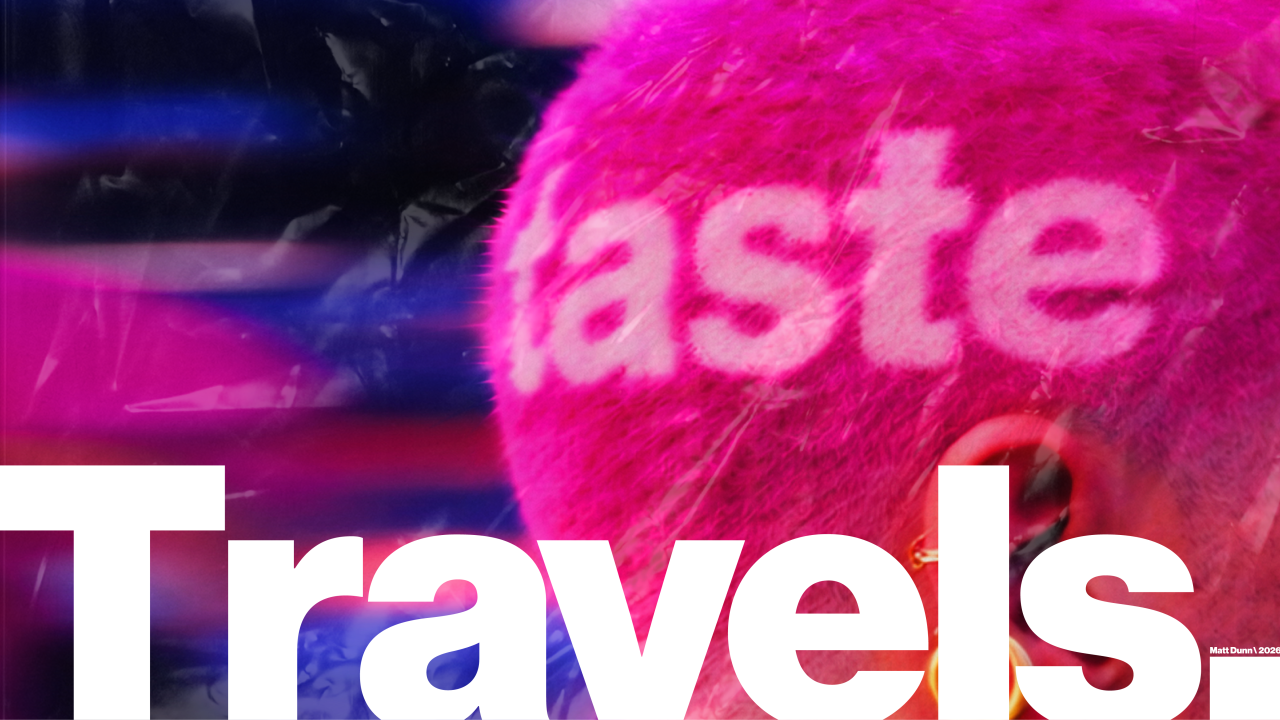
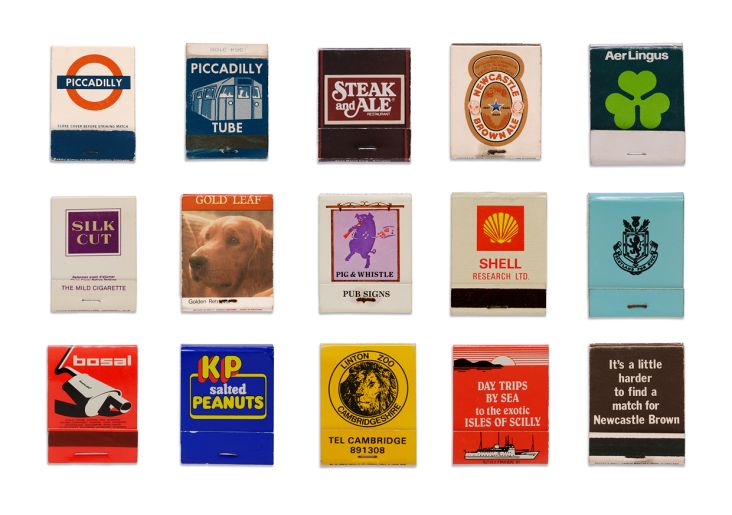
Visual system and creative direction by Matt Dunn
Here's a phrase you've probably heard a lot lately: they have great taste. Or: their creative direction is just so tasteful. It's everywhere. It's the compliment of the moment. But as was pointed out in a recent Studio Session, nobody is actually defining what it means.
In case you didn't know, Studio Sessions are live talks hosted inside The Studio, our own private membership community, where working creatives share real project experiences with an audience of peers. In this session, titled 'How Taste Travels', creative director Matt Dunn used a recent project to launch a discussion around something broader.
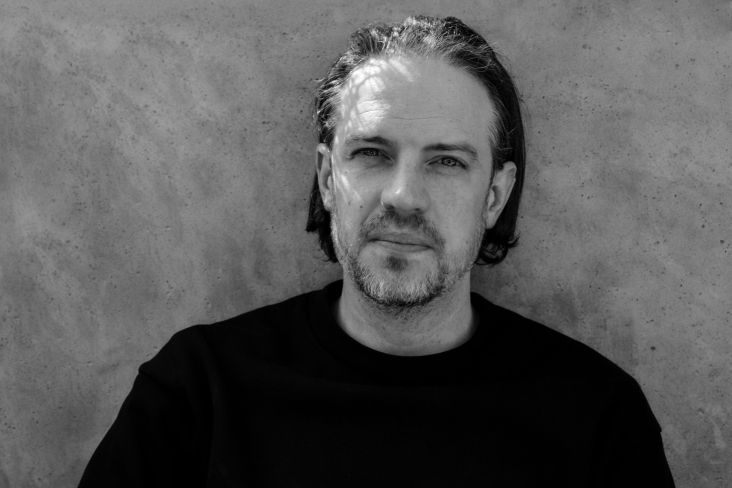
Matt, a New York-based global creative director who has worked across Droga5, Mother, W+K, Cash App, Goodby Silverstein and more, puts it simply: "Everyone's talking about taste," begins Matt. "but no one's defining it."
His central argument is simple. Taste isn’t fixed. It isn’t something you’re born with. It moves. It travels through culture. Through people. Through what you notice, carry, and pass on. And that changes how you approach the work.
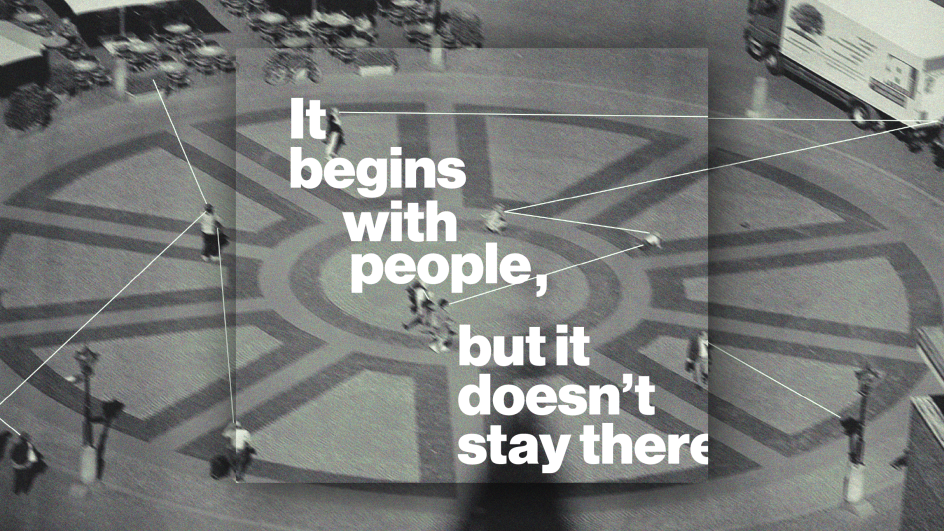
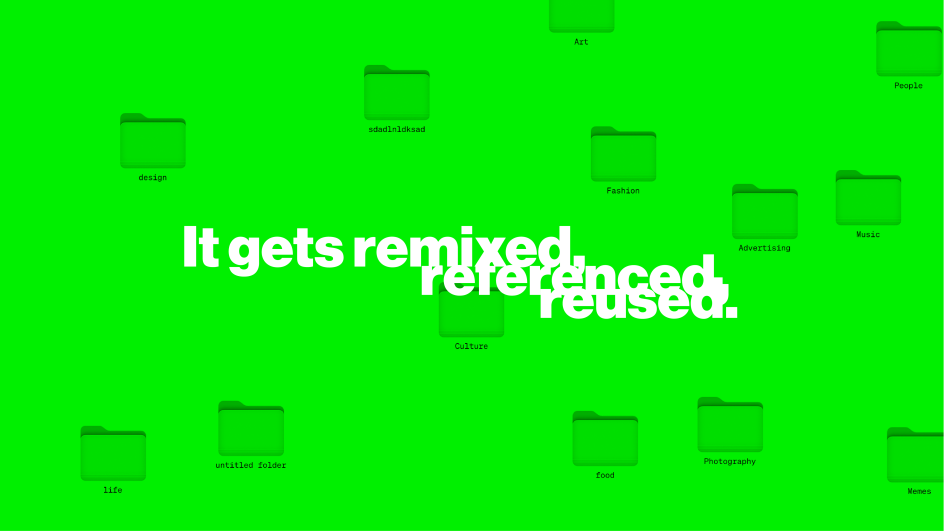
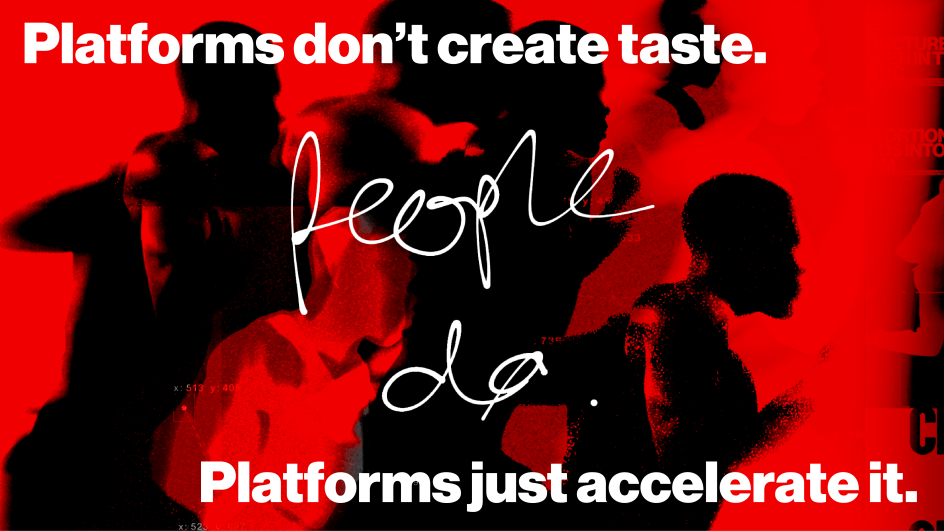
Taste, in its simplest form, moves like this: it begins with people, but it doesn't stay there. It gets remixed, referenced, reused. Platforms don't create it—people do. Platforms just accelerate it. That's Matt's central thesis, and it shapes everything about how he works.
The right references
Finding the right inspiration is pivotal to his creative process. "My references come from culture," he stresses. "My mood boards come from culture. They don't come from advertising, which is weird, but it's very much how fashion designers Alexander McQueen and Virgil Abloh approached their work. They just understood the world."
On a taxi ride through Chinatown in New York, Matt took photos out of the window: a storefront for something called Chinatown Fight Club (tagline: "Want to fight?"), a lorry bearing the slogan "New York City dead ass", a T-shirt that read 'Fuck You, You Fuckin' Fuck'. These all went into his phone, into the archive, alongside a year's worth of screenshots, snapped signs, and Instagram saves. "I document everything on my phone," he explains. "I take pictures of storefronts, signs, everything."

Photographer: Sam Rebbechi
The point is that taste, to him, is not something to hoard; it should circulate. As he puts it: "You notice it, you carry it, and then you pass it on." Following that principle himself, he spends part of our Studio Session building out a reference document (fashion, photographers, directors, mockup links), then simply hands it to the audience. No paywall, no drip campaign, no course.
"Ego is the death of everyone," he says. Which, coming from someone with Cannes Lions and a Grand Prix on his shelf, lands with some authority.
An empty shell on Grand Street
To demonstrate how all of this plays out in practice, Matt walks us through his work on the Unwell NYC pop-up: a real-world brand launch for the beverage line attached to Alex Cooper's Call Her Daddy podcast (the most-listened-to podcast by women in America, and the backbone of a media empire now valued at $125 million).
The starting point was a building on 45 Grand Street, Manhattan. "Inside it was an empty shell," he says. "No world, no atmosphere, no point of view, no meaning." The brief was to turn it into something that felt like more than a launch; something that felt like it had always existed. Matt leaned into a tension that most social media brands try to hide.
"Social media brands burn fast," he notes. "It's here today, gone tomorrow. Everyone knows it, including the brands." But rather than paper over this, the team leaned into the opposite. The positioning became a legacy American institution: a beverage brand that felt like it had been in culture forever.
The references were pulled from real America, from the huge Pepsi-Cola sign in Queens to old TWA lounge aesthetics. Room by room, the building became a different era. There was a room styled as a 1980s aerobic studio, a disco room nodding to Saturday Night Fever. The exterior of the building was wrapped in a large red matte covering and an illuminated Unwell Beverages sign. Alex Cooper posed in front of it.
The whole thing, from initial brief to doors open, took less than a week in production, with about three to four weeks of creative work beforehand. The experiential agency Enter, based in LA ("their website is just a still image, basically word of mouth"), executed it. "It was a monumental team effort," Matt says. "A lot of them didn't come from advertising. They were very much adjacent, and they felt like part of where I came from."
Key takeaways
In his talk, Matt shares a handful of practical rules that creatives can lift immediately. The most elegant one: when presenting concepts, always present two, never three. "I use that in all of my creative judgment as I've grown into a leader," he says. "You choose two, because it's easier. You make a decision, yes or no, not three."
On breaking into the industry, he's equally clear-cut. "Go straight to the top," he says. "Don’t get stuck asking sideways. Go to a founder and tell them why you want to work for them."
And on staying grounded despite the awards, the Grand Prix, the New York address? "Just realise that everyone's human at the end of the day and everyone's just trying to do the best job that they can," says Matt. "Everyone's got their own issues to worry about, and you don't really want to bring that to work."
For a session about taste, it's all notably unprecious. The principles are simple: go out and look at the world. Document it. Build the archive. Share it freely. Don’t present three options when two will do. And if you want to work somewhere, send the DM. The worst they can do is not reply.
Further Information
Want more? We run free Studio Sessions in The Studio twice a month, and there are loads more brilliant talks coming up. Not yet a member? You're missing out! It's free to join. Sign up below.

Editor's Picks



Trending



Podcasts
Editor's Picks
Further Reading