10 money habits that every creative freelancer should build from day one
Your financial habits as a freelancer will define your career, so build the right ones before bad ones take hold, writes Tom Crompton of The3Key, an accounting platform for creatives.

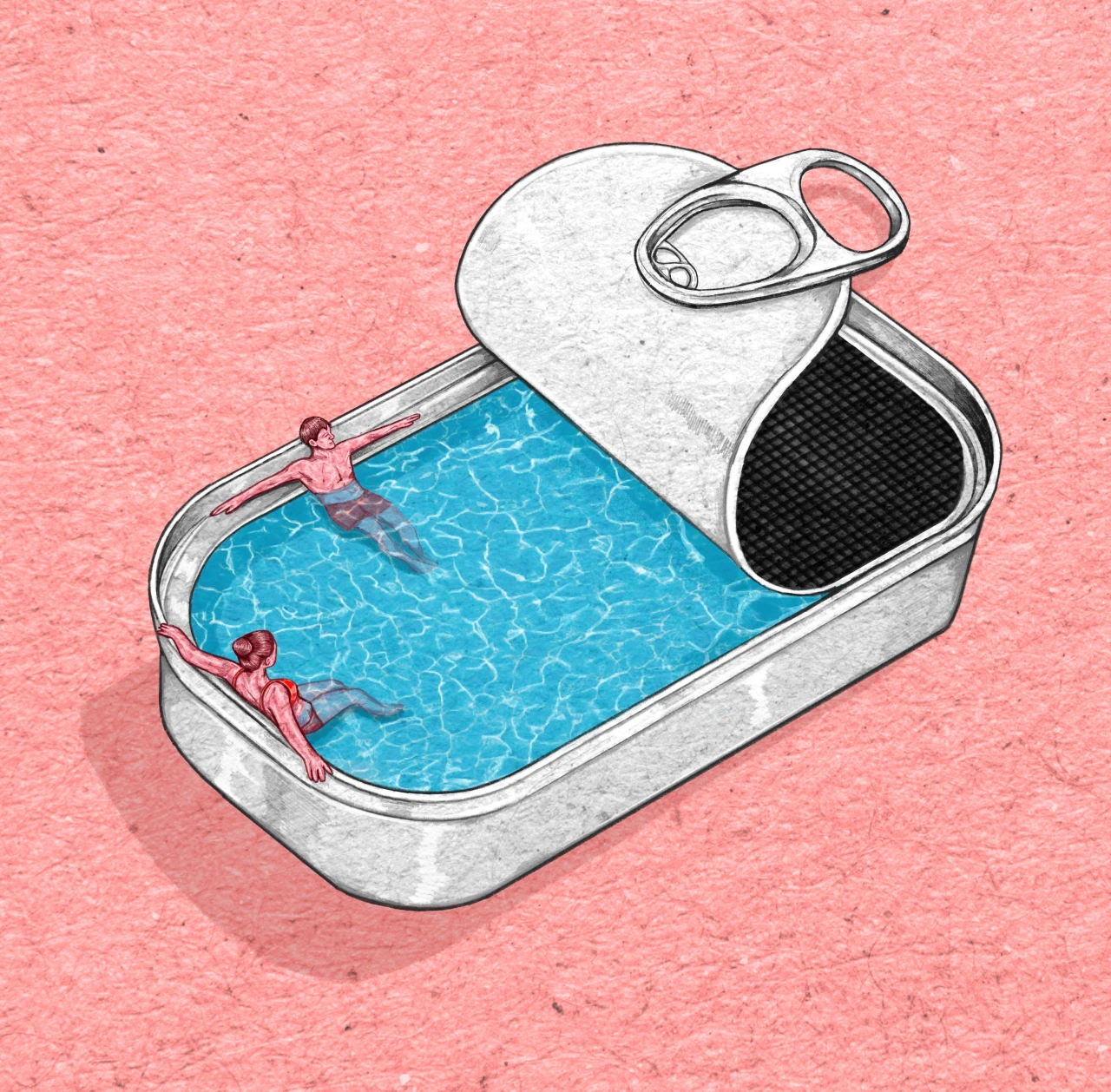
Image licensed via Adobe Stock
Going freelance is one of the most nerve-wracking decisions you can make during your creative career. Although it's great to be your own boss, it's fair to say that money management doesn't come naturally to everyone, and plenty of creatives get scared off by the very idea of organising their own finances.
The truth is, though, most people understand more than they give themselves credit for. What holds them back isn't ability; it's simply not having good habits and systems (because there isn't a big boss standing over you to make you do it). Without them, though, you end up chasing your tail: scrambling for receipts, guessing at tax figures, or grinding away for clients you'd rather not deal with because the alternative is not paying rent.
The good news is that none of this is actually that complicated. It's simply a matter of starting as you mean to go on and sticking to it. The habits below won't turn you into an accountant, but they will put you in control of your money rather than the other way around.
Build them from the start, and they become second nature; leave them too long, and you're already playing catch-up.
1. Use accountancy software, not spreadsheets
The first and most important habit to form is making it easy to record your income and expenses. Accountancy software such as FreeAgent or Xero is far more useful than a spreadsheet, and will save you time typing in figures when you could be making creative work. Keeping records can feel like a chore, but it's so important to do so, and it will save you a heap of hassle over time. Understanding why you spent £6 at Asda 18 months ago is much harder than recording it a couple of days after you've incurred it.
2. Use a dedicated bank account
Right from the get-go, set up a bank account used exclusively for business income and expenses, then connect it to your accountancy software. Then everything will be in one place, automatically imported. This single step eliminates a significant amount of admin and ensures your records stay up to date.
3. Invoice through your accountancy software, not your design software
Yes, you probably use Adobe in your day job. But stop creating invoices in InDesign! It takes longer, the documents live outside your financial records, and if you forget to log one manually, your accounting data will get all screwed up. Instead, create invoices directly in your accountancy software and the whole job is done in a single step.
Yes, you want things to look nice. But let's be realistic. In years of working with hundreds of businesses, I've known only one person who won a client based on how their invoice looked. An invoice is a functional document: as long as it looks reasonable, it's good enough.
4. Set tax aside as you earn
A tax bill can hit you at the worst possible moment if you haven't prepared. So by the end of each tax year, make sure you already have the money for your tax, national insurance and any student loan repayments sitting safely aside. (The easiest way to do this is to set tax aside monthly on the profit levels that you can see in your accountancy software.) If you don't, you'll be eating into next year's income to cover last year's mistakes.
In the current economy, that kind of robbing Peter to pay Paul is particularly dangerous. Bear in mind that the creative market is turbulent, and incomes can fall sharply. At the other extreme, revisit your tax allocation every three months and adjust for the possibility that your income may be higher than you expected. You might even approach a higher tax bracket, something that catches a lot of people out, so be prepared, and you won't get stung.
5. Do your tax return early
One of the biggest mistakes you can make is leaving your tax return until the very last moment. Creatives who file at the deadline tend to have one thing in common: they didn't have good systems in place and ended up chasing information they should have recorded months earlier. So file as early as you can after the tax year closes, then forget about it. The scramble is a habit problem, not a deadline problem.
6. Build a financial buffer
Not everyone can start freelancing with a financial buffer, but it should be a priority to build towards. It will allow you to take time off, take calculated risks with training, software, or marketing, and avoid the trap of saying yes to work you don't want simply because you need the money urgently. (That last point, taking on bad-fit work out of desperation, is one of the most common reasons people start to resent the business they built.)
7. Know your key numbers
Many creatives think that once they've recorded their income and expenses, the job is done. But your accountancy software is also a window into how your business is actually performing, so take advantage!
Get into the habit of asking yourself a handful of simple questions regularly: What is my monthly and annual income? What revenue streams are driving it? What are my costs, and can any be reduced without affecting what I deliver? What profit have I made, and what can I pay myself? How does this compare to previous months, quarters and years? Start with these basics and build from there as your confidence grows.
8. Understand what expenses actually save you
Expenses are not free money. You pay tax on your profits, which is your income minus your expenses. So, if you're taxed at 20% and spend £1,000 on something, your taxable profits reduce by £1,000. That means your tax bill falls by £200, but the expense has still cost you £800 overall. In other words, claim everything you legitimately can, but don't buy things you don't need just because they're claimable. The maths rarely works out in your favour.
9. Price projects carefully
We all love big projects; they make us feel successful and that we're earning a proper income. But in reality, they can often be the source of financial vulnerability. Problems usually stem from how carefully the project was scoped, priced and managed from the outset. So approach project pricing with as much rigour as any other part of your business, and don't let the promise of a large fee override the need to think it through properly.
I always recommend tracking projects individually, so income/expenses/time can be clearly shown. This LinkedIn post offers more reading on this subject.
10. Treat financial literacy as a skill
Ultimately, financial literacy doesn't arrive fully formed. It develops through time, repetition and practice. Think of it like any other creative skill: the more you engage with it, the more confident you become.
With that in mind, if you're only looking at your finances once or twice a year, taxes will feel like a trauma rather than a routine task. So instead, build regular check-ins into your working week, even for just a brief moment. That way, it'll gradually stop being something to dread and start being something you're actually on top of.
Editor's Picks




Trending




Latest Jobs
Design Director, Opinion at The New York Times
Full-time·New York·$160k–$180k
Senior Digital Designer at 3800
Full-time·Sheffield·£40k-60k
Art Director at SPOKE
Full-time·London·£55k-65k
Lead Digital Designer at Together
Full-time·£55k–£75k
Senior 2D Motion Designer at Art&Graft
Full-time·London·£50k-£65k
Graphic & Motion Designer at The SHARP Agency
Full-time·Leeds·£26k–£33k








 for Creative Boom. © Creative Boom](https://media.creativeboom.com/0c4eb218-f62f-48f1-b7e8-83b1abcf5a42/conversions/c5cf3862e2cdc747a04379513987d76b1eaf6c3d-medium.webp)