A new book looks at the 'messy' process behind the making of marks and logotypes
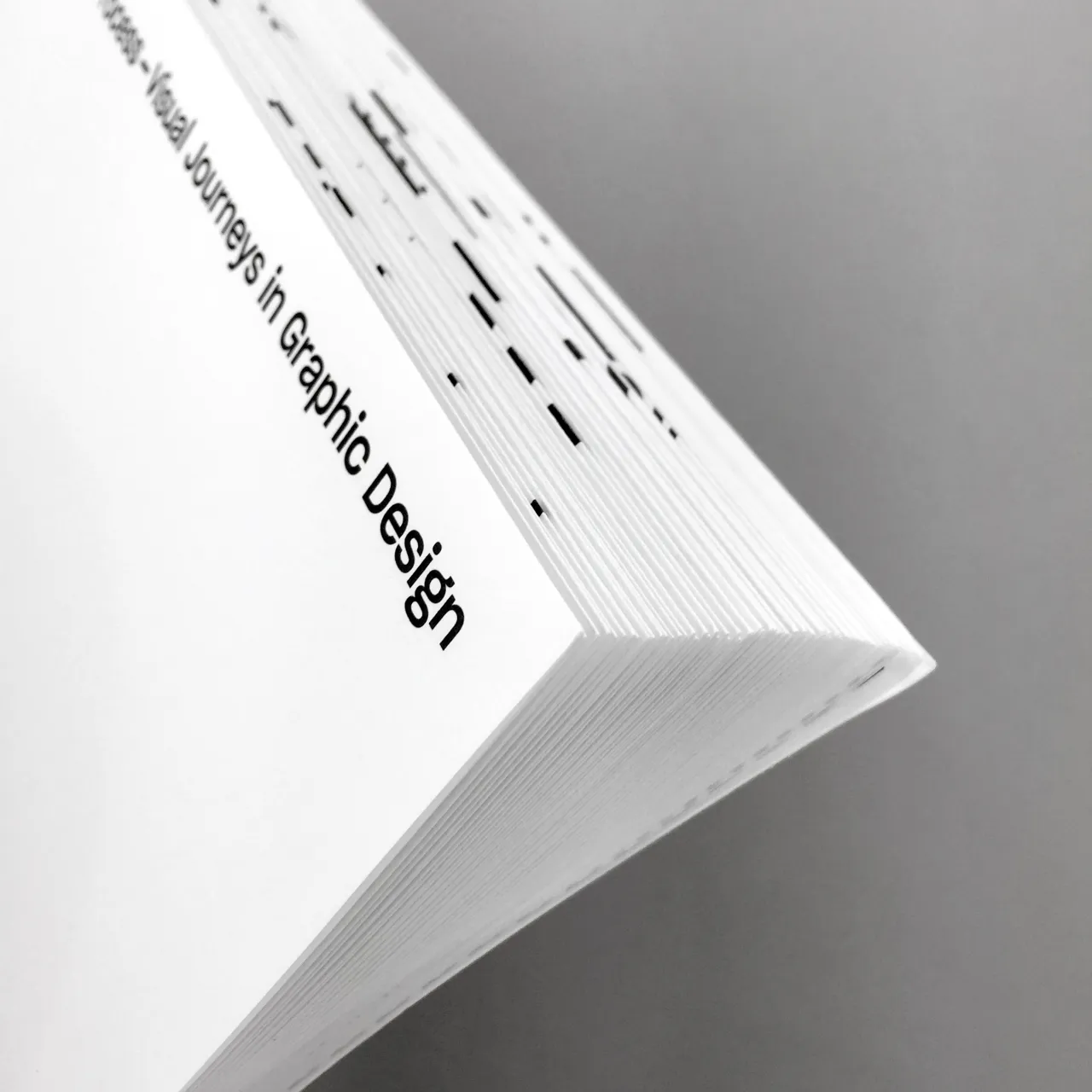
It's not always the destination that counts; it's the journey that can be just as interesting. That's the theory behind a new book by Counter-Print this month, that takes a closer look at the process behind graphic design, no matter how messy.
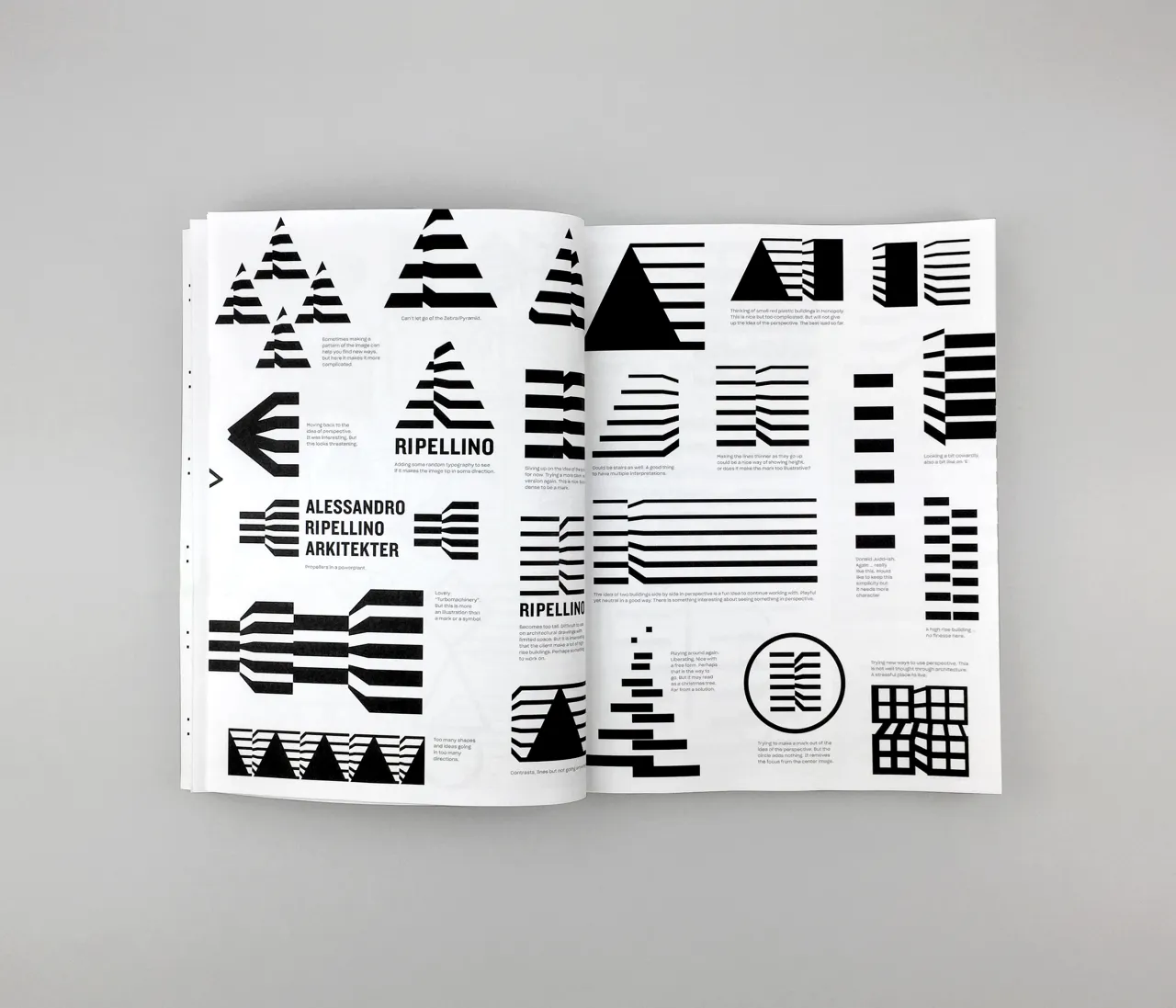
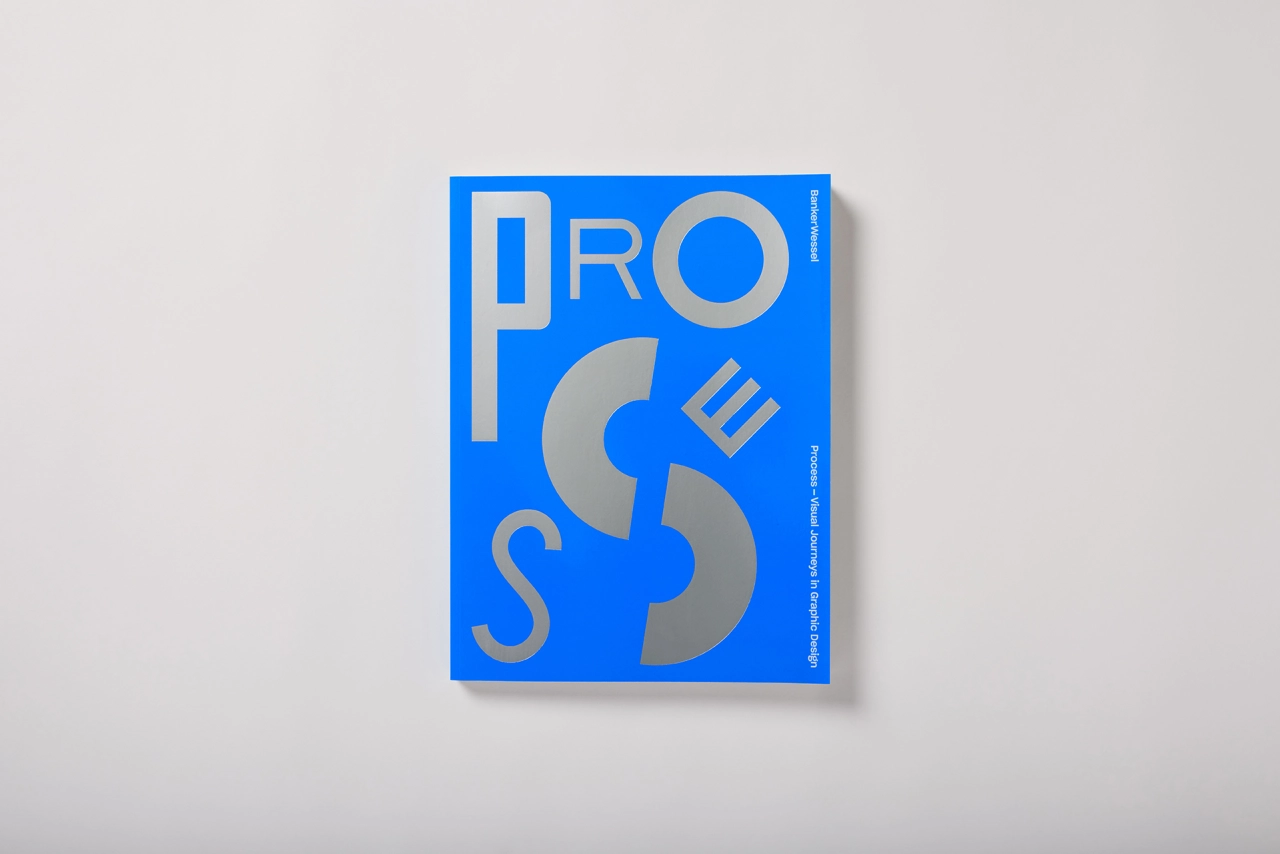
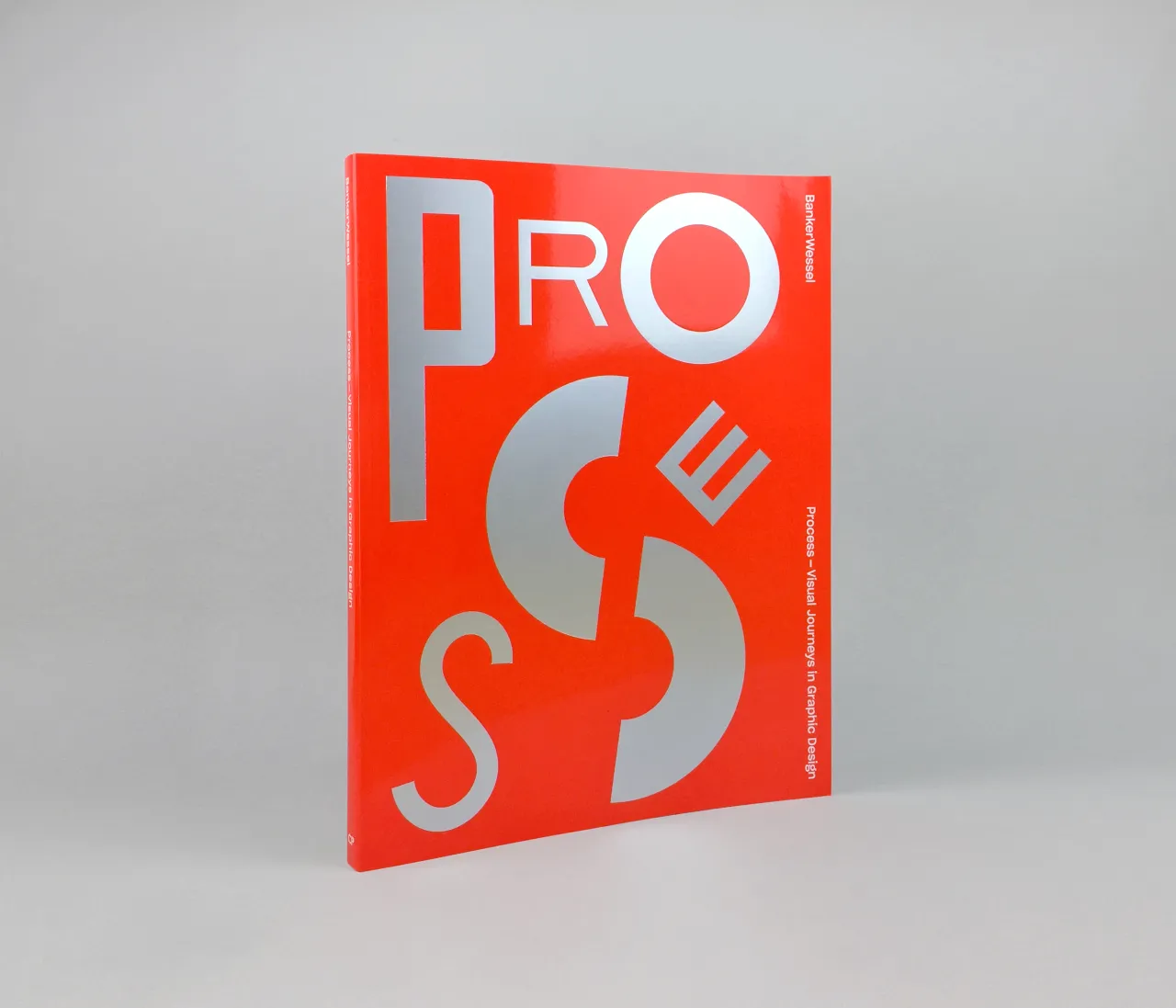
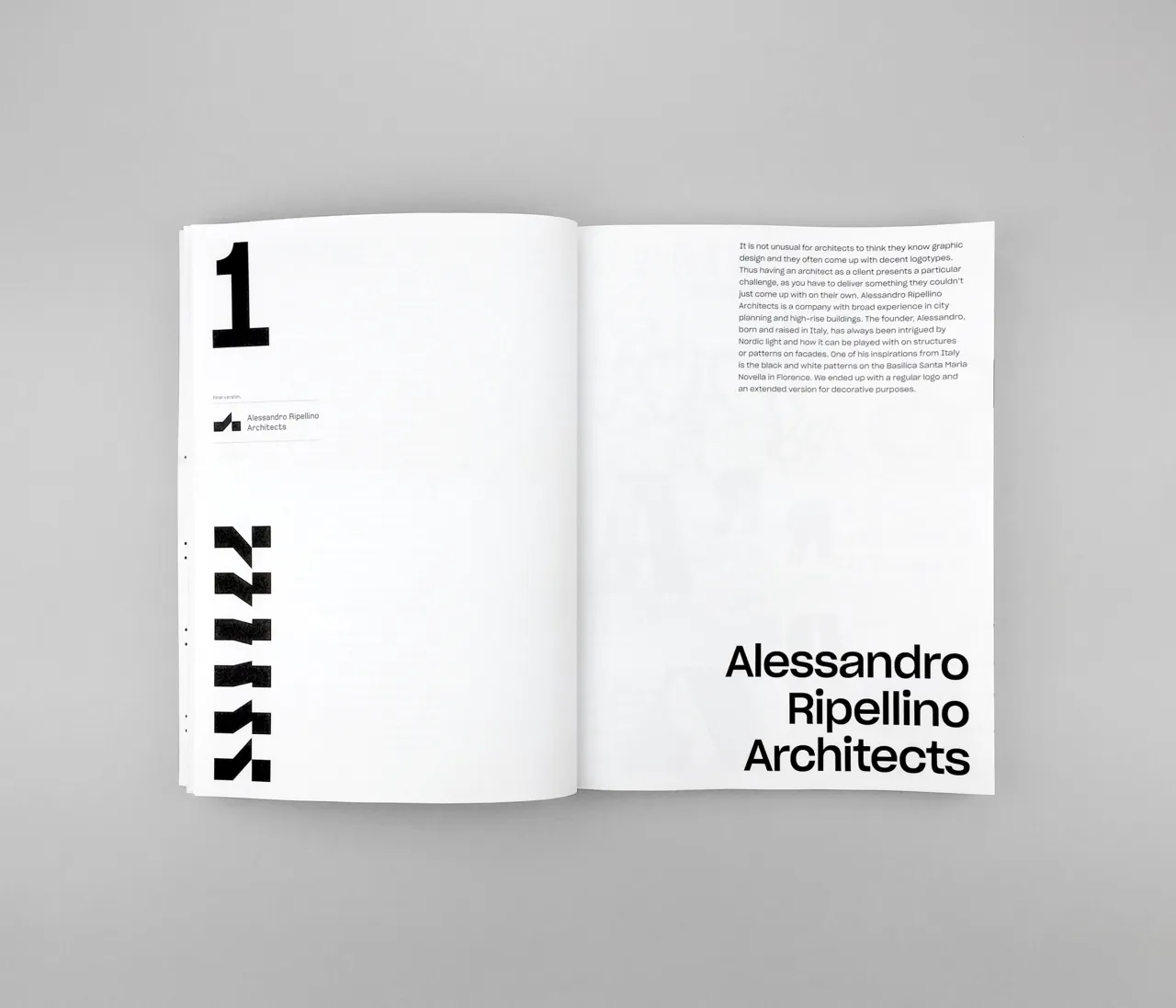
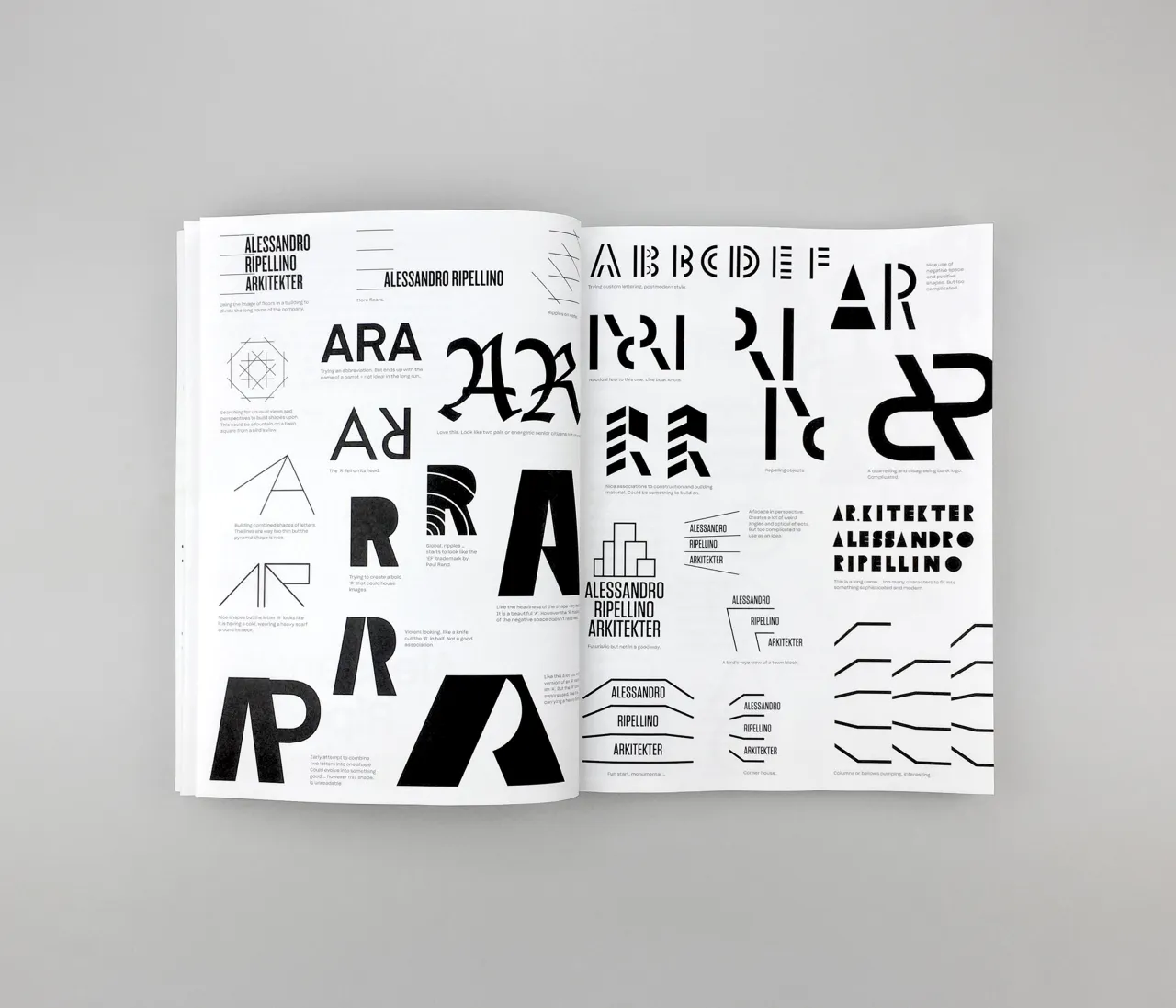
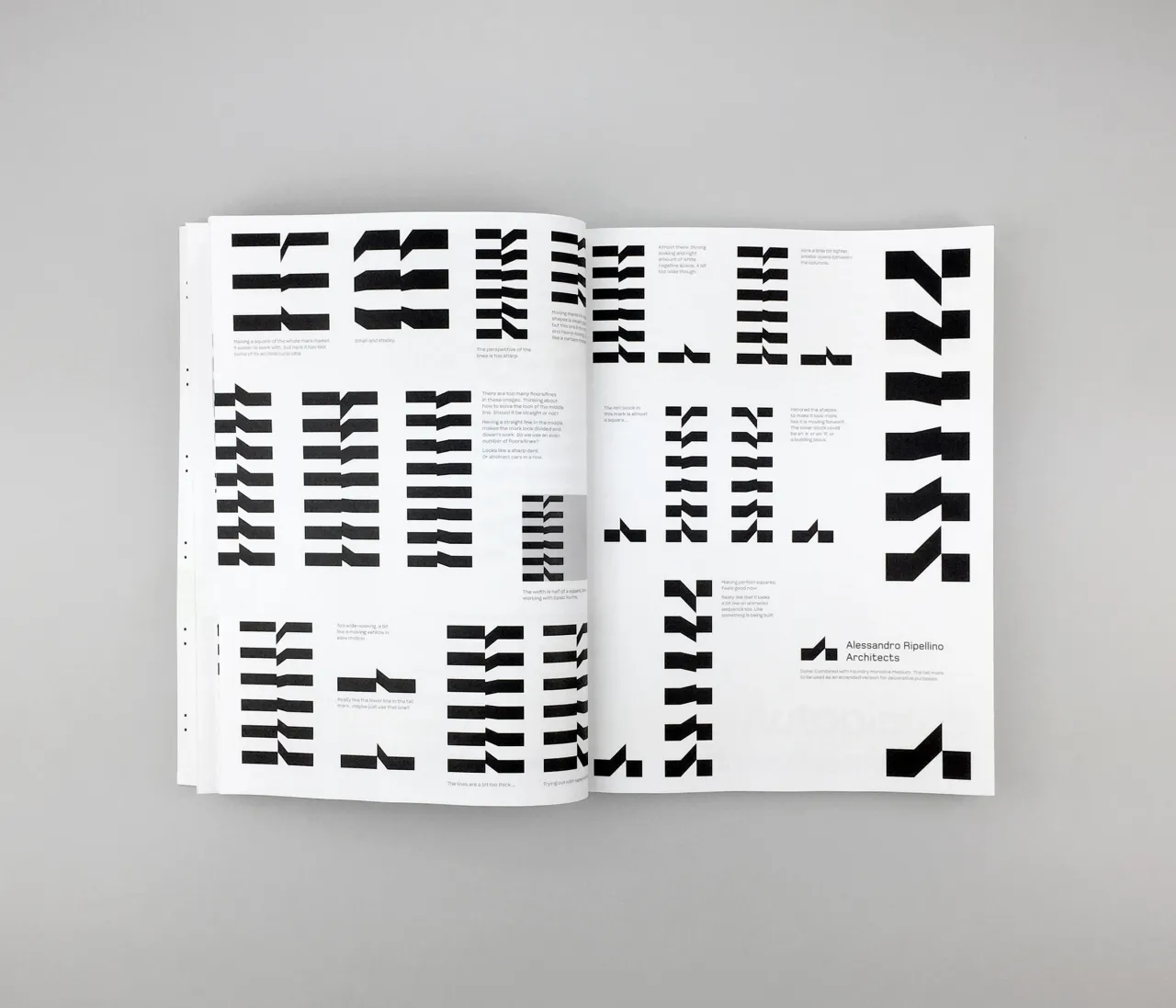
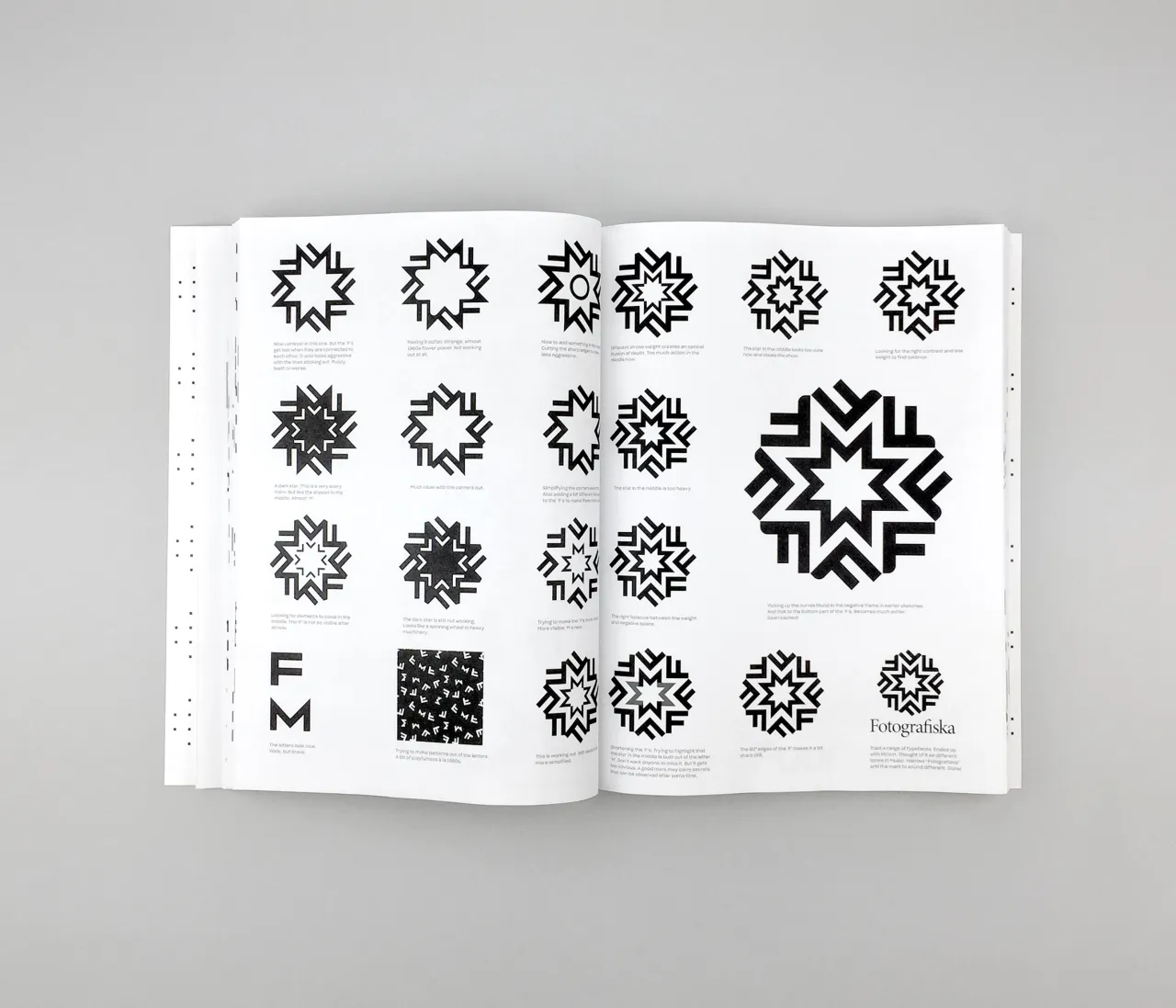
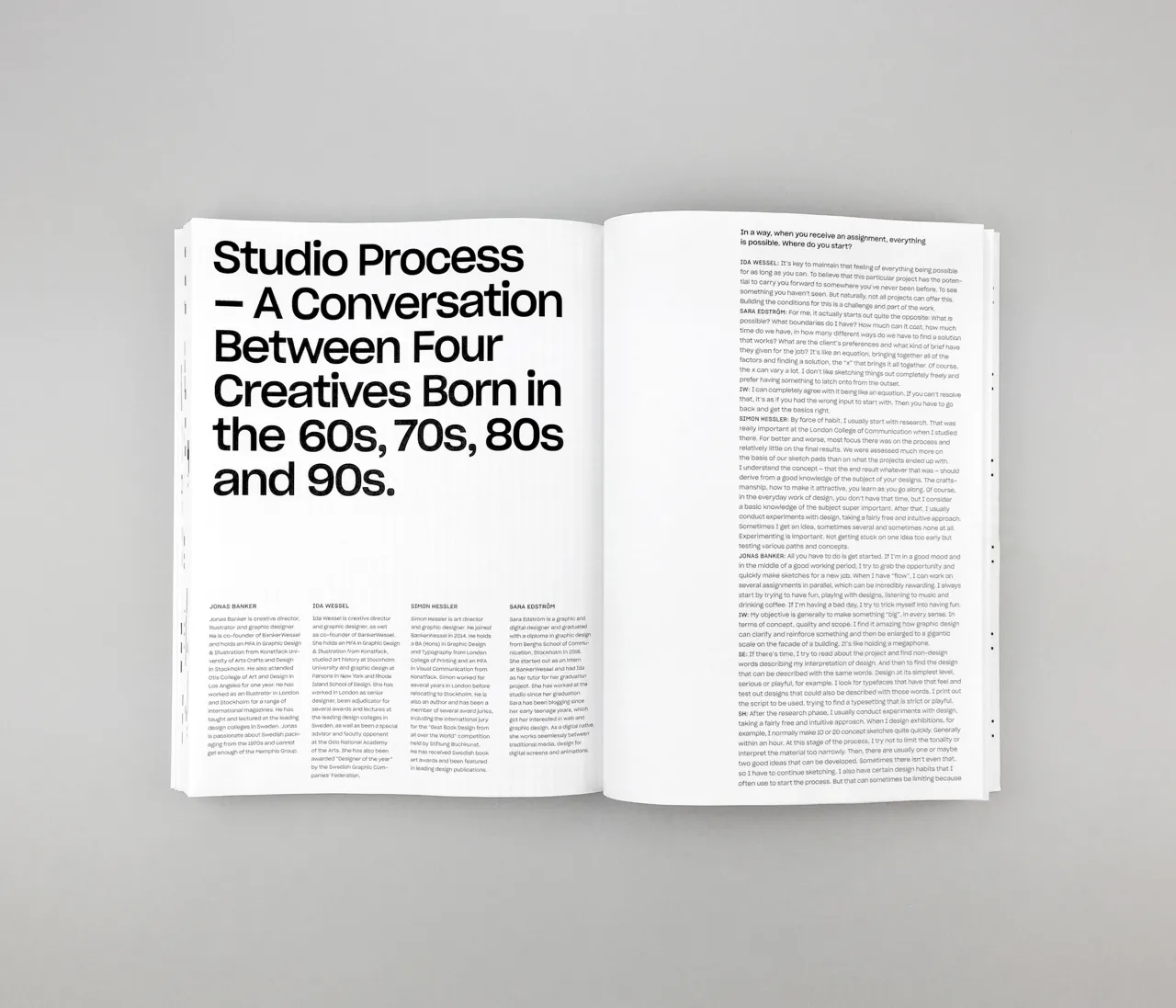
Naturally titled Process, the intriguing book is based on the work of the award-winning studio BankerWessel and features 12 projects presented with nearly 1,500 individual sketches with attached annotations showing the actual thought process in the creation.
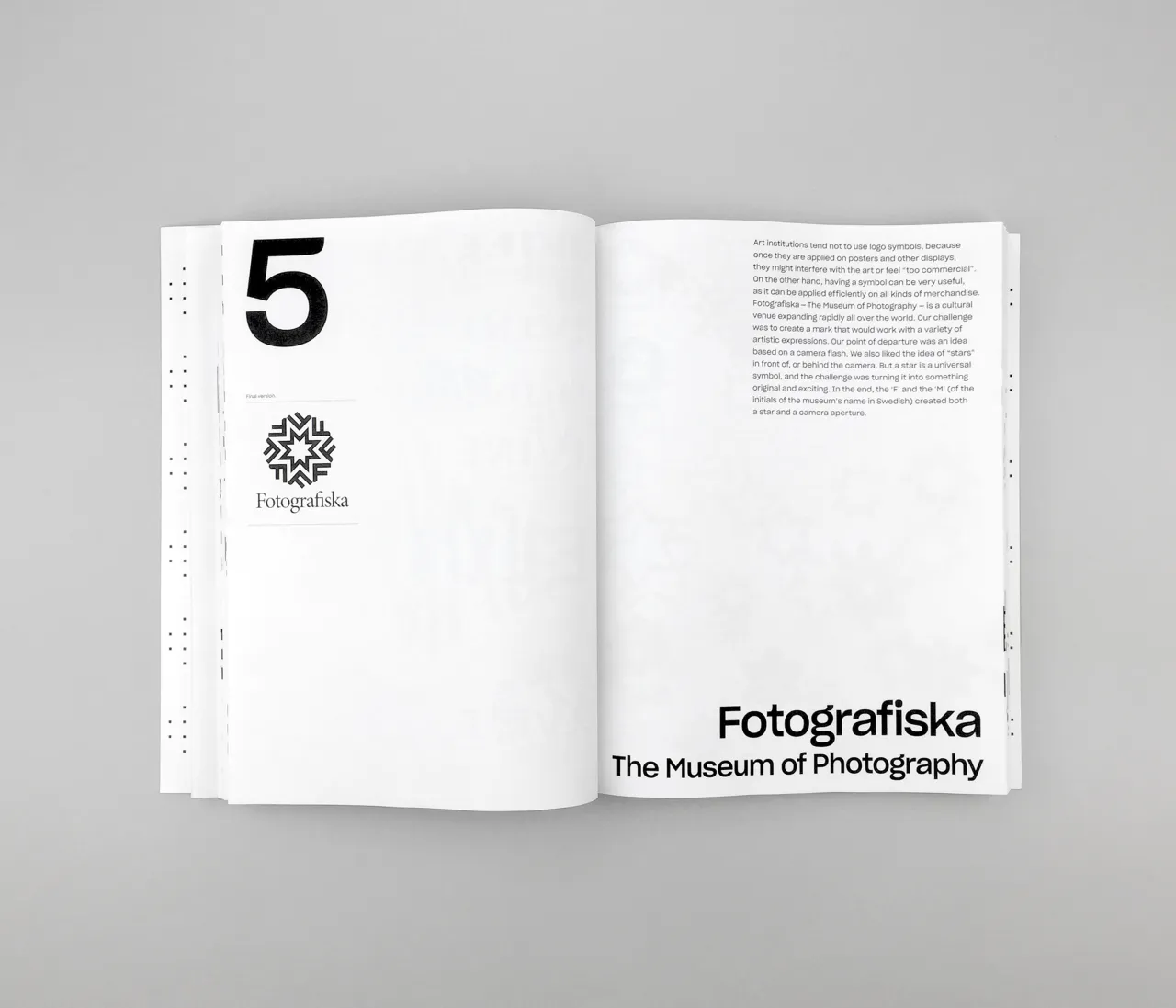
This is an excellent and rare insight into the authentic sketching and process behind the making of marks and logotypes...Marks for a range of companies within the realm of art, music and fashion including Hasselblad Foundation and Fotografiska. The sketches are combined with fragments of the actual thought process and are presented in the order they were produced. What they unveil has not been censored, and it shows all the impulses, divergence, subjectivity, movements, blind alleys and imperfections present in the creative work. The work of humans.
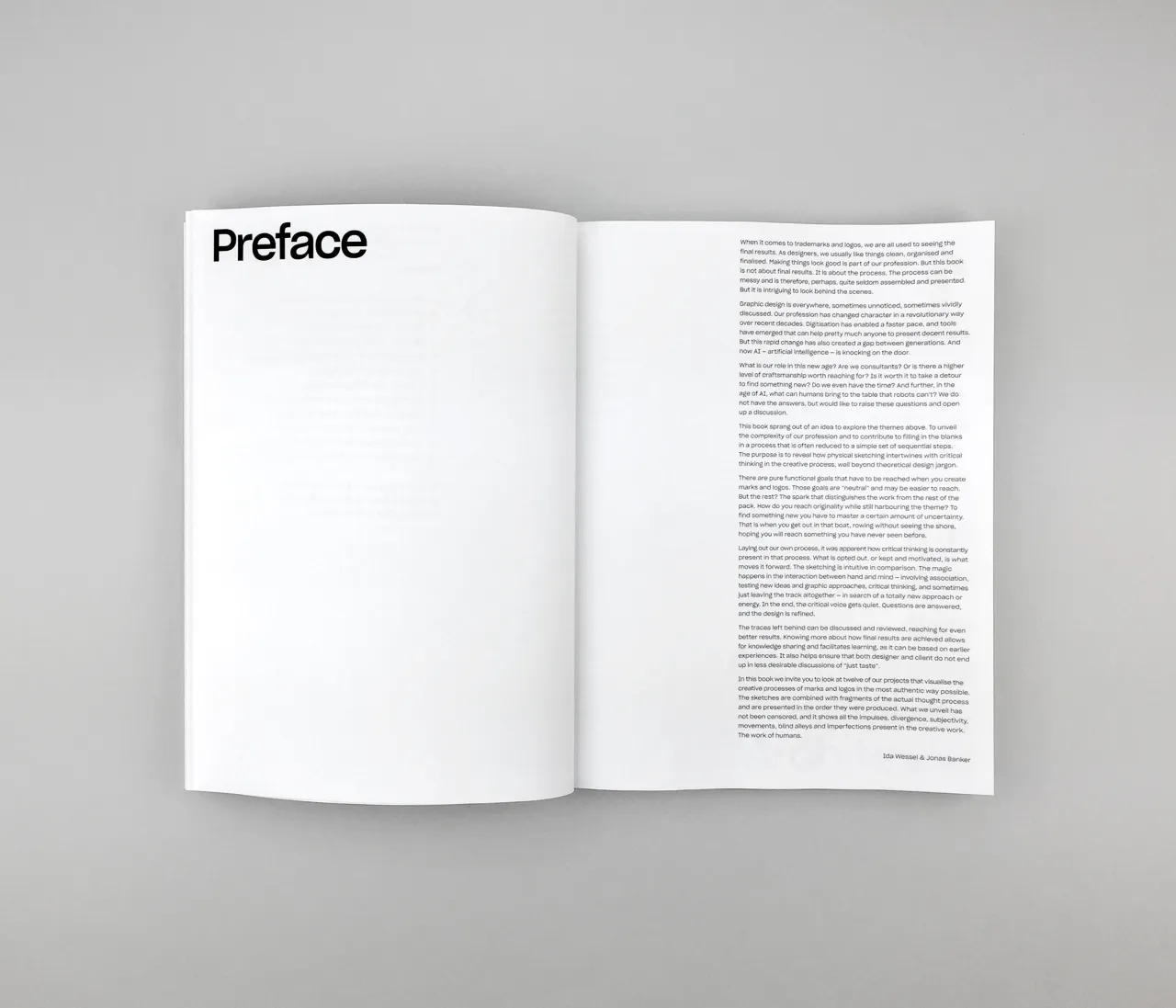
"When it comes to trademarks and logos, we are all used to seeing the final results," says Jon Dowling of Counter-Print. "Designers usually like things clean, organised and finalised. Making things look good is part of their profession. But this book is not about final results. It is about the process. The process can be messy and perhaps therefore quite seldom assembled and presented. But it is intriguing to look behind the scenes."
Through the book, BankerWessel also raises questions such as what is the designer’s role in this new age? Are they consultants? Or is there a higher level of craftsmanship worth reaching for? Is it worth taking a detour to find something new? Do they even have the time? And further, in the age of AI, what can humans bring to the table that robots can’t? Of course, they don't have the answers but hope to open up a discussion, as 'Process' sprang out of an idea to explore these themes.
"BankerWessel wants to unveil the complexity of identity design and to contribute to filling in the blanks in a process that is often reduced to a simple set of rules," adds Dowling. "The purpose is to reveal how physical sketching intertwines with critical thinking in the creative process, well beyond theoretical design jargon."
Process — Visual Journeys in Graphic Design is available from Counter-Print.
Editor's Picks




Trending



Latest Jobs
Graphic & Motion Designer at The SHARP Agency
Full-time·Leeds·£26k–£33k
Senior 3D Motion Designer at Art&Graft
Full-time·London·£50k-£65k
Senior Operations Manager at BIG Partnership
Full-time·Glasgow·£45k–£50k
Midweight Designer at All Purpose
Full-time·London·£30k–38k
Midweight Full Stack Developer at Bureau for Visual Affairs
Full-time·London (Open to remote)·£35k–£50k
Creative Content Executive at Cognition
Full-time·Birmingham·£28k–£35k