Why Irish Design Week 2025 mattered more than ever for the creative sector
Ireland might be a small nation, but it connected up some pretty significant global networks last week. Here's what that means for designers across Ireland, the UK and beyond.
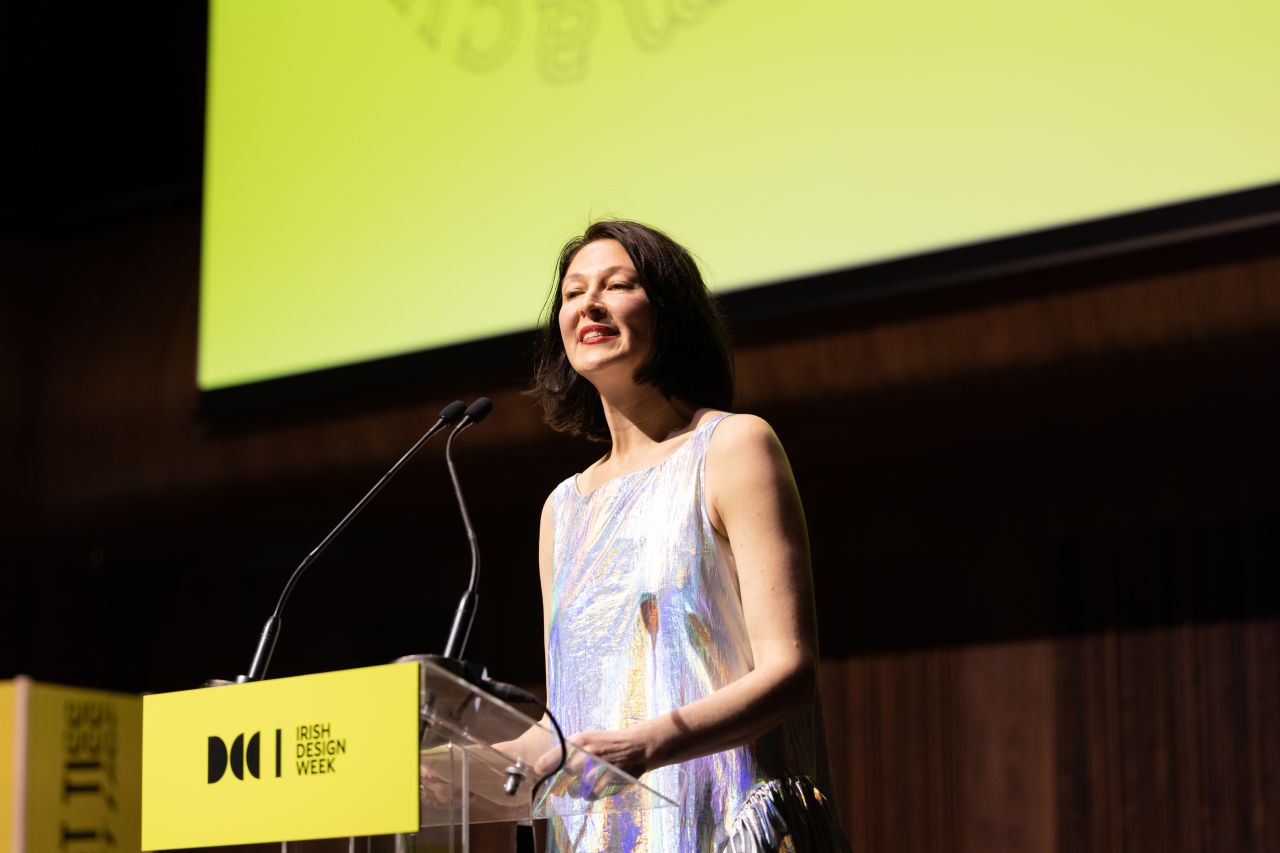
When a young Indian, Pradyumna Vyas, arrived in Kilkenny in the 1980s to work as an intern, he found something unexpected in Ireland's then-fledgling design scene: a collaborative ethos that would shape his entire career. Now president of the World Design Organisation, he returned last week to mark 60 years since the Kilkenny Design Workshops, the initiative that effectively rebuilt Irish design from scratch.
His journey bookends a remarkable transformation. And Irish Design Week—which was launched in 2022 and this year ran from 17-21 November with over 65 events across 15 counties—offered a masterclass in how a small nation has turned historical necessity into contemporary advantage.
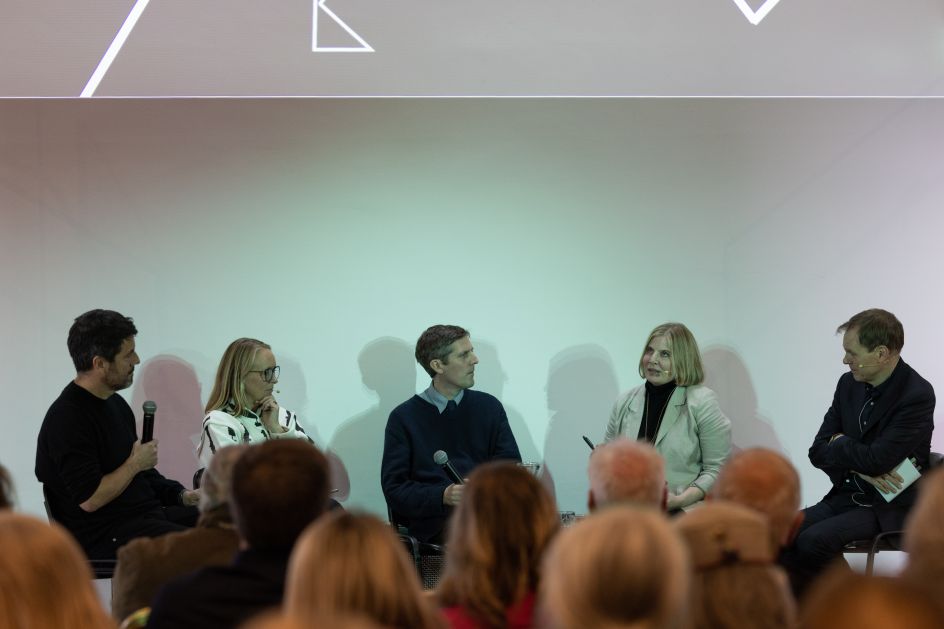
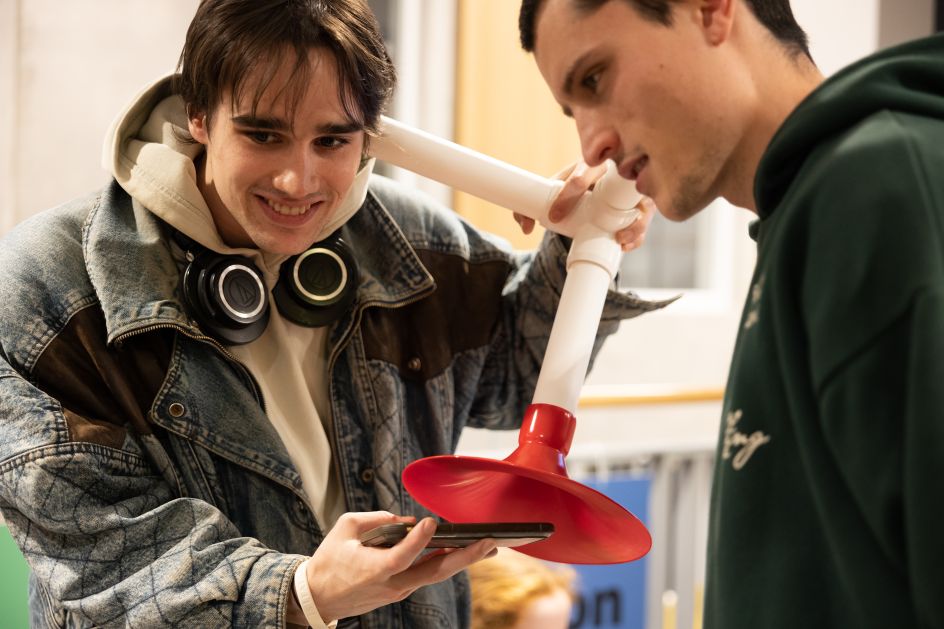
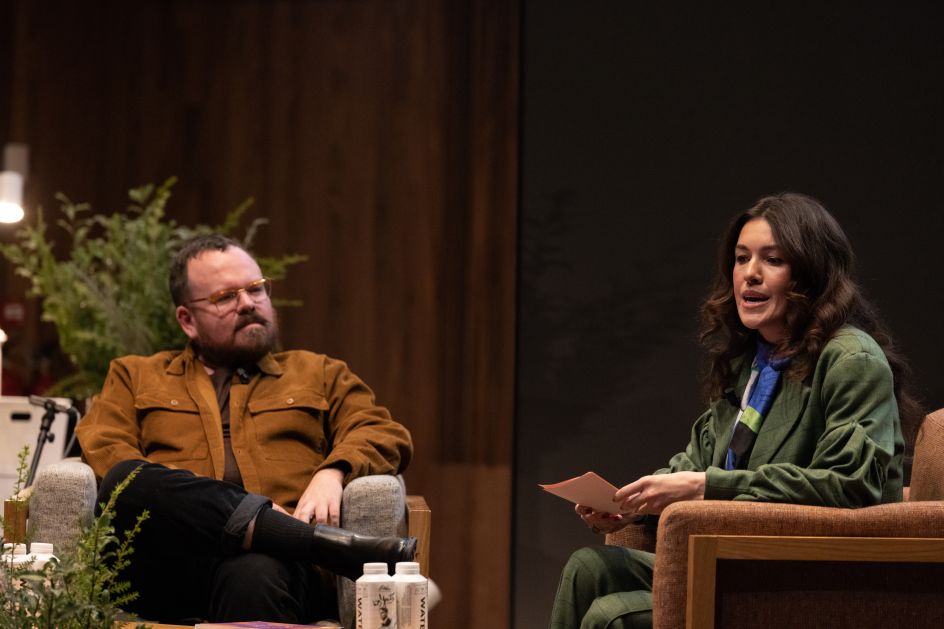
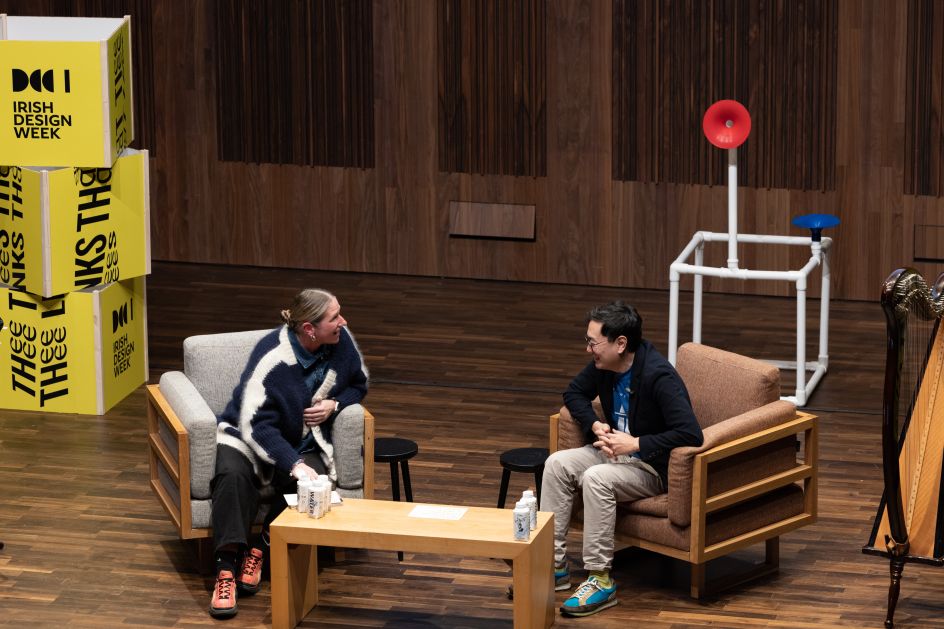
The standout format this year was Design Diplomacy: intimate conversations between Irish and international designers meeting for the first time over a card game of questions. Held at the Royal Irish Academy of Music in Dublin, it's a concept borrowed from Helsinki Design Week, but it speaks to something Ireland does particularly well: creating genuine exchange rather than performative networking.
](https://www.creativeboom.com/upload/articles/89/895ea381a500f05e4891d13acd1580526f45ad28_944.jpg)
Photography by Karen Cox
](https://www.creativeboom.com/upload/articles/58/58bcf83003d66ed7fcbb128c728bbbe170e71686_944.jpg)
](https://www.creativeboom.com/upload/articles/f7/f776f238fb22e15ec9eb482c7e08c0623531c158_944.jpg)
The pairings were strategic. Laurent Ungerer from France's C-Album met Noelle Cooper from Unthink. Japanese sound designer and Pentagram's first audio specialist, Yuri Suzuki, connected with Kasia Oźmin. Fashion's Diane Pernet from the US sat down with Eibhlín Albert-Doran. Australian interior designer and television personality Banjo Beale talked with Anna Sutcliffe from House of Achill.
These weren't, though, the kind of panel discussions where everyone performs their greatest hits. They were structured to generate actual dialogue: the kind where you might learn something that you didn't know you needed to know.
For the creatives attending, it was a chance to observe how designers from different contexts approach similar problems, from body politics in fashion to the relationship between sound and visual communication.
From policy to practice
Irish Design Week opened with something a little unusual: a design policy conference. That might sound dry, but here's where it gets interesting. A new report from the Bureau of European Design Associations revealed that Ireland ranks among the most design-aware nations in Europe for integrating design across national policy, from circular economy initiatives to digital transformation and public service reform.
To date, though, only two European countries (Latvia and Iceland) have dedicated national design policies. Design is "hiding in plain sight," as Christina Melander, chief design officer at the Danish Design Center, put it. It may be everywhere in government thinking, but rarely named or coordinated.
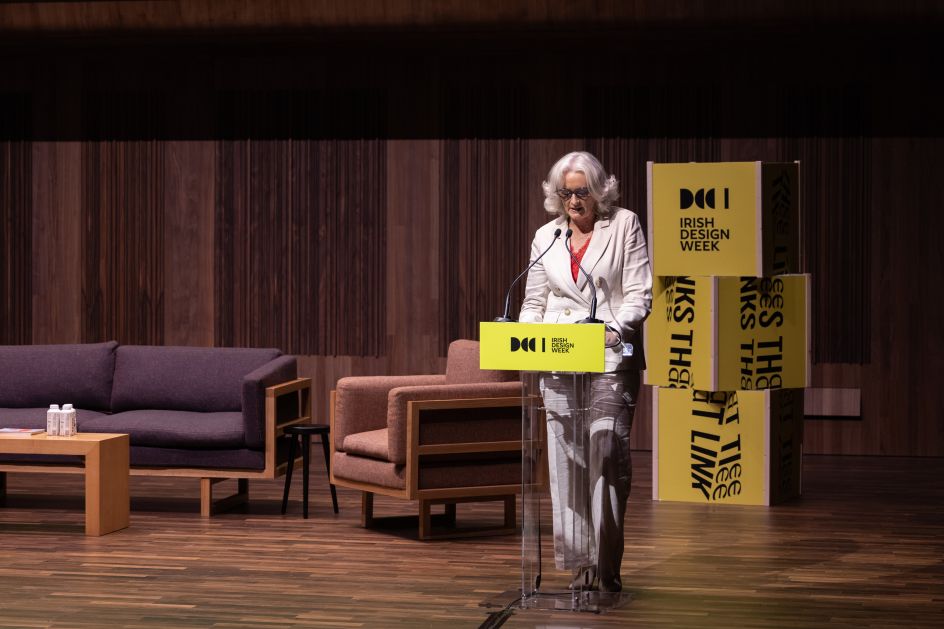

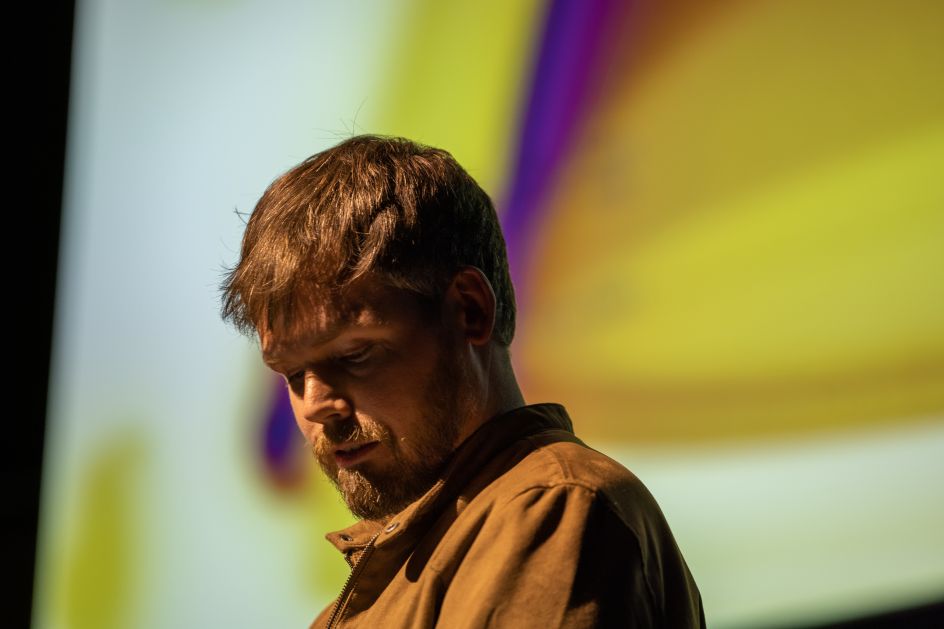
For designers, this creates both opportunity and frustration. The Irish government clearly understands design's value: Design & Crafts Council Ireland receives state funding through Enterprise Ireland, and the Department of Enterprise, Tourism and Employment backed the week itself. But the infrastructure remains fragmented.
The conference brought together European and Irish leaders to explore how design thinking can better shape policy, services and sustainable growth. For anyone working with public sector clients or interested in systemic change, this conversation offered vital insights.
Beyond Dublin
You'd expect the focus of Irish Design Week to be on Dublin, and there was indeed plenty going on in the capital. However, the real strength of Irish Design Week lies in its distributed model. Over 30 DCCI-funded events were scattered across the country, from Limerick to Leitrim, Cork to Kerry.
In Cork, for instance, the Fusion Workshop demonstrated how to transform business waste plastic into creative textiles. Sligo saw a week-long celebration of graphic design. In Wicklow, Kunstverein (a curatorial production office for contemporary art projects) marked the completion of a multi-year accessibility study of Aughrim town, exploring how design makes local spaces more inclusive.
None of this was at all tokenistic. It was more a recognition that design thinking happens everywhere, not just in capital cities. For emerging designers and small studios, such events provide visibility and connection to a national movement, without requiring relocation or massive budgets.
Elsewhere, the Irish Business Design Challenge, announced during the week, awarded €50,000 to companies using design thinking for sustainability. This year's winners—Change Clothes, a community clothing reuse hub, and the Rediscovery Centre, Ireland's hub for the circular economy—demonstrated how design strategy creates real business value.
Global strength
To my mind, though, it was the calibre of international participation —from Anthony Burrill's typography to France's Tabula Studio—that was the real story of this event. As part of the World Design Weeks network, Irish Design Week now connects to leading global hubs across Europe, Asia and the Americas. And this matters.
Why? Because Ireland's historical experience of rebuilding design infrastructure from scratch, learning to punch above its weight and connecting local craft traditions with contemporary practice has much to teach the rest of the globe about current challenges, such as sustainability, social impact and meaningful collaboration.
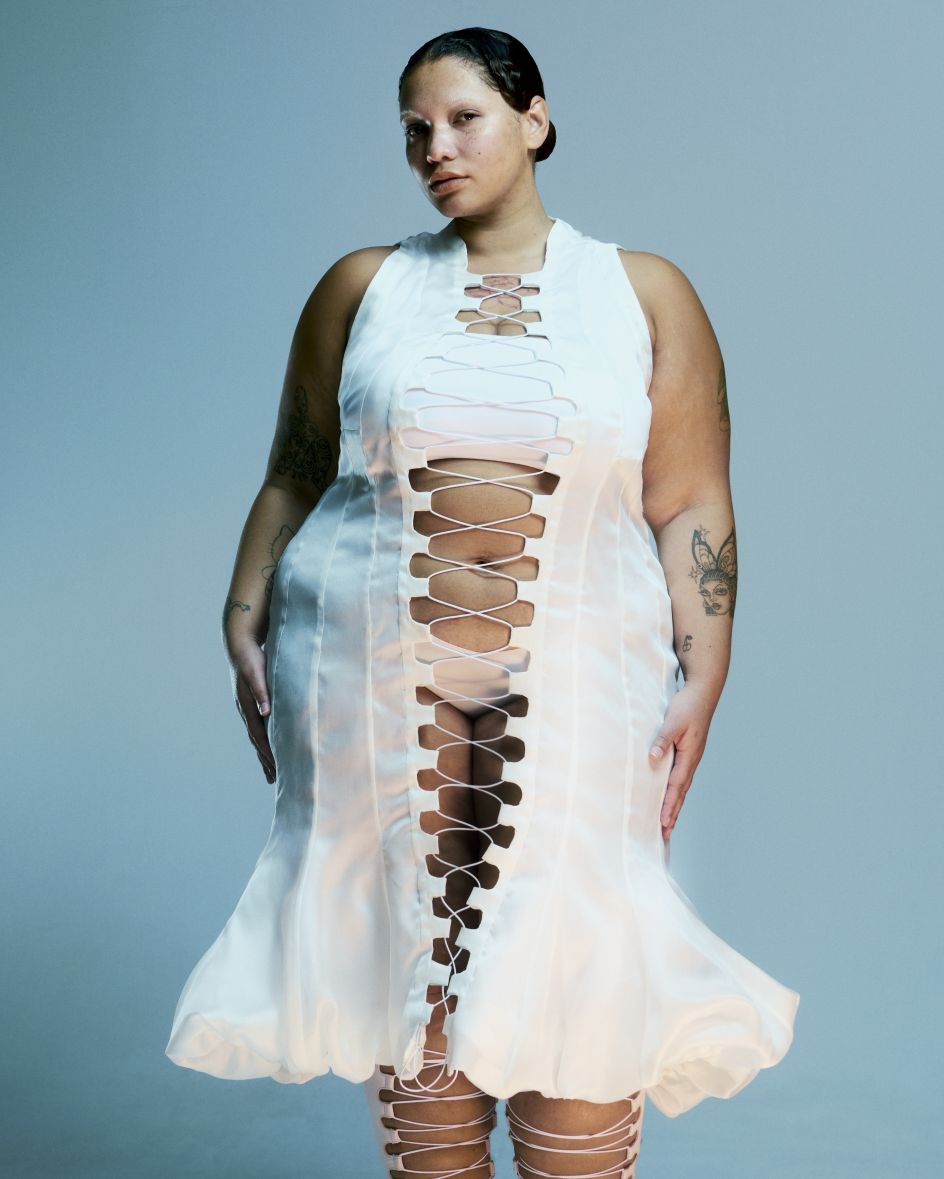
©Sinéad O'Dwyer. Courtesy Irish Design Week 2025
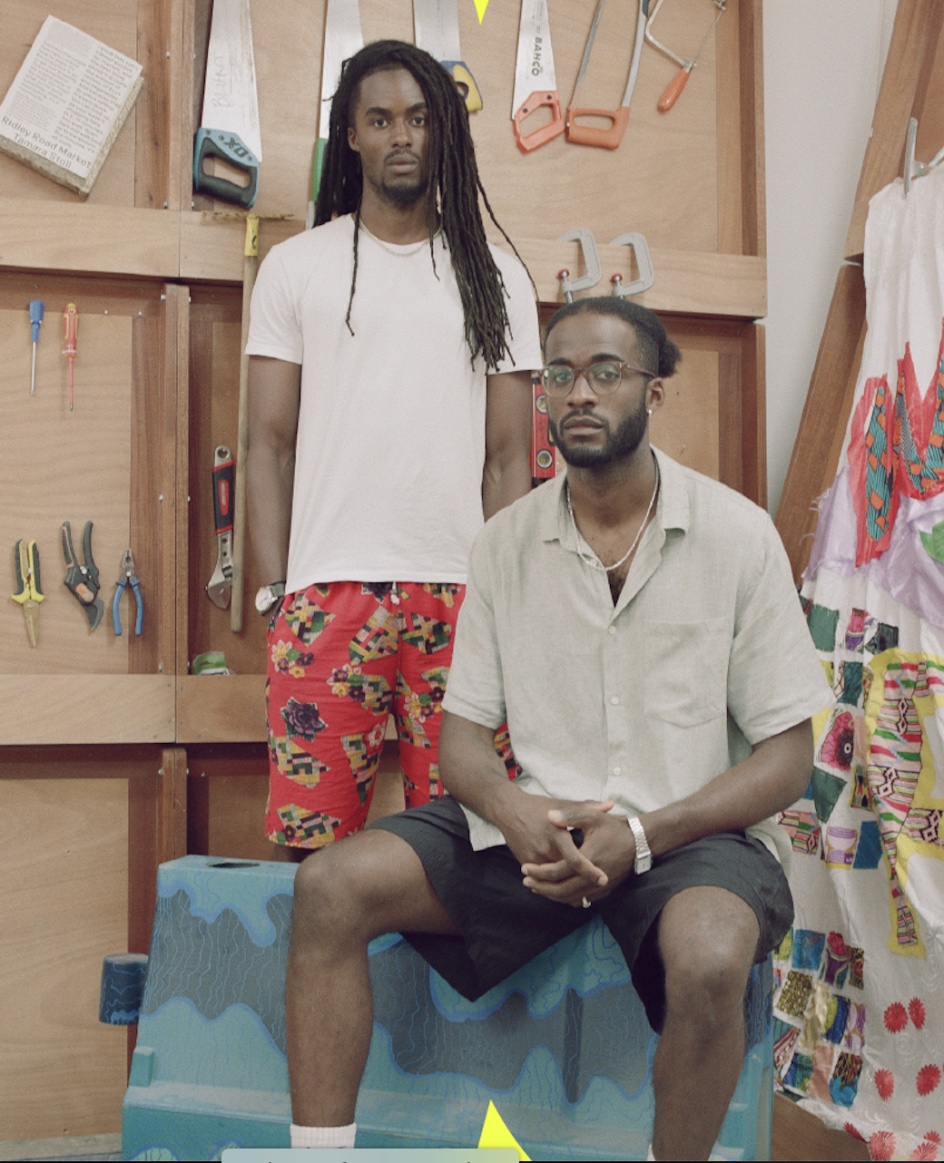
The theme of the Week, 'The Ties that Tie and the Links that Link', explicitly celebrated this. It acknowledged that good design rarely happens in isolation. The Kilkenny Design Workshops succeeded not through individual genius but through structured collaboration and international exchange. Six decades later, that model feels increasingly relevant.
So here's my takeaway for creatives, whether you're based in Ireland, the UK or beyond. Irish Design Week offers something that's more than mere networking, and beyond just inspiration (useful though these things are). More broadly, it's a working model of how design communities can build influence through genuine exchange, strategic connection and commitment to both craft excellence and social purpose. And in an increasingly fragmented creative economy, that's not too shabby.

Editor's Picks

Trending
Podcasts
Editor's Picks
Further Reading
](https://www.creativeboom.com/upload/articles/ed/ed4263f55295ebc3974424ae8fc5701923c3956b_732.jpg)