How dating blunders inspire Kimberly Elliott's funny illustrations
From awkward first dates to relationship idioms brought to life, the illustrator turns everyday romantic misadventures into bold, humorous works that are instantly relatable.
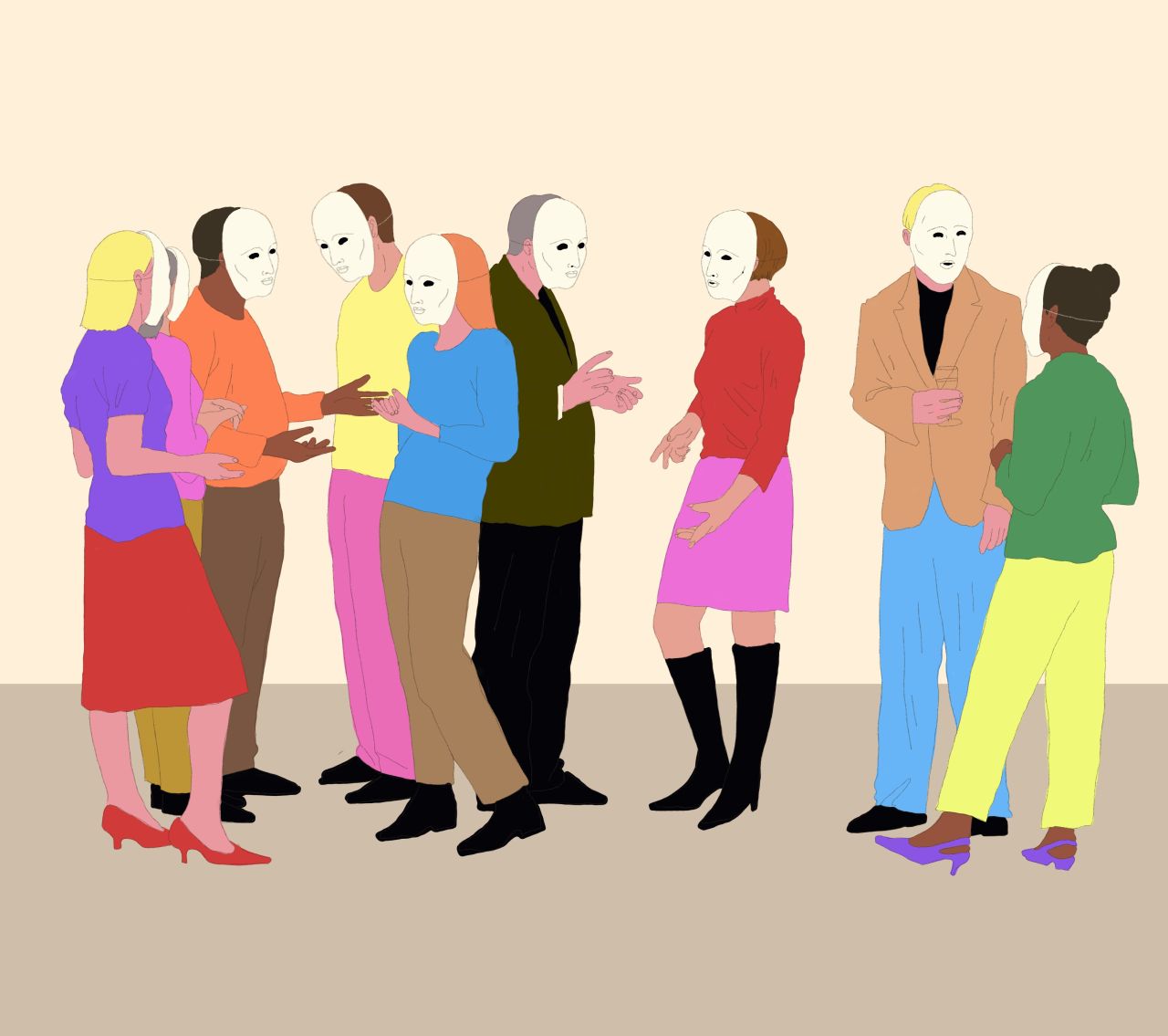
There are many ways that a creative mind can spark an idea. Some might go for a walk, others might do some star jumps or listen to a favourite album on repeat. For Kimberly Elliott, words – whether written or spoken – tend to be her main visual cue.
"I feel very creative when I'm reading multiple books, or just by listening to my friends and family," she tells us. These can be stories from day-to-day life or maybe even a vent about a certain dating situation. "They'll say things like, 'she's got her walls up', or 'he's too guarded!' and we'll laugh about it, then I'll go home and start thinking and sketching something from that."
Her new body of work is very much inspired by the real-life conversations she's had with friends, especially the tough ones, which she says help her "laugh through the hurt".
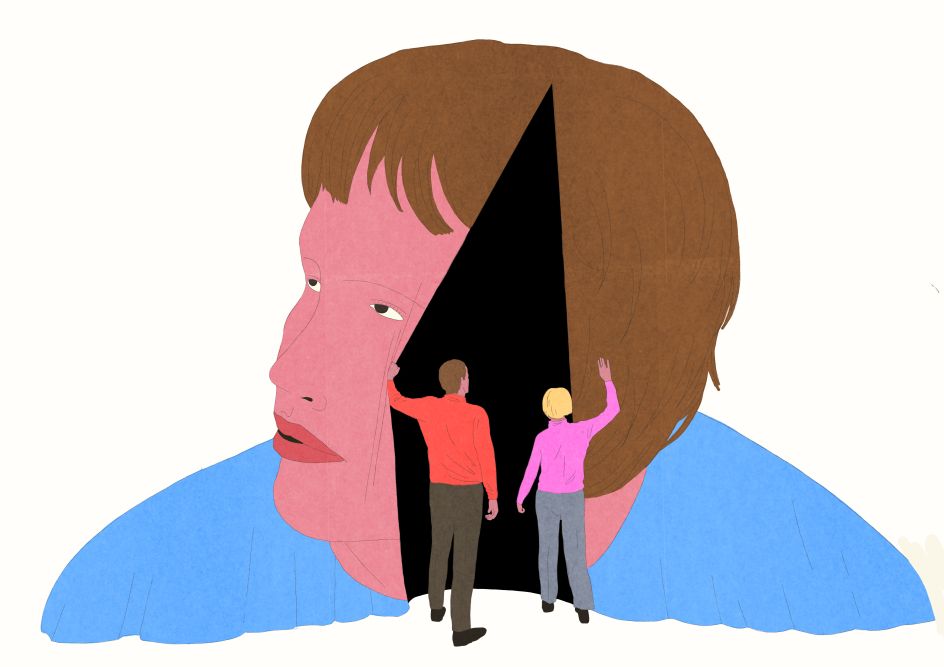
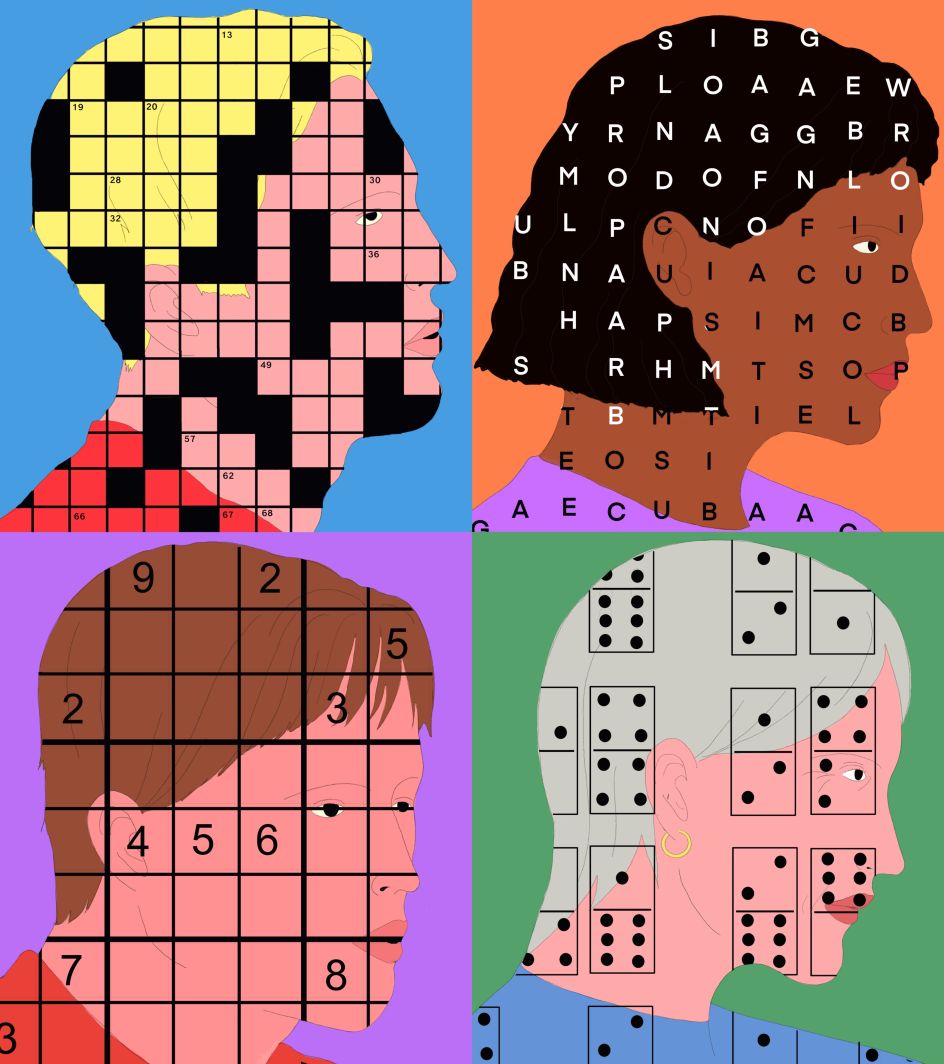
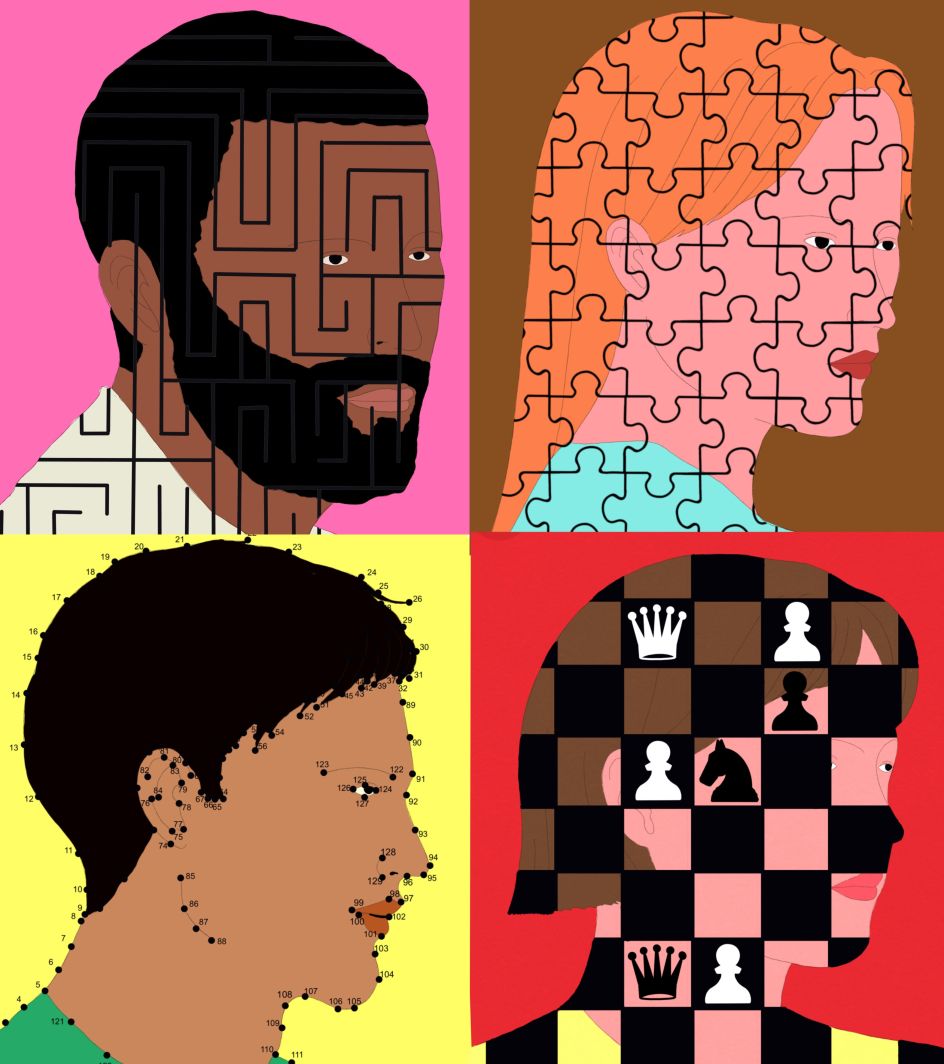
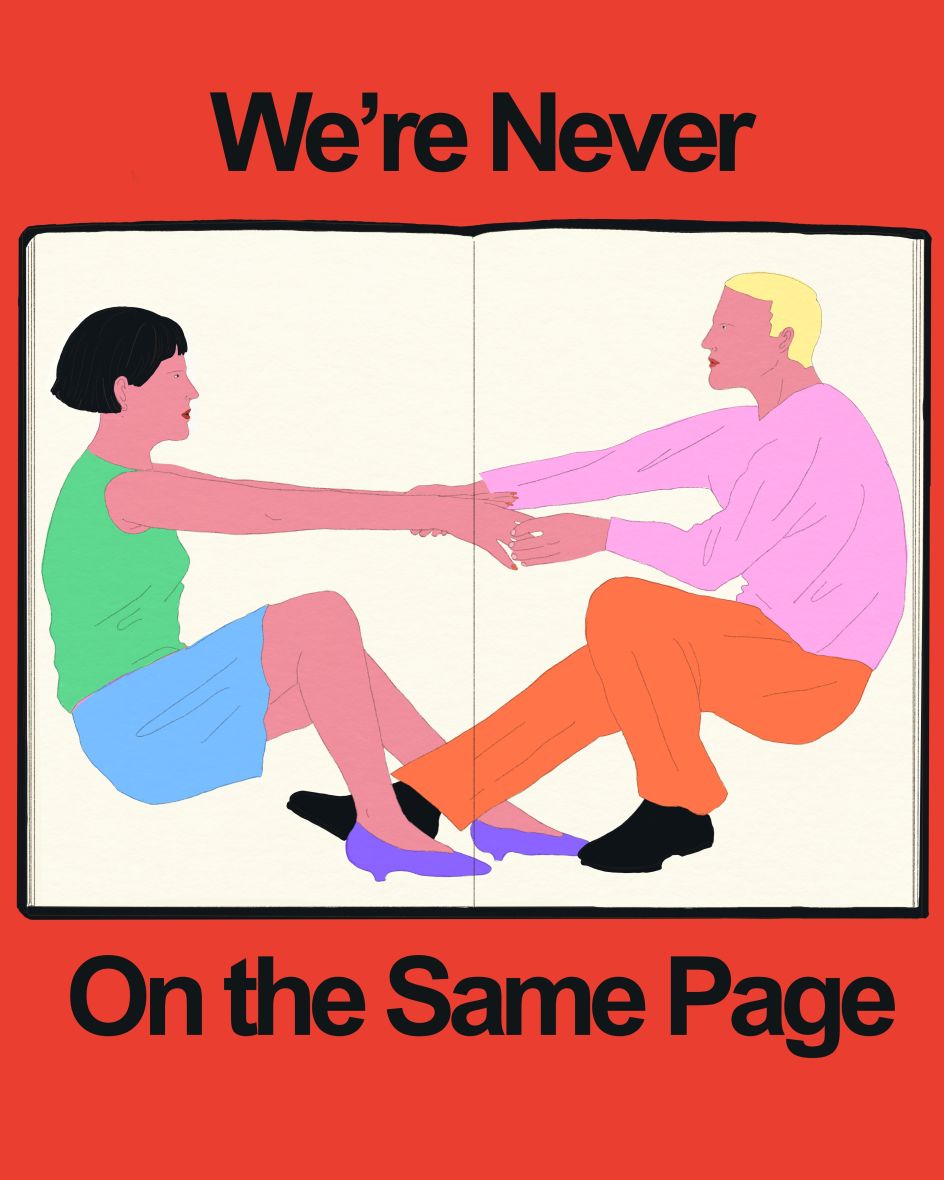
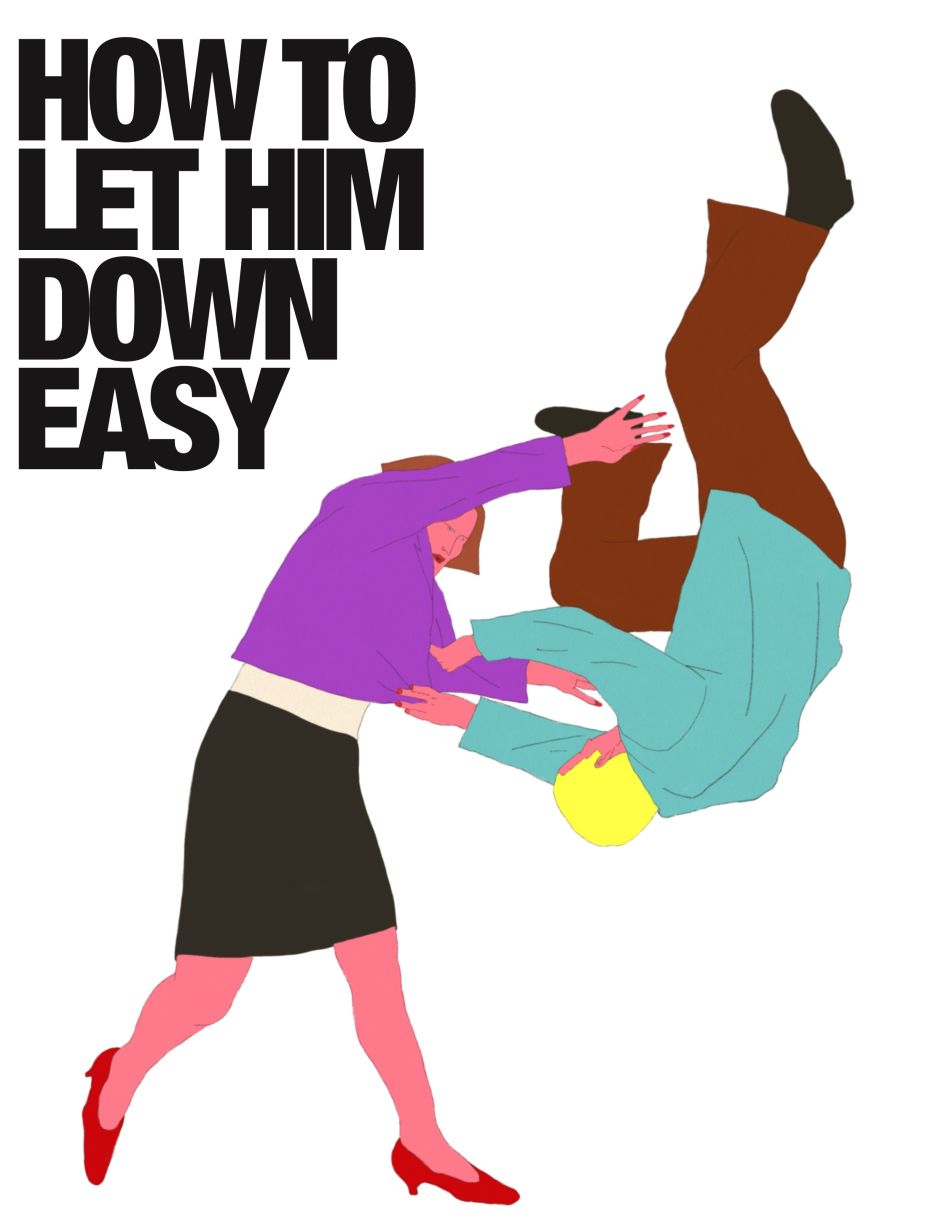
In one artwork, you'll see the words "How to let him down easy", the text slammed on the page in a chunky, bold sans-serif font. Next to it is an angry-looking character throwing the other down in what appears to be a cathartic tackle. The action is caught mid-air, the thump imminent. In another, which states "We're never on the same page", a couple are holding hands, leaning at opposite sides as they, quite literally, are spread out on different pages.
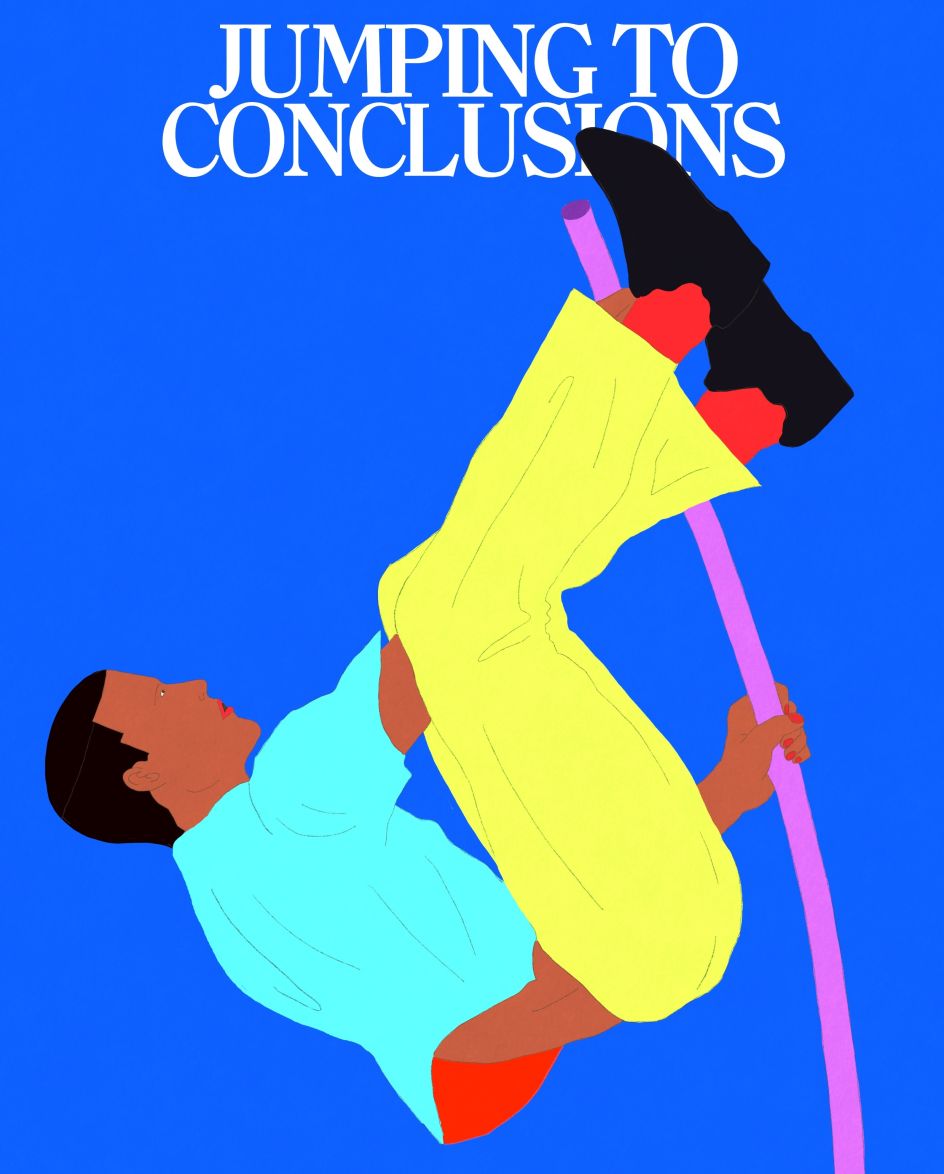
And in another, which declares "Jumping to conclusions", there is a character doing a pole vault; the starting point and the finish line are uncertain. Whatever the situation, Kimberley's characters are expressive and dressed to the nines (or maybe it's more accurate to say a stylish office), mimicking the kinds of dating faux pas we've all experienced at one point or another.
And that's exactly what makes her work sing. Through this series and her whole portfolio for that matter, we can plainly see Kimberley's knack for turning familiar idioms, metaphors and stories into something that will make the most serious of audiences chuckle. "There is so much humour to be found in grief, relationships and work. It's all there, we just have to listen and find the funny in it," she says. It's a style that's refined and recognisable, something that the artist has worked hard to achieve over the years.
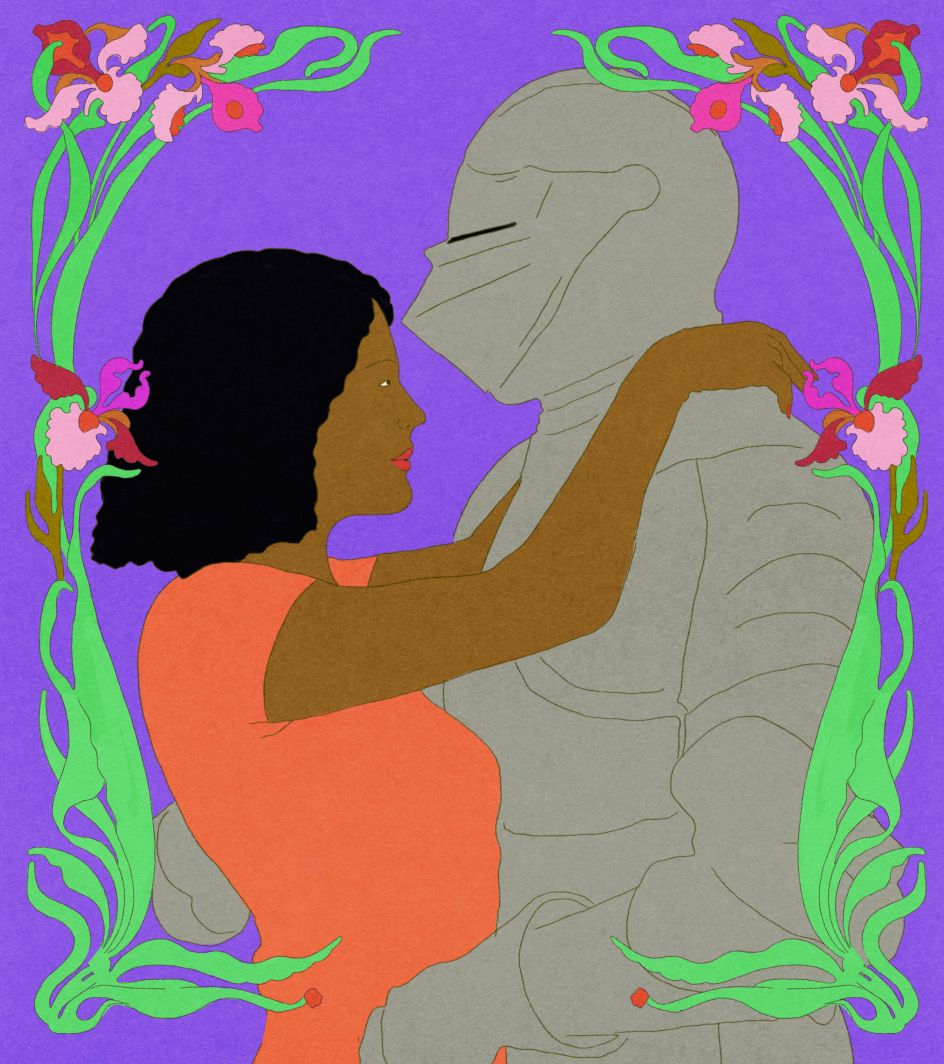
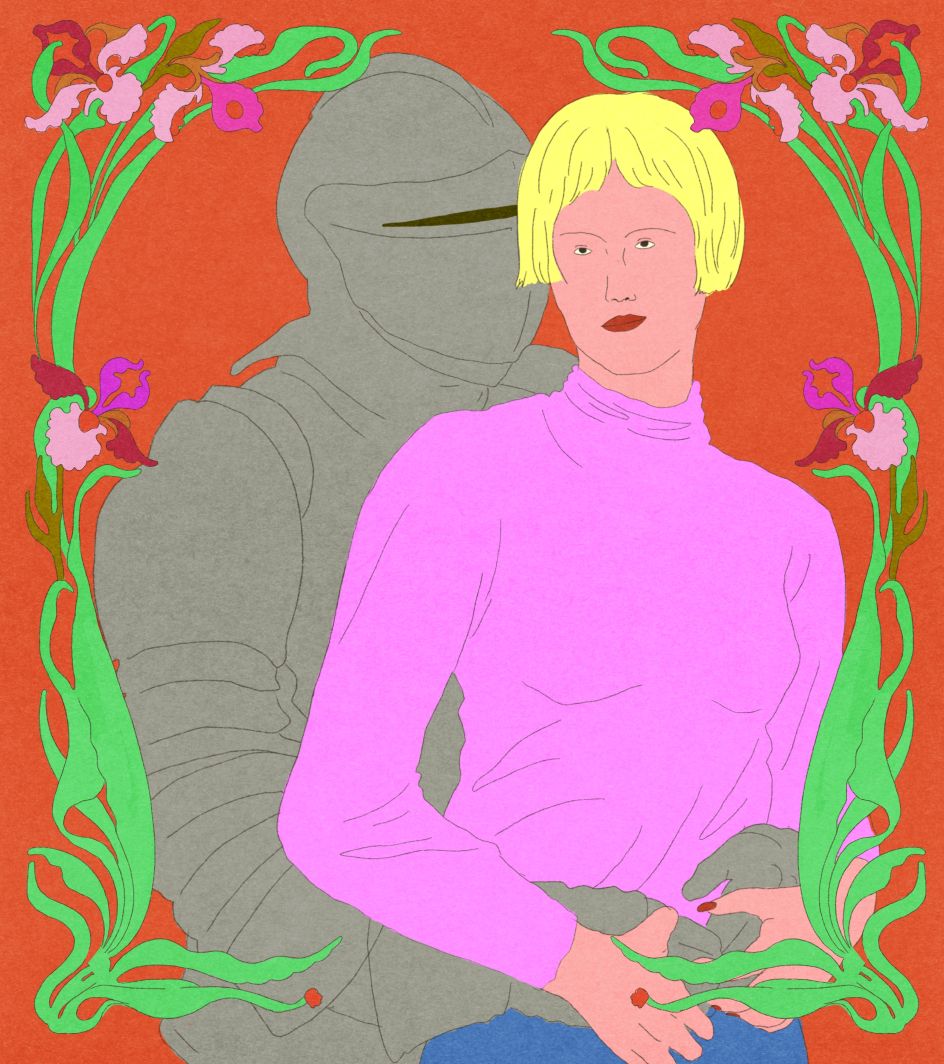
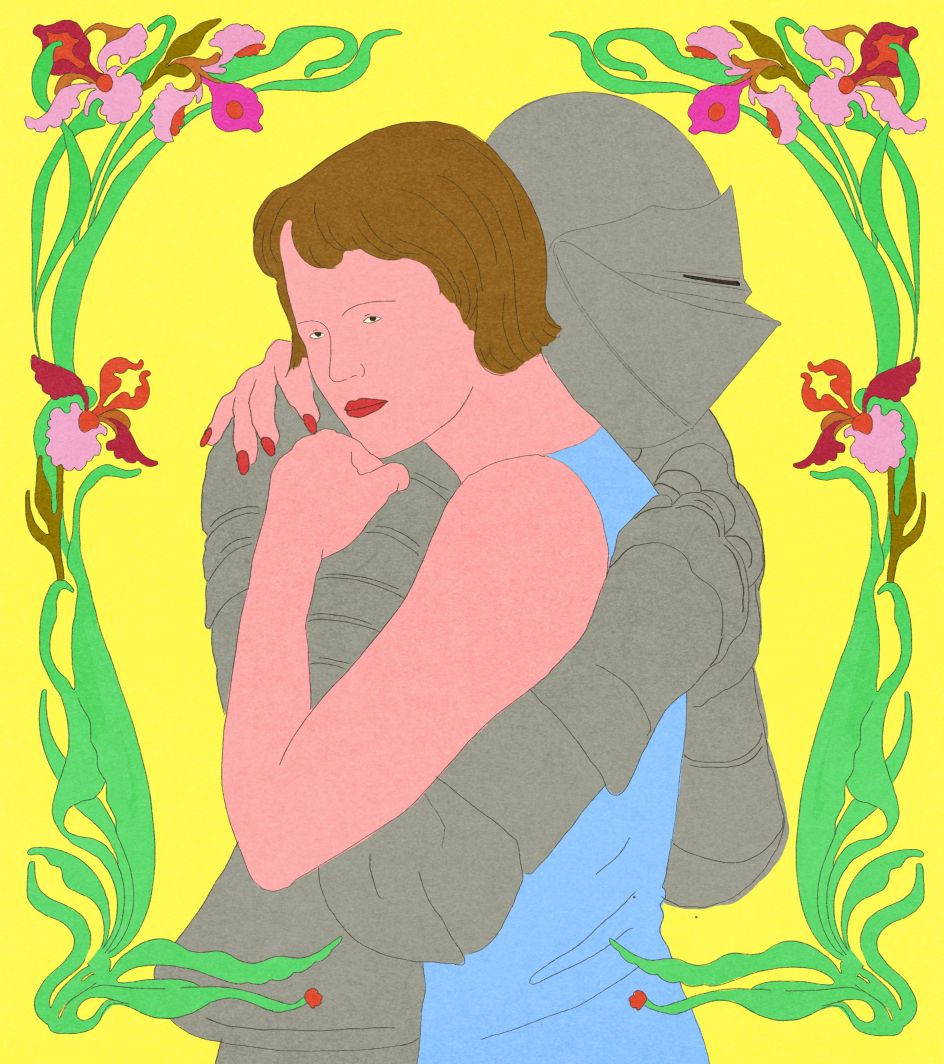
Kimberly grew up in the Philippines, in a small fishing village called Playa Lane in Agoo, La Union – a location she describes as "extremely far from any metropolitan life". Without the city's distractions, she found herself rummaging through art books and old DVDs to see what's out there, learning about culture, art and – of course – creativity. When she turned 17, she built her own studio in a cupboard that had once held supplies and tools. From there, after studying business at university, she took on some odd jobs before realising that corporate life wasn't for her. "I knew I would never work in an office."
This encouraged Kimberly to start drawing her friends, which led to landing some spots in small magazines and zines, and eventually illustrating the cover art for indie bands, as well as working with clients including A24, The New York Times, Bloomberg Business, The Cut, Bon Appétit, and The Telegraph. "Through a lot of steady, hard work, I found my tone and my voice," she explains. "I used to be paralysed about making sure my work was consequential, significant and 'what is it really saying?'. I took myself too seriously, and it was only when I finally let that idea go that I started to really see myself in my work."
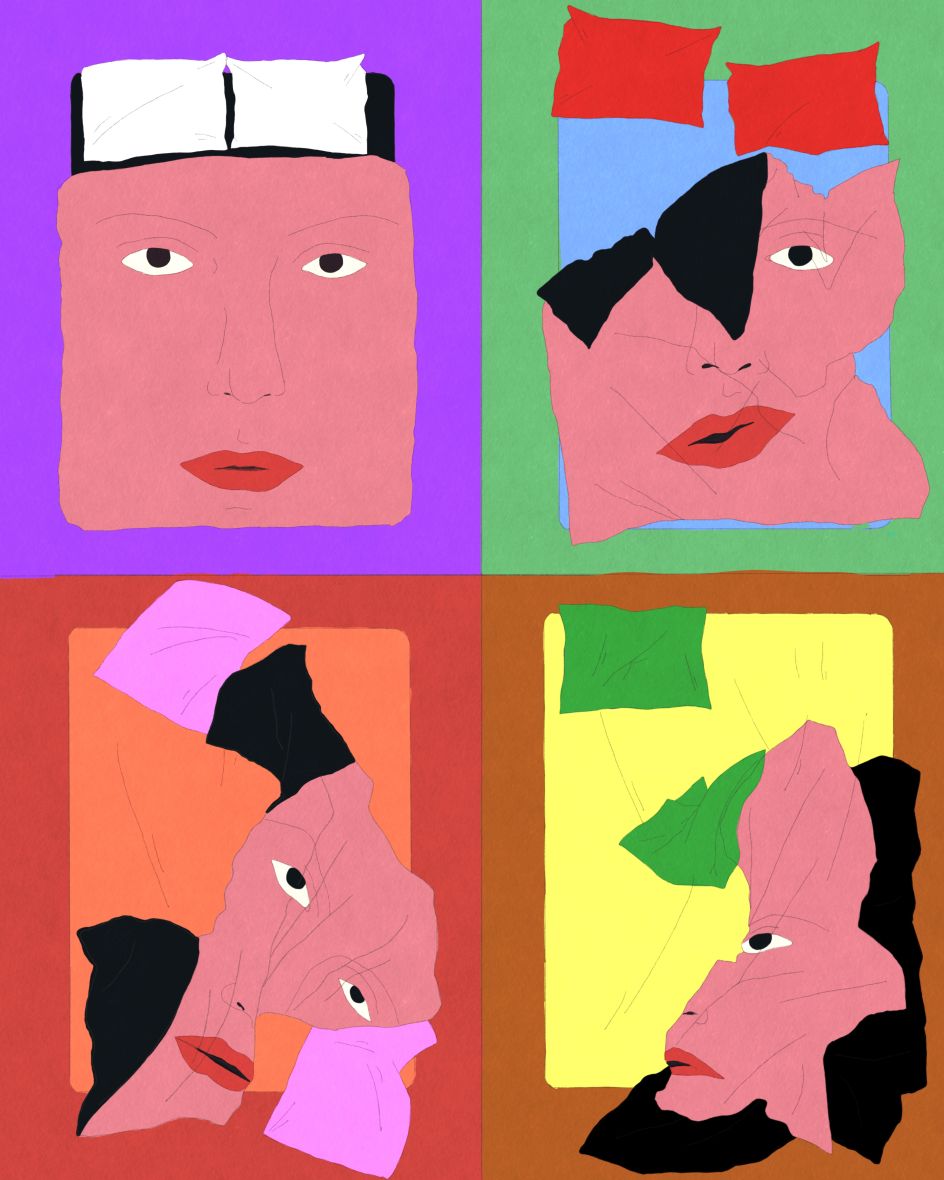
When she's not drawing from dating blunders, Kimberly also turns to more elusive inspirations like the "struggles of mental health, introspection and the internal conflicts we all battle". She's also recently tried her hand at storyboarding – like a recent animation about 'letting go' – and plans to broaden her scope further into publishing, producing zines and even more animations in the future.
Whatever the medium or type of project at hand, though, her work will always come back to the core manifesto: making something funny, colourful and relatable. "I want people to see themselves in my work," she concludes. "If they can look at something I've made, relate to it, have a laugh or feel seen – that's it, that's enough."
Further Information
Editor's Picks

Trending

Podcasts
Editor's Picks
Further Reading