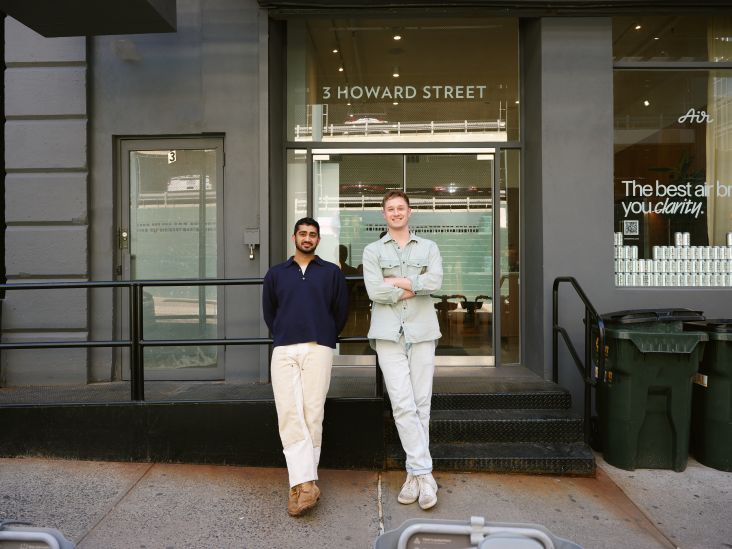
'You come for the food. You return for Bonnie.' – Kathryn Farwell on designing the relationship, not just the work
What a Brooklyn waiter who'd been at the same restaurant for 30 years taught Athletics' Head of Client Experience about the difference between good service and something truly memorable.

When my parents first visited after I moved to New York in 2011, I took them to Henry's End in Brooklyn Heights for its famed Steak Diane. It came highly recommended by a coworker, which was an endorsement enough, but he added one more instruction: ask for Bonnie, who had been waiting tables there for nearly 30 years.
The steak was excellent, the sauce was incredible, and the mashed potatoes had so much butter that I thought I was back home in the South. But Bonnie made the night. She was blunt and opinionated in a way that only career waiters can be. She steered us toward the right wine, warned my dad away from an overambitious appetiser, and punctuated the meal with stories that made the dining room feel intimate. Her casual confidence set the tone. I'm convinced she did more than deliver good service—she helped my parents feel at ease about me moving to the "big city".
We went for the food. We left remembering Bonnie. That’s the distinction between a good meal and a memorable one. And it's the same distinction between delivering creative work and designing the client relationship.
You come for the food
In our world, the "food" is the strategy, the brand platform, the campaign, the experience. It's the craft. It's what clients hire us to make. It needs to be thoughtful, differentiated, and technically sound. Without it, nothing else matters.
But what's delivered is only one part of what's remembered.
In hospitality, you can't compensate for bad food with charm. But you also can't assume that great food speaks entirely for itself. The best restaurants understand the front-of-house experience. How you're greeted, guided, and cared for is not a decorative layer on top of the cuisine. It is part of the product.
The same is true in creative partnerships. The work matters. But how the work is delivered, discussed, challenged, and evolved is what determines whether a client engagement feels transactional or transformative.
Front of house is a design discipline
Great restaurants don't leave the dining experience to chance. They design it.
The lighting is calibrated. The pacing between courses is intentional. The host knows when to lean in and when to give space. The server reads the table. Celebration or business dinner, first date or family reunion, and adjust accordingly.
Front-of-house is not administrative. It's strategic.
At Athletics, we think about client experience the same way. Relationship design is not a soft skill layered atop hard thinking. It is a system. It is architecture. It is a deliberate set of choices about how clients move through a partnership with us.
How are they onboarded? How do we establish shared language? How do we create visibility into our process without overwhelming them? When do we push? When do we listen? Where do we introduce surprise and delight?
These are not accidental outcomes. They are designed.
Bonnie as program director
Bonnie knew the menu cold. But more importantly, she knew how to manage energy. She didn't recite specials in a monotone voice. She edited. She advised. She told us what not to order. That confidence built trust. She made it clear that she was on our side and invested in our experience.
That's the posture we take with clients. We're not order-takers. We're not there to passively execute a brief as written. As a seasoned front-of-house lead, we understand the full system—kitchen constraints, ingredient quality, timing—and translate that complexity into a seamless experience for the guest.
Sometimes that means telling a client that their "appetiser" will crowd out the main course. Sometimes it means adjusting pacing when internal alignment is off. Sometimes it means protecting the integrity of the creative by explaining why a last-minute tweak may dilute impact. Directness, when grounded in care, builds confidence.
Bonnie's bluntness worked because it was in the service of us having a better evening. In the same way, our candour with clients is never about ego. It's about stewardship of the work and the partnership.
The invisible choreography
What most diners never see is the choreography behind the scenes. The coordination between the kitchen and the floor. The communication about timing. The recovery plan is in case something goes wrong. When that system works, the experience feels effortless.
In client services, the same principle applies. A well-designed relationship anticipates friction points before they become flashpoints.
Clear scopes prevent awkward renegotiations. Shared success metrics prevent misaligned expectations. Defined decision-making structures prevent endless feedback loops.
When these elements are thoughtfully constructed, the client isn't burdened by operational noise. They can focus on the creative conversation. The equivalent of savouring the meal rather than worrying about whether their water glass will be refilled.
At Athletics, we view this operational rigour as a creative enabler. It creates psychological safety. It builds momentum. It ensures that the spotlight remains on the ideas, not the process gaps.
Turning a meal into a memory
Why do some client engagements blur together while others become defining chapters in a brand's story? It's rarely just the output.
It's how the client felt during the journey. Did they feel heard? Challenged? Inspired? Did they feel like co-authors, or did they feel managed?
At Henry's End, the Steak Diane was delicious. But what I remember most is how Bonnie made my parents feel welcome. How her personality gave the evening character. That emotional layer turned a strong recommendation into a personal memory.
In our partnerships, we aim for the same effect. We want clients to remember not just the launch moment, but the collaboration that got them there. The clarity workshop that unlocked alignment. The debate sharpened the strategy. The presentation where their internal stakeholders leaned forward instead of back.
Memorable experiences are emotional. And emotion is designed.
Consistency over time
Bonnie had been at Henry's End for nearly three decades. That continuity matters. It signals stability. It builds institutional knowledge. It creates a sense of home.
Long-term client relationships operate on the same principle.
Consistency in team structure builds trust. Institutional memory accelerates progress. A shared history of wins and setbacks creates resilience. When challenges arise (as they inevitably do), there is relational equity to draw upon.
At Athletics, we invest in durable partnerships rather than one-off projects. That means designing relationships that can evolve: from initial brand definition to motion systems to digital tools. The front-of-house mindset persists even as the menu changes.
Designing for the whole experience
You go to a restaurant for the food. But you return for how it makes you feel. Clients come to us for strategy, brand, and creative execution. But they stay for the partnership.
Designing the relationship is not about over-servicing or superficial gestures. It's about intentionality. It's about recognising that every touchpoint—kickoff call, workshop agenda, feedback loop, final presentation—is part of a cohesive experience.
The work is the entrée. The relationship is the atmosphere, the pacing, the conversation, the memory.
When both are crafted with care, the result transcends deliverables. It becomes something clients talk about, recommend, and return to—just like a neighbourhood restaurant with a legendary Steak Diane and a server who makes you feel at home.
At Athletics, we design both.
Further Information
This piece was written by Kathryn Farwell, Head of Client Experience at Athletics. When she's not guiding creative partnerships from idea to implementation, you'll find her hosting a monthly supper club or browsing the shelves at Kitchen Arts & Letters.

Editor's Picks



Trending




Podcasts




Editor's Picks
Further Reading