The art of unlearning to get away from AI
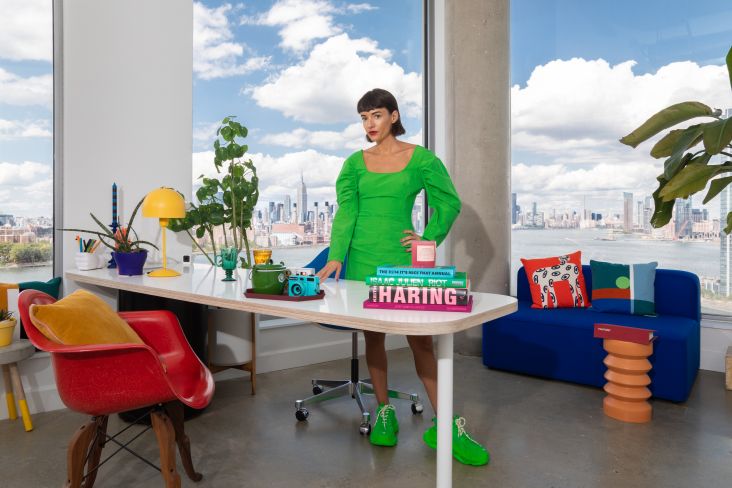
For In Her Own Words, creative director Raissa Pardini reflects on unlearning productivity, perfection and creative correctness – a realistic reset for designers questioning what still belongs to humans in the AI era.

Photo credits: Lorenza Ragno
If a machine could create something beautiful, does it matter if it never felt anything while doing it? That question has followed me for most of my career.
There were long stretches where I felt like a machine myself. I was efficient, productive and technically good. I was doing everything I had been taught to do: following the rules, applying the methods, learning from the designers before me.
On paper, it worked, but in reality, it didn't, and – eventually – I left design for a number of years.
What brought me back wasn't a new framework, a better process, or a shinier tool. It was listening to how I felt about creativity again. I didn't need to analyse structure or chase correctness. I stopped trying to become what I thought a "good designer" was supposed to be.
I had to listen to what I could offer as a human, because creativity without emotion isn't really creativity at all. If it were, we'd have to ask ourselves what exactly we are here for.
I'm a creative director, educator, and artist from Italy, now based in London. My work has always been about questioning creativity and observing techniques, trends and society. Then criticising, breaking, and rethinking it all, not just to make better work, but to make the creative industry a more human place for myself and for others.
Before clients, deadlines, and expectations, I was a hyperactive kid. That hyperactivity fuelled my curiosity. I wanted more and more and more. I took things apart just to understand how they worked. That instinctual, chaotic energy was raw creativity at its purest, yet somewhere along the way, many of us learned to suppress it.
When I started to feel like a machine, that inner kid went quiet. I stopped listening and began learning how I was meant to create, not how I naturally did. That's when I began thinking deeply about unlearning.
Unlearning is about going back to a time before filters. Before fear and optimisation became more important than curiosity. It means letting go of what we've been told is correct so we can rediscover what actually feels alive.
I did internships in Milan, Berlin, and London, trying different industries and cities. While the work was solid and the environments were impressive, I felt cold. I was becoming a competent but replaceable designer.
There was no soul in the work – no emotional fingerprint – and if I was replaceable, it was because what I was producing could be replicated. That's why the conversation around AI feels so familiar to me.
Machines today are learning from us at an incredible speed. They study patterns, generate ideas, replicate styles, and optimise outcomes. In many ways, they remind me of that earlier version of myself. Productive and capable, but emotionally absent.
AI is not the enemy, though. I see it as a supercharger that can get us to where we're going faster than before. But here's the part we cannot forget: we still have to tell it where to go.
AI doesn't dream. It doesn't wonder. It doesn't feel. It can remix what already exists, but it cannot imagine what hasn't yet been imagined. That space still belongs to us.
When AI makes mistakes, we call them hallucinations. I find that word interesting, because hallucinating is actually very close to how human creativity works. You end up somewhere you didn't intend to be, something goes wrong, and suddenly something new appears.
Art thrives in ambiguity, surprise, and chaos. Coding thrives in clarity, order, and logic. No matter how advanced machines become, they will never fully live in that messy space where instinct leads before understanding arrives.
That's where we come in: our instincts, our curiosity, our vulnerability, our instability. These are not problems to fix – they are the heartbeat of creativity. While machines need stable conditions, creativity often emerges from uncertainty, confusion, or unresolved situations.
Unlearning matters because it helps us protect what cannot be coded. Pregnancy made this clearer to me than anything else. It is the most literal form of human creativity. A process driven by intuition, vulnerability, and transformation. It made me ask whether creativity needs a womb, not a machine, to exist in its purest form.
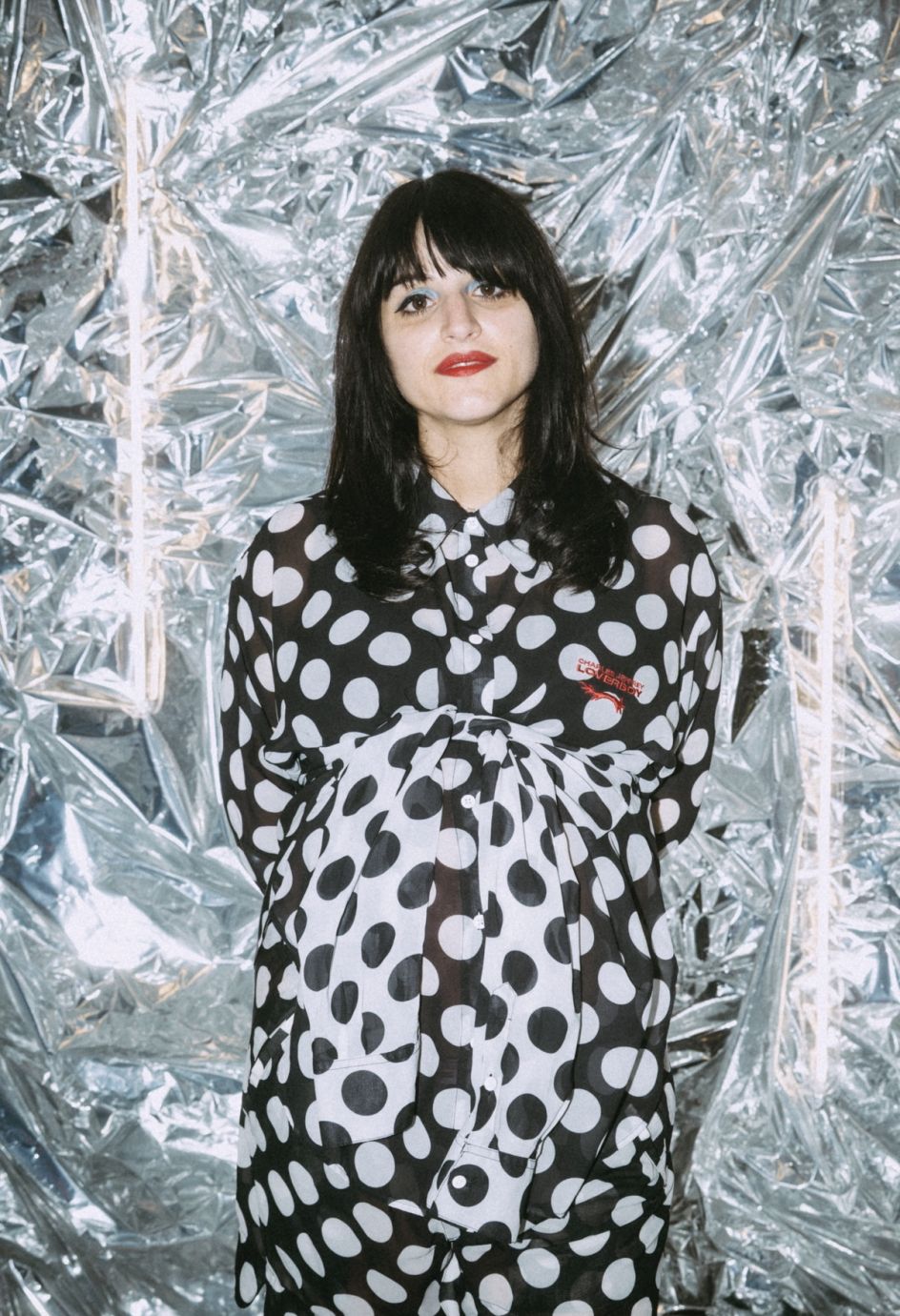
Photo credits: Lorenza Ragno
What difference does it make to be alive? A friend once said to me that even if we could simulate the entire universe perfectly, we would still never know why. That stayed with me.
AI is brilliant at the how – how to make, how to solve, how to replicate – but the why – aka the meaning, the empathy, the intention – is still ours. Human creativity lives in the uneasy space between how and why. It stumbles, it tangles, it collapses – and that is where it feels the most alive.
When I began unlearning the rules I had internalised, my creative voice finally came through. My work stopped being correct and started being felt. People connected with it not because it was flawless, but because it had a life of its own. It wasn't repeatable, and neither was I.
This moment we're in, creating alongside machines, doesn't have to be a threat, but it might just be a turning point. A chance to rethink not just how we create, but why we create at all.
Machines will keep imitating (that's what they do). Our job is to keep imagining. So here's my challenge. Unlearn one thing – just one and the next time you reach for a tool to make life easier, pause. Try it the messy, human way instead and see what happens.
At first, I asked whether it matters if a machine creates without feeling anything. Let me flip that question. If you create something, will it be different if you feel something while doing it?
That's the part the machine still can't learn.
Further Information
This piece was written by creative director Raissa Pardini, exclusively for Creative Boom.
Editor's Picks

Trending


Podcasts
Editor's Picks
Further Reading