HIRUKI: a design house betting on emotion in an era of systems and scale
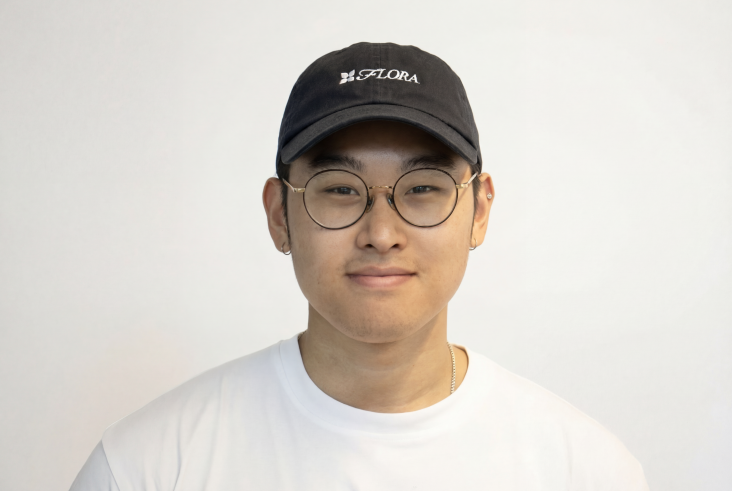
Founded by Julen Saenz, whose CV spans Apple, Google Creative Lab and Collins, HIRUKI is a new collective studio built on the belief that brands should be felt as art.

Over the past decade, the design industry has become increasingly fluent in systems, scale and speed. Brands are 'optimised', frameworks are refined, and success is often measured in metrics.
More recently, though, something softer and harder to quantify is creeping back into focus in a kind of rebellion. That something is feeling.
It's this tension between precision and emotion that sits at the heart of HIRUKI, a newly launched design house founded by a designer whose career spans agencies, studios, and in-house teams, including R/GA, Collins, U.N.N.A.M.E.D., Google Creative Lab, and Apple Marcom Design. After years inside some of the industry's most respected creative environments, he decided it was time to build something of his own.
"I've learned my craft, my process, and so many different ways of thinking from the places I've worked," says Julen. "But I always felt there was more space to go deeper – to slow down, experiment, and really obsess over the work – than big structures often allow."
This was the starting point for HIRUKI, which is built around small, agile teams, where process and experimentation are non-negotiable, and where brand design is treated less like a service and more like an art form.
Designing brands as experiences
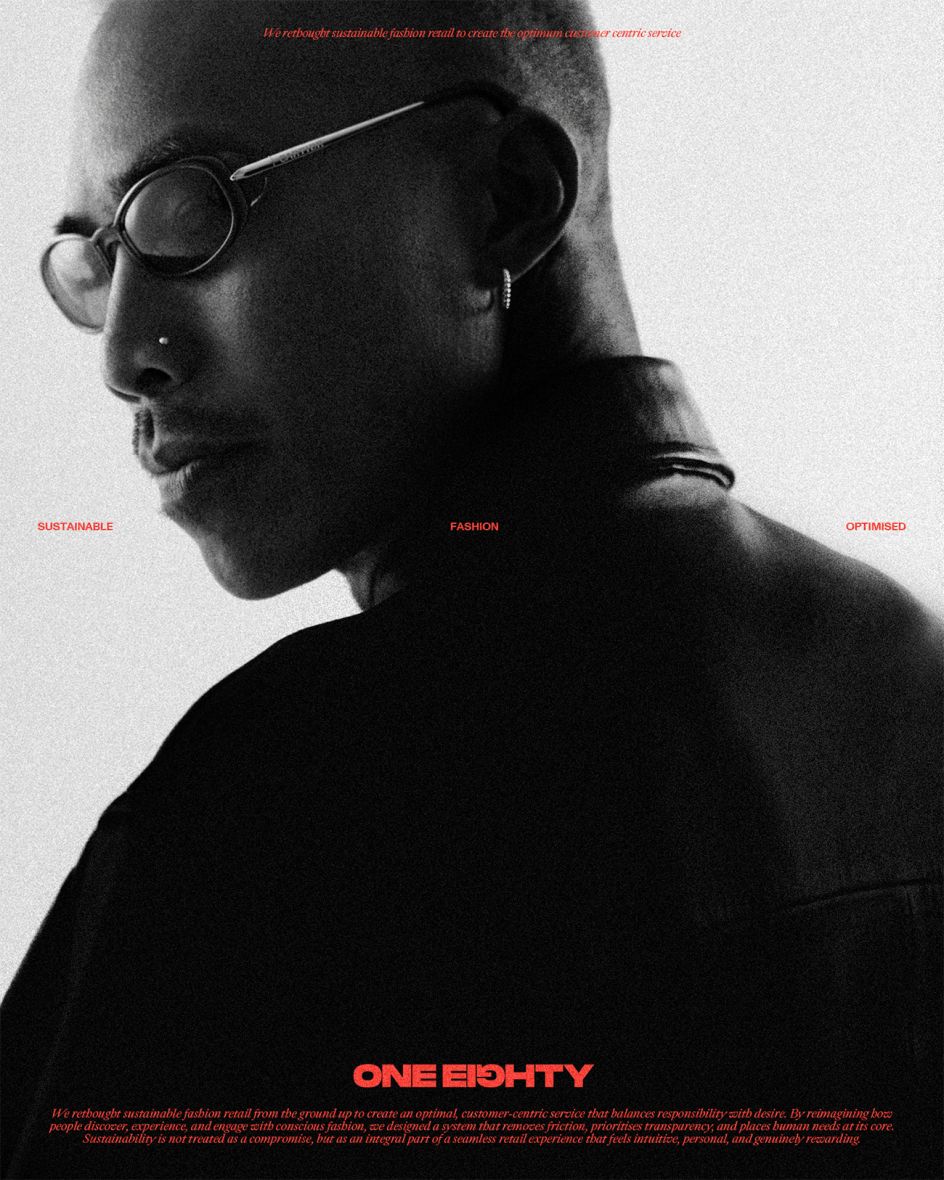
HIRUKI positions itself as "a design house shaping brands to be felt as art". The line could easily drift into abstraction if not grounded in practice, but for its founder, the idea centres around care, intention and experience. He doesn't believe in elevating design to a pedestal for its own sake.
"It's not about pretending brand design is fine art," Julen explains. "It's about treating the work with the same level of attention you'd expect from something that's meant to be experienced, not just consumed."
In practice, that means starting with emotion. Instead of asking what a brand needs to say, HIRUKI begins by asking what it should feel like. They go into its energy, its presence, and the impression it leaves behind.
"You're not just designing a logo or a system," he says. "You're designing a feeling. A world." That focus often places HIRUKI slightly at odds with more functional or KPI-driven branding frameworks, but that's deliberate. "Brand design lives in perception," Julen adds. "It's irrational. It's emotional. And while measurement matters, the real work happens in how something makes people feel."
Context is everything
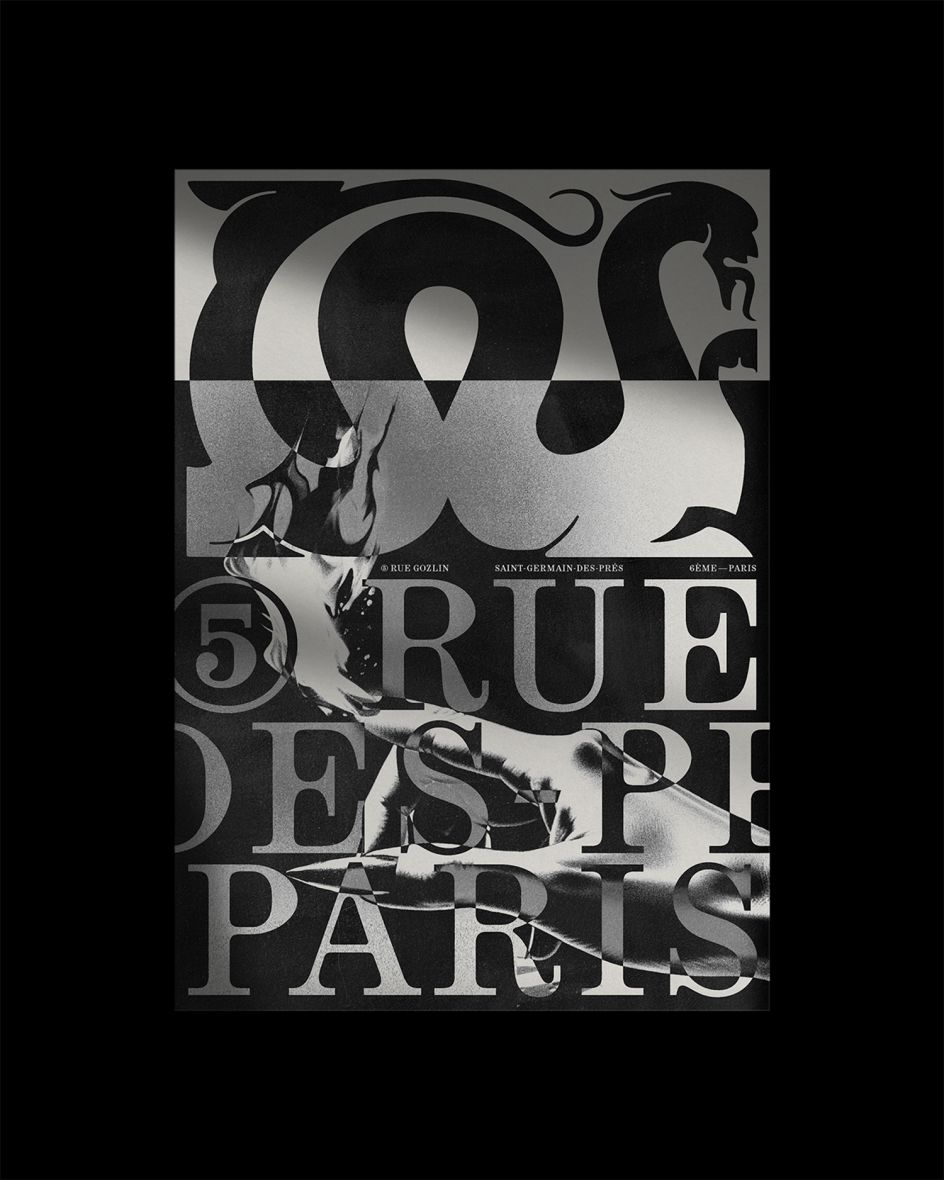
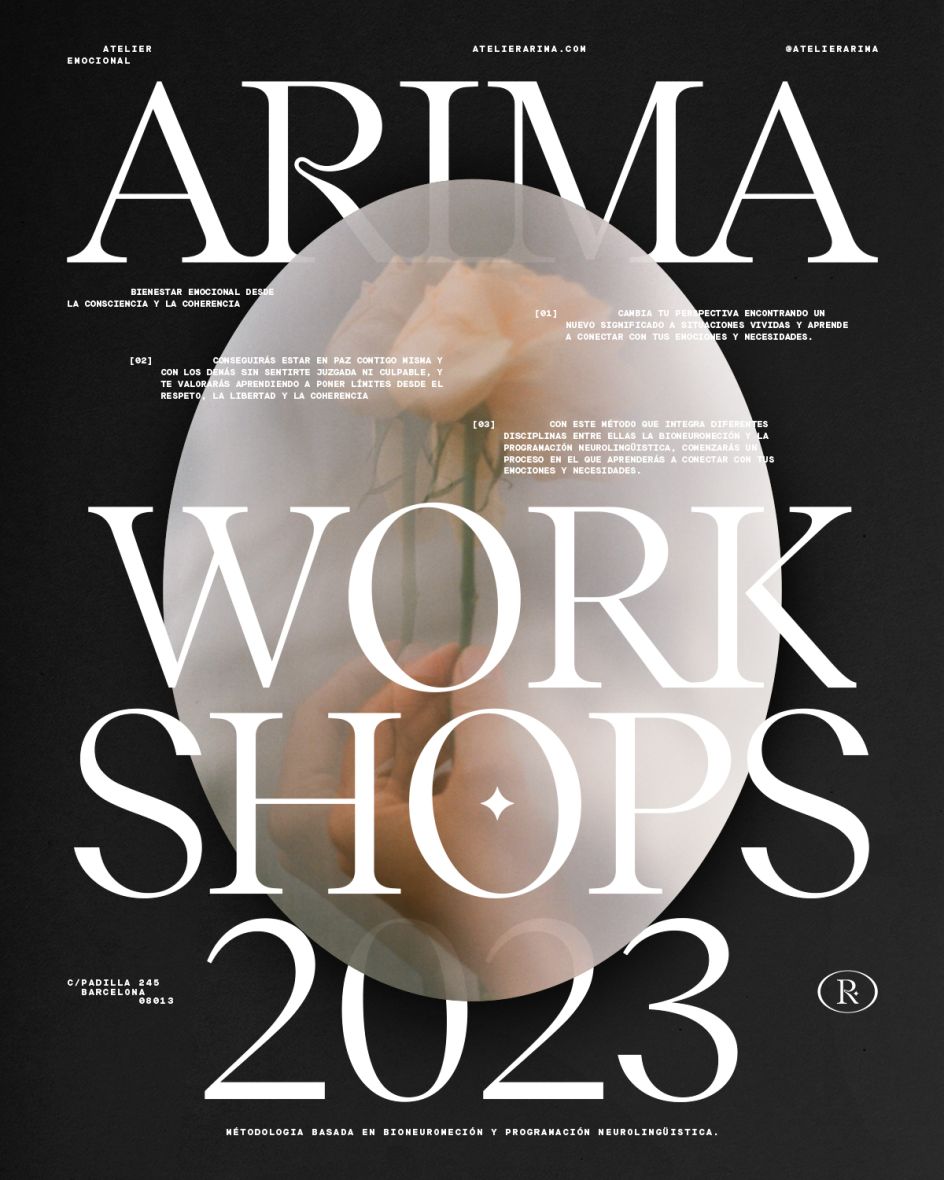
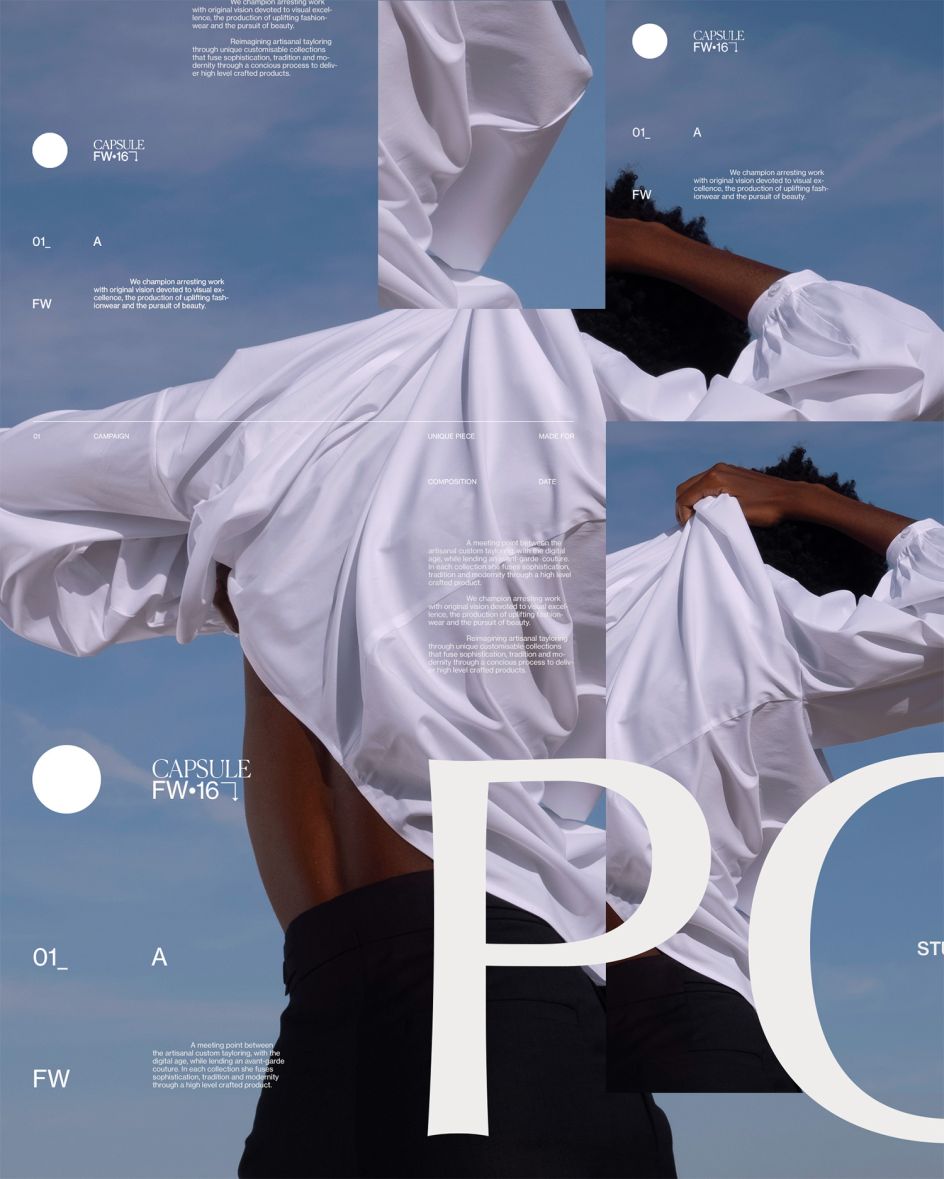
A recurring idea throughout HIRUKI's thinking is context, or the belief that meaning, value and emotional impact are shaped as much by environment as by content.
To illustrate the point, Julen often references Joshua Bell's famous social experiment, in which the world-renowned violinist played his Stradivarius in a Washington, D.C., subway station during rush hour. Most commuters walked straight past.
"The same performance in a concert hall would have been extraordinary," Julen says. "But context changes everything."
HIRUKI approaches brands in the same way. A product or service might be exceptional, but if it's framed poorly, its value can be overlooked. The studio's role, as he sees it, is to shape that context, allowing the brand's emotional and conceptual qualities to unfold.
Why a triangle?
The name HIRUKI comes from the Basque word for triangle, a symbol that reflects the studio's collaborative philosophy. For Julen, the triangle represents the smallest meaningful collective. "One person is a perspective. Two people are in a conversation. Three people are already a team," he explains.
That idea underpins how HIRUKI works internally and with clients. Rather than rigid hierarchies, the studio favours a horizontal structure where specialists contribute directly, challenge one another, and take real ownership of the work.
He likens the model to an orchestra, where individual experts, deeply immersed in their craft, work together to create a layered, cohesive whole. "One person rarely makes a brand," he says. "It needs different voices – type designers, motion designers, strategists, developers – all in dialogue."
Clients are brought into that dialogue, too. Briefs are treated as starting points rather than instructions, with HIRUKI often reframing the question entirely. "Clients know their brand better than anyone," Julen adds. "Our role is to bring an external eye, ask better questions, and push together towards something more ambitious."
A collective, not a machine
Structurally, HIRUKI operates as a collective rather than a traditional studio, a model we're seeing more and more these days.
"I've always worked this way, even before I named it," Julen admits. "Over the years, I built a network of incredibly talented people around the world. It felt natural to curate teams based on what a project actually needs."
Rather than forcing every brief through the same fixed structure, HIRUKI assembles bespoke teams from a global network of collaborators, supported by a small core that sets the studio's creative tone. This means flexibility without dilution and a creative environment that stays fresh.
"It avoids that 'studio machine' feeling," says Julen. "Where you're producing work just to feed the structure."
Protecting craft in a fast industry
HIRUKI's emphasis on depth, sensibility, and obsessive attention to detail deliberately sits against an industry that often prioritises speed and scale. Protecting that level of craft means being selective about projects, pacing and growth.
"We're mindful of how many projects we take on at once," Julen says. "The work needs time to breathe."
That approach has naturally attracted like-minded clients and brands that value conceptual thinking, refinement and rigour, and that are willing to take creative risks. Fields such as art, fashion, culture, technology, and sport are of particular interest. Essentially, spaces where creativity is not an afterthought but the core.
Growing with intention
Despite launching only recently, HIRUKI's ambitions are well thought out and prioritise quality rather than size.
"I'm not trying to build a big studio," Julen says. "I want to build one that keeps its soul." Over the next few years, that means gradually developing a small internal team while maintaining the collective model, taking on projects that stretch creatively, and potentially launching self-initiated ventures that express HIRUKI's philosophy beyond client work.
Ultimately, he hopes that people feel something when they encounter a HIRUKI project for the first time.
"Surprise, coherence, depth," he says. "That sense that every decision was intentional and that the more time you spend with the work, the more it reveals itself."
It seems that, instead of chasing the next tool, trend, or turnaround time, new businesses in the industry are asking designers, clients, and audiences alike to slow down and pay attention. Perhaps that's what we need in order to feel a little more and truly appreciate the value of creativity.
Further Information
Editor's Picks


Trending



](https://www.creativeboom.com/upload/articles/a9/a95f8ea2748ccef642d39e253c9b7ba5f7253a4e_732.jpg)
Podcasts
Editor's Picks
Further Reading