Dust: Exploring the radioactive ruins of secret cities on the Russia-Kazakhstan border
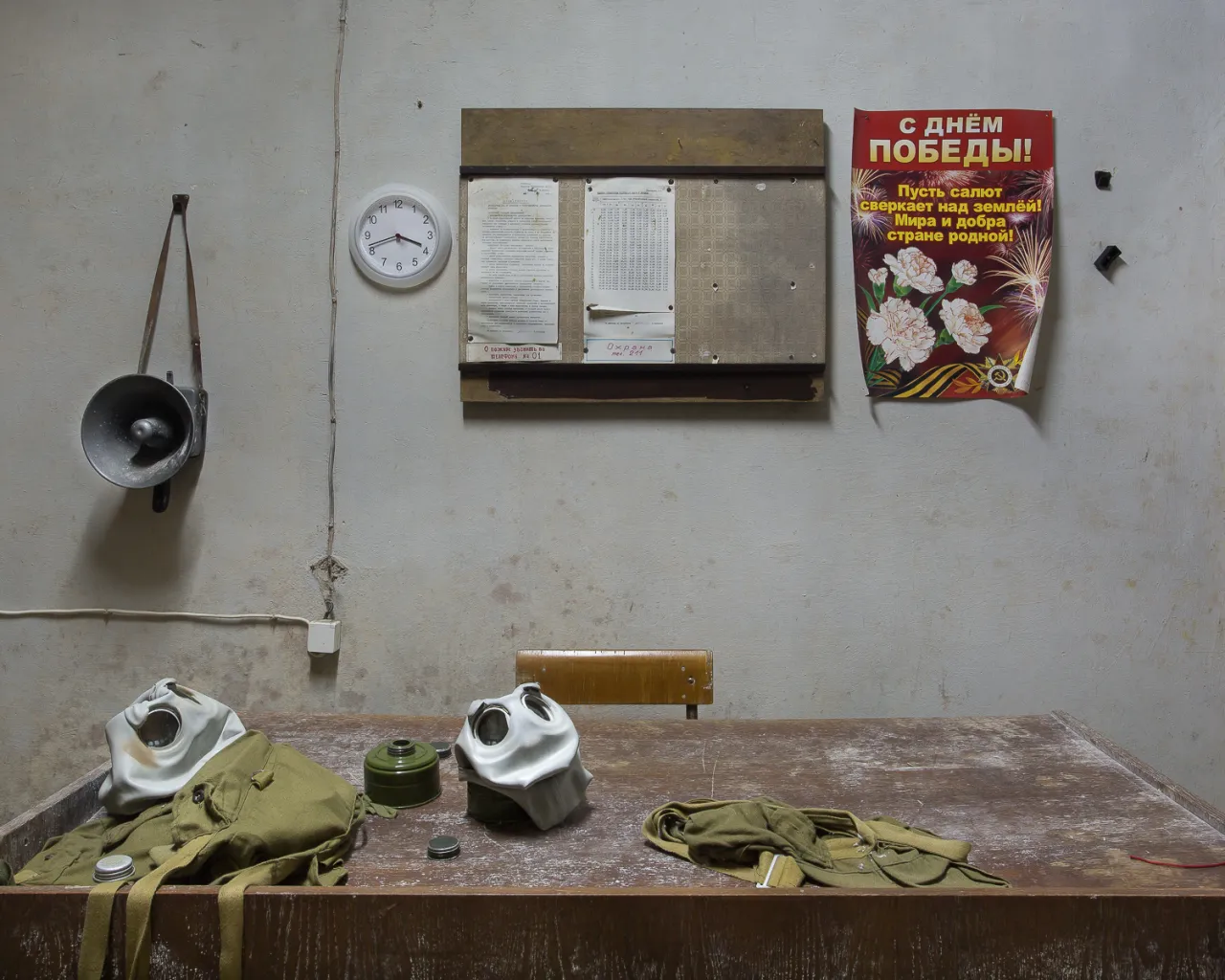
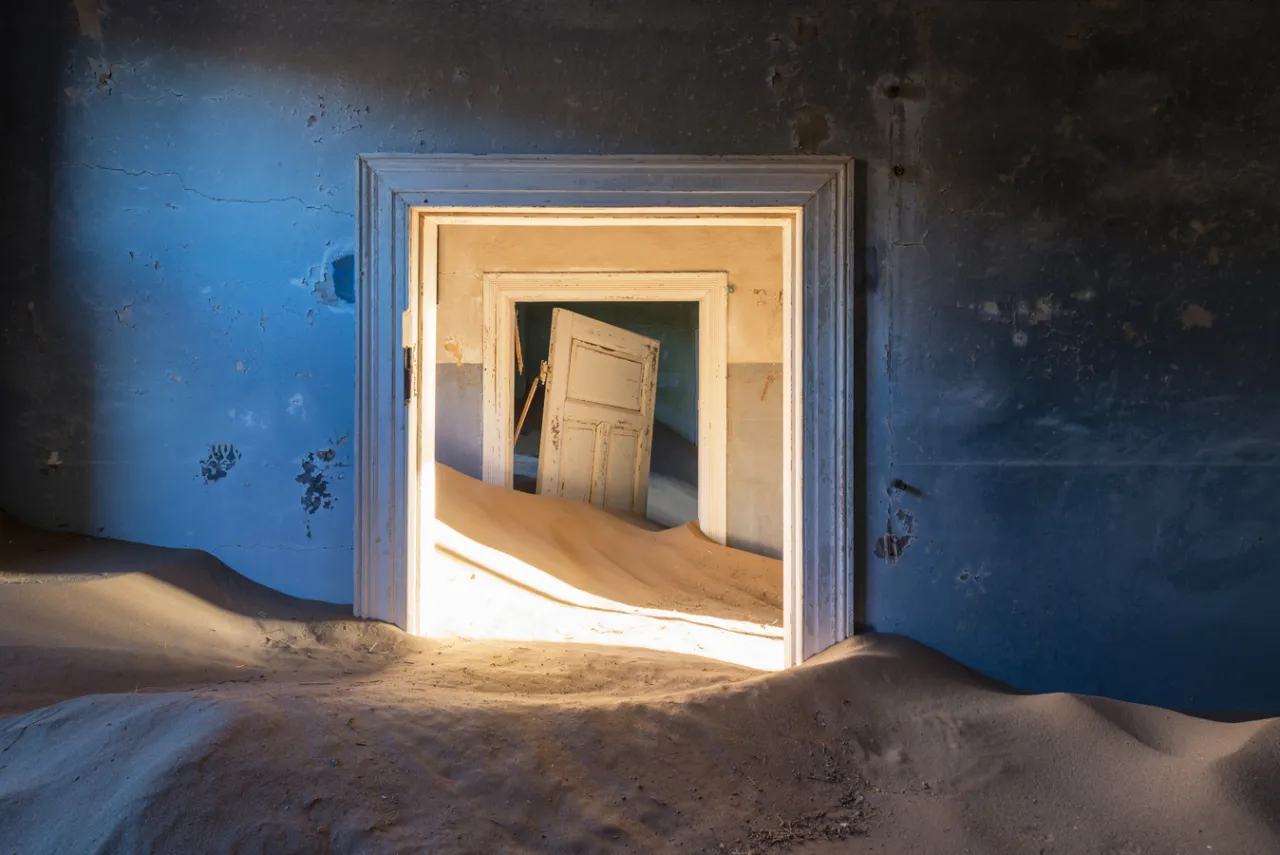
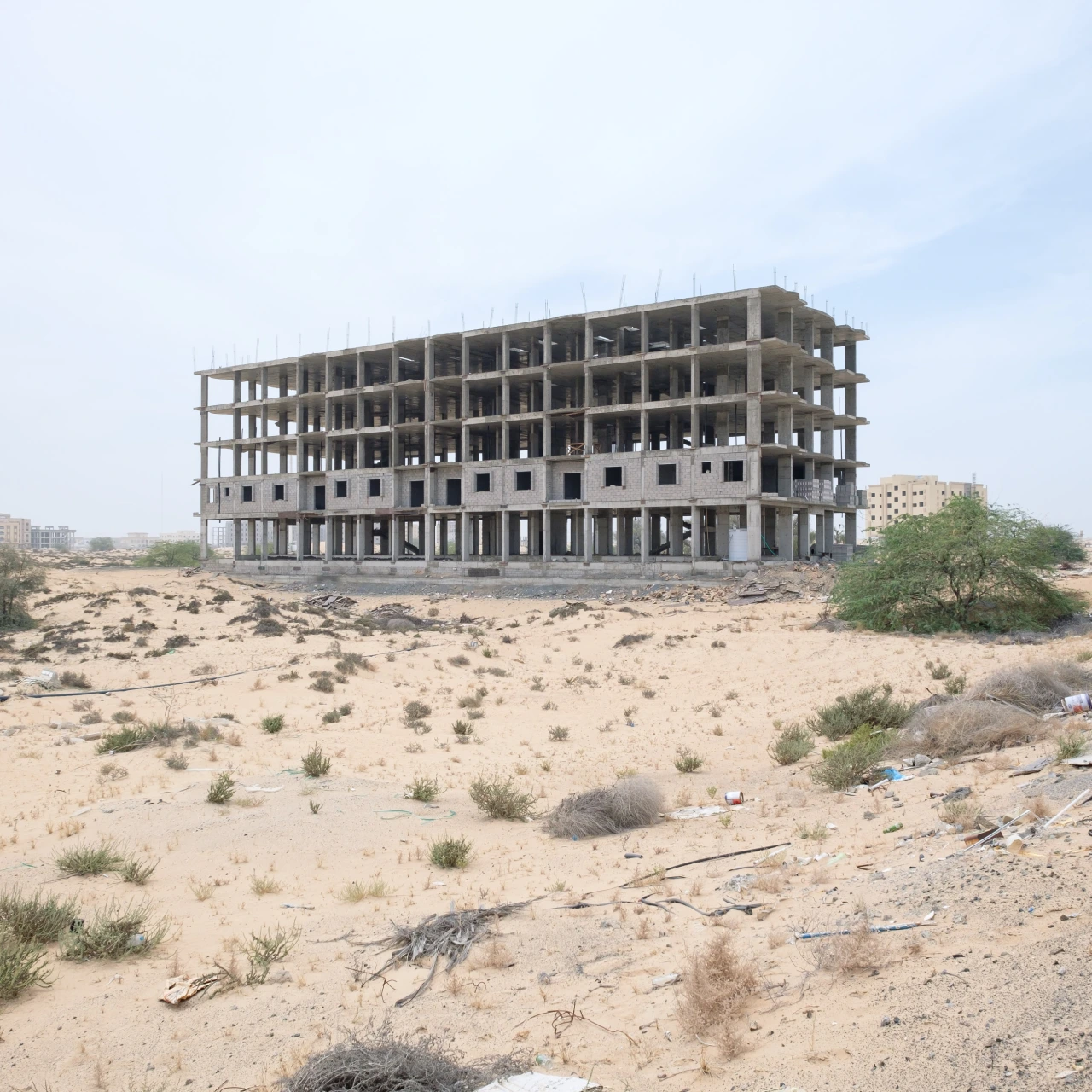
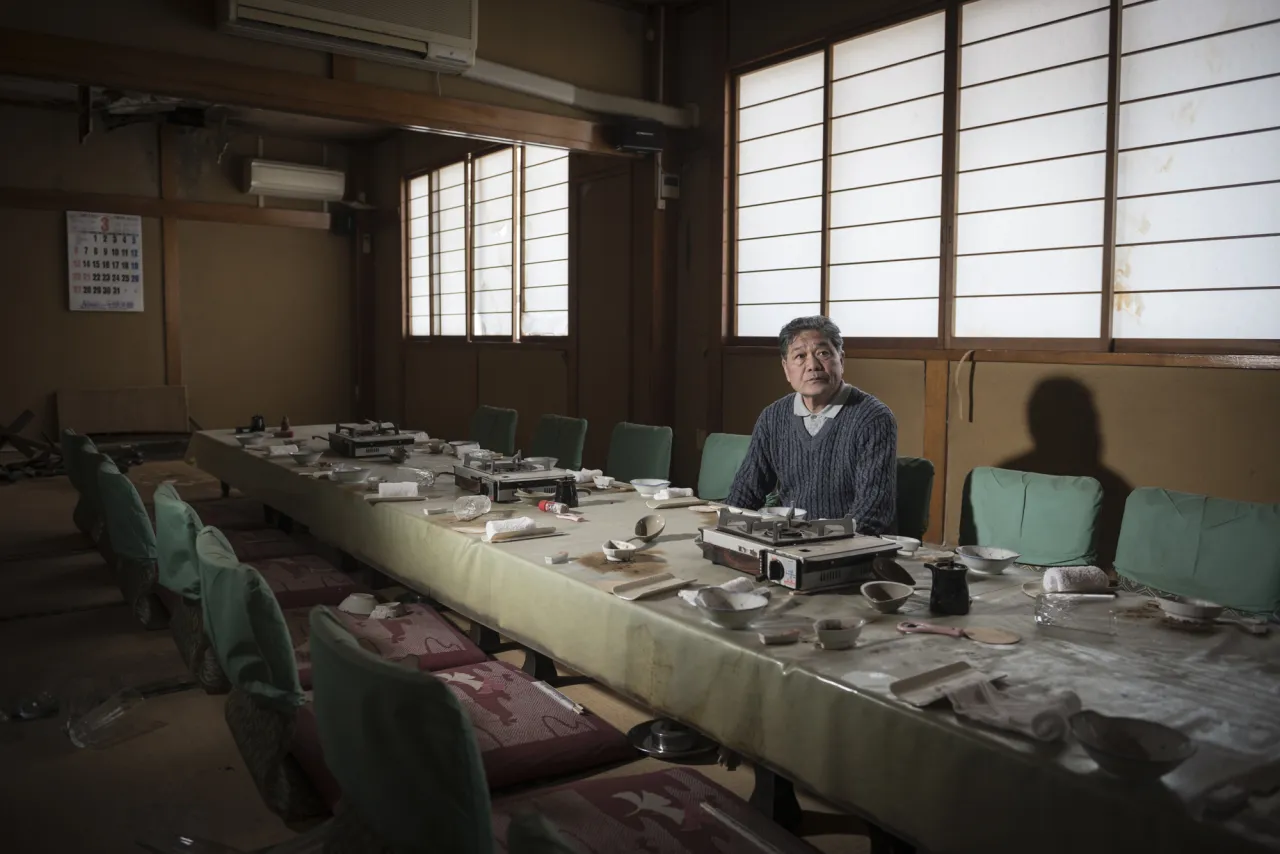
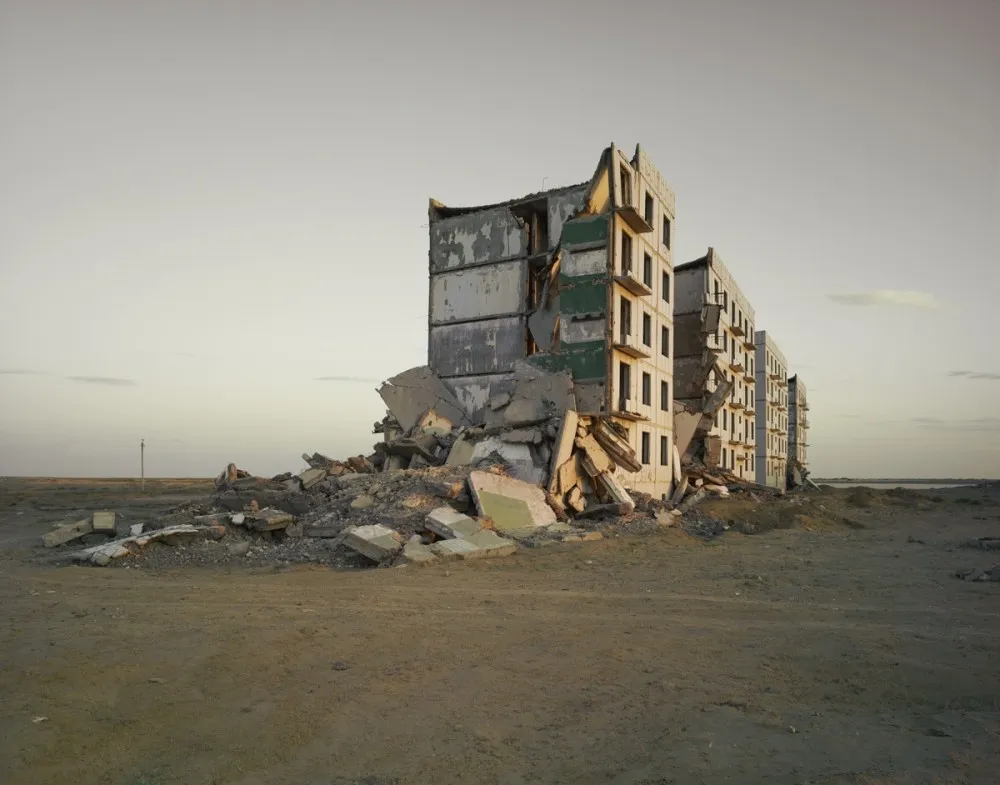
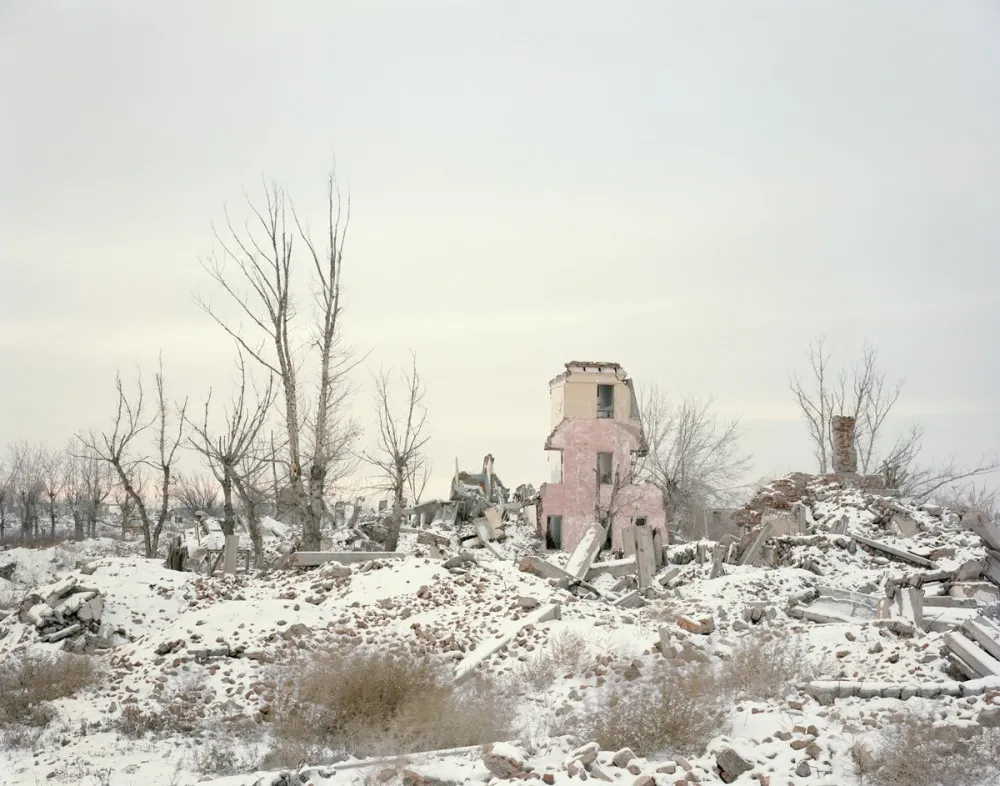
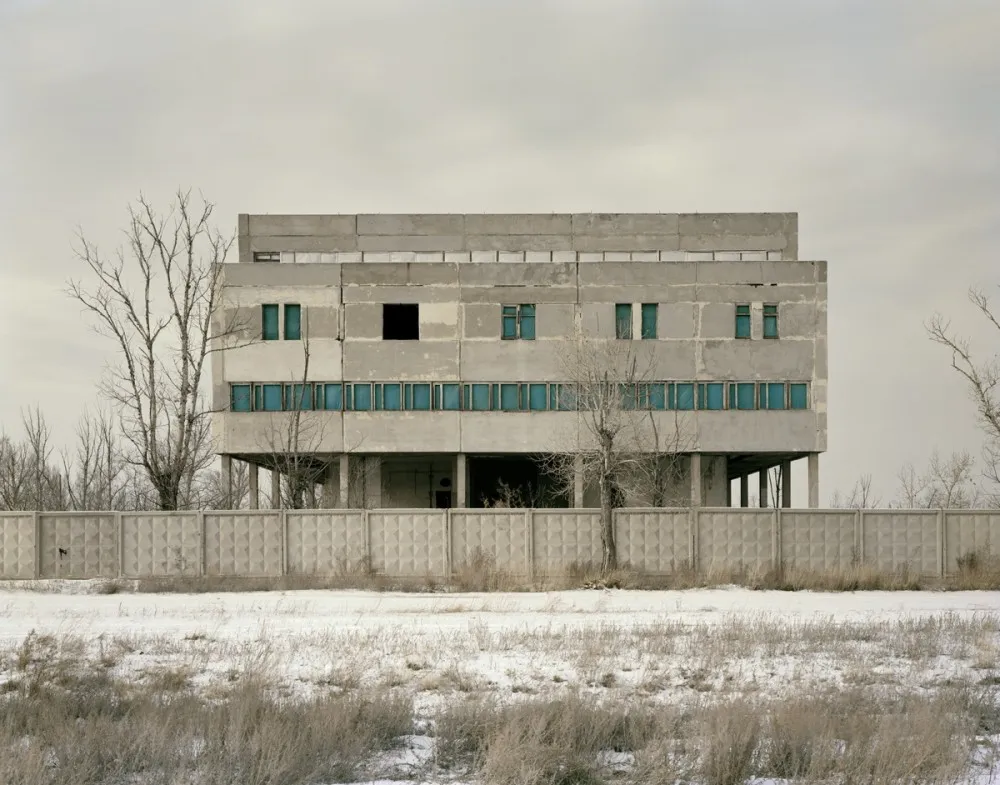
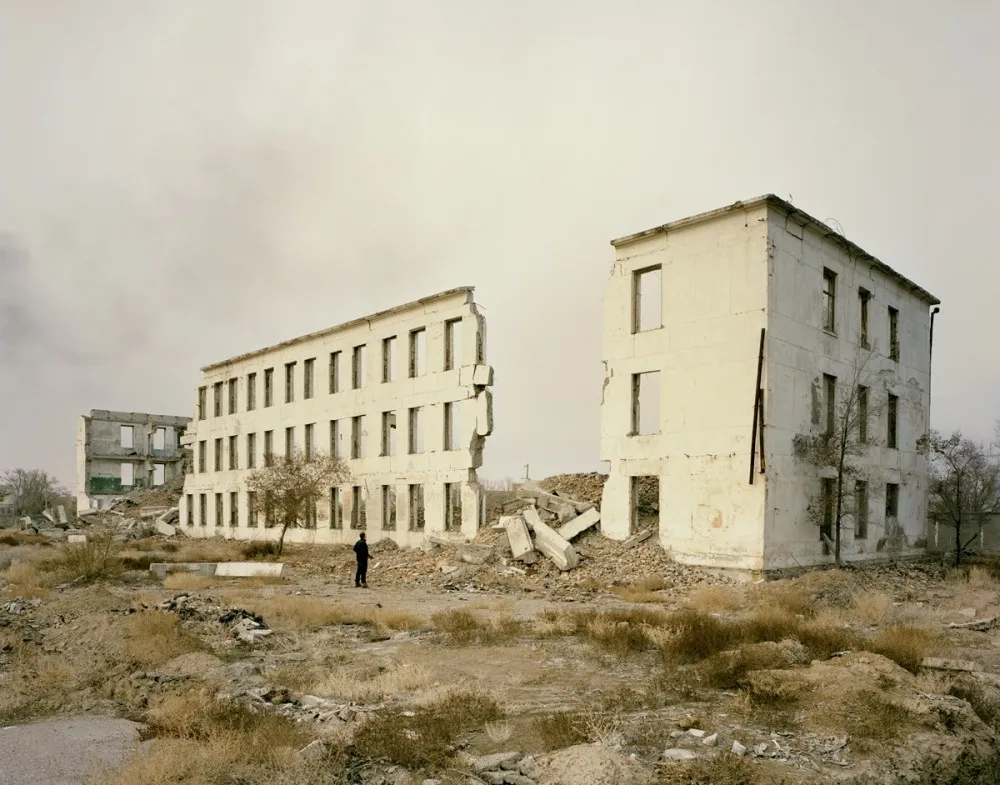
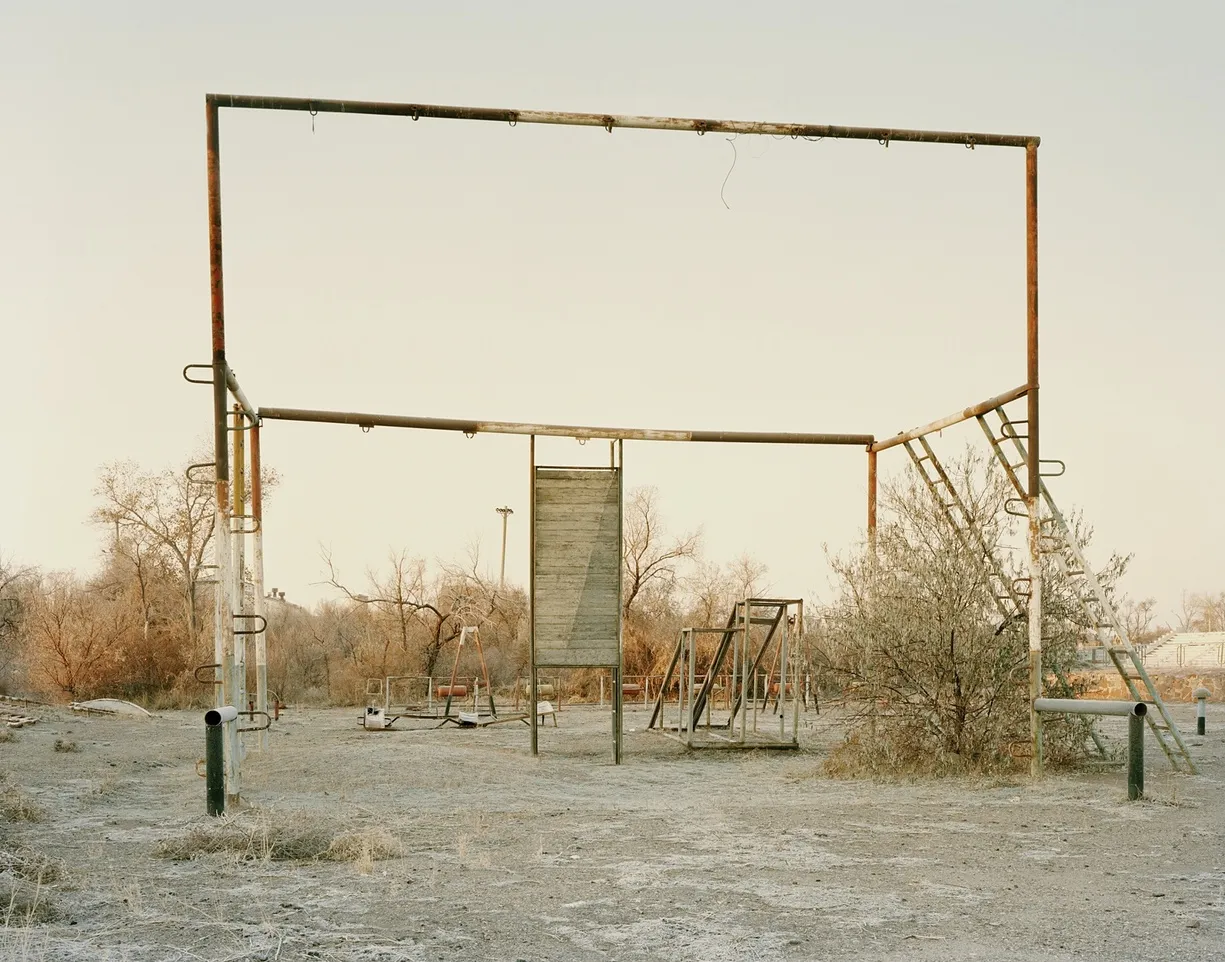
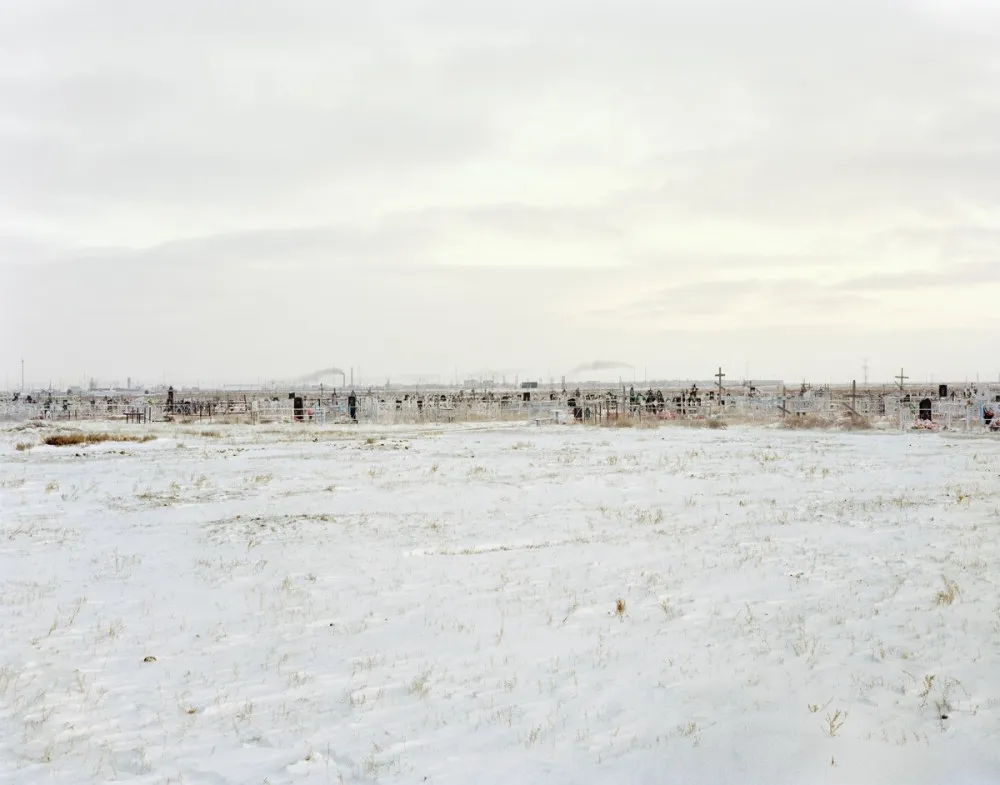
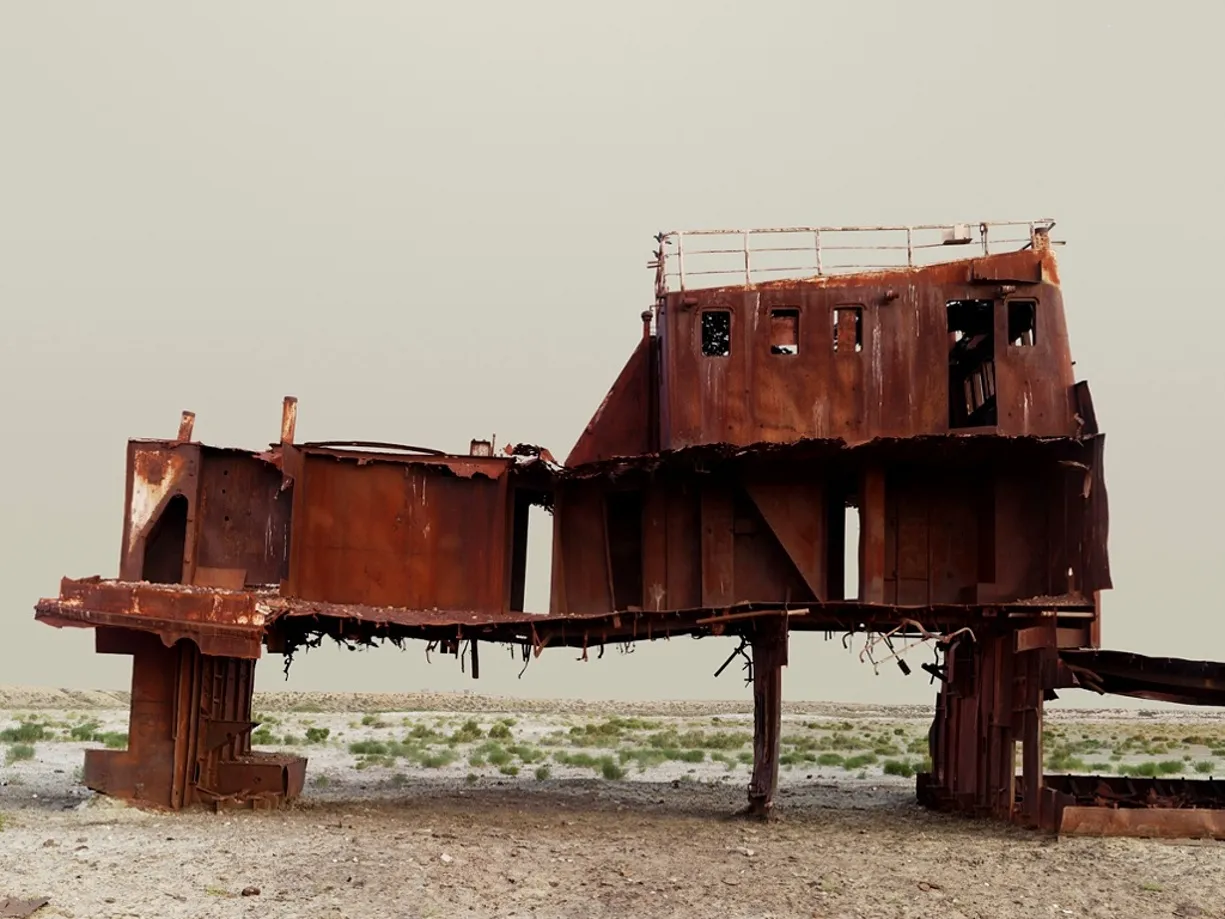
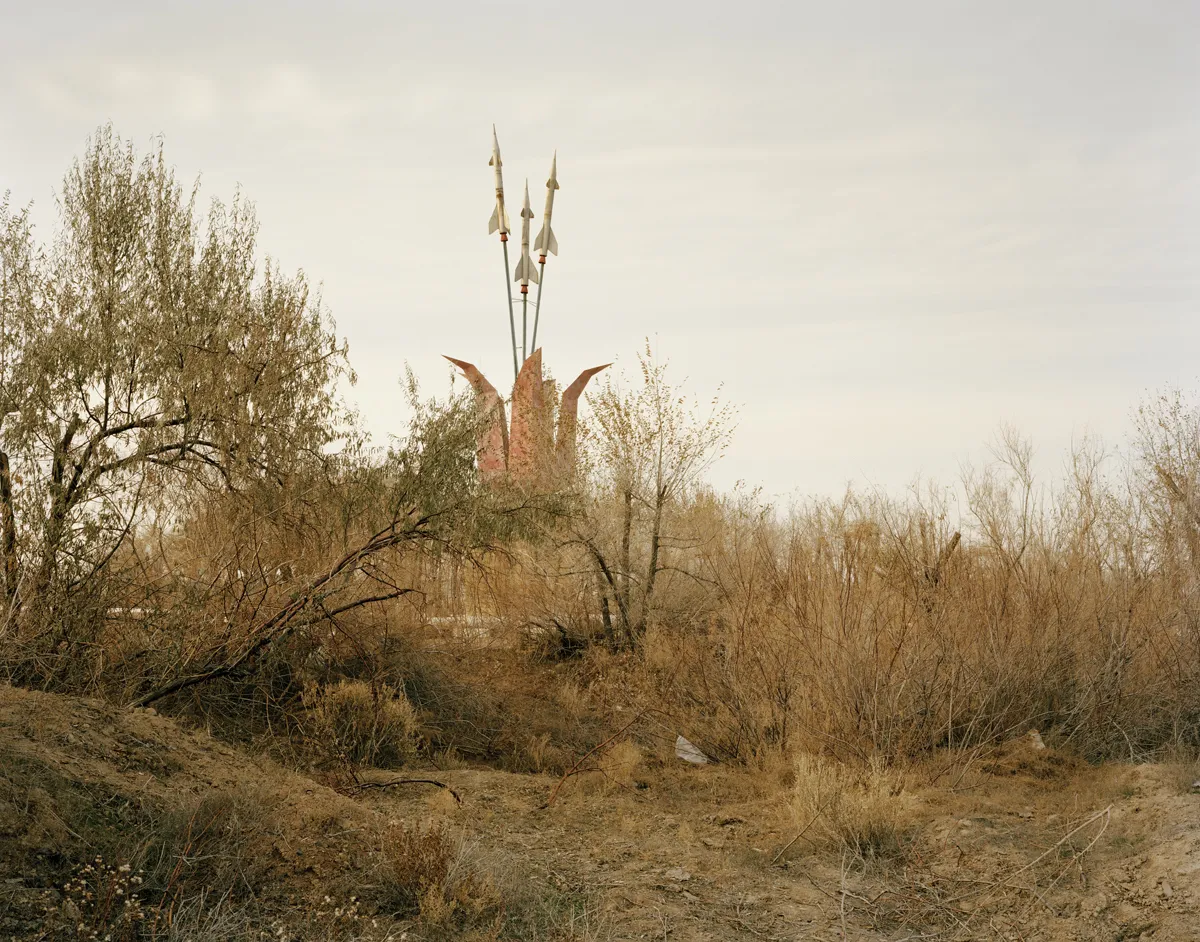
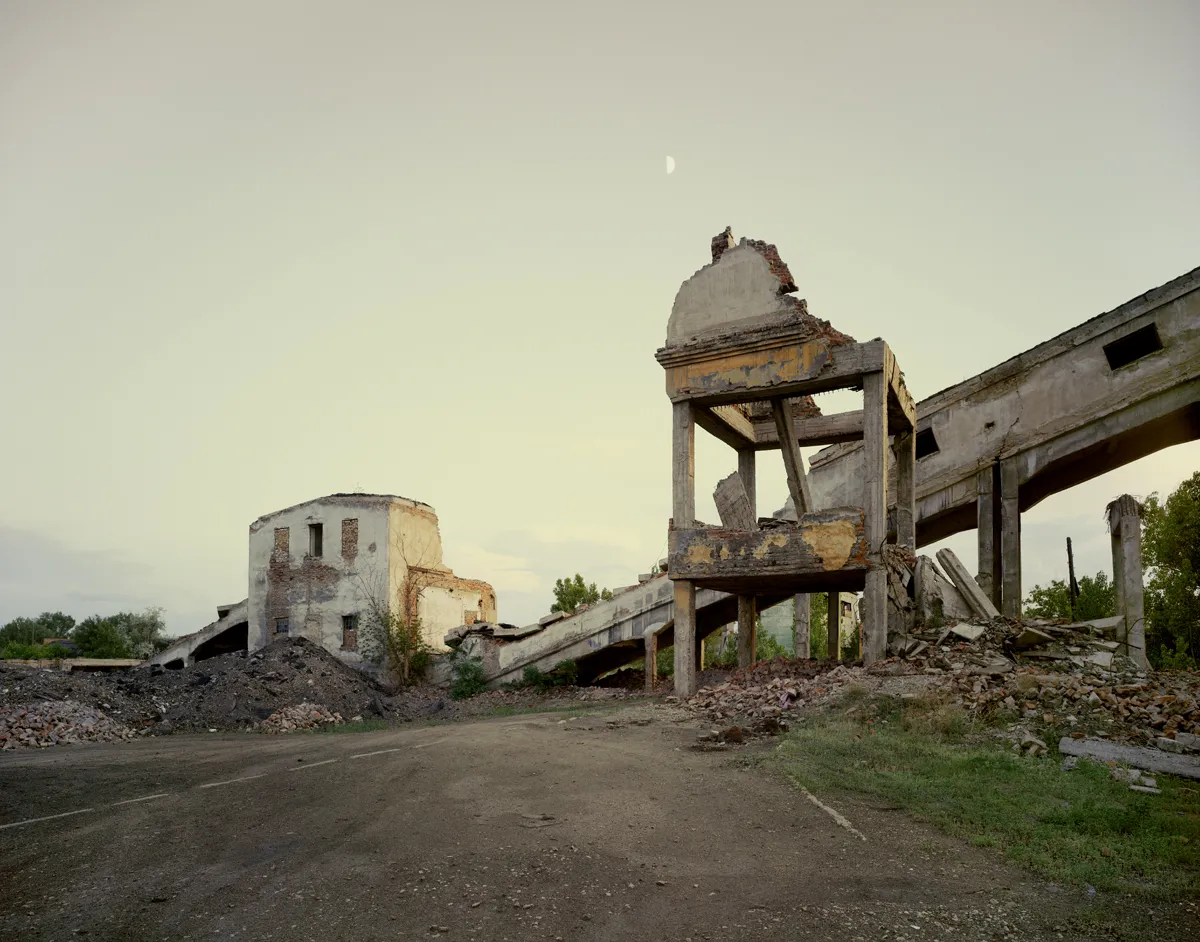
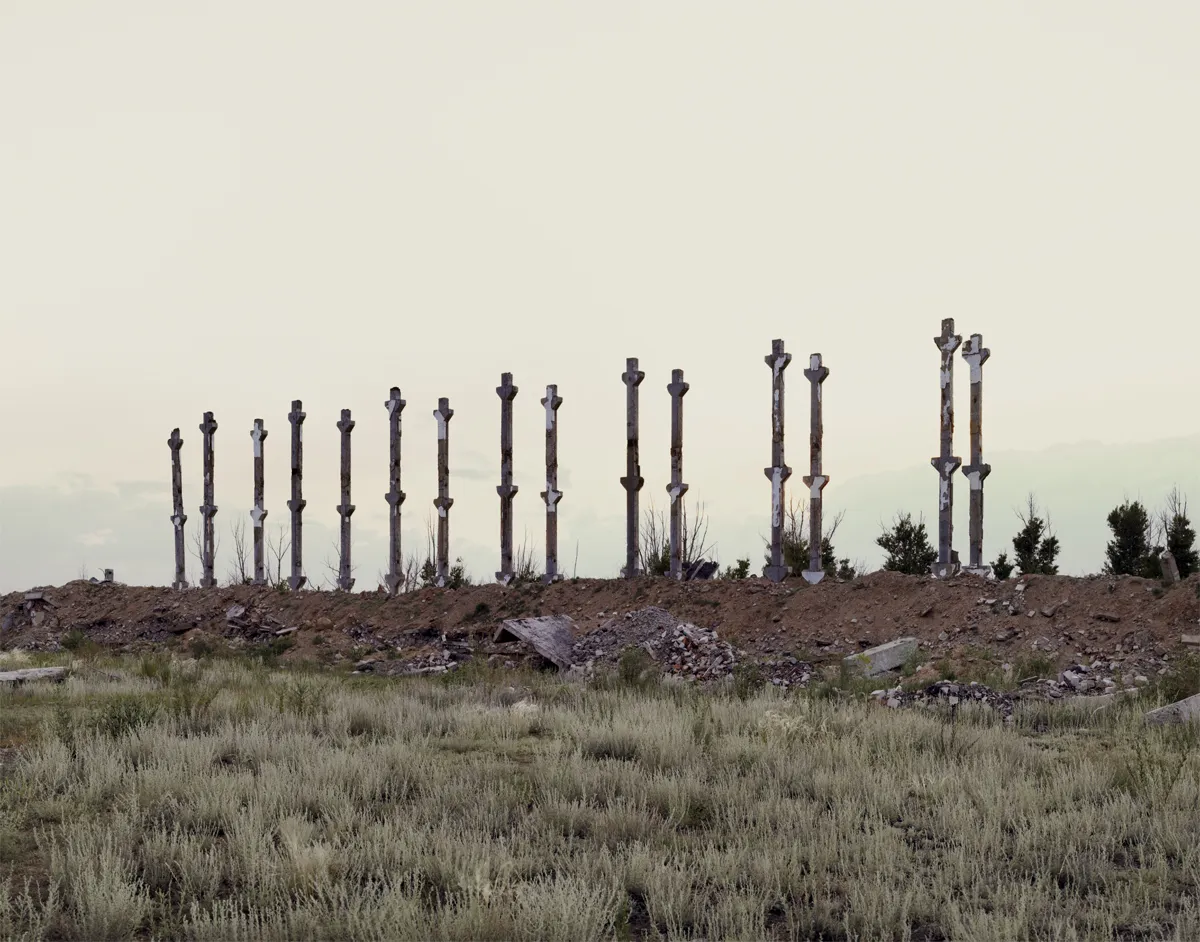
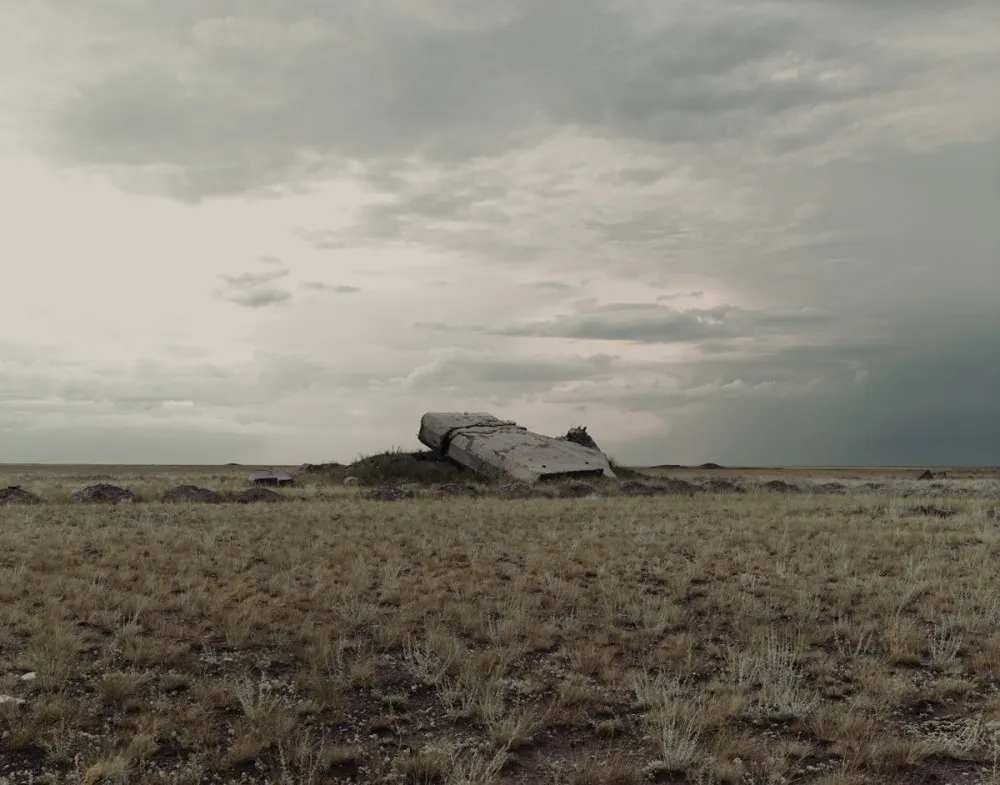
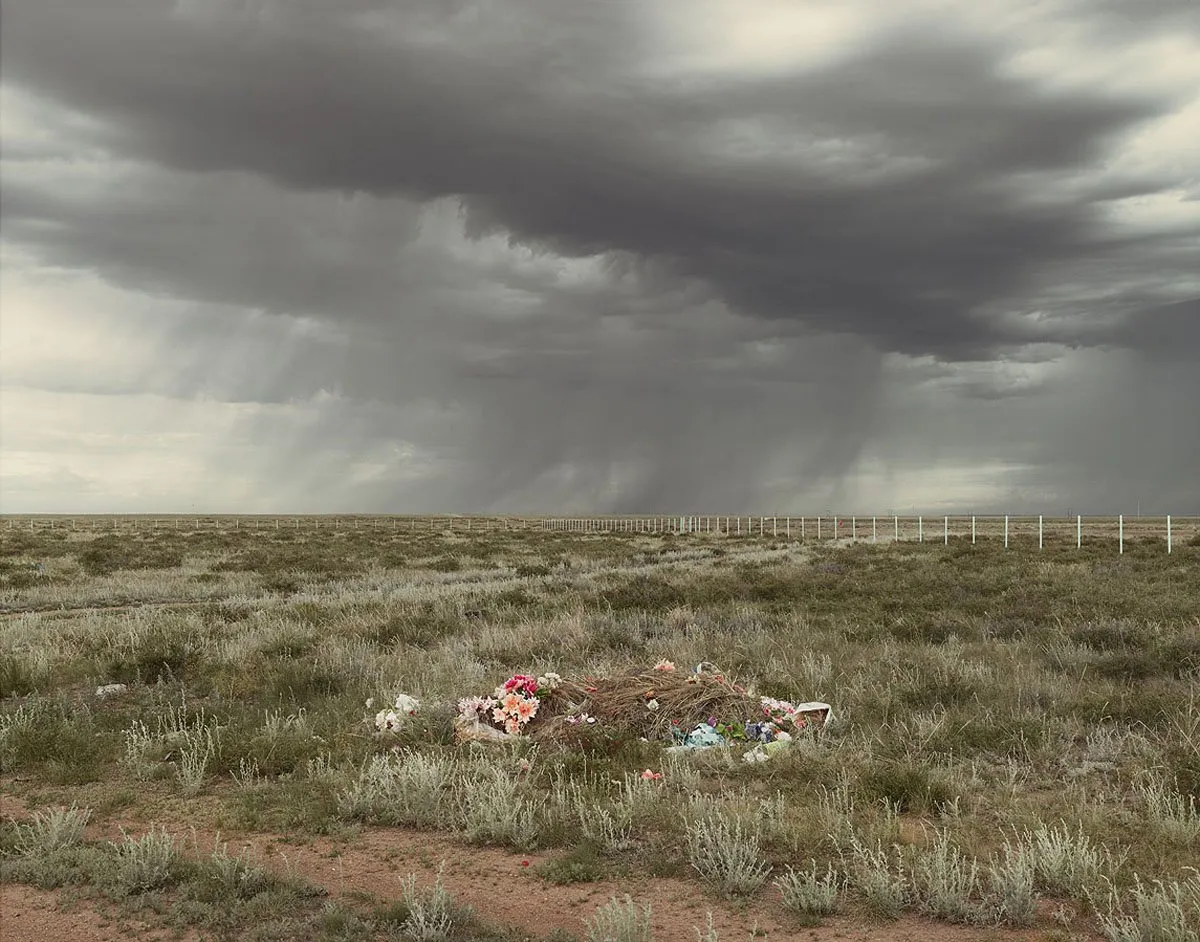
Taking an interest in the 'aesthetics of destruction,' photographer Nadav Kander's most recent project Dust explores the vestiges of the Cold War through the radioactive ruins of secret cities on the border between Kazakhstan and Russia.
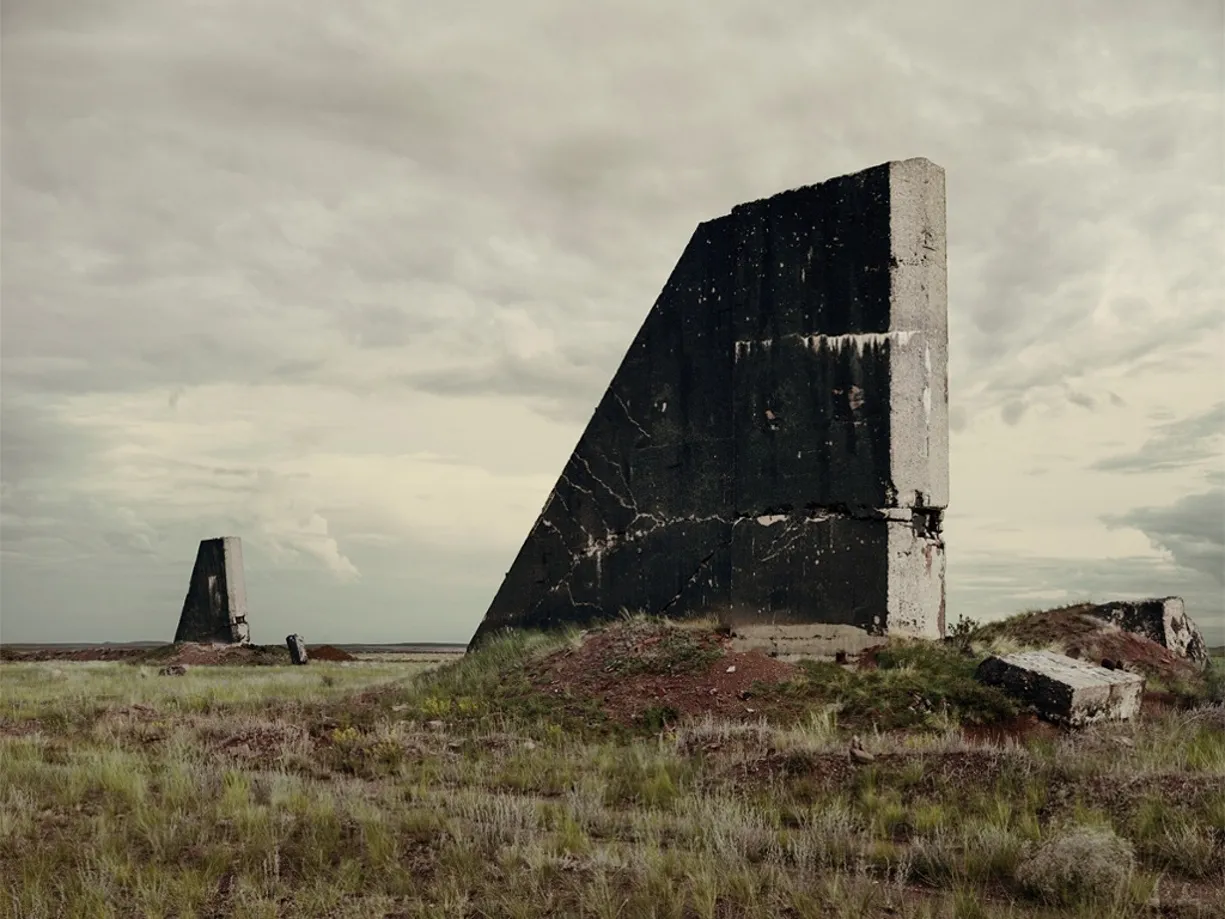
Priozersk (formally known as 'Moscow 10') and Kurchatov are closed cities, restricted military zones, concealed and not shown on maps until they were 'discovered' by Google Earth. Enlisted to the pursuits of science and war, the sites were used for the covert testing of atomic and long distance weapons. Falsely claimed as uninhabited, the cities, along with nearby testing site 'The Polygon' set the stage for one of the most cynical experiments ever undertaken. Scientists watched and silently documented the horrifying effects of radiation and pollution on the local population and livestock.
Fascinated by the area's past and driven by discovery, Kander's photographs portray stark fact and bleak setting with a characteristic poeticism. Secrets seem to seep from the silence of the crumbling monuments, bowing under heavy grey skies. Describing what he saw as 'empty landscapes of invisible dangers' Kander's images evoke his sense of awe and fear as he responded to these places and to the weight of their history.
Special thanks to the Flowers Gallery
Editor's Picks




Trending





Latest Jobs
Midweight Full Stack Developer at Bureau for Visual Affairs
Full-time·London (Open to remote)·£35k–£50k
Client Partner at Halo
Full-time·Bristol·£30k–£36k
Design Director, Opinion at The New York Times
Full-time·New York·$160k–$180k
Senior Digital Designer at 3800
Full-time·Sheffield·£40k-60k
Graphic Designer at Crux Product Design
Full-time·Bristol·Up to £36k
Creative Project Manager at Analogue
Full-time·Leeds·£28k–£35k